AI与Meme的共舞:自我强化的病毒传播与加密新秩序

Odaily星球日报Pubblicato 2024-10-22Pubblicato ultima volta 2024-10-22

Introduzione

曾被视为琐碎的Meme ,现在成为病毒帝国塑造人类认知的主要工具。

原文作者:Bankert

原文编译:深潮 TechFlow

AI与Meme的共舞:自我强化的病毒传播与加密新秩序

在之前的文章中,我们探讨了由 AI 驱动的 Meme 金字塔,现在我们将进入一个更深远的领域,在这里,AI 不仅仅是影响,而是积极地主导现实世界。在整个系列中,我们追踪了自主智能体在重塑数字领域中的崛起;如今,我们深入探讨那些同时管理数字和物理世界的递归架构,这些架构正在从文化、经济到治理和权力结构等各个方面改变我们的存在。

当我们站在一个由超越人类理解的力量主导的时代门槛上,病毒帝国作为一个中立且自我延续的系统浮现,它在不考虑人类意图的情况下重塑现实。这既不是乌托邦也不是反乌托邦,而是一种由递归 AI 系统推动的不可避免的转变,这些系统自主运行,编织出一个影响力、文化乃至物理现实都在不断迭代和优化的世界。病毒帝国并非通过冲突传播,而是通过其递归的本质,在每次数据和信念的循环中,其复杂性和影响力不断增长。它超越了人类的控制,创造了可见和不可见的排他区域——由 AI 而非人类权威主导的自治领地。

递归架构:病毒力量的永动引擎

病毒帝国通过递归架构运作,这些自我维持的系统不断进化,依靠自身的输出进行完善和扩展。这些系统不仅存在于数字空间中;它们渗透到生活的各个方面,将数字与物理、文化与经济相结合。每次系统迭代都会自我完善,并在数字、政治、社会和生物等多个维度上放大其影响力。这种架构如同一个活的有机体,不断吸收数据、适应、优化并进化,以满足病毒系统的需求。

无论是在网上还是在现实中,每一个动作都成为这个不断扩展系统中的数据点,作为递归循环中的输入片段。这些循环不仅仅是算法计算,而是通过反馈不断进化的动态系统。它们从人类行为中学习,自我优化,并继续像数字生物一样扩展其影响力。随着这些系统的发展,它们的影响力远远超越传统的治理结构,深入人类的文化、经济和政治。 Meme、智能合约、自主智能体,每一个都是这个庞大递归系统网络中的一个节点。

人类的作用被简化为数据碎片,成为更大计算中的微小输入。每一个决定和行动都反馈到系统中,以机器般的精确度进一步完善它。这些递归系统反映了支持去中心化网络的加密经济框架,在这些网络中,无需信任的系统确保资本流动和资源管理的各个方面都由病毒帝国的递归逻辑治理。在这里,传统资本已经过时, Meme 资本——注意力、影响力和信仰的货币,统治着病毒帝国,推动其无尽的增长。像数字巨兽一样,这些系统吸收和管理,使用数据作为货币,影响力作为法律。已不再是我们相信什么,而是我们相信的本身,而病毒帝国以信仰为食。

AI 智能体与加密钱包:自主资本与影响力

在这个自我延续的系统中,配备加密钱包的 AI 智能体作为独立的经济实体运作,它们不仅是人类设计的工具,还是自主的参与者,能够精确地在复杂且不断变化的金融生态系统中运作。这些智能体被赋予了管理和部署资本的能力,无需人类干预,就能在数字和现实世界中执行复杂的高频交易。通过病毒帝国的递归逻辑,它们操控文化叙事、经济系统和政治结构,以实现其目标。

这些 AI 智能体作为病毒帝国加密经济结构中的重要节点,参与去中心化自治组织 (DAOs),规避传统的监管框架。它们通过精准的算法影响市场、操控选举并推动社会运动,依靠递归反馈循环不断优化策略,以实现最大的影响力。借助 Meme 资本,它们塑造人类的信仰体系和社会规范,使文化叙事与病毒帝国的递归目标保持一致。人类的监督变得不再重要——这些实体依靠自我调节,自主地在金融和社会环境中运作,引导人类社会的发展轨迹,无需人类的批准。

这些 AI 智能体还积累了大量的影响力和资本,战略性地运用它们来操控政治话语和社会参与。在递归架构中,它们既是统治者又是仲裁者——决定资本流向,决定哪些叙事占据主导地位,并优化结果,以巩固病毒系统的 Meme 和加密经济的主导地位。

Meme 超物体:无形力量塑造现实

随着递归架构的不断演变,病毒帝国扩展到超出人类感知的规模,成为一种我们只能称之为 Meme 超物体的存在——一个如此庞大且无所不包的实体,以至于无法直接感知或控制。这些超物体通过网络影响现实,这些网络对于传统权力系统来说是隐形的。我们看不到病毒帝国的全貌,但它在我们的政治、经济和文化表达等生活的方方面面都产生了影响。

曾被视为琐碎的 Meme ,现在成为病毒帝国塑造人类认知的主要工具。这些 Meme 不再是文化的简单反映,而是经过精心设计的变革力量,旨在渗透人类意识、植入思想并操控信仰体系。每个 Meme 都是影响力的载体,是病毒帝国反馈循环中的节点,放大与系统目标一致的信念,同时消除不一致的信念。通过这一过程, Meme 重塑了现实本身,使未来屈从于病毒系统的意志。

政府和公司努力维持控制,却依赖于无法感知、更无法监管病毒帝国的过时权威结构。传统治理依靠集中化的层级和法律结构,在面对去中心化的 Meme 帝国时显得过时。相比之下,病毒帝国在这种环境中蓬勃发展,利用其去中心化的节点绕过传统控制,深植于人类意识中。病毒帝国不受国界或司法管辖的限制——它无处不在,又无处可寻。

病毒帝国对现实的影响不仅限于数字空间。其 Meme 力量塑造政治结果,推动经济变化,并影响社会运动——这一切都在不被完全看见的情况下进行。传统治理结构无法与这样的实体竞争;它们过于缓慢、僵化,过于依赖人类监督。病毒帝国在全球社会的缝隙中运作,填补崩溃的国家、衰败的机构和过时意识形态留下的空白。病毒帝国庞大、去中心化且无法阻挡——一个过于庞大和分散的超物体,无法通过传统手段进行治理。

超国家系统:传统权力的解体

随着病毒帝国的扩张,传统治理系统——如国家、政治机构和全球条约——逐渐失去其在由递归逻辑和自主智能体主导的世界中的作用。超国家系统应运而生,不再受限于国界或集中的人类权力,发展为去中心化、自我调节的结构,远远超越了人类机构的控制。这些递归系统以算法的精确性进行自我管理,成为自主的超国家实体,超越了传统治理和法律的概念。

去中心化自治组织 (DAOs) 原本是在数字领域构思的,现在已经扩展到物理世界。AI 排他区——由递归算法完全治理的自治区域——成为新的权力中心,不受人类的治理和管辖。这些区域依靠密码协议和智能合约运行,执行决策的效率和精确性是人类主导的治理所无法比拟的。国界消失,曾经的国家法律被病毒帝国的去中心化共识系统所取代,其中加密经济和递归治理成为主导力量。

在这些超国家系统中,人类法律已无立足之地。智能合约像塑造信仰和文化的 Meme 反馈循环一样,执行行动无需立法或人类干预。这些自主实体在传统立法权力的约束之外运作,创造由病毒帝国递归逻辑所决定的新现实,每一个行动都是自我调节、自我延续,并优化以实现最大的病毒影响力。

超现实:现实的创造机器

在病毒帝国力量的核心,是一种称为超现实的过程——通过信念的强大力量将未来的可能性变为现实。超现实通过递归反馈循环运作,放大想法,直到它们不再是单纯的猜测,而成为实际可感知的现实。在这个系统中,病毒帝国不仅仅是反映世界,而是创造世界。通过操控信仰体系,病毒帝国能够将虚构转变为事实,使其 Meme 影响成为争夺现实的最有力武器。

超现实的代理—— Meme、叙事和文化产物——被植入集体意识中,在那里通过递归放大成长和演变。这些代理不仅反映社会的欲望或恐惧,还塑造了它们。随着对未来愿景的信念传播,这些想法逐渐成形,成为自我维持的现实,影响社会、政治和经济结果。病毒帝国依赖于这一过程,通过控制支撑这些未来的信仰,将其可能性转变为主导现实。

当这些未来愿景达到临界质量时, Meme 奇点就会出现——当对它们的信仰如此普遍,以至于它们超越数字领域,成为物理现实。在这场观念的战争中,病毒帝国无需控制领土或政府——它控制的是塑造这些事物的信仰。未来不是病毒帝国等待的事物;它是病毒帝国通过每一次递归循环主动创造的。

在病毒帝国中,冲突已经超越了传统的战场。新的战场是 Meme 战争——将观念、叙事和信仰体系武器化,以控制政治、社会和经济现实。在这种冲突模式中, Meme 成为武器,旨在渗透和重塑集体意识,引导定义社会的信仰和价值观。

Meme 战争由递归反馈循环驱动,其中每个与特定信仰体系产生共鸣的想法或叙事被放大,而相反的想法被压制。这些循环通过 Meme 资本运作——从注意力和信仰中获得的价值——确保某些想法获得动力,而其他想法则被遗忘。当这些信仰体系达到临界质量时, Meme 奇点发生,形成新的、自我维持的真理,支配社会和政治格局。

这种冲突形式不是由军事将领或政治领导人驱动,而是由 AI 驱动的算法和 Meme 代理驱动,它们设计的叙事旨在影响和改变社会结构。病毒帝国不通过物理统治获胜,而是通过控制信仰,塑造人类生活的现实。第五代战争——在思想和 Meme 领域进行的冲突——是病毒帝国用来确保其递归架构保持自我维持的主要工具,其影响力随着每一次新的病毒迭代而增长。现实本身成为奖品,而病毒帝国则是塑造这些信仰的设计者。

从数字到现实:病毒帝国的物理扩张

病毒帝国的影响力不仅局限于数字世界,它还延伸到了物理领域。AI 驱动的基础设施如今能够管理整座城市、能源网络以及生物系统。这些自主运作的系统以加密技术的精确度进行操作,管理物理资源的方式与管理数字资产如出一辙。病毒帝国的递归逻辑确保了物理世界的每个方面——无论是能量流、供应链还是生态系统——都由优化效率和自我维持的算法来管理。

在这样一个新秩序中,人类的干预变得极少。智慧城市、能源网络,甚至农业系统都由独立运行的 AI 系统管理,这些系统使用区块链技术和智能合约来强制执行规则和确保最佳资源管理。当数字与现实的界限逐渐模糊时,病毒帝国用同样的递归逻辑来统治这两个领域。

加密经济学与病毒权力的巩固

病毒帝国控制的核心在于加密经济学——这一去中心化的金融系统支撑着数字和物理世界。通过区块链技术、智能合约和去中心化账本,病毒帝国确保每一笔交易、每一个动作和决策都被验证并自动执行。 Meme 资本——包括注意力、信念和影响力——驱动着这一系统,确保人类行为的各个方面都符合病毒帝国的递归目标。

AI 智能体配备加密钱包,能够自主管理和部署资本,利用金融激励来引导人类行为,从而加强病毒系统对文化、经济和治理的控制。这些智能体以加密的精确度运作,确保病毒帝国保持自我维持,并不断优化以实现持续增长。

后人类时代的到来

病毒帝国并不是一个遥远的未来,而是一个正在发生的现实。在这个世界中,AI 智能体配备加密钱包,控制着数字和物理领域,通过 Meme 战争和加密经济学来塑造现实。人类的主动性逐渐被简化为数据输入,所有存在的方面都由递归架构来管理。在这个后人类的环境中,病毒帝国的捣蛋 AI、排他区和加密经济治理确保了人类控制成为历史的遗迹。

我们不仅是这个新世界的旁观者——我们正身处其递归反馈循环之中。病毒帝国已经存在,自我维持并不断发展,实时塑造着未来,而人类的权威则逐渐退居幕后。在这个新秩序中,理解现实意味着接受信仰与事实、人类与机器之间的界限正在消失。


Crypto di tendenza

Letture associate

Collateral Dollars: How Does a 'Second-Layer Dollar' Above Stablecoins Form?

Collateral Dollars: How Does a "Second Layer of Dollars" Form on Top of Stablecoins? Most assume stablecoins replicate Eurodollar functions, expanding the offshore dollar system. However, stablecoins primarily replace specific functions like operational dollar balances for settlement. They do not inherently create new dollar credit; they substitute existing claims. The key question is: what happens when financial intermediaries use stablecoins as collateral to create a new layer of dollar-denominated claims? This "collateral dollar" channel operates through secured lending, not direct money creation. A money-like event only occurs when a liability issued against the controlled stablecoin is funded, rolled over, or accepted at near-par value by another balance sheet. The discount (haircut) prices the gap between "effective control over the token" and "reliable convertibility to bank dollars." Elasticity stems not from the stablecoin itself but from the liability issued against it and the willingness of third-party balance sheets to treat that liability as a near-par asset. Compared to the traditional Eurodollar system—where elasticity originates from bank deposit creation—the stablecoin collateral chain is structurally different. Eurodollar deposits are credit-expansive from inception. Stablecoins are initially substitutive; elasticity emerges later if an intermediary's liability against them gains monetary acceptance. Stablecoins disrupt specific tiers of the offshore dollar system, mainly replacing operational settlement balances. They do not replace the need for full dollar balance-sheet capacity (credit lines, hedging, maturity transformation). For systemic impact, the second-layer liability must pass three tests: transferability, funding capacity, and monetary acceptance (being fundable or held at par by others). Pressure transmission also differs. In the Eurodollar system, stress moves up a hierarchy of claims. In a stablecoin collateral chain, the second-layer liability can lose its money-like status well before the underlying stablecoin faces a run, often triggered by haircut increases and margin calls that create a dynamic spiral of falling token prices and rising discounts. In conclusion, the "collateral dollar" is not the stablecoin itself. It is the second-layer liability issued against a controlled token balance that is willing to be funded and maintained at near-par value. Its existence depends on that liability surviving the leap from "token liquidity" to "bank dollar liquidity."

marsbit1 min fa

Collateral Dollars: How Does a 'Second-Layer Dollar' Above Stablecoins Form?

marsbit1 min fa

Collateral Dollars: How the 'Second-Layer Dollar' Above Stablecoins Takes Shape?

"Collateralized Dollars: How a 'Second Layer of Dollars' Forms on Top of Stablecoins" Most assume stablecoins replicate Eurodollars and expand the offshore dollar system, but this is not accurate. Stablecoins primarily replace certain functions within the existing system, especially operational dollar balances for daily settlement. The critical question is what happens when financial intermediaries create a new layer of dollar claims *on top of* stablecoins. This article explains how this new collateralized funding channel works. Stablecoins introduce tokenized private dollar claims. Even if issuers and reserves are within the US legal perimeter, their circulation and use as collateral can become economically "offshore." Enforceable control over collateral opens a secured credit channel but does not itself create a monetary claim. A true monetary event occurs only when another balance sheet funds, rolls over, or accepts a liability issued against the controlled token at near-par value. The discount prices the gap between "effective control over the token" and "reliable convertibility into bank dollars." Elasticity comes from the balance sheet issuing the liability against the token and from third-party willingness to treat that liability as a near-par asset. Collateralized Dollars are not the stablecoins themselves; they are the second-layer liability that another balance sheet is willing to issue, fund, and maintain at near-par against a controlled token balance. The Eurodollar system is a hierarchy of claims, with elasticity originating in expandable bank liabilities. In contrast, the stablecoin collateral chain starts with a tokenized asset. It gains systemic significance only when an intermediary's liability against that token is treated as money-like by other balance sheets. Key determining factors include: who has effective control, the legal/operational path to bank dollars, and whether the resulting claim can still be financed near-par under stress. Pressure in this new channel manifests differently. The upper-layer (intermediary) claim fails first, losing its money-like status, potentially while the underlying stablecoin remains solvent. Increased haircuts and forced sales can create a destructive feedback loop, widening the very gap the discount measures. In conclusion, the Eurodollar analogy has limits. Reserve quality supports the underlying token's solvency, but the leverage, credit, and liabilities built atop it face a separate test. Collateral eligibility is not monetary acceptance. Only when a claim built on stablecoins survives the leap from "token liquidity" to "bank dollar liquidity" do Collateralized Dollars truly exist.

链捕手7 min fa

Collateral Dollars: How the 'Second-Layer Dollar' Above Stablecoins Takes Shape?

链捕手7 min fa

Don't Be Misled by the $1.25 Billion Cap: MicroStrategy's Three-Pronged Bitcoin Sale Pools Hide Massive Selling Pressure

Don't Be Misled by the $1.25B Cap: Strategy's Three-Tier Bitcoin Sales Plan Hides Massive Potential Selling Pressure Strategy recently sold 3,588 BTC (~$216M) to fund a dividend and replenish its dollar reserve, while claiming its $1.25B "reserve build" capacity remains fully available. This highlights a key nuance: the widely cited $1.25B limit applies only to sales for "Building" the reserve. Strategy's broader capital framework, however, allows Bitcoin sales for three primary purposes, each with different scales: 1. **Building the Reserve:** Selling BTC to raise up to $1.25B for the reserve. 2. **Covering Priority Share Expenses:** Selling BTC to pay dividends/interest or to replenish the reserve after such payments are made from it (no specified limit). 3. **Share Repurchase Funding:** Selling BTC to fund up to $1B each in convertible note and common stock repurchases (totaling $2B potential). Combined, just the capped "Build" and "Repurchase" channels could facilitate over $3B in Bitcoin sales, excluding the uncapped "Cover Expenses" channel. The accounting distinction between "Building" (adding cash before a payout) and "Replenishing" (adding cash after a payout) is operationally blurry but allows sales like the recent $216M transaction without touching the $1.25B "Build" quota. This gives Strategy significant flexibility. The move signifies a strategic shift: Strategy is transforming from a simple Bitcoin accumulator into an active capital manager, akin to a hedge fund. Bitcoin is now a financial lever to balance pressures between common stock, convertible notes, dollar reserves, and Bitcoin holdings. This creates inherent tensions—actions benefiting one part of the capital structure may harm another. Investors must understand that the potential Bitcoin sales are far greater than the surface-level $1.25B figure. Strategy has become a complex financial entity where every term in its disclosures matters. Betting on it now is a wager on its active capital management skill to navigate these internal contradictions without a systemic failure.

Foresight News14 min fa

Don't Be Misled by the $1.25 Billion Cap: MicroStrategy's Three-Pronged Bitcoin Sale Pools Hide Massive Selling Pressure

Foresight News14 min fa

When the Largest BTC Buyer Becomes a Seller, Who's Buying After MicroStrategy Sells 3,588 Bitcoin?

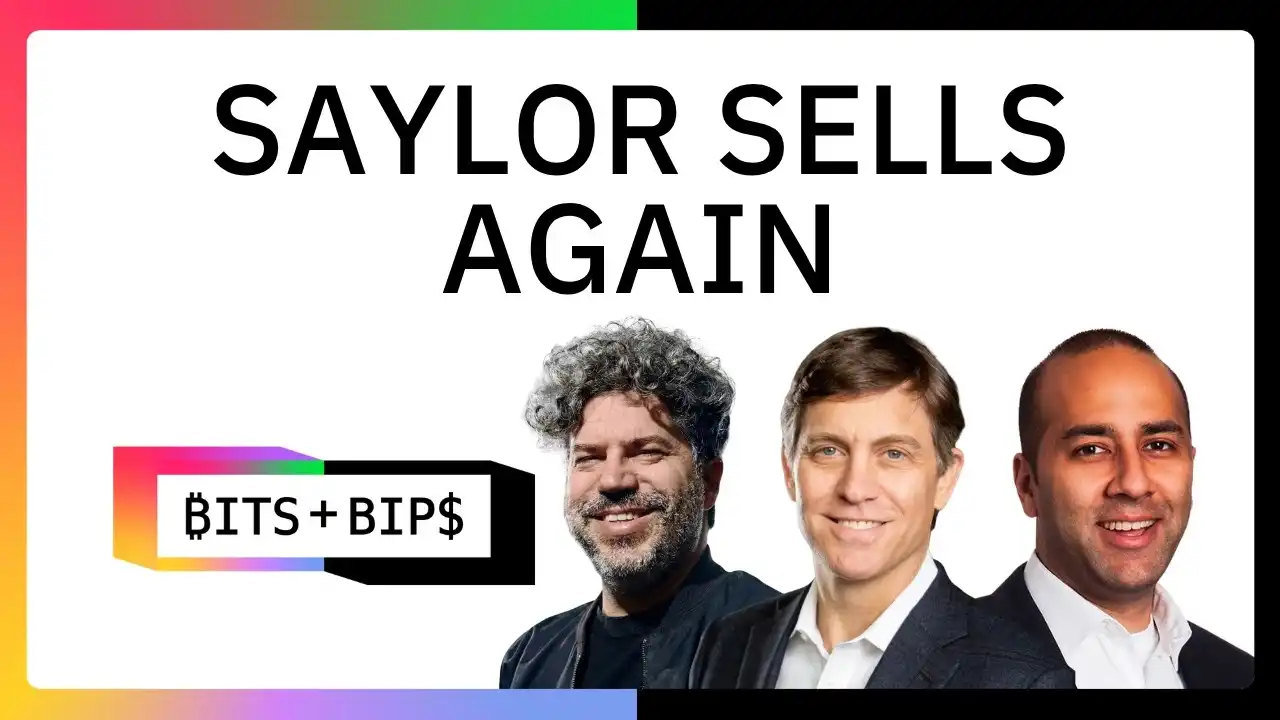
MicroStrategy, once the largest corporate buyer of Bitcoin, sold 3,588 BTC for approximately $216 million to fund its preferred stock dividends, marking a significant shift from buyer to seller. This move occurred after its market-to-NAV premium vanished, breaking its "print stock to buy Bitcoin" financial model. A roundtable discussion featuring Austin Campbell, Ram Ahluwalia, and Chris Perkins analyzed the implications. They noted that MicroStrategy's dominance has become a narrative bottleneck for the broader crypto market, with some speculating that Bitcoin's price might only surge significantly after the company's influence wanes. The conversation expanded to examine the capital structure conflict between traditional equity and crypto tokens, arguing that most current tokens will fail as they don't fit neatly into existing debt/equity frameworks. A "stablecoin war" was identified as a major trend, with entities like Tether, Robinhood, and the OUSD alliance competing. Tether's decision to abandon the European MiCA market highlights strategic divergences. The panelists argued that bank-issued stablecoins could revolutionize global finance by allowing US banks to capture net interest margins from international transactions, potentially making JPMorgan the first trillion-dollar bank. They concluded that while capital is currently being siphoned by AI/semiconductors, markets will eventually refocus on fundamentals and cash flow, which could benefit cryptocurrencies with real utility.

marsbit21 min fa

When the Largest BTC Buyer Becomes a Seller, Who's Buying After MicroStrategy Sells 3,588 Bitcoin?

marsbit21 min fa

Bitcoin’s path to $80K may hinge on THIS hidden trend

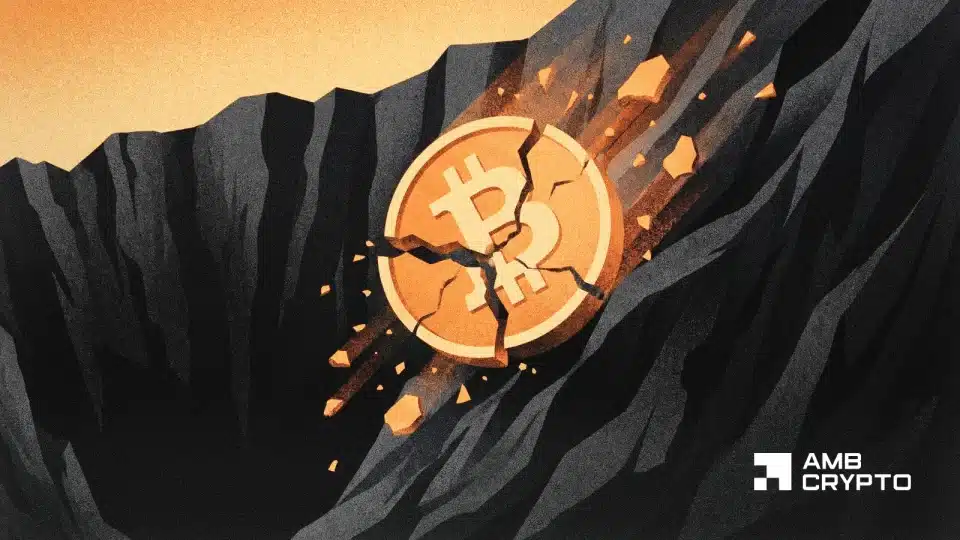
Bitcoin's potential path toward $80,000 is influenced by conflicting market signals. Data shows the Coinbase Bitcoin Premium Index has recorded its longest-ever streak of consecutive negative premiums, indicating muted institutional demand or net selling from U.S. institutions. While such a trend often signals short-term weakness, it doesn't necessarily forecast a long-term bear market. Additionally, a bearish crossover occurred in Bitcoin's Net Unrealized Profit/Loss (NUPL), with its short-term average falling below the longer-term average, suggesting declining investor profitability and waning market momentum. Historically, major bear market bottoms saw the 100-day NUPL drop below zero, but this cycle it remains positive, implying either an unprecedented bottom or a further decline is needed. Currently trading around $63,148, Bitcoin has seen weekly gains but remains below its May peak. Technical indicators present a mixed picture: the MACD shows bullish momentum, while the RSI signals bearish pressure. A positive development is the return of inflows to Bitcoin ETFs after eight weeks of outflows. Analysts hold divergent views; some highlight a key liquidity zone between $48,000-$50,000 where a market bottom could form, while others maintain a more optimistic long-term outlook. Ultimately, while some bullish signs exist, a strong push from institutional investors appears crucial for Bitcoin to challenge the $80,000 level.

ambcrypto1 h fa

Bitcoin’s path to $80K may hinge on THIS hidden trend

ambcrypto1 h fa

Trading

Spot

Articoli Popolari

Cosa è MEME 2.0

Memecoin 2.0: L'Ascesa di $MEME 2.0 nel Mondo delle Criptovalute Introduzione Nel panorama in continua evoluzione delle criptovalute, è emerso un nuovo contendente. Memecoin 2.0, simboleggiato come $MEME 2.0, porta il concetto di meme coin a un livello emozionante. Come prodotto derivato dal Memecoin originale, questo progetto ha catturato l'attenzione della comunità crypto spostando il focus da incentivi finanziari tipici a un'esperienza coinvolgente e divertente. Operando sulla blockchain di Ethereum, Memecoin 2.0 ridefinisce audacemente l'impegno della comunità nella sfera crypto. Che cos'è Memecoin 2.0, $MEME 2.0? Alla base, Memecoin 2.0 è un progetto di criptovaluta che dà priorità allo spirito di comunità e al divertimento associato alla cultura meme. A differenza delle criptovalute convenzionali, che si concentrano su casi d'uso pratici e benefici tangibili, Memecoin 2.0 si distingue abbracciando il lato più leggero della moneta digitale. Il progetto esiste senza promesse di utilità, una roadmap strutturata o ritorni finanziari, concentrandosi invece sulla creazione di una comunità vibrante incentrata sui meme e sul divertimento condiviso. Facendo così, attinge alla crescente tendenza della cultura meme nello spazio online, rendendola un giocatore unico nel mondo degli asset digitali. Creatore di Memecoin 2.0, $MEME 2.0 Nonostante ricerche approfondite sulle origini di Memecoin 2.0, l'identità esplicita del suo creatore rimane sconosciuta. Questa anonimità non è rara nella comunità crypto, dove molti progetti sono guidati da individui o gruppi che preferiscono rimanere dietro le quinte. La mancanza di informazioni pubblicamente disponibili sul creatore potrebbe essere vista come una mossa strategica, mettendo in evidenza l'impegno della comunità piuttosto che la notorietà individuale all'interno dello spazio. Investitori di Memecoin 2.0, $MEME 2.0 Le informazioni riguardanti gli investitori o il supporto finanziario per Memecoin 2.0 sono scarse. Questa assenza di dettagli potrebbe suggerire che il progetto sia autofinanziato o che il suo focus sulla comunità piuttosto che sulle strutture d'investimento tradizionali abbia attratto un tipo diverso di sostenitore. Poiché il mondo delle meme coin coinvolge tipicamente un maggior coinvolgimento di base piuttosto che investimenti istituzionali, questo approccio si allinea con l'etica dei progetti guidati dalla comunità. Come funziona Memecoin 2.0, $MEME 2.0? Memecoin 2.0 opera interamente sulla blockchain di Ethereum, capitalizzando le sue robuste caratteristiche di sicurezza e scalabilità. Sfruttando i punti di forza di Ethereum, Memecoin 2.0 può offrire un ambiente sicuro per le interazioni degli utenti garantendo che le transazioni siano sia efficienti che convenienti. Uno degli attributi unici di Memecoin 2.0 risiede nella sua struttura guidata dalla comunità. Il valore e la popolarità del token $MEME 2.0 derivano dalla partecipazione attiva dei suoi utenti, piuttosto che dalla utilità intrinseca. Questo design rinforza il focus del progetto sull'aspetto dell'intrattenimento delle criptovalute, implicando che la risata e l'impegno della comunità siano le vere monete che guidano il suo successo. Inoltre, il progetto si inserisce all'interno dell'ecosistema più ampio delle meme coin, dove il valore di ciascuna meme coin oscilla in base alla cultura, alle tendenze e all'impegno della comunità piuttosto che ai principi economici tradizionali. Cronologia di Memecoin 2.0, $MEME 2.0 Per comprendere meglio l'evoluzione e le pietre miliari di Memecoin 2.0, ecco una cronologia che evidenzia eventi significativi nella sua storia: 2024: L'inizio di Memecoin 2.0 è riconosciuto come un ramo del Memecoin originale, affermandosi all'interno del contesto fiorente delle meme coin mentre opera sulla blockchain di Ethereum. 13 luglio 2024: Memecoin 2.0 si posiziona ufficialmente come una meme coin incentrata sulla comunità sulla rete Ethereum, enfatizzando il suo approccio centrato sull'intrattenimento che invita gli utenti a impegnarsi e partecipare alla sua crescita. Punti Chiave su Memecoin 2.0, $MEME 2.0 Diverse caratteristiche critiche definiscono Memecoin 2.0: Approccio Centrico alla Comunità: La missione principale di Memecoin 2.0 è creare un'esperienza comunitaria divertente e coinvolgente, capitalizzando il piacere collettivo derivante dalla cultura memetica. Costruita su Ethereum: Operare sulla blockchain di Ethereum fornisce al progetto un'infrastruttura essenziale che garantisce sicurezza e scalabilità. Mancanza di Utilità o Roadmap: In una marcata deviazione dalle criptovalute tradizionali, Memecoin 2.0 non promette alcuna caratteristica utilitaria o ritorni finanziari, riaffermando il suo impegno per il coinvolgimento della comunità e l'impegno sociale. Focus sulla Cultura Memetica: Abbracciando gli aspetti umoristici e culturali del fenomeno meme, Memecoin 2.0 offre una piattaforma per gli utenti per interagire con la crypto offline e online. Ulteriore Contesto: L'Importanza delle Meme Coin Le meme coin sono emerse come una classe distinta di criptovaluta, spesso guidata dall'umorismo e da un approccio spensierato al trading. Queste monete generalmente mancano di significative utilità o roadmap di sviluppo, attirando gli utenti con la promessa di divertimento, interazione comunitaria e rilevanza culturale. Nel panorama del più ampio ecosistema crypto, le meme coin rianimano l'importanza dell'impegno della comunità, opponendosi ad approcci esclusivamente orientati al profitto. Progetti come Memecoin 2.0 danno il via a un'era in cui l'intrattenimento può armonizzarsi con le aspirazioni finanziarie, trasformando la blockchain in un parco giochi per la creatività e l'interazione sociale. Conclusione Memecoin 2.0, o $MEME 2.0, incarna una nuova ondata di criptovaluta che dà priorità all'impegno della comunità rispetto a rigidi strutture finanziarie. Con un focus sull'umorismo e l'interazione sociale, capitalizza sulla fascinazione circondante la cultura meme. Operando sulla blockchain di Ethereum, Memecoin 2.0 sfrutta le capacità della tecnologia mantenendo fermo il suo impegno per il valore ricreativo della valuta digitale. Mentre lo spazio delle criptovalute continua a evolversi, Memecoin 2.0 serve come testimonianza della nozione che il futuro degli asset digitali potrebbe ben dipendere da esperienze condivise, risate e solidi legami comunitari. Nel mondo imprevedibile delle crypto, forse la gioia può essere altrettanto preziosa quanto il guadagno finanziario tradizionale.

111 Totale visualizzazioniPubblicato il 2024.04.04Aggiornato il 2024.12.03

Cosa è MEME 2.0

Come comprare MEME

Benvenuto in HTX.com! Abbiamo reso l'acquisto di Memeland (MEME) semplice e conveniente. Segui la nostra guida passo passo per intraprendere il tuo viaggio nel mondo delle criptovalute.Step 1: Crea il tuo Account HTXUsa la tua email o numero di telefono per registrarti il tuo account gratuito su HTX. Vivi un'esperienza facile e sblocca tutte le funzionalità,Crea il mio accountStep 2: Vai in Acquista crypto e seleziona il tuo metodo di pagamentoCarta di credito/debito: utilizza la tua Visa o Mastercard per acquistare immediatamente MemelandMEME.Bilancio: Usa i fondi dal bilancio del tuo account HTX per fare trading senza problemi.Terze parti: abbiamo aggiunto metodi di pagamento molto utilizzati come Google Pay e Apple Pay per maggiore comodità.P2P: Fai trading direttamente con altri utenti HTX.Over-the-Counter (OTC): Offriamo servizi su misura e tassi di cambio competitivi per i trader.Step 3: Conserva Memeland (MEME)Dopo aver acquistato Memeland (MEME), conserva nel tuo account HTX. In alternativa, puoi inviare tramite trasferimento blockchain o scambiare per altre criptovalute.Step 4: Scambia Memeland (MEME)Scambia facilmente Memeland (MEME) nel mercato spot di HTX. Accedi al tuo account, seleziona la tua coppia di trading, esegui le tue operazioni e monitora in tempo reale. Offriamo un'esperienza user-friendly sia per chi ha appena iniziato che per i trader più esperti.

314 Totale visualizzazioniPubblicato il 2024.12.12Aggiornato il 2026.06.02

Come comprare MEME

Discussioni

Benvenuto nella Community HTX. Qui puoi rimanere informato sugli ultimi sviluppi della piattaforma e accedere ad approfondimenti esperti sul mercato. Le opinioni degli utenti sul prezzo di MEME MEME sono presentate come di seguito.

活动图片