Блогер MrBeast подозревается в использовании схем Pump and Dump для продвижения низколиквидных криптоактивов

investing.ruPubblicato 2024-10-14Pubblicato ultima volta 2024-10-14

Среди проектов, которые поддерживал MrBeast, были SuperFarm ($SUPER), Polychain Monsters ($PMON), SPLYT ($SHOPX) и другие. Стоимость некоторых токенов после кратковременного скачка упала более чем на 90%, что является одним из признаков мошеннической схемы «накачки и сброса» («Pump and Dump»).

SomaXBT выявил несколько случаев, когда Джимми Дональдсон (Jimmy Donaldson) инвестировал относительно небольшие суммы в низколиквидные токены через частные сделки, а затем зарабатывал миллионы, продавая их во время всплесков публичных торгов.

«Одним из наиболее показательных случаев является публичная поддержка MrBeast токена SuperFarm проекта Elliot Trades. MrBeast публично заявил, что инвестировал в проект около $100 000 и получил взамен 1 млн токенов $SUPER. Затем, после взлета стоимости актива, он вывел их на вторичный рынок и сбросил в ходе нескольких сделок за 1 900 ETH», — сообщил SomaXBT.

По данным криптодетектива, MrBeast получил дополнительные токены $SUPER в рамках рекламного контракта, и впоследствии продал их еще за $5,5 млн. В результате общий доход Дональдсона от проекта SuperFarm составил почти $9 млн. Примерно по аналогичному сценарию развивались события с рекламой токенов Polychain Monsters ($PMON), SPLYT ($SHOPX), STAK и Virtue Poker ($VPP).

Ранее Федеральное бюро расследований США (ФБР) разработало и запустило собственный токен NexFundAI, не имеющий финансовой ценности. Он был использован в качестве приманки для мошенников, занимавшихся манипуляциями на рынке криптоактивов.

Читайте оригинальную статью на сайте Bits.media

Crypto di tendenza

Letture associate

Examining the Open USD Partner Lineup: Follow Who's Joining to See Where the Money Flows

**Title: Deciphering the Open USD Partner Roster: Following the Money** The launch of Open USD is notable less for the stablecoin itself and more for its expansive list of over 140 founding partners, which reads like a "who's who" of global finance and tech. This coalition, including asset managers like BlackRock, card networks Visa and Mastercard, banks (BNY Mellon, Standard Chartered, etc.), tech giants (Google, IBM), merchants (Shopify), and crypto firms (Coinbase, Ripple, Aave, MetaMask), signals a strategic shift. The diverse membership reveals that stablecoins are increasingly viewed not as products to compete over, but as shared infrastructure too critical to be left to any single entity. Each partner category has distinct motives. Asset managers like BlackRock seek to manage the large, sticky cash reserves, a lucrative fee-generating opportunity. Merchants like Shopify aim for lower-cost settlement and potential yield on balances. Banks join defensively to retain custody and settlement roles, fearing deposit outflows to stablecoins. Tech companies bet on programmable money for future machine-to-machine commerce. Crypto firms gain mainstream legitimacy and distribution channels. Remarkably, the consortium includes direct competitors (Visa vs. Mastercard, Coinbase vs. Ripple), indicating that the fear of exclusion from this emerging financial layer outweighs competitive rivalries. However, this shared governance could also lead to slow decision-making. The roster's composition is the real message: it represents a collective bet that a widely accepted, consortium-owned stablecoin is preferable to proprietary versions or having none at all. For incumbents like Circle and Tether, this alliance poses a significant threat, as potential clients have collectively chosen to build their own alternative. The absence of major U.S. retail banks (busy with their own tokenized deposit networks) is equally telling. In essence, the partner list maps where the industry believes value and risk will flow in a tokenized dollar future, marking stablecoin's evolution from a product to a utility.

Foresight News21 min fa

Examining the Open USD Partner Lineup: Follow Who's Joining to See Where the Money Flows

Foresight News21 min fa

IOSG: Q-Day Countdown, Will Quantum Computing End Cryptocurrency?

IOSG: The Q-Day Countdown – Will Quantum Computing End Cryptocurrency? This analysis explores the looming threat quantum computing poses to blockchain technology. Quantum computers, leveraging Shor's algorithm, could theoretically break the elliptic curve cryptography (ECC) underpinning cryptocurrencies like Bitcoin and Ethereum. The article outlines a hypothetical "Q-Day" scenario where exposed public keys from dormant assets are compromised, leading to fund theft and a deep governance crisis. The core risk is not the complete erasure of blockchains but a systemic reset of public-key cryptography. Bitcoin faces significant challenges due to its "code-is-law" ethos and the immense social consensus required for migration. Its primary vulnerability lies in legacy UTXOs with publicly exposed keys. Ethereum's path involves a more complex, full-stack cryptographic agility upgrade across execution, consensus, and data layers. The industry has a limited "engineering comfort window" of 5-8 years to coordinate a migration to post-quantum cryptography (PQC), such as lattice-based or hash-based signatures. While the existential threat is often overstated, the real bottleneck is the immense coordination required across protocol developers, node operators, wallet providers, exchanges, and custodians. Market repricing of crypto assets may occur well before an actual Q-Day if quantum hardware roadmaps accelerate or regulatory pressure mounts. The article concludes that quantum computing is not a doomsday weapon but a severe stress test for blockchain's foundational security model and governance structures.

marsbit51 min fa

IOSG: Q-Day Countdown, Will Quantum Computing End Cryptocurrency?

marsbit51 min fa

Why 2026 could redefine Ethereum, Solana, Base and Avalanche

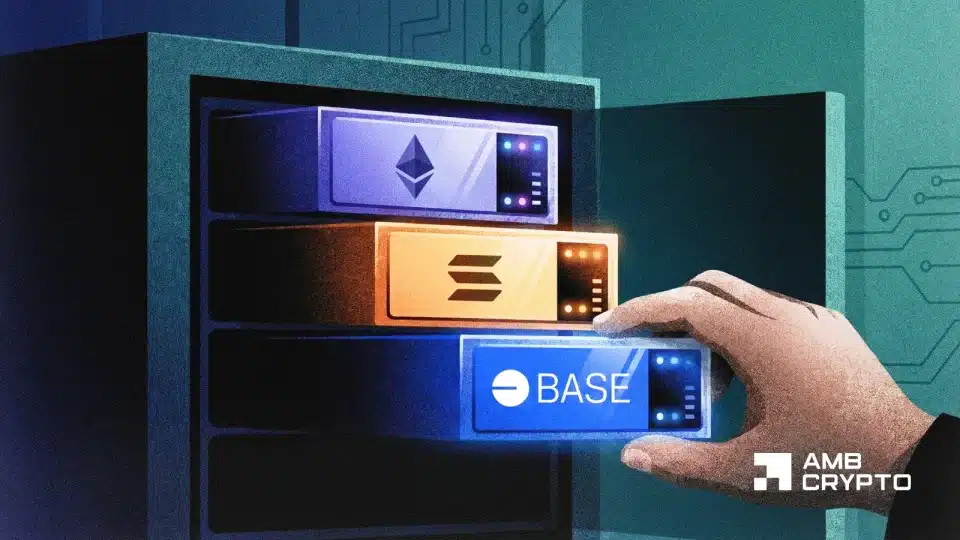
Blockchain infrastructure is undergoing a major coordinated transformation, driven by institutional demand for reliability, compliance, and predictable settlement. Over $30 billion in Real-World Assets (RWA) on-chain has exposed network weaknesses. Major blockchains are responding with foundational upgrades, moving beyond incremental speed improvements. Ethereum's "Glamsterdam" upgrade, planned for H1 2026, will significantly increase gas limits and introduce features like PBS (pre-blocked state) for enhanced settlement and parallel execution. Solana's "Alpenglow," targeting a mainnet launch in H2 2026, focuses on reducing finality time dramatically and freeing network resources to improve reliability. Beyond speed, compliance is critical. Base's "Beryl" upgrade in Q3 2026 will introduce a standardized, regulatory-compliant token framework (B20). Avalanche's "Octane" upgrade aims to boost transaction processing and reduce costs for enterprise applications. Even Bitcoin is evolving with the potential activation of OP_CAT by late 2026/early 2027. The competition is shifting. While technical upgrades are widespread, institutions will ultimately allocate capital based on proven execution, operational resilience, and regulatory compatibility during market stress. Ethereum currently leads in tokenized assets, while networks like Base and Solana are strengthening their institutional offerings. The blockchain that best delivers reliable, compliant, and uninterrupted service is poised to attract the greatest share of future institutional capital.

ambcrypto1 h fa

Why 2026 could redefine Ethereum, Solana, Base and Avalanche

ambcrypto1 h fa

Trading

Spot

Articoli Popolari

Come comprare PUMP

Benvenuto in HTX.com! Abbiamo reso l'acquisto di Pump.fun (PUMP) semplice e conveniente. Segui la nostra guida passo passo per intraprendere il tuo viaggio nel mondo delle criptovalute.Step 1: Crea il tuo Account HTXUsa la tua email o numero di telefono per registrarti il tuo account gratuito su HTX. Vivi un'esperienza facile e sblocca tutte le funzionalità,Crea il mio accountStep 2: Vai in Acquista crypto e seleziona il tuo metodo di pagamentoCarta di credito/debito: utilizza la tua Visa o Mastercard per acquistare immediatamente Pump.funPUMP.Bilancio: Usa i fondi dal bilancio del tuo account HTX per fare trading senza problemi.Terze parti: abbiamo aggiunto metodi di pagamento molto utilizzati come Google Pay e Apple Pay per maggiore comodità.P2P: Fai trading direttamente con altri utenti HTX.Over-the-Counter (OTC): Offriamo servizi su misura e tassi di cambio competitivi per i trader.Step 3: Conserva Pump.fun (PUMP)Dopo aver acquistato Pump.fun (PUMP), conserva nel tuo account HTX. In alternativa, puoi inviare tramite trasferimento blockchain o scambiare per altre criptovalute.Step 4: Scambia Pump.fun (PUMP)Scambia facilmente Pump.fun (PUMP) nel mercato spot di HTX. Accedi al tuo account, seleziona la tua coppia di trading, esegui le tue operazioni e monitora in tempo reale. Offriamo un'esperienza user-friendly sia per chi ha appena iniziato che per i trader più esperti.

334 Totale visualizzazioniPubblicato il 2024.12.12Aggiornato il 2026.06.02

Come comprare PUMP

Discussioni

Benvenuto nella Community HTX. Qui puoi rimanere informato sugli ultimi sviluppi della piattaforma e accedere ad approfondimenti esperti sul mercato. Le opinioni degli utenti sul prezzo di PUMP PUMP sono presentate come di seguito.

活动图片