В сентябре в США было создано 254 тыс. рабочих мест, уровень безработицы снизился до 4,1%

cryptonews.ruPubblicato 2024-05-04Pubblicato ultima volta 2024-10-04

Ситуация с занятостью в США накалилась в сентябре, когда правительство сообщило о создании 254 000 рабочих мест в прошлом месяце, что превзошло оценки экономистов, составлявшие всего 140 000. Кроме того, ранее сообщавшийся прирост рабочих мест в августе на 142 000 был пересмотрен в сторону повышения до 159 000.

Уровень безработицы снизился до 4,1% с 4,2% в августе против прогнозируемых 4,2%.

Bitcoin (BTC) переходил из рук в руки по $61 500 в волатильном действии вскоре после публикации отчета, увеличившись почти на 1,5% за последние 24 часа. Цены остаются резко ниже уровней недельной давности выше $66 000, поскольку перекупленный рынок за последние пять дней получил удар от некоторых нежелательных макроновостей, включая эскалацию войны на Ближнем Востоке.

Последние экономические данные, включая вчерашний отчет ISM Services и данные ADP по занятости в среду, которые оказались намного лучше ожиданий, а также комментарии председателя Федеральной резервной системы Джерома Пауэлла, сделанные ранее на этой неделе, заставили трейдеров снизить ожидания второго подряд снижения процентной ставки ФРС на 50 базисных пунктов на следующем заседании банка по Политика сразу после ноябрьских выборов.

До сегодняшних утренних данных Рынки краткосрочных ставок оценивали только 30%-ную вероятность движения на 50 базисных пунктов и 70%-ную вероятность снижения всего на 25 базисных пунктов, согласно CME FedWatch . Всего ONE назад вероятность снижения на 50 базисных пунктов составляла 53%.

Letture associate

Forbes Feature: Stablecoin Cross-Border Payments Are Faster, But Not Yet Cheaper

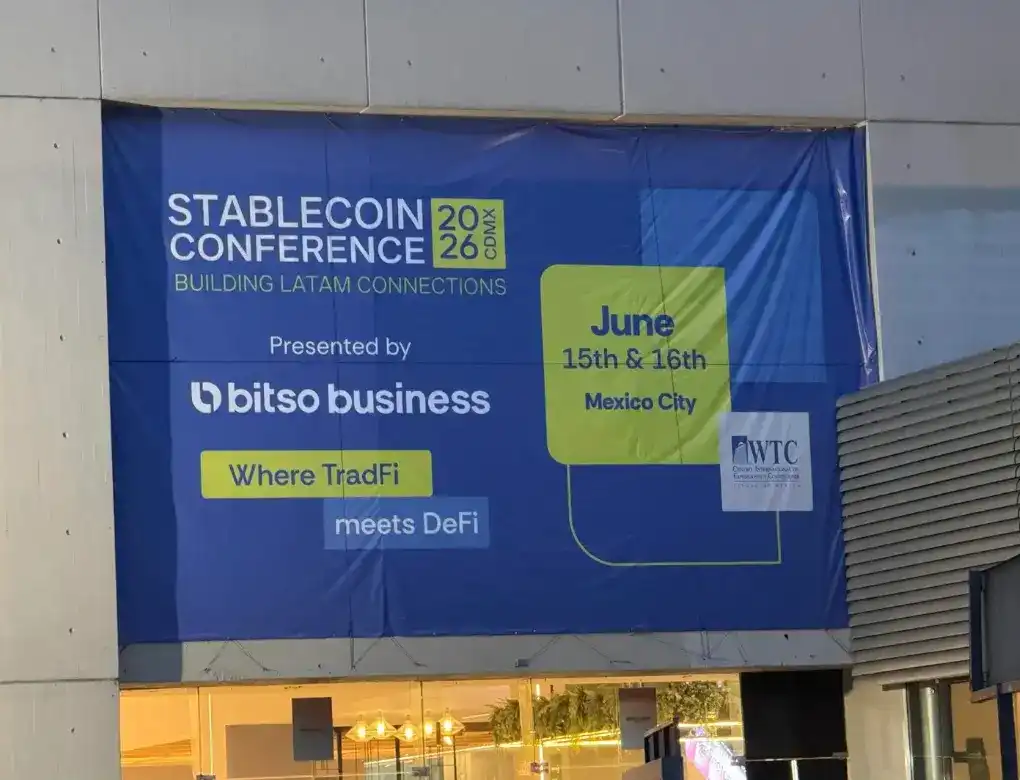
A Forbes feature delves into the state of stablecoin-based cross-border payments, noting rapid growth but a key shortfall: while faster and more accessible, they are not yet cheaper. At a recent industry conference in Mexico City, optimism about technology, regulation, and volume was tempered by discussions with practitioners. The core issue is liquidity. Traditional FX brokers charge 60-70 basis points, and stablecoins promise to slash this to 2-5 basis points. However, this theoretical cost advantage cannot be realized until deep liquidity pools are established at scale, requiring significant institutional capital inflow. A major adoption barrier is trust. Businesses often rely on long-standing relationships with traditional brokers, valuing reliability over marginal cost savings. This shift will be gradual. Furthermore, successful companies in the space are not positioning themselves as replacements for legacy systems like SWIFT, but as complements. They leverage stablecoins for speed while using traditional rails for their standardization and reliability in ensuring accurate payment details—a critical factor for supplier payments to avoid customs issues. Companies like Caliza, experiencing high monthly growth, exemplify this hybrid approach. The industry anticipates consolidation, as long-term viability will depend on securing the essential trifecta: proper licensing, robust fiat on/off-ramps, and deep liquidity. Without these, firms risk being mere intermediaries rather than building sustainable businesses.

marsbit1 min fa

Forbes Feature: Stablecoin Cross-Border Payments Are Faster, But Not Yet Cheaper

marsbit1 min fa

Li Feifei's Latest Article: When Video Generation, Robotics, and NVIDIA All Claim to Have 'World Models,' We Need a Taxonomy

"World Model" has become a widely used yet ambiguous term in AI. Drawing from the classic POMDP framework (agent → action → state → observation), this article proposes a functional taxonomy to clarify the concept. It identifies three distinct types, categorized by their output in the perception-action loop: 1. **Renderers**: Output visual observations (pixels). These models, like advanced video generators, prioritize visual fidelity but often lack underlying physical accuracy. 2. **Simulators**: Output the state of the world (geometry, physics, dynamics). They provide a structurally accurate representation for professionals (e.g., architects) and serve as training environments for robots and AI agents. 3. **Planners**: Output actions. Given an observation and a goal, they determine what an agent should do next, closing the perception-action loop (e.g., vision-language-action models). While renderers are currently the most commercially mature and planners are the most aspirational, the article argues that **simulators are the crucial, underappreciated hub**. By working at the level of geometry and physics, a simulator can project upwards to create visuals for humans and downwards to predict action consequences for agents. The future lies in the convergence of these three functions. Emerging research and products, like World Labs' Marble model which outputs both visual splats and physical collision meshes, are beginning to blur these boundaries. The logical endpoint is a unified world foundation model capable of rendering, simulating, and planning based on a shared understanding of spatial and temporal structures—ultimately enabling machines to understand, imagine, and interact with the physical world.

链捕手12 min fa

Li Feifei's Latest Article: When Video Generation, Robotics, and NVIDIA All Claim to Have 'World Models,' We Need a Taxonomy

链捕手12 min fa

Trading

Spot
活动图片