Уругвай принял закон о регулировании криптовалют в стране

cryptonews.ruPubblicato 2024-03-03Pubblicato ultima volta 2024-10-03

Президент Уругвая Луис Лакалье Поу (Luis Lacalle Pou) подписал закон о регулировании криптовалют, который был представлен в Конгресс более двух лет назад. Надзор за криптокомпаниями будет осуществлять Центральный банк Уругвая.

Центробанк станет контролировать деятельность поставщиков услуг виртуальных активов (VASP) и выдавать им лицензии, а Управление по финансовому надзору Уругвая (SSF) будет проверять криптовалютные биржи, криптокошельки и даже майнеров, которые, согласно новому законодательству, тоже попадают в категорию VASP. Закон направлен на борьбу с финансированием терроризма и отмыванием денег через цифровые активы.

Кроме того, закон вносит изменения в законодательство о ценных бумагах — в него введено понятие децентрализованных ценных бумаг, которые «выпускаются, хранятся, передаются и торгуются в электронном виде с использованием технологии распределенного реестра (DLT)». Действующий закон был представлен в сентябре 2022 года, а в декабре того же года он был одобрен Нижней палатой Конгресса. С тех пор законопроект претерпел ряд поправок и изменений, прежде чем получил подпись президента Уругвая.

Уругвай стал одной из немногих стран, которые включили поставщиков криптовалютных услуг в свою нормативную базу, последовав примеру Венесуэлы, Бразилии, Аргентины и Сальвадора. Однако только в Сальвадоре биткоин считается законным платежным средством.

Несколько лет назад правительство Уругвая профинансировало первый в стране криптомат, который был установлен двумя местными криптовалютными компаниями URUBit и inBierto. Министерство внутренних дел Уругвая также запустило кампанию по информированию граждан о криптовалютном мошенничестве.
Letture associate

Korean Companies That Learned to Hoard Coins from MicroStrategy: From Bull Market to Delisting?

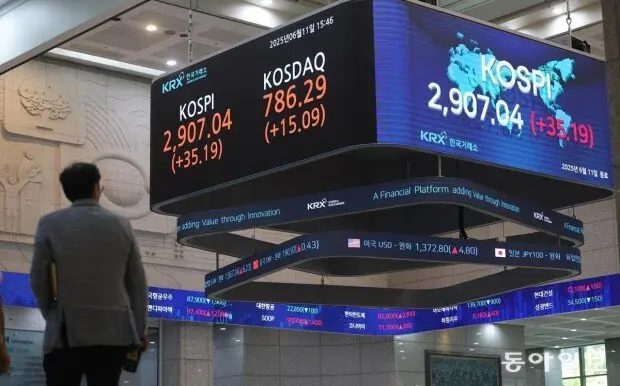
South Korean companies that adopted the “Digital Asset Treasury” (DAT) strategy—issuing shares to buy and hold Bitcoin, inspired by MicroStrategy—now face delisting risks on the KOSDAQ market. New regulations effective July 1, 2026, tightened listing maintenance rules, notably raising the minimum market capitalization threshold from 150 billion KRW to 200 billion KRW (about $1.3 million), with a further increase to 300 billion KRW scheduled for January 2027. Companies failing to meet both the share price and market cap requirements for specified periods risk being designated for delisting, with fewer options for financial engineering like stock splits to artificially boost prices. The downturn in cryptocurrency prices has severely impacted these firms. Bitcoin, which peaked above $120,000 in mid-2025, has fallen below $60,000, forcing DAT companies to report large valuation losses. Compounding this, the KOSDAQ index has dropped about 10% year-to-date, while the main KOSPI index surged nearly 95%, diverting investor interest away from smaller-cap stocks. Examples like BitPlanet (holding 300 BTC) and Parataxis Ethereum currently hover just above the new market cap limits, but face heightened scrutiny and potential delisting starting in 2027. Industry analysts warn that the combination of weak crypto markets, a struggling KOSDAQ, and stricter regulations creates a significant survival challenge for these companies, highlighting the risks of business models overly reliant on volatile digital asset prices.

链捕手5 min fa

Korean Companies That Learned to Hoard Coins from MicroStrategy: From Bull Market to Delisting?

链捕手5 min fa

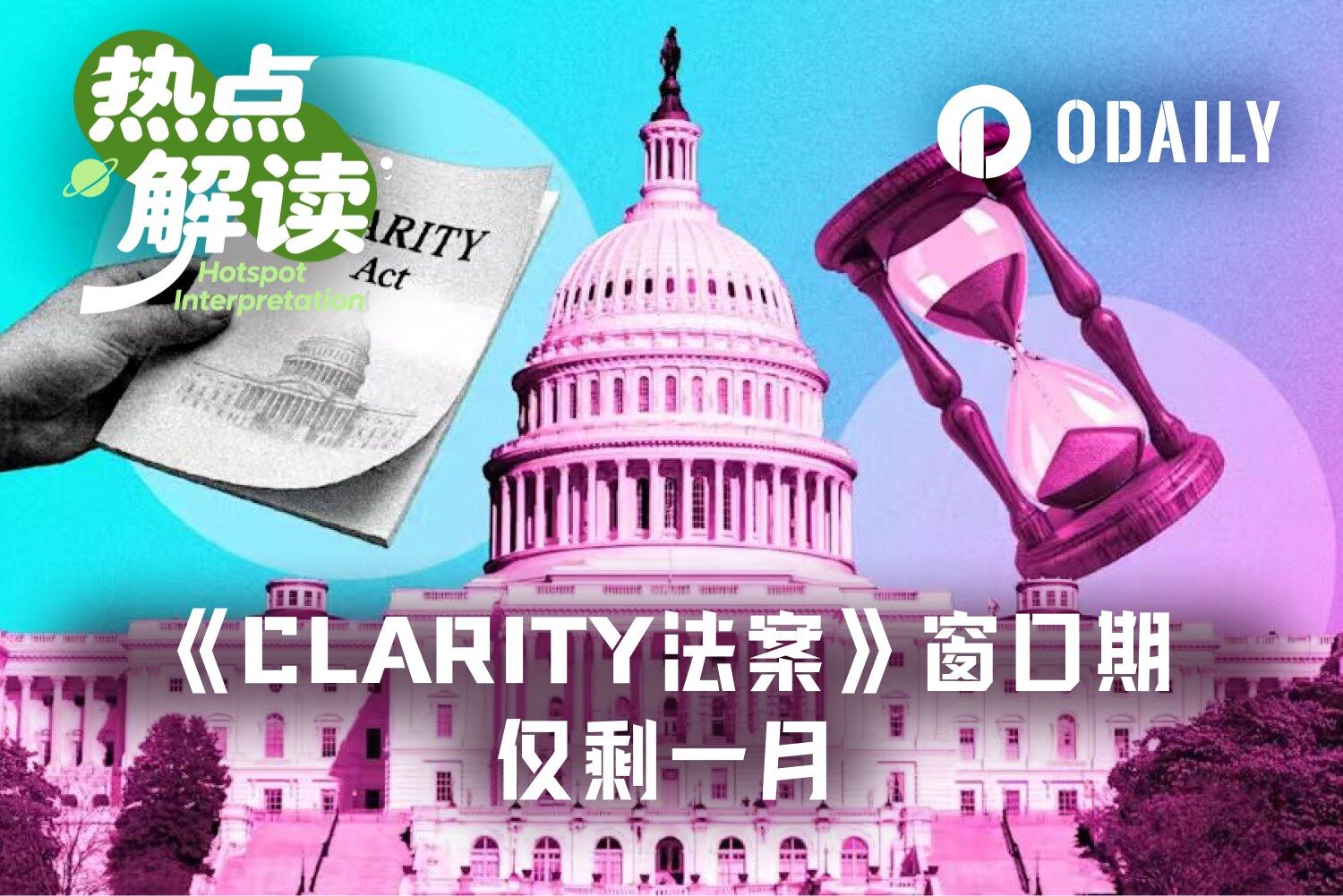
Countdown to the CLARITY Act: 25 Days Left—What Will Happen to the Crypto Market if It Fails to Pass Before the August Recess?

"The CLARITY Act, a key US crypto market structure bill, faces a tight deadline with only 25 working days left before the Senate's August 10 recess. The bill aims to clarify SEC/CFTC jurisdiction and establish a non-security path for decentralized tokens. Despite passing the House in 2025 and a Senate committee in May 2026, final negotiations have stalled over ethics and law enforcement provisions, jeopardizing the 60 Senate votes needed. If the bill fails to pass before the recess, its chances in 2026 drop significantly, with prediction markets giving only a 40% probability. Analyst Galaxy Digital has lowered its 2026 passage odds to 50%. Failure would likely lead to continued 'slow bleeding' in crypto markets, as seen in June's record $4.5 billion net outflow from US Bitcoin ETFs. XRP, which stands to gain permanent commodity status from the bill, could lose its 'regulatory premium.' Bitcoin and Ethereum, already classified as commodities via a joint agency interpretation, would face less direct impact but broader regulatory uncertainty would persist, delaying institutional capital and DeFi innovation. The path forward includes: 1) Passage before August (a major catalyst), 2) Delay to 2027 (extending market uncertainty), or 3) Failure, requiring the bill to be reintroduced in the next Congress. While delay is a setback, the bill's progress indicates the US is closer than ever to resolving crypto regulatory ambiguity."

marsbit39 min fa

Countdown to the CLARITY Act: 25 Days Left—What Will Happen to the Crypto Market if It Fails to Pass Before the August Recess?

marsbit39 min fa

Trading

Spot
活动图片