2024年还有山寨季吗?

Odaily星球日报Pubblicato 2024-09-02Pubblicato ultima volta 2024-09-02

Introduzione

今年山寨币市场波动剧烈,未出现预期的山寨币季,总结来看主要受宏观经济变化、特朗普交易影响及比特币主导地位变动的影响。

原文作者:@DistilledCrypto

原文翻译:白话区块链

今年,山寨币市场经历了剧烈波动,让许多投资者如履薄冰。

然而,随着美国大选和降息在即,市场可能迎来重大变化。

以下是对《 2024 年山寨币展望报告》的一点精华总结:

1、没有山寨币季

许多人感到失望,因为本轮周期还没有出现山寨币季。

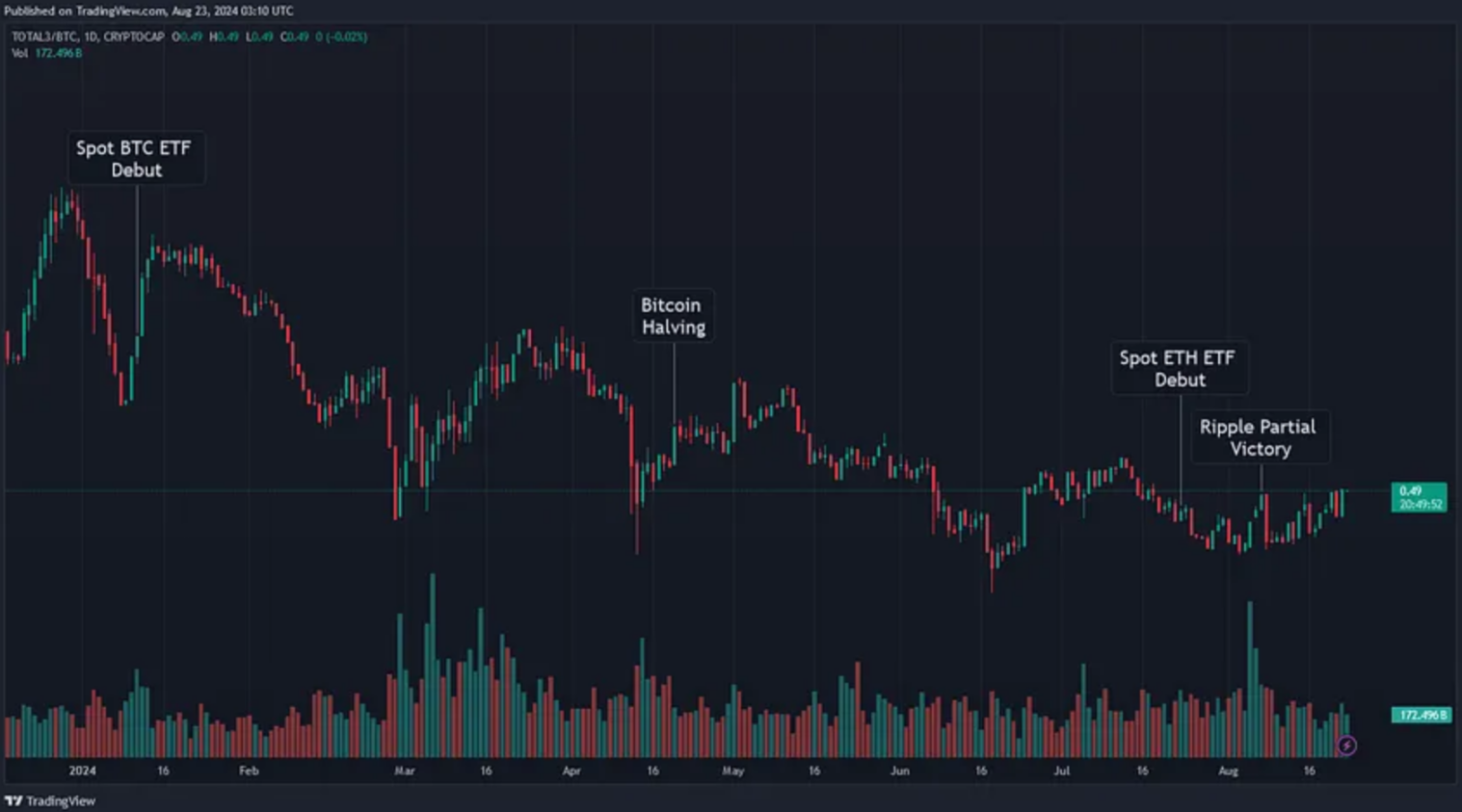
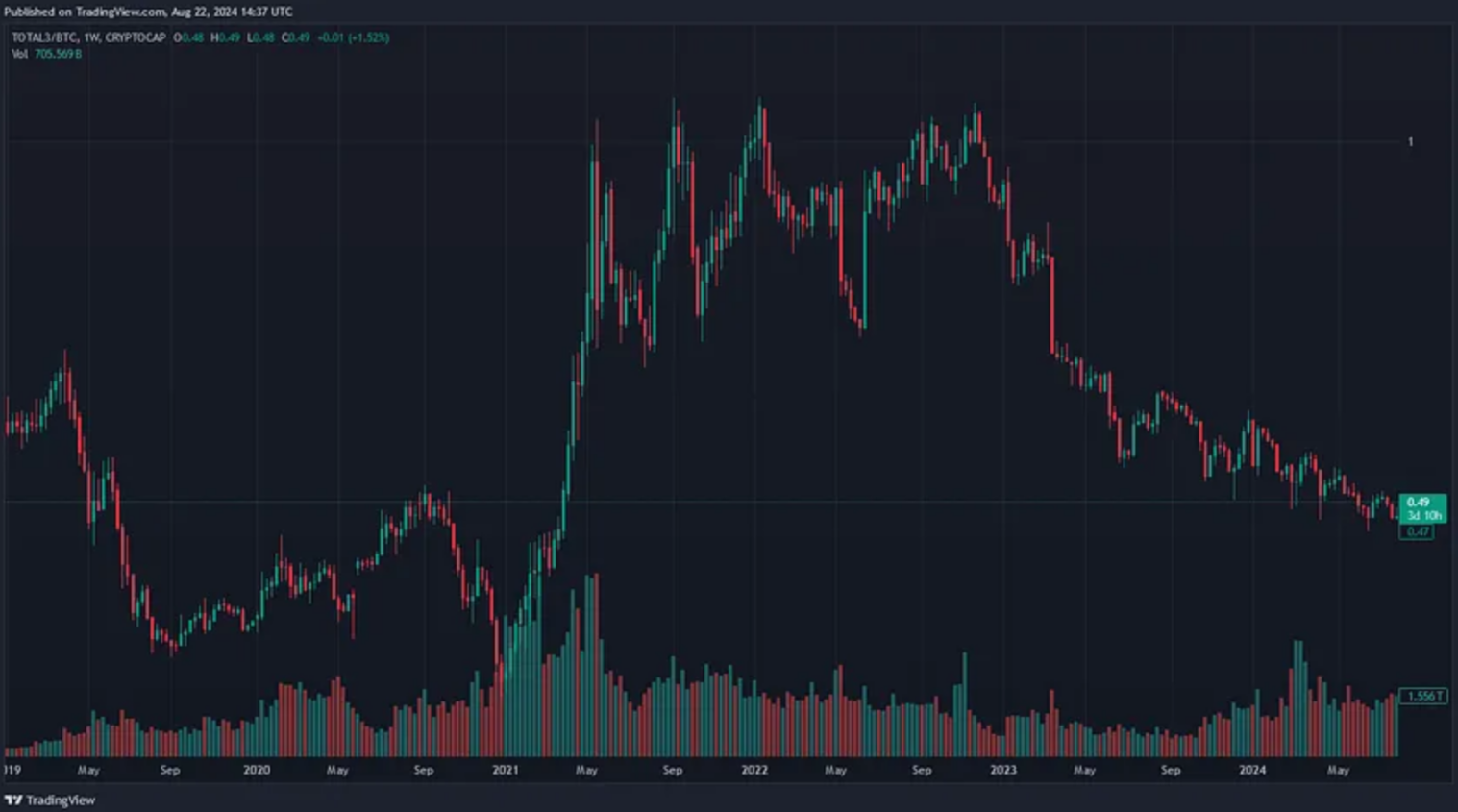
自 2022 年 11 月以来,山寨币表现一直不佳,正如 TOTA L3/BTC 所显示的那样。

前 125 种加密货币(不包括 BTC/ETH)与 BTC 的比率已从 1.05 降至 0.49 。
2024年还有山寨季吗?

2、市场广度令人担忧

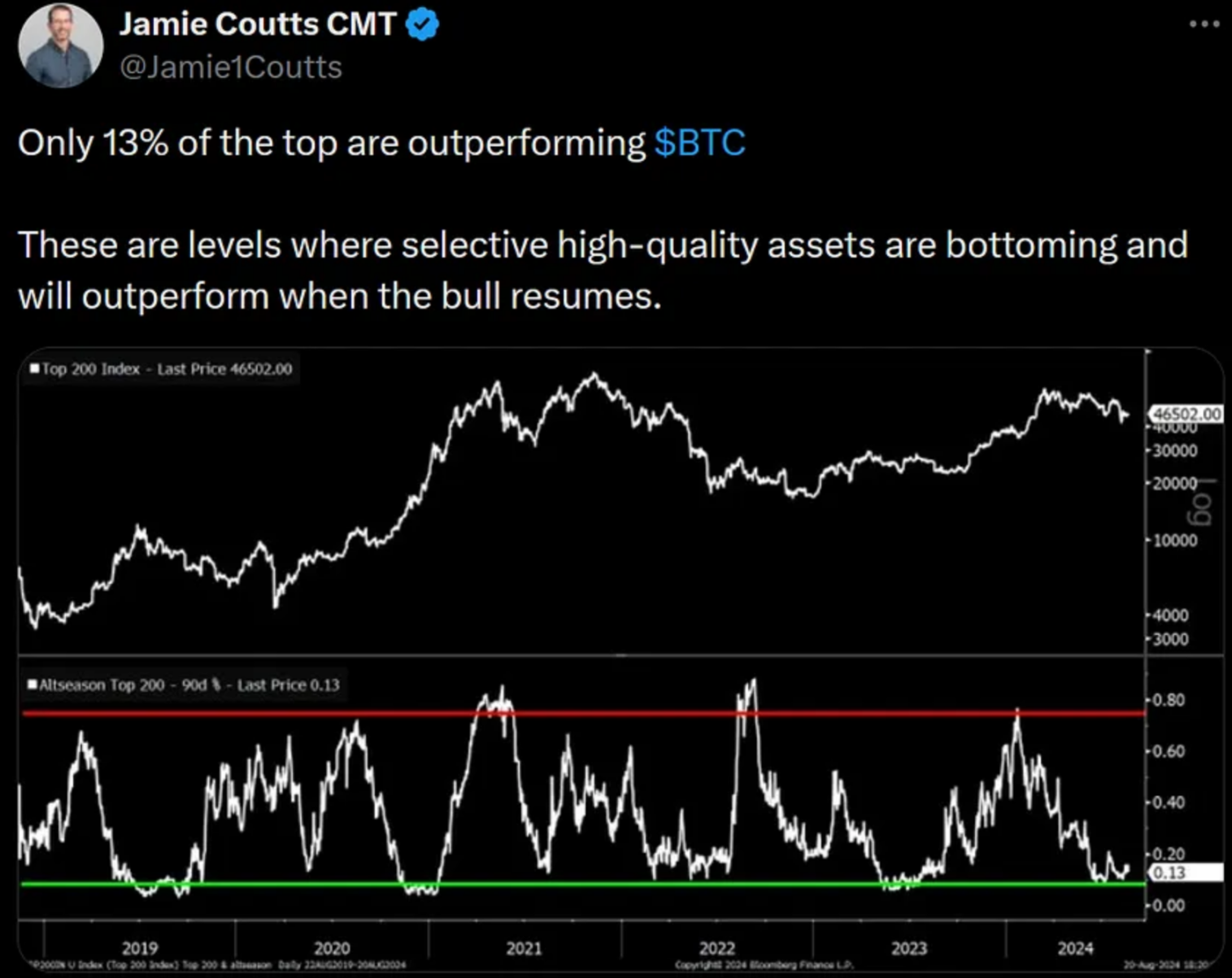
市场目前高度集中,由少数大市值币种主导。

只有 13% 的顶级资产表现优于 BTC。

挑选表现出色的山寨币就像大海捞针一样困难。
2024年还有山寨季吗?

3、影响市场的关键事件

以下四个关键事件影响了今年山寨币与比特币的表现:

  • 现货比特币 ETF 首秀

  • 比特币减半

  • 现货以太坊 ETF 首秀

  • Ripple 部分胜诉 SEC

2024年还有山寨季吗?

4、「山寨币季之路」的终结

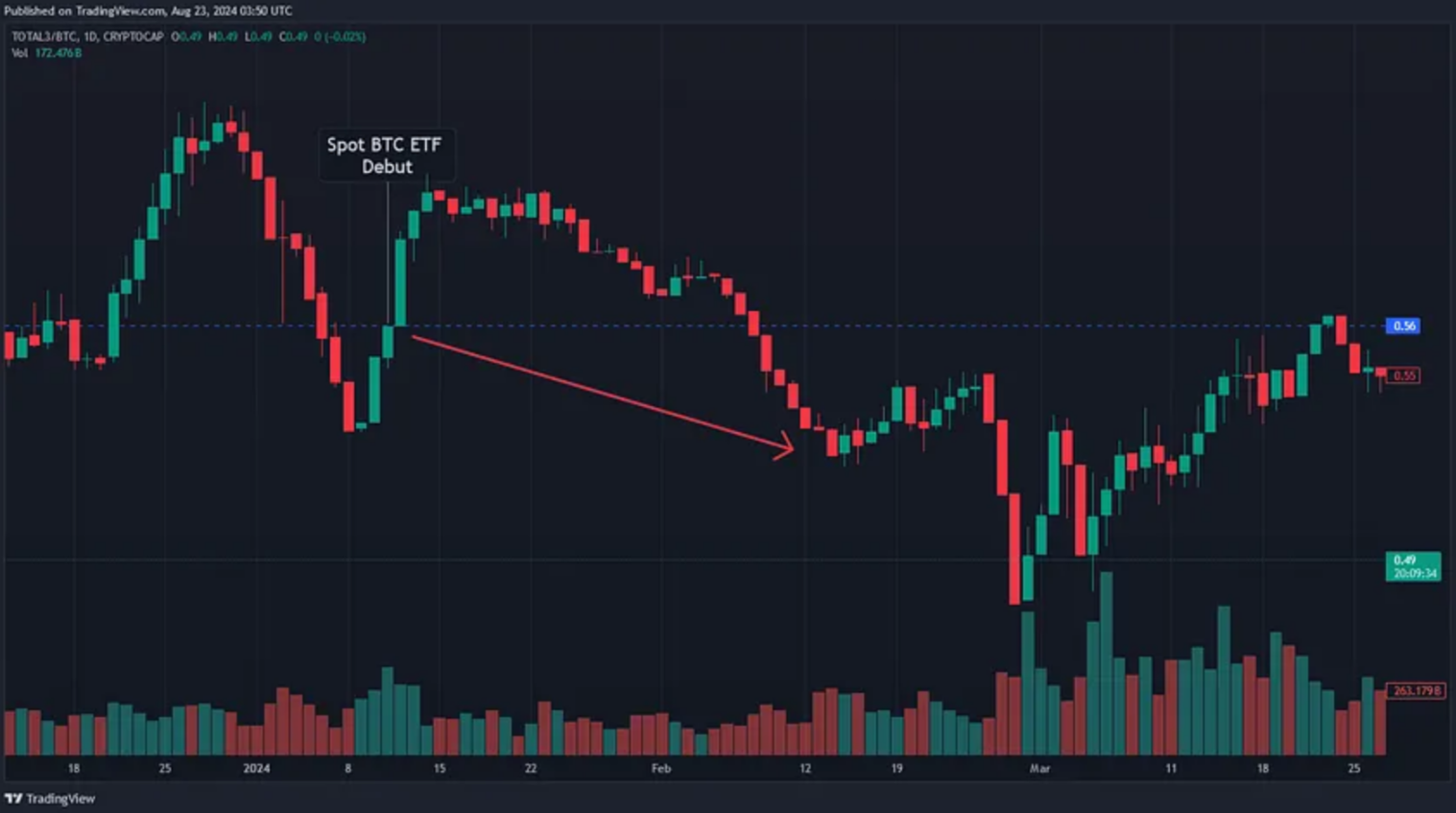
美国现货比特币 ETF 的推出是最关键的事件。

虽然对比特币有利,但这打破了传统的“山寨币季之路”。

短暂的山寨币反弹之后,随即出现了急剧下跌。

比特币的「涓滴效应」被严重高估了。
2024年还有山寨季吗?

5、宏观不确定性

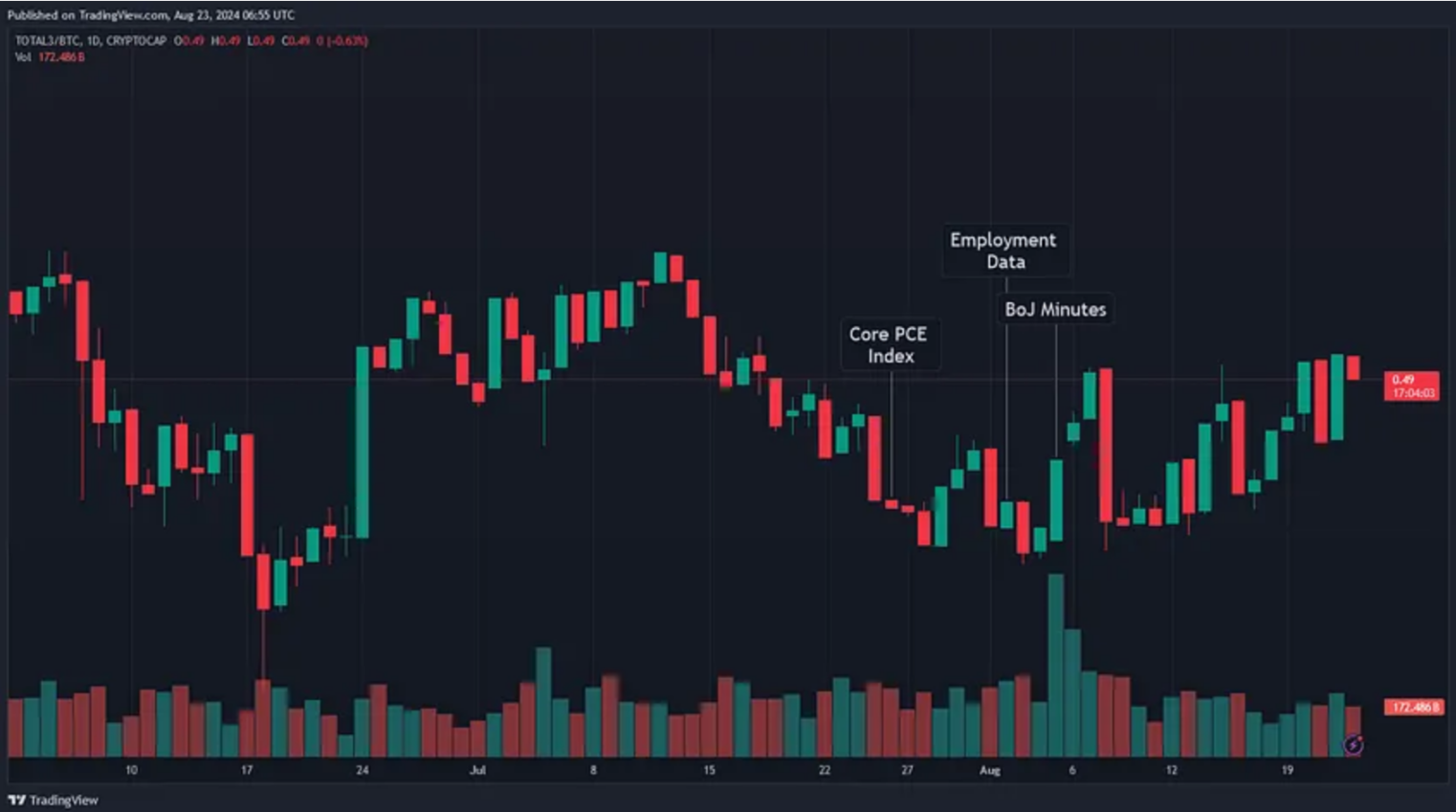
近期的宏观经济变动显著增加了市场的不确定性。

失业率上升、高利率以及日元套利交易都是重要因素。

在这种风险厌恶的环境下,反映消费者信心的山寨币表现乏力。
2024年还有山寨季吗?

6、特朗普交易

另一个重要因素是特朗普交易。

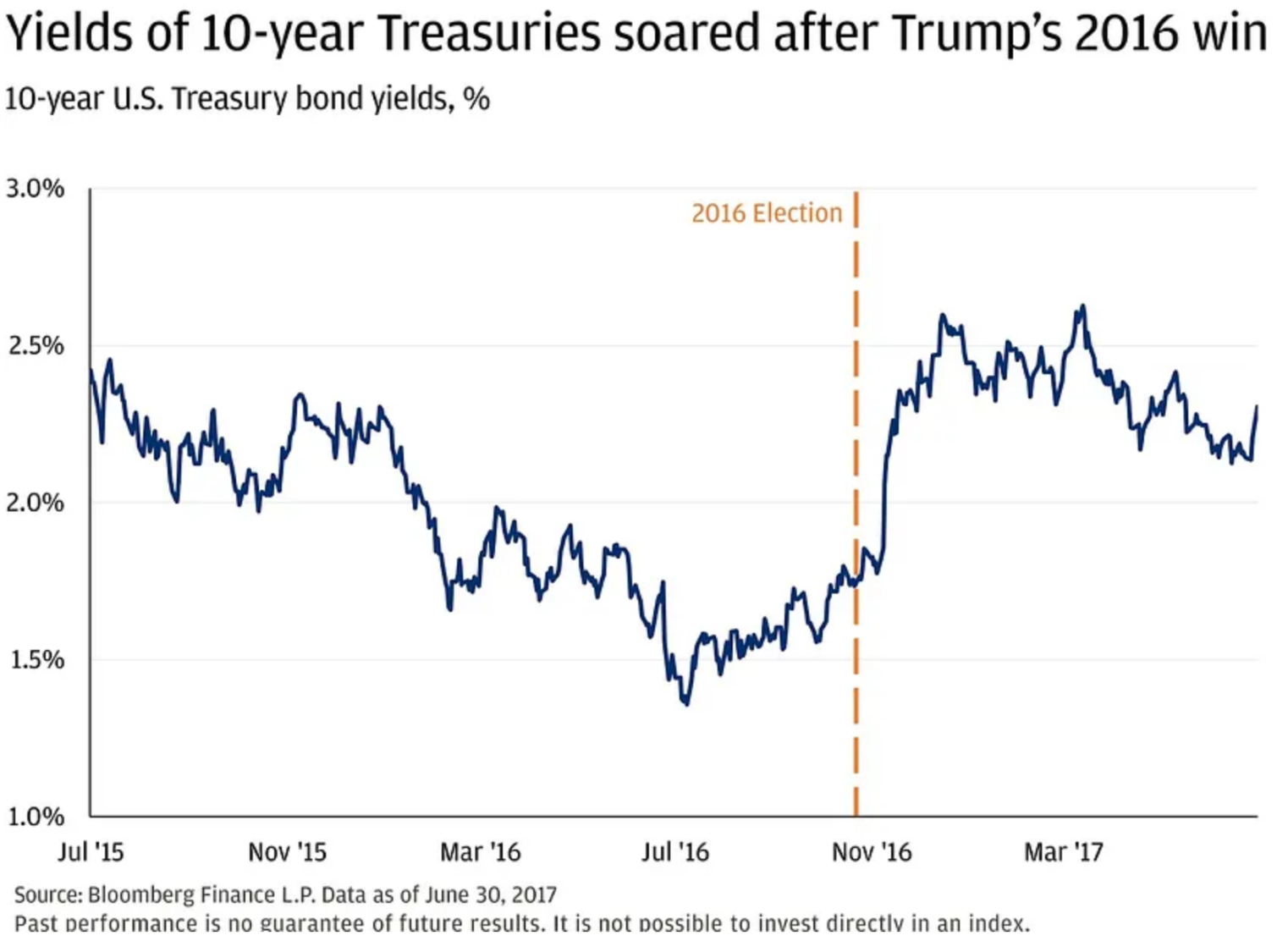
它反映了市场对特朗普第二任总统可能性的预期,重点关注亲增长政策。

特朗普在 2016 年胜选后,小盘股大幅上涨,表现超过大盘股近 8% 。
2024年还有山寨季吗?

2024 年的特朗普交易

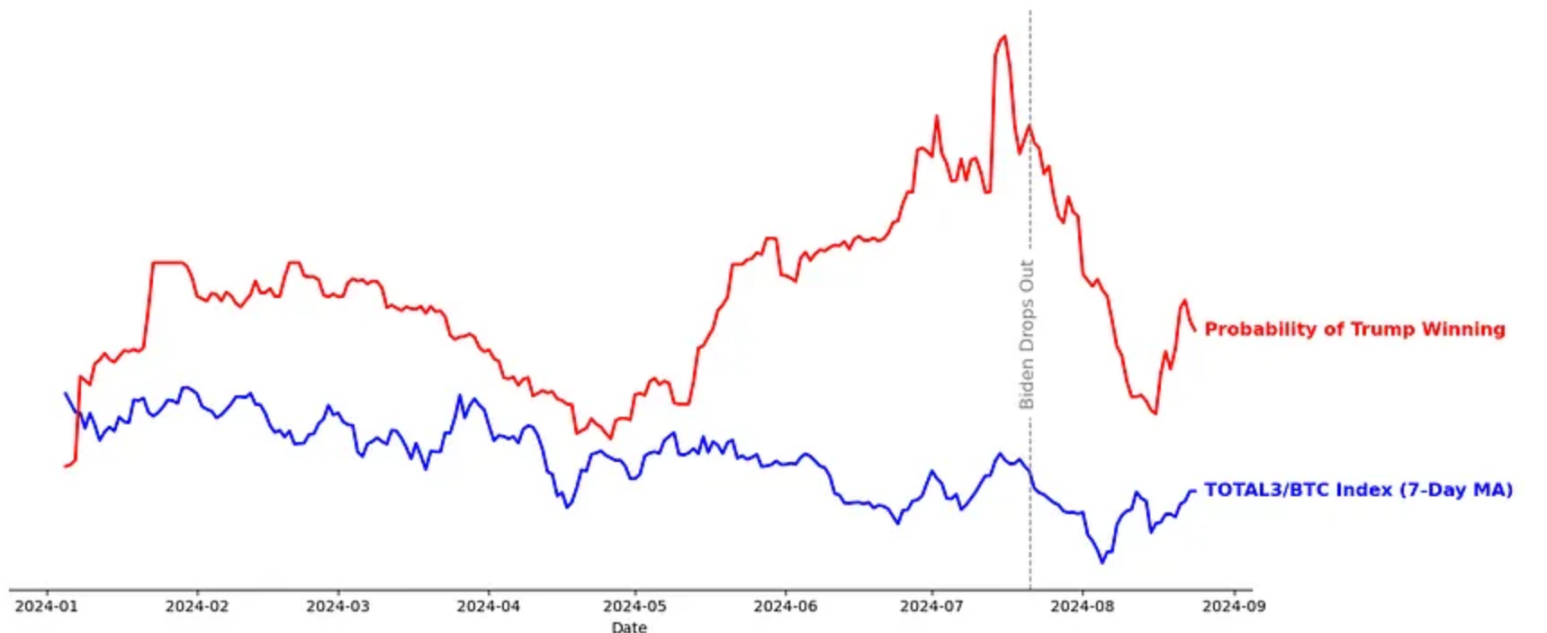
鉴于今年发生了如此多的事件,很难准确确定特朗普交易对市场的影响。

不过,我们可以通过比较 Polymarket 预测赔率与市场指数来进行评估。

例如,TOTA L3/BTC 指数与特朗普的赔率几乎没有关联。
2024年还有山寨季吗?

7、何时开始印钞?

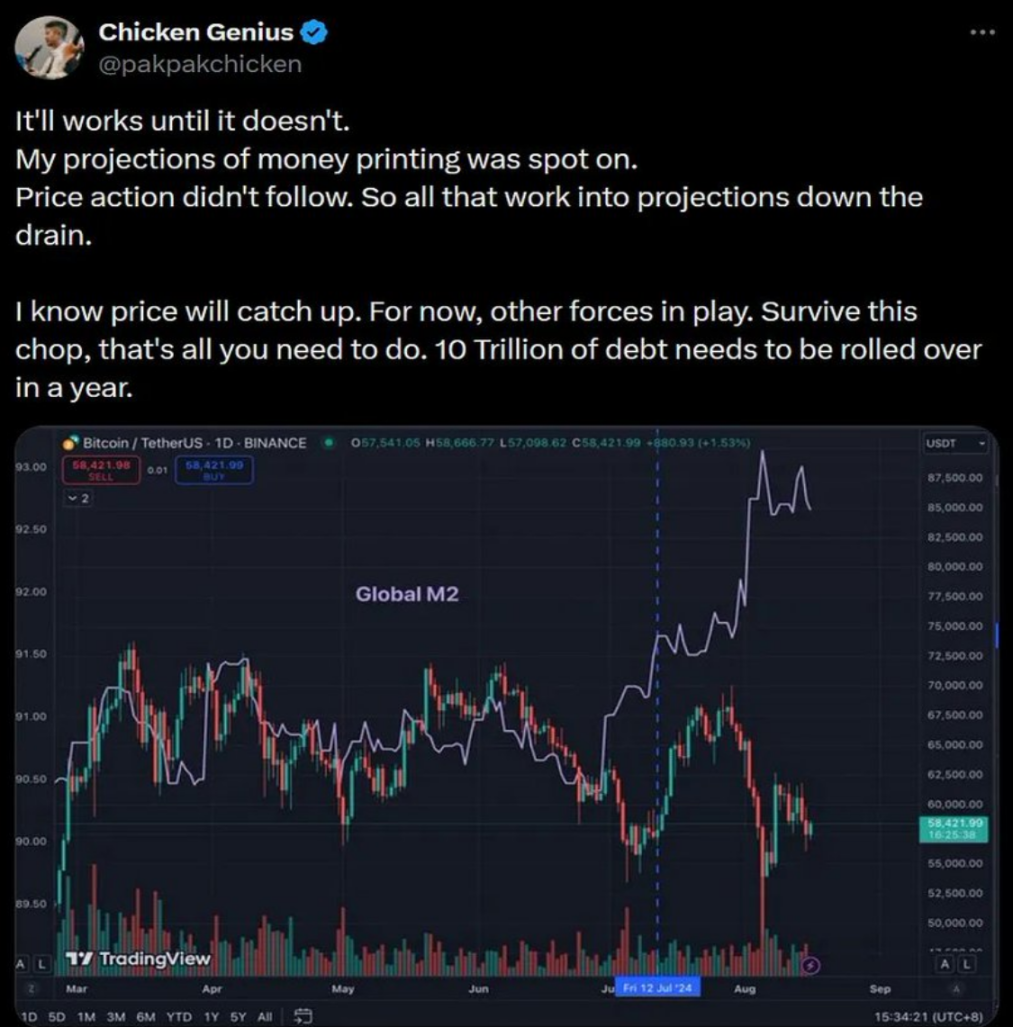
一个关键指标是全球 M 2 货币供应量,它暗示价格可能最终会上升。

M 2 的增加通常会提升市场流动性和资产价格,包括加密货币。
2024年还有山寨季吗?

8、失业与衰退担忧

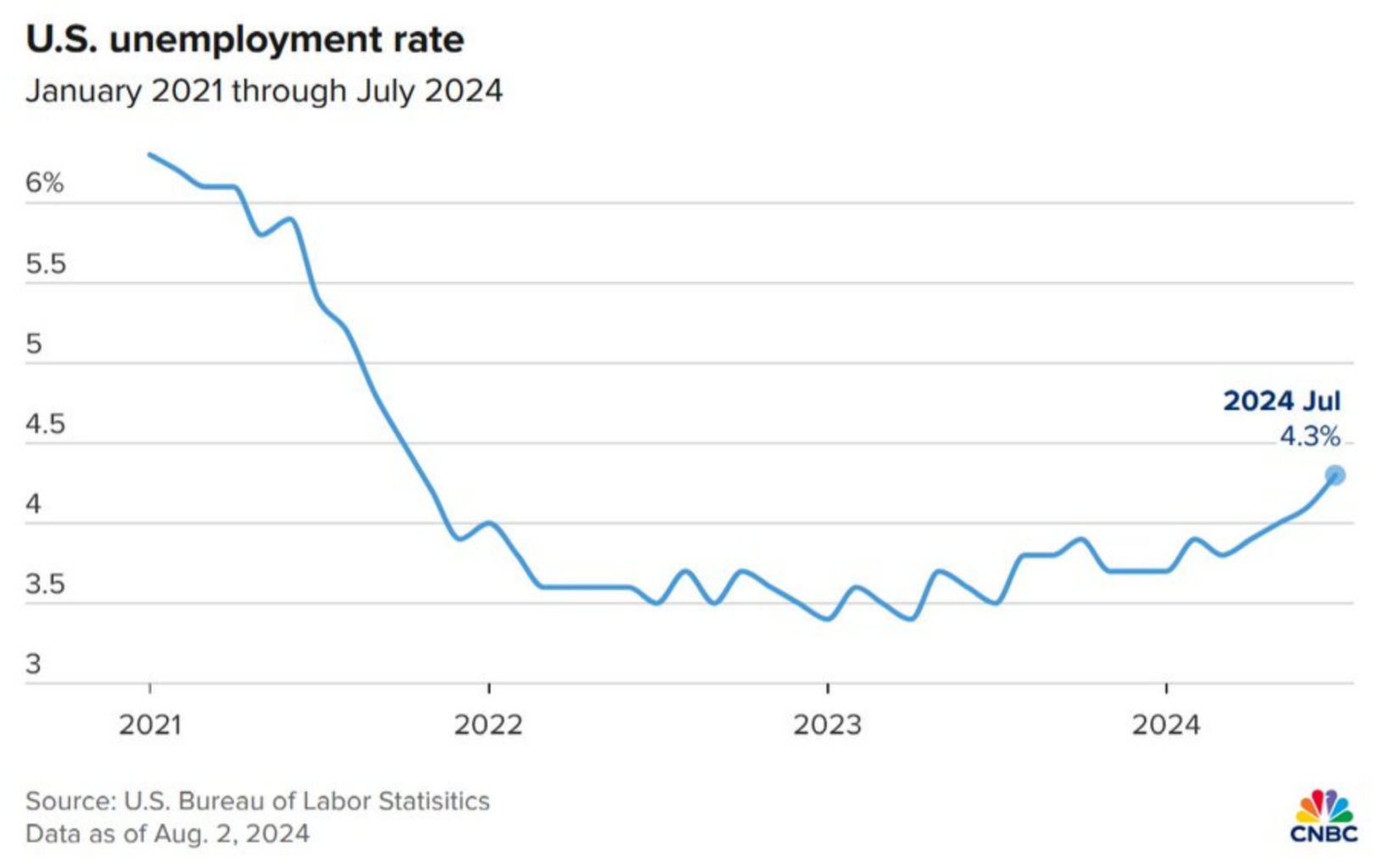
由于美国失业率在 7 月上升至 4.3% ,Sahm 规则预示着经济衰退的可能性。

在这种环境下,投资者倾向于转向更安全的资产,这可能对山寨币造成负面影响。

注意:由于市场具有前瞻性,基于宏观数据进行交易非常困难。
2024年还有山寨季吗?

9、下一步走向何方?

到年底,如果降息稳定了经济,比特币的市场主导地位可能会下降。

然而,如果衰退担忧加剧,比特币的市场主导地位可能会保持在高位。

无论哪种情况,预期山寨币之间的分化会增加(需严谨挑选)。
Letture associate

Ripple’s Fed Master Account Bid Gains Momentum After Trump Order

President Donald Trump has signed an executive order directing financial regulators and the Federal Reserve to review expanding fintech and crypto firms' access to core payment infrastructure. This order significantly advances the industry's push for direct Fed connectivity, a central issue for Ripple. The company has been seeking a Federal Reserve master account as part of its strategy for its RLUSD stablecoin, which would allow it to hold reserves directly with the central bank and access its payment rails. The order, titled "Integrating Financial Technology Innovation into Regulatory Frameworks," mandates a Fed review within 120 days on allowing access for entities like uninsured depository institutions and non-bank financial companies, including those in digital assets. This creates a formal policy timeline for resolving whether crypto payment firms must rely on traditional bank intermediaries. Ripple's application for a national bank charter and a master account is part of this broader landscape. The issue gained precedent when Kraken Financial received a limited-purpose master account, while Custodia Bank's application was denied after a legal battle. The Fed has also proposed a more restricted "payment account" option. Trump's order does not guarantee approval for Ripple but forces a high-level examination of the regulatory barriers, bringing the company's long-running effort to the forefront of Washington's financial policy agenda.

bitcoinist3 min fa

Ripple’s Fed Master Account Bid Gains Momentum After Trump Order

bitcoinist3 min fa

Google's 2026 Roadmap is Hidden in This Keynote Speech

Google I/O 2026 was not merely a product launch, but a strategic unveiling of the company's decade-long roadmap. The core signal is that Google is evolving its AI, Gemini, from a feature within products into a foundational operating layer that integrates and reshapes its entire ecosystem—Search, Android, Chrome, YouTube, Workspace, XR, and developer tools. The traditional paradigms of digital interaction are being redefined. Search is shifting from finding links to understanding intent and completing tasks. Android is transforming from an app-centric OS into an AI-native platform that orchestrates workflows across services. Chrome is becoming an AI reasoning layer over the web, while YouTube is evolving into a conversational knowledge engine. Google is heavily investing in Agentic AI, aiming for AI to act as a digital operator that executes tasks autonomously. Underlying this vision is the integration of Gemini across all products, making it the central nervous system. Key developments include Gemini Omni for multimodal generation, deeper product integrations, and a push into XR glasses for contextual, ambient computing. Google is positioning AI not as an optional feature but as essential infrastructure, akin to electricity. The broader implication is a competition for the next computing interface. Google's goal is not just to win in chatbots or models, but to become the operating system for the AI era by controlling the primary entry points—search, assistant, OS, and browser—and weaving them into a unified, intelligent layer. This represents a fundamental shift in computing paradigms that will impact creators, developers, businesses, and how all users interact with technology.

marsbit43 min fa

Google's 2026 Roadmap is Hidden in This Keynote Speech

marsbit43 min fa

‘Withdraw Insurance to Buy Stocks’: South Koreans Over 60 Are Borrowing to Bet on Samsung

South Korea's stock market has seen a frenzy, with the KOSPI nearly doubling in six months. This boom is fueled by a surge in retail investors borrowing to buy stocks, with outstanding margin loans hitting a record high. A significant portion of this debt is held by people over 50, with the 60+ age group seeing the fastest growth. Many are reportedly cashing out savings-type life insurance policies—even at a loss—to fund their stock investments. They are heavily concentrated in major semiconductor stocks like Samsung Electronics and SK Hynix, which have driven most of the market's gains. This trend is particularly risky for older investors, who are leveraging their limited retirement savings. While a market correction in March caused significant losses for leveraged accounts, the swift recovery and continued rally have reinforced risky behavior. Stories of quick profits on platforms like Blind further fuel the speculative rush. The phenomenon is partly driven by economic anxiety. With South Korea having a high elderly poverty rate and a low public pension replacement rate, some seniors see the booming market as a last chance to improve their finances. This "FOMO" (fear of missing out) sentiment is palpable, even in public parks where retirees gather and now discuss stock tips alongside their usual activities. Despite regulatory warnings and the inherent risks of leverage—especially for those with little time to recover from losses—the borrowing binge continues. The market's heavy reliance on a few tech stocks and its cyclical nature pose a substantial threat to these elderly investors, for whom a downturn could be catastrophic.

marsbit48 min fa

‘Withdraw Insurance to Buy Stocks’: South Koreans Over 60 Are Borrowing to Bet on Samsung

marsbit48 min fa

Deconstructing Anthropic: The Best AI Company Might Also Be an 'Organizational Invention'

Anthropic has emerged as one of the most compelling and fastest-growing AI companies. Its core strengths lie in strategic focus and unique organizational culture. Strategically, Anthropic concentrated early on coding as the critical path to AGI and commercial success, a focus driven by resource constraints and validated by market results. This contrasts with OpenAI's more expansive, multi-pronged approach. Co-founder Dario Amodei's technical conviction and low FOMO personality fostered this decisive focus. Organizationally, Anthropic has cultivated a distinctive culture characterized by: 1. **Deep Mission-Orientation:** A genuine, almost religious commitment to AI safety as the primary goal, even above corporate success. 2. **High Trust, Low Ego:** An environment where brilliant researchers collaborate effectively without internal politics or status battles. 3. **Strong Humanistic Values:** A bookish, idealistic ethos reflected in its hiring and model naming. This culture is maintained through rigorous cultural screening in hiring, extreme transparency and context-sharing from leadership (like Dario's frequent all-hands), a unique seven-cofounder equal-equity structure that disperses cultural influence, and a "one team" philosophy that minimizes silos. The culture stems partly from business necessity—excelling at the "dirty work" of data engineering for coding/agentic AI—and partly from Dario's negative experiences with political infighting at previous companies, motivating him to build Anthropic as an antithesis. While OpenAI remains a formidable competitor with greater resources and exploratory zeal, Anthropic demonstrates that success in the AI era can also come from focused bets, cohesive culture, and a steadfast mission, offering a distinct model of organizational invention.

marsbit1 h fa

Deconstructing Anthropic: The Best AI Company Might Also Be an 'Organizational Invention'

marsbit1 h fa

Trading

Spot
Futures
活动图片