Progmat和DMM将推出受监管的稳定币

币界网Pubblicato 2024-08-25Pubblicato ultima volta 2024-08-25

币界网报道:

日本稳定币平台Progmat和在线娱乐集团DMM计划在Prograt的代币平台上推出一种新的稳定币。根据日本的所有数字资产法规,稳定币将在Seamoon协议中使用。

DMM和Progmat合作创建新的稳定币

DMM和Progmat将开始研究发行符合2023年6月制定的日本法规的新稳定币。完成这项研究后,两家公司计划在Progmat的代币平台上推出稳定币。

DMM集团的子公司DMM Crypto将把稳定币整合到Seamoon Protocol中,Seamoon Protocol是一个可互操作的Web3网络,用于日本文化和娱乐,包括视频游戏、动漫、电影和电视节目。

DMM Crypto的首席执行官Nagato Kasaki对这一合作发表了评论,表示他们打算使用Seamon协议与世界分享DMM的文化空间,并让用户获得新的体验。他说,该平台创造新资产的能力,如计划中的稳定币,将有助于公司提升文化用户体验。

新的稳定币将分阶段发布

稳定币将分三个阶段在Seamoon协议中部署。在第一阶段,SMP硬币,DMM的最新产品,将于今年第三季度和第四季度推出,将成为海员协议和DMM更广泛公司的主要支付方式。DMM稳定币将有助于稳定SMP的价格。

在第二阶段,SMP和稳定币都将是DMM Crypto与其合作伙伴之间的支付模式,而在第三阶段,稳定币将服务于更多的受众。它将是选定业务合作伙伴和用户的付款方式。

Progmat在稳定币项目方面经验丰富,自2022年成立以来一直与三菱UFJ金融集团(MUFG)合作。他们共同开发了与日元和美元挂钩的稳定币,并与KlimaDAO合作在日本创建了一个碳信用交易平台。

Letture associate

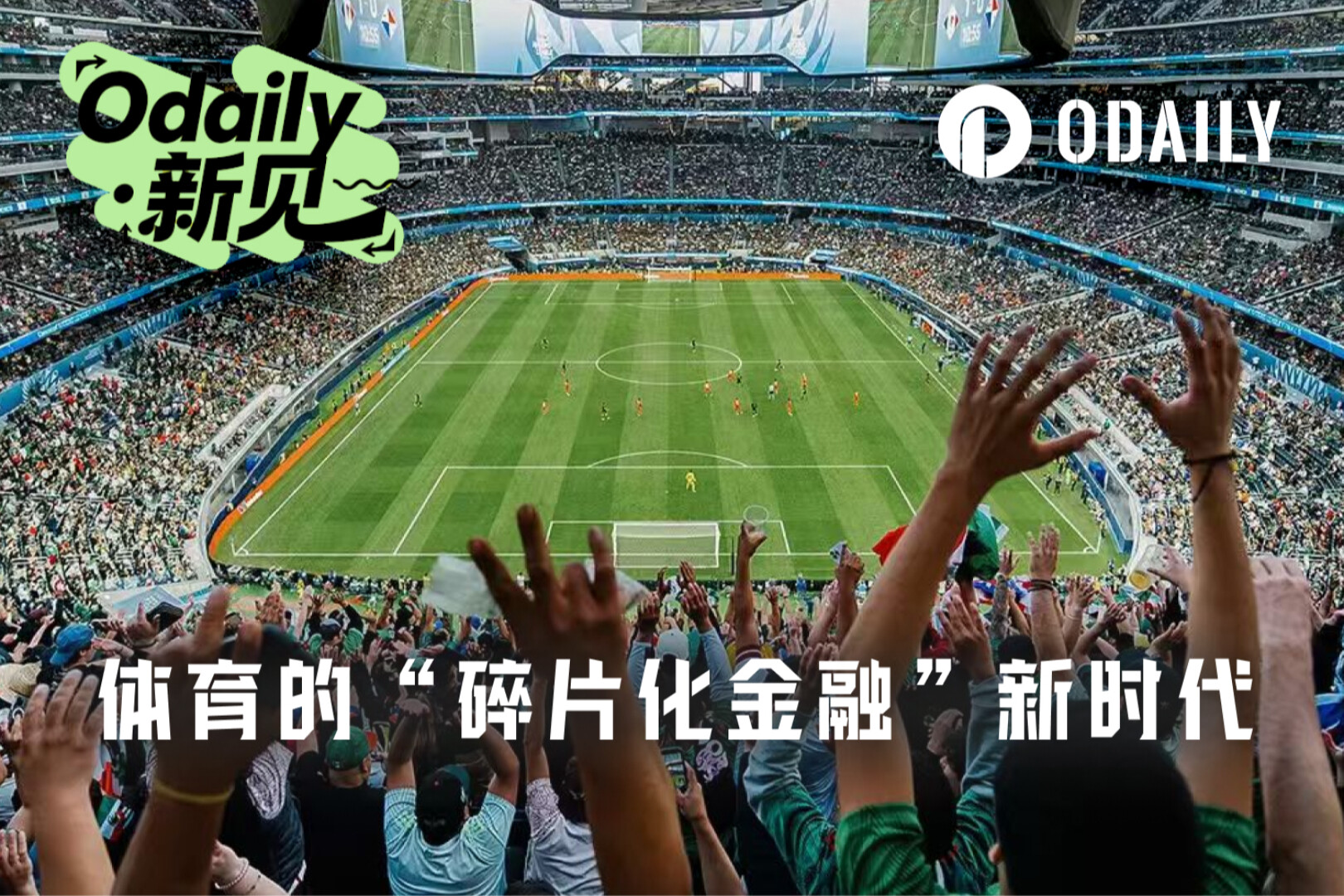
The World Cup is Approaching: Sports Entering the Era of 'Fragmented Finance'

With the approaching World Cup, sports are entering an era of "fragmented finance." This shift is exemplified by FIFA's new rule requiring debutant players to wear a special "World Cup debut patch." Post-tournament, these patches will be authenticated, cut, and embedded into collectible cards, potentially transforming into high-value assets. The global sports trading card market, valued at over $11.5 billion, represents a sophisticated alternative asset class with deep secondary markets and distinct bull/bear cycles. While football has a massive fanbase, its card market has historically lacked the liquidity and unified narrative of the NBA's system. The NBA's success stems from its centralized, star-driven storytelling—from draft nights to championships—which perfectly fuels financialization. The World Cup patch initiative is FIFA's attempt to create similar "financial raw material" for football. The NBA card market, evolving over 70 years, has matured into a financial ecosystem. After a 1990s crash due to overproduction, the industry rebounded by embracing scarcity: limited editions, autographs, game-worn memorabilia (patches), and serial numbering. Today, it features professional grading (e.g., PSA, BGS), auction platforms, live "break" streams, and dedicated marketplaces, mirroring aspects of cryptocurrency markets with their volatility, speculation, and community-driven trading. The core driver is narrative. A card's value is tied to a specific historic moment or player potential—like Stephen Curry's 1/1 card commemorating his Olympic game-winning shot selling for $518,500. This trade in "ownership of history" or "future greatness" parallels prediction markets, both monetizing collective emotion. Unlike many NFT projects that struggle to generate sustained narratives, sports are a perpetual emotion-generating machine. Leagues like the NBA and UFC constantly produce real-world drama—rivalries, comebacks, and triumphs—that fuels ongoing interest and investment. For younger audiences consuming sports via highlights and social media clips, trading cards become a direct financial instrument for engaging with these narratives. Thus, traditional sports leagues are leading the charge in assetization, leveraging their unique advantages: real events, global fan consensus, and endless storytelling. They are becoming platforms for issuing financial assets, turning fragments of history—a patch, a signature, a moment—into tradable commodities.

Odaily星球日报27 min fa
The World Cup is Approaching: Sports Entering the Era of 'Fragmented Finance'

Odaily星球日报27 min fa

Vitalik's Latest Long Read: In the AI Era, How Can Code Become More Secure?

Vitalik Buterin explores the role of formal verification as a critical tool for software security, especially in the AI era and for blockchain systems. He defines formal verification as using machine-checkable mathematical proofs to verify that code meets specified properties, moving beyond manual auditing. The article highlights that while AI can generate code and find vulnerabilities rapidly, it also makes formal verification more accessible by assisting in writing proofs. This is crucial for Ethereum's complex components like STARKs, ZK-EVMs, consensus algorithms, and high-performance EVM implementations, where bugs can lead to irreversible losses. Vitalik argues that formal verification enables a powerful "separation of concerns": AI can write highly optimized (e.g., assembly) code for efficiency, while a separate, human-readable specification defines correctness. A machine-checked proof then verifies their equivalence. This paradigm can create a more secure "trusted core" of software. However, he cautions that formal verification is not a panacea. "Proven correctness" depends on the accuracy of the specifications and proofs themselves, which can be wrong or incomplete. Risks include unverified code sections, hardware-level side-channel attacks, and overlooked assumptions. The true goal is not absolute proof but increased confidence through redundant expressions of intent—using code, tests, types, and formal proofs—and automatically checking their consistency. The article concludes that AI and formal verification are complementary: AI enables scale, while verification ensures accuracy. For critical systems, this combination offers a path toward stronger security in a future with powerful AI adversaries, helping to maintain the defensive advantage essential for a decentralized internet.

marsbit1 h fa

Vitalik's Latest Long Read: In the AI Era, How Can Code Become More Secure?

marsbit1 h fa

Trading

Spot
Futures
活动图片