盘点 5 个本周挖矿收益好去处

深潮Pubblicato 2024-08-13Pubblicato ultima volta 2024-08-13

分别是:Jupiter、Merkl、Dolomite、Brahma、Kamino。

作者:HANGRY

编译:深潮TechFlow

注:本文内容仅代表原作者观点,还请DYOR。

早上好,各位撸毛朋友!

有人可能会说,三位数的年化收益率时代已经结束,但他们只是不知道该去哪里寻找。

以下是我们本周推荐的卑微农场。

1. Jupiter

我们本周的第一个撸毛机会是 Jupiter,它是 Solana 上领先的 DEX 聚合器和永续交易所。

在过去的一年里,Jupiter 已经巩固了自己作为 Solana 上的蓝筹协议的地位,JLP 证明在市场波动期间是一个安全的避风港。
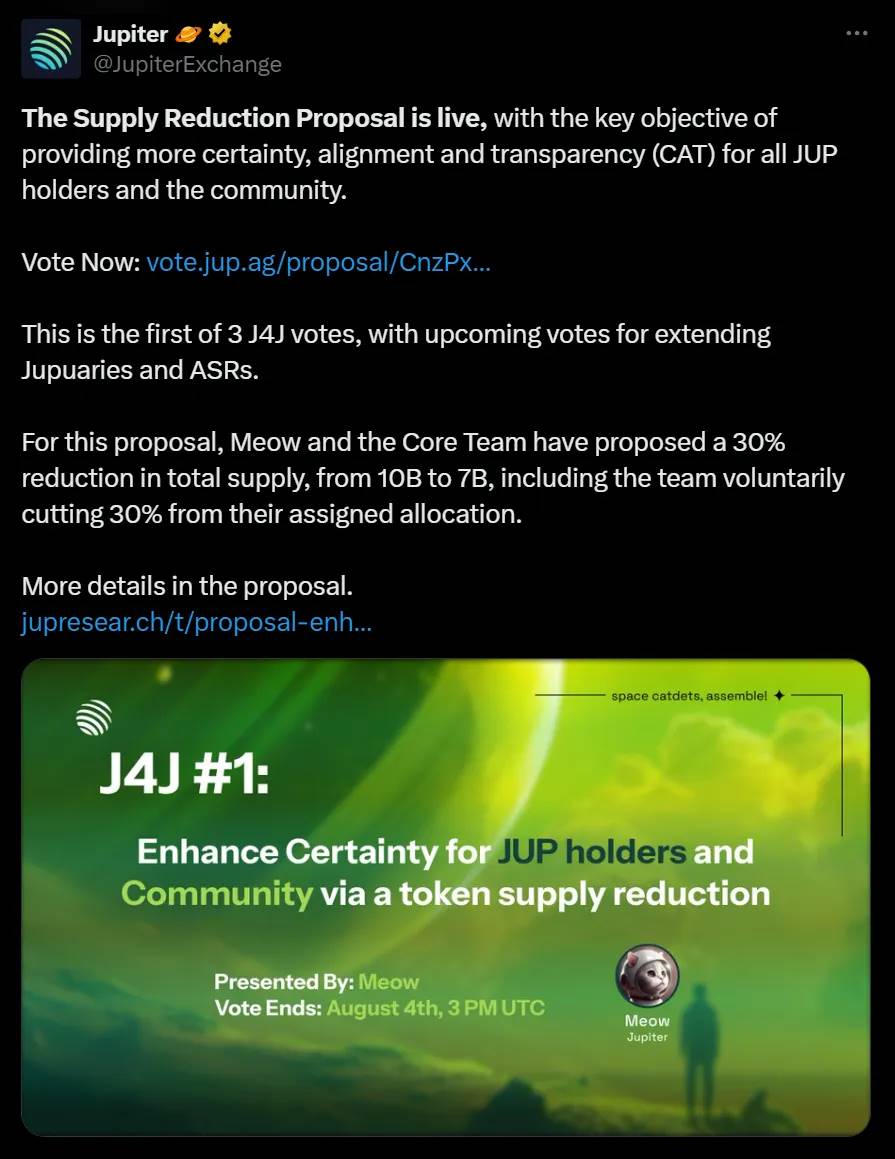
目前,流动性提供者(LP,Liquidity Provider)在保持对 BTC、ETH 和 SOL 等主要资产的敞口的同时,正在获得三位数的年化收益率。

除了收益,提供流动性还可能使您有资格参加 Jupiter 将于 1 月进行的下一轮空投。
2. Merkl

接下来是 Merkl,这是一个奖励中心,旨在探索和分发跨各种链的流动性池(liquidity pools)的代币奖励。

Optimism Superfest 奖励正在通过 Merkl 分发,以及许多其他活动的激励。
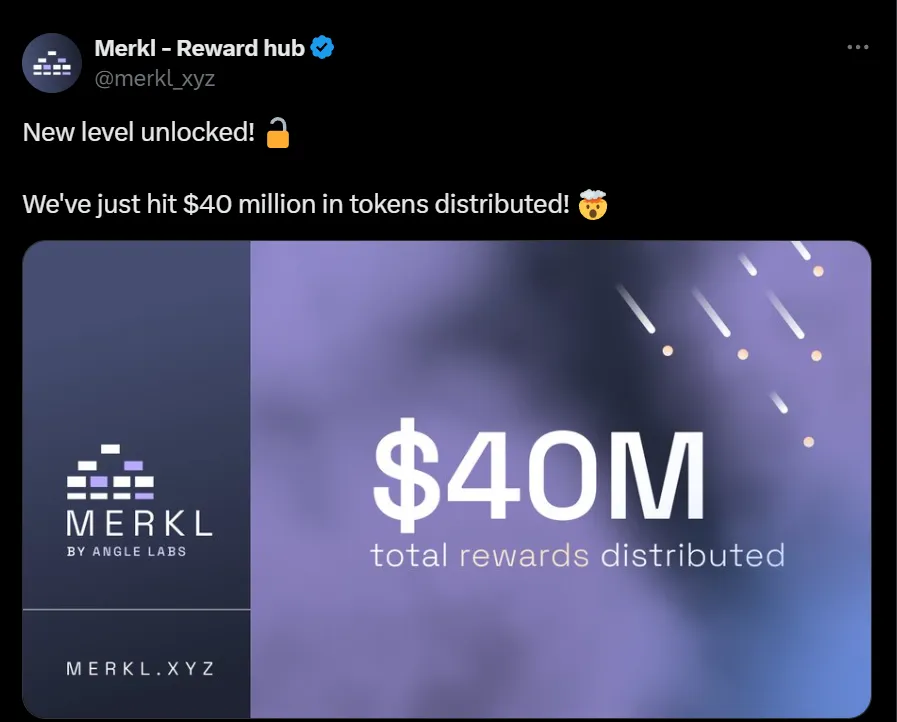
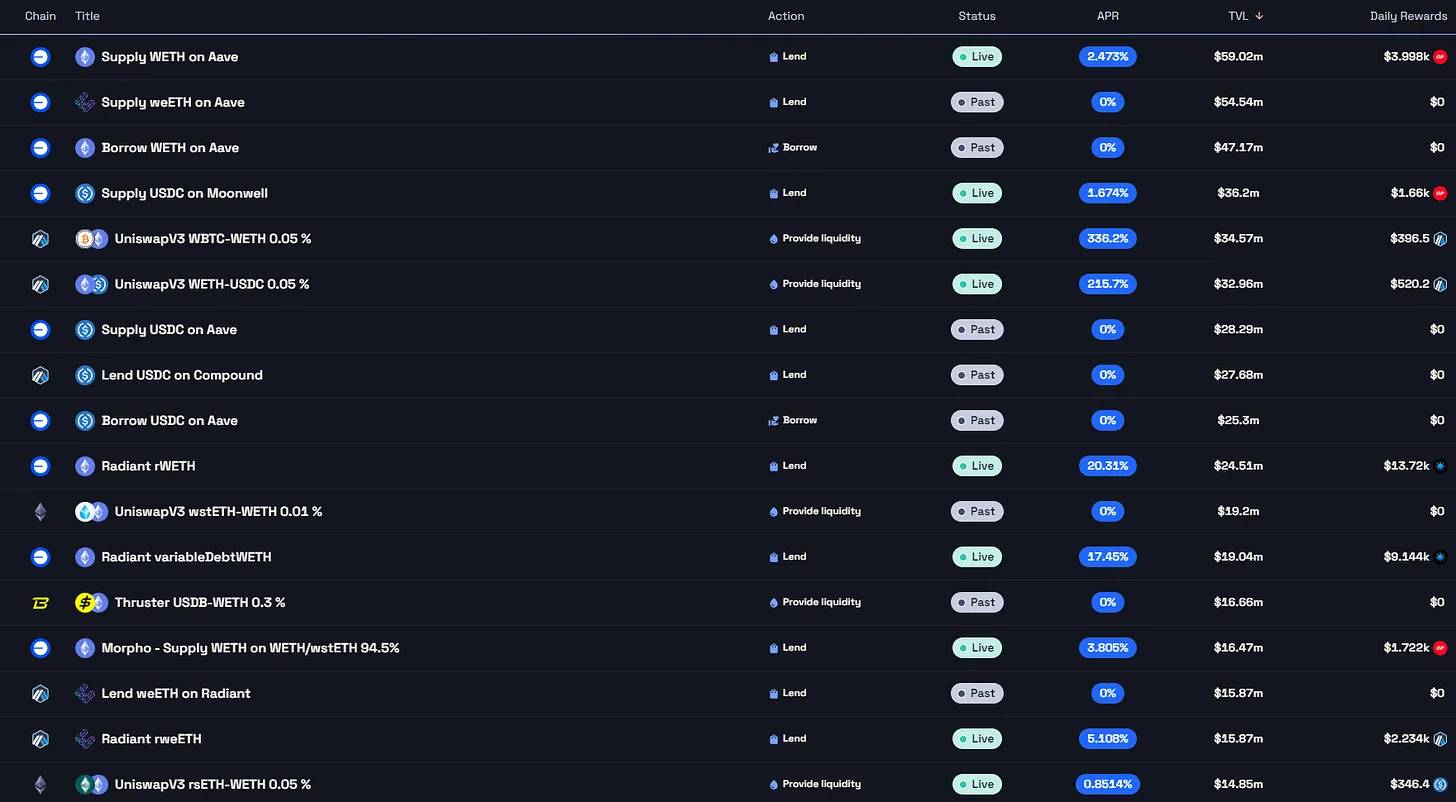
在寻找新的流动性池提供流动性时,Merkl 是我们最喜欢的地方之一。

目前我们最喜欢的一些流动性池包括:

• tBTC/WETH @ 90% APR

• wBTC/uniBTC @ 31% APR

• wstETH/ezETH @ 25% APR
3. Dolomite

我们本周的下一个撸毛机会是 Dolomite,一个多链货币市场和保证金交易协议。

Dolomite 作为一个统一的平台,可以为您的代币赚取额外的收益,同时能够根据您的投资组合借入保证金。
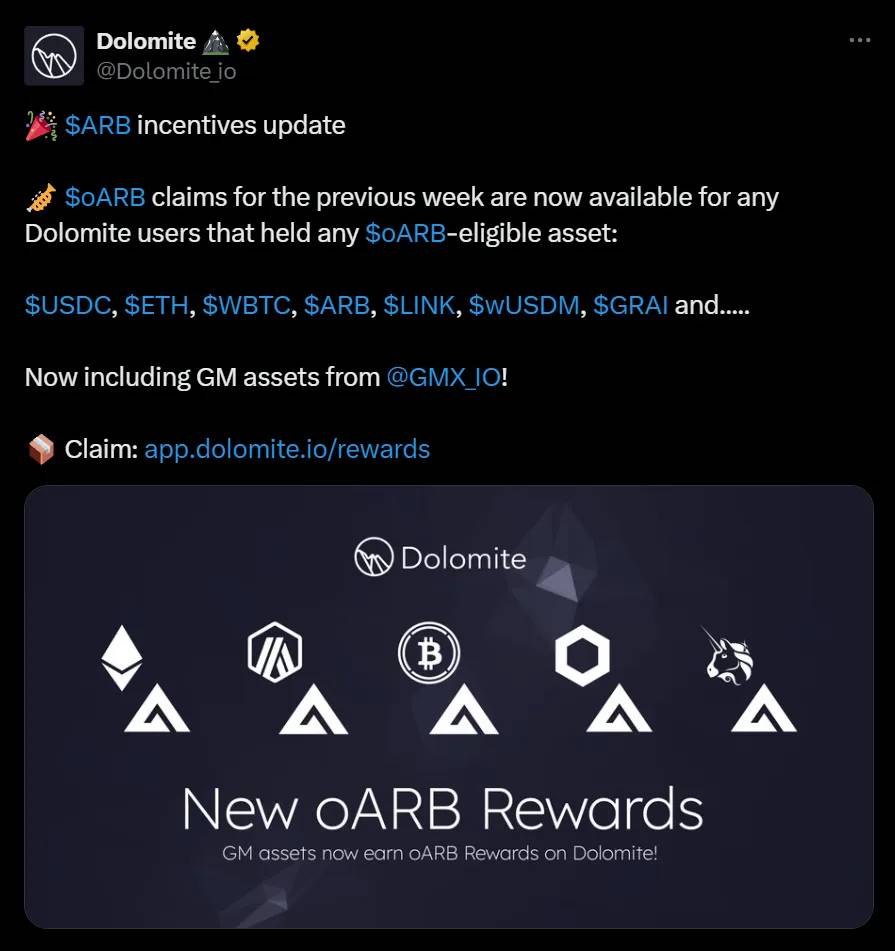
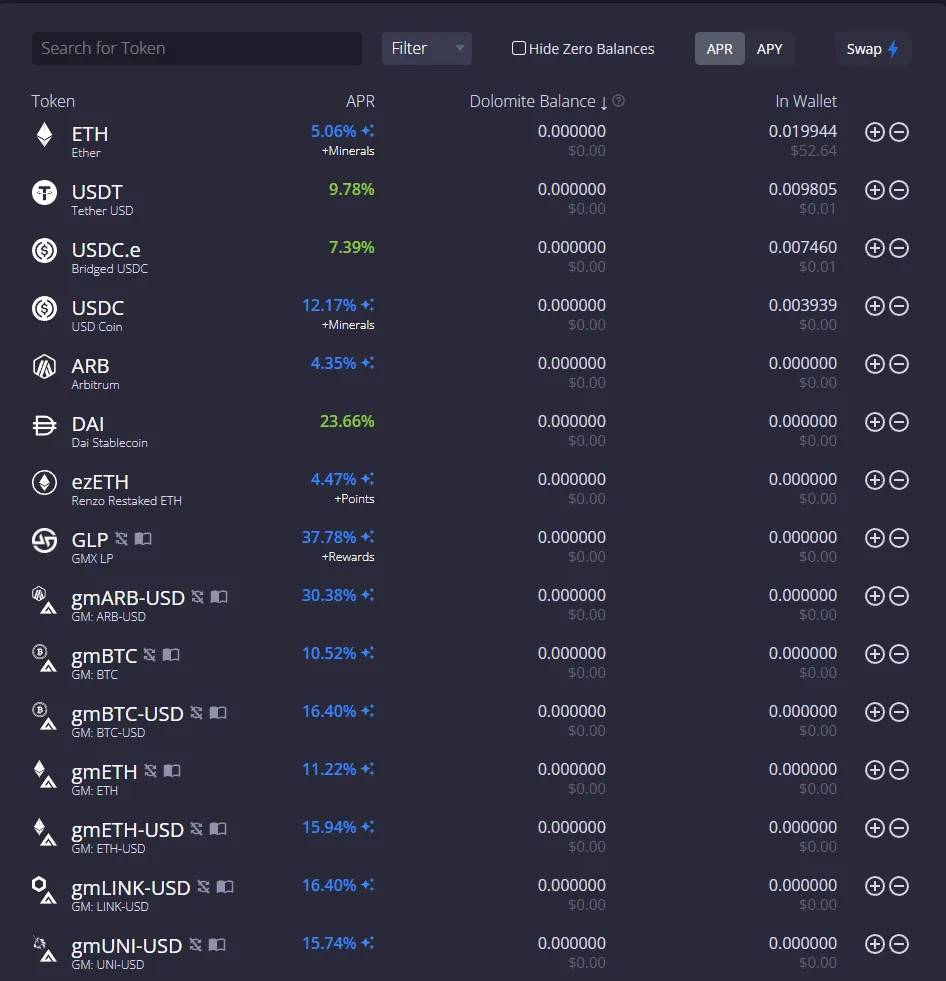
通过 Dolomite,您可以在 Arbitrum 和 Mantle 上存入各种资产,以堆积收益、积分和 Dolomite 矿石。

存入 GLP、DAI 和 USDM 等资产目前的年化收益率在 20-40% 之间,同时允许用户根据其投资组合进行借款。
4. Brahma

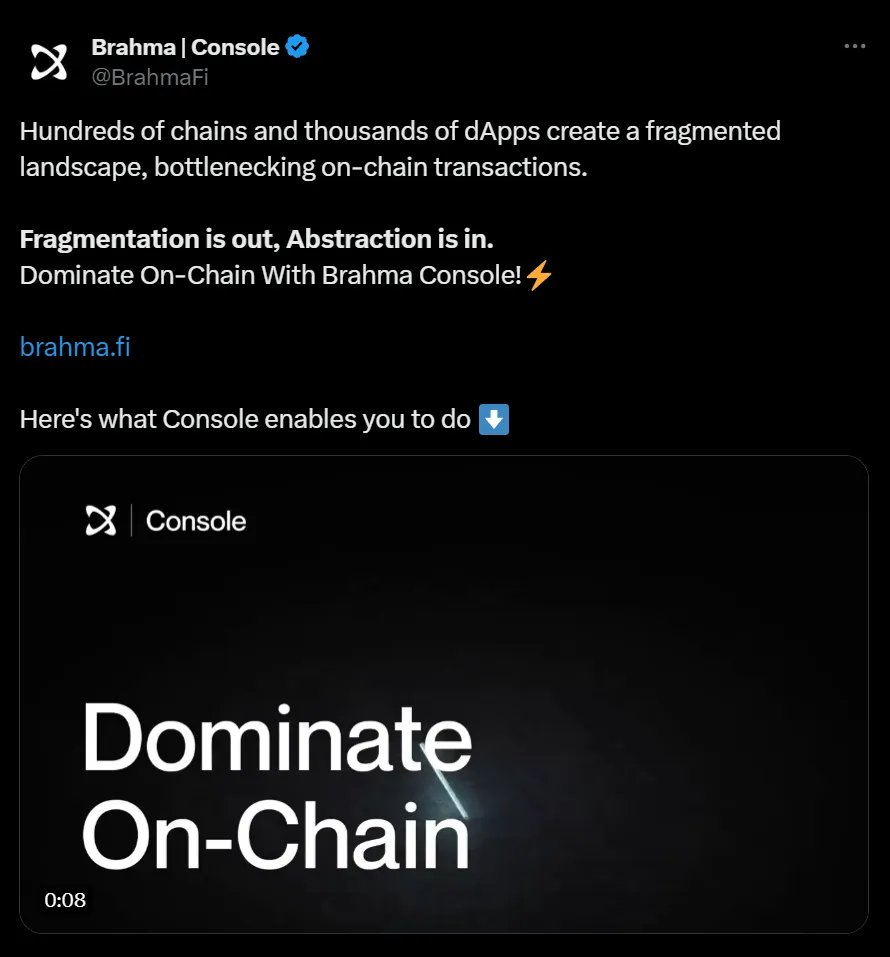
接下来是 Brahma,这个平台旨在简化和整合去中心化金融的体验。

通过 Console,用户可以安全存放和管理他们的资金,同时获得对各种协议和一键策略的访问。
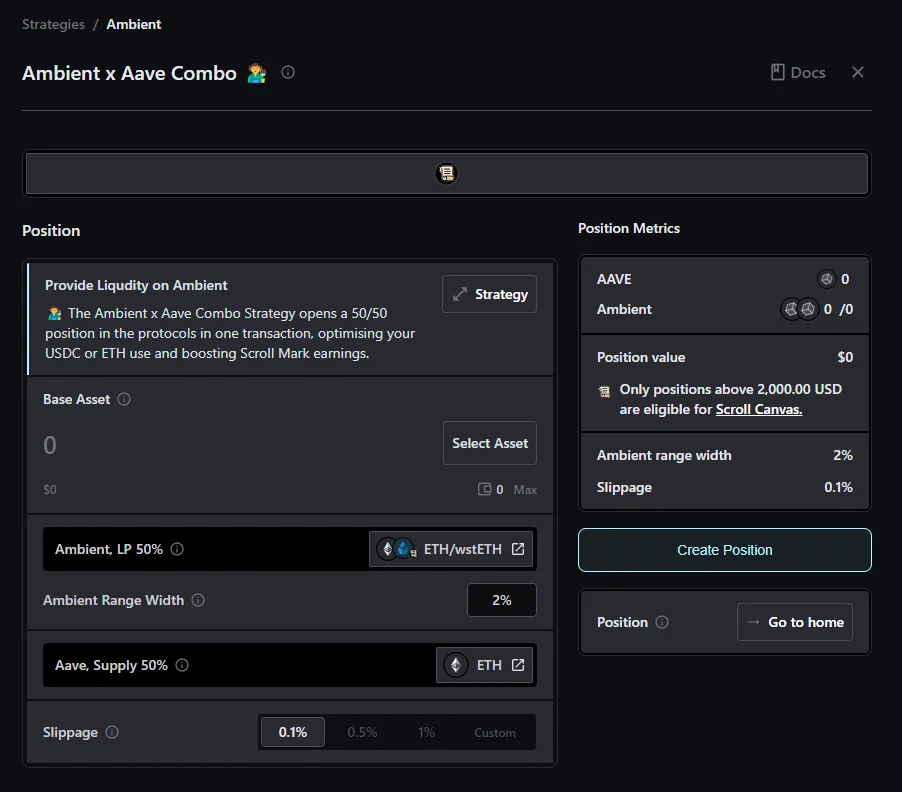
Brahma 刚刚推出了一种通过 Aave 和 Ambient 提高收益效率的 Scroll 策略,如果您正在进行 Scroll 农场操作,值得一试。

此外,用户在 Brahma 持有资产到本月底将获得额外的 ARB 激励。
5. Kamino

我们本周的最后一个机会是 Kamino,这是一个建立在 Solana 上的借贷、流动性和杠杆协议。

即使在代币上线后,TVL(总锁仓价值)也在持续增长,这得益于 Kamino 的积分计划和新产品的推出。
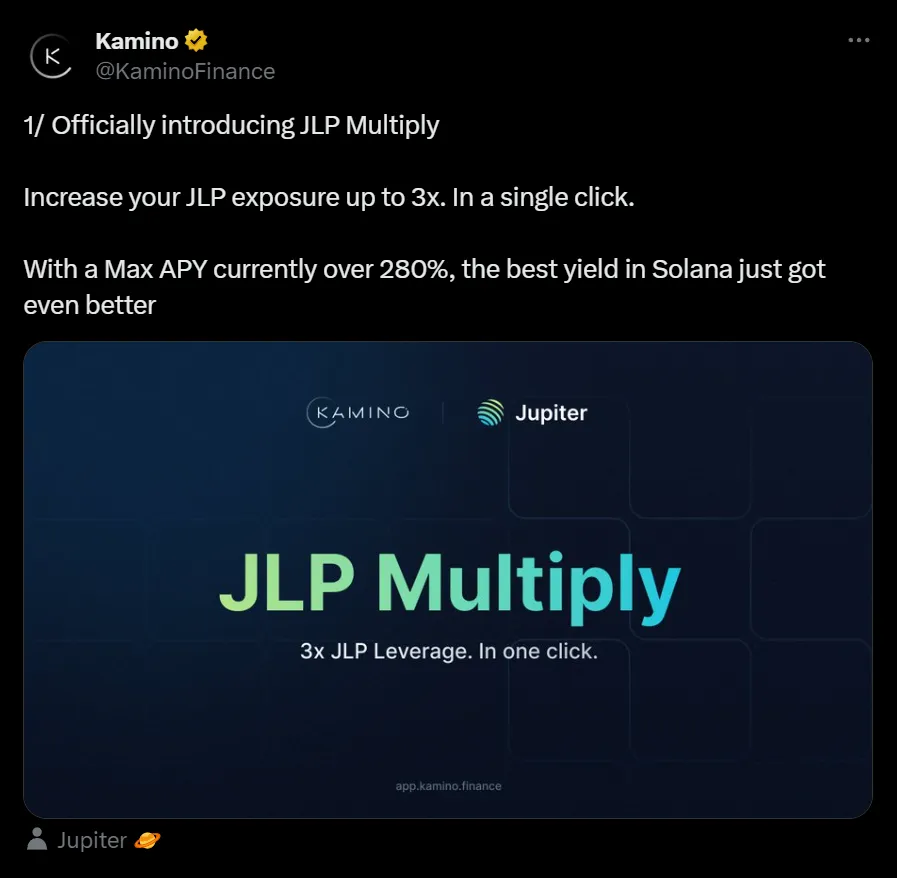
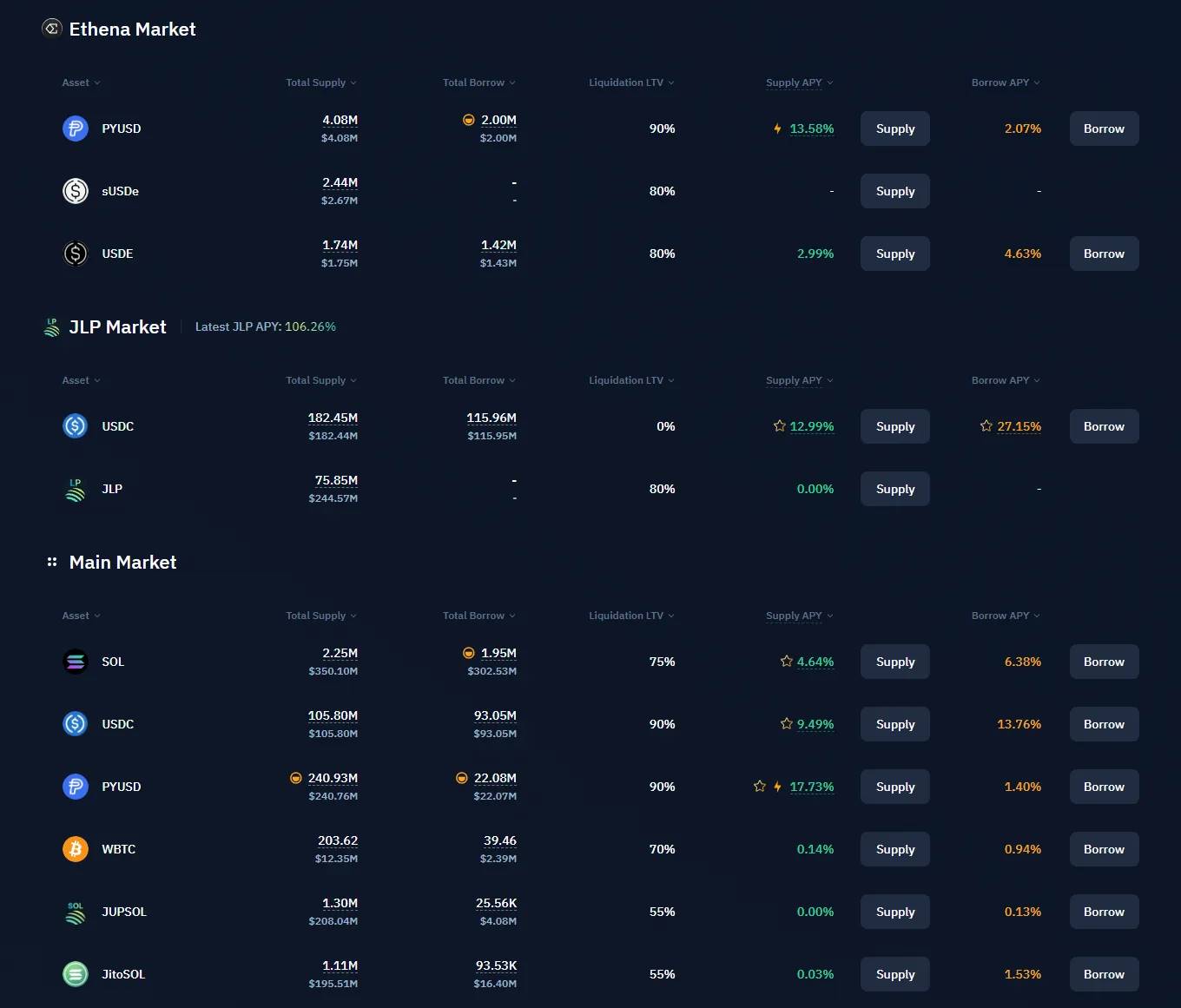
Kamino 提供了多种收益机会,从借贷到流动性提供,甚至是循环借贷。

以下是我们目前最喜欢的一些机会:

• JLP @ 285% APY(杠杆)

• pyUSD @ 83.2% APY(杠杆)

• sSOL/SOL @ 27.3% APY
Letture associate

Can You Really 'Get' Your Gold? The Custodial Geography Blind Spot Behind Tokenized Gold

The article challenges the common perception that tokenized gold is a globally uniform asset class, arguing that its true value and functionality are intrinsically tied to the physical location and legal jurisdiction where the underlying gold is stored. Unlike stablecoins, whose value is based on fungible financial assets like treasury bills, tokenized gold represents a legal claim to a specific physical asset in a specific location. This makes the geography of custody not a minor detail, but a core component of the asset itself. The price stability of a tokenized gold product is maintained not by technology, but by arbitrage mechanisms that require the efficient, low-cost redemption of physical gold. This arbitrage is only feasible if the gold is stored in the same region as the user, avoiding complex cross-border logistics, legal hurdles, and delays that can erase profit margins. Consequently, the credibility of a product's price peg depends on the efficiency of its local redemption infrastructure. The author posits that tokenized gold will not converge into a single global market but will instead become regionalized. For institutional users in places like Singapore or Hong Kong, gold stored locally—within their familiar legal, regulatory, and market infrastructure—is a fundamentally different and more usable asset than gold stored in London or Zurich. This local embeddedness is critical for practical uses like serving as collateral or passing regulatory audits. The central question for investors shifts from "Is this token backed by gold?" to "Can I actually *get* the gold when it matters?" The article concludes that the ultimate test of a tokenized gold product is not its stated backing but its practical accessibility within the user's own market and legal system during a crisis.

marsbit10 min fa

Can You Really 'Get' Your Gold? The Custodial Geography Blind Spot Behind Tokenized Gold

marsbit10 min fa

Summary of Kevin Warsh's Past Remarks: How Will This Prospective 'New Head' Upend the Fed?

Kevin Warsh, nominated by President Trump to replace Fed Chair Powell, is poised to introduce sweeping reforms at the Federal Reserve. His agenda includes structural changes, advocating for lower policy rates, a fundamentally new approach to inflation, a significantly smaller balance sheet, safeguarding Fed independence, narrowing the Fed’s mandate, improving coordination with the Treasury, and reducing communication “noise” from policymakers. Warsh has criticized current monetary policy as “broken” and called for “fundamental regime change,” arguing that continuity is meaningless when the Fed has lost credibility. He believes interest rates should be lower and that a smaller balance sheet would help achieve that, describing the current one as “multiple trillions of dollars larger than necessary.” On inflation, he attributes its rise to cognitive errors at the Fed—including overreliance on flawed models, neglect of money supply, and blaming external factors rather than excessive government spending. He also suggests AI could lead to a structural decline in prices. He strongly defends Fed independence as its “most important asset” and warns against mission creep, which he says risks its core objectives and increases political vulnerability. He proposes closer coordination with the Treasury to align balance sheet and debt issuance plans, clarifying expectations for markets. Regarding communication, Warsh supports transparency but criticizes the current “cacophony of voices” and “forward guidance” that creates ambiguity. He has urged Fed officials to speak less frequently to avoid market confusion.

marsbit41 min fa

Summary of Kevin Warsh's Past Remarks: How Will This Prospective 'New Head' Upend the Fed?

marsbit41 min fa

Trading

Spot
Futures
活动图片