FameEX 加密货币每日晨报新闻丨8月12日, 2024

币界网Pubblicato 2024-08-12Pubblicato ultima volta 2024-08-12

币界网报道:

美联储理事鲍曼:劳动力市场降温被夸大,应对降息保持谨慎

美联储理事鲍曼表示,劳动力市场的持续走强或导致通胀存在上行风险。她认为尽管五月和六月在降低通胀方面取得了一些进展,但通胀仍高于目标,因此,她可能不准备在九月份美国央行官员的会议上支持降息。

摩根大通首席执行官杰米・戴蒙:美国经济衰退的可能性可能高达 65%

摩根大通首席执行官杰米・戴蒙表示,美国有可能会陷入经济衰退,“软着陆”的可能性只有 35% 至 40%。他强调说市场面临着持续不确定性,并指出地缘政治、住房、赤字、支出、量化紧缩和即将举行的选举等因素都会引起市场恐慌。

五家科技巨头企业进军元宇宙设备领域

据报道,市值排名前列的五家科技巨头企业(苹果、谷歌、Meta、微软和英伟达)正在研发 Metaverse 设备。这些设备主要是为元宇宙领域提供基础设备设施,例如微软计划在 2026 年向三星订购 OLED 面板,该设备将是一款用于空间计算的耳机。

日本央行加息,引发市场震荡

上周,受日本央行上调政策利率以及美国经济数据弱于预期等因素影响,导致日本证券和外汇市场大幅波动。此前,日本央行行长上田一夫表示,日本加息不会对经济产生重大负面影响。

香港将在未来 18 个月内加强数字资产监管

8 月 11 日,香港立法会议员 David Chiu 宣布计划在未来 18 个月内加强数字资产监管计划,旨在将香港打造为全球金融科技中心。该计划包括吸引全球科技人才、建设新基础设施以及建立健全的立法监督体系。

非洲联盟批准成员国采用“非洲大陆人工智能战略”

非洲联盟执行理事会批准了“大陆人工智能战略”,该战略旨在推动包括尼日利亚在内的成员国采用人工智能。 该认可战略概述了几项关键建议,例如创建专为人工智能和机器学习工作负载设计的集成硬件和软件环境,以增强公共和私营部门的数据处理和部署。

免责声明:本节提供的信息仅供参考,不代表任何投资建议或FameEX官方观点。

Letture associate

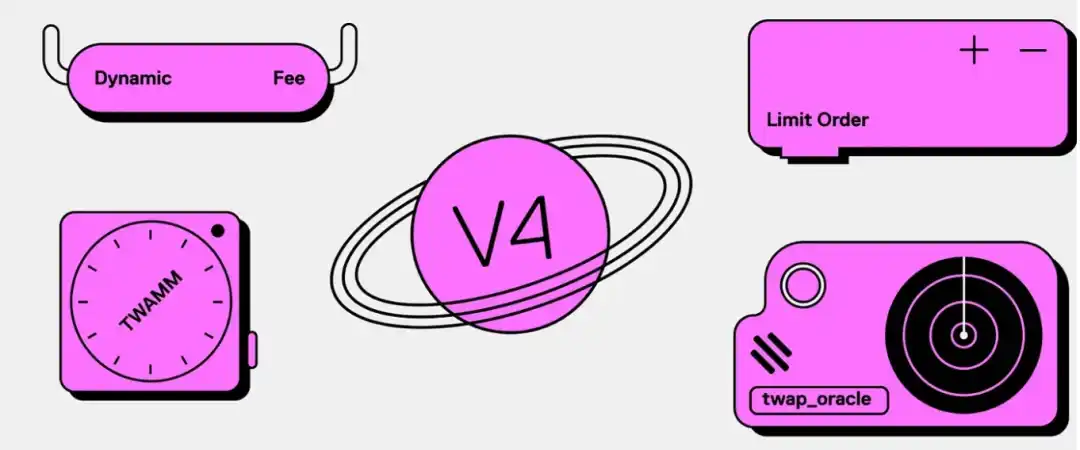
Uniswap v4 Hook Analysis: Architecture Design, Common Vulnerabilities, and Protection Practices

Uniswap v4's Hook mechanism is a major innovation, enabling custom logic injection into liquidity pool lifecycle events like swaps and liquidity provisioning. This transforms the AMM into programmable infrastructure, shifting the security model from protocol-level to pool-level, as each pool's safety now depends on its bound Hook contract. The core architecture revolves around the singleton PoolManager contract, which manages all pools via a flash accounting system. State changes are tracked in transient storage and must be settled by the end of a transaction. Hook contracts are permanently bound to pools via a PoolKey, with their permissions encoded directly into their address via specific low-order bits. This design introduces unique security considerations and challenges for future upgrades. Key vulnerabilities and best practices identified include: - **Access Control Gaps:** Early versions of the BaseHook abstract contract only protect `unlockCallback()`, leaving other lifecycle functions (`beforeSwap`, `afterSwap`, etc.) exposed unless explicitly secured by developers. - **Unrestricted Pool Binding:** The `initialize()` function does not validate if a Hook "consents" to a new pool. Hooks must implement their own whitelisting in `beforeInitialize` to prevent unauthorized pool creation. - **Async/Custom Curve Hooks:** These high-risk Hooks can completely replace Uniswap's swap logic. Their security depends entirely on their own implementation, as they operate outside the native protocol's pricing safeguards. - **Delta Accounting Risks:** The system ensures final balance (NonzeroDeltaCount == 0) but cannot guarantee the *correctness* of intermediate delta states, which attackers could manipulate. - **Token Confusion:** Protocols must implement semantic validation for tokens in user-created markets, not just interface checks, to prevent cross-market confusion attacks. The article emphasizes that Hook auditing requires a "sub-protocol" approach due to extended interaction chains, highlighting a significant shift in security methodology for the v4 ecosystem.

marsbit42 min fa

Uniswap v4 Hook Analysis: Architecture Design, Common Vulnerabilities, and Protection Practices

marsbit42 min fa

Chips, Open-Source Models, and $50 Trillion: Joe Tsai Reassesses Alibaba Once Again

Alibaba Executive Chairman Joe Tsai recently outlined the company's comprehensive AI strategy in a public discussion. He believes AI represents a massive opportunity, estimating its potential economic impact at up to $50 trillion, stemming from the automation of human intelligence and productivity. Tsai detailed Alibaba's four-layer investment approach across the AI stack: starting from the chip level, moving to cloud infrastructure (Alibaba Cloud), then the model layer with its open-source Qwen model, and finally applications within its vast digital ecosystem (e-commerce, logistics, etc.). The company avoids the energy layer due to China's efficient infrastructure. This broad strategy is designed to ensure Alibaba captures value regardless of where it ultimately concentrates in the AI value chain. He dismissed concerns about an AI investment bubble, pointing to the enormous $50 trillion opportunity. While acknowledging U.S. cloud giants' higher capital expenditure, he argued Chinese firms, including Alibaba (funded by its cash-generative e-commerce core), need to invest more in AI infrastructure. A key theme was technological sovereignty. Tsai positioned open-source models like Qwen as a solution for companies, especially in Europe, seeking independence from proprietary U.S. models and greater data privacy control. He contrasted this with the trend of U.S. giants keeping their models closed-source. Tsai highlighted Alibaba's collaborations with European manufacturers like Bosch and Siemens, using AI for design and quality control. He concluded with an optimistic vision of AI agents enhancing productivity, ultimately freeing up human time for leisure, family, and experiences like live entertainment.

marsbit56 min fa
Chips, Open-Source Models, and $50 Trillion: Joe Tsai Reassesses Alibaba Once Again

marsbit56 min fa

Trading

Spot
Futures
活动图片