联合国报告恐怖组织利用门罗币募捐,监管的「紧箍咒」更紧了?

深潮Pubblicato 2024-08-06Pubblicato ultima volta 2024-08-06

ISIL 等恐怖组织在其宣传的电子杂志中嵌入二维码,以门罗币等加密货币募捐。

撰文:Jahnu Jagtap,Cryptotimes

编译:Felix,PANews

随着恐怖组织适应日益数字化的世界,寻找新的筹集和转移资金的方式,全球反恐斗争正面临新的挑战。根据联合国安理会监察小组最近的调查结果,臭名昭著的恐怖组织 ISIL 从其长期信任的「哈瓦拉」(注:指一种非正式的资金流动方式,一般通过非授权经销商进行交易。此类交易不在印度中央银行的监管范围内,因此无法追溯资金源头)「迁移」到加密货币。

该报告指出,像 ISIL 和基地组织这样的恐怖组织正放弃传统的募资方式,如哈瓦拉、绑架和勒索,现在更倾向于使用「匿名性更强」的加密货币(以门罗币为代表),并在其宣传的电子杂志中嵌入二维码募捐。

这些组织甚至设置了「清真规范」(清真在伊斯兰教的社会中被译为合法),以推广其意识形态和运作。报告称,这些组织在 Telegram messenger 应用程序上设置了两个专门的加密频道,分别为 CryptoHalal 和 Umma Crypto,指导支持者获取和使用特定的数字货币,并接受根据「初步伊斯兰教法评估」批准的加密捐款。

例如,ISIL-K 利用隐私币的匿名性,使用链接到门罗币钱包的二维码发起募捐活动。尽管一些加密交易所将门罗币下架,但恐怖组织对门罗币的使用仍在增加,这使得当局很难追踪资金流向。

2020 年 8 月,美国政府查封了 300 多个加密账户、多个网站及 Facebook 页面,据称这些账户属于基地组织、ISIS 和哈马斯军事组织的成员。

值得注意的是,ISIL 对数字平台的使用范围不断扩大,引起了会员国的日益担忧。各种加密货币交易所、游戏平台、电子钱包和稳定币都用于筹集和转移资金。一个会员国指出,虽然使用现金快递和哈瓦拉汇款是资金转移到冲突地区的首选,但 ISIL 已有意转向加密货币和在线支付系统。随着电子钱包、预付手机卡销售和加密货币等数字方式的日益普及,预计此现象将变得更加普遍和重要。
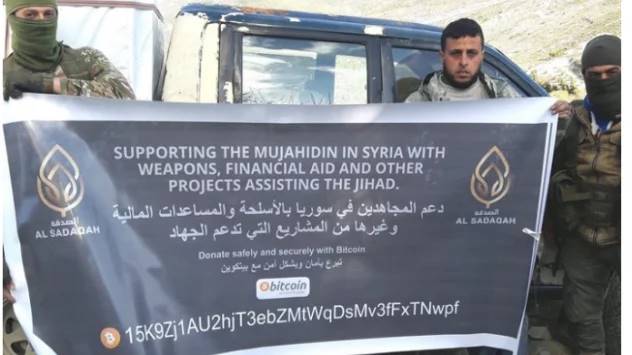
由于能够混淆交易细节,门罗币等隐私币已成为恐怖主义融资的首选媒介。联合国报告强调了监控这些交易的难度,因为它们提供了传统金融系统无法比拟的匿名性。ISIL 及其分支利用这些特征进行筹款活动,确保他们的金融活动不被当局发现。

报告还强调了恐怖主义融资网络的复杂性。ISIL 的附属机构,特别是在非洲的附属机构,为该组织的资金募集做了重大贡献。这些附属机构通常依赖非正式渠道,使其不易受到干扰。例如,ISIL-K 在 2023 年募集了 250 万美元,其中一些可能与特定袭击有关,突显了这些组织构成的持续威胁。

联合国安理会监察小组的这份措辞严厉的报告,势必会让包括美国、英国、欧洲和印度在内的几个国家重视。近日,美国财政部金融犯罪执法网络(FinCEN)发出警告,敦促金融机构监控可能与恐怖组织哈马斯有关的加密货币交易。

此外,这份报告的影响也将波及加密行业。因为鹰派安全机构可能会加强与可疑活动有关资产流动监控。
Letture associate

Shutting Down 8 ETFs, Laying Off 14% of Staff: Why is Bitwise Still Launching New Products?

Cryptocurrency asset management firm Bitwise reduced its workforce by approximately 14%, cutting around 25 positions, bringing total employees from about 180 to 155. The company did not disclose specific reasons for the layoffs or link them to AI efficiency, a trend cited by other crypto firms like Coinbase and Dune earlier in the year. Prior to the staff reduction, Bitwise's reported client assets fell by at least $40 billion between February and April, though the exact causes—market price changes, client redemptions, or shifts in product scope—remain unclear. Concurrently, Bitwise liquidated eight ETFs over roughly three months. These included a Web3-themed fund, a BTC/ETH/Treasuries rotation strategy ETF, and six single-stock or Ethereum-linked options income ETFs. Despite these cuts, Bitwise continues to launch new products. Recent additions include an Avalanche ETP with staking in Europe, the Hyperliquid ETF, and the acquisition of Superstate’s tokenized Crypto Carry Fund, valued over $267 million. This indicates a strategic shift away from certain thematic and complex options strategies toward products focused on direct crypto asset exposure, staking rewards, and tokenization. The company now manages 70 investment products for over 5,500 advisory teams and institutions. The simultaneous workforce reduction and product expansion create a more complex operational environment for the smaller remaining team, though Bitwise has not detailed how specific roles or costs are affected by these changes.

marsbit16 min fa

Shutting Down 8 ETFs, Laying Off 14% of Staff: Why is Bitwise Still Launching New Products?

marsbit16 min fa

Coinbase Secures Key License in Abu Dhabi as the Middle East Becomes a New Hub for Tokenized Assets

Coinbase has secured a key Financial Services Permission (FSP) from Abu Dhabi's Financial Services Regulatory Authority (FSRA), enabling it to establish an International Tokenization Hub within the Abu Dhabi Global Market (ADGM). This license permits Coinbase to conduct investment trading arrangements and offer custody services, with the core aim of launching tokenized securities. This move is positioned as a significant step toward building a more open and accessible global financial system, particularly for the estimated 4 billion individuals currently excluded from traditional capital markets. Tokenized securities issued on this platform will be fully backed by underlying stocks and regulated by the FSRA. Verified token holders will possess full shareholder rights, including dividends and voting rights, requiring only a digital wallet for participation—eliminating the need for traditional securities accounts. The framework incorporates ongoing sanctions screening and allows for asset freezing at the wallet level, aiming to reconcile DeFi functionalities with regulatory compliance. Coinbase executives and ADGM officials highlighted the pioneering nature of ADGM's virtual asset regulatory framework, established in 2018, which treats tokenized assets simultaneously as securities, blockchain-native tokens, and composable DeFi assets. This development in Abu Dhabi, alongside Coinbase's investments in Dubai, underscores the company's commitment to establishing the UAE as a hub for next-generation financial infrastructure, specifically for tokenized securities and on-chain capital markets.

marsbit36 min fa

Coinbase Secures Key License in Abu Dhabi as the Middle East Becomes a New Hub for Tokenized Assets

marsbit36 min fa

Trading

Spot
活动图片