拜登副总统哈里斯对加密货币持什么立场?

Odaily星球日报Pubblicato 2024-07-22Pubblicato ultima volta 2024-07-22

Introduzione

哈里斯被提名为副总统时,曾被视为硅谷的好消息。

原文标题:Where does Biden’s VP Kamala Harris stand on crypto?

原文作者:Thomas Carreras, DL News

原文编译:Ismay,BlockBeats

编者按: 7 月 22 日,美国现任总统拜登宣布退出 2024 年总统选举,并支持副总统卡马拉·哈里斯 (Kamala Harris) 成为 2024 年民主党总统候选人。比特币价格也随之作出反应,同时,Polymarket 上,特朗普赢得 2024 年美国总统选举的概率下降至 66% ,卡马拉·哈里斯赢得 2024 年美国总统选举的概率上升至 32% 。在真正的大选来临之前,一切都未成定局。本文作者简要介绍了哈里斯对于加密货币的立场,可以看出目前其未表现出明确的加密货币亲疏态度。本文原发于 2024 年 7 月 4 日。

以下为原文内容:

链上预测市场 Polymarket 显示,在 2024 年民主党候选人的预测中,美国副总统卡马拉·哈里斯(Kamala Harris)的胜率已升至 42% ,拜登的胜率降至 37% 。

尽管白宫发言人曾否认过拜登考虑退出竞选,但在拜登退出竞选的预测中,其可能性升至 65% 。与此同时,在总统选举获胜者的预测中,副总统哈里斯的胜率升至 16% ,尽管与特朗普(61% )有一定的差距,但却超过了拜登(12% ),仅次于特朗普。

副总统哈里斯的异军突起,引发加密人士的一众猜测,她对加密货币持什么立场?此前是否涉足或发表过对加密领域看法?以下为所了解到的有关信息。

在拜登上周在与特朗普的辩论中表现糟糕之后,哈里斯成为民主党提名的首选。哈里斯对加密货币的立场问题似乎更加紧迫。

虽然拜登发誓要继续竞选,哈里斯也没有公开竞选美国第 47 任总统。但根据 Polymarket 预测,近日,哈里斯的总统选举胜率升至 16% ,尽管与特朗普(61% )有一定的差距,但却超过了拜登(12% ),仅次于特朗普。

与此同时,一种名为 Kamala Horris 的哈里斯主题的模因币横空出世,据 Coingecko 数据,该模因币在过去一周上涨约 600% ,过去 30 天飙升超 1500 %。

鉴于加密行业已成为今年大选的热门话题以及哈里斯的异军突起,其对加密货币的立场似乎异常重要。

拜登政府一直对加密行业持敌对态度,但哈里斯的立场则更难以捉摸。

哈里斯从未对加密货币采取过官方立场,也从未对该行业发表过评论。

财务披露显示,哈里斯和她的丈夫道格拉斯·埃姆霍夫(Douglas Emhoff)都没有涉足过加密领域,反而更倾向投资美国国债和新兴市场。

值得一提是,在 2020 年大选期间,哈里斯确实聘请了萨克拉门托国王篮球队(NBA 篮球队)前首席技术官瑞恩·蒙托亚(Ryan Montoya)担任她的日程安排主管。

根据 Montoya 的 LinkedIn 介绍,在 Montoya 的领导下,萨克拉门托国王队成为世界上第一支接受比特币的球队。该球队还挖掘过以太币,并推出了 NFT 系列。

Montoya 现在在白宫担任总统助理,但他仍负责原来的日程安排职责。因此,Montoya 不太可能对政策产生影响。

但据《纽约时报》 2020 年报道,来自旧金山的哈里斯与科技行业有着密切的联系。她被提名为副总统时,曾被视为硅谷的「好消息」。

随着加密货币游说活动的升温,以及华尔街银行代表该行业加入进来,哈里斯在总统竞选之前站出来支持比特币或许是「有理由」的。当然,哈里斯也可能采取与拜登相同的态度,对加密货币采取打压的政策。
原文链接

Letture associate

Solana Proposals Could Lead to Reduction in Staking Yields to 2.25% and Cut Emissions by $1.5 Billion

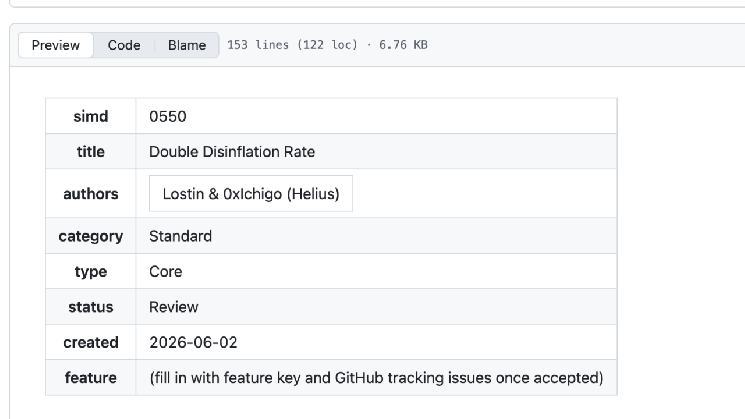
Solana is moving towards a stricter monetary model that could lead to a SOL deficit and significantly reduce staking rewards for holders. Two governance proposals drive these changes. SIMD-550, currently under vote, would double Solana's annual disinflation rate from 15% to 30%, accelerating the timeline to reach a final inflation rate of ~1.5% to the first half of 2029. The second, SIMD-553 (already approved), introduces additional token burning tied to computational units used on the network. Together, these measures could reduce SOL emission by an estimated $1.4-$1.5 billion over six years. The immediate impact would be lower staking yields, potentially falling from the current ~5.25% to approximately 4.34% in year one, 3% in year two, and 2.25% by year three. Analyst Matt Mena from 21Shares suggests inflation should be tied to economic metrics to help offset this decline. The changes also raise concerns for validator economics, with some potentially becoming unprofitable as inflation rewards decrease and voting costs may rise. However, the lower passive yield might push a significant portion of the 67.9% staked SOL into Solana's DeFi ecosystem for activities like lending and trading. This shift could boost network fee revenue to compensate for lower inflation rewards. The proposals aim to trade lower yield today for less dilution tomorrow, betting that network growth and usage will make this a worthwhile trade-off for SOL holders.

cryptonews.ru27 min fa

Solana Proposals Could Lead to Reduction in Staking Yields to 2.25% and Cut Emissions by $1.5 Billion

cryptonews.ru27 min fa

Bitcoin 'Basically Hopped' to $80K. What Will Happen to the Price in Autumn?

Bitcoin surged close to $80,000 in August, marking its fastest growth since 2024. Experts anticipate continued volatility for the autumn season, with price forecasts heavily dependent on macroeconomic conditions and regulatory developments in the US. Key drivers for the recent rise include a weakening US dollar, renewed capital inflows into spot Bitcoin ETFs, and liquidations of trading positions. The US Treasury's decision to increase long-term bond purchases has helped stabilize debt markets but pressured the dollar, leading investors to seek assets like Bitcoin as a hedge. Looking ahead, experts outline two primary scenarios for Bitcoin's price. A positive outcome, supported by favorable macroeconomics and the potential passage of the CLARITY Act regulating crypto in the US, could push Bitcoin toward $85,000-$100,000. Conversely, a negative scenario involving hawkish signals from the US Federal Reserve or regulatory setbacks could trigger a correction, potentially driving the price back down to the $62,000-$75,000 range. Institutional demand, reflected in consistent ETF inflows, is seen as a crucial stabilizing factor, gradually outweighing the influence of Bitcoin's traditional four-year cycles. Meanwhile, a broad rally in altcoins is not widely expected, as capital is likely to flow selectively into the most liquid projects. The central question for autumn is whether institutional buying can transform August's rapid surge into a sustainable upward trend.

cryptonews.ru32 min fa

Bitcoin 'Basically Hopped' to $80K. What Will Happen to the Price in Autumn?

cryptonews.ru32 min fa

Trading

Spot
活动图片