共和党选民对加密货币的态度调查:金融自由、监管与隐私的多重考量

币界网Pubblicato 2024-07-17Pubblicato ultima volta 2024-07-17

币界网报道:

文章作者:Katie Biber, Alex Grieve 编译:Aiying艾盈

今年六月,Paradigm对共和党选民进行了首次独特的民意调查,目的是了解他们对加密货币的看法。结果非常明确:共和党人热衷于金融自由。

支持加密货币的共和党候选人,比如萨姆·布朗、戴夫·麦考密克和伯尼·莫雷诺,得到了选民的强烈支持。共和党人坚决反对沃伦-根斯勒倡导的集中控制观点,包括中央银行数字货币(CBDC)、取消银行业务以及强制所有金融交易通过大银行进行。

总的来说,共和党人理解加密货币的吸引力,并支持国会采取行动,制定明确和可预测的规则。

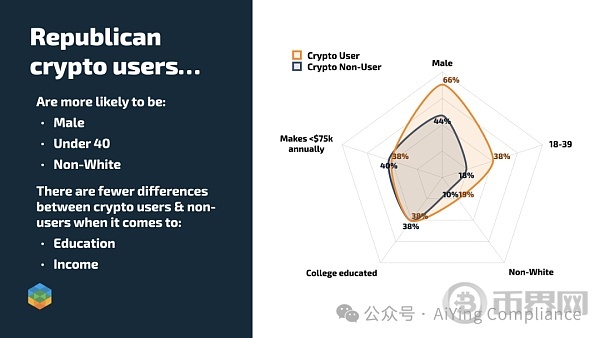
要点一:拥有加密货币的共和党人比典型共和党人更年轻,更多是少数族裔,这正是特朗普在这次选举中需要的选票。

调查显示,28%的共和党人目前拥有或曾购买过加密货币,这一比例高于我们在2024年3月发现的19%的全国注册选民平均水平。
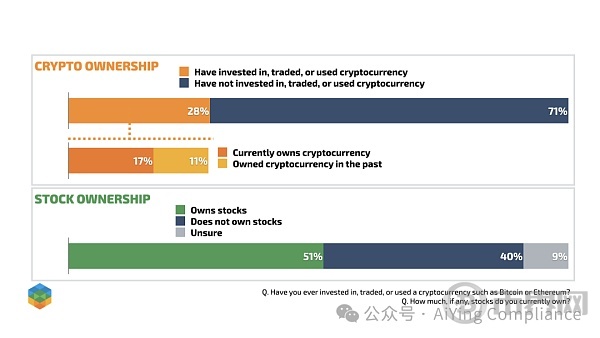
但更深入的数据信息显示:

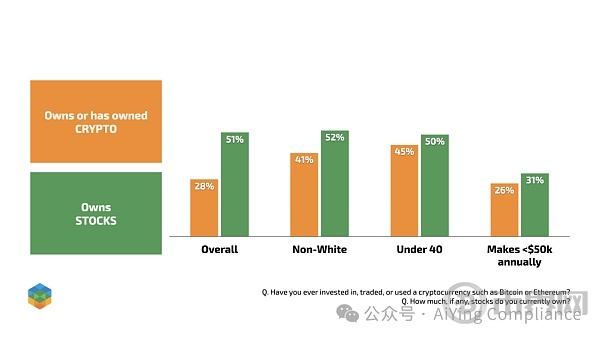
41%的非白人共和党人购买或拥有加密货币,这一比例仅比炒股票的52%低11个百分点。
87%的拥有加密货币的共和党人表示,他们计划在未来12个月内购买更多的加密货币,而13%目前没有加密货币的共和党人则表示,他们可能会在未来12个月内首次购买加密货币。
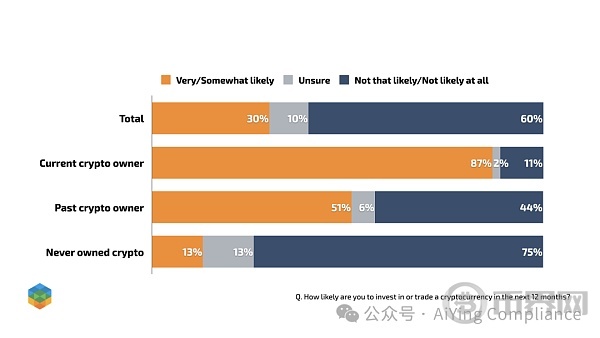
加密货币在40岁以下的共和党人中最受欢迎。45%的人已经购买或拥有加密货币
许多共和党加密货币持有者持有大量加密货币:

  • 58%的共和党加密货币持有者持有超过1000美元的加密货币

  • 40%的共和党加密货币持有者持有超过5000美元的加密货币

要点二:共和党人对机构不信任,寻求加密货币带来的自由

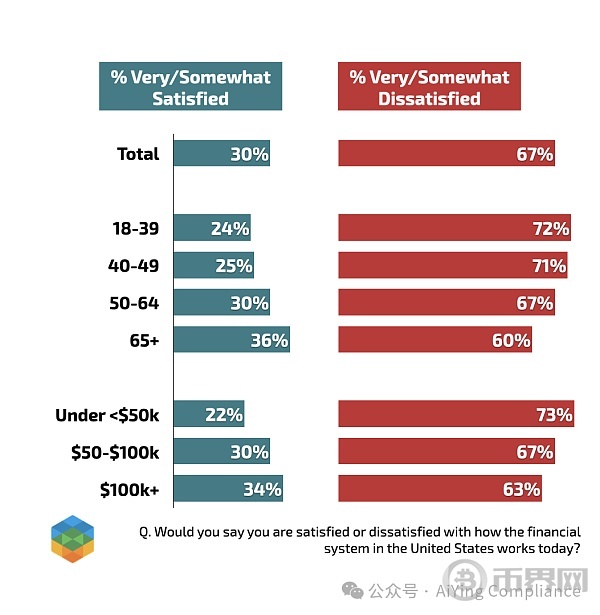
随着拜登政府及其盟友继续利用银行法规作为工具,共和党选民对金融机构根本不信任。

67%的共和党人表示他们对当前美国的金融体系不满意
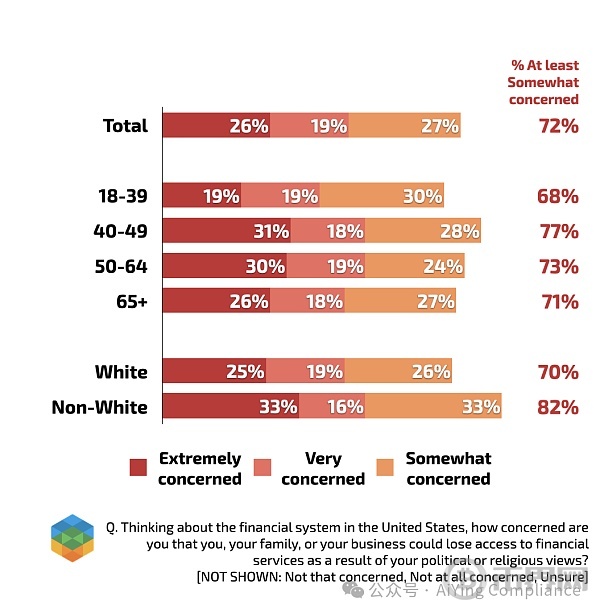
72%的共和党选民有一些担心因为他们的政治或宗教观点,可能会失去财富的控制权
84%的共和党人认为,美国人应该有权在不通过大银行的情况下将钱转给他人

要点三:共和党人希望国会解决加密货币监管不明确的问题

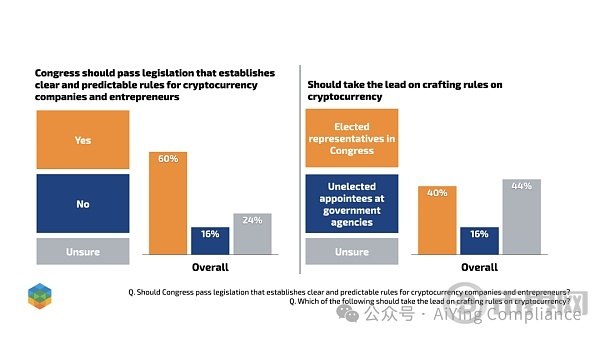
共和党人希望国会采取行动,解决加密货币监管不明确的问题。他们一致认为,应由民选代表而非非民选官僚来制定加密货币监管框架。

60%的人认为国会应该通过立法,为加密货币公司和企业家制定明确且可预测的规则。更多的共和党选民认为,应该由国会中的民选代表(40%)而不是政府机构的非民选任命者(16%)来主导加密货币监管的制定。
要点四:共和党人关注金融隐私

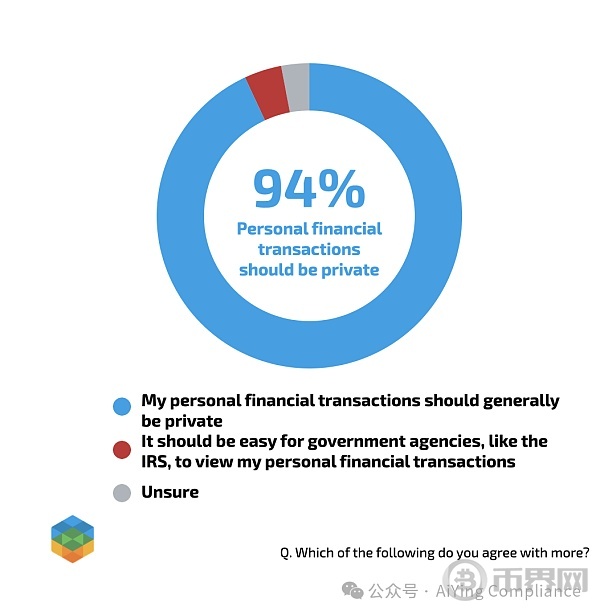
共和党人反对任何国税局(IRS)对隐私的侵犯或对私人金融交易的监视,这种行为将由即将出台的国税局数字资产经纪人规则中的DeFi部分推动。详情请阅读《美国国税局敲定新规:加密货币和稳定币交易需报税,详解毛收益和基础报告》他们也强烈反对政府追踪的中央银行数字货币(CBDC)的创建。

94%的共和党人认为他们的金融交易应该保持私密

在那些表示了解什么是央行数字货币(CBDC)的共和党选民中,68%反对创建这种货币

要点五:加密货币帮助说服了那些“从不投特朗普”的共和党人投票支持他,并且声望更高

随着特朗普巩固共和党选民的支持并准备参加大选,加密货币成为一个帮助他争取共和党基础选民的问题。

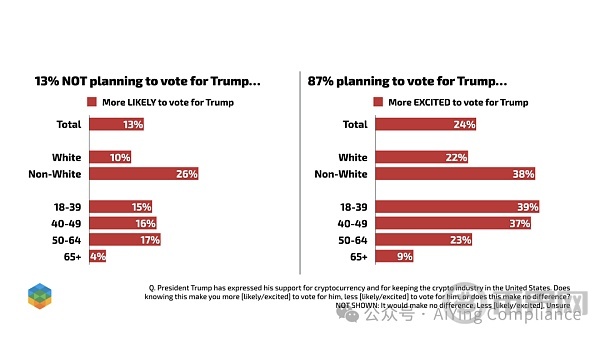
13%目前不打算投票给特朗普的共和党人表示,特朗普最近对加密货币的立场让他们更可能投票给他。38%的非白人共和党特朗普支持者表示,特朗普对加密货币的支持让他们对投票支持他更加兴奋。
要点六:共和党人普遍对加密货币持积极态度

更多的共和党人认为加密货币对经济总体上是积极的(36%),而不是消极的(30%)

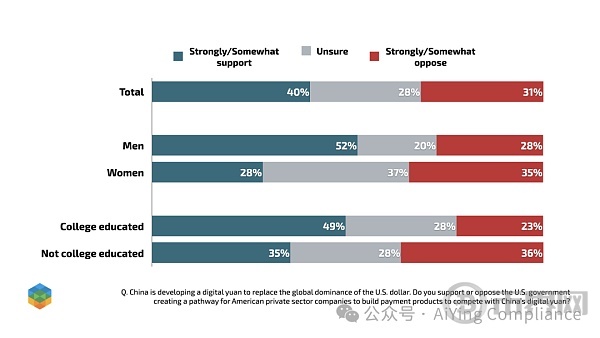
图表显示:

  • 总体上,40%的共和党人支持,31%反对,28%不确定。

  • 在男性中,52%支持,28%反对,20%不确定。

  • 在女性中,28%支持,35%反对,37%不确定。

  • 在受过大学教育的共和党人中,49%支持,23%反对,28%不确定。

  • 在未受过大学教育的共和党人中,35%支持,36%反对,28%不确定。

在得知中国正在开发数字人民币后,更多的共和党人支持(40%)美国政府为本国私人企业创建竞争产品(如稳定币)以对抗数字人民币,而反对者占31%。其中,男性(52%)和受过大学教育的共和党人(49%)对这一竞争路径的支持度最高。
以上民意调查由Echelon Insights进行。这项调查于2024年6月11日至13日在全美范围内通过网络以英语进行,样本为1,025名可能选民中的共和党选民,采用非概率抽样方法。样本来自Lucid样本交换平台,并与L2选民文件匹配,500人通过短信邀请参与网页调查,525人通过电话进行调查。误差范围为3.5%。

Letture associate

How 5G Will Be Launched in Russia: The Digital Ministry's Proposal and the Roadmap to 2035

Russia's Ministry of Digital Development has proposed a plan for launching 5G networks. It allows the "Big Four" mobile operators (Beeline, Megafon, MTS, T2) to deploy 5G on existing 4G/LTE base stations and frequencies, and will allocate them the new 4.63–4.99 GHz band. A key element is "technological neutrality," permitting the use of foreign equipment until September 2026. The new 4.63–4.99 GHz band is intended for more advanced services and industrial applications. However, a phased transition to Russian-made base stations will begin in 2027, with a target of at least 50% domestic equipment by 2030. The rollout timeline aims for 5G in cities with over 1 million people by the end of 2027, expanding to 84 cities by 2035. Initial "5G Ready" service, operating over existing infrastructure, will offer minimal speed improvements. Significant speed gains (4-10x over LTE) will require the new band and corresponding equipment. The plan addresses long-standing regulatory delays, including the military's hold on the global standard 3.4–3.8 GHz band. This forced Russia to adopt the 4.63–4.99 GHz range, overlapping with a Chinese band, making Chinese equipment a potential transitional solution. The success of the rollout will depend on equipment supply and the pace of production localization, while a challenge lies in smartphone compatibility with this non-standard frequency band.

cryptonews.ru55 min fa

How 5G Will Be Launched in Russia: The Digital Ministry's Proposal and the Roadmap to 2035

cryptonews.ru55 min fa

The Federal Reserve Bank of Dallas Announces a Colossal $700 Billion Allocation! How Will This Affect Bitcoin?

The Federal Reserve Bank of Dallas warns that the growing adoption of tokenized deposits in the banking sector could pose unforeseen risks to the financial system. Tokenized deposits, which transfer traditional bank deposits to blockchain infrastructure, offer features like instant settlement and programmable payments. While issued by regulated banks and maintaining deposit characteristics, they could enable customers to move funds between banks much faster in search of higher yields. This would significantly weaken banks' liquidity management and lending capacity. The Fed's analysis estimates that an increase in deposit interest rate sensitivity by 10% could reduce the interest rate risk banks can bear by approximately $700 billion over ten years. Similarly, a 10% shortening of the average deposit maturity could reduce the banking system's capacity to convert deposits into loans by about $580 billion. This acceleration of deposit movement could force banks to rely on more expensive wholesale funding, increasing borrowing costs for consumers and businesses and potentially making traditional banks resemble non-bank financial institutions. While the report does not directly address Bitcoin, the described shifts could have long-term implications. Firstly, the tokenization of deposits by banks could promote institutional adoption of blockchain-based financial infrastructure, indirectly legitimizing digital asset classes like Bitcoin. Secondly, faster-moving deposits and resulting higher funding costs could increase the price of liquidity in the financial system. This could create near-term headwinds for risk assets, including Bitcoin, due to tighter financial conditions and potential selling pressure. The report concludes that widespread adoption of this technology could impact many areas, from payment systems to monetary policy transmission mechanisms.

cryptonews.ru1 h fa

The Federal Reserve Bank of Dallas Announces a Colossal $700 Billion Allocation! How Will This Affect Bitcoin?

cryptonews.ru1 h fa

Trading

Spot
活动图片