BTC、BCH和BSV 之间的比较

金色财经Pubblicato 2024-07-08Pubblicato ultima volta 2024-07-08

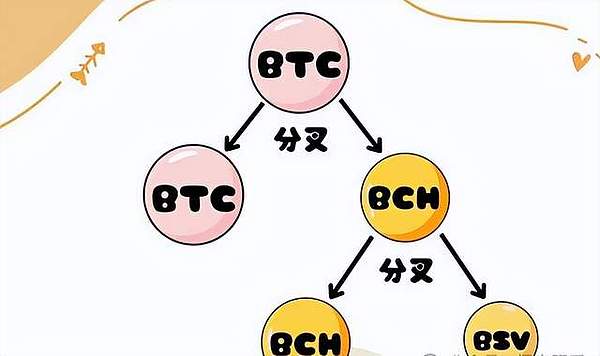
BTC在几年前区块容量逐渐接近上限之时,已经就扩容问题讨论许久,矿工、开发人员、用户之间的博弈相对混乱,在谈不拢的情况下,分叉成为唯一的结局。

于是,在 2017 年 8 月 1 日从 BTC 中分叉出 BCH,将区块大小从 1M 提升至 8M,号称自己才是中本聪“点对点电子现金系统”的真正体现。2018 年 11 月 15 日,BCH 内部再次因为 BCH 的未来发展方向出现分歧,导致 BCH 分裂为比特大陆系 BCHABC(前者后来拿回 BCH 称号)与 Nchain 系 BCHSV(后来命名为 BSV)。

至此,比特币终于形成三国鼎立之势。BTC 电子黄金、BCH 电子现金和 BSV 全球账本。接下来的篇章,将探讨它们之间的主要区别:
9fc079f90be44bf78206c27665c05646~tplv-tt-shrink:640:0.image?lk3s=06827d14&traceid=20240515142816524EDB1E5C5259F47AB0&x-expires=2147483647&x-signature=UcPfzhtiSA%2FbvAphJzDXaiK9zu8%3D

BTC

BTC 的区块链是创始 BTC 的原始区块链,它的第一个区块被称为创世区块,创建于 2009 年 1 月 3 日。

初始时,每个区块的新币奖励为 50 BTC,但在产生超过 21 万个区块后,系统奖励将减半。目前,每隔约十分钟产生一个区块,而总供应量限定在 2100 万 BTC。

根据当前的产生速率,BTC 估计将在大约 2140 年时几乎发行完所有的 BTC。

BCH

BCH 于 2017 年 8 月 1 日的区块高度 #478558 上发生了硬分叉,按照比特币1:1分发,总量 2100 万,删除隔离见证、区块上限升级为 8M,后升级为 32M,通过链上扩容解决了旧版比特币系统中手续费高、确认慢、实用性差等问题,履行比特币作为「点对点电子现金」的承诺。

该分叉主要由 Bitmain 以及其他区块链参与者和个人发起,他们认为 BTC 原有的区块大小 (1MB) 不足以支持多样化的商业应用。因此,他们希望扩大每个区块的容量,最初计划在六个月内将其增加到 2 MB,后来又在 2018 年五月将其调整到 32 MB。

在分叉后的几个月,BCH 经历了另一次分叉,分为BCC 和 BCH。之后,新链 BCH 一直保持主导地位,直到 2019 年中,原链 BCC 因大量区块链参与者的投入而重新复苏。

BSV

BSV 于 2017 年 10 月 24 日的区块高度 #491407 上进行了硬分叉。这次分叉是从 BCH 区块链中分叉出来的,形成了 BCH 和 BSV 两个不同的区块链。

分叉的主要原因是关于采用不同的区块链规则的争论,一些人希望回到 BTC 原始的规则。结果,BCH 维持了BCH 的设计,而 BSV 回归了 BTC 原始的设计。分叉的发起者希望通过这一变化,减轻变得过于专业化的问题以及硬件和 ASIC 的垄断。他们希望回归原生 BTC 的 GPU 方式。

在分叉之后,BSV 的开发团队立即释放了 100,000 枚 BSV,其中 95% 用于发展和支持 BSV 的区块链。虽然 BSV 遵循了 BTC 的许多原则,但它采用了稍有不同的工作量证明算法。然而,2018年,BSV 的用户主导了超过 50% 的计算能力,引发了双重支付问题,因此导致了巨额损失。


69a338e20c5e49cfb0b14108f063a8df~tplv-tt-shrink:640:0.image?lk3s=06827d14&traceid=20240515142816524EDB1E5C5259F47AB0&x-expires=2147483647&x-signature=Zc%2FrXpo0FrbmIv4b9aO0EJrBwTE%3D

Letture associate

The Real Battlefield of AI Lies in the 'Dark Forest'

The article "AI's Real Battlefield is in the 'Dark Forest'" discusses the shifting dynamics in the global AI landscape, contrasting the strategic directions of Chinese and U.S. AI developers. Chinese companies like Alibaba (with its "HappyHorse" video model), ByteDance (Seedance 2.0), and Kuaishou (Kling 3.0) have taken the lead in text-to-video generation, surpassing OpenAI’s now-discontinued Sora. These models are deeply integrated into their parent companies’ content ecosystems (e.g., Douyin, Kuaishou), serving to reduce content creation costs and enhance user engagement rather than operating as standalone profit centers. In contrast, U.S. firms are pivoting toward high-stakes enterprise and security applications. Anthropic’s Claude Mythos model demonstrates advanced capabilities in autonomously discovering and exploiting software vulnerabilities, prompting concern at the highest levels of U.S. financial and governmental institutions. OpenAI responded with its own GPT-5.4-Cyber, signaling a strategic shift from consumer-facing products to enterprise-grade tools focused on cybersecurity and programming. The divergence is attributed to fundamental differences in resources and market structures. U.S. companies, backed by vast computational resources (e.g., Amazon and Google supply Anthropic with substantial funding and TPU access), can pursue deep, specialized R&D in high-value B2B sectors. Chinese firms, facing significant compute power constraints and a less mature enterprise SaaS market, have found success by leveraging their massive consumer platforms and optimizing for cost-efficiency. The article warns that the AI race is entering a "dark forest" phase—a reference to competitive dynamics where cybersecurity capabilities could determine digital sovereignty. While Chinese models like Zhipu AI’s GLM-5.1 show promise in narrowing the gap in coding proficiency, the author stresses that achieving parity in security-critical AI will require asymmetric strategies, including greater investment in coding models, adaptation to domestic hardware, and exploring international markets in the Global South.

marsbit47 min fa

The Real Battlefield of AI Lies in the 'Dark Forest'

marsbit47 min fa

Trading

Spot
Futures
活动图片