操作指南:融资1.8亿美元,Farcaster的节点如何搭建?

Odaily星球日报Pubblicato 2024-06-24Pubblicato ultima volta 2024-06-24

Introduzione

本指南将逐步引导你完成Farcaster节点的搭建过程。

原文作者:大赌哥(X:@y 95277777)

Farcaster 是一个去中心化的社交网络,它使开发人员能够构建新颖的社交网络。它是一个可以支持许多客户端的开放协议,就像电子邮件一样。用户将始终可以自由地在应用程序之间移动其社交身份,开发人员将始终可以自由地在网络上构建具有新功能的应用程序。

2024 年 05 月 21 日,Farcaster 完成 1.5 亿美元 A 轮融资,估值为 10 亿美元。

2022 年 07 月 13 日,Farcaster 完成 3000 万美元种子轮融资。

引言自 Rootdata。

本指南将逐步引导你完成 Farcaster 节点的搭建过程。你将学习如何:

  • 注册 farcaster

  • 注册 Rpc 服务商

  • 完成 Farcaster 节点搭建

前置条件:一个 Warpcast 账户,对应 ETH 以及 OP RPC

推荐运行配置:

  • 项目属于节点运行类,非挖矿

  • 16 G 运行内存

  • 4 核或更多 CPU

  • 300 GB+ 硬盘空间

  • 需要开放 2281 – 2283 端口

  • 安装涉及 bash 脚本,需要使用 Ubuntu 或者 Mac OS,Windows 可以安装 WSL/multipass 操作

如果你还没有 VPS,可以参考此文章购买。

以下是 Farcaster 账户注册步骤,已有账户的用户,请往下跳转:

示例为安卓平台,IOS 步骤类似

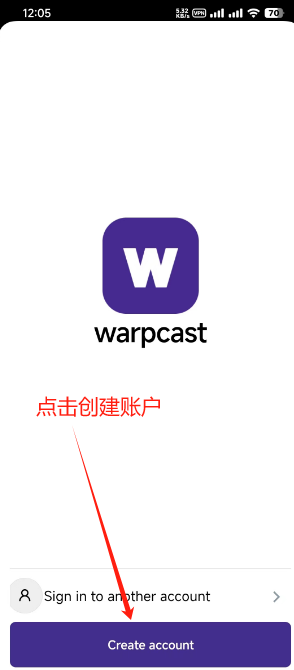
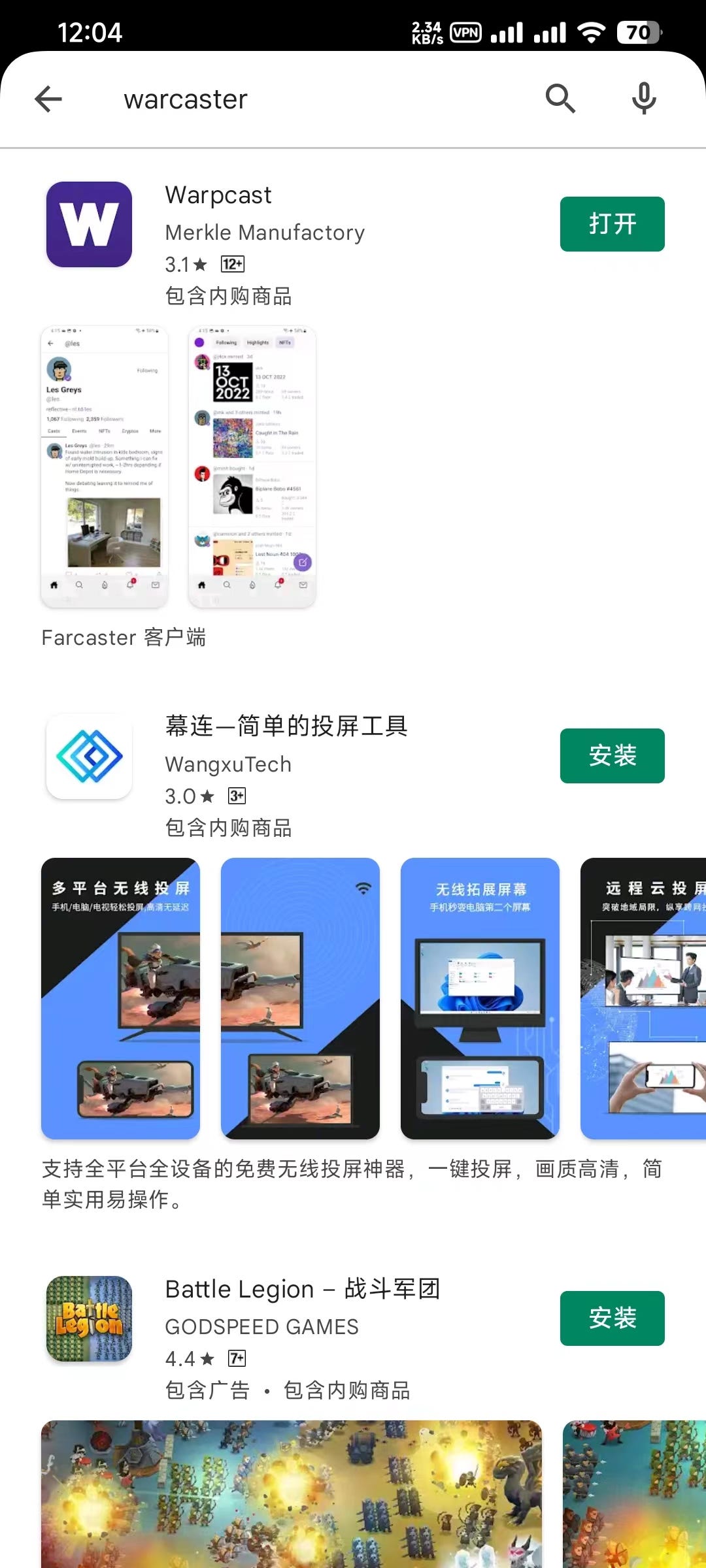
1.前往 google play 下载 Warpcast
操作指南:融资1.8亿美元,Farcaster的节点如何搭建?

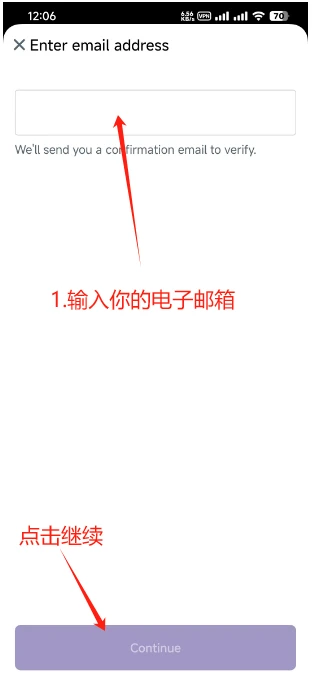
2.创建 Warpcast 账户

操作指南:融资1.8亿美元,Farcaster的节点如何搭建?

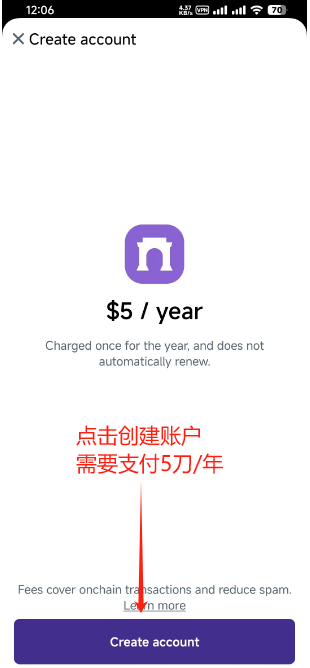
操作指南:融资1.8亿美元,Farcaster的节点如何搭建?

操作指南:融资1.8亿美元,Farcaster的节点如何搭建?

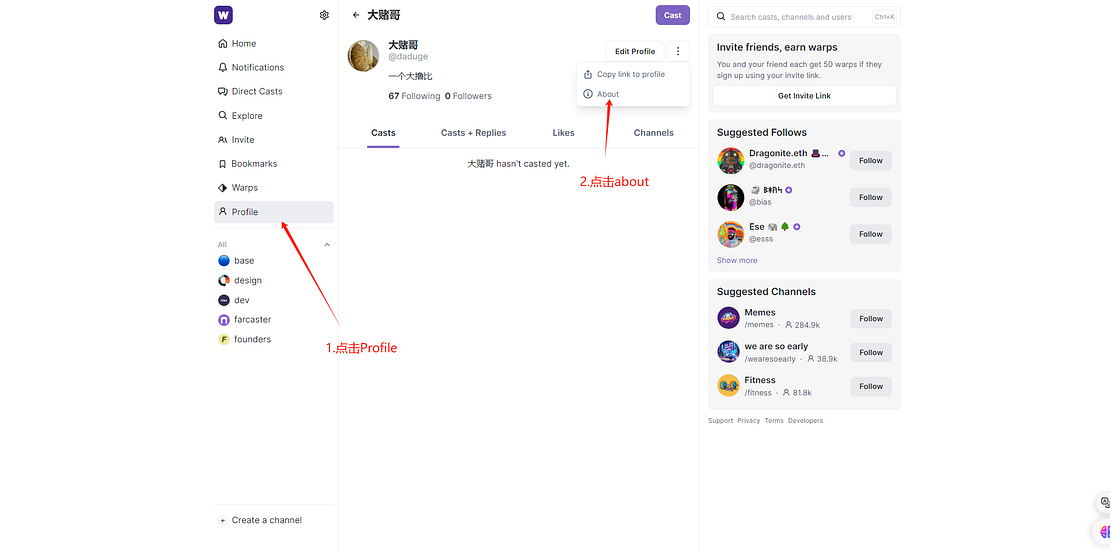
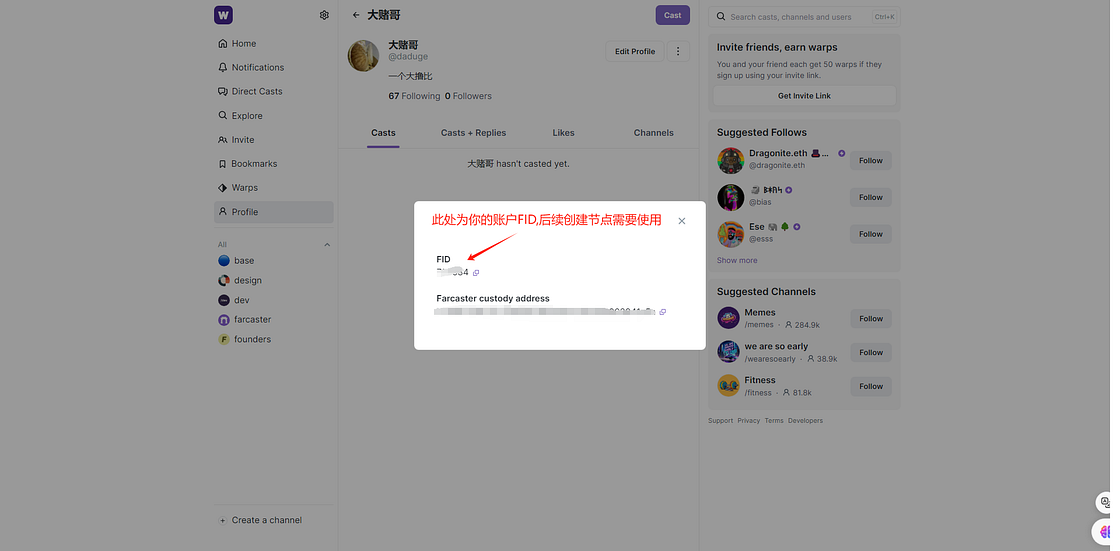
3.获取你的账户 FID

操作指南:融资1.8亿美元,Farcaster的节点如何搭建?

操作指南:融资1.8亿美元,Farcaster的节点如何搭建?

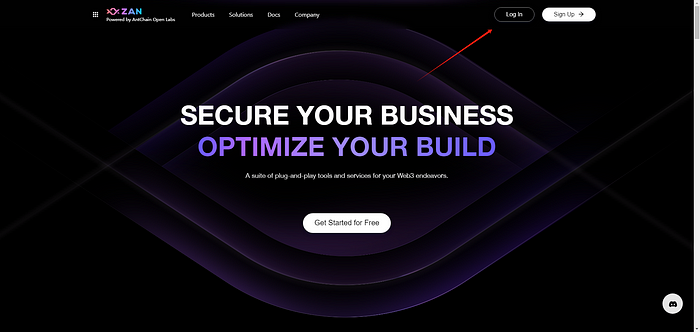
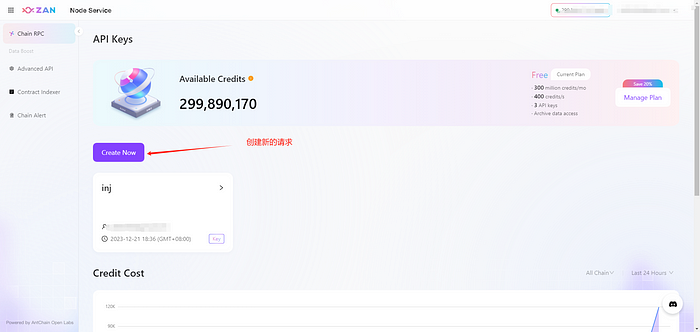
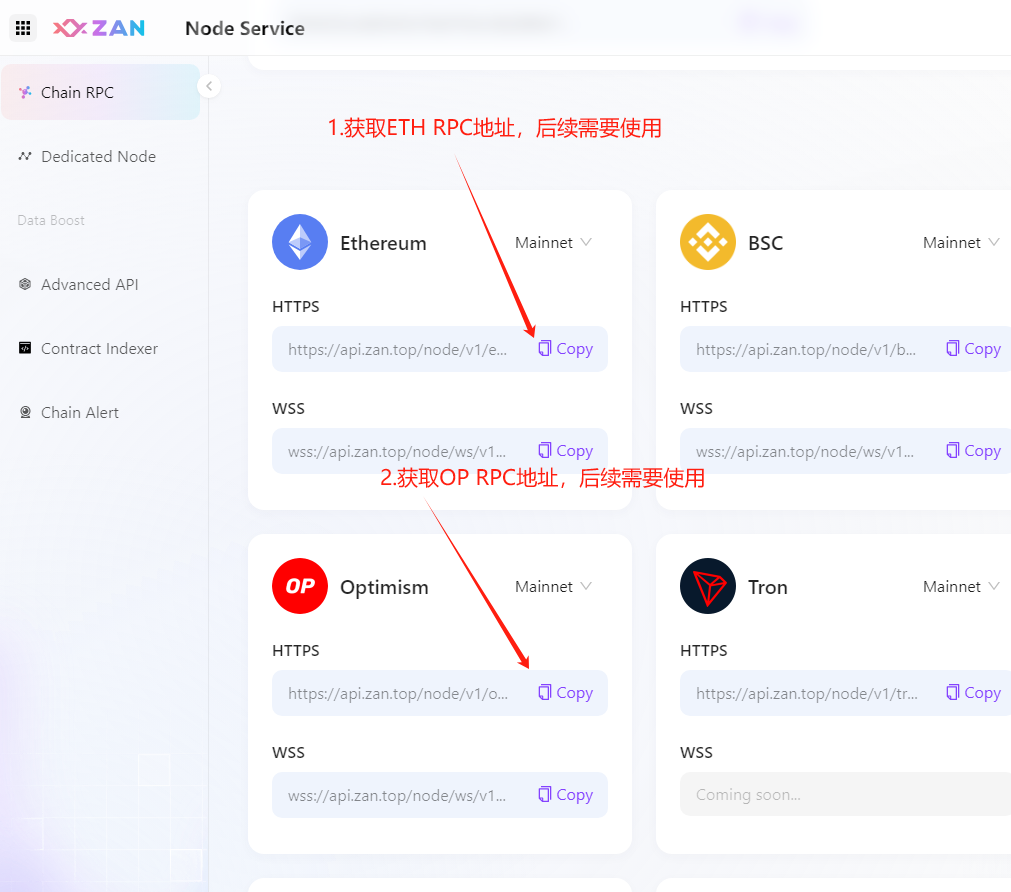
以下是 RPC 服务商 ZAN.TOP 注册步骤 zan.top

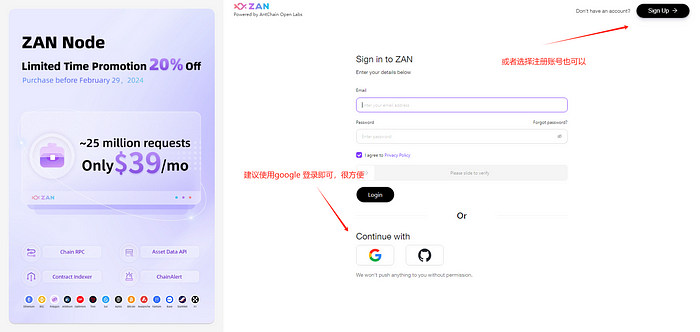
1.进入官网点击 log in :

操作指南:融资1.8亿美元,Farcaster的节点如何搭建?

操作指南:融资1.8亿美元,Farcaster的节点如何搭建?

操作指南:融资1.8亿美元,Farcaster的节点如何搭建?

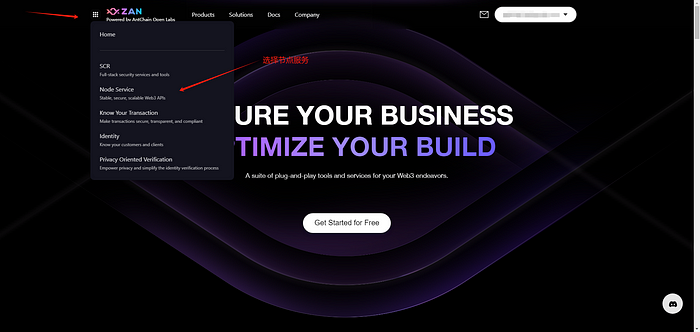
操作指南:融资1.8亿美元,Farcaster的节点如何搭建?

操作指南:融资1.8亿美元,Farcaster的节点如何搭建?

接下来是 Farcast 节点搭建过程:

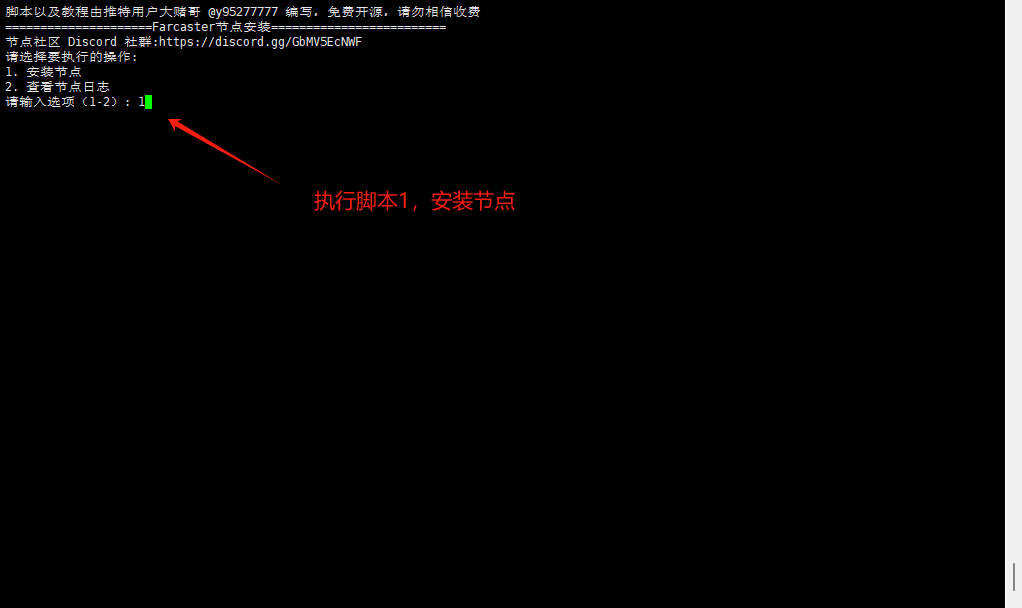
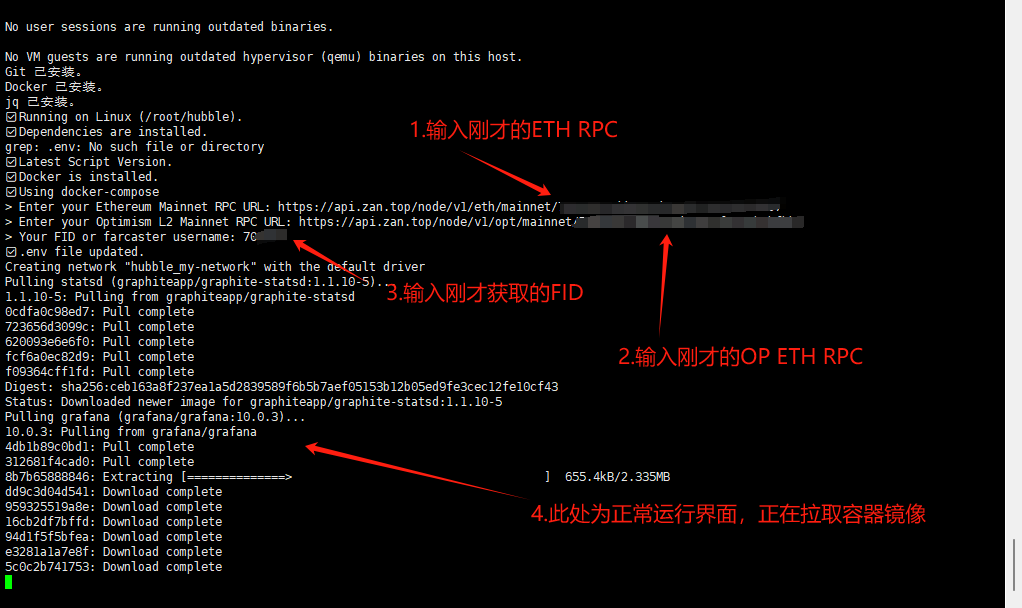
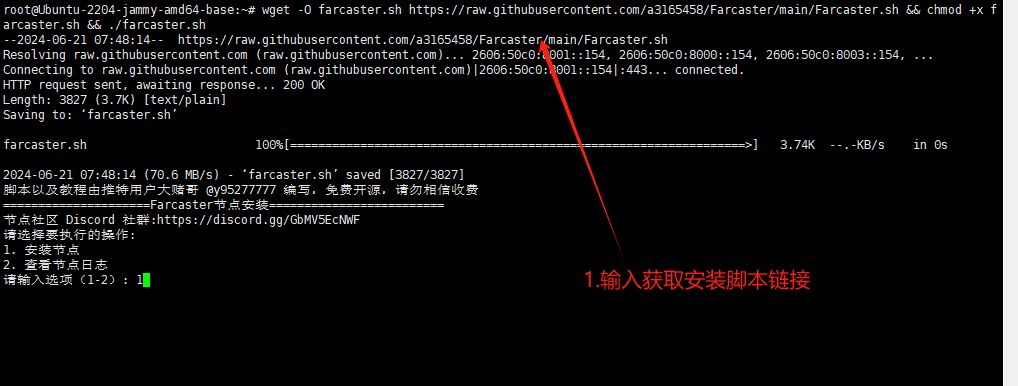
1.使用脚本直接安装

wget -O farcaster.sh https://raw.githubusercontent.com/a 3165458/Farcaster/main/Farcaster.sh && chmod +x farcaster.sh && ./farcaster.sh
操作指南:融资1.8亿美元,Farcaster的节点如何搭建?

操作指南:融资1.8亿美元,Farcaster的节点如何搭建?

操作指南:融资1.8亿美元,Farcaster的节点如何搭建?

操作指南:融资1.8亿美元,Farcaster的节点如何搭建?

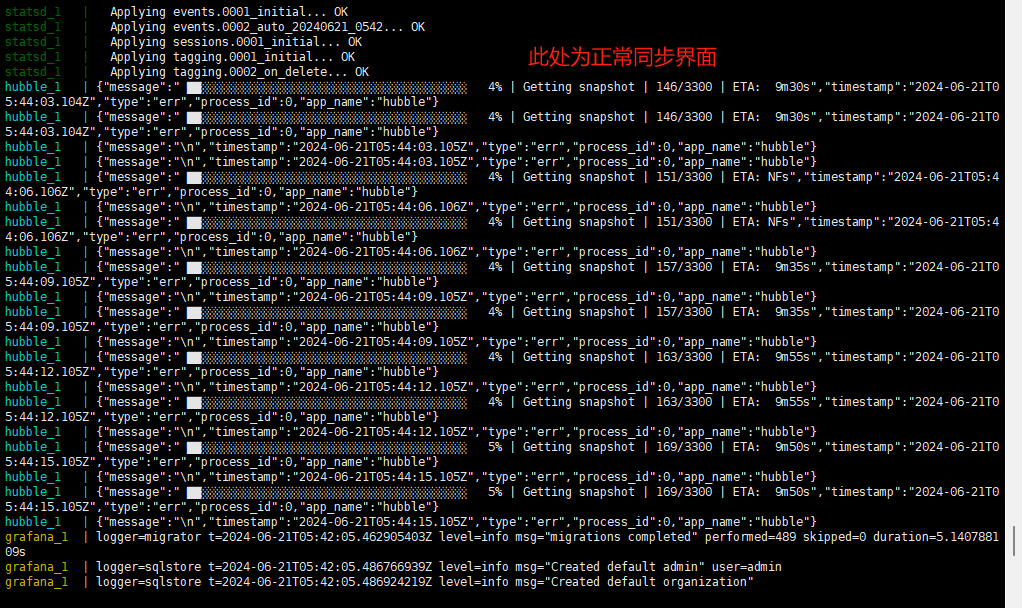
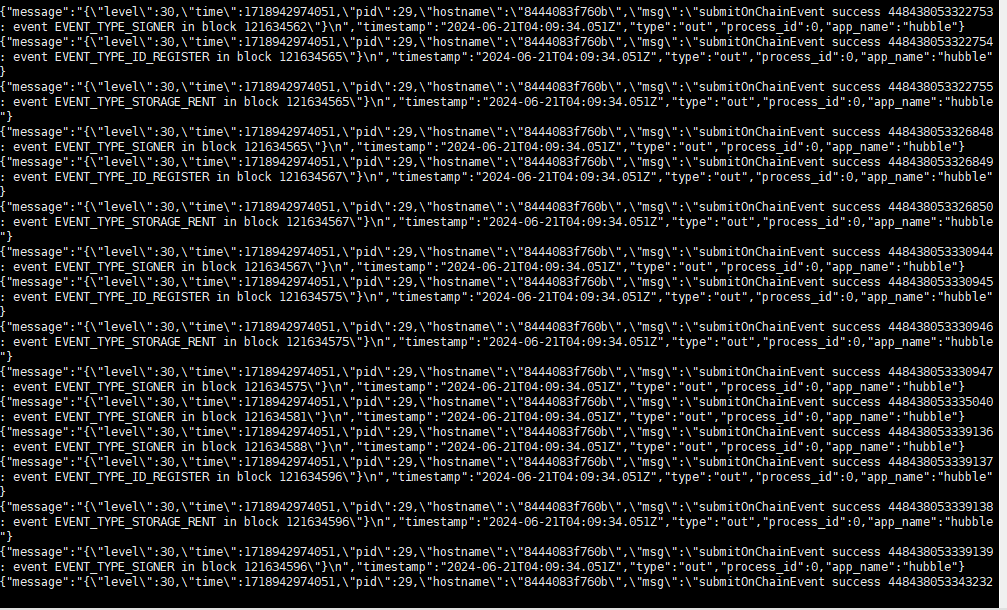
同步完成后,运行日志如下图:

操作指南:融资1.8亿美元,Farcaster的节点如何搭建?

同时可以通过浏览器访问对应 设备 IP: 3000 端口,来查看运行状况:

操作指南:融资1.8亿美元,Farcaster的节点如何搭建?

Farcaster 节点搭建到此结束。

原文链接

Letture associate

When Real Estate Ownership Goes Digital: What Happens to Your Rights, Risks, and Liquidity?

"Tokenizing Real Estate: Rights, Risks, and the Path to Liquidity" While tokenizing real-world assets (RWA) gains traction, real estate presents unique complexities. Beyond technical token issuance, critical challenges remain: enforcing legal rights, managing the underlying physical asset, and creating genuine secondary market liquidity. This article explores these issues through OneAsset, a Dubai-based commercial real estate (CRE) tokenization platform. OneAsset moves away from simply offering asset fragmentation. Instead, it focuses on institutional-grade infrastructure, prioritizing asset quality, legal enforceability, and operational fundamentals. Each property is held in an independent, single-asset vault, backed by a legally separate Special Purpose Vehicle (SPV) for bankruptcy remoteness. Investors acquire tokens representing the economic rights to a specific property, with precise legal claims defined by the underlying SPV structure. OneAsset emphasizes that tokenization cannot transform a poor-quality asset. Its initial focus is on institutional investors and quality Dubai-based CRE, selected for stable tenant cash flows and a clear regulatory environment. The platform integrates compliance by design, aiming to embed investor qualification and transfer rules directly into the token architecture. A core insight is that asset fragmentation does not automatically create liquidity. True liquidity depends on the asset's inherent quality—its location, cash flow, and valuation—as well as sufficient buyer demand. The goal is not just tradability, but making real estate rights more easily priced, verified, and reallocated. Looking ahead, the article discusses the potential for "AiFi" (AI-powered finance). For AI agents to autonomously allocate capital, investment assets like real estate tokens must become truly "machine-readable." This requires a high degree of standardization in legal rights, valuations, cash flows, and compliance data—a direction OneAsset is pursuing through its structured data reporting. In conclusion, real estate tokenization is shifting from a technology narrative to a focus on asset fundamentals. Blockchain can enhance efficiency and programmability, but it cannot replace sound underwriting, property management, or legal execution. The real work begins after the asset is on-chain.

marsbit22 min fa

When Real Estate Ownership Goes Digital: What Happens to Your Rights, Risks, and Liquidity?

marsbit22 min fa

After Affecting Two Generations, Meta Ordered to Pay $18 Billion in Damages

After more than two decades, a legal parallel has emerged. In 1998, major U.S. tobacco companies settled for $206 billion, leading to strict advertising bans and warning labels that significantly reduced smoking rates. On August 26, 2026, Meta reached a landmark settlement with U.S. attorneys general, agreeing to pay up to approximately $18 billion and implement mandatory changes to Facebook and Instagram. This historic settlement, one of the largest against a tech company, stems from allegations that Meta deliberately designed addictive features like infinite scroll and push notifications, harming youth mental health and violating child privacy laws. Facing a potential $1.4 trillion lawsuit and a series of unfavorable jury verdicts, Meta chose to settle on the eighth day of trial to avoid a catastrophic ruling. The core of the agreement is not just the financial penalty, which Meta will pay over 10 years, but a series of strict, 10-year product mandates for young users. These include a hard two-hour daily time limit (combined across apps), a default "nighttime block" from midnight to 6 AM, restricted notifications during school hours, hidden "like" counts, an optional non-algorithmic feed, and stronger age verification. An independent auditor will monitor compliance. Crucially, roughly 30% ($5.3 billion) of Meta's payment is contingent on YouTube and TikTok adopting similar measures and paying around $5 billion each. This move aims to create an industry-wide standard and prevent Meta from being competitively disadvantaged. The settlement is being likened to Big Tobacco's "tobacco moment." By legally framing addictive algorithm design as a "public nuisance," it sets a powerful precedent. Nearly 3,000 similar cases are pending against other social media giants, signaling a fundamental shift in regulatory pressure. The era where platforms could deny the addictive impact of their designs on children is effectively over.

marsbit28 min fa

After Affecting Two Generations, Meta Ordered to Pay $18 Billion in Damages

marsbit28 min fa

Trading

Spot
活动图片