SignalPlus宏观分析(20240510):市场数据总体有利风险资产

Odaily星球日报Pubblicato 2024-05-10Pubblicato ultima volta 2024-05-10

Introduzione

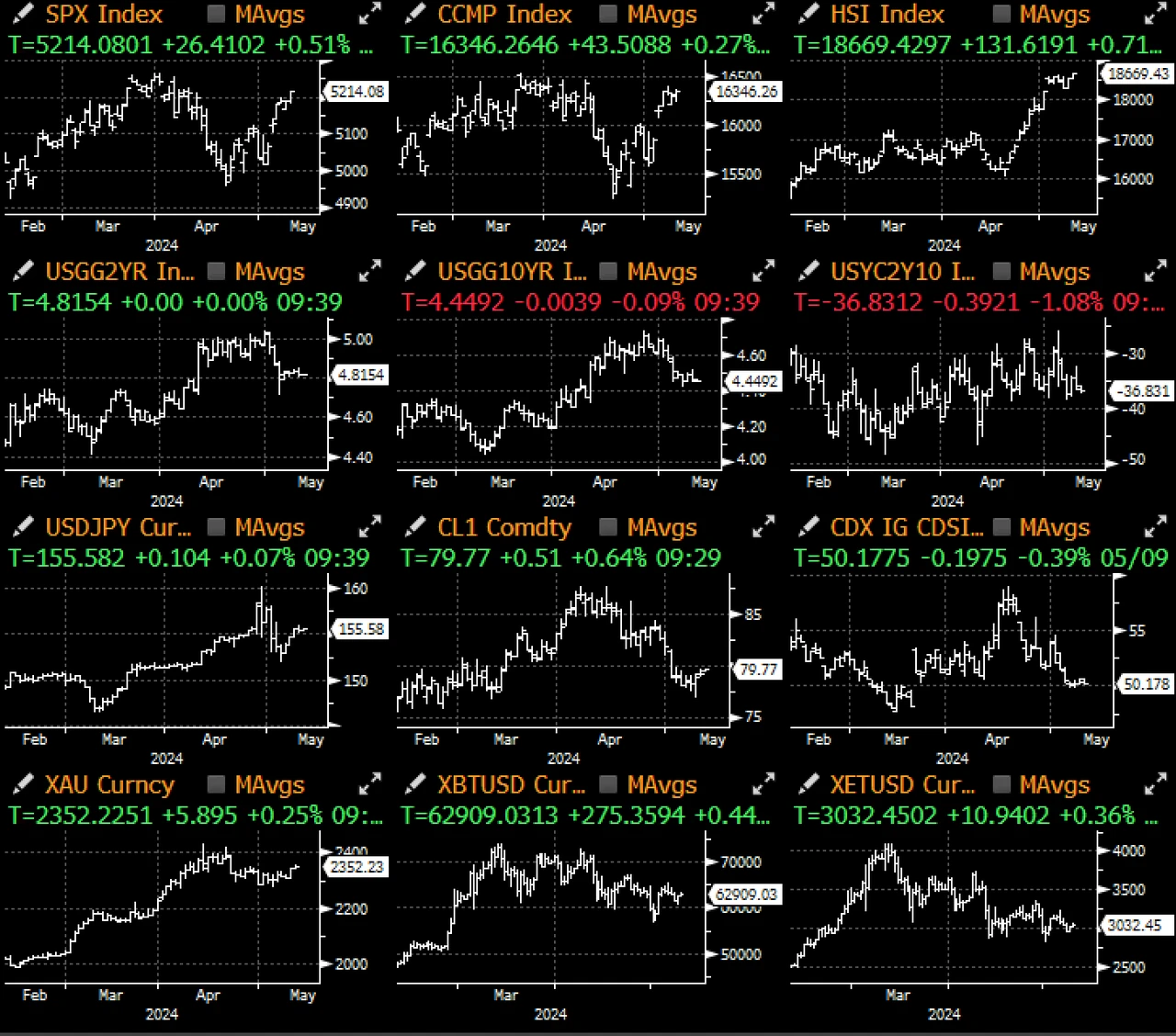
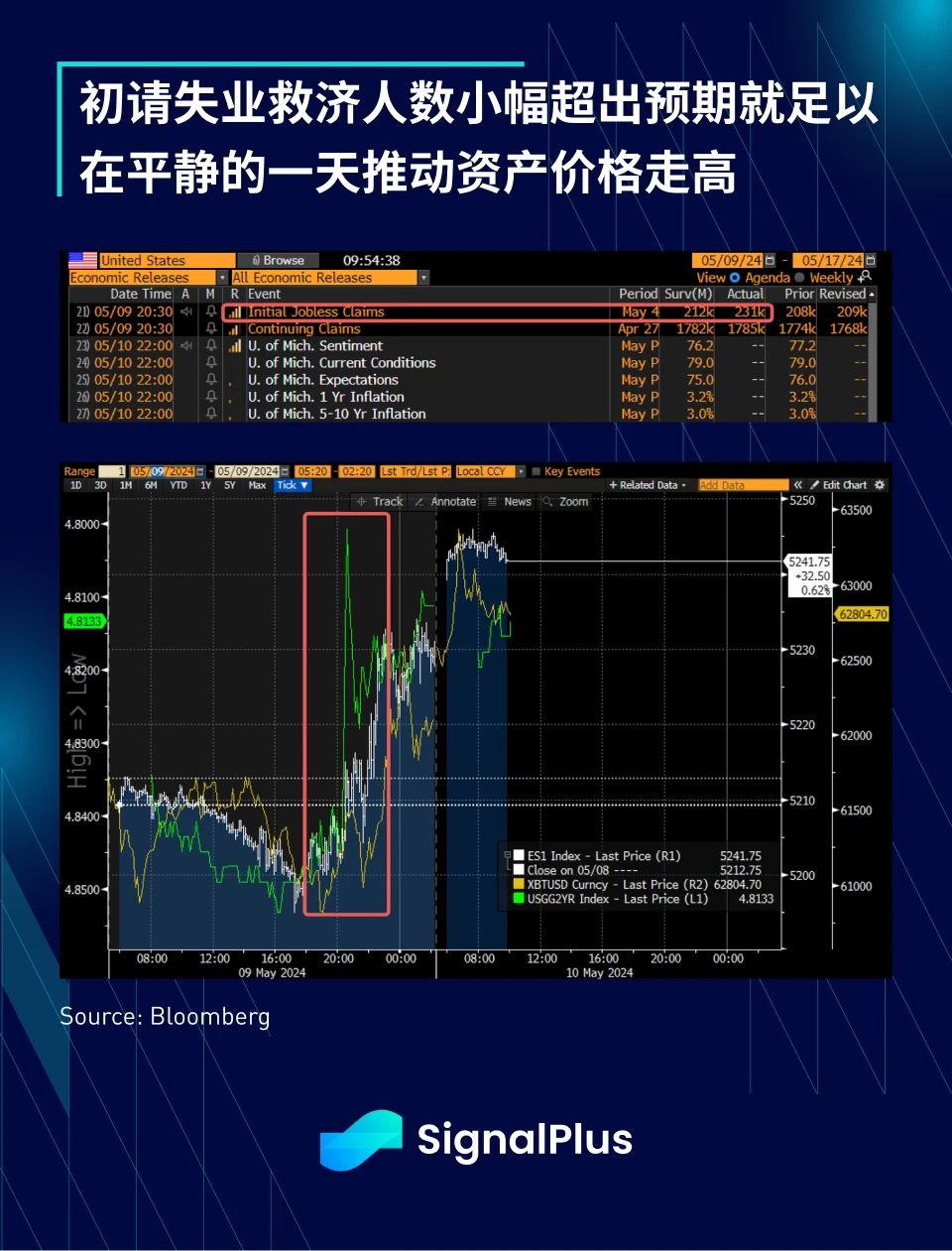
这周显然没有什么大事发生,仅仅是当周首次申请失业救济人数小幅超出预期(23.1 万 vs 21.2 万)就足以推动所有主要资产类别一致走高。

SignalPlus宏观分析(20240510):市场数据总体有利风险资产

SignalPlus宏观分析(20240510):市场数据总体有利风险资产

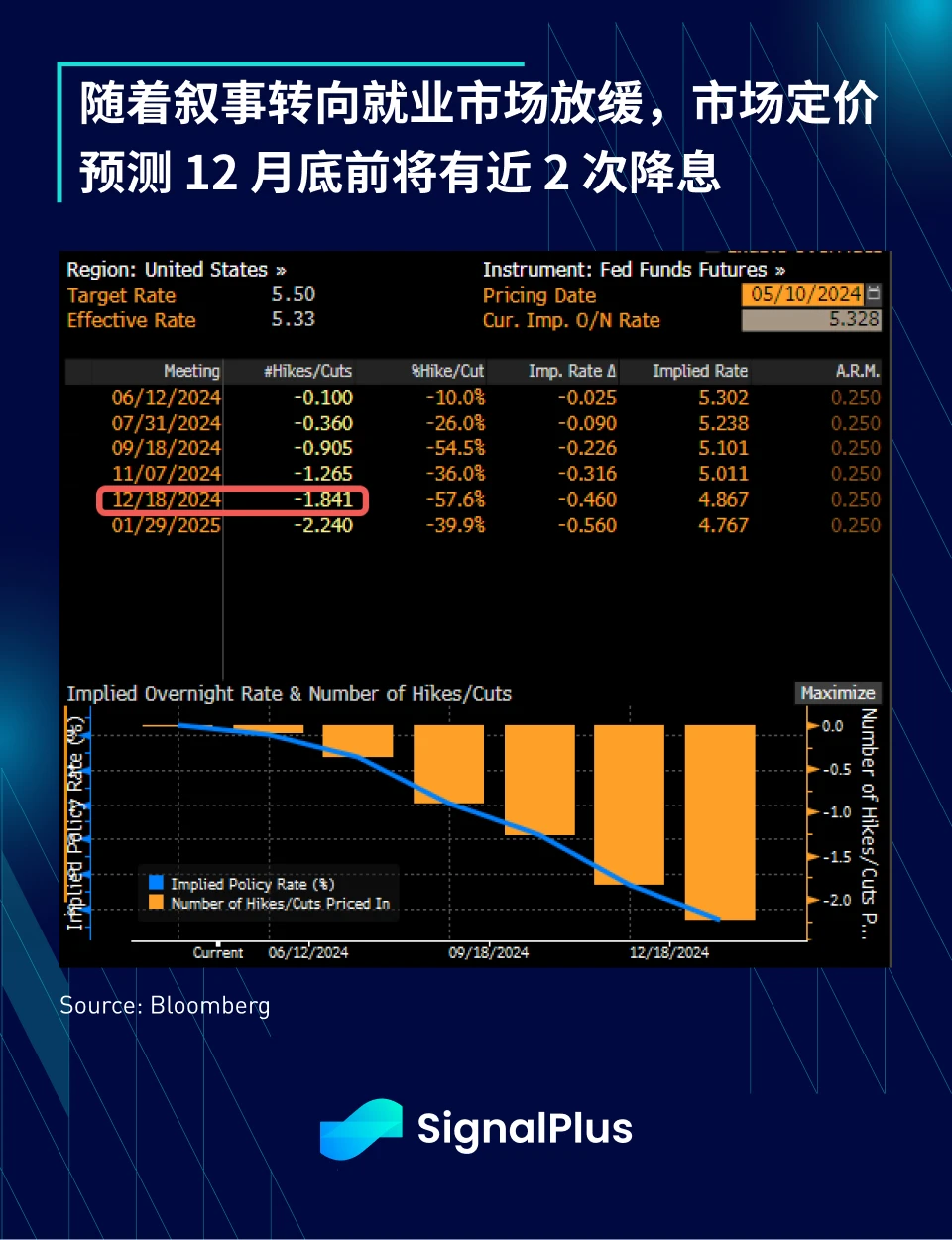
这周显然没有什么大事发生,仅仅是当周首次申请失业救济人数小幅超出预期(23.1 万 vs 21.2 万)就足以推动所有主要资产类别一致走高,鉴于美联储最近将关注重点转向就业市场的疲软,市场无疑相当重视这一信息,并努力寻找就业市场放缓的所有迹象来重燃降息希望。正如先前所提及的,当前的非对称风险回报设置(美联储忽视高通胀,寻找就业放缓迹象)总体上应该有利于风险资产,所以在失业救济数据发布后,股票、债券价格甚至 BTC 都同步上涨。

SignalPlus宏观分析(20240510):市场数据总体有利风险资产

SignalPlus宏观分析(20240510):市场数据总体有利风险资产

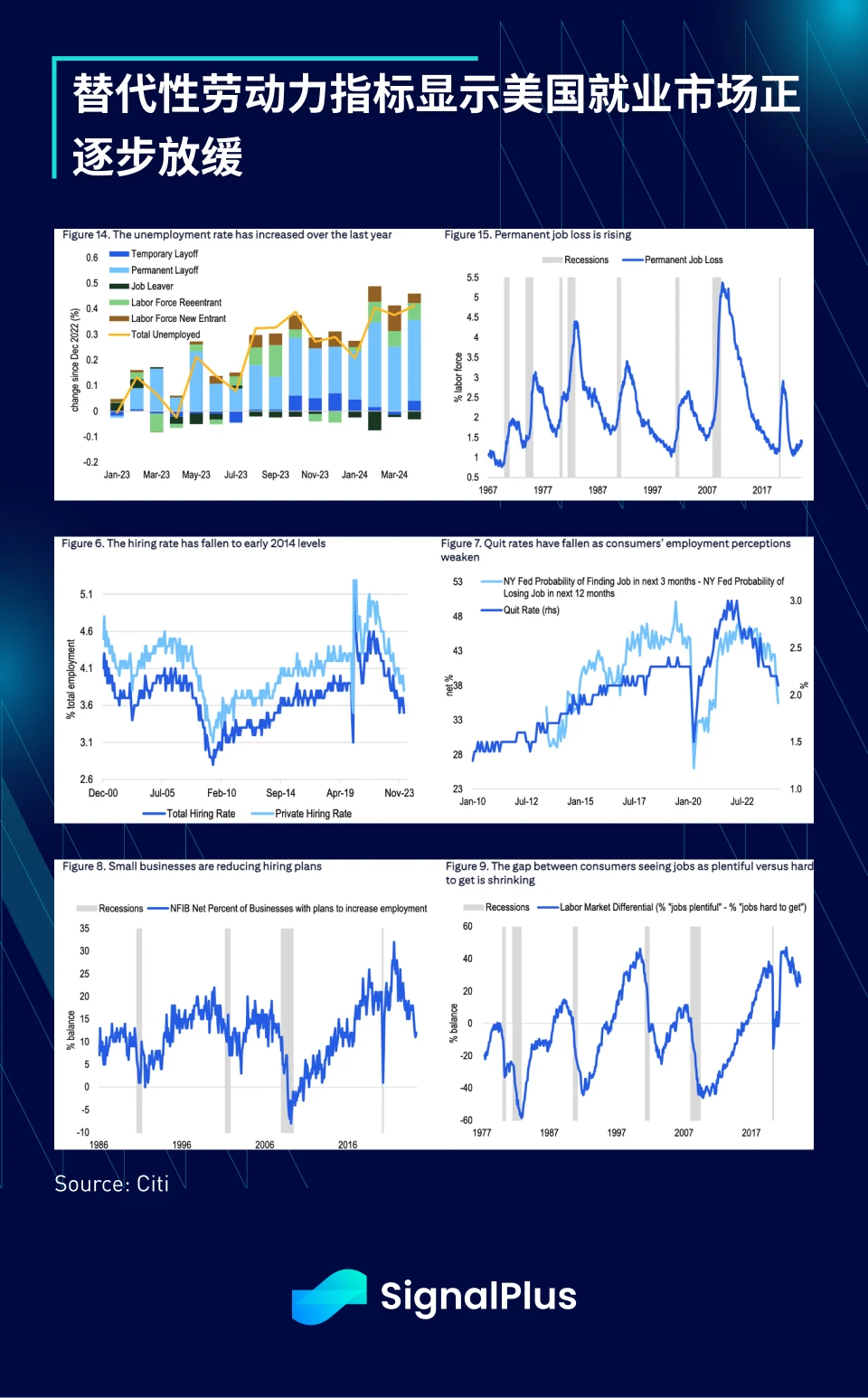
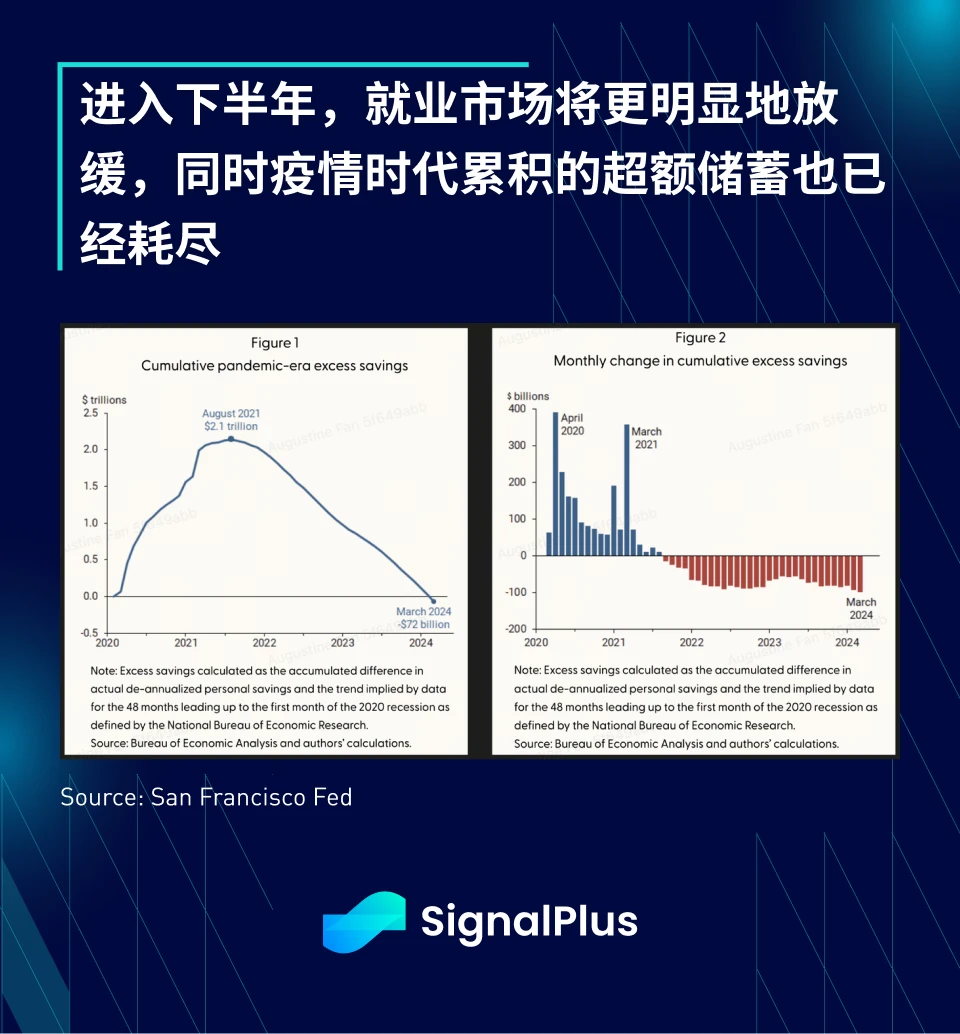
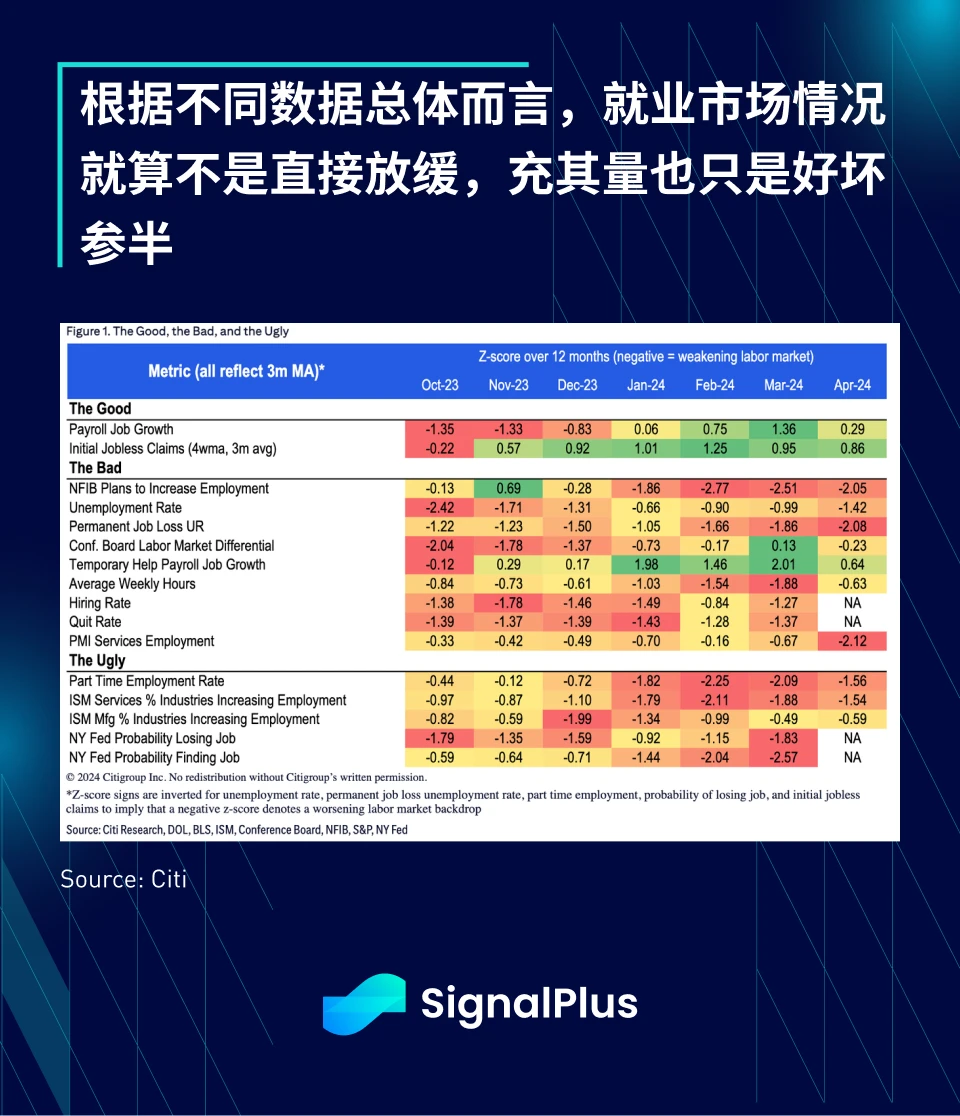
更深入分析近期的就业数据,虽然非农就业月增长 17.5 万仍相对健康,且 3.9% 的失业率仍然较低,但一些替代性就业市场指标开始出现一些裂痕,Powell 本人在问答中也特别提到招聘率的下降以及就业调查的疲软,作为劳动力需求减弱的迹象。此外,其他分项指标,例如永久性失业率增加、离职率下降、招聘计划减少以及“难找工作”比率扩大等,均表明美国经济可能会在下半年陷入更明显的就业市场放缓,同时疫情时代累积的超额储蓄也已经耗尽。

SignalPlus宏观分析(20240510):市场数据总体有利风险资产

SignalPlus宏观分析(20240510):市场数据总体有利风险资产

SignalPlus宏观分析(20240510):市场数据总体有利风险资产

下周将有 CPI 数据发布,市场应该会再次活跃起来,并挑战市场近期的理想荣景。祝大家度过一个愉快的周末!

SignalPlus宏观分析(20240510):市场数据总体有利风险资产

您可在 ChatGPT 4.0 的 Plugin Store 搜索 SignalPlus ,获取实时加密资讯。如果想即时收到我们的更新,欢迎关注我们的推特账号@SignalPlus_Web3 ,或者加入我们的微信群(添加小助手微信:xdengalin)、Telegram 群以及 Discord 社群,和更多朋友一起交流互动。SignalPlus Official Website:https://www.signalplus.com

Letture associate

IOSG Founder: Ethereum Doesn't Need Another Leap of Technical Faith, It Needs a Musk-style Compromise

Jocy, founder of IOSG Ventures, argues that Ethereum does not need renewed technological faith but a "Musk-like compromise." The recent formation of ETHLabs—funded by major ETH holders like BitMine and Lubin—highlights a market-driven move to fill a gap left by the Ethereum Foundation (EF), signaling a loss of confidence in its decentralized, hands-off approach. The core critique contrasts Vitalik Buterin's (V) idealistic, technology-first vision with Elon Musk's pragmatic, business-driven execution. The author asserts Ethereum's current shortage is not another technical roadmap but a clear, real-world application narrative and a leader willing to engage directly with commercial realities—like Musk. Internal issues are emphasized, citing EF's management problems and talent drain. While the new decentralized model with independent nodes like ETHLabs addresses the single foundation's limitations, it risks fragmentation without cohesive direction. True cohesion, the author suggests, must come from a shared, compelling narrative around ETH's value, not just from aligned financial interests. Independence claims for new entities are seen as aspirational, needing years of transparency to build trust. The ultimate threat is not competitors like Solana, but the broader shift of attention and talent toward AI. Ethereum has a limited window—12 to 18 months—to recapture focus by delivering tangible, real-world applications. The conclusion urges V to shift from abstract ideals to grounded, pragmatic leadership. The time for this crucial pivot is running out.

marsbit1 h fa

IOSG Founder: Ethereum Doesn't Need Another Leap of Technical Faith, It Needs a Musk-style Compromise

marsbit1 h fa

Google Starts Selling TPUs, Big Tech Aims to Produce "Low-Cost Tokens" with AI Chips

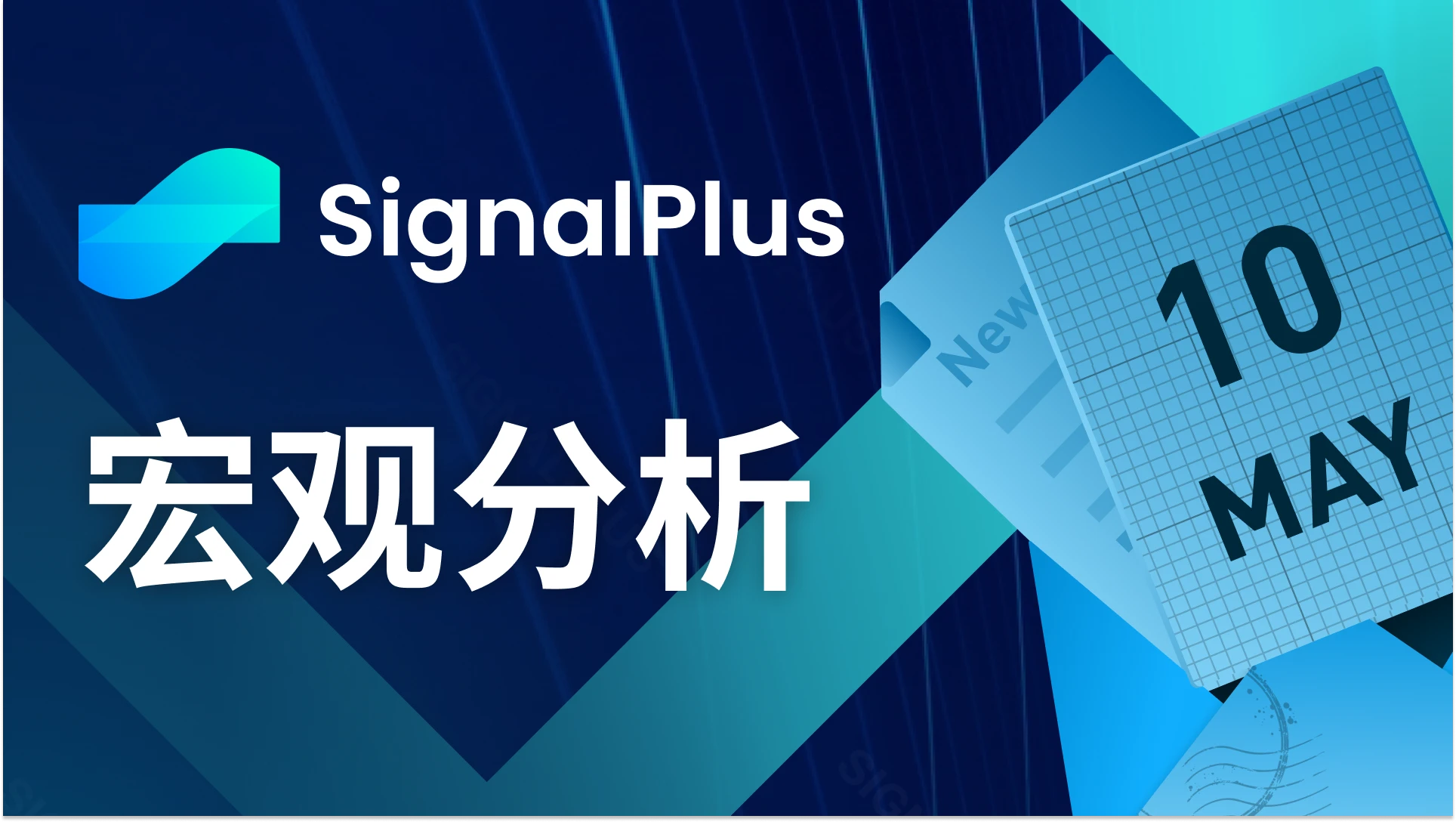
Google has begun selling its proprietary TPU chips and AI computing hardware directly to third-party data centers and clients, marking a strategic shift. Previously only accessible via cloud rentals, TPUs are specialized processors designed for the matrix and tensor operations central to AI models. By combining thousands into supercomputing clusters managed by CPUs, Google achieves high-efficiency AI processing. This move enables Google’s Gemini AI to offer competitive token pricing, challenging rivals like OpenAI. It also signals a broader industry trend where AI compute is becoming a commoditized resource like electricity. While NVIDIA remains dominant with its CUDA ecosystem and high-performance GPUs, the focus is shifting from raw power to cost efficiency and system integration. Google’s approach mirrors NVIDIA’s by selling an entire ecosystem—hardware, software, and data center expertise—rather than just chips. This threatens NVIDIA’s grip on the mid-range inference market, where lower-cost, efficient solutions are increasingly demanded. Similarly, cloud providers like Huawei Cloud and Alibaba Cloud in China are developing their own AI chip ecosystems (e.g., Ascend, Zhenwu), packaging chips, clusters, and tools into full-stack solutions. They aim to reduce token costs and capture market share through integrated systems. In summary, the AI infrastructure race is evolving from a competition for the strongest chips to a contest for the most efficient and cost-effective systems. Google’s TPU sales highlight this transition, emphasizing that future success lies in delivering affordable, scalable AI compute as a foundational service.

marsbit1 h fa
Google Starts Selling TPUs, Big Tech Aims to Produce "Low-Cost Tokens" with AI Chips

marsbit1 h fa

Trading

Spot
Futures
活动图片