SignalPlus宏观分析(20240328):美国核心通胀小幅下降

Odaily星球日报Pubblicato 2024-03-28Pubblicato ultima volta 2024-03-28

Introduzione

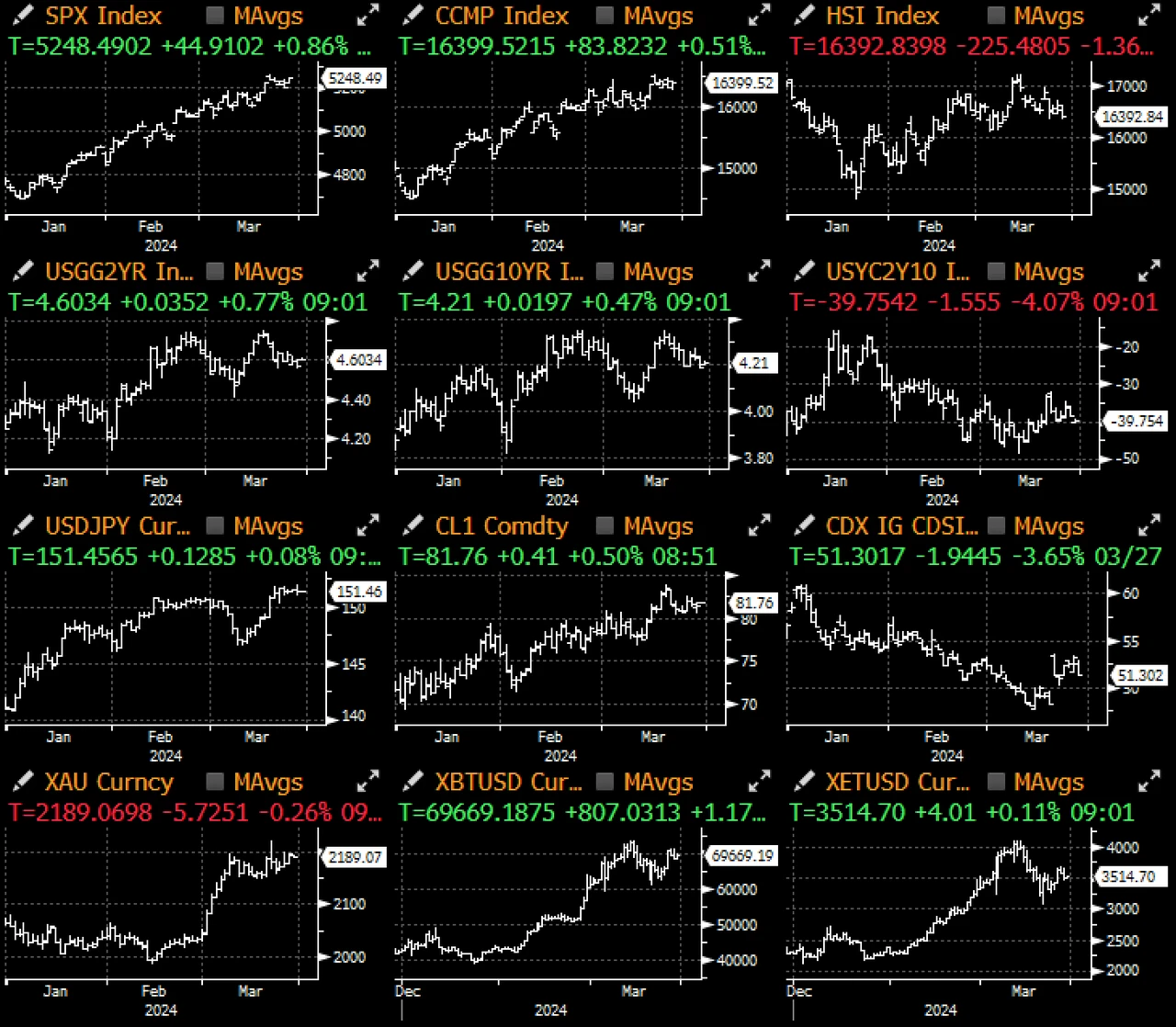
月末市场仍保持平静,欧洲方面延续了鸽派的步伐,西班牙CPI数据疲软。在加密货币方面,纽约开盘时出现了一些价格波动,BTC价格飙升至近7.2万美元,然后反转下跌至6.85万美元的低点。

SignalPlus宏观分析(20240328):美国核心通胀小幅下降

SignalPlus宏观分析(20240328):美国核心通胀小幅下降

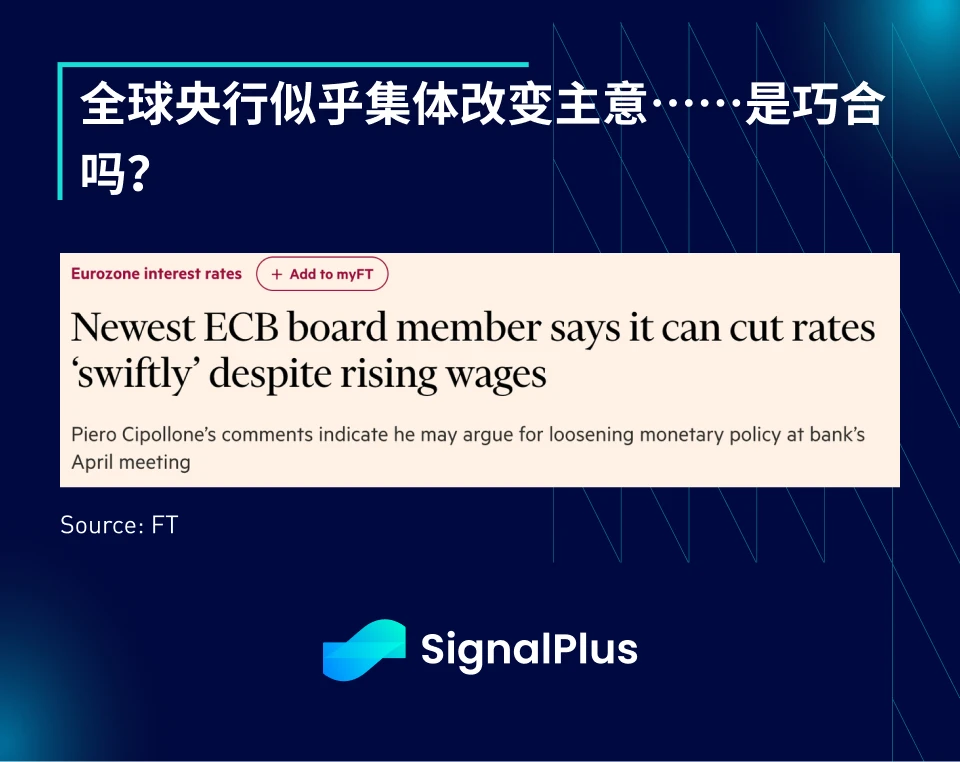
月末市场仍保持平静,欧洲方面延续了鸽派的步伐,西班牙 CPI 数据疲软,欧洲央行官员自豪地宣称,尽管工资上涨,央行仍能够“很快地”开始降息。同时,瑞典央行也表达了鸽派立场,进一步加剧了降息预期,市场预期欧洲央行在年底前将降息近 95 个基点(4 次),而对于美联储的降息预期则约为 76 个基点。
SignalPlus宏观分析(20240328):美国核心通胀小幅下降

在美国方面,理事 Waller 在盘后发表谈话,延续其 2 月份的鹰派基调,他发表了诸如“经济情况没有给我们大幅降息的理由”以及“根据近期的数据,减少降息次数或是推迟降息都是合适的”等言论,然而,随著交易员开始为长周末做准备,美债收益率几乎没有受到影响,季末再平衡资金可能会主导明天的价格走势。

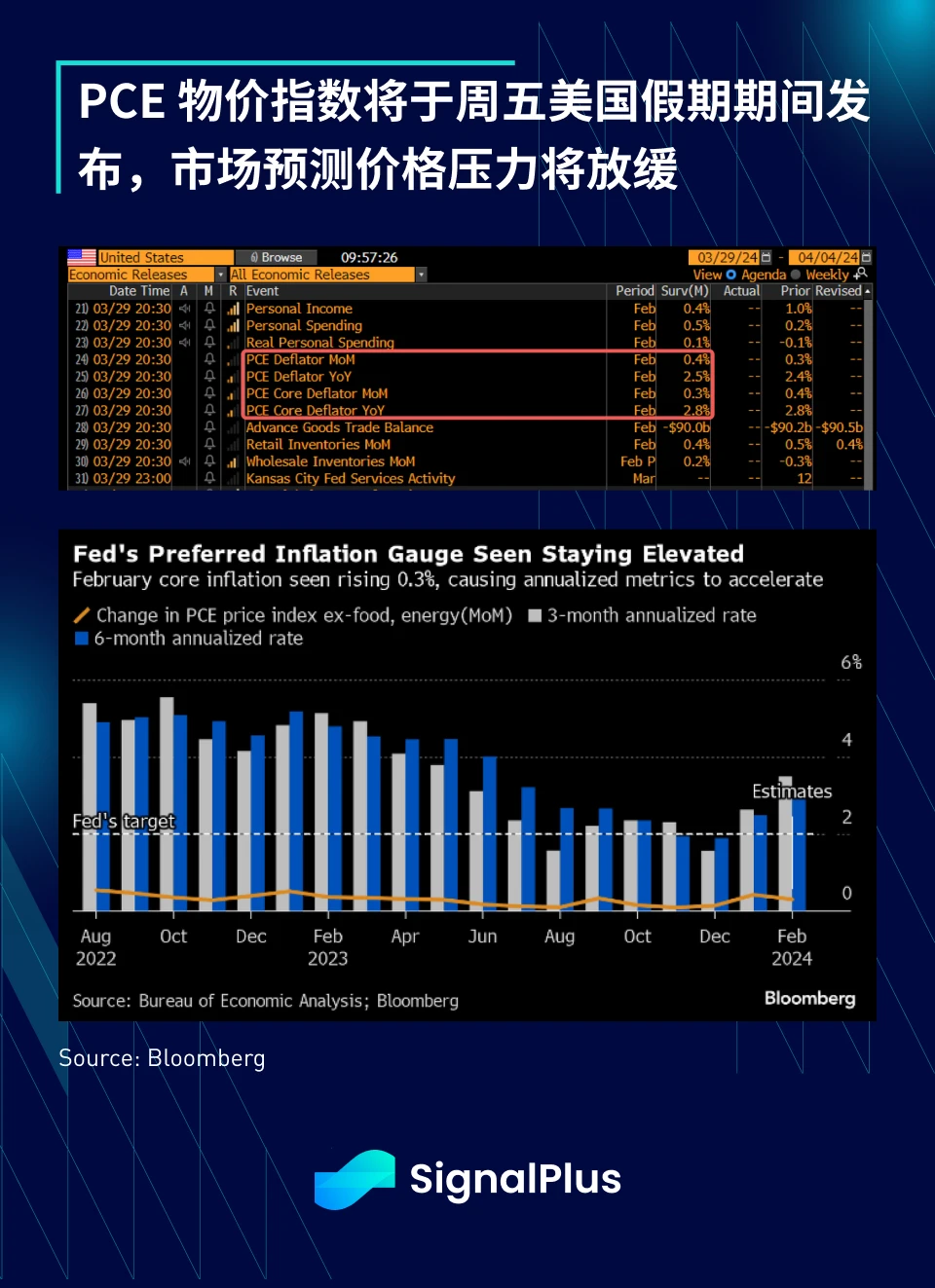
有趣的是,美国将在周五休市时发布 PCE 物价指数,华尔街预测核心 PCE 环比将放缓至 0.3% 以下,这将会是核心通胀年初小幅回升后一个良好的转变,不过投资者正在享受假期,并期待著第一季的出色回报,市场不太可能给予这个数据太多关注。
SignalPlus宏观分析(20240328):美国核心通胀小幅下降

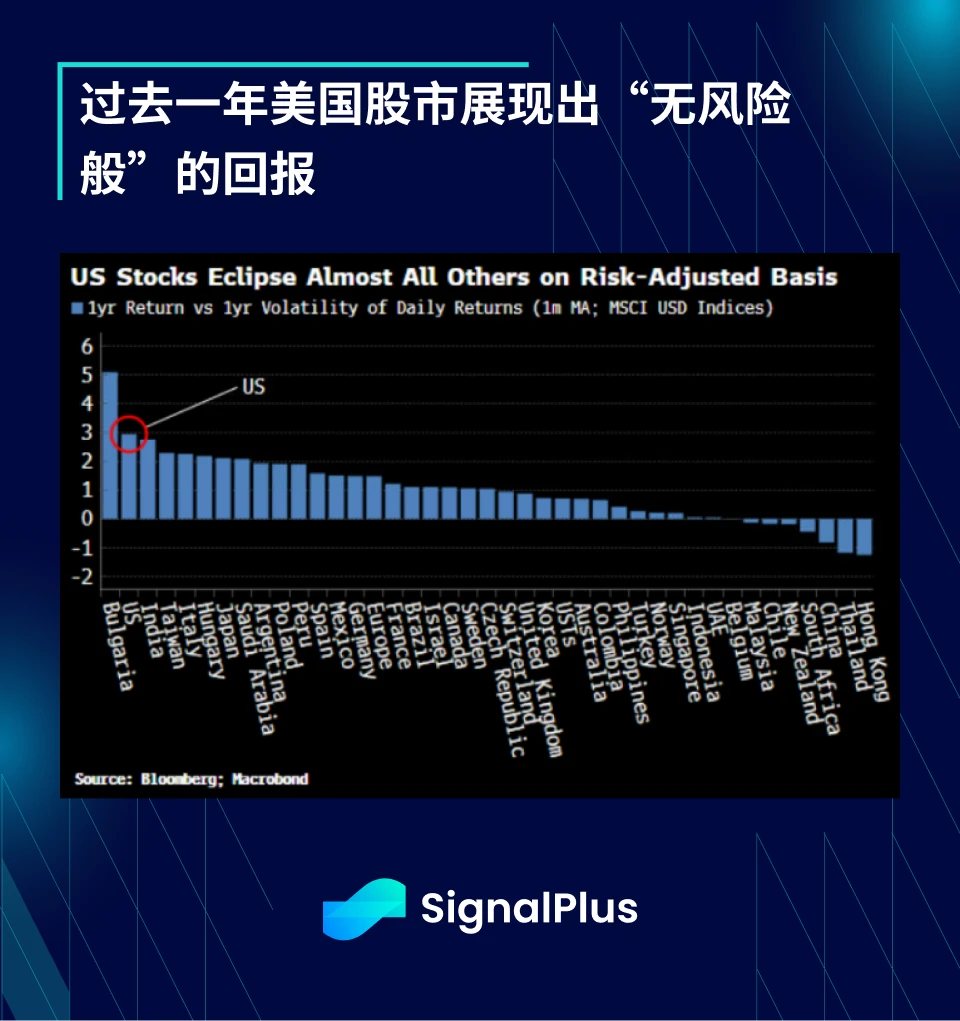
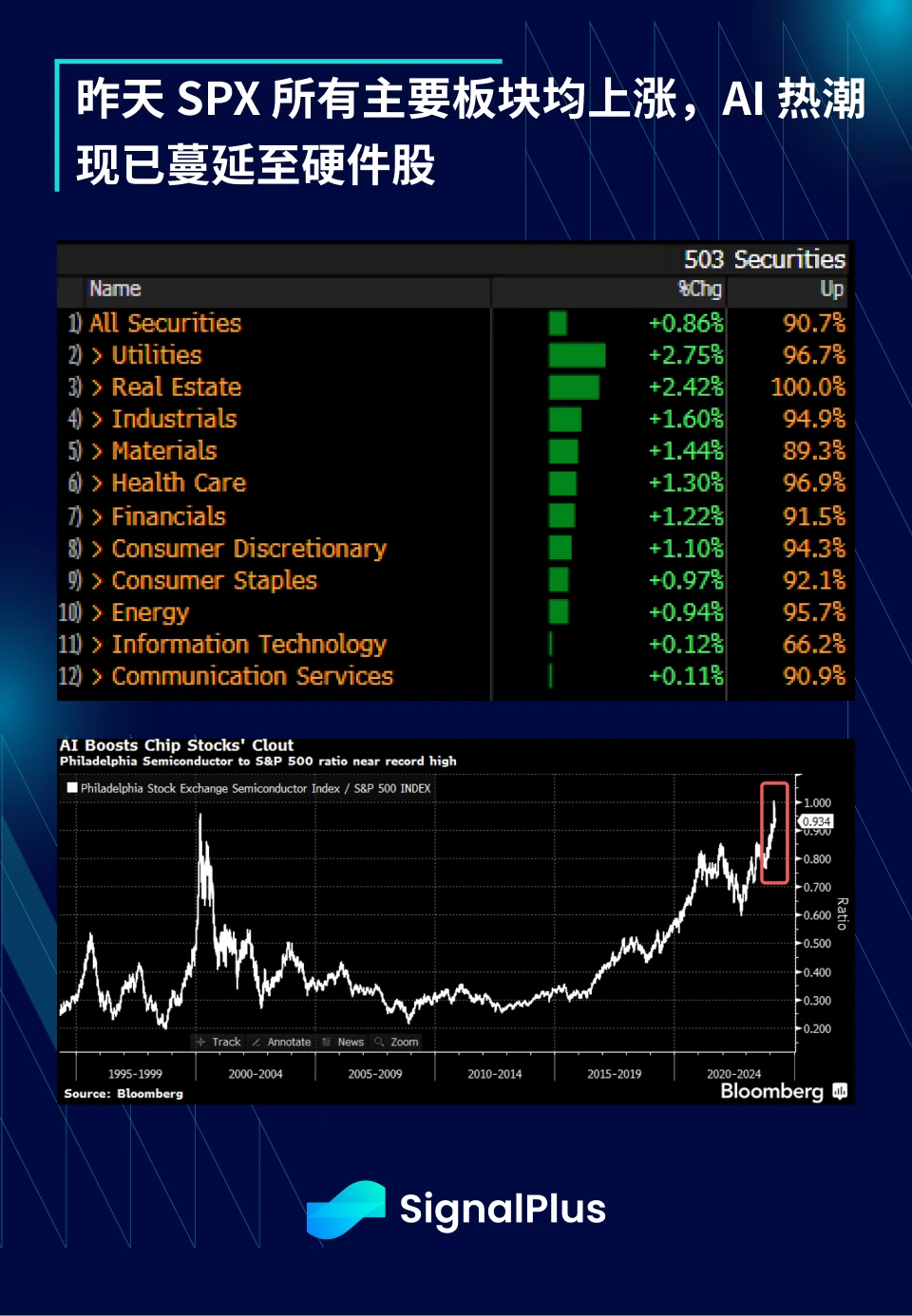
昨天 SPX 指数有 91% 的成分股上涨,所有主要板块均呈现涨势。随著 Nvidia 出现一些乏力迹象,AI 的热潮已开始向硬件股蔓延,费城半导体指数的表现以互联网泡沫以来从未见过的速度超越了 SPX。此外,回顾过去一年,美国股市以近 3 x 的 Sharpe ratio 领先全球股市,考虑到其成分股的巨大市值,这是一个不可思议的成绩,突显了这次牛市行情中所产生的巨大财富效应。
SignalPlus宏观分析(20240328):美国核心通胀小幅下降

SignalPlus宏观分析(20240328):美国核心通胀小幅下降

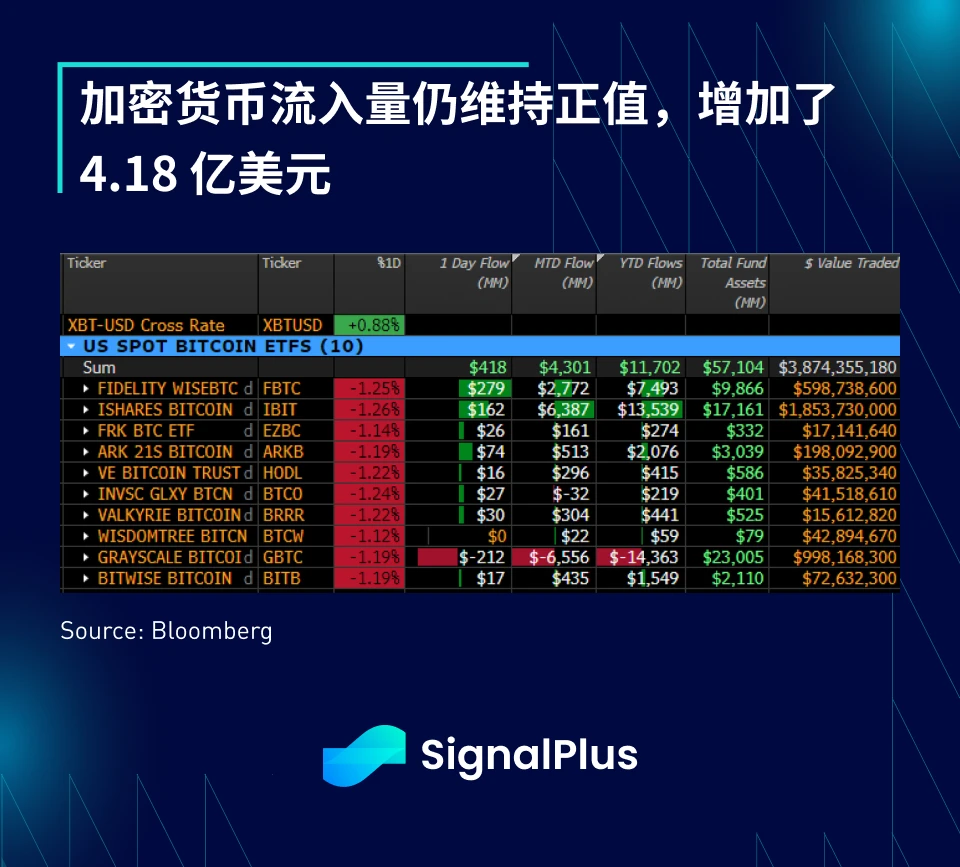
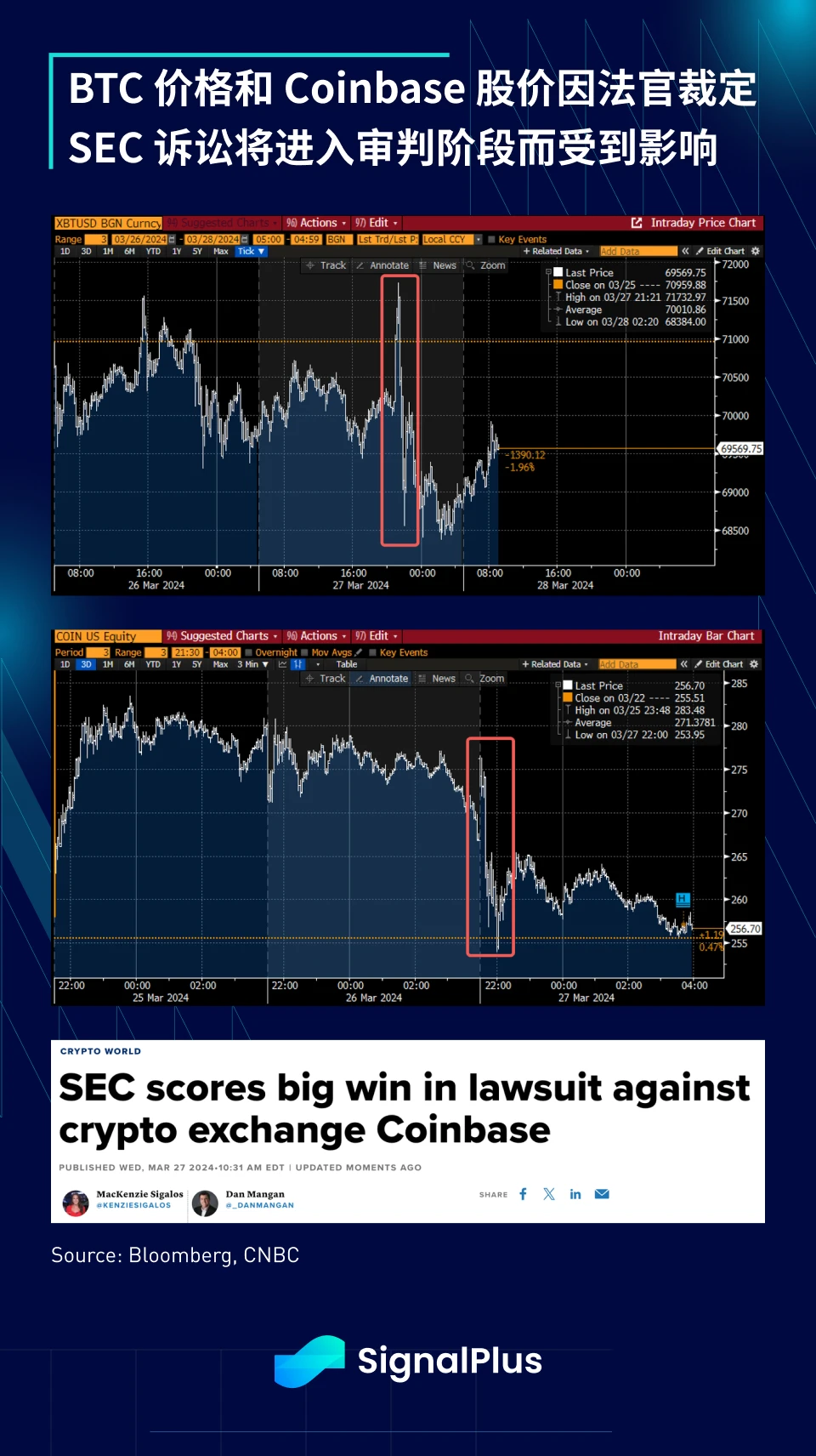
在加密货币方面,纽约开盘时出现了一些价格波动,BTC 价格飙升至近 7.2 万美元,然后反转下跌至 6.85 万美元的低点,同时 Coinbase 股价一开盘也出现波动(几分钟内从 267 --> 278 --> 256 美元),波动可能是由于美国地区法官裁定 SEC 针对 Coinbase 的诉讼可以继续进行,Coinbase 被指控从事未经注册的证券销售,其股价昨天下跌 2.5% ,并给 BTC 价格带来了压力,不过 ETF 净流入仍为正,昨天增加了 4.18 亿美元的资金。
SignalPlus宏观分析(20240328):美国核心通胀小幅下降

SignalPlus宏观分析(20240328):美国核心通胀小幅下降

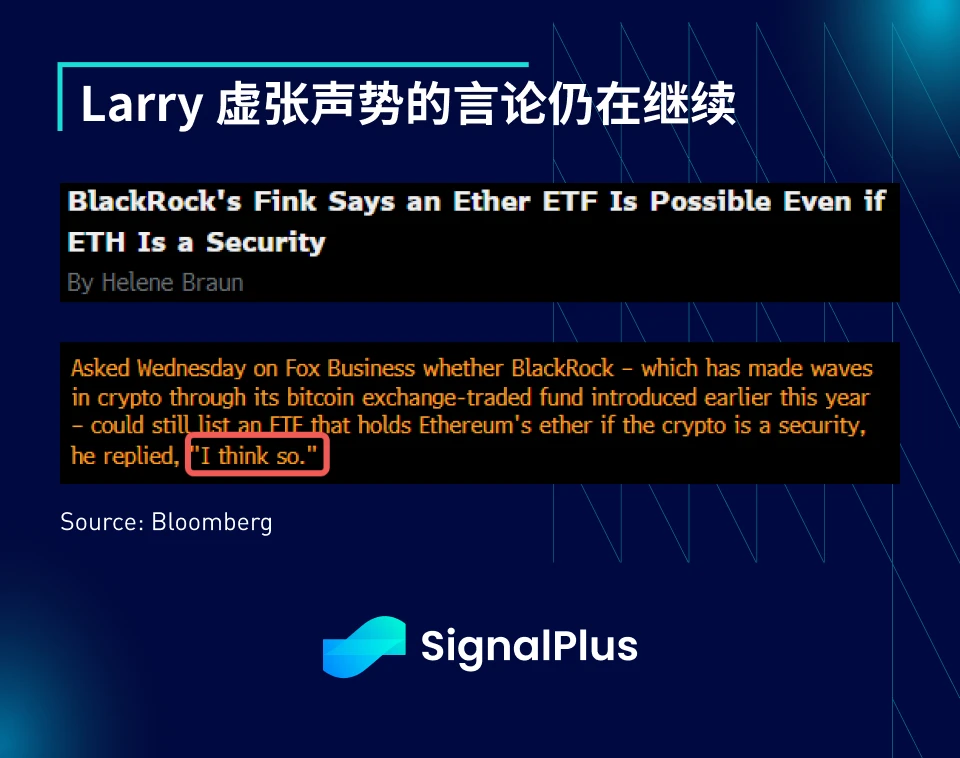
最后,在接受 Fox Business 采访时,Larry Fink 虚张声势的言论仍在持续,他表示即使 SEC 认为 ETH 是一种证券,仍有机会批准 ETH ETF。如果 Blackrock、SEC 和 CFTC 能够一起坐下来好好解决问题,那不是很好吗?
SignalPlus宏观分析(20240328):美国核心通胀小幅下降

SignalPlus宏观分析(20240328):美国核心通胀小幅下降

您可在 ChatGPT 4.0 的 Plugin Store 搜索 SignalPlus ,获取实时加密资讯。如果想即时收到我们的更新,欢迎关注我们的推特账号@SignalPlus_Web3 ,或者加入我们的微信群(添加小助手微信:xdengalin)、Telegram 群以及 Discord 社群,和更多朋友一起交流互动。

SignalPlus Official Website:https://www.signalplus.com
Letture associate

Why Does No One Buy DeFi Insurance?

**Title: Why Isn't DeFi Insurance Being Bought?** DeFi insurance, which promised automated, unbiased payouts via smart contracts, has failed to gain traction. The core issue is economic: high premiums severely erode the yields that attract users to DeFi in the first place. For example, insuring a USDC deposit on Aave V3 could cost 1.5–2.5% of the annual yield, leaving a net return barely above a savings account. For riskier platforms like Maple Finance or Ethena, premiums can even turn net yields negative. Consequently, users often forgo insurance, as it nullifies their profit motive. The market also suffers from structural flaws. First, DeFi risks are highly correlated (e.g., an oracle failure can impact multiple protocols simultaneously), unlike the independent risks in traditional insurance. This makes large-scale events potentially catastrophic for insurers. Second, the total capital in DeFi insurance pools (e.g., Nexus Mutual's ~$81.5M) is minuscule compared to the hundreds of billions in total value locked (TVL), creating a massive capacity gap. A single major hack could drain the entire industry's reserves. Furthermore, the governance model where tokenholders vote on claims creates a conflict of interest, incentivizing them to deny payouts to protect their own funds. As a result, the sector is shrinking. While pioneers like Nexus Mutual are pivoting to preventative measures (bug bounties) and seeking external capital via reinsurance, the fundamental problems remain. DeFi insurance represents a public good—its stability benefits the entire ecosystem—but without a mechanism to share costs, a "tragedy of the commons" ensues where no one is willing to pay, leaving the system vulnerable.

marsbit5 min fa

Why Does No One Buy DeFi Insurance?

marsbit5 min fa

Trading

Spot
Futures
活动图片