主网版Blast的“念与怨”:下个“大毛”还是持续PUA用户?

Odaily星球日报Pubblicato 2024-03-01Pubblicato ultima volta 2024-03-01

Introduzione

“更新积分规则,迁移主网成本高”遭群嘲。

原创 | Odaily星球日报

作者 | Asher
主网版Blast的“念与怨”:下个“大毛”还是持续PUA用户?

Blast 主网上线:更新积分规则,迁移主网成本高

火爆的链上数据

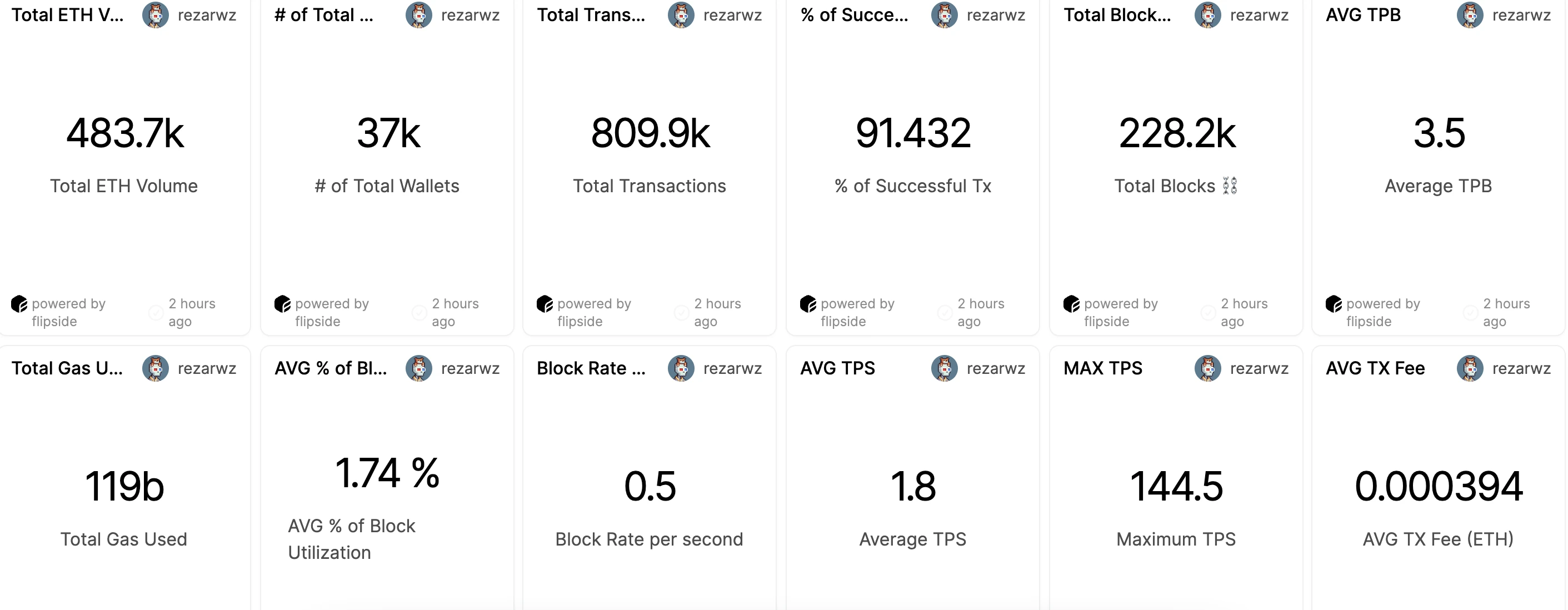
3 月 1 日,基于 Optimistic Rollup 的 Layer2 网络 Blast 正式上线主网,一时间链上活动活跃。根据 Flipside 平台的数据面板,截止到目前,Blast 网络中共有 3.7 万个钱包执行近 81 万笔交易,平均每秒创建 0.5 个区块,平均 Gas 费为 0.000394 ETH(按当前价格计算约为 1.33 美元),平均 TPS 为 1.8,峰值 TPS 为 144.5。
主网版Blast的“念与怨”:下个“大毛”还是持续PUA用户?

图源:flipsidecrypto

公布新积分规则

参与 Blast 测试网的用户最为关心的是继续参与主网交互的奖励部分。目前 Blast 允许早期访问用户跨链到主网并使用 Blast 原生 DApp。

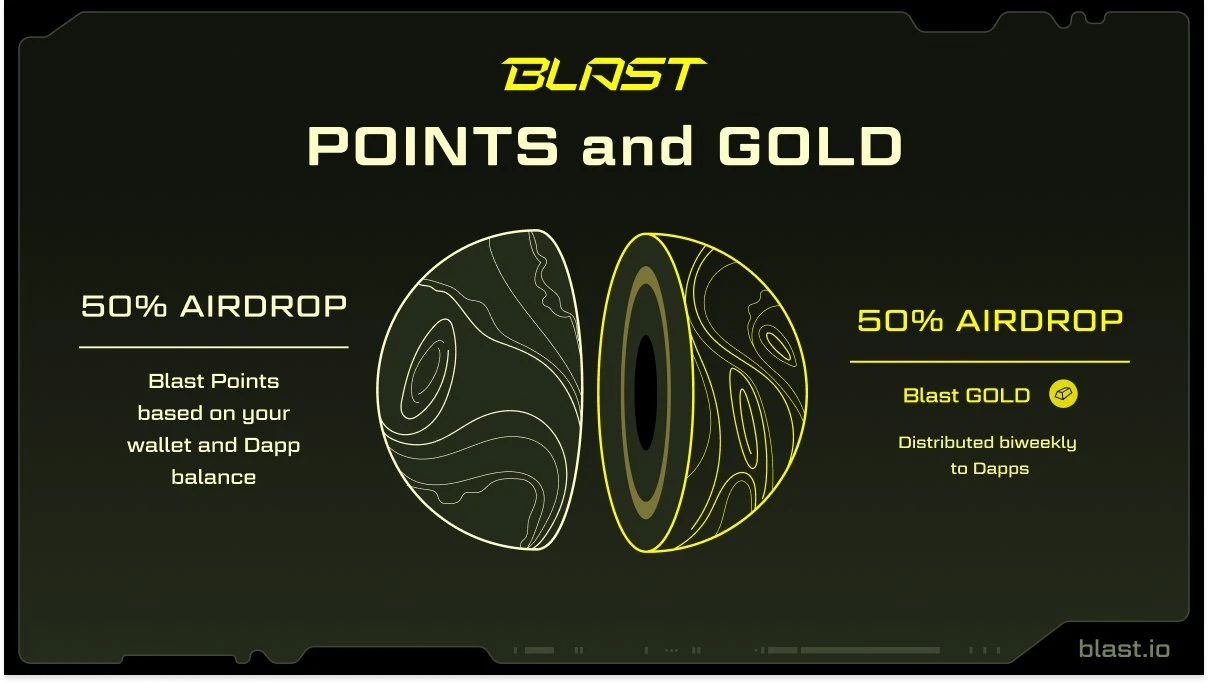
具体规则为:主网用户将继续赚取 Blast 积分,主网 DApp 现能够赚取 BlastGold(Blast 金币)。Blast 空投的 50% 分配给 Blast 积分(用户), 50% 分配给 Blast 金币(DApp)。金币将每两周分发给 DApp。Dapp 可以为自己保留金币,但部分 DApp 已经承诺将所有金币给用户。

Odaily星球日报在此提示,Blast 生态项目鱼龙混杂,决定参与前请 DYOR,谨防风险。
主网版Blast的“念与怨”:下个“大毛”还是持续PUA用户?

图源:官推

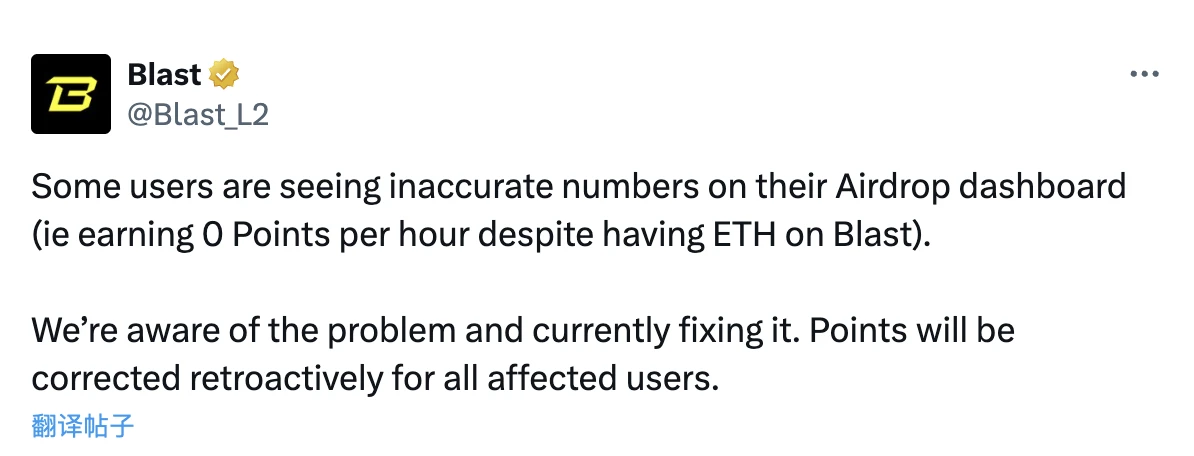
根据社区多名成员反馈,从测试网映射到 Blast 主网的积分出现严重 BUG,有些地址的积分显示并没有按照官方说的 10 倍积分,而是一个 0-10 倍的随机数,甚至有用户拿到了 0 积分。对此,官方在官推中第一时间出了公告:承认积分的计算出现问题,目前正在修复中,所有受影响用户的积分将被追溯纠正。
主网版Blast的“念与怨”:下个“大毛”还是持续PUA用户?

图源:官推

昂贵的迁移成本

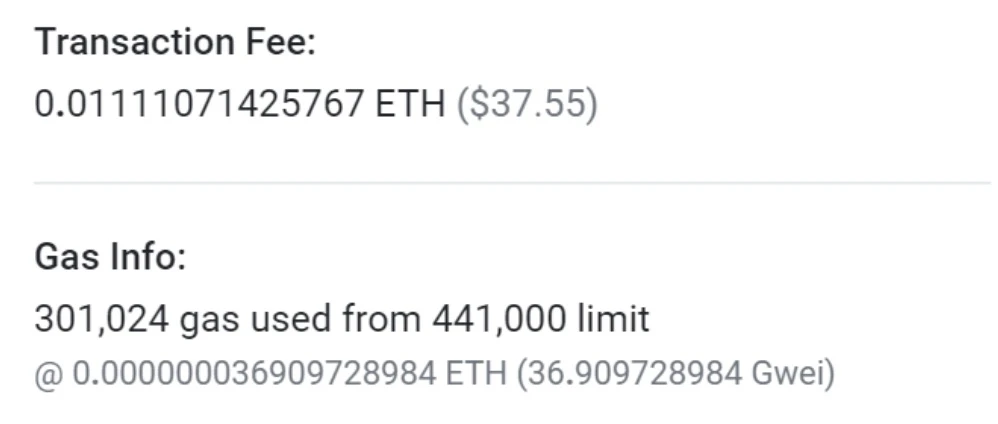
由于新的积分规则中有说明,迁移到 Blast 主网之后,每个小时都会增加积分,并且默认增加速度为 1 倍,最高增加速度为 12 倍,因此很多用户准备将 ETH 第一时间迁移到 Blast 主网,但本次手动迁移的 Gas 成本基本在 35-80 美元之间,一时间很多散户与多号用户怨声载道,抱怨迁移成本过高。图为社区用户在 Gwei 为 37 时的迁移的数据记录,成本为 37.55 美元。
主网版Blast的“念与怨”:下个“大毛”还是持续PUA用户?

迁移成本

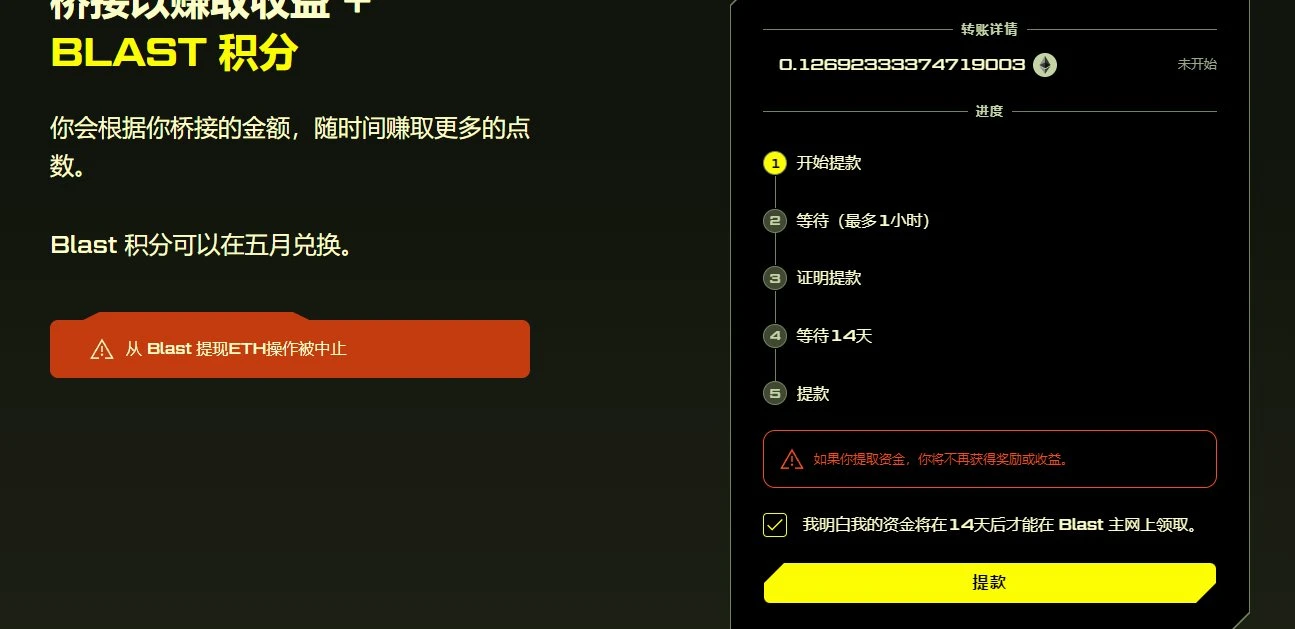
同时,有社区反馈,即便不想参与 Blast 主网的交互,也需要将 ETH 迁移到 Blast 主网之后才能提现到以太坊一层。目前,通过官方桥进行提现需要 14 天的等待时间,如下图。Odaily星球日报提醒用户,目前其他第三方跨链桥提现存在不确定性的风险,注意资金安全。
主网版Blast的“念与怨”:下个“大毛”还是持续PUA用户?

14 天等待期

热度很高,但质疑声不断

虽然 Blast 主网上线的几小时有着超高的链上热度、社区热度,但社交媒体上弥漫 KOL 和普通参与者的怨气:

  • “Blast 最傻 X 的地方是当时存进去 ETH 的 Gas 就不便宜,现在上了主网还要花钱跨。”

  • “Blast 跨到主网,Gas 比存进去的时候还高,请问是我的操作问题?”

  • “主网上线完全可以按照之前跨链映射,为什么要让全网 20 多万的用户再烧一次手续费呢?不是所有人都是巨鲸,不在乎这点手续费的。难道 Blast 不需要散户吗?”

  • “Blast 上还没有项目方官方支持的项目,全是土狗盘子群友创业,参与的还都是 ETH 链上的‘大割’,都是链上经验丰富,散户跑不快就等着被埋。”

  • “Blast 链就跟当年 BSC 链一样,一堆跑路项目,据说这段时间,铁顺天天跟中国项目方开会。”

  • “Blast 感觉‘含国量’太高了,上面的项目纯 PVP 博弈,晚跑一秒就不用跑了。”

……

综述

回顾 Blast 主网上线这半天,无论是大量新开盘的链上土狗项目迅速跑路,还是公布的新积分计划,再到主网迁移昂贵的 Gas 费,整个过程中用户的怨气不断积累。

若 Blast 主网上线后不能培育出一批优质项目,或从官方角度为用户谋些福利(不说增加积分系数,哪怕省点 gas),那么 Blast 的热度会逐渐被不良的体验浇灭。

毕竟,决定坚守在此的参与者还都瞄着下个重要时间节点(5 月)。在此之前,是继续通过积分 PUA 用户还是会短期来一次“空投盛宴”,Blast 可以多做考虑。

Letture associate

Two Giants' Credit Expansion: Loan Balances of $9.9 Billion vs. $14.6 Billion, Brazil Emerges as the Main Battlefield

Title: Two Giants "Credit" Surge: Loan Balances of 99 Billion vs. 146 Billion USD, Brazil Emerges as Main Battlefield Summary: The article compares the rapid expansion of credit businesses by two major e-commerce and fintech players, Sea (via Monee) and Mercado Libre (via Mercado Pago), in overseas markets like Southeast Asia and Latin America, contrasting with a slowing domestic Chinese credit market. Using Q1 2026 financial data, it highlights their significant growth. Sea's Monee reached a loan balance of $99 billion, up 71% year-over-year (YoY), contributing 17.5% to Sea's total revenue. Mercado Pago's loan balance hit $146 billion, up 87% YoY, contributing 45% to its parent company's revenue. Both maintained stable risk metrics (e.g., Monee's 90+ day NPL at 1.1%) despite rapid scaling. Brazil is identified as a key and accelerating growth market for both. Sea's Brazilian operations saw loan volumes exceed $10 billion, growing 250% YoY, with SPayLater GMV penetration still low (~10%) indicating high potential. Sea also secured a key Brazilian financial credit license (SCFI). Mercado Libre's Brazil segment contributed over half (54%) of total group revenue, with its credit business there generating $11.24 billion in revenue, up 89% YoY and accounting for 12.7% of global revenue. Mercado Pago's credit portfolio, especially credit cards (46% of loans, +105% YoY), is a strategic focus, described as crucial as building logistics was a decade ago. Its net interest margin after loss (NIMAL) remains high at 17.8%. The article concludes that while Brazil presents immense opportunities, the success is largely driven by these integrated "e-commerce + fintech" giants with proprietary transaction data and ecosystems, making it challenging for standalone fintech players to compete effectively.

链捕手17 min fa

Two Giants' Credit Expansion: Loan Balances of $9.9 Billion vs. $14.6 Billion, Brazil Emerges as the Main Battlefield

链捕手17 min fa

Research Report Analysis: Is Intel Making a Comeback with Apple? Bernstein's Calculations Show the Right Direction, but the Price Is Already Overvalued

Bernstein analyst Stacy A. Rasgon published a report on June 18 regarding Intel, assessing the potential impact of recent political support for a US-based PC chip design and manufacturing collaboration between Apple and Intel. The report views this as a significant signal for the foundry landscape shift but concludes the initial financial contribution would be minimal. Key conclusions: 1) An Apple deal is seen as a small-scale "proof of concept." Even if Intel wins 40% of Apple's premium notebook chip orders (~5 million units/year), Bernstein estimates it would generate only about $500M in annual revenue and ~$0.03 EPS, negligible against Intel's ~$55B revenue. 2) Political encouragement is not equivalent to enforceable mandates. Winning orders ultimately depends on Intel demonstrating competitive technology (like its 18A node), cost, and reliable supply. 3) The path from validation to large-scale production involves significant challenges, capital investment, and time. Due to these uncertainties, Bernstein maintains a Market-Perform (Hold) rating with a $100 price target, implying potential downside from the ~$121.10 price at the report date. The analysis highlights the tension between near-term validation value—serving as a crucial trust signal for Intel's foundry ambitions and US supply chain resilience—and the long-term opportunity to attract larger cloud and AI chip customers. The investment thesis hinges on successful 18A execution and sustained policy support, not on immediate financial gains from Apple.

marsbit41 min fa

Research Report Analysis: Is Intel Making a Comeback with Apple? Bernstein's Calculations Show the Right Direction, but the Price Is Already Overvalued

marsbit41 min fa

27-Year Reign Ends: SK Hynix Market Cap Surpasses Samsung for First Time, an AI-Driven Reshuffle of Korean Chip Power

On June 22, 2026, SK Hynix made history by surpassing Samsung Electronics in market capitalization, ending Samsung's 27-year reign as South Korea's most valuable company. This dramatic reversal is powered by the AI boom and SK Hynix's dominant position in High Bandwidth Memory (HBM), a critical component for AI model training. Once a heavily indebted firm on the brink of bankruptcy, SK Hynix bet early on HBM, which has evolved from a niche product to essential AI infrastructure. It now commands a 59% share of the global HBM market. Its financial performance is staggering, with Q1 2026 net profit soaring nearly fourfold year-over-year to KRW 40.35 trillion, translating to over 2 billion RMB in daily net profit. HBM now drives roughly 40% of its revenue with exceptionally high margins. In contrast, Samsung, with its broad portfolio spanning memory chips, smartphones, and foundry services, has lagged in the HBM race while facing headwinds in other divisions. This shift signifies a deeper restructuring of South Korea's economy, moving from consumer electronics to AI-driven growth. However, the future remains competitive. With major capacity expansions planned industry-wide by 2028 and Samsung aiming to catch up in HBM technology, the new market leader cannot afford complacency. This event marks a pivotal moment in the global semiconductor industry's ongoing power realignment.

marsbit52 min fa

27-Year Reign Ends: SK Hynix Market Cap Surpasses Samsung for First Time, an AI-Driven Reshuffle of Korean Chip Power

marsbit52 min fa

Trading

Spot
Futures
活动图片