创新的架构背后,ZetaChain 的真正价值何在?

foresightnewsPubblicato 2024-01-28Pubblicato ultima volta 2024-01-29

Introduzione

为开发者提供一站式 Omnichain DApp 部署的能力是 ZetaChain 创立的初心。

为开发者提供一站式 Omnichain DApp 部署的能力是 ZetaChain 创立的初心。


撰文:Gou,Foresight News


在《如何为比特币添加 Omnichain 互操作性?ZetaChain 给出了全新的答案》中,笔者介绍了 ZetaChain 的 Omnichain 运行机制以及如何在「危机丛生」的跨链领域在安全性上进行了巧妙的设计。


但仅仅对机制的了解可能无法展现出项目的全貌。通过对 ZetaChain 核心团队的采访,我们可以更加深入的了解,从创始团队的角度,如何看待 ZetaChain 和现有的 Omnichain 市场。


「我们希望打造 Web3 世界的通行证」


「很多团队都在搭建跨链桥,但很多跨链桥都会在开始阶段遇到安全性的问题,我们希望解决这些问题,又能给开发者提供良好的体验。」ZetaChain 团队对笔者表示,「对于多链的应用,开发者可能要在 10 条不同的链上部署合约,而用户也需要在 10 条不同的链上注册钱包地址,对此,我们(指 ZetaChain 团队成员)走到了一起,开始研究如何用公链来解决这些问题。」


事实上,跨链领域的早期项目确实如团队所说的存在很多不足的地方,但随着该领域的发展,情况正在逐渐改善,可能在 ZetaChain 正式推出时,实际的开发者和用户体验并没有想象中的那么糟糕。但另一方面,繁多的跨链桥带来的数不胜数的封装代币,以及不同应用支持的代币不同,确实会对开发者和用户造成一定的困扰。而 ZetaChain 团队最出乎意料的就是在一开始就想到了通过「链」来解决「跨链」的问题。


团队表示,ZetaChain 的核心团队来自 Brave、Coinbase、ConsenSys、THORChain、Cosmos、0x Labs 等知名公司或项目,这些团队成员将他们在 Web3 领域积累的经验与对市场需求的洞察,转化成了 ZetaChain 的核心技术和战略方向。团队共同的愿景是打造一个可以成为 Web3 世界通行证的区块链,从而简化和加速去中心化应用的开发和用户的体验。


事实上,在 ZetaChain 亮相之初,市场对其有着不小的误解,认为其只是又一个「新公链」,并且对 ZetaChain 想要与不支持智能合约的区块链链接的想法有所怀疑。


对此,团队表示,ZetaChain 团队最初一直专注于开发产品,所以并没有对市场投入过多的精力,导致市场对项目本身没有足够的了解。另一方面,ZetaChain 从一开始就是一个 Omnichain 项目,但可能由于大家对项目的了解不够导致了一些误传,再加上 ZetaChain 对非 EVM 链甚至非智能合约链(例如比特币网络,DOGE 网络等)的支持以及本身以链为中心的架构并不是常规的解决方案,造成了市场对 ZetaChain 的一些误解。


随着 ZetaChain 的不断发展,开发的推进、生态项目的丰富,市场开始重新看待这个期望改变 Web3 体验的挑战者。


「以链为中心」究竟有怎样的价值?


比封装资产更「便捷」的方案


简单来说,当前的跨链以及 Omnichain 解决方案只是「消息传递中介」,通过一系列的机制在不同链之间传递消息并通过链上的智能合约执行消息的内容。更简单的跨链方案则是在一条链上锁定资产并在另一条链上释放相应的资产或铸造相应数量的封装资产。


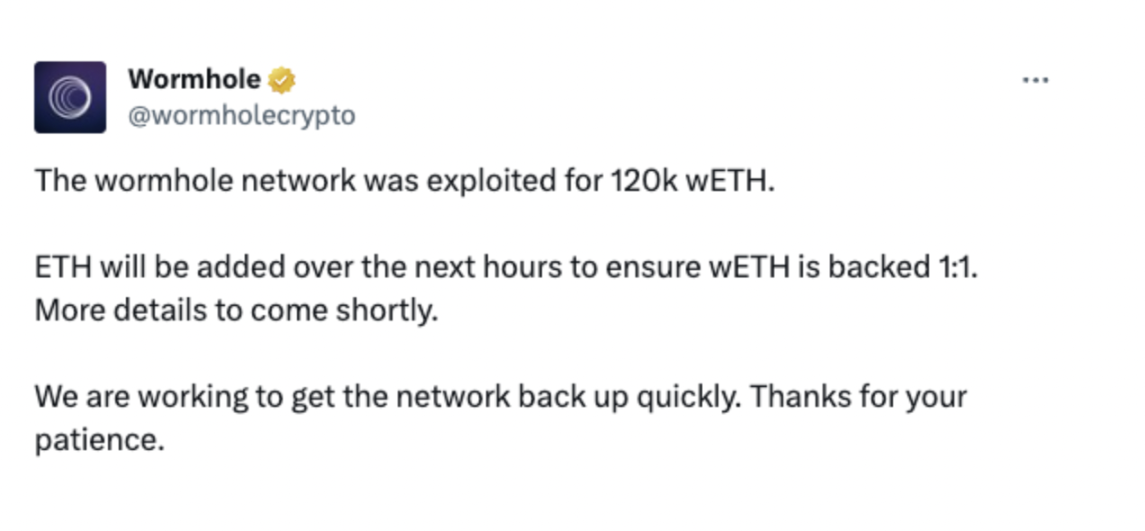
Omnichain 之所以成为跨链领域的重要叙事是因其不需要额外铸造封装资产。此前 Wormhole 被攻击并被盗取了超 6 亿美元资产就是黑客利用协议漏洞凭空铸造了大量封装资产(在 Wormhole 案例中为 WETH)。此外,由于每个协议会有独立的封装资产,除了不互通之外,不同的应用支持的封装资产也不尽相同,使得用户需要为了了解应使用哪种封装资产而消耗时间和 Gas 费成本。


显然,相较于封装资产方案,Omnichain 虽然需要在不同链上建立流动性池或者使用链上原本存在的流动性池,但可以使得用户无需在多种封装资产中进行选择,而是可以直接通过 ZetaChain 获得目标链上的原生资产。


链接不支持智能合约的区块链


ZetaChain 的一个重要的特点,也是其从最开始就计划实现的里程碑,就是对比特币、DOGE 等不支持智能合约的区块链的支持。在此之前,对于如何将比特币引入智能合约生态已有不少的尝试,但无论是何种方案都是需要将比特币转换为可在智能合约平台上与合约交互的代币。


这其中,唯一有一些「与众不同」的当属 THORChain,虽然其支持比特币直接交易为包括以太坊在内的代币,但其一方面是只能支持交易,可扩展性有限;另一方面,其交易需要原生代币 RUNE 作为流动性池中的过渡资产,规模也相对比较有限。


而 ZetaChain 亮眼的地方就在于,它可以支持用户直接通过比特币网络上简单的转账动作来实现与 ZetaChain 支持的 Omnichain 应用交互,也就是可以通过比特币主网上的转账来调用智能合约,进行例如交易、抵押借贷等操作。
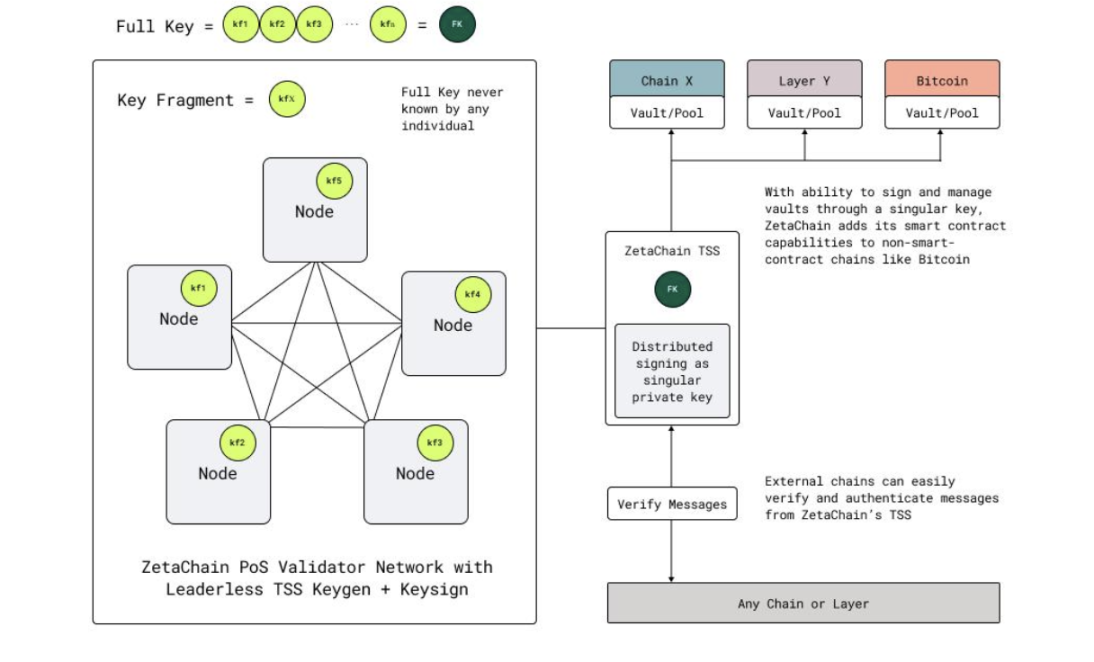


事实上,原生比特币的可编程性潜力始终没有挖掘,但由于在比特币主网上直接添加智能合约功能的可能性微乎其微,所以想要撬动这个万亿美元的资产,只能从其他角度切入「可编程性」。ZetaChain 就提供了一个思路,通过其跨链机制,使得比特币网络的用户无需在其他链上设置钱包地址,即可直接在比特币网络上使用 ZetaChain 上应用。这在极大程度上促进了不同链之间资产的流动性,并为原生比特币参与 DeFi 等项目提供了可能性。


既是跨链方案,也是区块链


值得注意的一点是,ZetaChain 本身就是一个基于 Cosmos SDK 开发的区块链,团队也表示之所以选择 Cosmos SDK 是因为该解决方案非常成熟,并且也很适合于作为跨链互操作性解决方案的基础架构。


相比于一般的「解决方案」,ZetaChain 本身是一个区块链也是一个独特的优势,加之 ZetaChain 本身也兼容 EVM,开发者可以直接在链上开发应用,并通过简单的代码集成 ZetaChain 的 Omnichain 机制,与各个支持的链相连接。


当用户使用 DApp 时,也无需一定要拥有一个 ZetaChain 上的地址,而是可以使用任意支持的链上的地址以及任意链上的资产与应用进行交互,使得用户对链本身并无感知。而这也是笔者之前曾提到的「跨链中心」的概念,将链作为不同链之间消息传递和资产传递的枢纽,其本身的价值相较于单纯的跨链应用有了质的飞跃。


某种程度上,我们可以将 ZetaChain 看作一个「Omnichain 层」,该层可以赋予任何区块链与其他链之间进行资产转移、交易的能力,同时提供链级别的安全性。而链级别的安全性,也是 ZetaChain 相较于 LayerZero 的一个明显的优势。


生态发展将是未来的重点


对于笔者收集到的一些开发者有关于基于 Cosmos SDK 开发的链与 EVM 兼容性不强以及 TSS 安全性的问题,团队也给予了解答:ZetaChain 已实现了对 EVM 的完全兼容,以太坊生态开发者可以直接将代码「复制粘贴」到 ZetaChain 上;另外,关于 TSS 的安全性问题,团队解释称,没有任何一项技术是完美的,但随着技术的不断发展,安全性只会逐渐得到提升。


对开发者的友好是生态发展的一个巨大动力。xxx 团队表示,目前 ZetaChain 的生态合作伙伴已有数百家,并且还在以每周 8 到 10 家的速度增加。此外,ZetaChain 的每篇博客都有十多种语言版本,网站也有十种语言版本,并且这一切并不是机器翻译而是人工完成,ZetaChain 在创立之初就在生态发展方面做好了充足的准备。


xxxZetaChain 团队表示,目前 ZetaChain 拥有超 150 名贡献者,他们在开发、生态的拓展等方面积极推动着项目的前行。未来,ZetaChain 仍将在激励更多的人参与其中,形成以链为中心的全链生态圈。


在市场已经认为 LayerZero 就是 Omnichain 的「版本答案」之时,ZetaChain 的出现为 Omnichain 赛道增添了新的想象力。链与链之间的链接一直是 Web3 领域的一个重要议题,而能将比特币纳入其中会带来怎样的效果以及会催生出哪些创新的应用值得期待。


Letture associate

CPU Makes a Comeback to the Table, A $170 Billion "Power Seizure" Drama Begins

A new era is dawning for the server CPU (Central Processing Unit), driven by the shift from AI model training to large-scale reasoning and the rise of Agentic AI. This article explores how the CPU is reclaiming a central role in the AI data center. For years, the focus has been on the GPU (Graphics Processing Unit) for AI training. However, as AI moves to the inference and Agent phase—where tasks involve complex, multi-step reasoning, tool calls, and data management—the workload balance is flipping. Studies show CPUs now handle over 70% of the workload in Agentic AI, up from 10-30% in training. This is because Agent tasks generate massive intermediate data (KV Cache) that exceeds GPU memory, forcing it to be offloaded to the CPU's larger, more scalable memory pools. This increased importance is translating into market changes. Major players are taking note: NVIDIA launched its first standalone CPU line, Vera, based on ARM architecture and optimized for Agent performance. AMD doubled its server CPU market forecast to over $1200 billion by 2030. Analyst reports project the total server CPU market could reach $1700 billion by 2030, with AI-driven demand being a primary driver. Furthermore, the classic ratio of CPUs to GPUs in AI servers is rapidly changing, converging from 1:8 toward 1:1 for Agent deployments. This surge in demand has led to a rare industry-wide price increase of 10-15% for server CPUs from Intel and AMD, breaking a decade-long trend of "more performance for the same price." Demand is bifurcating into high-core-count CPUs for in-rack GPU support and moderate-core CPUs for standalone Agent task orchestration. In China, this global trend presents an opportunity for domestic CPU manufacturers like Hygon (海光信息) and Huawei Kunpeng, who are bolstered by both growing AI infrastructure needs and national policies promoting technological self-reliance ("xin chuang"). The maturity of their software ecosystems is also accelerating, evidenced by faster adaptation to new AI models. In conclusion, the narrative is shifting from a GPU-centric view to one where CPU-GPU synergy is critical. The CPU is no longer a peripheral component but a performance-defining bottleneck and a key growth driver in the AI hardware stack, opening a massive new market estimated in the hundreds of billions of dollars.

marsbit9 h fa

CPU Makes a Comeback to the Table, A $170 Billion "Power Seizure" Drama Begins

marsbit9 h fa

TechFlow Intelligence: AMD AI Director Publicly Criticizes Claude Code for "Becoming Dumber and Lazier", Trump Claims Full Ceasefire in Hormuz But Strait Still Has 80 Unexploded Mines

TechFlow Intelligence Report: This daily digest covers key developments in AI, crypto, hardware, and geopolitics. In AI, SK Telecom faces US export control scrutiny over its partnership with Anthropic, while a Gemini user reports being misled in a scam scenario, sparking safety debates. China's Z.AI launches the GLM-5.2 model, rivaling Claude Opus without NVIDIA chips. In crypto, Bithumb lists ReProtocol, and Upbit delists KernelDAO. On the hardware front, MIT researchers build a custom OS to study chips, ASML denies US claims its advanced lithography machines are in China, and Amazon considers selling its in-house AI chips. Apple's future A21 Pro chip may use TSMC's latest N2P process. Major tech issues include 10,000 GitHub repositories distributing malware and Apple patching a critical eavesdropping flaw in Beats earbuds. US stocks rise, led by semiconductors, with Intel surging 10.6%, while SpaceX falls 3.5%. Geopolitically, despite a US-Iran deal, the Strait of Hormuz remains risky with ~80 uncleared mines, stalling 80M barrels of oil on standby tankers. Iran postpones Switzerland talks, and Trump calls the agreement an "unconditional surrender." The report highlights a contrast: temporary geopolitical calm versus the ongoing, fundamental restructuring of tech supply chains and chip independence.

marsbit9 h fa

TechFlow Intelligence: AMD AI Director Publicly Criticizes Claude Code for "Becoming Dumber and Lazier", Trump Claims Full Ceasefire in Hormuz But Strait Still Has 80 Unexploded Mines

marsbit9 h fa

Trading

Spot
Futures
活动图片