SignalPlus宏观分析(20240126):GBTC资金持续流出

Odaily星球日报Pubblicato 2024-01-26Pubblicato ultima volta 2024-01-26

Introduzione

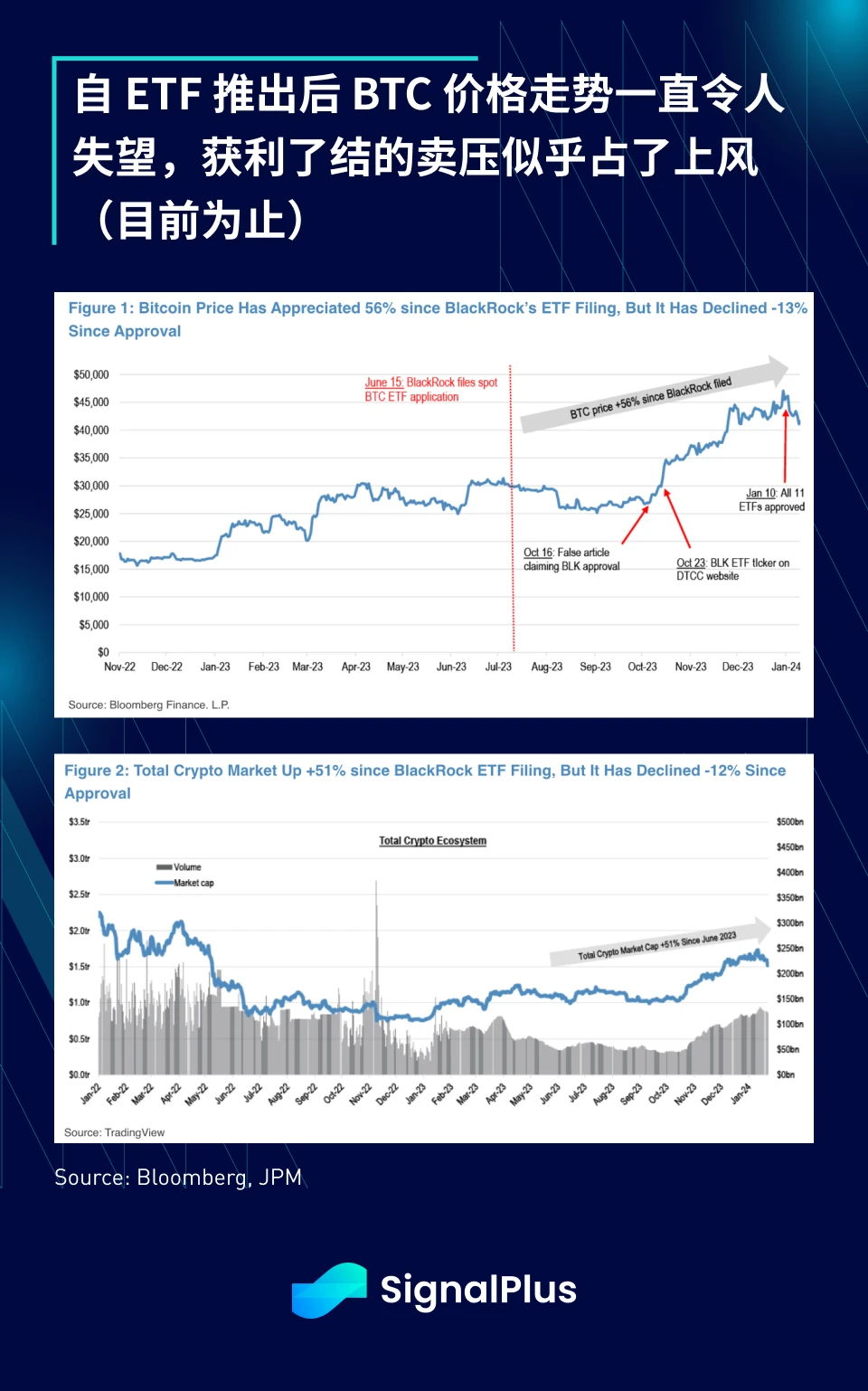
随著BTC现货ETF的批准尘埃落定,市场观点变得更加负面,后续价格走势令人失望,BTC难以维持在4万美元以上。

SignalPlus宏观分析(20240126):GBTC资金持续流出

SignalPlus宏观分析(20240126):GBTC资金持续流出

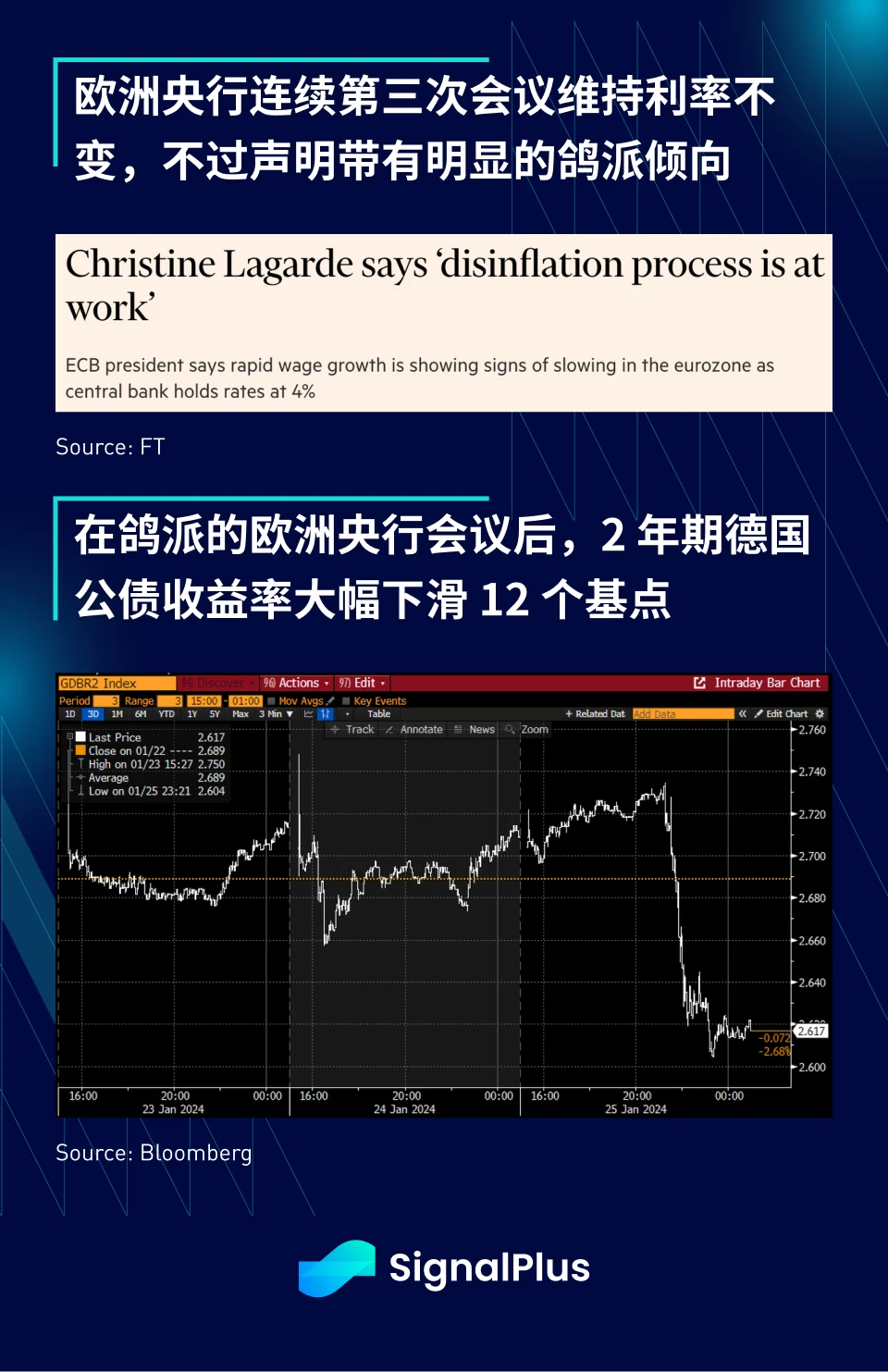
欧洲央行连续第三次维持利率不变,不过行长 Lagarde 通过声明和评论表达了鸽派转向的立场;先前声明中的评论“由于劳动单位成本持续增长,价格压力仍然居高不下”在这次欧洲央行声明中被省略,同时 Lagarde 在记者会上表示“通胀放缓正在进行中”,且价格压力将“在这一年中进一步缓解”,此外,虽然她重申委员会认为“讨论降息还为时过早”,但她对这一评论也有所保留,表示如果通胀放缓取得更多进展,降息“有可能”在夏季或夏季前发生。
SignalPlus宏观分析(20240126):GBTC资金持续流出

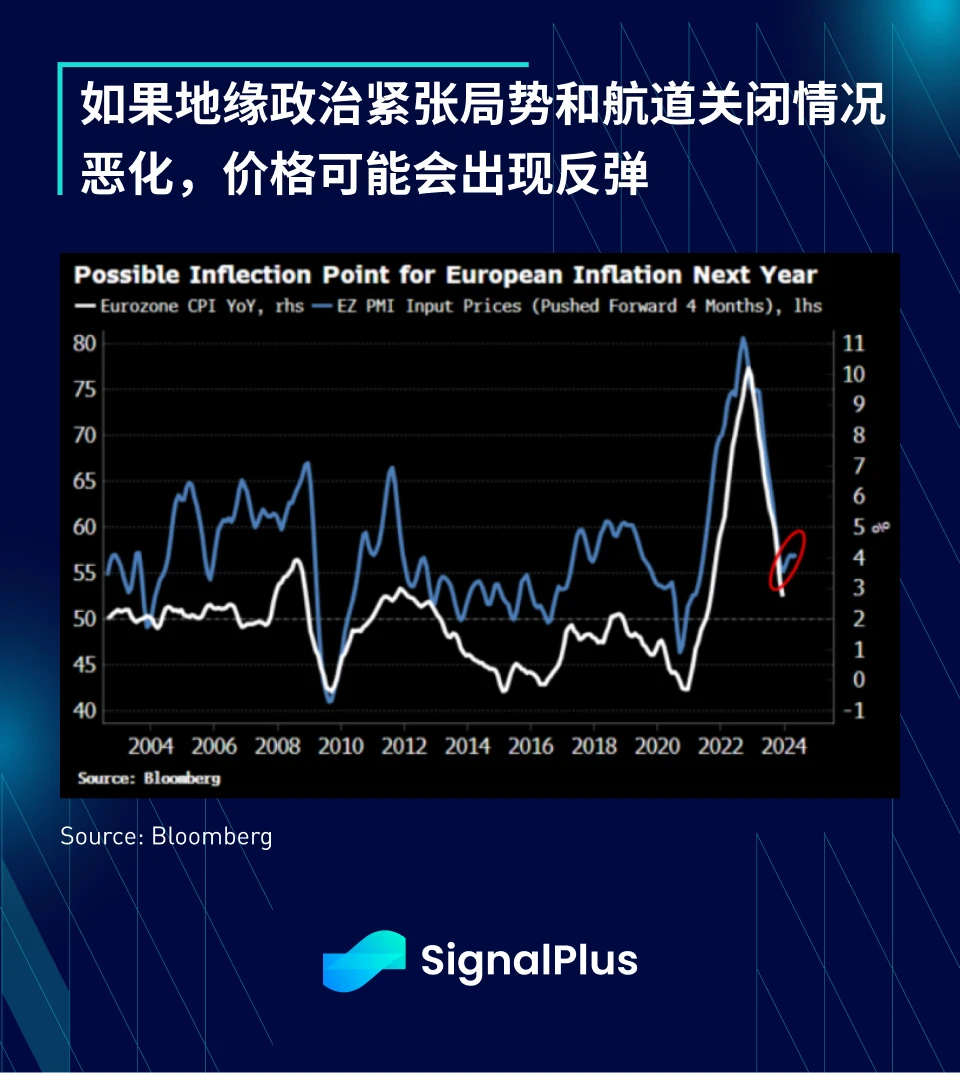
与美国类似,政策制定者已经明确转向,并提前宣布对抗通胀的胜利,但有迹象表明投入价格可能已达短期底部,我们可能很快就会需要应对价格的反弹,特别是如果航道关闭和油价上涨的情况继续恶化。
SignalPlus宏观分析(20240126):GBTC资金持续流出

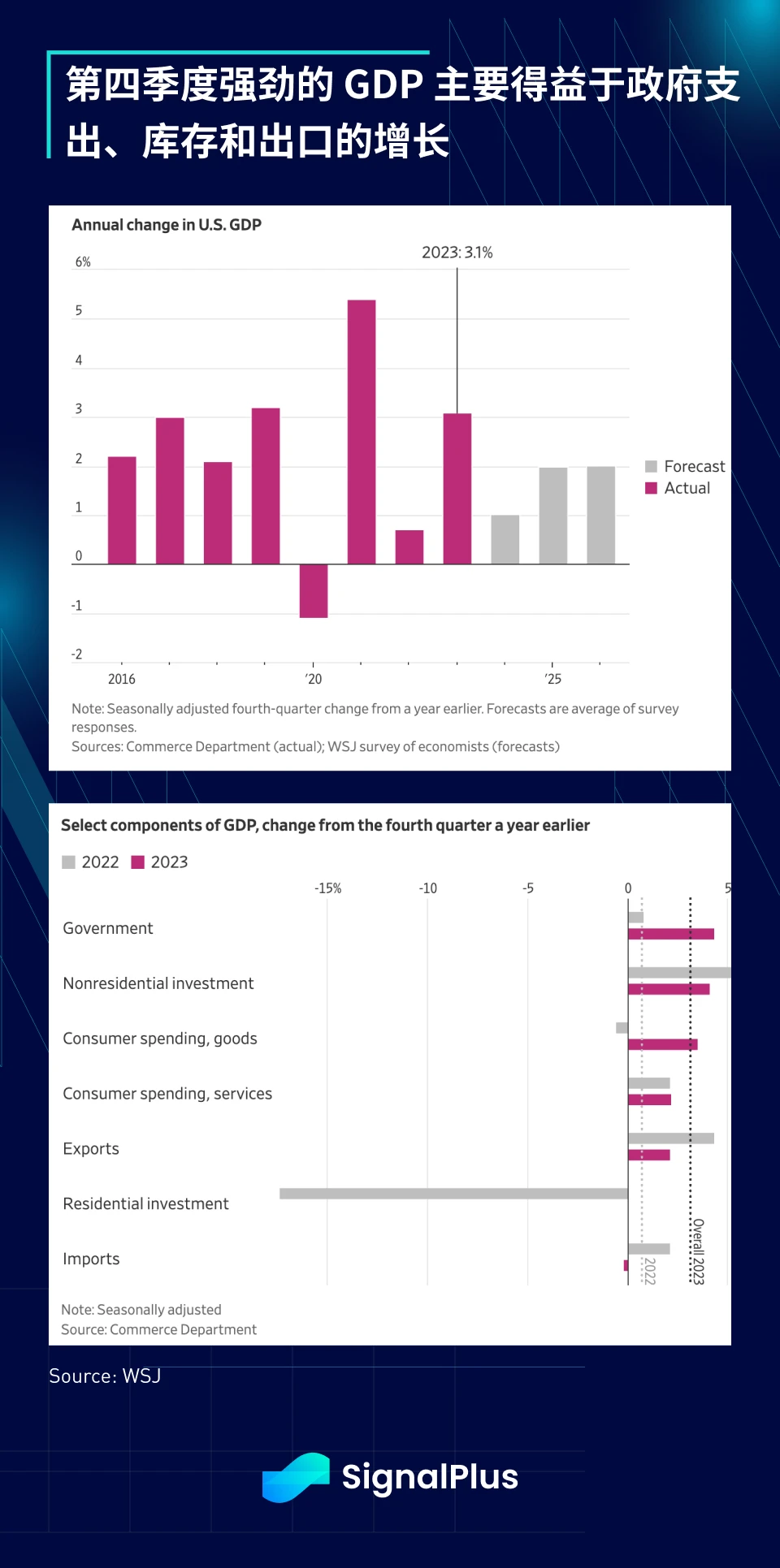
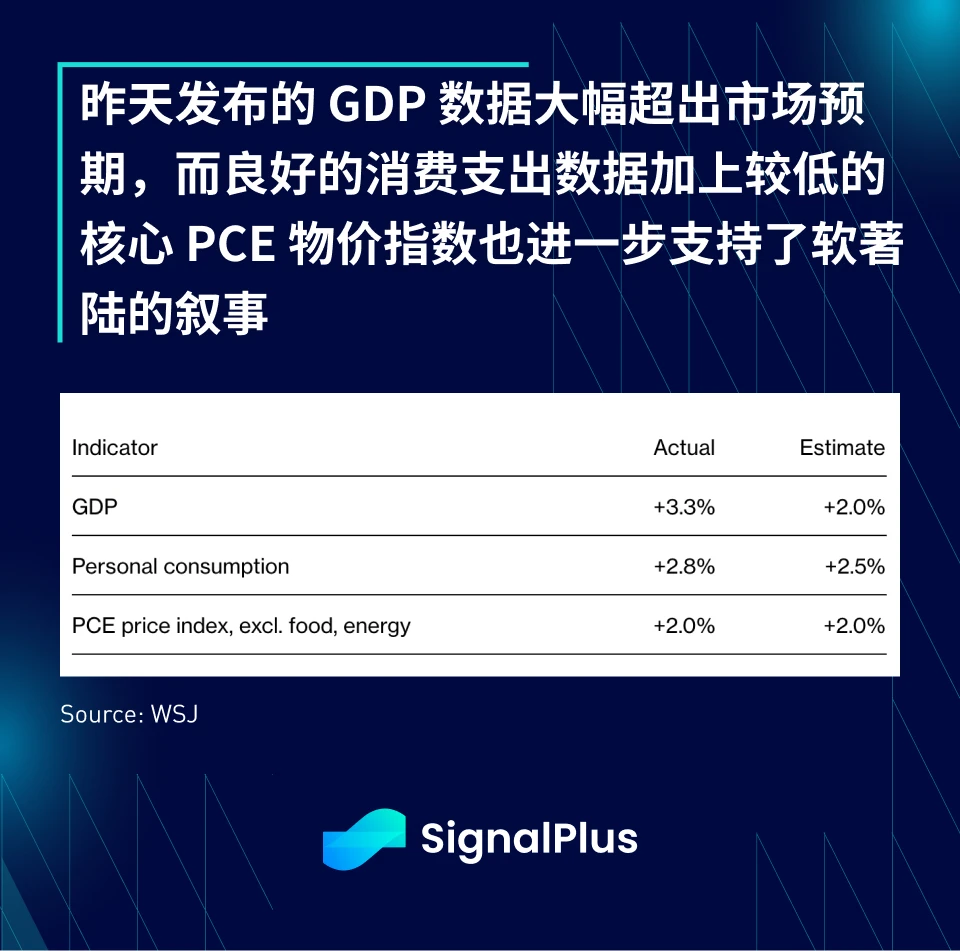
美国方面,第四季度经济数据显示美国经济情况仍十分强劲,GDP 增长 3.3% ,大幅超出预期的 2.0% ,个人消费支出也优于预期,强劲的政府支出、库存增加和正面的净出口构成了增长的主要因素,最终需求也保持在目标水平。
SignalPlus宏观分析(20240126):GBTC资金持续流出

SignalPlus宏观分析(20240126):GBTC资金持续流出

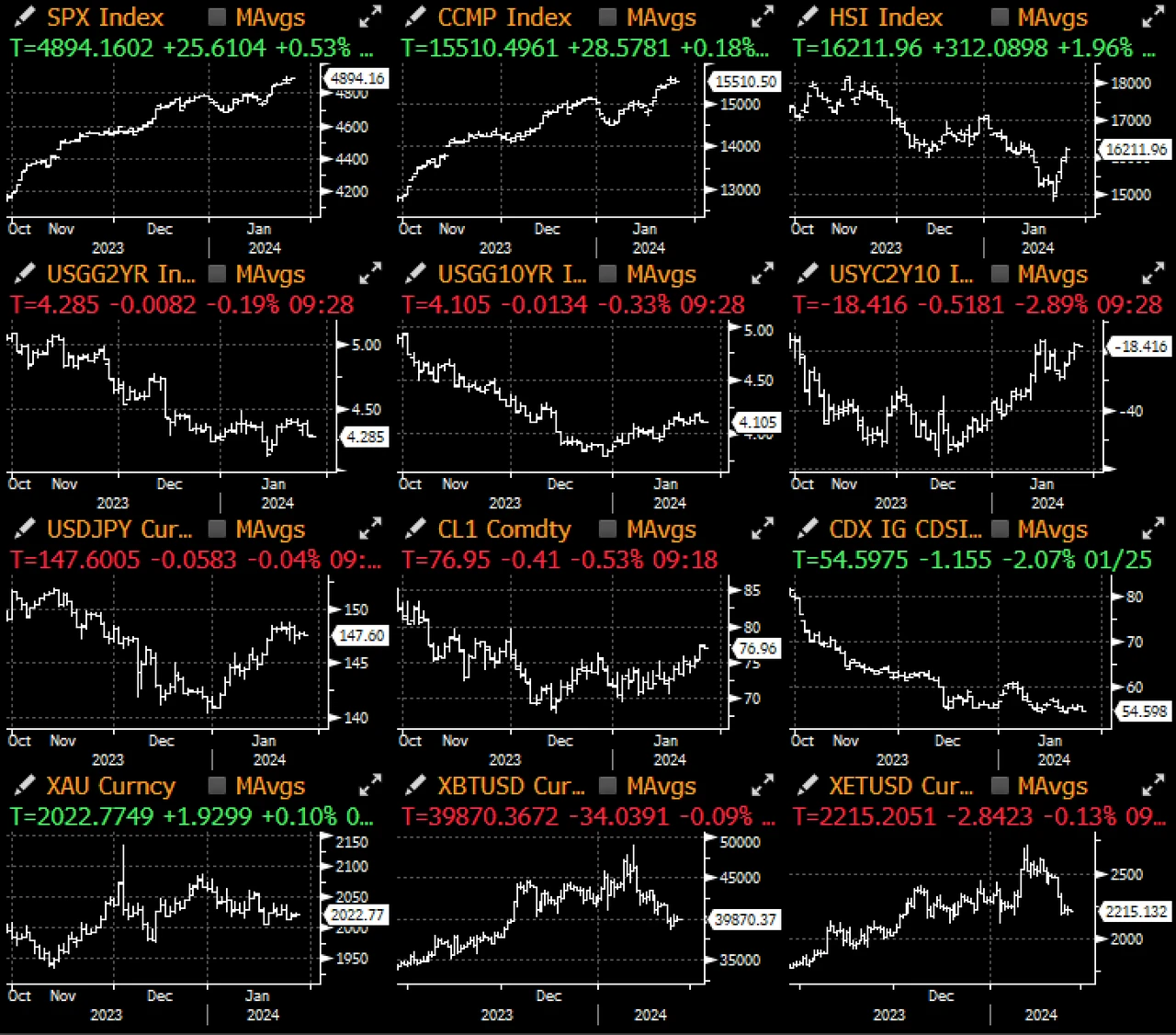
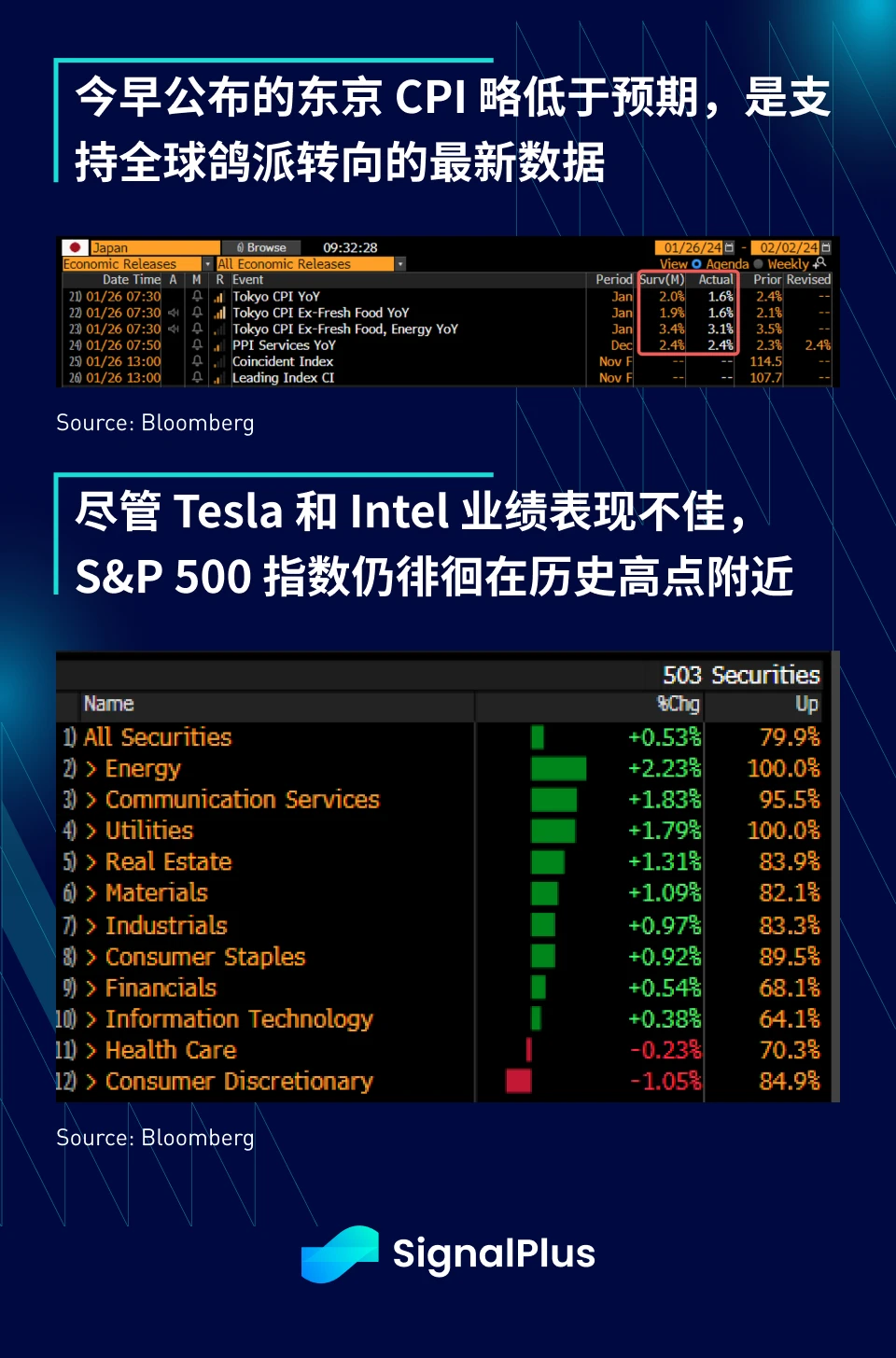
美联储和债券市场在软著陆的叙事中再次取得胜利,GDP 走强、消费支出保持稳健、价格压力持续放缓以及就业市场逐渐降温(初请失业金人数 + 2.7 万)推动收益率在牛陡走势中走低;此外,欧洲央行的鸽派立场、中国的救市计划以及略低于预期的东京 CPI 也帮助维持资产价格,虽然 Tesla 股价大跌 11% ,Intel 业绩预测惨淡,但 S&P 500 指数仍徘徊在历史高点附近。
SignalPlus宏观分析(20240126):GBTC资金持续流出

随著 BTC 现货 ETF 的批准尘埃落定,市场观点变得更加负面,后续价格走势令人失望,BTC 难以维持在 4 万美元以上。
SignalPlus宏观分析(20240126):GBTC资金持续流出

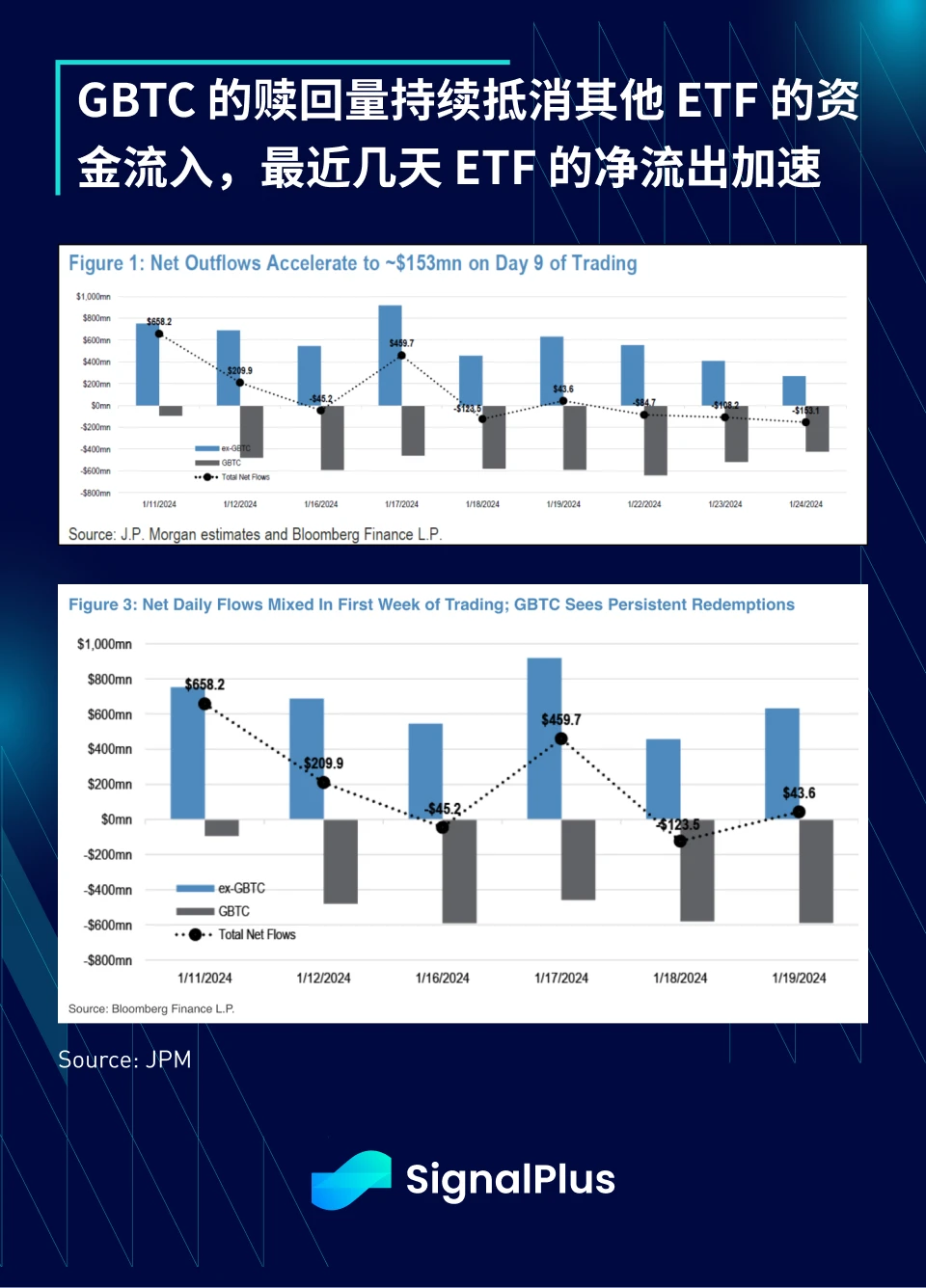
ETF 推出的 9 天后,净流出加速至约 1.53 亿美元,与第一周 12 亿美元的流入形成鲜明对比。JPM 比较了 BTC 现货 ETF 和 GLD(黄金 ETF),后者在推出一年后仅吸引了 35 亿美元的资金流入,远低于各界预测的 100-500 亿美元,迄今为止,BTC 现货 ETF 推出一周后的资金流入表现也落后于 GLD,主要是受到 GBTC 持续赎回的影响。

考虑到长期 GBTC 持有者仍有巨额收益未实现,加上 Grayscale 相比于新 ETF 费用较高,短期内 GBTC 的资金流出很可能会持续,当前的市场防守情绪也将持续较长一段时间。
SignalPlus宏观分析(20240126):GBTC资金持续流出

SignalPlus宏观分析(20240126):GBTC资金持续流出

您可在 ChatGPT 4.0 的 Plugin Store 搜索 SignalPlus ,获取实时加密资讯。如果想即时收到我们的更新,欢迎关注我们的推特账号@SignalPlus_Web3 ,或者加入我们的微信群(添加小助手微信:SignalPlus 123)、Telegram 群以及 Discord 社群,和更多朋友一起交流互动。

SignalPlus Official Website:https://www.signalplus.com

Letture associate

CPU Makes a Comeback to the Table, A $170 Billion "Power Seizure" Drama Begins

A new era is dawning for the server CPU (Central Processing Unit), driven by the shift from AI model training to large-scale reasoning and the rise of Agentic AI. This article explores how the CPU is reclaiming a central role in the AI data center. For years, the focus has been on the GPU (Graphics Processing Unit) for AI training. However, as AI moves to the inference and Agent phase—where tasks involve complex, multi-step reasoning, tool calls, and data management—the workload balance is flipping. Studies show CPUs now handle over 70% of the workload in Agentic AI, up from 10-30% in training. This is because Agent tasks generate massive intermediate data (KV Cache) that exceeds GPU memory, forcing it to be offloaded to the CPU's larger, more scalable memory pools. This increased importance is translating into market changes. Major players are taking note: NVIDIA launched its first standalone CPU line, Vera, based on ARM architecture and optimized for Agent performance. AMD doubled its server CPU market forecast to over $1200 billion by 2030. Analyst reports project the total server CPU market could reach $1700 billion by 2030, with AI-driven demand being a primary driver. Furthermore, the classic ratio of CPUs to GPUs in AI servers is rapidly changing, converging from 1:8 toward 1:1 for Agent deployments. This surge in demand has led to a rare industry-wide price increase of 10-15% for server CPUs from Intel and AMD, breaking a decade-long trend of "more performance for the same price." Demand is bifurcating into high-core-count CPUs for in-rack GPU support and moderate-core CPUs for standalone Agent task orchestration. In China, this global trend presents an opportunity for domestic CPU manufacturers like Hygon (海光信息) and Huawei Kunpeng, who are bolstered by both growing AI infrastructure needs and national policies promoting technological self-reliance ("xin chuang"). The maturity of their software ecosystems is also accelerating, evidenced by faster adaptation to new AI models. In conclusion, the narrative is shifting from a GPU-centric view to one where CPU-GPU synergy is critical. The CPU is no longer a peripheral component but a performance-defining bottleneck and a key growth driver in the AI hardware stack, opening a massive new market estimated in the hundreds of billions of dollars.

marsbit9 h fa

CPU Makes a Comeback to the Table, A $170 Billion "Power Seizure" Drama Begins

marsbit9 h fa

TechFlow Intelligence: AMD AI Director Publicly Criticizes Claude Code for "Becoming Dumber and Lazier", Trump Claims Full Ceasefire in Hormuz But Strait Still Has 80 Unexploded Mines

TechFlow Intelligence Report: This daily digest covers key developments in AI, crypto, hardware, and geopolitics. In AI, SK Telecom faces US export control scrutiny over its partnership with Anthropic, while a Gemini user reports being misled in a scam scenario, sparking safety debates. China's Z.AI launches the GLM-5.2 model, rivaling Claude Opus without NVIDIA chips. In crypto, Bithumb lists ReProtocol, and Upbit delists KernelDAO. On the hardware front, MIT researchers build a custom OS to study chips, ASML denies US claims its advanced lithography machines are in China, and Amazon considers selling its in-house AI chips. Apple's future A21 Pro chip may use TSMC's latest N2P process. Major tech issues include 10,000 GitHub repositories distributing malware and Apple patching a critical eavesdropping flaw in Beats earbuds. US stocks rise, led by semiconductors, with Intel surging 10.6%, while SpaceX falls 3.5%. Geopolitically, despite a US-Iran deal, the Strait of Hormuz remains risky with ~80 uncleared mines, stalling 80M barrels of oil on standby tankers. Iran postpones Switzerland talks, and Trump calls the agreement an "unconditional surrender." The report highlights a contrast: temporary geopolitical calm versus the ongoing, fundamental restructuring of tech supply chains and chip independence.

marsbit9 h fa

TechFlow Intelligence: AMD AI Director Publicly Criticizes Claude Code for "Becoming Dumber and Lazier", Trump Claims Full Ceasefire in Hormuz But Strait Still Has 80 Unexploded Mines

marsbit9 h fa

Trading

Spot
Futures
活动图片