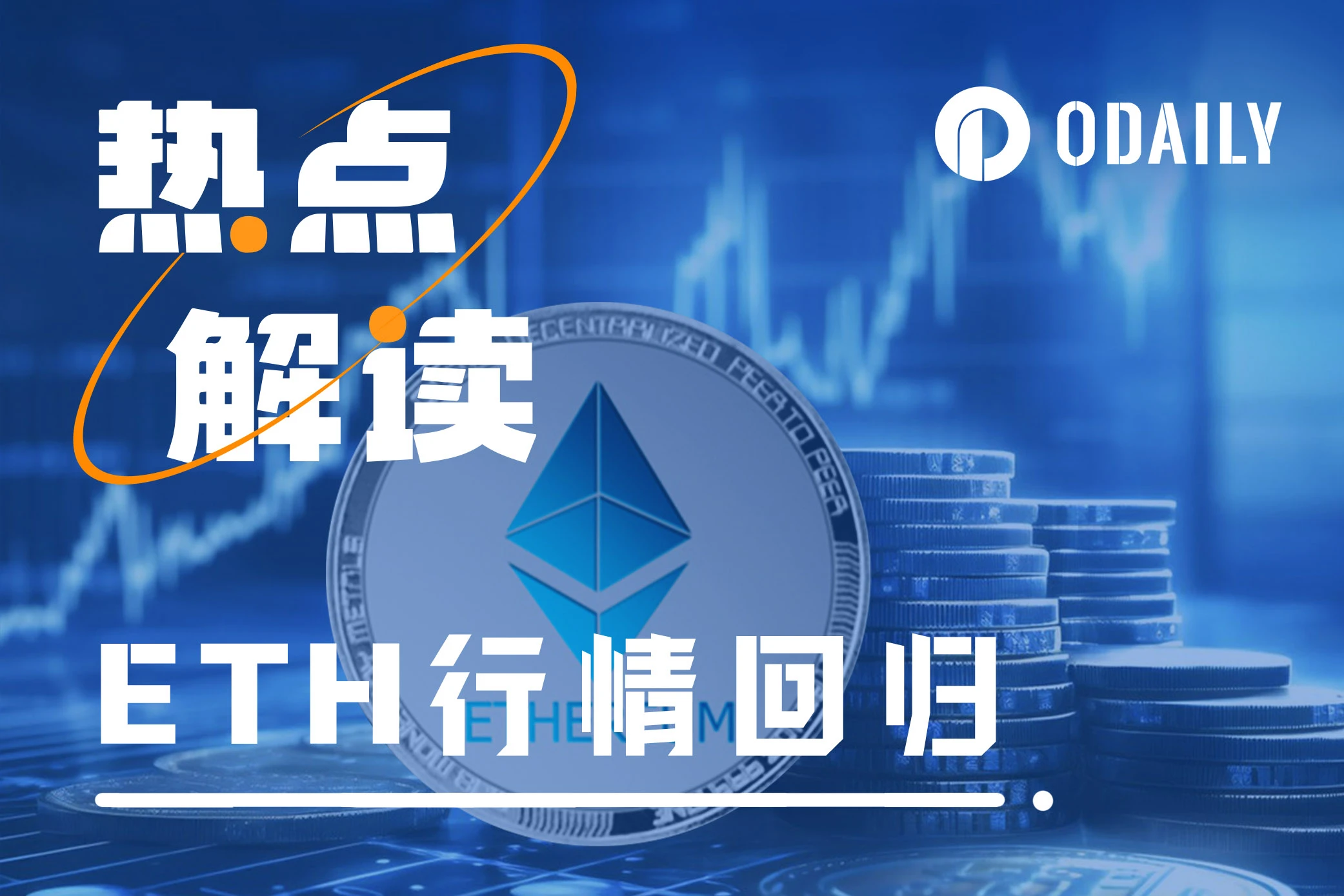
让以太坊再次伟大:L2板块领涨,ETH/BTC汇率反弹

Odaily星球日报Pubblicato 2023-12-28Pubblicato ultima volta 2023-12-28

Introduzione

叙事轮回到技术正统。

原创 | Odaily 星球日报

作者 | Loopy
让以太坊再次伟大:L2板块领涨,ETH/BTC汇率反弹

今日,欧易 OKX 行情显示,ETH 最高触及 2445 美元高点。在 BTC 生态的持续狂欢之后,板块终于轮动至 ETH。这也给沉寂许久的 ETH 带来了“复苏”的曙光。

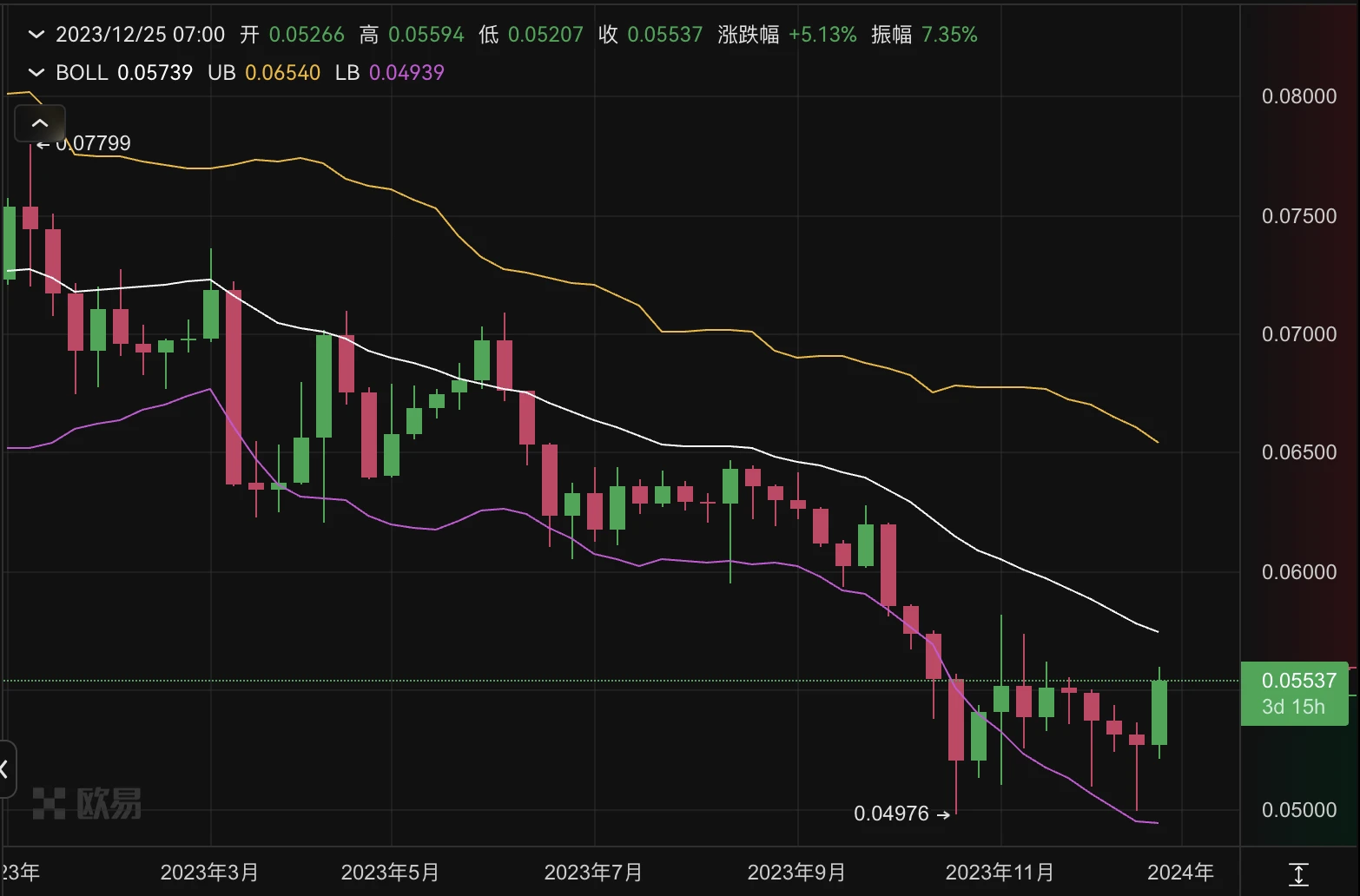
欧易 OKX 行情显示,ETH 的 24 小时振幅超过了 11% (当然其中大多数振幅均为上涨)。在强劲的涨势之下,ETH/BTC 汇率也开始反弹。
让以太坊再次伟大:L2板块领涨,ETH/BTC汇率反弹

行情数据显示,ETH/BTC 汇率最高触达本月以来新高点。从短期走势来看,ETH 汇率跌幅终于止跌回升。

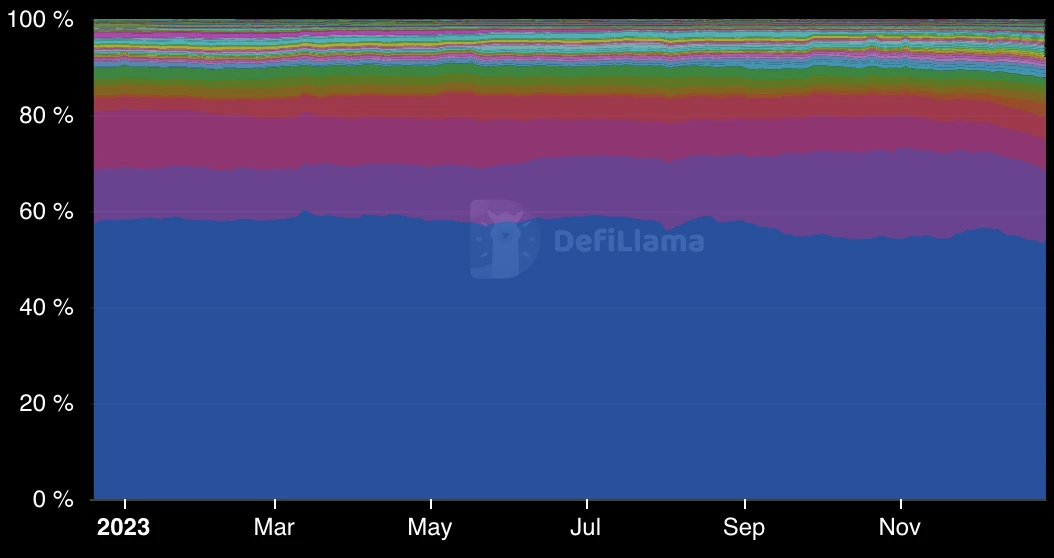
在本轮 BTC 生态主导的大行情之中,以太坊的疲软表现也让 EVM 生态整体失去光芒。链上数据也显示了以太坊生态在今年以来的长期疲软。DeFiLlama 数据显示,ETH 主网 TVL 在整个 DeFi 世界的占比已经从 2023 年初的 58.3% 下降到今日的 54.1% 。
让以太坊再次伟大:L2板块领涨,ETH/BTC汇率反弹

(蓝色图形即为以太坊 TVL 的市场份额)

目前,BTC 生态已从最狂热的时候退潮,铭文市场也逐渐乱象丛生。以太坊生态,终于要迎来久违的复苏了吗?

Layer 2 板块缘何引领以太坊复苏?

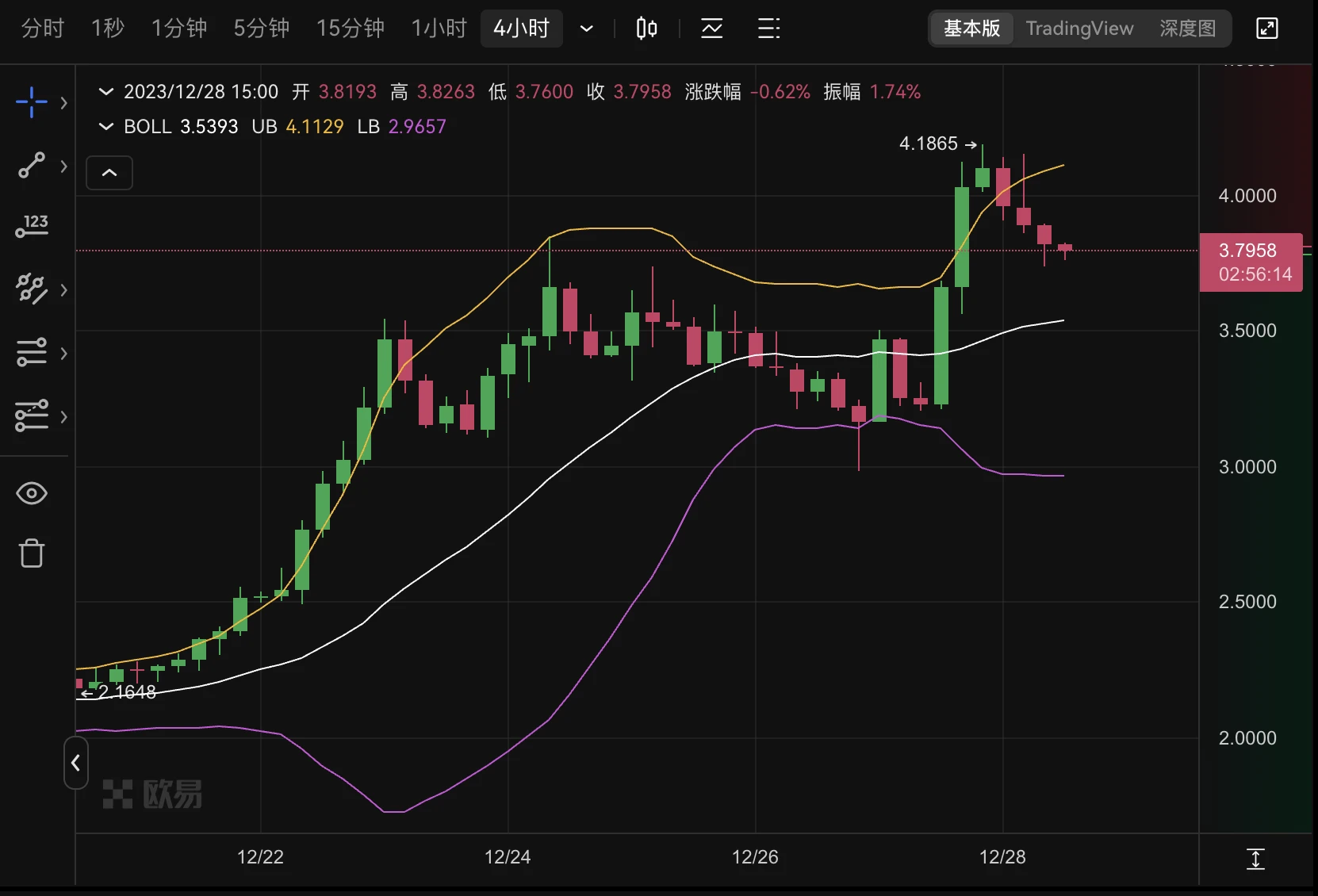
在本轮上涨中,OP 是最为耀眼的一个。虽然今日 OP 稍有回调,但从近几日来看,OP 仍维持了上涨态势。
让以太坊再次伟大:L2板块领涨,ETH/BTC汇率反弹

目前,OP 市值已达约 35 亿美元。而 ARB 紧随其后,也在今日迎来了久违的上涨。欧易 OKX 行情显示,ARB 今日最高一度触达 1.668 美元, 20 小时涨幅高达 20% 。

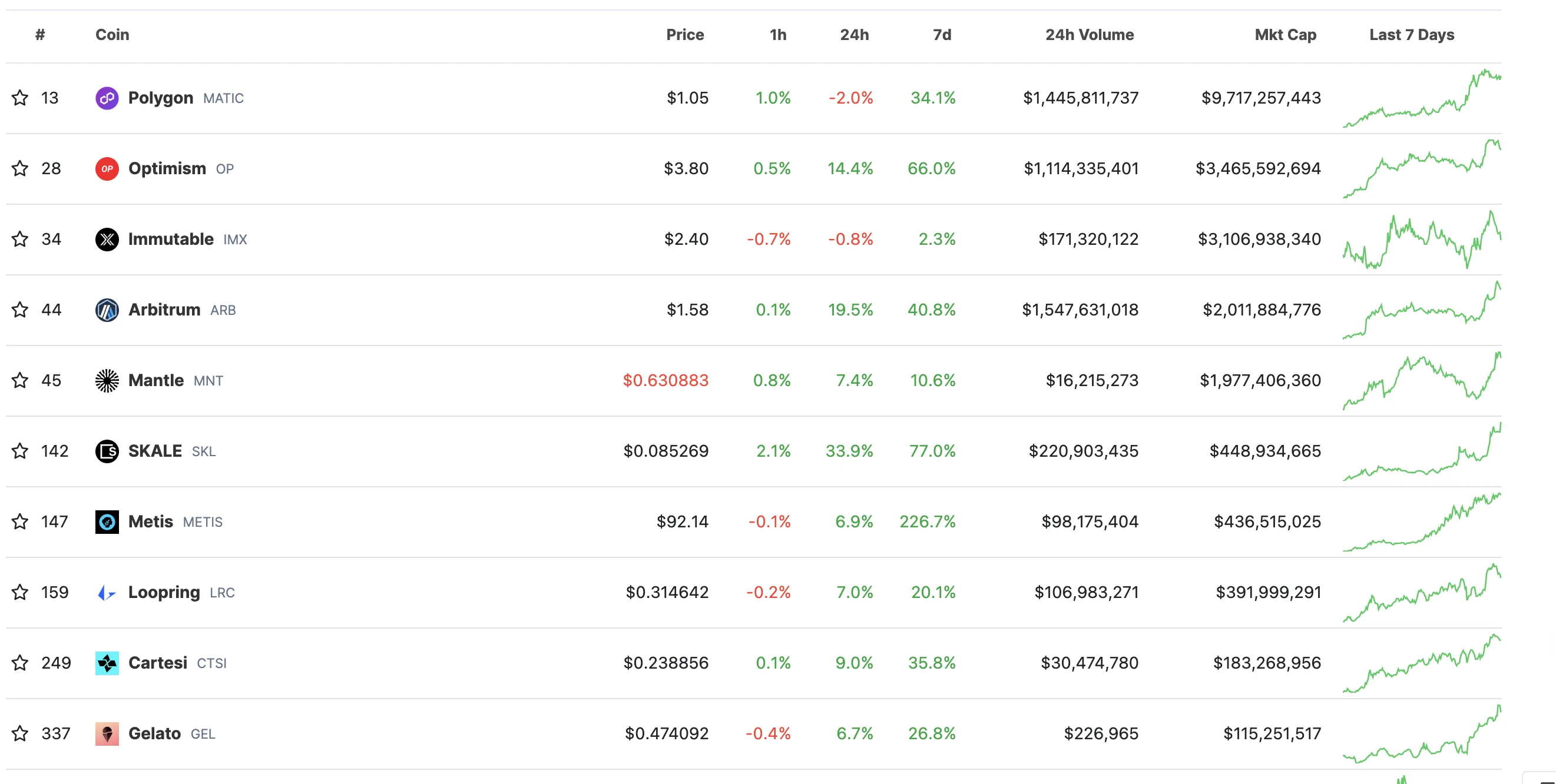
Layer 2 板块正在引领以太坊生态的复苏,Coingecko 数据显示,整个 Layer 2 板块均在近几日创造了可观的涨幅。
让以太坊再次伟大:L2板块领涨,ETH/BTC汇率反弹

当然,其中表现最为令人惊异的要数“V神妈妈”概念 Layer 2 Metis 了。早在 2021 年这一项目创立之时,就围绕着其名人概念存在诸多争议。

Metis 使用了 Optimistic Rollup 技术,由加拿大团队创建。Metis 联合创始人 Elena Sinelnikova 也是区块链非盈利组织 Crypto Chicks 的创办人,该组织是一个致力于区块链教育的女性组织,主要为女性提供学习及进入区块链领域的机会。

由于 Crypto Chicks 的另一位发起人 Natalia Ameline 是以太坊创始人 Vitalik Buterin 的母亲,因为该项目向来被视为“V神妈妈”主题概念的 Layer 2 ,也有“Layer 2 中的 meme、meme 中的 Layer 2 ”这一有趣的说法。

坎昆升级在即,以太坊还有哪些利好?

从当下的时间节点来看,BTC 现货 ETF 的通过在即,而 ETF 的通过,或将为 BTC 生态开启下一轮的上涨行情。

在 Layer 2 的强势上涨之下,也为 ETH 带来了更多的利好。但这种涨幅又能持续多久呢?

今日,V神也再次提出了新的技术进展,这仍在向市场宣告着以太坊的进步。Vitalik 提出了三种解决他所描述的以太坊权益证明共识机制核心潜在系统复杂性的方法:

一个 PoS 简化提案:设计一种仅需要每个时隙 8192 个签名的方案(即使在 SSF 下),使共识实现更为简单和轻量。主要问题在于,维持网络运行的验证者必须制作大量的签名——使用密码学的数字签名——作为保持网络正常运行的过程的一部分。对于网络来说,这已经是相当大的工作量,但随着更多验证者加入网络,这将增加签名的数量,给系统带来更大的负担。根据目前的计划,后续升级将大幅增加签名需求。

但技术演进又能否带动币价的复苏呢?

Grayscale发文表示,ETH 在 2023 年产生了强劲的回报(80% 以上),但表现落后于 BTC 以及某些其他智能合约区块链代币。Grayscale 写道,事实上,今年大多数智能合约平台代币的涨幅都低于比特币,ETH 基本上与这一同类群体一致。富时灰度智能合约平台 CryptoSector 指数在 2023 年上涨约 94% ,仅略高于 ETH 的涨幅。尽管 2023 年 ETH 落后于比特币和某些其他加密资产,但它仍然超过了传统资产类别。因此,我们认为 ETH 的反弹应被视为加密货币复苏扩大的证据。

在本轮行情中稍显“缺席”的以太坊,或可随着坎昆升级的预期兑现,逐渐迎来更大的“复苏”空间。

根据核心开发人员共识电话会议的报告,在 11 月底,坎昆升级在测试网的激活为我们进一步宣告着坎昆升级的即将到来。11 月 30 日,坎昆(Cancun/Deneb)升级在 Devnet #12 上激活,Teku、Lodestar 和 Lighthouse 客户端软件以及所有执行层(EL)客户端软件目前正在 Devnet #12 上进行测试。此外,开发人员发现 Devnet #11 上的验证器退出问题,Nimbus 客户端团队正在解决该问题。Devnet #11 在问题得到解决之前将保持正常运行。

最近,Vitalik Buterin 的一篇新文为我们描述了在以太坊内置 ZK 之后,Layer 2 的多种可能性。这篇文章探讨了以太坊在未来的网络升级中将如何内置自己的 ZK-EVM。

众所周知,在以太坊开发缓慢的背景下,目前几乎主流 Layer 2 都已经拥有了 ZK-EVM,而当以太坊主网封装了自己的 ZK-EVM 之后,主网和 Layer 2 又是否会产生角色定位的冲突呢?Layer 1 和 Layer 2 如何有效的分工合作,是一个主要的潜在议题。

随着 Dencun 升级将在 2024 年 3 月或 4 月进行部署,通过 EIP-4844 ,以太坊L2的 gas 成本将大大降低,以太坊的可扩展性将得到改进。以太坊L2活动正在持续增长,目前已经来到历史最高水平。L 2B eat 数据显示,整个 Layer 2 生态系统的 TVL 已突破 200 亿美元大关。
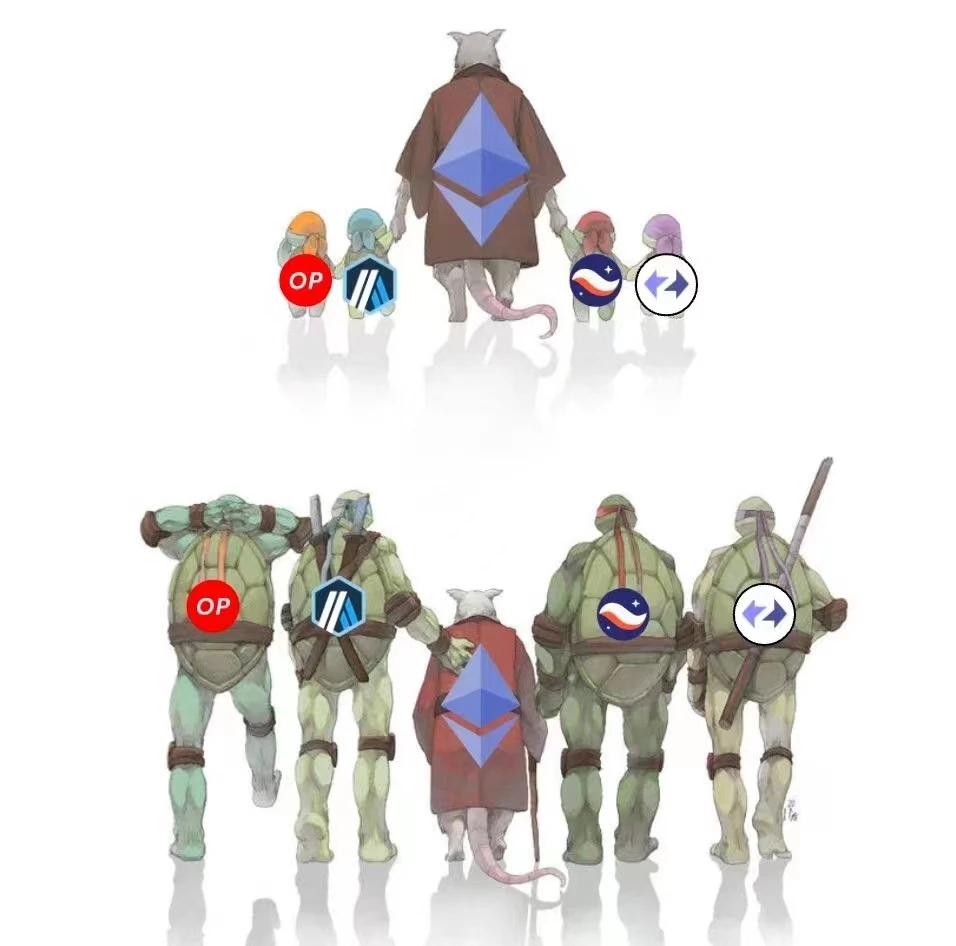
让以太坊再次伟大:L2板块领涨,ETH/BTC汇率反弹


随着 Layer 2 系统的突飞猛进,也许未来的以太坊将在这些昔日“小弟”的带领下,继续驶向更伟大的“复苏”。

Letture associate

Polymarket's Sixth Anniversary: Bathroom, Exile, and Homecoming

Polymarket, a prediction market platform, recently celebrated its sixth anniversary. Born during New York's COVID-19 lockdown, founder Shayne Coplan built the initial product from his bathroom. The platform allows users to trade on the outcomes of real-world events, aiming to aggregate information faster than traditional media or polls. Its early years involved navigating regulatory challenges, most notably a 2022 CFTC order and penalty for offering unregistered event contracts, which led to a ban on U.S. users. Despite this "exile," the platform persisted, gaining significant traction during major news events like the 2024 U.S. presidential election, where its markets often preceded mainstream narratives. A pivotal shift occurred in 2025. Following the conclusion of a DOJ/CFTC investigation, Polymarket strategically acquired a CFTC-regulated exchange (QCX) to re-enter the U.S. market legally. It secured a massive strategic investment from Intercontinental Exchange (ICE), NYSE's parent company, and formed high-profile partnerships with sports leagues like the NHL, UFC, and MLB, as well as media outlets including Google and the Wall Street Journal. Now valued in the tens of billions, Polymarket stands at the intersection of crypto, finance, media, and sports. Its journey reflects a constant tension between innovative information aggregation and regulatory scrutiny, evolving from a fringe crypto experiment into a mainstream, albeit still contested, financial and data infrastructure.

marsbit8 min fa

Polymarket's Sixth Anniversary: Bathroom, Exile, and Homecoming

marsbit8 min fa

The 'Side Hustle Survival' of DAT Companies: After the Accumulation Flywheel Stops, They Begin Self-Rescue

"Metaplanet's 'Side Hustle Survival': After the 'Crypto Hoarding Flywheel' Stops, They Begin Self-Rescue" The article discusses the strategic pivot of Digital Asset Treasury (DAT) companies as the once-lucrative model of hoarding cryptocurrencies, pioneered by MicroStrategy, faces challenges. With the crypto bear market and the rise of ETFs offering direct, low-premium exposure, many DAT firms are abandoning the passive treasury model. Prominent examples include ETHZilla, which sold ETH to repay debt and shifted to RWA tokenization, and others like Prenetics Global exiting completely. Facing stalled growth, remaining companies are pursuing two main survival paths. The first path is transforming into institutional crypto asset management platforms and yield funds. SharpLink Gaming exemplifies this by staking 100% of its ETH and partnering with Galaxy Digital to launch a yield fund. GameSquare is taking a more aggressive approach, using AI-driven algorithms across DeFi protocols to seek higher returns. The second path involves becoming blockchain infrastructure operators, particularly in the Solana ecosystem. Companies like DeFi Development and SOL Strategies are moving beyond holding SOL to operating validator networks and launching liquid staking tokens, building fee-based revenue models from ecosystem participation. The article notes these transitions reflect a broader industry maturation, shifting from financial engineering to building operational moats through technology, network effects, and deep ecosystem integration. However, risks remain, including DeFi protocol vulnerabilities and dependence on specific blockchain networks' health. Ultimately, this collective shift signals that in crypto, sustainable value comes not from capital games but from active participation, cash flow generation, and providing real utility—a necessary, if painful, step towards industry maturity.

marsbit10 min fa

The 'Side Hustle Survival' of DAT Companies: After the Accumulation Flywheel Stops, They Begin Self-Rescue

marsbit10 min fa

Annual Revenue of 13 Billion, Paying 17.2 Billion to Microsoft: The Truth Behind AI's Money-Burning in OpenAI's Leaked Ledger

Leaked OpenAI financial documents from June 2026 revealed that in 2025, the company achieved $13.07 billion in revenue, a 253% growth from 2024. However, this was accompanied by an operational loss of $20.92 billion and a net loss of roughly $8 billion. Despite ChatGPT surpassing 900 million weekly active users, the "burn rate" remained high: for every $1 earned, $1.60 was spent. The cost structure shows $34 billion in total costs. R&D was the largest expense at $19.18 billion, which included $10.59 billion paid to Microsoft. Compute costs for model inference were $7.5 billion, with sales and marketing at $5.73 billion. Notably, total payments to Microsoft reached $17.2 billion, accounting for over 50% of OpenAI's total costs and exceeding its annual revenue, highlighting a significant structural burden. This high-cost, high-loss model is an industry-wide trend. xAI reported a 2025 operational loss of $6.4 billion against $3.2 billion in revenue, spending $3 for every $1 earned. Anthropic, with a reported $90 billion annualized revenue by late 2025, also faced pressure with a 40% gross margin, lower than expected due to high inference costs. Combined, these top three firms' operational losses surpassed $30 billion in 2025. OpenAI's vast user base presents a monetization challenge. With only about 50 million of its 900 million weekly users paying (a ~5.6% conversion rate), the compute cost of serving free users is substantial. This contrasts with strategies like Anthropic's, which focuses on premium pricing for enterprise clients. The industry's path to profitability hinges on dramatically reducing marginal costs, particularly for inference, through innovations in specialized chips or model efficiency. Until then, massive capital inflows—like OpenAI's $122 billion funding round in March 2026—remain essential to fund the relentless pursuit of scale and advanced capabilities.

marsbit21 min fa

Annual Revenue of 13 Billion, Paying 17.2 Billion to Microsoft: The Truth Behind AI's Money-Burning in OpenAI's Leaked Ledger

marsbit21 min fa

Trading

Spot
Futures
活动图片