Alleged Crypto Investment Scam Worth $80M Sees Four People Charged With Money Laundering in U.S.

CoinDeskPolicyPubblicato 2023-12-13Pubblicato ultima volta 2023-12-14

Introduzione

The four allegedly obtained the money through so-called pig-butchering and other fraudulent schemes.

A scheme for allegedly laundering the proceeds of crypto investment scams has resulted in charges against four people in Los Angeles, the U.S. Department of Justice (DOJ) said on Thursday.

The four allegedly opened shell companies and bank accounts to launder more than $80 million of victims' funds obtained through so-called pig butchering and other fraudulent schemes, the DOJ said.

10

In "pig butchering" scammers contact their victims through dating websites or social media, gaining their trust before eventually pitching a money-making opportunity involving cryptocurrency.

Advertisement
Advertisement

The individuals involved were charged with conspiracy to commit money laundering, concealment money laundering and international money laundering.

Two of those charged, Lu Zhang of Alhambra, Calif. and Justin Walker of Cypress, Calif. face up to 20 years in prison if convicted, the DOJ said.

Edited by Sheldon Reback.

Letture associate

Solana Proposals Could Lead to Reduction in Staking Yields to 2.25% and Cut Emissions by $1.5 Billion

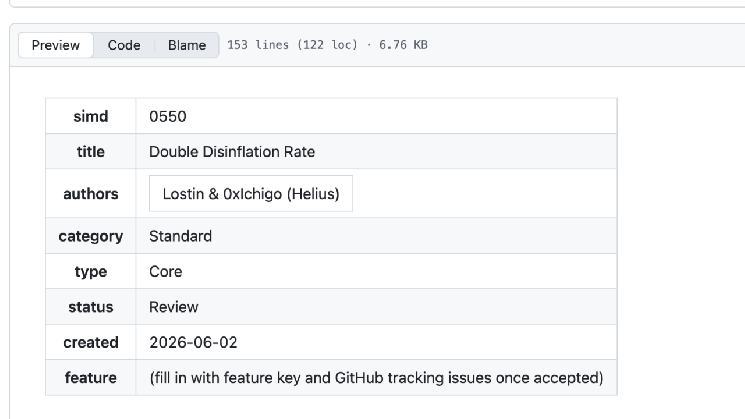
Solana is moving towards a stricter monetary model that could lead to a SOL deficit and significantly reduce staking rewards for holders. Two governance proposals drive these changes. SIMD-550, currently under vote, would double Solana's annual disinflation rate from 15% to 30%, accelerating the timeline to reach a final inflation rate of ~1.5% to the first half of 2029. The second, SIMD-553 (already approved), introduces additional token burning tied to computational units used on the network. Together, these measures could reduce SOL emission by an estimated $1.4-$1.5 billion over six years. The immediate impact would be lower staking yields, potentially falling from the current ~5.25% to approximately 4.34% in year one, 3% in year two, and 2.25% by year three. Analyst Matt Mena from 21Shares suggests inflation should be tied to economic metrics to help offset this decline. The changes also raise concerns for validator economics, with some potentially becoming unprofitable as inflation rewards decrease and voting costs may rise. However, the lower passive yield might push a significant portion of the 67.9% staked SOL into Solana's DeFi ecosystem for activities like lending and trading. This shift could boost network fee revenue to compensate for lower inflation rewards. The proposals aim to trade lower yield today for less dilution tomorrow, betting that network growth and usage will make this a worthwhile trade-off for SOL holders.

cryptonews.ru1 h fa

Solana Proposals Could Lead to Reduction in Staking Yields to 2.25% and Cut Emissions by $1.5 Billion

cryptonews.ru1 h fa

Trading

Spot
活动图片