由Axelar、J.P.Morgan Onyx、Provence&Apollo支持的“Project Guardian”:撑起5.5万亿美元资管业务的下一代概念证明(PoC)

Odaily星球日报Pubblicato 2023-11-15Pubblicato ultima volta 2023-11-15

Introduzione

使可互操作区块链上的交易结算流程更标准化。

由跨链基础设施协议 Axelar 联合摩根大通 OnyxProvenance 和 Apollo 推出的这一概念验证(Proof-of-Concept,PoC),展示了一种新的解决方案:投资经理可以使用他们选择的区块链上的代币化基金,在多个互连的链上购买和再配置代币化资产的头寸,来形成投资组合。

Axelar 作为连接 50 多条区块链的可互操作跨链基础设施,现已成为 CeFi 和 DeFi 世界的桥梁,它与摩根大通和 Apolloon 的 Onyx 合作,成功地进行了一项实验,展示了如何使用智能合约来大规模管理客户投资组合。在概念证明中,区块链技术被用于执行交易,并实现代币化金融资产(RWA)的自动化投资组合管理。

自 2022 年主网发布以来,Axelar(AXL)通过其连接 53 条链的跨链协议,形成安全、可编程的网络,并使用混合系统实现了链下系统与链上网络集成,桥接了超过 60 亿美元的资产。

概念验证的最具创新性的部分之一是,投资经理通过用另一只 Apollo 私募股权基金取代一只 Apollo 私人股本基金来改变投资模型,使用再平衡模块自动重新配置遵循策略的 100 个投资组合,包括下单和结算环节,发挥了区块链特有的可组合性和自动化特性,同时大大减少了人为错误。

这项概念验证的合作是新加坡金融管理局“Project Guardian”的一部分,旨在使可互操作区块链上的交易结算流程更标准化。

Onyx Digital Assets 负责人 Tyrone Lobban 表示:“我们认为,使用智能合约、代币化资产和程序化链接模型,可以自动快速地重新配置投资组合,无论这些投资组合是否包含传统资产、另类资产,还是使用多个分类账……现在有很多关于跨链 RWA 如何加剧流动性和体验碎片化的讨论。因此,我们开始探索如何使用跨 EVM 和非 EVM 链的互操作性方案来解决这个问题。”

摩根大通的 Onyx 利用 Axelar 跨链技术实现与 Provenance Blockchain Zone 提供的私有、经由许可的区块链的互操作性,支持包括 Apollo 基金在内的资产代币化。Provenance 在链上锁定了 90 亿美元的 RWA 资产价值。

Axelar Inc. 首席执行官 Sergey Gorbunov 表示:“利用 Axelar,J.P. Morgan 的 Onyx 能够在投资组合管理中引入可组合性和可编程性,通过在 100 个投资组合中实现模块化重新平衡自动化。这是区块链互操作性的一个强有力的例子。”

本周在新加坡金融科技节上发布的一份报告对 POC 进行了全面描述。

欲了解更多信息,请访问 www.axelar.network 或加入 Axelar Discord

Letture associate

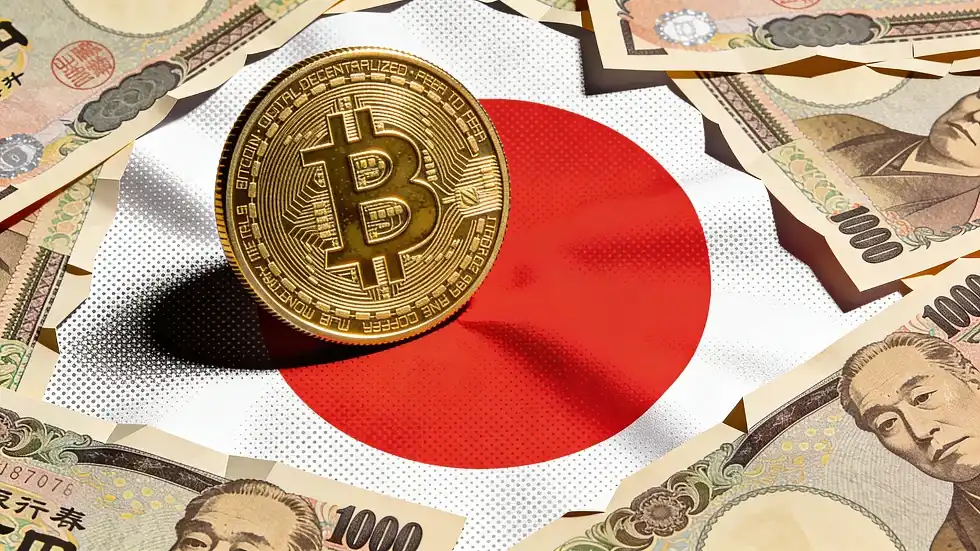
Why Is the World Nervous About Japan Raising Interest Rates?

In June 2026, the Bank of Japan raised its policy rate to 1%, marking its first hike to this level since 1995. While this rate remains low compared to global peers like the US and Europe, the move signals a profound shift for a nation that has been a global source of ultra-cheap funding for decades. Japan's long-standing near-zero or negative interest rates had facilitated massive "yen carry trades," where international investors borrowed low-cost yen to invest in higher-yielding assets worldwide, such as US tech stocks and emerging market bonds. This made Japan a critical, often overlooked, source of global liquidity. Japan's ultra-loose policy stemmed from structural challenges post-1990s asset bubble: aging demographics, chronic low inflation/deflation, and high public debt. Recent shifts, including sustained wage growth (exceeding 5% in recent years) and inflation consistently above the 2% target, have created a "wage-price spiral" possibility, prompting the policy normalization. The global market's concern lies not in the absolute rate but in the potential unwinding of the yen carry trade. As Japanese borrowing costs rise, the economics of these leveraged global investments change, potentially triggering deleveraging and capital outflows from risk assets. Market anxiety focuses on the end of a thirty-year consensus that Japan would perpetually provide cheap funding. Ultimately, the global impact will depend on the interplay with US monetary policy. While Japan is tightening, the significant interest rate differential with the US remains. The key future dynamic is whether simultaneous Japanese hikes and eventual US rate cuts will narrow this gap, forcing a major recalibration of global capital flows and asset pricing built on an era of abundant, cheap yen liquidity.

marsbit5 h fa

Why Is the World Nervous About Japan Raising Interest Rates?

marsbit5 h fa

Trading

Spot
Futures
活动图片