交易所的ETH余额跌至 5 年低点,显示出乐观情绪

Tap Chi BitcoinPubblicato 2023-05-24Pubblicato ultima volta 2023-05-24

Introduzione

综上所述,交易所持有的ETH数量处于历史低位表明人们对以太坊未来前景的信心不断增强。向去中心化解决方案的转变、PoS 的转变以及 DeFi 的日益普及都有助于人们对ETH的价值及其作为领先区块链平台的地位持乐观态度。

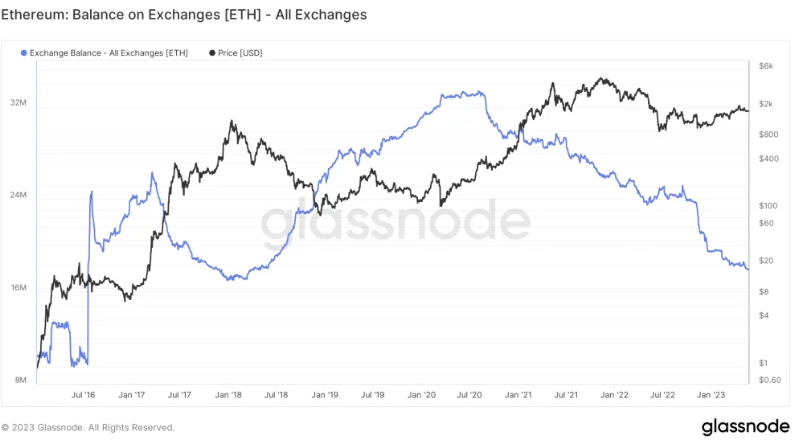
Glassnode 数据揭示了以太坊市场的一个重要趋势。具体而言,交易所持有的ETH数量降至 2018 年 4 月以来的最低水平。交易所余额的下降表明越来越多的人相信以太坊的潜力,并反映了向 PoS 的持续过渡和去中心化金融的普及。

随着时间的推移交易所的ETH余额 |资料来源:Glassnode

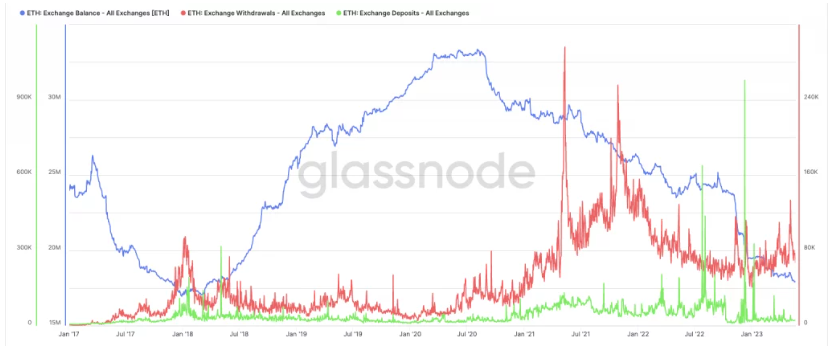
提款一直超过存款,导致超过 15.9 亿的ETH从交易所转移。这一变化表明投资者希望从上行潜力中获益并积极参与以太坊生态系统,他们的前景更为长远。

交易所(蓝色)、存款(绿色)和取款(红色)的ETH余额|资料来源:Glassnode

向 PoS 的过渡提供了可扩展性、安全性和可持续性的优势,这有助于减少交易所的ETH余额。当网络升级到以太坊 2.0 时,许多投资者选择将ETH存放在个人钱包中并参与 Staking。

ETH在交易所的下跌也反映了 DeFi 平台的日益普及,这些平台为用户提供基于以太坊区块链智能合约的各种金融服务。这种向去中心化解决方案的转变代表了以太坊生态系统的成熟特性。

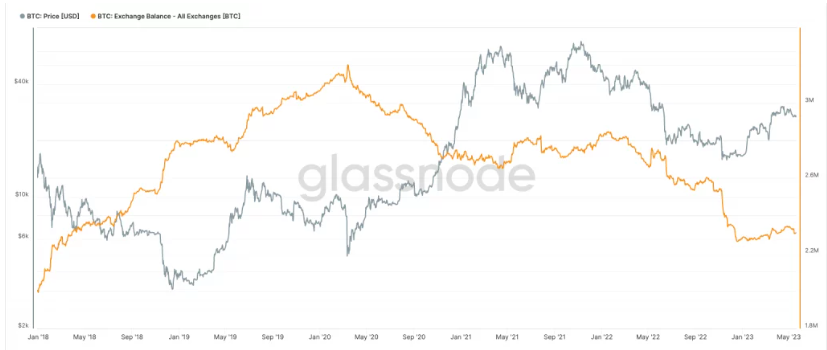
BTC交易余额随时间变化 |资料来源:Glassnode

虽然交易所ETH余额下降表明市场情绪乐观,但有必要承认加密市场固有的波动性。投资者在作出任何投资决定前应进行深入研究并寻求专业意见。

综上所述,综上所述,交易所持有的ETH数量处于历史低位表明人们对以太坊未来前景的信心不断增强。向去中心化解决方案的转变、PoS 的转变以及 DeFi 的日益普及都有助于人们对ETH的价值及其作为领先区块链平台的地位持乐观态度。

Letture associate

STRC Major De-pegging's First Financial Report, How Will Strategy Repair Its Capital Flywheel?

Bitcoin treasury company Strategy released its Q2 2026 earnings report on July 31. Despite a 6.9% year-over-year revenue increase to $122 million, the company recorded a net loss of $8.22 billion, largely due to $8.32 billion in unrealized losses from Bitcoin price fluctuations. As of quarter-end, Strategy holds 843,775 BTC with an average cost of $75,000 per coin, and Bitcoin per share increased. The report highlights a critical shift in Strategy's capital model following the de-pegging of its key financing tool, STRC (Strategic Coin), which fell below its $100 target. Management's top priority is restoring STRC to its target value, aiming for a recovery by September 8. They rule out discounted STRC issuances and plan to maintain its dividend yield at 12%, instead focusing on bolstering its $3.75 billion cash reserve. Strategy has moved from a one-way "buy-and-hold" Bitcoin strategy to active capital management. This new approach, part of its "Digital Credit Capital Framework," involves flexibly managing its balance sheet across four elements: BTC, USD cash, common stock (MSTR), and digital credit securities like STRC. This allows for BTC monetization (having sold $218.4 million in BTC so far), strategic repurchases of discounted securities, and debt optimization, as seen with a $1.5 billion convertible bond buyback. The company's future hinges on two key tests: successfully re-pegging STRC to restore market confidence in its digital credit system, and a long-term recovery in Bitcoin's price to ultimately support its growth thesis.

marsbit10 min fa

STRC Major De-pegging's First Financial Report, How Will Strategy Repair Its Capital Flywheel?

marsbit10 min fa

STRC's First Financial Report Post-Depegging, How is Strategy Restoring the Capital Flywheel?

On July 31, 2026, Bitcoin treasury company Strategy released its Q2 financial report. Despite a 6.9% year-over-year increase in revenue to $122 million, the company recorded a substantial net loss of $8.22 billion, primarily due to $8.32 billion in unrealized losses from Bitcoin holdings. While Strategy's core Bitcoin strategy remains intact—its holdings grew 11% to 843,775 BTC—the company is undergoing a fundamental shift in its capital model. Following the de-pegging of its key financing tool, the STRCoin (STRC), from its $100 target in May, Strategy has pivoted from a one-directional "raise funds, buy Bitcoin" cycle to a more dynamic, multi-asset capital management approach. A key part of this new framework is the "Monetization Program," through which Strategy has sold approximately $218.4 million worth of BTC to bolster liquidity. The company's top priority is repairing STRC's peg, committing not to issue discounted shares until it returns to its target range. It has initiated a $1 billion buyback program for discounted digital credit securities, having repurchased $28.9 million face value of STRC so far. Management aims to restore the peg around September 8, 2026. Strategy now actively manages a matrix of assets: Bitcoin (for accumulation or strategic sales), USD cash reserves (now at $3.75 billion), common stock (MSTR), and digital credit securities like STRC. This allows for tactical moves like repurchasing discounted debt or equity to capture value. The future success of Strategy's "capital flywheel" hinges on two factors: the short-term ability to successfully re-peg STRC to restore market confidence in its digital credit system, and the long-term price trajectory of Bitcoin, upon which its entire investment thesis ultimately depends.

Odaily星球日报15 min fa

STRC's First Financial Report Post-Depegging, How is Strategy Restoring the Capital Flywheel?

Odaily星球日报15 min fa

With Two Consecutive Quarters of Losses, Coinbase Must Rely on Paths Beyond Trading

Coinbase posted its second consecutive quarterly net loss of $359 million on $1.22 billion in revenue for Q2, highlighting its vulnerability to crypto market cycles where weaker prices and lower volatility reduce user trading. However, the report also reveals a strategic shift in its business model. Despite a 25% quarter-over-quarter decline in global spot trading volume, Coinbase increased its market share to a company-record 10.3%. This suggests its position as a compliant U.S. on-ramp is strengthening even in a cooler market. A key development is the diversification of revenue streams. Transaction revenue fell to $599 million, nearly equaling subscription and services revenue of $555 million. Stablecoin services, generating $292 million, are becoming a crucial revenue "floor." This income, derived from interest on the $20 billion average USDC balance held on its platform, is less tied to daily trading activity. Furthermore, while spot trading volume dropped significantly, derivatives volume held steady at $1.03 trillion. Coinbase is pushing to integrate spot, stablecoin, and derivatives liquidity to create a more interconnected and sticky ecosystem for users. The GAAP net loss includes non-cash expenses like stock-based compensation and crypto asset valuation changes. Its adjusted EBITDA remained positive at $208 million for the 14th straight quarter, indicating core operations can cover ongoing costs. The company is also reducing expenses to manage the downturn. The central question moving forward is whether Coinbase's growing market share, stablecoin revenues, and expanding product integration can sufficiently offset the inherent cyclicality of its core trading business during future market contractions.

marsbit31 min fa

With Two Consecutive Quarters of Losses, Coinbase Must Rely on Paths Beyond Trading

marsbit31 min fa

Trading

Spot
活动图片