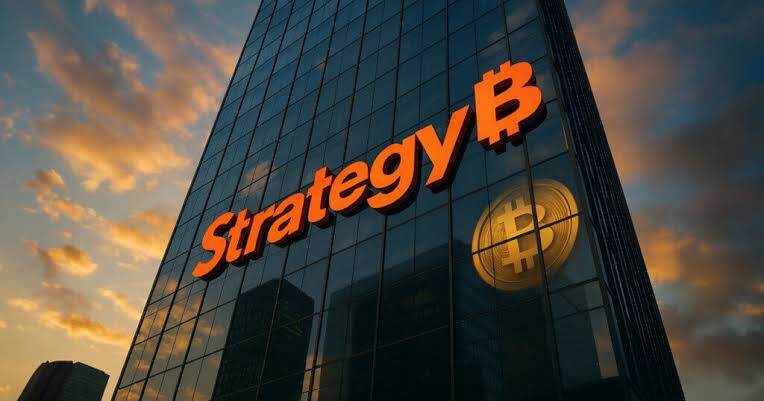
随着香港为散户投资者开放加密货币交易,比特币跃升至关键价格阻力位

CoindeskPubblicato 2023-05-24Pubblicato ultima volta 2023-05-24

Introduzione

由于香港表示散户投资者可以从 6 月 1 日起交易数字资产,比特币 ( BTC ) 周二早盘升至关键价格阻力位。

由于香港表示散户投资者可以从 6 月 1 日起交易数字资产,比特币 ( BTC ) 周二早盘升至关键价格阻力位。

香港证券及期货事务监察委员会 (SFC) 宣布将从 6 月 1 日起接受交易所向散户投资者提供加密货币交易的申请,并补充说获批的代币需要有 12 个月的业绩记录和可观的市值。证监会表示,注册交易所将被禁止提供稳定币和生息工具。

该公告符合长期以来的预期,即亚洲的发展将促进下一次加密货币牛市,并与西方,尤其是美国缺乏规律性形成鲜明对比

比特币在亚洲时段上涨超过 2% 至 27,500 美元,试探了连接头肩 (H&S) 形态第一和第二波谷的水平趋势线的前支撑转阻力位。本月初,该加密货币跌破趋势线,证实了 H&S 的崩溃,并为进一步下滑至 25,000 美元打开了大门。

“这看起来像是一个与宏观无关的基于现货的举动,而且时间恰逢香港将从 6 月 1 日起允许在许可数字资产平台上进行BTC和ETH零售交易的消息,”Noelle Acheson,作者Crypto Is Macro Now 通讯,在周二的版本中说。 “这并不完全出人意料——裁决和时间安排在很大程度上是意料之中的。但在一个低迷的市场中,由于来自其他方面的不利因素, 确认更为重要,”艾奇逊补充道。

Per Acheson 表示,香港为散户投资者开绿灯加密货币交易的决定并不意味着对加密货币的需求会大量涌现,因为本地交易商可能已经通过离岸场所进入市场。尽管如此,艾奇逊指出,该公告是“一个受欢迎的提醒,即加密货币采用池在明年及以后可能会大幅增长”。
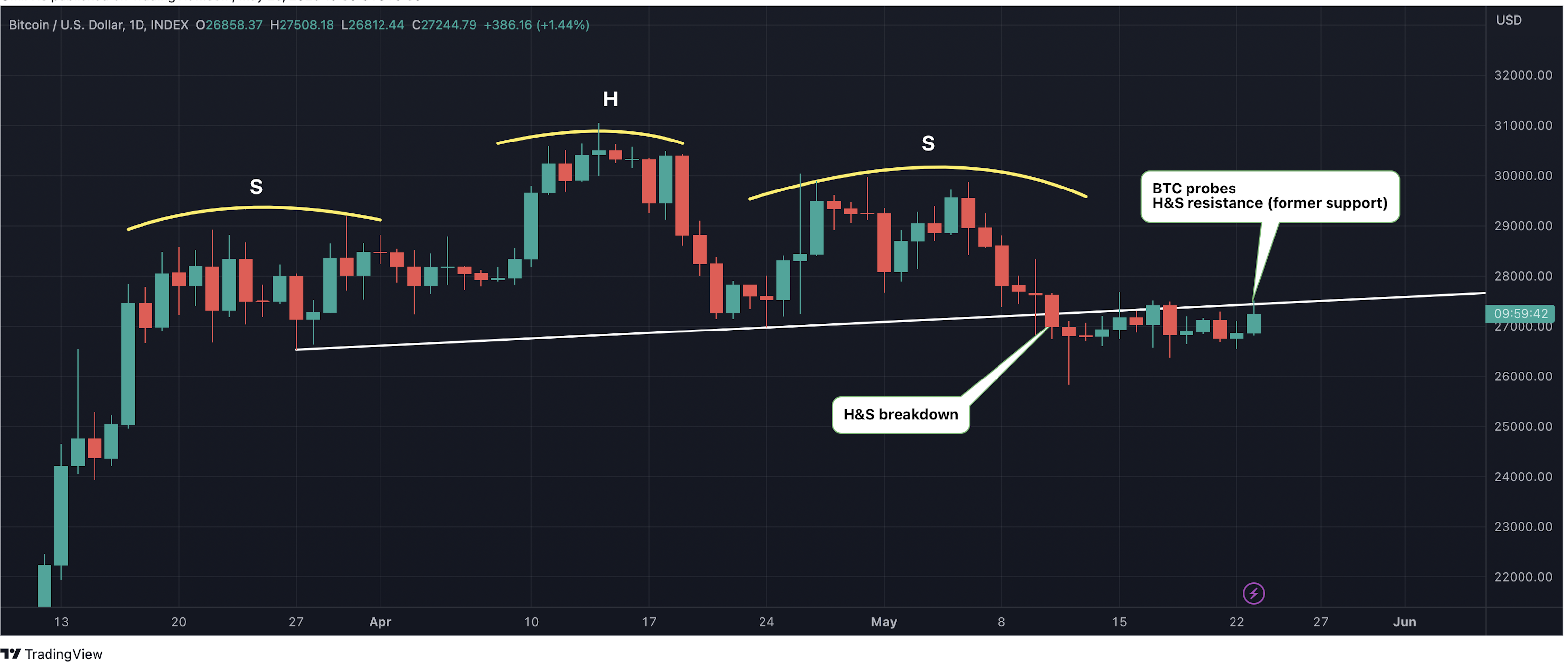
比特币周二早些时候升至 H&S 阻力位。 (TradingView)(TradingView)

据总部位于加拿大的数字资产流动性提供者Secure Digital Markets 称,比特币需要清除 H&S 趋势线阻力位和 27,500 美元的 20 天简单移动平均线才能确认牛市复苏。

“只要价格保持在这种 [H&S] 形态的颈线 [水平趋势线] 以及 20 日移动平均线下方,我们就应该预期会进一步下跌至 25,250 美元,可能跌至 24,000 美元,”那里的分析师写道。

比特币的短期前景还取决于正在进行的美国债务上限戏剧和美元指数的轨迹。财政部长珍妮特耶伦警告说,如果不能达成债务协议,政府将在 6 月初耗尽资金,为许多人所说的灾难性违约敞开大门。 一些分析师表示,成功解决债务上限问题可能会让财政部从市场吸走流动性,并对比特币施加下行压力。

最后,债券收益率正在上升,这表明投资者正在重新评估美联储继续其加息行动并在更长时间内保持较高借贷成本的可能性。

截至发稿时,美国 10 年期国债收益率升至 3.75% 的两个多月高位,而两年期国债收益率则跳升至 4.4%,为 3 月 13 日以来的最高水平。收益率上升削弱了科技股等风险资产的吸引力,加密货币和黄金等零收益资产。

Letture associate

Global Market Share Survey: Japanese Firms Lead in Semiconductor Materials

Global Market Share Survey: Japanese Firms Lead in Semiconductor Materials According to the 2025 "Major Goods and Services Market Share Survey" by Nikkei, Japanese companies maintain strong positions in semiconductor-related materials. In silicon wafers, Shin-Etsu Chemical ranks first with a 26.3% share, followed by SUMCO at 17.8%. Together, they hold 44.1% of the market, widening their lead over competitors from Taiwan, Germany, and South Korea. In photoresists, Tokyo Ohka Kogyo, JSR, and Shin-Etsu Chemical occupy the top three spots, with a combined share of 60.5%. Despite their strength in materials, Japanese firms have a weaker presence in core semiconductor segments like DRAM and NAND flash memory, where South Korean and U.S. companies dominate. For instance, SK Hynix and Samsung lead in DRAM, while China’s CXMT doubled its share to 6% in 2025. The semiconductor market is projected to grow rapidly, with WSTS forecasting a 90% increase to $1.5112 trillion by 2026. Major players like Samsung, SK Hynix, and Micron are making massive investments to expand capacity. To maintain their edge in materials, Japanese companies must similarly commit to large-scale, risk-taking investments. In contrast, Japan’s automotive sector shows stagnation. Toyota remains the global leader but with only a slight share increase to 12.3%, while Japanese brands are absent from the top five in the EV market. In shipbuilding, Imabari Shipbuilding rose to third place globally with a 7.2% share, benefiting from large container ship deliveries. However, Chinese and South Korean firms dominate the sector, holding the top two positions. Japan aims to revitalize its shipbuilding industry through government and corporate efforts, targeting a near doubling of output by 2035. Addressing labor shortages and adopting advanced technologies like physical AI will be critical for competitiveness.

marsbit23 min fa

Global Market Share Survey: Japanese Firms Lead in Semiconductor Materials

marsbit23 min fa

STRC Major De-pegging's First Financial Report, How Will Strategy Repair Its Capital Flywheel?

Bitcoin treasury company Strategy released its Q2 2026 earnings report on July 31. Despite a 6.9% year-over-year revenue increase to $122 million, the company recorded a net loss of $8.22 billion, largely due to $8.32 billion in unrealized losses from Bitcoin price fluctuations. As of quarter-end, Strategy holds 843,775 BTC with an average cost of $75,000 per coin, and Bitcoin per share increased. The report highlights a critical shift in Strategy's capital model following the de-pegging of its key financing tool, STRC (Strategic Coin), which fell below its $100 target. Management's top priority is restoring STRC to its target value, aiming for a recovery by September 8. They rule out discounted STRC issuances and plan to maintain its dividend yield at 12%, instead focusing on bolstering its $3.75 billion cash reserve. Strategy has moved from a one-way "buy-and-hold" Bitcoin strategy to active capital management. This new approach, part of its "Digital Credit Capital Framework," involves flexibly managing its balance sheet across four elements: BTC, USD cash, common stock (MSTR), and digital credit securities like STRC. This allows for BTC monetization (having sold $218.4 million in BTC so far), strategic repurchases of discounted securities, and debt optimization, as seen with a $1.5 billion convertible bond buyback. The company's future hinges on two key tests: successfully re-pegging STRC to restore market confidence in its digital credit system, and a long-term recovery in Bitcoin's price to ultimately support its growth thesis.

marsbit1 h fa

STRC Major De-pegging's First Financial Report, How Will Strategy Repair Its Capital Flywheel?

marsbit1 h fa

STRC's First Financial Report Post-Depegging, How is Strategy Restoring the Capital Flywheel?

On July 31, 2026, Bitcoin treasury company Strategy released its Q2 financial report. Despite a 6.9% year-over-year increase in revenue to $122 million, the company recorded a substantial net loss of $8.22 billion, primarily due to $8.32 billion in unrealized losses from Bitcoin holdings. While Strategy's core Bitcoin strategy remains intact—its holdings grew 11% to 843,775 BTC—the company is undergoing a fundamental shift in its capital model. Following the de-pegging of its key financing tool, the STRCoin (STRC), from its $100 target in May, Strategy has pivoted from a one-directional "raise funds, buy Bitcoin" cycle to a more dynamic, multi-asset capital management approach. A key part of this new framework is the "Monetization Program," through which Strategy has sold approximately $218.4 million worth of BTC to bolster liquidity. The company's top priority is repairing STRC's peg, committing not to issue discounted shares until it returns to its target range. It has initiated a $1 billion buyback program for discounted digital credit securities, having repurchased $28.9 million face value of STRC so far. Management aims to restore the peg around September 8, 2026. Strategy now actively manages a matrix of assets: Bitcoin (for accumulation or strategic sales), USD cash reserves (now at $3.75 billion), common stock (MSTR), and digital credit securities like STRC. This allows for tactical moves like repurchasing discounted debt or equity to capture value. The future success of Strategy's "capital flywheel" hinges on two factors: the short-term ability to successfully re-peg STRC to restore market confidence in its digital credit system, and the long-term price trajectory of Bitcoin, upon which its entire investment thesis ultimately depends.

Odaily星球日报1 h fa

STRC's First Financial Report Post-Depegging, How is Strategy Restoring the Capital Flywheel?

Odaily星球日报1 h fa

Trading

Spot
活动图片