【研报精选】是否停止加息步伐,美联储面临两难

投研第一线Pubblicato 2023-04-24Pubblicato ultima volta 2023-04-28

Introduzione

培风客认为,过去几天市场下行的原因为:(1)过去两个月稳定的narrative被证伪了,一个是软着陆,一个是浅萧条,大家现在不知道要怎么说故事了;(2)债务上限的问题若隐若现,不知道怎么解决;(3)FOMC本身的不确定性太大了,鲍威尔如果在五月继续和稀泥+缩表,那大家闻弦歌而知雅意,就是继续人造风险。

我觉得最近几天市场的混乱,很多负相关性的资产走势都一起跌,主要就是三个原因

1,过去两个月稳定的narrative被证伪了,一个是软着陆,一个是浅萧条,大家现在不知道要怎么说故事了

2,债务上限的问题若隐若现,不知道怎么解决

3,FOMC本身的不确定性太大了,鲍威尔如果在五月继续和稀泥+缩表,那大家闻弦歌而知雅意,就是继续人造风险

具体来说

- 和年初至今一样,我们依然找不到通胀回落的证据,今晚美国的制造业PMI初值都在50以上了。说明之前反复讨论的可能性还是存在:今年美国如果不人造一个萧条或者风险出来,通胀几乎没有自然回落到2%的可能性。

(多说一句,我觉得联储迟早要提高自己的通胀目标,他们现在就是为了自己的所谓节操,在做一些没法解释的事情。如果有一天美国的群众事后发现,联储意在通过制造失业来压制通胀....

当记者们问他这一点的时候,就是翻来覆去一句,没有稳定的通胀我们无法实现任何事情。

我很多时候就想和他说,没有了全球化,没有了太平洋两岸的合作,很多事情已经无法实现了,我不相信在一个混乱甚至战争的年代可以有稳定的物价

一个朋友说的很好:国民党发金圆券并不是因为他们想制造通胀,而是因为他们在打仗。)

- 但美国的经济依然很好,到4月5号的数据,工商业贷款和居民消费贷款都在增加。说明一个很简单的事情,美国人根本不会因为你什么利率在通胀预期之上就不贷款,哪个平头老百姓贷款的时候算通胀预期?大家很简单,只要不失业,继续有工作,那就继续用稳定的现金流预期去贷款。

所以合在一起,其实答案是呼之欲出的,联储的算盘是:通过加息,制造困难,提高失业率,降低通胀,然后他们想的是,现在经济还不错,菲利普斯曲线很陡峭,那么一点点失业率提高就可以降低通胀很多。

理论现在遇到问题了,几个问题都存在

第一,加息到目前为止,还没有给经济造成太多实质性的困难。

换句话说,现在这个利率水平,我们还没有看到经济的下行证据,你可以说下半年会发生,但这事很难说的准。
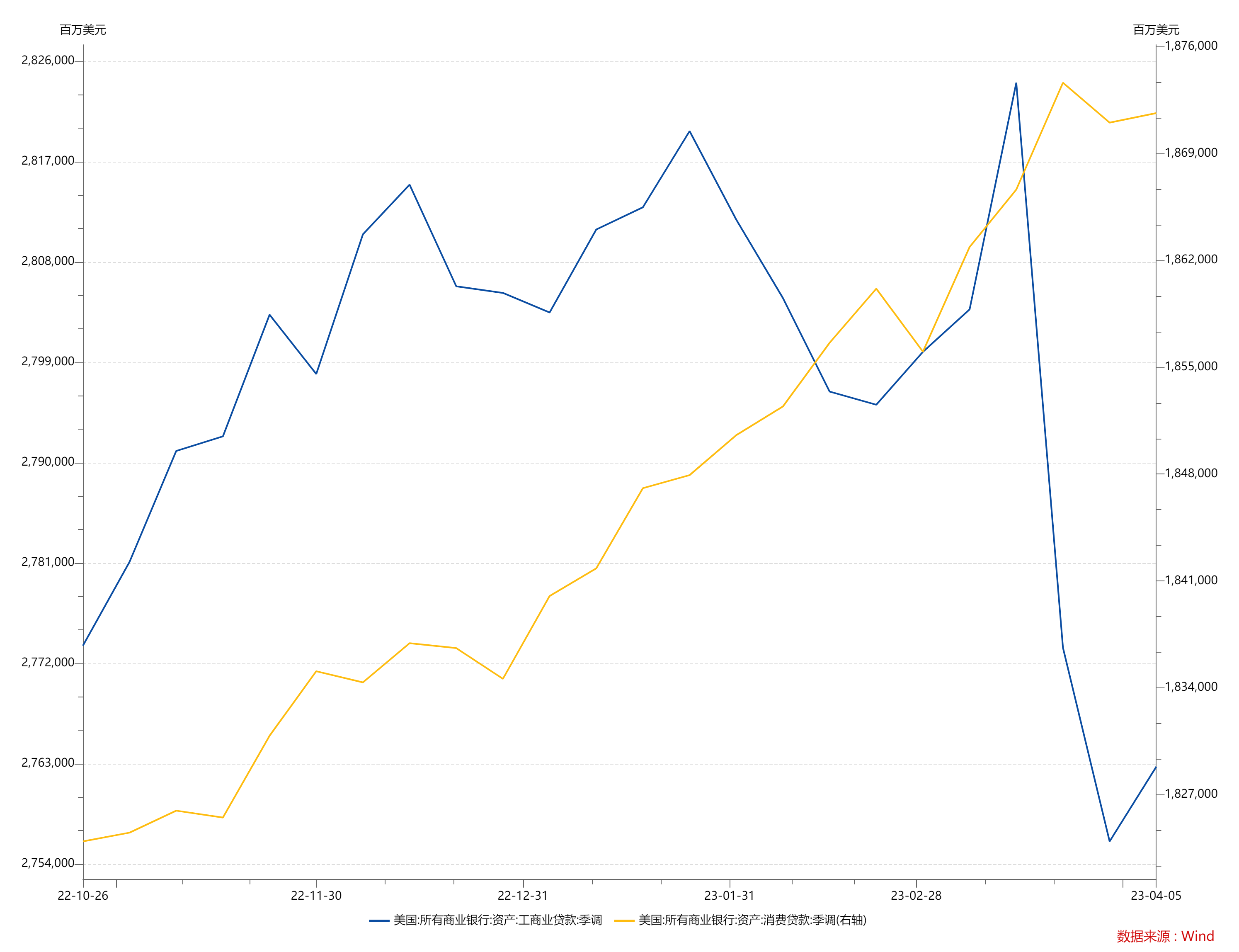
工商业贷款降低幅度很大,但四月初就已经回暖了。最新的数据我估计可能也不错

第二,经济没困难银行市场反而出了风险

那联储反应也很快,他说银行市场出风险,也可以降低通胀预期。给了自己一个很好的借口。

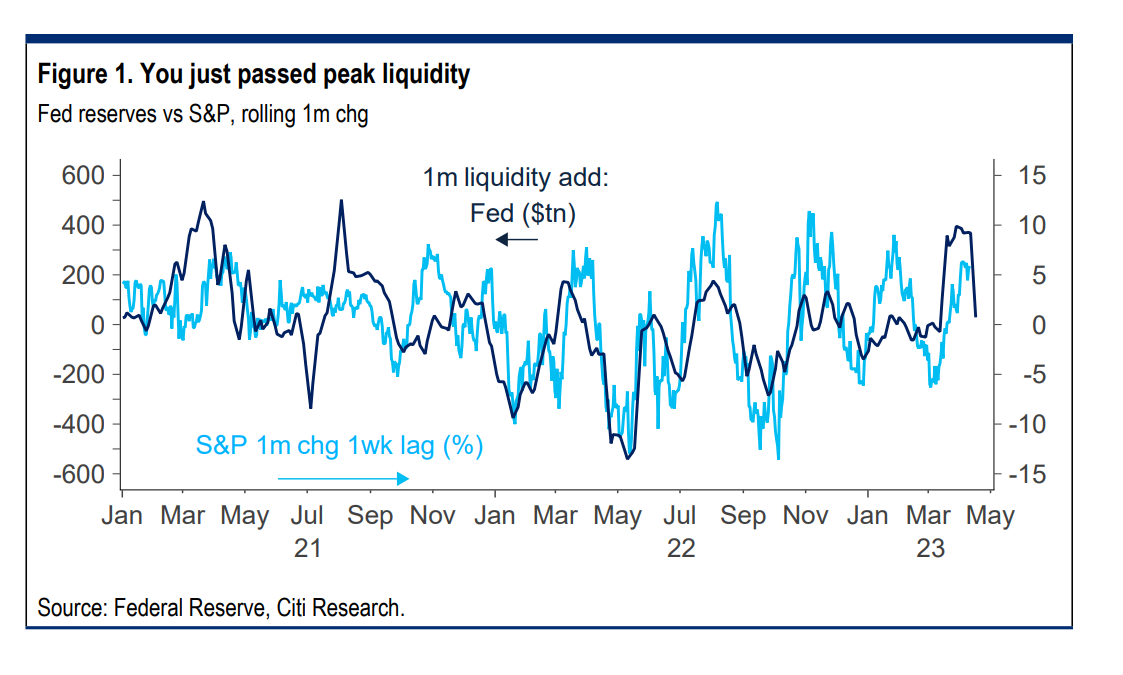
然后给市场注入了很多流动性,导致花旗前几天说银行风险平息后,由于流动性顶点过了,市场可能反而有风险
所以我感觉联储一开始的计划是:

- 菲利普斯曲线很陡峭,所以一点点失业率走高就可以降低通胀,软着陆

后面的计划可能是

- 银行出风险,股票下跌,倒逼市场通胀预期降低,降低通胀预期,浅萧条

现在在五月四号之前,我们看到的是通胀很有黏性。
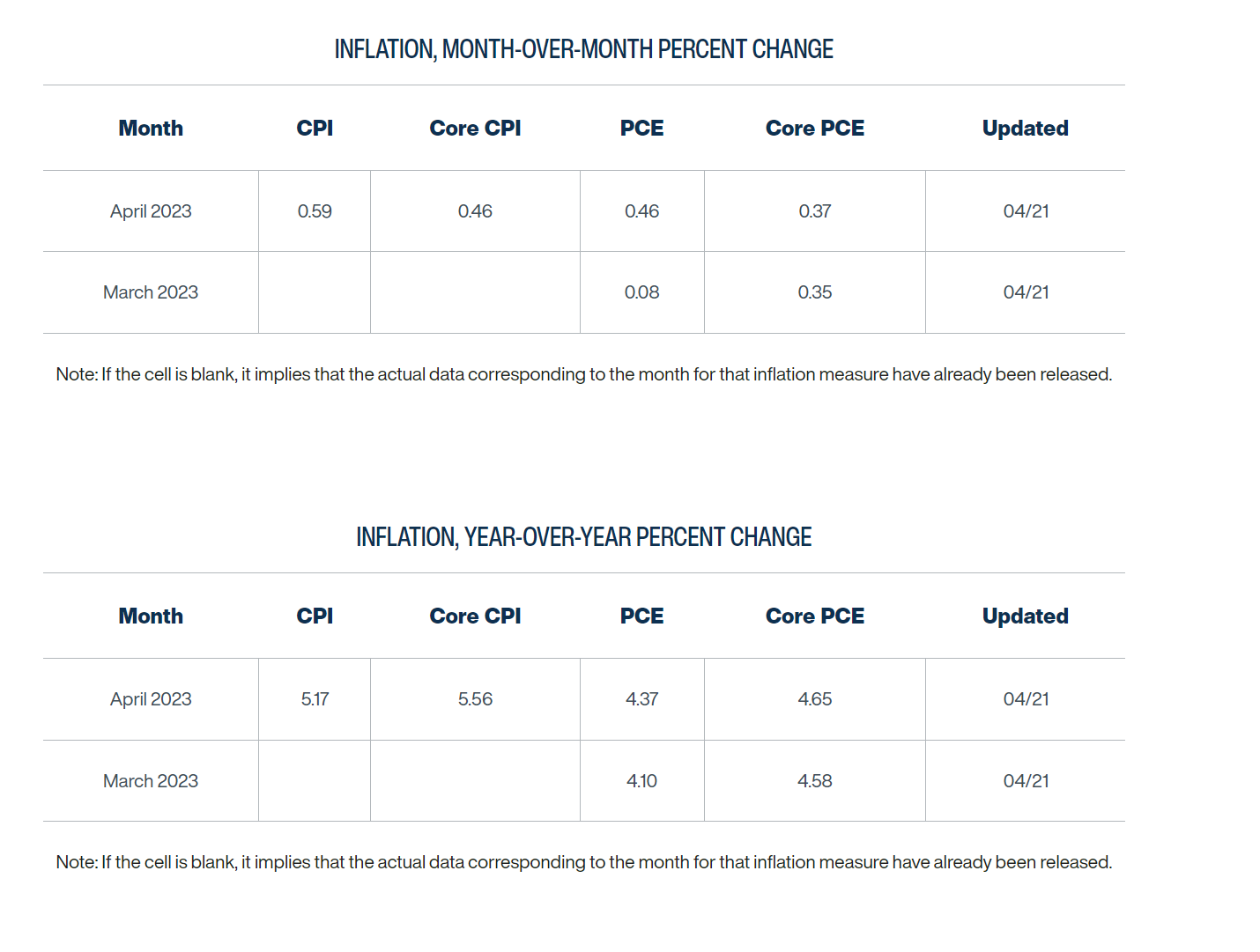
Inflation Nowcasting会告诉你,四月份的核心通胀不一定比三月份低

然后银行的风险走完之后,发现工商业贷款又开始往上了....

那不仅我很好奇,我觉得市场也会思考,那5月4号摆在联储面前还是三条路。

- 继续加息控制通胀,完全逆转市场的预期,但这样我觉得肯定有人会去思考联储的Policy mistake,因为有可能下半年变成你一边加息,通胀一边走高,很简单,欧洲和中国情况都不差,中国下半年PPI总会见底,你去看空欧洲发现这半个月欧洲的银行反弹比美国凶,什么意大利的银行涨的飞起

- 停止加息,然后说自己要维持更长的时间,部分逆转市场的预期,然后反正就停在这里,不出风险不降息,失业率不走高绝对不降息。这个可能性我觉得是最大的。但这样做的问题在于政治严重不正确,我就很想知道,如果2023年H2,经济很坚挺,然后2024年H1美国萧条了,民主党会不会怀疑鲍威尔这个共和党人其实唱了一曲忠诚的赞歌。报答当年提拔他的特朗普

- 停止加息,然后鸽派,这个我觉得其实对经济可能是不差的,但联储估计是没有魄力这样做。

其实路径是没变的,3月份看五月份也是这样,但我觉得这一个月后市场心态变了。因为之前指望的两个路径快被证伪了

1,通胀因为基数回落,现在发现核心服务非常坚挺

2,银行风险没有扩散就要消弭(虽然我自己觉得他后面还会有余波,但现在没有)

那我觉得五月份联储如果不给市场一个明确的路线,那市场还是会没有主线。

最差的结果就是,联储5月份加息完,利率在高位停留,经济没什么问题,市场先崩了。金融市场下跌可能会降低短期的通胀预期,但不太会改变长期的供需关系,结果就是后面还是一个通胀。这点就和年初Michael Bury说的很类似。

综上所述,我觉得最近几天市场的混乱,很多负相关性的资产走势都一起跌,主要就是三个原因

1,过去两个月稳定的narrative被证伪了,一个是软着陆,一个是浅萧条,大家现在不知道要怎么说故事了

2,债务上限的问题若隐若现,不知道怎么解决

3,FOMC本身的不确定性太大了,鲍威尔如果在五月继续和稀泥+缩表,那大家闻弦歌而知雅意,就是继续人造风险
国内市场我自己觉得还是之前那个问题

消费医药新能源半导体要涨,必须要公募发行好起来,公募发行好起来,市场必须先热起来

之前说计算机+中特估可以热热场子,但感觉市场情绪一直不热烈,坦率说我觉得中国很多公募投资者,在自己抱团的领域充满奇特的信心,对于自己不抱团的领域充满奇特的偏见。实话说真的很令人看不懂。从2016年到2022年,抱团出一个茅台,一个宁德,并不代表以后市场一定还是这个玩法。一定会有2016-2017年的稳定两年复苏么?一定会有2019-2021年的三年稳定宽松么?

万一树欲静而风不止呢?万一以后就是没有大规模牛市,没有大规模公募新发行,就是不听炒题材,就是不听炒公募持仓低的行业呢?

我觉得美国是联储没有想清楚经济问题,国内是市场结构比较垃圾,其实慢复苏+低通胀+宽松信贷环境对于股票投资一点都不差。
Letture associate

North Korean Hackers Loot $500 Million in a Single Month, Becoming the Top Threat to Crypto Security

North Korean hackers, particularly the notorious Lazarus Group and its subgroup TraderTraitor, have stolen over $500 million from cryptocurrency DeFi platforms in less than three weeks, bringing their total theft for the year to over $700 million. Recent major attacks on Drift Protocol and KelpDAO, resulting in losses of approximately $286 million and $290 million respectively, highlight a strategic shift: instead of targeting core smart contracts, attackers are now exploiting vulnerabilities in peripheral infrastructure. For instance, the KelpDAO attack involved compromising downstream RPC infrastructure used by LayerZero's decentralized validation network (DVN), allowing manipulation without breaching core cryptography. This sophisticated approach mirrors advanced corporate cyber-espionage. Additionally, North Korea has systematically infiltrated the global crypto workforce, with an estimated 100 operatives using fake identities to gain employment at blockchain companies, enabling long-term access to sensitive systems and facilitating large-scale thefts. According to Chainalysis, North Korean-linked hackers stole a record $2 billion in 2025, accounting for 60% of all global crypto theft that year. Their total historical crypto theft has reached $6.75 billion. Post-theft, they employ specialized money laundering methods, heavily relying on Chinese OTC brokers and cross-chain mixing services rather than standard decentralized exchanges. Security experts, while acknowledging the increased sophistication, emphasize that many attacks still exploit fundamental weaknesses like poor access controls and centralized operational risks. Strengthening private key management, limiting privileged access, and enhancing coordination among exchanges, analysts, and law enforcement immediately after an attack are critical to improving defense and fund recovery chances. The industry's challenge now extends beyond secure smart contracts to safeguarding operational security at the infrastructure level.

marsbit1 h fa

North Korean Hackers Loot $500 Million in a Single Month, Becoming the Top Threat to Crypto Security

marsbit1 h fa

Circle CEO's Seoul Visit: No Korean Won Stablecoin Issuance, But Met All Major Korean Banks

Circle CEO Jeremy Allaire's recent activities in Seoul indicate a strategic shift for the company, moving away from issuing a Korean won-backed stablecoin and instead focusing on embedding itself as a key infrastructure provider within Korea’s financial and crypto ecosystem. Despite Korea accounting for nearly 30% of global crypto trading volume—with a market characterized by high retail participation and altcoin dominance—Circle has chosen not to compete for the role of stablecoin issuer. Instead, Allaire met with major Korean banks (including Shinhan, KB, and Woori), financial groups, leading exchanges (Upbit, Bithumb, Coinone), and tech firms like Kakao. This approach reflects a broader industry transition: the core of stablecoin competition is shifting from issuance rights to systemic positioning. With Korean regulators still debating whether banks or tech companies should issue stablecoins, Circle is avoiding regulatory uncertainty by strengthening its role as a service and technology partner. The company is deepening integration with trading platforms, building connections, and promoting stablecoin infrastructure. This positions Circle to benefit regardless of which entity eventually issues a won stablecoin. Allaire also noted the potential for a Chinese yuan stablecoin in the next 3–5 years, underscoring a regional trend of stablecoins becoming more regulated and integrated with traditional finance. Ultimately, Circle’s strategy highlights that future influence in the stablecoin market will belong not necessarily to the issuers, but to the foundational infrastructure layers that enable cross-system transactions.

marsbit1 h fa

Circle CEO's Seoul Visit: No Korean Won Stablecoin Issuance, But Met All Major Korean Banks

marsbit1 h fa

Trading

Spot
Futures
活动图片