【龙虎榜】最高48.3%的BTC投资者获利,FXS领涨算法稳定币

火必研究院Pubblicato 2022-04-02Pubblicato ultima volta 2022-04-03

Introduzione

在BTC价格即将跌破365日均线的背景下,价格触底回升走势出现。

1、大盘走势:BTC获利盘靠近50%

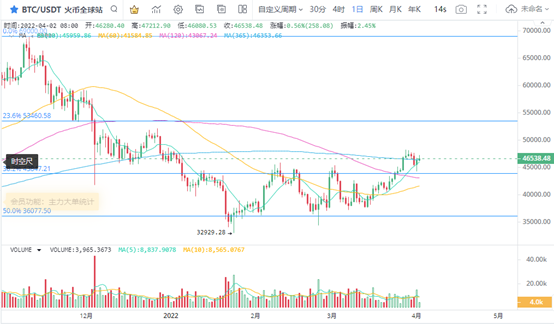
在BTC价格即将跌破365日均线的背景下,价格触底回升走势出现。日K线级别上,BTC短线量价表现较好,放量反弹后对多头依然有利。

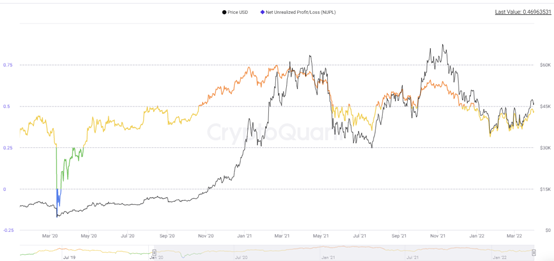
获利盘数量上增长,是近期BTC调整的重要推动因素。从BTC投资者的未确认收益占比变化来看,其未确认的获利交易占比最高达到了48.3%,非常接近50%的重要节点。接下来价格走势也更多反映了获利盘的带来的抛压变化。获利盘增长过快,对价格维持上行趋势不利。

从2020年10月底开始,BTC获利盘数量在50%以上的交易日较多。目前可以看做是BTC提升获利盘数量的关键位置,抛压或将继续压制价格涨幅。
2、消息面解读:

俄乌局势方面,4月1日,乌方罕见空袭了俄西部一处石油基地。另一方面,俄与美西方在能源领域的对抗加剧。普京3月31日签署总统令,对俄“不友好国家和地区”以卢布支付俄天然气的新规于4月1日起生效。局势依然可能推升通胀风险。

同时,美国3月季调后非农就业数据显示,3月非农就业人口增加43.1万人,美国3月失业率降至3.6%,续刷2020年2月以来的新低。

数据公布后,美联储5月份加息50个基点的概率为75.5%。受此影响,BTC月内价格走势震荡整理的可能性较大。随着调整的进行,加息带来的负面因素可持续关注。

3、龙虎榜:

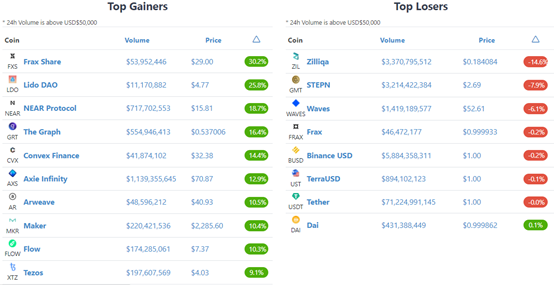
由于主流币短线企稳,多数概念币出现了反弹走势。涨幅排名方面,涨幅较大的有算法稳定币FXS、ETH2.0质押概念币LDO、ETH二层网络NEAR和WEB3.0概念GRT。

除此以外,DeFi概念CVX、GameFi概念AXS等涨幅也较大。
FXS

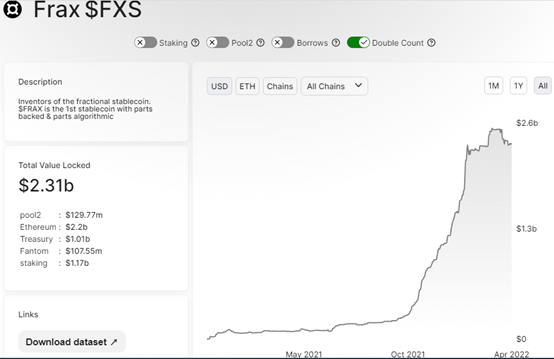
FRAX旨在成为“世界上第一种去中心化的稳定币,其供应代币的一部分有抵押物支撑,一部分由算法维持稳定。”

Frax协议实现了双代币系统:稳定币FRAX和协议治理代币FXS。

2021年第四季度,随着Fraxv2的发布,FRAX获得了大规模采用及整个DeFi系统的联动。截至1月25日,Frax项目资金池通过该团队在2021年第四季度早期推出的AMO(算法做市程序),平均每天赚取50万美元的收入(年化约1.8亿美元)。在同一时期,FRAX的供应量从不足5亿美元攀升至惊人的26亿美元。

价格方面,FXS跟随Terra算法稳定币的平台代币LUNA反弹上涨,24小时上涨达30.2%,波段放量上涨接近1倍。锁仓方面,FXS锁仓23亿美元,其中以太坊链上锁仓达到22亿美元。
LDO

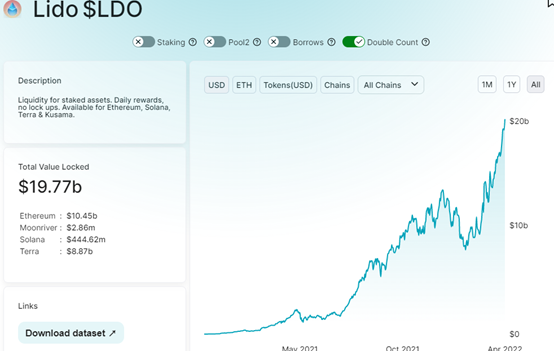
涨幅排名靠前的LDO为以太坊2.0质押流动性解决方案,其TVL增长迅速,数量超过了197亿美元。其中,ETH质押规模更是超过了104亿美元。从用途上看,LDO除了应用在以太坊2.0以外,还在Solana生态、波卡生态、Polygon生态以及Terra生态上有应用前景。作为解决质押流动性问题的LDO,其价格涨幅预期值得关注。
NEAR

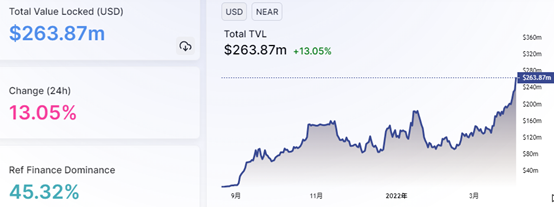
NEAR为以太坊二层解决方案,1月份,NEAR完成了多达1.5亿美元融资,三箭资本领投,a16z等参投

锁仓数据方面,NEAR锁仓数据持续增长,数值创新高达到2.6亿美元。价格方面,NEAR市场表现相对之后,价格还未突破前期收盘价高位20.19美元,后市表现机会较多。
GRT

Graph是去中心化协议,用于索引和查询区块链数据,应用于以太坊。Graph使数据查询变得简单易操作。任何人都可以构建和发布开放的API,使数据易于访问。

Graph代币在协议中主要有两个用途:

索引器质押:索引器质押Graph代币,以便自身被查询市场所发现,同时在执行工作过程中提供经济安全。

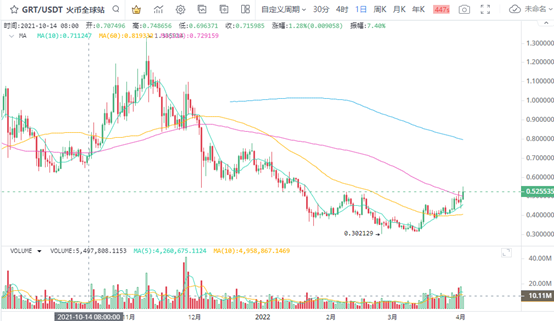
二级市场方面,GRT现价0.52美元相对2021年历史最高2.88元折价82%。目前来看GRT走势稳健,正处在突破120日均线后的上行趋势中。
XTZ

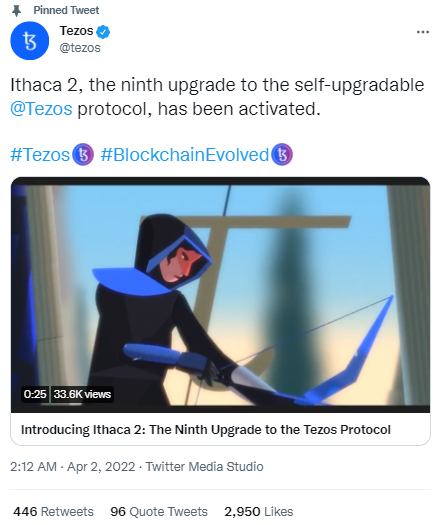
Tezos开发团队NomadicLabs在推特上表示,已发布TezosOctez套件的新版本v12.1,该版本修复了Ithaca2Baker软件中可能导致崩溃的漏洞。Ithaca2也在Tezos主网上激活成功。据悉,Ithaca是Tezos第9个协议升级提案。

受此影响,XTZ价格在24小时内涨幅排名第十位。

日K线方面,XTZ价格走势非常稳健,关注该币的长期表现。
跌幅榜

近期市场表现较好的ZIL、GMT和WAVES回调空间较大。除此以外,多数跌幅居前币种跌幅不大。这说明,整体市场多头依然占据优势,低吸盈利机会较多。
Letture associate

Argentine Banking Groups Quietly Develop Peso-Pegged Stablecoins for the Institutional Market

Argentine banking groups are quietly developing peso-pegged stablecoins for the institutional market. While US dollar-linked stablecoins like USDC and USDT are popular in Argentina, fintech companies are now focusing on local alternatives. Two major initiatives are underway. The BIND Group, through its virtual asset service provider BEN, is developing a peso stablecoin and has partnered with Circle to offer institutional clients payment and treasury use cases. Separately, the Petersen Group is developing a stablecoin called DIPE via a subsidiary, supported by crypto-as-a-service company Lirium. Both projects are being advanced by entities backed by banking conglomerates, not the banks themselves, due to a Central Bank of Argentina ban from May 2022 prohibiting private banks from offering crypto services to clients. The primary target is the institutional sector, which could benefit from the programmable features of a digital peso for treasury management, event-triggered blockchain payments, and collateralized lending management. These initiatives could expand to private banks in the future if the central bank lifts its crypto ban. This development comes as regulators scrutinize existing crypto offerings; in March, the national securities regulator highlighted that the "argt peso" stablecoin was being offered as a security without proper compliance.

cryptonews.ru8 min fa

Argentine Banking Groups Quietly Develop Peso-Pegged Stablecoins for the Institutional Market

cryptonews.ru8 min fa

Pi Network Price Forecast: Can a $12 Million Robotics Bet Save PI From a New All-Time Low?

Pi Network (PI) price faces intense pressure, dropping to $0.07286 on July 28th (-5.60%). It is testing key technical support at the lower Bollinger Band ($0.07003), just above its all-time low. A close below this level would signal a likely plunge into uncharted territory with no established historical support underneath. The sell-off is fueled by viral market criticism regarding unclear tokenomics. An analysis by Mahidhar Crypto highlighted unanswered questions about Pi's total supply of 100 billion tokens, with only 16.8% currently minted/mainnet. This lack of clarity on the remaining ~83.2B tokens and the absence of a burn mechanism have created uncertainty, pressuring marginal holders to sell. Amidst the bearish sentiment, Pi Network Ventures participated in a $12M seed round for physical AI robotics startup Axis Robotics. While this signals ecosystem expansion beyond crypto, its direct impact on the PI token price is considered indirect at best against the dominant supply-side concerns. **Price Forecast Scenarios:** * **Bull Case:** PI holds above $0.07003, and the Pi Core Team addresses tokenomics concerns, shifting narrative to ecosystem growth. A recovery toward the Bollinger Band middle line at $0.08614 is possible. * **Bear Case:** PI breaks below $0.07003 support. Continued silence from the core team allows supply fears to persist, accelerating selling into price discovery with no floor below.

cryptonews.ru12 min fa

Pi Network Price Forecast: Can a $12 Million Robotics Bet Save PI From a New All-Time Low?

cryptonews.ru12 min fa

Trump's AI Plan Could Replace 50 State AI Laws With One Set of Rules

The Trump administration is reportedly close to establishing a national framework for regulating artificial intelligence. According to The Information, this initiative aims to replace the patchwork of approximately 50 differing state-level AI laws with a single, federal standard. The core proposal, outlined in the White House's National AI Policy Framework, would centralize AI policymaking in Washington, D.C., offering developers more consistent and transparent rules on issues like child safety, AI-generated deepfakes, and the use of regulatory sandboxes. This move addresses growing concerns that the current fragmented regulatory landscape, with states like Colorado, Texas, and California enacting their own rules, creates a compliance burden for AI companies. A unified federal system is intended to streamline regulations, allowing businesses to spend less time adapting to state laws and more time on innovation. The administration's strategy also includes an executive order signed by President Trump in June 2026, which focuses on enhancing cybersecurity for advanced AI systems. A major unresolved question in the proposal, however, is how to regulate open-source AI models. The framework does not clearly define an approach, despite expert warnings that such models pose unique governance challenges due to their free modification and distribution. While the fate of the legislative proposal in Congress remains uncertain, its existence signals Washington's intent to become the primary authority governing AI technology, a move that would have significant global implications given the dominance of U.S. firms in the AI sector.

cryptonews.ru12 min fa

Trump's AI Plan Could Replace 50 State AI Laws With One Set of Rules

cryptonews.ru12 min fa

Trading

Spot
活动图片