【龙虎榜】ZIL涉足元宇宙飙升3.5倍,LDO或成ETH2.0最大赢家

火必研究院Pubblicato 2022-03-31Pubblicato ultima volta 2022-04-01

Introduzione

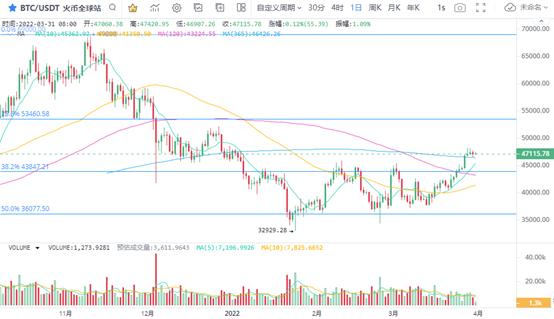
BTC近期站上了重要的365日均线以后,同时价格维持在斐波那契38.2%对应的43847美元上方。

1、大盘走势:BTC止步不前,关注获利盘回吐

BTC近期站上了重要的365日均线以后,同时价格维持在斐波那契38.2%对应的43847美元上方。这表明,价格以及处获利盘较多的状态。同时,赶猪道近3个交易日的价格表现稳定,横盘整理取代持续反弹走势。交易量方面持续稳中回落迹象,因此需要注意回调表现。支撑方面,可关注斐波那契38.2%对应的43847美元上方的机会。
2、消息面解读:

3月29日报道,俄乌第五轮谈判结束,共持续3小时。俄罗斯代表团团长梅津斯基表示,俄乌会谈是具建设性的。俄罗斯正在采取两项措施缓和乌克兰冲突。

双方谈判将于4月1日以视频方式恢复,一周后两国代表团将制定更加详细的条约草案,同时推动尽快实现俄乌总统会面。因此,俄乌局势没有根本改观的情况下,依然影响市场走向。

美联储本月宣布四年来的首次提高利率,开启了新一轮加息周期,以抗击当前处于40年高位的通胀。但瑞士信贷(Credit Suisse)的研究分析师指出,即使在美联储明年年底前完成所有10至11次25基点的加息计划后,美国通胀仍可能居高不下。

如果分析属实,通胀加剧大宗商品等价格上行,BTC的也将可能在通胀行情里受益,从而持续较大放大的上涨。

3、龙虎榜:

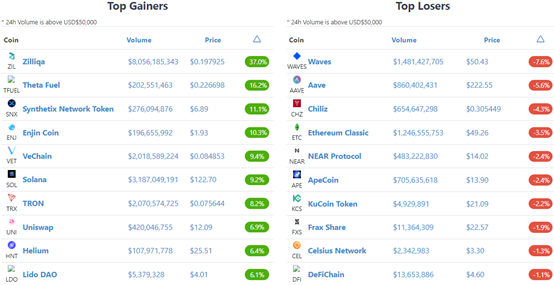
龙虎榜涨幅靠前币种里,ZIL因为元宇宙概念,价格连续爆发,24小时涨幅达到了37%。相关币种里,涨幅靠前的还有ENJ。公链SOL、VET和TRX表现不俗。DeFi概念币中,SNX、UNI等涨幅较大。与ETH2.0质押有关的LDO表现强势。
涨幅榜

涨幅排名靠前的币种里,公链出现的频率较高。SOL、VET、ZIL和TRX表现较好,价格上涨空间在9.2%、9.4%、37.0%和8.2%。ZIL和TFUE领涨

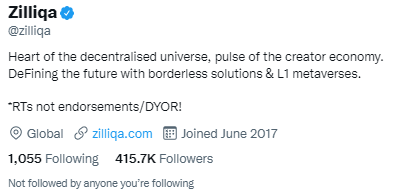
ZIL

ZIL发布元宇宙平台MeTapolis以后,价格持续了强劲上涨。据悉,4月2日,ZIL将在迈阿密举办活动,活动正是为了MeTapolis平台。或许,ZIL行情发展与投资者对其参与元宇宙的良好预期有关。

价格表现上,ZIL在3月26日强劲突破以后,近2个交易日的振幅达到了84%和24%,累计最高涨幅可高达3.5倍。考虑到短期交易量极高,处在非常活跃的交易状态。同时,4小时量价提升抛压还未显著释放,关注其市上涨机会。

TFUEL

Theta 是世界上第一个利用区块链技术解决流媒体和视频点播缺点的去中心化视频网络。Theta Network 为最终用户提供了卓越的流媒体、视频平台更低的成本以及转播者自愿提供带宽的奖励;各方都受益于 Theta 模型。

TFUEL为生态代币之一,是生态中的GAS费用,为链上操作提供动力。从交易热度上看,TFUEL近期活跃度提升,反弹动力明显增强。接下来可关注THETA生态的发展,以及GAS费用的使用情况,确认价格涨幅空间。

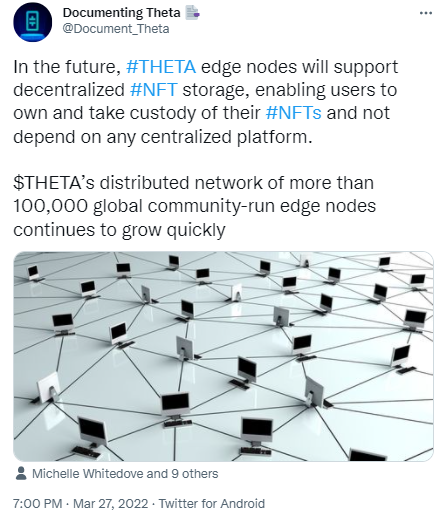
消息面,未来THETA edge节点将支持去中心化的NFT存储,使用户能够拥有和保管他们的NFT,而不依赖任何集中的平台。THETA的分布式网络由超过10万个全球社区运行的边缘节点组成,继续快速增长

受此影响,THETA生态的TFUEL反弹排名达到了第二位。
LDO

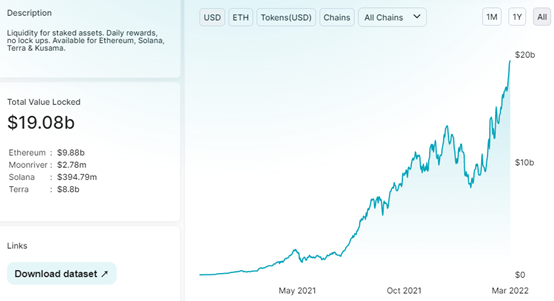
涨幅排名靠前的LDO为以太坊2.0质押流动性解决方案,其TVL增长迅速,数量超过了190.8亿美元。其中,ETH质押规模更是超过了100亿美元。从用途上看,LDO除了应用在以太坊2.0以外,还在Solana生态、波卡生态、Polygon生态以及Terra生态上有应用前景。作为解决质押流动性问题的LDO,其价格涨幅预期值得关注。
Letture associate

Behind the 67,000 Semiconductor Talent Shortage: U.S. Industrial Policy Game and Implications for China

The U.S. push to reshore semiconductor manufacturing faces a core challenge: a significant talent shortage. While over $770 billion in investments are planned across 160 projects, a key hurdle is finding enough people to run the new fabs. According to industry projections, the U.S. could face a shortage of approximately 67,000 technicians, engineers, and computer scientists by 2030. This shortage is multi-faceted. It includes not only high-level chip design engineers requiring advanced degrees but also a substantial need for technicians to operate and maintain fab equipment. Technician roles, while often requiring less formal education, are hard to fill due to factors like shift work, factory locations, and local community infrastructure. Conversely, for high-end engineers, the issue is less about salary—which is already competitive—and more about intense competition for specialized skills from other tech sectors and the long lead time to develop such expertise. The geographic dispersion of new investments complicates recruitment, as fabs need large numbers of local, stable employees. In response, U.S. policy emphasizes building workforce development as critical infrastructure. Strategies include expanding community college programs for technician training, fostering industry-education partnerships, and pursuing immigration reforms for high-skilled talent, aiming to balance immediate needs with long-term domestic pipeline development. For China, the key takeaway is the need to integrate talent supply planning with factory construction from the outset. This involves requiring companies to submit workforce plans, strengthening vocational education aligned with industry needs, and building supportive local ecosystems to retain talent. Ultimately, a sustainable semiconductor industry depends not just on building fabs, but on cultivating a continuous, local talent pipeline capable of keeping them running and advancing.

marsbit56 min fa

Behind the 67,000 Semiconductor Talent Shortage: U.S. Industrial Policy Game and Implications for China

marsbit56 min fa

Trading

Spot
活动图片