如何使用MetaMask加速或取消未决交易

去中心化金融社区Pubblicato 2022-03-31Pubblicato ultima volta 2022-03-31

Introduzione

当我们在区块链上提交交易时,我们通常会在区块链的原生代币中支付一笔gas费。

当我们在区块链上提交交易时,我们通常会在区块链的原生代币中支付一笔gas费。

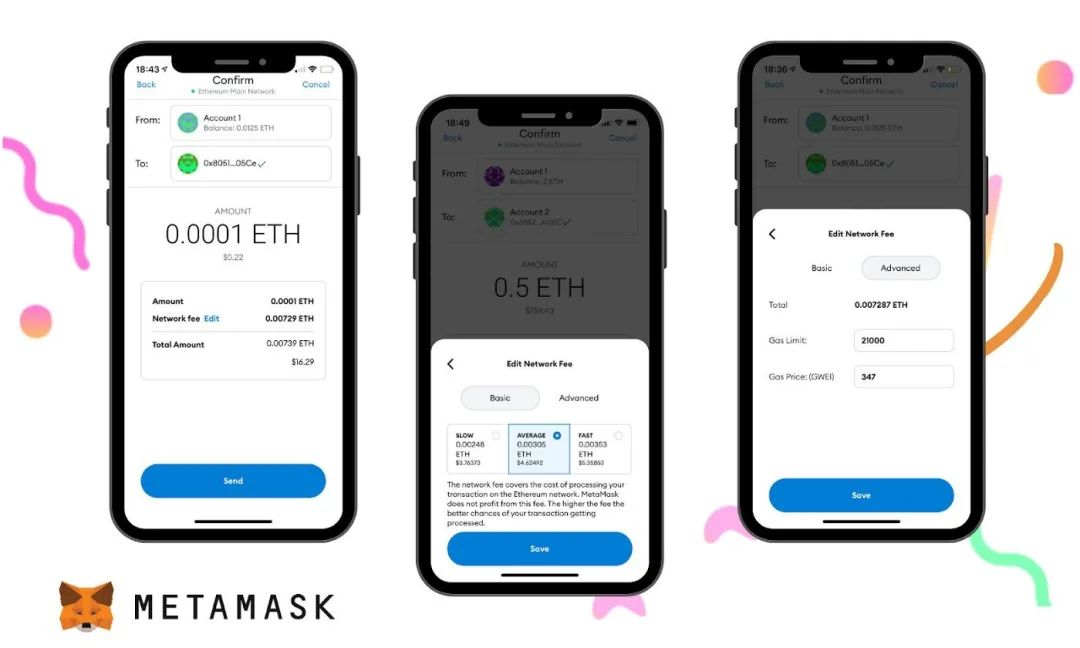
这一费用往往会根据市场条件自动调整,即区块链本身对区块空间的需求,但如果交易卡住了很长一段时间,它也可以通过向网络竞价来手动调整,以便更快地处理我们的交易。

在本文中,我们将解释如何加速长时间待处理的被卡住的交易,或者完全取消交易。

如何加快与MetaMask区块链交易

在MetaMask上发送交易后,一个新交易将被添加到队列中。将它添加到队列后,我们将看到两个按钮——speedup和cancel。
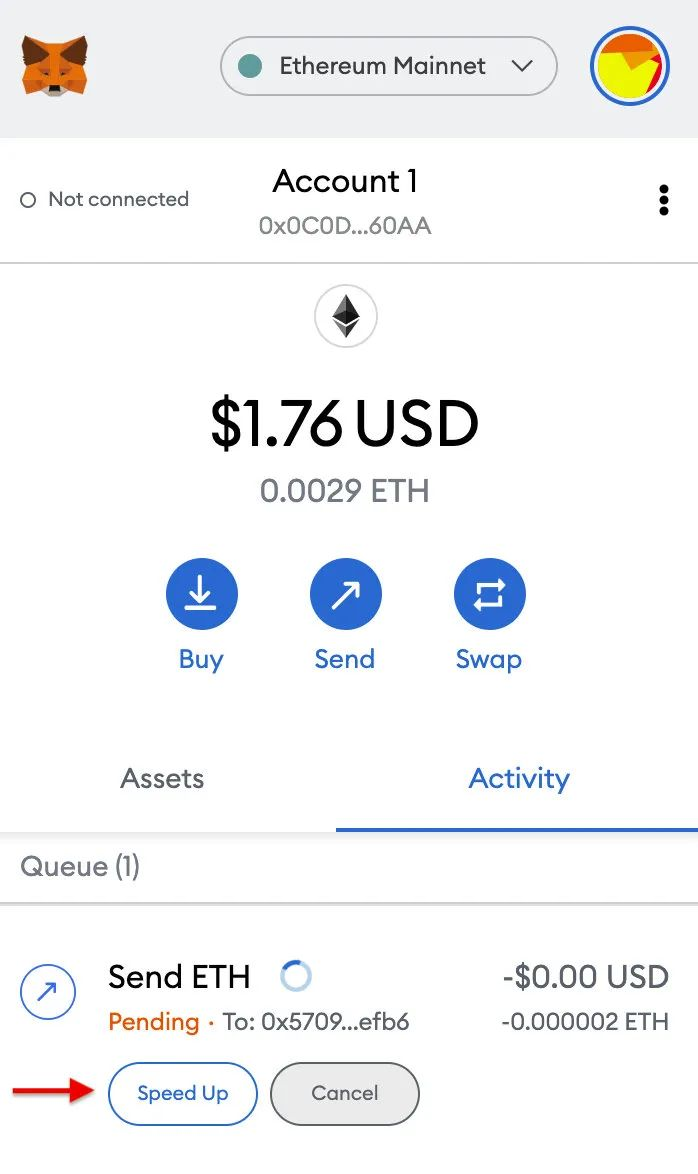
在单击SpeedUp按钮之前,单击交易并在区块链浏览器上查看交易详细信息。

Etherscan.io上的示例交易详情

请注意,“EstimatedConfirmationDuration”将显示在区块链上确认交易大约需要多长时间。

通常,如果交易是用市场费用发送的,它会很快被结算。但是,如果由于网络利用率突然飙升而花费的时间太长,那么我们可能希望在需要时加快速度。

点击“SpeedUp”按钮,我们就可以重新提交相同的交易,但会收取更高的gas费,这应该会让交易处理得更快。

我们会想要发送一个交易与gas费用,以便它在接下来的几个区块内被处理。要做到这一点,可以使用像Blocknative的gas估算器这样的服务。
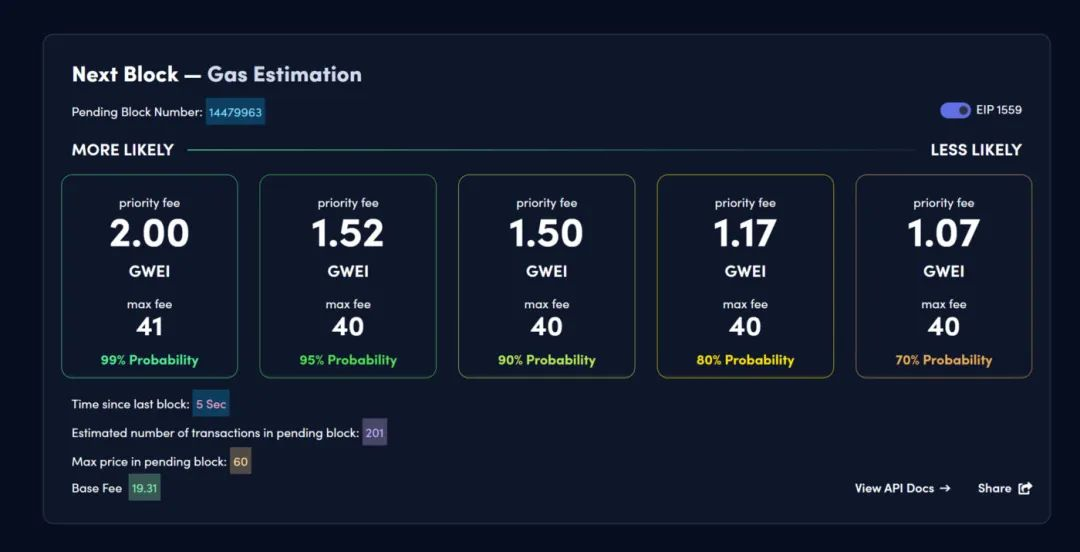
Blocknativegas估算器

Blocknativegas估算器可以让我们看到推荐的优先费用和最大费用设置(我们没有EIP-559),以及在下一个区块(即15秒)内完成交易的概率。

要了解更多细节,我们也可以在同一页面上查看他们的Heatmap,以显示一天中特定时间的平均gas价格。
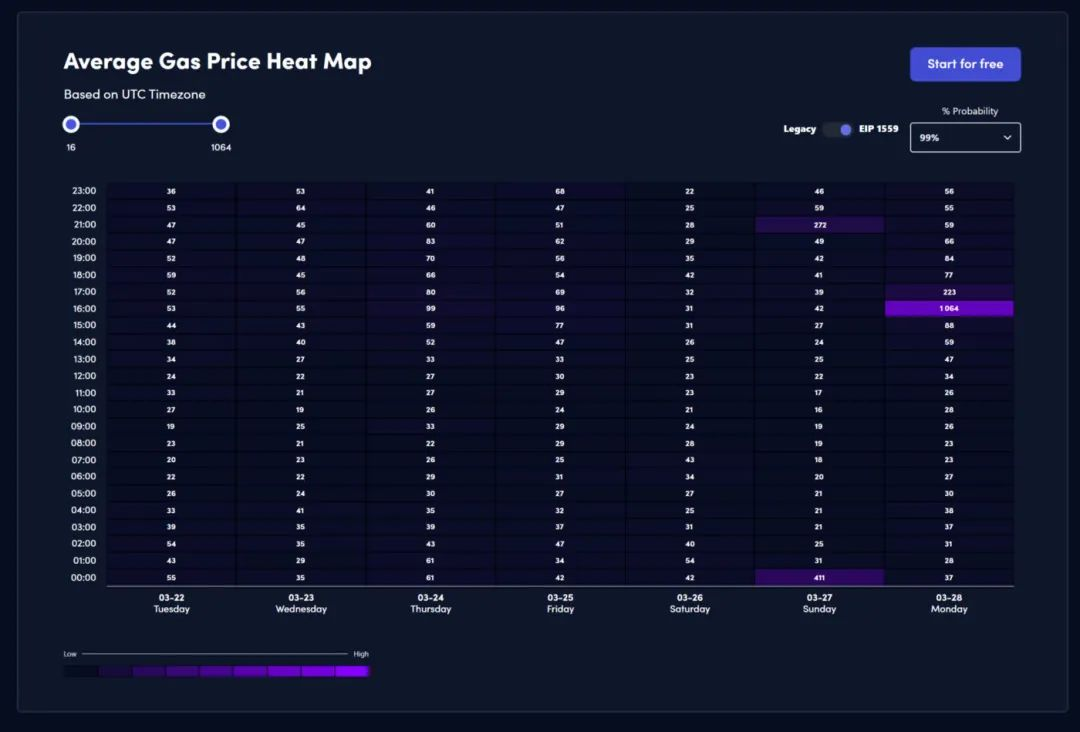
确保在我们发送更高优先级的交易之前检查这些资源,以避免支付过多的gas费用。

如何使用MetaMask取消交易

取消交易最简单的方法是在上面的交易窗口中选择“cancel”而不是“speedup”。

但是,交易取消只能在交易仍在网络上是待处理的情况下进行。如果交易已经被区块链确认,则不可逆。取消交易的更高级的方法是使用自定义的nonce。

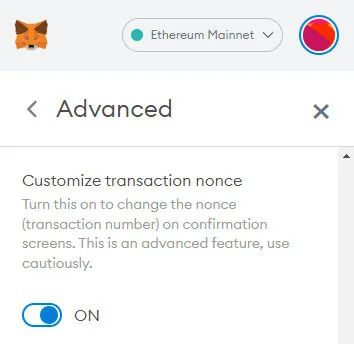
转到MetaMask的Advanced设置并启用自定义交易nonce。
此外,启用Advanced中gas控制配置和覆盖默认gas设置。
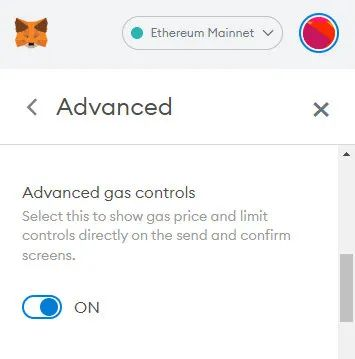
打开这两个选项后,发送一个新交易。在我们的例子中,我们将发送一个0ETH交易给我们自己。
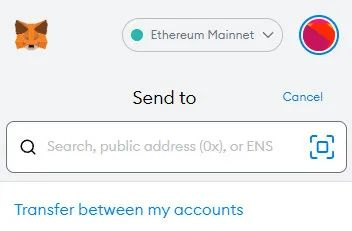
将我们现有的公共地址粘贴到搜索框中。
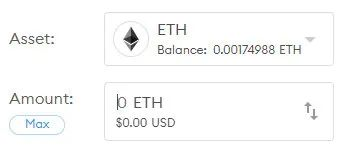
输入0ETH。

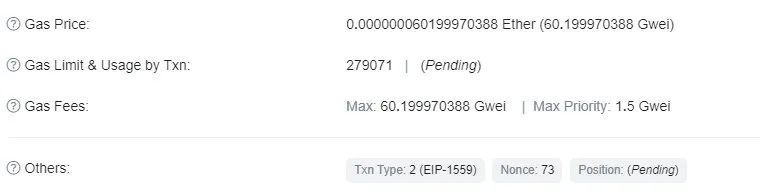
在我们的账户上查找区块链上的未决交易,并确定两件事:

交易的nonce(这里是73)

gas费和最高优先权费(这里是60和1.5)
输入与待处理交易相同的自定义Nonce字段。
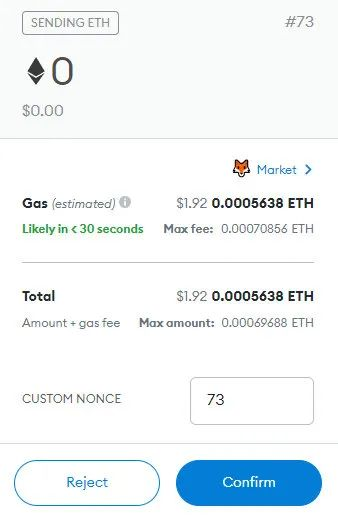
通过点击Market按钮来调整gas。
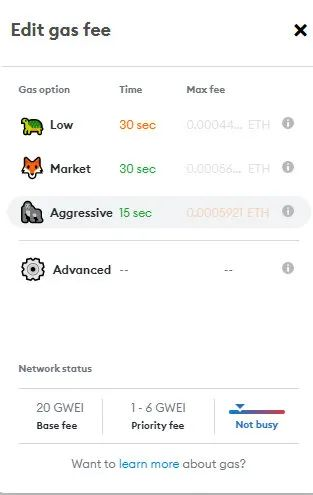
选择“Advanced”,确保使用比上次交易更高的gas费。
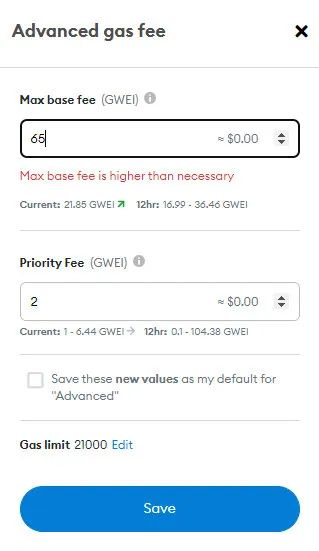
单击Save,然后单击Confirm以发送交易。

这些步骤允许区块链比原始的待处理交易更快地接收我们的取消请求,因为gas量更高。

一般来说,这些交易要想成功,最好设置的最大费用至少比我们取消的交易高25%到30%。

Source:https://medium.com/stakingbits/how-to-speed-up-or-cancel-a-pending-transaction-with-metamask-4de3e8b08ea4
Letture associate

Pi Network Price Forecast: Can a $12 Million Robotics Bet Save PI From a New All-Time Low?

Pi Network (PI) price faces intense pressure, dropping to $0.07286 on July 28th (-5.60%). It is testing key technical support at the lower Bollinger Band ($0.07003), just above its all-time low. A close below this level would signal a likely plunge into uncharted territory with no established historical support underneath. The sell-off is fueled by viral market criticism regarding unclear tokenomics. An analysis by Mahidhar Crypto highlighted unanswered questions about Pi's total supply of 100 billion tokens, with only 16.8% currently minted/mainnet. This lack of clarity on the remaining ~83.2B tokens and the absence of a burn mechanism have created uncertainty, pressuring marginal holders to sell. Amidst the bearish sentiment, Pi Network Ventures participated in a $12M seed round for physical AI robotics startup Axis Robotics. While this signals ecosystem expansion beyond crypto, its direct impact on the PI token price is considered indirect at best against the dominant supply-side concerns. **Price Forecast Scenarios:** * **Bull Case:** PI holds above $0.07003, and the Pi Core Team addresses tokenomics concerns, shifting narrative to ecosystem growth. A recovery toward the Bollinger Band middle line at $0.08614 is possible. * **Bear Case:** PI breaks below $0.07003 support. Continued silence from the core team allows supply fears to persist, accelerating selling into price discovery with no floor below.

cryptonews.ru2 min fa

Pi Network Price Forecast: Can a $12 Million Robotics Bet Save PI From a New All-Time Low?

cryptonews.ru2 min fa

Trump's AI Plan Could Replace 50 State AI Laws With One Set of Rules

The Trump administration is reportedly close to establishing a national framework for regulating artificial intelligence. According to The Information, this initiative aims to replace the patchwork of approximately 50 differing state-level AI laws with a single, federal standard. The core proposal, outlined in the White House's National AI Policy Framework, would centralize AI policymaking in Washington, D.C., offering developers more consistent and transparent rules on issues like child safety, AI-generated deepfakes, and the use of regulatory sandboxes. This move addresses growing concerns that the current fragmented regulatory landscape, with states like Colorado, Texas, and California enacting their own rules, creates a compliance burden for AI companies. A unified federal system is intended to streamline regulations, allowing businesses to spend less time adapting to state laws and more time on innovation. The administration's strategy also includes an executive order signed by President Trump in June 2026, which focuses on enhancing cybersecurity for advanced AI systems. A major unresolved question in the proposal, however, is how to regulate open-source AI models. The framework does not clearly define an approach, despite expert warnings that such models pose unique governance challenges due to their free modification and distribution. While the fate of the legislative proposal in Congress remains uncertain, its existence signals Washington's intent to become the primary authority governing AI technology, a move that would have significant global implications given the dominance of U.S. firms in the AI sector.

cryptonews.ru2 min fa

Trump's AI Plan Could Replace 50 State AI Laws With One Set of Rules

cryptonews.ru2 min fa

Trading

Spot
活动图片