Without Storytelling Power, Web3 Cannot Reach Vast Territories

marsbitDipublikasikan tanggal 2025-12-30Terakhir diperbarui pada 2025-12-30

Abstrak

Web3's failure stems not from a lack of ideas, but from its inability to resonate emotionally. Current Web3 narratives are dominated by abstract concepts—blockchains, infrastructure, protocols—which, while technically sound, lack humanity and fail to connect with ordinary people. Storytelling is crucial in Web3, more than in any other industry. Unlike topics like food or travel that evoke immediate sensory associations, Web3 feels distant and cold without emotional hooks. Projects often lead with technical explanations of how things work, neglecting the feelings they evoke—confusion, joy, relief—which are universal and relatable. Instead of listing features, effective communication starts with relatable user experiences. For example, rather than saying “this improves scalability,” describe the moment a user realizes a transaction completed instantly without waiting. Stories don’t dilute technical value; they prepare the audience to engage with complex ideas. By grounding concepts in human moments—struggles, breakthroughs, small victories—Web3 can become tangible and compelling. Practical experience shows that story-driven content, focusing on authentic user journeys, outperforms technical explanations in engagement and comprehension. The key is making Web3 feel human, not just functional.

Written by: Noir

Compiled by: Chopper, Foresight News

The failure of Web3 has never been due to a lack of creativity. In fact, its problem lies in its inability to resonate with people.

Most of the current Web3 narratives are filled with abstract concepts: public chains, infrastructure, protocols, layers... These terms are not wrong! But they lack any "human touch," making it impossible for ordinary people to feel a connection.

This is precisely where the value of storytelling comes in. In the Web3 field, the importance of storytelling far exceeds that of any other industry.

Web3 Is Built on Logic but Lacks Emotional Resonance

In other fields, people already come with a cognitive context. For example: talking about food can stimulate your appetite; discussing fitness can make you visualize progress; mentioning travel will immediately bring to mind the scenery of the destination.

But Web3 simply cannot do this. Creators and project teams are always painstakingly explaining how amazing those invisible systems and intangible processes are.

Without stories as a foundation, all of this seems distant and cold.

In short: utterly boring. Clearly, no one will pay for something boring.

Stories Are the Gateway for Ordinary People to Enter Web3
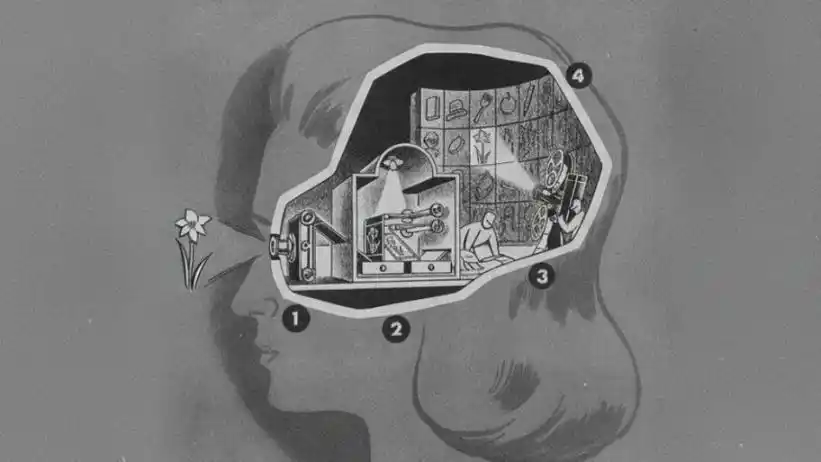
Most creators and project teams are eager to explain upfront how something works. But they forget that a good story always begins by describing how it feels.

Confusion, laughter, relief, vulnerability... these emotions are completely absent in Web3 narratives.

Friend, if this trend continues, the outcome is self-evident. Even if people don’t understand the technology, these emotions are universal. The key is that when someone recognizes familiar feelings in a story, they will instinctively follow you to hear your subsequent professional explanations.

Stop Listing Features; Talk More About User Experience Moments

Compare two ways of expression, and the difference is clear.

Feature-first version: This feature improves the system’s scalability by optimizing throughput.

There’s nothing wrong with this statement, but it’s forgettable, and... what does it even mean?😂

Story-first version: I kept refreshing the page, mentally prepared to wait again... only to find that the transaction had already been completed.

The same core information, but the latter has more warmth and is easier to understand.

Storytelling isn’t about downplaying technology; it’s about preparing the listener’s brain to receive complex information.

Got it? I hope you understand. Let’s continue...

Complex Concepts Need Real-Life Scenarios to Land
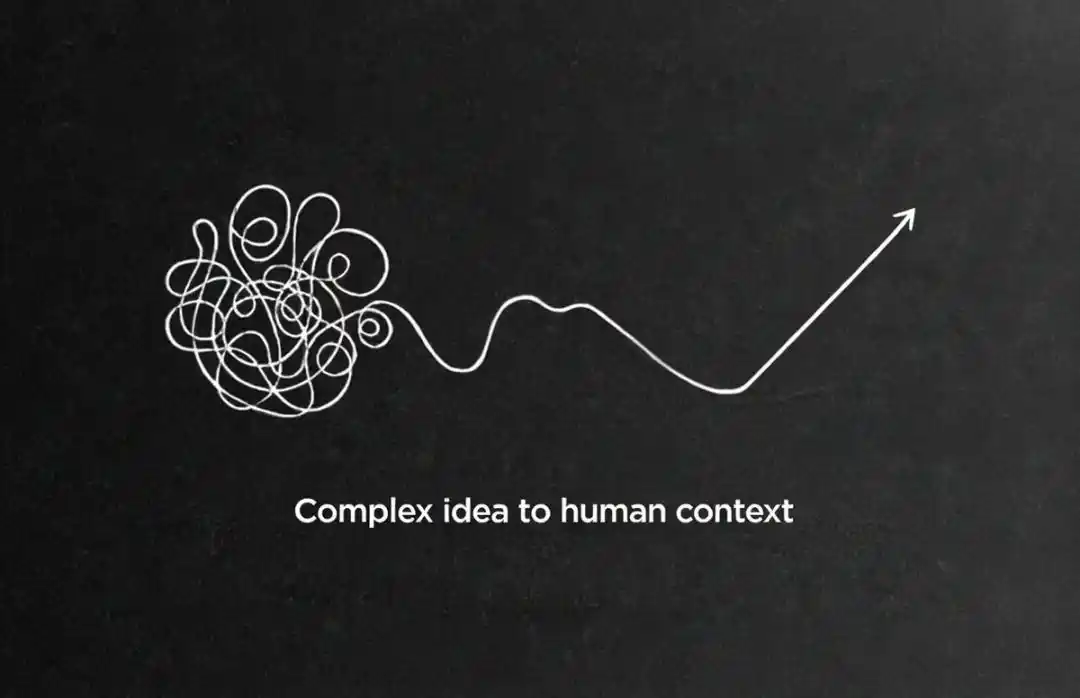
When faced with complex problems, people ask themselves: "What does this have to do with me?"

And stories can subtly provide the answer. All it takes is a simple real-life scenario to make the connection.

You don’t actually need to explain every detail. You just need to showcase a key moment: a frustrating bottleneck, a moment of relief, a small victory.

That’s enough to make a complex concept feel real and tangible.

Practical Validation: This Methodology Really Works
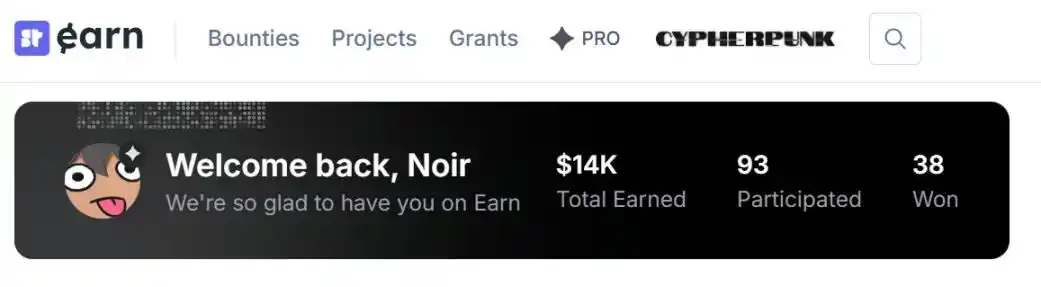
The core of my work is creating story-centric video content for Web3 bounty campaigns and sponsors.

Over time, I’ve noticed a pattern: the videos that win are never the ones with the most hardcore technical explanations, but those that begin with moments full of human touch.

I don’t start by listing features or explaining principles. Instead, I focus on these scenes: the initial awkwardness of using a product for the first time; the stumbling before understanding a function; the sudden clarity when everything finally connects.

This narrative approach always keeps viewers engaged longer and helps them understand faster. This is also why my videos stand out in bounty competitions.

It’s not because I explain more technology, but because I make complex concepts feel human and emotionally warm.


Pertanyaan Terkait

QWhat is the main reason for Web3's failure according to the article?

AWeb3's failure is not due to a lack of creativity, but rather its inability to resonate with people emotionally. Its narratives are filled with abstract concepts that lack a human touch, making it difficult for ordinary people to connect.

QHow does the article suggest making Web3 concepts more relatable?

AThe article suggests using storytelling to make Web3 concepts more relatable. Instead of listing technical features, creators should focus on describing the user's experience and emotional moments, such as confusion, joy, or relief, to create a connection.

QWhat is the difference between 'function-first' and 'story-first' approaches as described in the article?

AThe 'function-first' approach focuses on explaining technical details, like 'optimizing throughput to improve system scalability,' which can be boring and hard to understand. The 'story-first' approach describes a relatable user experience, such as 'I kept refreshing the page, expecting to wait... only to find the transaction was already complete,' making it more engaging and understandable.

QWhy are emotions like confusion or joy important in Web3 storytelling?

AEmotions like confusion or joy are important because they are universal and relatable. When they recognize familiar feelings in a story, people are more likely to engage and be open to understanding the subsequent technical explanations.

QWhat practical evidence does the author provide to support the effectiveness of storytelling in Web3?

AThe author, who creates story-focused video content for Web3 bounty campaigns and sponsors, found that winning videos are not the most technically detailed but those that begin with human, emotional moments. These videos, which focus on user experiences like initial struggles or moments of clarity, keep viewers engaged longer and help them understand complex concepts faster, leading to success in bounty competitions.

Bacaan Terkait

Rencana "Manhattan Project" Komputasi Kuantum Resmi Dirilis: Industri Kripto Hadapi Titik Balik Hidup-Mati?

Artikel ini membahas ancaman kuantum terhadap keamanan siber dan respons pemerintah AS serta industri kripto. Pada 22 Juni, mantan Presiden AS Donald Trump menandatangani dua perintah eksekutif: pertama, memerintahkan seluruh lembaga federal untuk meningkatkan sistem kriptografi ke standar PQC (Post-Quantum Cryptography) sebelum 2030 guna mengantisipasi serangan komputer kuantum; kedua, memerintahkan Departemen Energi untuk memimpin pembangunan komputer kuantum nasional, sebuah inisiatif yang dijuluki "Proyek Manhattan" untuk komputasi kuantum. Perkembangan komputer kuantum, yang didorong oleh AI, diperkirakan akan semakin cepat, mengancam keamanan infrastruktur digital saat ini. Pemerintah AS mendorong migrasi besar-besaran ke kriptografi pascakuantum, dengan tenggat waktu ketat untuk lembaga federal dan kontraktor pemerintah. Industri kripto, khususnya Bitcoin yang mengandalkan tanda tangan kurva eliptis (ECDSA), sangat rentan. Riset menunjukkan jutaan BTC dengan kunci publik yang terekspos di blockchain berisiko diretas begitu komputer kuantum matang. Berbagai proyek seperti Bitcoin Quantum testnet, Ethereum, Solana, NEAR, dan Zcash telah mulai merencanakan atau mengimplementasikan migrasi ke solusi tahan kuantum. Namun, tantangan konsensus dalam jaringan terdesentralisasi dapat memperlambat proses ini. Sementara pemerintah pusat dapat bertindak cepat dengan peraturan, kemampuan jaringan blockchain untuk meningkatkan protokol tepat waktu sebelum komputer kuantum praktis muncul masih menjadi ujian kritis.

Foresight News14m yang lalu

Rencana "Manhattan Project" Komputasi Kuantum Resmi Dirilis: Industri Kripto Hadapi Titik Balik Hidup-Mati?

Foresight News14m yang lalu

OpenAI Gandeng PE Telan Investasi $40 Miliar, Bincang Soal Posisi Paling Ngetren di Silicon Valley: FDE

OpenAI dan Anthropic bergerak ke bisnis penempatan AI, menciptakan lonjakan permintaan untuk FDE (Forward Deployment Engineer). FDE menggabungkan keahlian teknis dengan pemahaman mendalam tentang bisnis klien untuk mengubah demo AI menjadi alur kerja produktif di perusahaan. Gaji FDE senior bisa mencapai $725,000. OpenAI, dengan dana $40 miliar dari 19 perusahaan modal ventura, mendirikan "Perusahaan Penempatan" dan mengakuisisi Tomoro beserta 150 FDE-nya. Anthropic juga membentuk usaha patungan senilai $15 miliar. Strategi ini menandai pergeseran dari sekadar menjual model AI ke implementasi mendalam di berbagai industri. FDE bertugas menerapkan solusi AI, sekaligus belajar dari pengalaman lapangan untuk meningkatkan produk. Mereka sering bekerja berpasangan dengan FDPM (Forward Deployment Product Manager) yang menangani aspek bisnis dan hubungan klien. Kualifikasi FDE meliputi: keahlian teknis kuat (khususnya dalam pengembangan AI Agent), pengalaman langsung melayani klien, ketahanan, dan kemampuan menangani kompleksitas. Peran ini diperkirakan akan tetap relevan karena kompleksitas penerapan AI di setiap perusahaan unik. Dari perspektif modal ventura (PE), kolaborasi dengan raksasa AI memberikan nilai sinyal yang kuat untuk menarik investor, menciptakan nilai dalam portofolio perusahaan, dan membuka akses ke aset pertumbuhan tinggi. AI bukan hanya alat penghemat biaya, tetapi lebih sebagai pembuka peluang pendapatan baru dengan mengotomatisasi hal yang sebelumnya tidak mungkin. Industri konsultan juga akan tetap dibutuhkan untuk membantu perusahaan merancang ulang model bisnis di era AI. Namun, nilai sebenarnya tercipta dari perusahaan yang meninggalkan sistem operasional baru yang diubah oleh AI, bukan sekadar rekomendasi. Tantangan terbesar dalam implementasi adalah menyiapkan platform data yang solid dan mengidentifikasi bagian alur kerja mana yang cocok untuk AI tanpa mengorbankan kepastian.

marsbit33m yang lalu

OpenAI Gandeng PE Telan Investasi $40 Miliar, Bincang Soal Posisi Paling Ngetren di Silicon Valley: FDE

marsbit33m yang lalu

Penunjuk Arah Kripto-Saham丨Aset dan Total Investasi BitMine Mencapai 10,7 Miliar USD, Lebih Besar dari Kerugian Mengambang Sekitar 9,3 Miliar USD; Strategy Hanya Membeli 520 BTC, Strive Menambah Posisi Melawan Tren (23 Juni)

**Indikator Saham-Kripto: BitMine Miliki Aset $107 M, Strategi Beli 520 BTC, Strive Tambah Posisi (23 Juni)** Pasar saham global, terutama yang terkait AI, mengalami koreksi tajam. Indeks KOSPI Korea anjlok hampir 10%, Nikkei 225 Jepang turun 3.55%. SpaceX juga tertekan, turun >16%. Sentimen berbalik kehati-hatian karena pasar menuntut hasil nyata dari investasi infrastruktur AI. Morgan Stanley memperingatkan bahwa pengetatan likuiditas, bukan kenaikan suku bunga, menjadi ancaman utama bagi pasar saham AS. Di sisi perusahaan publik dengan cadangan kripto: * **Bitcoin (BTC):** Strategi pembelian melambat. Strategy (MicroStrategy) hanya menambah 520 BTC senilai $34,9 juta. Namun, Strive Asset Management justru menambah 759 BTC senilai $49,98 juta. Mara Holdings menambah 1.000 BTC. Capital B menyetujui rencana pendanaan besar hingga ~$1,2 triliun untuk ekspansi cadangan BTC. * **Ethereum (ETH):** BitMine menjadi perusahaan dengan cadangan ETH terbesar, memegang 5,67 juta ETH (4.7% pasokan) dan aset total $107 miliar. Mereka menambah 52.203 ETH ($92 juta) pekan lalu. Sharplink merampungkan penempatan privat $75 juta untuk memperluas cadangan ETH dan buyback saham. * **Solana (SOL):** Lima perusahaan publik teratas memegang gabungan lebih dari 15,7 juta SOL. Forward Industries adalah yang terbesar dengan 7+ juta SOL. Namun, Solmate, perusahaan cadangan SOL, digugat oleh pemegang saham terbesarnya atas tuduhan manajemen yang buruk dan transaksi tidak menguntungkan. * **Perusahaan Lain:** BitFuFu (penambang BTC) mengumumkan program buyback saham $5 juta. Canton Strategic (perusahaan cadangan Canton Coin) meluncurkan program buyback $50 juta. Lite Strategy (perusahaan cadangan Litecoin) memimpin investasi strategis $1 juta ke LitVM, sebuah jaringan Layer 2 untuk Litecoin. Pasar tetap bergantung pada sentimen AI dan sangat fluktuatif. Laporan keuangan Micron pada Rabu ini dipandang kunci untuk menentukan durasi koreksi pasar jangka pendek. *(Catatan: Konten ini bukan saran investasi, hanya untuk tujuan pembelajaran.)*

Odaily星球日报36m yang lalu

Penunjuk Arah Kripto-Saham丨Aset dan Total Investasi BitMine Mencapai 10,7 Miliar USD, Lebih Besar dari Kerugian Mengambang Sekitar 9,3 Miliar USD; Strategy Hanya Membeli 520 BTC, Strive Menambah Posisi Melawan Tren (23 Juni)

Odaily星球日报36m yang lalu

Mengapa Asuransi DeFi Tidak Laku?

**Mengapa Asuransi DeFi Tidak Laku?** Artikel ini mengeksplorasi alasan rendahnya adopsi asuransi di sektor DeFi (Keuangan Terdesentralisasi), meskipun berpotensi menghilangkan penolakan klaim sepihak seperti pada asuransi tradisional. **Masalah Inti:** 1. **Premi Tinggi vs. Hasil Rendah:** Premi asuransi untuk banyak protokol DeFi (1.5%–6%) sering kali memakan sebagian besar atau bahkan seluruh hasil investasi tahunan pengguna (biasanya 3%–5%). Setelah dikurangi premi, hasil bersih menjadi sangat rendah, bahkan negatif untuk beberapa platform seperti Maple Finance dan Ethena, sehingga tidak sepadan dengan risikonya. 2. **Risiko Terkait dan Kapasitas Terbatas:** Berbeda dengan asuransi tradisional (misal: kebakaran rumah), risiko di DeFi (seperti bug oracle atau jembatan silang) sangat terkait dan dapat memengaruhi banyak protokol sekaligus. Kapasitas total asuransi DeFi (misal: Nexus Mutual ~$81 juta) sangat kecil dibandingkan total aset terkunci (ratusan miliar), membuatnya tidak mampu menanggung kejadian besar seperti peretasan Kelp DAO senilai $292 juta. 3. **Konflik dalam Model "Mutual":** Pada platform seperti Nexus Mutual, pemegang token yang juga menyediakan modal memutuskan klaim. Jika klaim dibayar dan dana habis, nilai token mereka turun. Ini menciptakan insentif untuk menolak klaim, mirip dengan masalah asuransi tradisional. 4. **Tidak Ada Pihak yang Memaksa:** Tidak seperti perbankan tradisional yang diwajibkan memiliki asuransi deposit (FDIC), tidak ada yang dapat memaksa protokol DeFi untuk membeli asuransi, karena sifatnya yang tanpa izin (permissionless). **Kondisi Pasar:** Nexus Mutual mendominasi 85% pasar, sementara penyedia lain menyusut atau tutup. Klaim kumulatifnya sejak 2019 hanya sekitar $18 juta, menunjukkan pasar belum diuji oleh bencana besar sekaligus mengungkap kerapuhannya. **Jalan ke Depan:** Beberapa upaya sedang dilakukan, seperti beralih ke model pencegahan risiko (program bounty bug) dan mencoba menghubungkan risiko kripto dengan pasar reasuransi tradisional yang lebih besar. Ini mengakui kenyataan bahwa modal internal DeFi saja tidak cukup. **Dilema Mendasar:** Asuransi DeFi adalah "barang publik" – menguntungkan semua orang dengan menstabilkan sistem, tetapi karena biayanya ditanggung individu sementara manfaatnya dinikmati bersama, tidak ada yang mau membayarnya secara sukarela. Jika semua mengandalkan orang lain untuk membeli asuransi, pada akhirnya tidak akan ada yang terlindungi.

Foresight News55m yang lalu

Mengapa Asuransi DeFi Tidak Laku?

Foresight News55m yang lalu

Trading

Spot
Futures
活动图片