Jamie Coutts, Crypto Market Analyst for Bloomberg Intelligence argues that “falsehoods” and “fear of the unknown” is what has been holding back traditional portfolio managers from investing in cryptocurrency.
⠀
Speaking to Cointelegraph during the Australian Crypto Convention over the weekend, Coutts argues there has been an ongoing “falsehood” that “there is no intrinsic value in blockchains.”
⠀
“These asset managers own stocks, like Amazon and Facebook [...] which for the first several years these companies had no earnings,” explained Coutts, adding that Facebook in its infant stages “didn’t have profit [...] or seen to have any intrinsic value.”
⠀
“Yet they could understand there is a network value here, that the network is growing, that the value of the asset accrues from how many people are using the products.”
Coutts believes that “although not all blockchains are cash generative assets, including Ethereum” there is certainly intrinsic value there.
⠀
However, the Bloomberg analyst said he couldn’t quite put his finger on why there was a hesitation to embrace cryptocurrency, ruling out lack of regulation as the reason.
⠀
“Regulation can’t be one of them. Let me just restate that. Regulation is always a concern, but BTC is regulated.”
Coutts said “there isn’t really a regulatory risk” as crypto became regulated “the moment” it became a taxable item that you had to “disclose to the tax authorities in whatever jurisdiction you’re in.”
⠀
Instead, Coutts said it could be “just the fear of the unknown,” adding that asset managers ignoring or choosing not educate themselves on cryptocurrency is a missed opportunity.
⠀
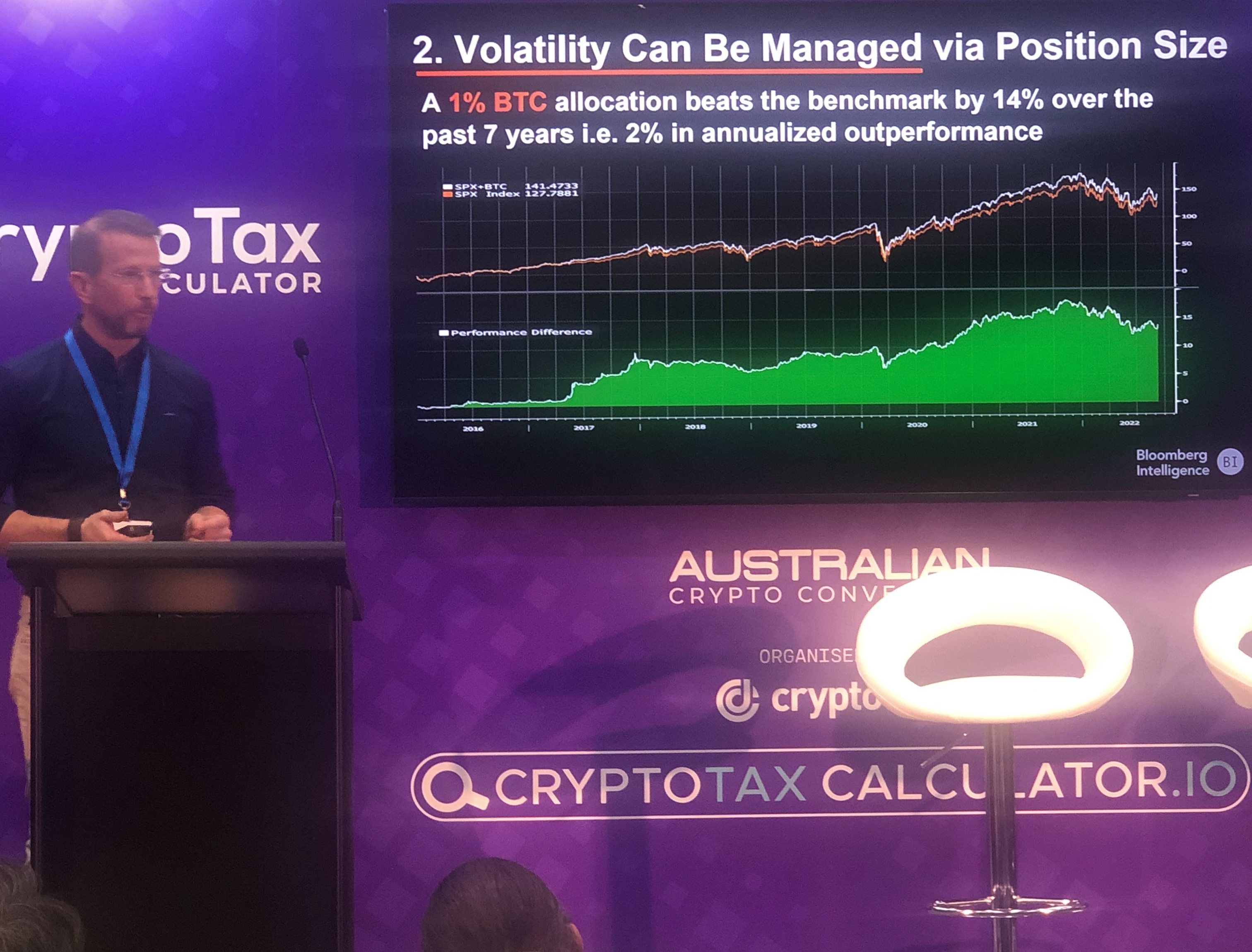
Coutts suggested that those hesitant to invest in cryptocurrency should look beyond the market volatility and focus on what cryptocurrency actually brings to the table.
⠀
“The best thing that we can do is understand the global trends that are taking place […] debasement and technological innovation, which crypto is at the intersection of. That provides the wind behind the sails of crypto as an asset class that should be considered for some allocation.”
⠀
⠀
Last month, Swiss wealth management group Picket group advised against crypto investments “amid the recent industry turmoil.”
⠀
Picket Group CEO, Tee Fong, acknowledged that crypto is “an asset class that we cannot ignore” however doesn’t think there is “a place for private bankers and for private bank portfolios.”
⠀
Others suggest that institutional investors remain interested in crypto-related investments despite the market conditions.
⠀
Chief Investment Officer of Apollo Capital, Henrik Anderson, told Cointelegraph on Sept. 14 that although institutional interest has been slow in gaining momentum, there are many waiting on the sidelines, timing the market.
⠀
Anderson is optimistic about the future given that we’ve already “seen several of the major banks here in Australia taking an interest in digital assets,” with “ANZ and NAB” choosing to focus on “stablecoins and traditional asset tokenization rather than crypto investments specifically.”