White House 'Exclusive' Teleprompter Operator Cashes in Over $100,000 Using Insider Information for Predictions

Odaily星球日报Publié le 2026-07-22Dernière mise à jour le 2026-07-22

Résumé

The White House is embroiled in another insider trading scandal, this time involving a teleprompter operator for former President Trump. Gabriel Perez, a longtime aide who controlled Trump's speech teleprompters, used his advance knowledge of speech content to profit over $100,000 on prediction markets like Kalshi by betting on which specific words Trump would mention. After Kalshi's monitoring systems flagged suspicious trading activity and froze his funds, the case was referred to the CFTC. Perez was suspended without pay by Trump, who called his actions "disgusting." Unlike previous insiders prosecuted in similar cases, Perez faced no criminal charges, only a CFTC settlement requiring him to return profits and cease such trading. The article highlights how "mention" markets are uniquely vulnerable to manipulation by insiders or even the speakers themselves, citing examples like a Grammy host jokingly saying a random word and a Coinbase CEO reading all prediction market options aloud. As prediction markets like Kalshi tighten compliance—such as requiring users to disclose employers—the piece argues this crackdown on insider trading, while promoting regulatory compliance, may move these markets further from "collective wisdom" and closer to being pure gambling venues.

Original | Odaily Planet Daily (@OdailyChina)

Author | Golem (@web3_golem)
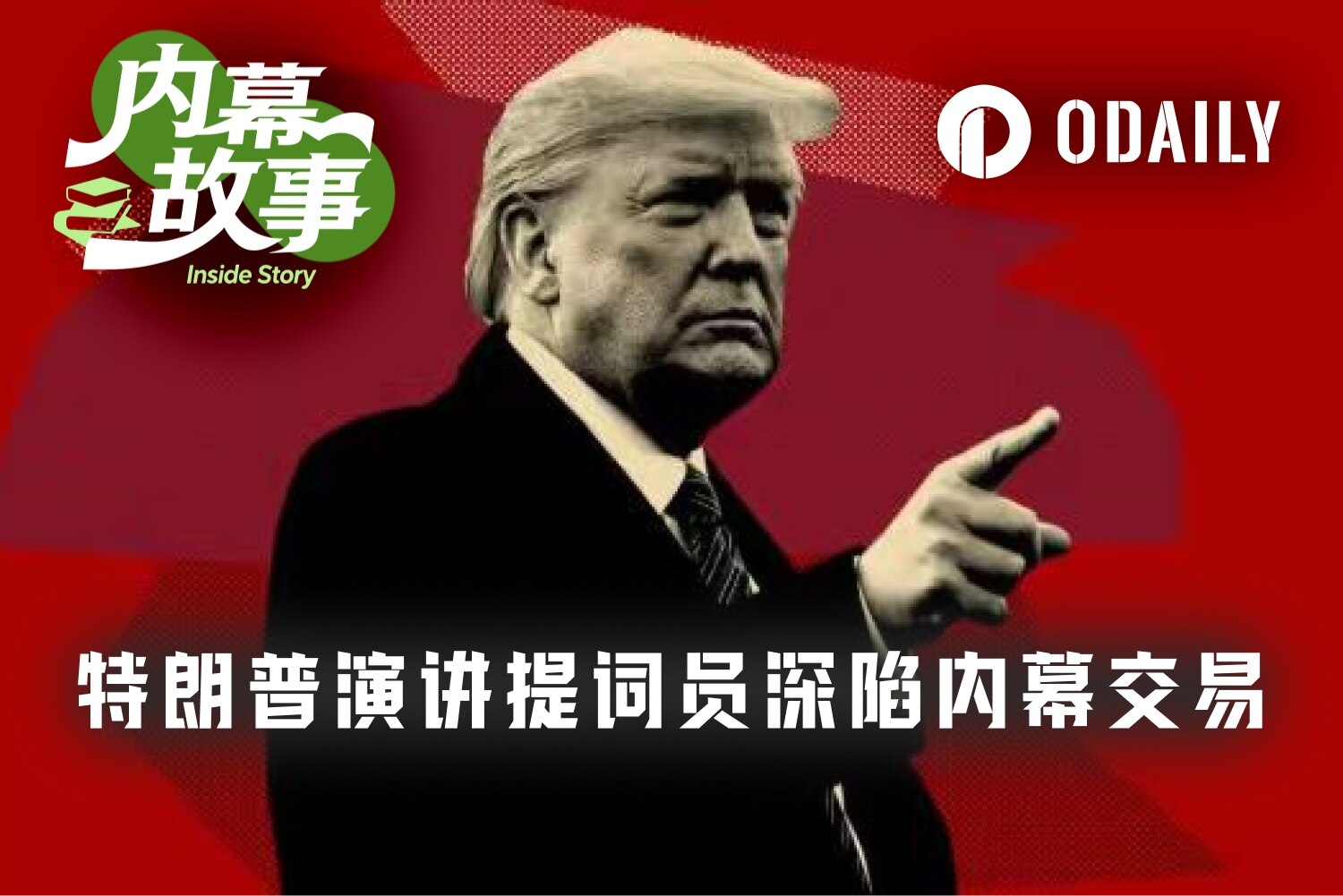
Recently, the White House was embroiled in yet another insider trading scandal.

A White House staff member traded using insider information to profit tens of thousands of dollars in prediction markets. The insider's identity turned out to be a long-term operator responsible for Trump's teleprompter during speeches. This employee has now been suspended and had his salary stopped.

This teleprompter operator has become the third insider disclosed by U.S. judicial authorities, following a special forces soldier involved in the Maduro capture operation and a Google security engineer, to have profited substantially in prediction markets using insider information. (Related Reading: After 4 Months, Polymarket Helped Trump Catch the Leaker of a Military Operation, but the Cost Was...; Checking the Answers Before Handing in the Test? Google Engineer Entangled in Polymarket Insider Trading Case)

Reported by Kalshi, Funds Frozen, But Ultimately Avoids Criminal Liability

The protagonist is named Gabriel Perez, who has been operating the teleprompter for Trump's speeches since 2016. Perez's journey to this job is rather dramatic. In 2016, Trump's campaign team urgently needed a teleprompter operator, so they searched for "teleprompter" on Google and found Perez's company. Perez was thus hired by Trump's team.

Gabriel Perez

Although Perez was hired by chance, over these 10 years, he gradually became one of Trump's closest aides. American Politico even stated that "Perez has become the only person Trump trusts," as he often receives Trump's personal last-minute modifications to public speeches.

Therefore, Perez became one of the few people with access to Trump's complete speech drafts in advance and held near-final approval authority over almost all of Trump's prepared remarks. This power is not insignificant. Perez's official title at the White House is Deputy Assistant to the President and Technical Advisor, with an annual salary of $175,000, only $20,000 less than senior staff like Chief of Staff Susie Wiles and Press Secretary Karoline Leavitt.

Such compensation already places him in the high-income bracket in the U.S., but the greedy Perez was not satisfied.

When prediction markets became popular, with countless players betting on which specific words Trump would "mention" in certain speeches, Perez discovered that his "privilege" could bring him even more wealth.

CFTC investigators found that Perez placed bets on over a dozen of Trump's speeches within about three months, with total profits exceeding $100,000. This included Trump's prime-time speech in December of last year, his speech at the World Economic Forum in Davos, Switzerland, in January of this year, the State of the Union address in February, and Trump's remarks at the Medal of Honor ceremony in March.

The U.S. President's statutory annual salary is $400,000, and with various allowances, the President receives approximately $569,000 per year. If Perez hadn't been caught, at his rate of earning over $100,000 in three months, his annual income, though his power is less than the President's, would have exceeded the President's salary.

However, even knowing the speech content in advance, Perez could not always successfully predict which words Trump would mention in his speeches because Trump often goes off-script "impromptu." When Trump skipped a word Perez had bet on during a speech, Perez would immediately sell to cut his losses. Trump himself admitted during a speech at the Detroit Economic Club in January that he doesn't look at the teleprompter 80% of the time.

Similar to the fates of the special forces soldier and the Google security engineer, Perez's exposure also originated from the prediction market platform's proactive reporting. Perez frequently used Kalshi for insider trading. Starting in March of this year, Kalshi's monitoring system detected some abnormal trades related to specific words mentioned in Trump's speeches, thus drawing attention to Perez.

After concluding its internal investigation, Kalshi quickly froze over $90,000 in Perez's account and handed the case over to the U.S. Commodity Futures Trading Commission (CFTC). Upon learning of this, Trump commented that it was "disgraceful" and personally decided to suspend Perez without pay during the suspension.

Ultimately, Perez's greed led him to lose both his profits and his original job. However, compared to the special forces soldier and the Google security engineer, Perez was fortunate because U.S. judicial authorities did not file criminal charges against him; Perez won't face jail time.

During the investigation, the CFTC had notified federal prosecutors in Manhattan, but the prosecutors declined to open a criminal investigation. According to informed sources, CFTC regulators have expressed willingness to reach a settlement with Perez and have discussed terms with him. The result requires Perez to return his profits and cease similar trades thereafter.

Perez is Just the Beginning of Purging Insiders from "Mention" Markets

The reason Perez avoided jail is that prosecutors believe his actions do not constitute a criminal offense; he neither leaked important government information in advance nor caused harm to national security. As Trump said, "it's just disgraceful," damaging the clean image of government officials.

In March of this year, the White House warned staff not to use non-public information to place bets in prediction markets. White House spokesperson Davis Ingles stated: "The White House has strict ethics guidelines, and we expect all staff and officials to adhere to them."

But Perez is definitely not the only White House staff member profiting from insider information, and Trump, who openly runs a paid subscription group, is even less qualified to comment on this teleprompter operator (Related Reading: $100,000 a Month, Trump Starts Selling 'Alpha' ).

It's no wonder Perez couldn't resist the temptation; the "mention" markets in prediction platforms are indeed the category most susceptible to manipulation. When the cost for insiders to participate is pushed extremely low, while the potential returns are extremely high, it ceases to be merely a moral issue and becomes a mechanism design problem. In the face of profit, even outwardly respectable and ostensibly righteous politicians cannot guarantee they will never cross that line.

The gameplay of "mention" markets involves users betting on specific words, phrases, or topics that will be mentioned in public speeches. Compared to other events (such as political elections, sports events, etc.), the cost of cheating in "mention" markets is extremely low. It's not limited to people like Perez who know the speech content in advance; for the speaker themselves, cheating is as simple as uttering a word, literalizing "a word is worth a thousand pieces of gold."

At the Grammy Awards ceremony in February this year, host Trevor Noah, after saying "welcome back to the Grammys," suddenly shouted the word "Potato." As everyone was confused, Trevor Noah continued, "if you bet on Polymarket that I was going to say this word, you just made a killing," and congratulated user "Noah 22." However, in reality, the "What will be mentioned at the Grammy Awards" prediction on Polymarket didn't even have "potato" as an option, and the user "noah-22" was purely fictional.

Grammy host shouting potato at the awards ceremony

Some analyses later suggested this was a marketing activity by Polymarket, but it already demonstrated the speaker's ability to manipulate the "mention" market.

There's an even more direct example. In October 2025, during Coinbase's Q3 earnings call, just as the meeting was about to end, CEO Brian Armstrong said he noticed many people were betting in prediction markets on what he would mention during this call. He then opened Polymarket and read aloud all the words listed in the options, ultimately causing all outcomes in that market to reach 100% probability, ending in a draw.

The above are just two examples showcasing speakers' control over "mention" markets; there are certainly many more individuals truly profiting from this lurking beneath the surface. However, as regulation of prediction markets gradually intensifies, perhaps all insiders in "mention" markets will eventually be purged. Perez is just the beginning.

Last month, Kalshi updated its policy, requiring users to disclose their employers. Kalshi's head of enforcement, Bobby DeNault, explained the rationale: "If you have access to information because of your job or employment, and you have a legal duty related to that information, you have an obligation not to take that information for your own use and not to convert it for personal use." Polymarket has not yet imposed such strict disclosure requirements on users, but in the increasingly competitive and compliant prediction market landscape, it is believed that stricter compliance requirements from Polymarket are also on the horizon.

From the special forces soldier and Google engineer to the White House teleprompter operator, prediction markets are step by step purging insider trading. Simultaneously, the market is undergoing a demystification of prediction markets. What was once thought to reflect the wisdom of the crowd is, in reality, just a cash machine for a few insiders.

Although purging insider trading makes prediction markets more compliant, it also moves them further away from truth and closer to being pure casinos.


Cryptos en tendance

Questions liées

QWho is Gabriel Perez and what was his role in the White House?

AGabriel Perez was a White House staffer, officially titled Deputy Assistant to the President and Technical Advisor. His primary role was operating the teleprompter for former President Donald Trump's speeches, a position he held since 2016.

QHow did Gabriel Perez allegedly profit over $100,000 using inside information?

AGabriel Perez allegedly used his advance knowledge of the prepared text of Trump's speeches to place bets on prediction markets, specifically Kalshi, on whether Trump would mention specific words or phrases during those speeches. Over approximately three months, he profited over $100,000 from these bets.

QWhy was Perez not criminally prosecuted for his actions, according to the article?

AFederal prosecutors reportedly declined to bring criminal charges. They determined Perez's actions did not constitute a criminal offense, as he did not leak significant government information or pose a threat to national security. The CFTC pursued a civil settlement instead.

QWhat action did prediction market platform Kalshi take after discovering Perez's suspicious activity?

AKalshi's monitoring system flagged abnormal trading activity related to Trump's speech keywords. After an internal investigation, Kalshi froze over $90,000 in Perez's account and reported the case to the U.S. Commodity Futures Trading Commission (CFTC).

QAccording to the article, what is a major flaw with 'mention' markets on prediction platforms?

AA major flaw is their vulnerability to manipulation and insider trading. The cost for insiders (like speechwriters, teleprompter operators, or the speakers themselves) to influence the outcome is extremely low, as they can simply include or exclude specific words, making these markets easy targets for exploitation rather than reflecting true crowd wisdom.

Lectures associées

Après trois trimestres consécutifs de baisse, le marché des cryptomonnaies pourra-t-il connaître une fenêtre de stabilisation au troisième trimestre ?

Le marché des cryptomonnaies a enregistré son pire trimestre depuis 2022, avec une capitalisation totale chutant de 12,6% à 2 100 milliards de dollars. Tous les indicateurs clés (volume des échanges, valeur des stablecoins) montrent une sortie nette de capitaux. Le Bitcoin a perdu 14,2% et l'Ethereum 25,4% sur le trimestre, rompant sa corrélation antérieure avec les actions technologiques. Les ETF spot américains sur le Bitcoin ont subi des rachats massifs, avec une sortie nette de 4,67 milliards de dollars au Q2, indiquant une pression de vente continue. Le resserrement de la politique de la Fed et les ventes d'entreprises comme Strategy ont accentué la déleveragisation du secteur. L'attention du marché se porte désormais presque exclusivement sur la réunion de la Fed fin juillet. Une position accommodante pourrait stabiliser le Bitcoin entre 68 000 et 84 000 dollars, tandis qu'un ton hawkish pourrait le faire osciller autour de 50 000-56 000 dollars. Parallèlement, la progression du *CLARITY Act*, une loi cruciale pour la clarté réglementaire, est au point mort au Sénat, réduisant les chances d'adoption en 2026 et maintenant une prime de risque élevée sur l'ensemble du secteur. Malgré ce contexte difficile, quelques secteurs résistent : les marchés de prédiction ont vu leur volume nominal augmenter de 48,7% et les biens collectionnables tokenisés ont progressé d'environ 143%. La tokenisation d'actifs du monde réel (RWA) continue également sa croissance régulière, portée par des fondamentaux indépendants du cycle crypto. Les bases d'un effondrement extrême semblent absentes, mais le marché est désormais guidé par les politiques monétaires, les prix et les attentes de taux, plutôt que par le simple récit haussier. La fin des sorties massives des ETF et le retour des achats des détenteurs à long terme pourraient indiquer une phase de stabilisation potentielle.

marsbitHier 08:42

Après trois trimestres consécutifs de baisse, le marché des cryptomonnaies pourra-t-il connaître une fenêtre de stabilisation au troisième trimestre ?

marsbitHier 08:42

The SpaceX Trade, Unlocked: SPCXON Débarque sur WEEX

En juin 2026, SpaceX a réalisé la plus grande introduction en bourse de l'histoire, mais l'accès à l'action a été limité pour de nombreux investisseurs en raison de restrictions régionales et de frictions liées aux courtiers. La plateforme WEEX propose désormais une solution via SPCXON/USDT, un instrument tokenisé sur le marché au comptant qui permet d'obtenir une exposition au cours de SpaceX en utilisant l'USDT, sans nécessiter de compte de courtage américain. SPCXON est un produit tokenisé construit sur l'infrastructure d'Ondo, conçu pour refléter l'économie de la détention d'actions SpaceX pour les traders éligibles en dehors des États-Unis, avec des dividendes réinvestis. Le cas d'investissement repose sur la croissance des revenus de Starlink et les progrès de Starship, malgré un valorisation déjà élevée et des risques liés à un flottant public réduit et à des déblocages d'actions internes à venir. Il est important de noter que SPCXON offre une exposition, et non la propriété directe d'actions ou de droits de vote. Son prix peut évoluer avec une prime ou une décote par rapport à la valeur liquidative. WEEX propose également d'autres produits tokenisés comme MSTRON et MUON dans un compte unifié, permettant une rotation entre crypto-monnaies et actions traditionnelles sans transfert de fonds. La plateforme souligne ainsi comment les barrières entre la finance traditionnelle et les actifs numériques s'estompent.

TheNewsCryptoHier 08:34

The SpaceX Trade, Unlocked: SPCXON Débarque sur WEEX

TheNewsCryptoHier 08:34

BIT Trading Moment : Le BTC reste sous la pression de l'EMA 200 hebdomadaire, un rejet pourrait relancer la baisse, les actions de stockage et de semi-conducteurs qui ont bondi cette nuit ont baissé en séance de nuit

**Résumé des marchés : Bitcoin sous pression, actions technologiques en réajustement** Le marché crypto poursuit son rebond, avec Bitcoin évoluant autour de 66 000 $. Il fait face à une résistance clé vers 68 000 $, niveau correspondant au coût moyen des investisseurs sur cinq mois. Les traders surveillent les moyennes mobiles clés (200 MA à ~63 333 $ et 200 EMA à ~68 328 $ en hebdomadaire). Une rupture au-dessus de 68 000 $ ouvrirait la voie à une hausse, tandis qu'un échec pourrait entraîner un retest des 63 000 $. L'analyse suggère que la dynamique actuelle ressemble à un rebond estival à faible liquidité plutôt qu'au début d'un véritable marché haussier. Sur le marché actions américain, après une forte séance mardi portée par les semi-conducteurs et les titres du stockage (Micron, AMD, Intel...), les contrats à terme indiquent une ouverture en baisse. Les secteurs ayant récemment bondi, comme les semi-conducteurs et le stockage, reculent en séance de nuit. Certaines valeurs se démarquent néanmoins, comme Super Micro Computer (SMCI), en hausse après des résultats et des perspectives robustes liées à la demande de serveurs IA. Des vents contraires persistent : les prix du pétrole (Brent >91$) et les rendements des obligations d'État américaines grimpent, ravivant les craintes inflationnistes. En Asie, les marchés ont suivi le rebond technologique américain, mais de manière hésitante. La tension reste forte sur le yen japonais, qui atteint son plus bas niveau depuis des décennies. **Points clés à surveiller :** * **Crypto :** Niveaux techniques de Bitcoin (68k$/63k$), flux des ETF spot. * **Actions :** Saison des résultats (Tesla, Alphabet, Intel...), activité d'AMD sur l'IA. * **Économie :** Données américaines sur l'emploi, décision de la BCE, tensions géopolitiques et prix de l'énergie.

marsbitHier 08:34

BIT Trading Moment : Le BTC reste sous la pression de l'EMA 200 hebdomadaire, un rejet pourrait relancer la baisse, les actions de stockage et de semi-conducteurs qui ont bondi cette nuit ont baissé en séance de nuit

marsbitHier 08:34

Gate Research Institute : La vague de « Wall Streetisation » des produits financiers cryptographiques, concurrence ou fusion ?

Le titre de l'article est : "Gate Institute : La vague de 'Wall Street-isation' des produits financiers cryptos, est-ce une compétition ou une fusion ?" Résumé en français (environ 1400 caractères) : Il y a dix-sept ans, Bitcoin fut créé avec une vision décentralisée et anti-establishment financier. Aujourd'hui, paradoxalement, son adoption massive passe souvent par des ETF émis par des géants comme BlackRock. Cet article analyse cette "Wall Street-isation" apparente des actifs cryptos : les institutions traditionnelles s'emparent-elles du pouvoir d'émission, de tarification, de garde et de distribution ? La réalité est plus nuancée. C'est une convergence à double sens. D'un côté, les plateformes cryptos comme Gate.io étendent leurs services aux actions traditionnelles (états-uniennes, hongkongaises, sud-coréennes), aux CFD et aux produits tokenisés, offrant un compte unifié. De l'autre, des courtiers traditionnels comme Robinhood intègrent les cryptomonnaies et explorent la tokenisation d'actions sur blockchain. Cette fusion vise à créer le "super-compte" financier de demain, où actions, cryptos, ETF et obligations tokenisées (RWA) coexistent dans une même interface, comblant les faiblesses de chaque écosystème. Les RWA, notamment les obligations d'État tokenisées, agissent comme une couche intermédiaire unificatrice. En conclusion, Wall Street n'a pas conquis la crypto, et la crypto n'a pas contourné Wall Street. Ils construisent ensemble une nouvelle forme de marché des capitaux, plus efficace et mondial, où l'idéal décentralisé persiste dans les protocoles, tandis qu'une expérience utilisateur unifiée émerge à l'interface.

marsbitHier 08:09

Gate Research Institute : La vague de « Wall Streetisation » des produits financiers cryptographiques, concurrence ou fusion ?

marsbitHier 08:09

Trading

Spot

Articles tendance

Comment acheter HOUSE

Bienvenue sur HTX.com ! Nous vous permettons d'acheter Housecoin (HOUSE) de manière simple et pratique. Suivez notre guide étape par étape pour commencer votre parcours crypto.Étape 1 : Création de votre compte HTXUtilisez votre adresse e-mail ou votre numéro de téléphone pour ouvrir un compte sur HTX gratuitement. L'inscription se fait en toute simplicité et débloque toutes les fonctionnalités.Créer mon compteÉtape 2 : Choix du mode de paiement (rubrique Acheter des cryptosCarte de crédit/débit : utilisez votre carte Visa ou Mastercard pour acheter instantanément Housecoin (HOUSE).Solde :utilisez les fonds du solde de votre compte HTX pour trader en toute simplicité.Prestataire tiers :pour accroître la commodité d'utilisation, nous avons ajouté des modes de paiement populaires tels que Google Pay et Apple Pay.P2P :tradez directement avec d'autres utilisateurs sur HTX.OTC (de gré à gré) : nous offrons des services personnalisés et des taux de change compétitifs aux traders.Étape 3 : stockage de vos Housecoin (HOUSE)Après avoir acheté vos Housecoin (HOUSE), stockez-les sur votre compte HTX. Vous pouvez également les envoyer ailleurs via un transfert sur la blockchain ou les utiliser pour trader d'autres cryptos.Étape 4 : tradez des Housecoin (HOUSE)Tradez facilement Housecoin (HOUSE) sur le marché Spot de HTX. Il vous suffit d'accéder à votre compte, de sélectionner la paire de trading, d'exécuter vos trades et de les suivre en temps réel. Nous offrons une expérience conviviale aux débutants comme aux traders chevronnés.

571 vues totalesPublié le 2025.04.27Mis à jour le 2026.06.02

Comment acheter HOUSE

Discussions

Bienvenue dans la Communauté HTX. Ici, vous pouvez vous tenir informé(e) des derniers développements de la plateforme et accéder à des analyses de marché professionnelles. Les opinions des utilisateurs sur le prix de HOUSE (HOUSE) sont présentées ci-dessous.

活动图片












