From Doubao Dispute to Big Tech Game: Decoding the Legal Compliance Dilemma of AI Phones
"From Doubao Controversy to Tech Giant Standoff: Decoding the Legal Compliance Dilemma of AI Phones"
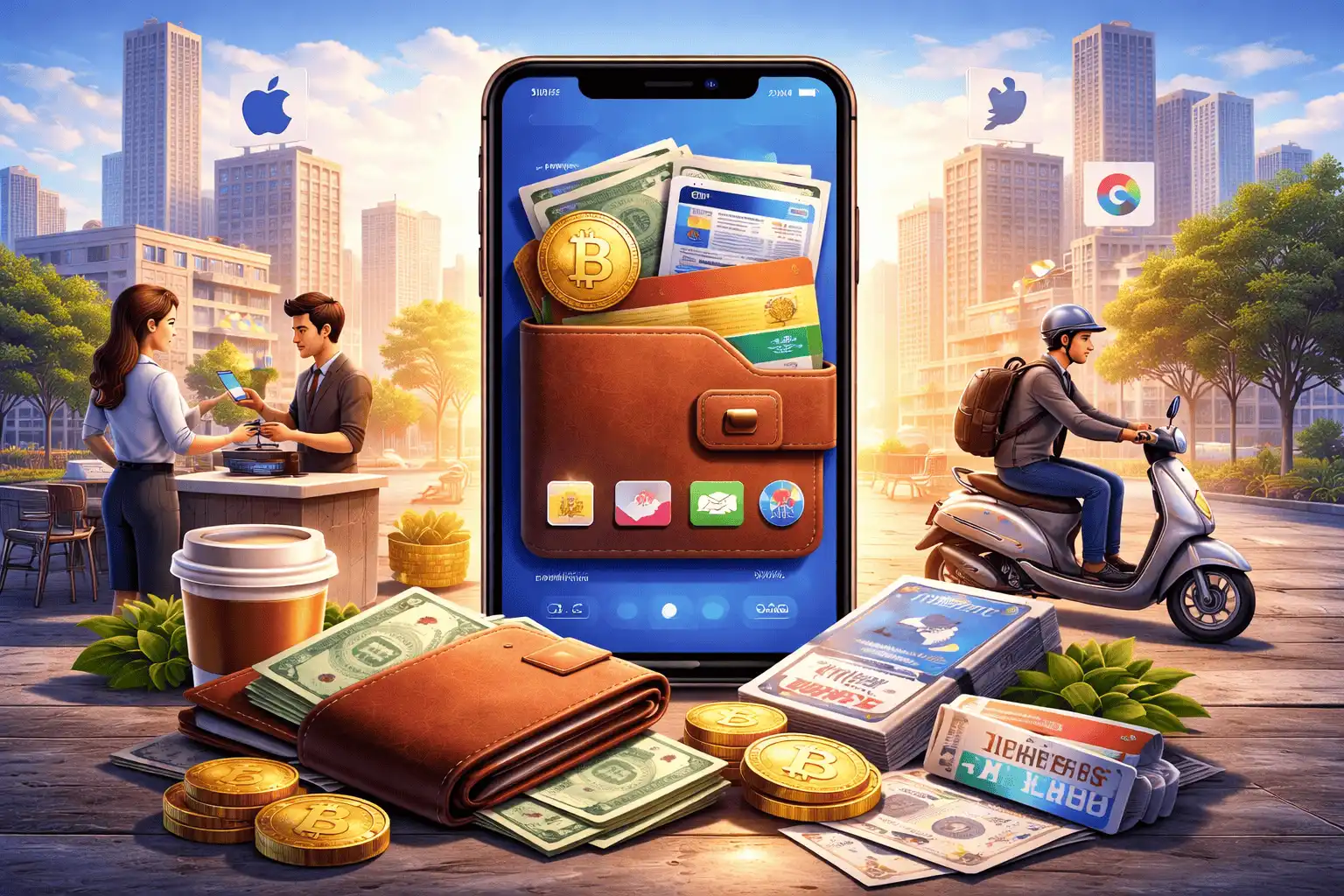
A recent user experience with AI-powered smartphones has triggered significant tension between AI developers and major internet platforms. Certain phones equipped with AI assistants, when attempting to perform automated actions like sending WeChat red packets or placing e-commerce orders via voice commands, were flagged by platforms for "suspected use of third-party plugins," leading to risk warnings and even account restrictions.
This incident, while appearing to be a technical compatibility issue, reveals a deeper structural conflict over "who has the right to operate the phone and control user access." On one side are smartphone manufacturers and AI teams aiming to deeply integrate AI into operating systems for "seamless interaction." On the other are internet platforms whose business models rely on controlling app entry points, user pathways, and data ecosystems.
This clash represents a fundamental challenge to the "walled garden" business model central to platforms like Tencent and Alibaba. The system-level AI assistant threatens this model in three key ways: it bypasses the need to click app icons (undermining ad revenue and user attention economies), potentially accesses platform data and content without formal interfaces (a "free-riding" concern), and shifts the role of "gatekeeper" for traffic distribution away from the super apps themselves.
From a legal perspective, this conflict highlights four major risk areas:
1. **Competition Law:** AI's "simulated clicks" could be deemed unauthorized interference with software operation, potentially constituting unfair competition if they skip ads or bypass verification steps.
2. **Data Security:** For the AI to "see" screen content and execute commands, it processes sensitive personal data (chats, account info), raising significant questions under China's Personal Information Protection Law regarding valid user consent and the "minimum necessity" principle.
3. **Antitrust Issues:** Future disputes may center on whether dominant platforms, arguably essential facilities, can justifiably refuse AI access, or if such refusal constitutes an abuse of market power that stifles innovation.
4. **User Liability:** Questions arise regarding who is responsible if the AI makes an error (e.g., buys the wrong product) or if a user's account is suspended due to AI activity, potentially leading to consumer claims against phone manufacturers.
This friction underscores a transition from an app-centric internet to an AI-agent-driven experience. The current legal framework struggles to address the integration of general AI. The sustainable solution likely lies not in technical workarounds like "simulated clicks," but in developing standardized protocols for AI interaction, balancing innovation with clear legal and compliance boundaries.
深潮10m ago