When Traditional Finance Fails People in Crisis, Bitcoin Succeeds

marsbitPublicado a 2026-07-17Actualizado a 2026-07-17

Resumen

When traditional finance fails to reach people in crisis, Bitcoin succeeds. This article highlights how fundraising platforms like GoFundMe face severe limitations in delivering aid to conflict zones like Gaza due to banking regulations, sanctions, and compliance rules. For instance, Sami Jamal Al-Shannat raised over £55,000 for his family but couldn't receive the funds directly; instead, money had to be routed through a beneficiary in another country, leading to disputes and loss of access. The piece explores how compliance requirements often force reliance on intermediaries, shifting risk and responsibility away from platforms and onto individuals. In contrast, Bitcoin and blockchain-based platforms like Geyser and Agora enable direct, peer-to-peer transactions, bypassing traditional financial bottlenecks. These platforms shift trust from centralized institutions to verifiers—local partners or trusted organizations—who validate projects, allowing donors to send funds directly to recipients' wallets. While not a panacea, Bitcoin offers a way to circumvent "transnational financial repression," where sanctions and AML rules inadvertently harm legitimate aid recipients, activists, and dissidents. The conclusion emphasizes that open payment networks and decentralized trust models represent a systemic shift, empowering beneficiaries and providing more resilient humanitarian fundraising in crisis situations. However, challenges around verification, accountability, and fraud prev...

Author: Forbes

Compiled by: AididiaoJP, Foresight News

In the Gaza Strip, a fundraising campaign that should have brought hope has been mired in obstacles due to the limitations of traditional finance.

Sami Jamal Al-Shannat raised over £55,000 (approximately RMB 500,000) on GoFundMe for his family trapped in the war zone, thinking the hardest part was over. However, after the platform deducted a 3.9% fee, it did not support direct payments to Gaza. The remaining funds had to be transferred to a designated beneficiary living in a supported country, who would then forward the money to his family.

This arrangement complied with platform rules but placed the final delivery entirely on personal trust. Sami says the arrangement with his brother-in-law, who was the beneficiary, later broke down, and he has yet to receive the full amount, with the dispute unresolved. He described it not merely as a financial loss but as leaving his wife and children in an extremely vulnerable situation.

"Raising the money wasn't the problem," Sami told me from a displacement camp in Gaza. "The problem started when we had to rely on someone else to receive it for us."

Sami's primary hope now is to recover the funds and seek accountability, but from Gaza, he finds it difficult to locate a lawyer and lacks the necessary funds and connections. He also plans to continue fundraising for his family as wartime inflation has caused prices for basic necessities like food to soar.

GoFundMe did not respond to multiple requests for comment.

The Trap of Compliance

Sami's experience exposes a widespread issue faced by humanitarian crowdfunding platforms: platforms must comply with banking rules, sanctions regimes, and anti-money laundering requirements, which strictly limit the regions where funds can be sent.

When people in crisis cannot receive funds directly, they must rely on intermediaries. This not only shifts responsibility onto individuals but can also result in the aid raised for them failing to arrive.

This compliance bottleneck can even paralyze global human rights organizations. Lyudmyla Kozlovska, President of the Open Dialogue Foundation, recalled that during the initial days of Russia's invasion of Ukraine in 2022, platforms like PayPal, GoFundMe, and Wise blocked their fundraising appeals for Ukraine. By using Bitcoin, the foundation was able to bypass traditional delays and deliver urgent humanitarian aid on the second day of the war.

Charities, aid organizations, and tech companies have been grappling for years with how to reach people cut off from the traditional financial system. A growing number of developers believe the current model relies on too many intermediaries, especially when funds need to cross borders or reach restricted jurisdictions.

Redesigning the Architecture of Trust

Michele Morucci, co-founder of the Bitcoin crowdfunding platform Geyser, points out that trust is the core issue.

"People think the biggest challenge is moving money. It's not. The biggest challenge is deciding who to trust."

Donors often don't know the beneficiaries personally; they rely on platforms, charities, journalists, and community leaders to judge a project's authenticity. Removing one intermediary only makes sense if there is an equally credible alternative.

Geyser reviews projects before they go live, requiring creators to provide proof of work, team information, and necessary documents. Projects that don't meet credibility standards are not approved.

Furthermore, over 100 Geyser Field Partners are responsible for identifying and supporting projects within their familiar communities, forming a chain of trust between local communities and global donors. Michele notes these partners have helped deliver 12 million satoshis (approximately £5,600, equivalent to 0.12 Bitcoin) directly to community projects. He acknowledges the model is still new and data remains limited.

More Than Just One Fundraising Case

The weaknesses exposed by Sami's case are not isolated. Crowdfunding platforms can raise money for families facing war, disaster, or oppression within hours, but getting the funds safely into the hands of the intended recipients is far more complex.

GoFundMe isn't the only platform restricting payment regions. Mainstream crowdfunding platforms rely on banks and payment providers and must comply with sanctions, identity verification, and anti-money laundering rules specific to jurisdictions.

When direct payment isn't supported, organizers may need to designate a beneficiary in another jurisdiction to receive the funds on behalf of the recipient. While this satisfies the platform's legal and banking requirements, it transfers responsibility to the intermediary. If the relationship breaks down, the recipient has very limited recourse through the platform.

Shifting Trust to Verifiers

The Agora platform takes a different path. It allows funds to flow directly between donors and recipients, while verification comes from organizations and individuals with first-hand knowledge of the project.

Mary Kate, co-founder of Soapbox (the team behind Agora), explains that donors might not know the person in need, but they might know and trust the organization verifying the project.

"This allows us to shift trust from the project itself to the verifier. You might not know the person in need, but you might know and trust the organization verifying it."

This model leaves the final decision with the donor. A project can still be visible even without verifier support; trusted organizations can add context and credibility without being the sole gatekeepers.

Agora also removes the crowdfunding platform from the payment flow. Donations are sent directly to a wallet controlled by the recipient, reducing the risk of funds being held by the platform or passed through another person's hands.

Bitcoin enables cross-border fund movement without requiring platform custody or beneficiary forwarding. Of course, wallet security, access, and exchange rate risks remain.

For Mary Kate, this control extends far beyond the movement of money itself.

"We can't take away your account, we can't shut down your project, we can't take your money," she says. "For people going through trauma and feeling a lack of control over their lives, this can be a huge moment of empowerment."

Direct payment doesn't solve all problems. Projects still need vetting, donors still need sufficient information to make informed decisions, and recipients could still misuse funds. Agora is working to make these risks more transparent while giving recipients greater control over funds raised in their name.

The Unintended Consequences of Financial Sanctions

Sami's experience is not an isolated case because the underlying issue is widespread. Activists, journalists, and humanitarian organizations worldwide are finding it increasingly difficult to legally transfer funds across borders as financial regulations grow more complex and sanctions impact entire jurisdictions rather than just governments.

Femi Longe, Global Tech for Freedom Strategy Lead at the Human Rights Foundation, believes these restrictions often unintentionally harm the very people meant to receive humanitarian aid.

"Traditional crowdfunding platforms are regulated; moving money across borders requires compliance with AML and sanctions rules. The problem is that these rules ultimately affect legitimate opposition groups, nonprofits, and ordinary citizens, not the governments they were originally aimed at."

Femi notes that even organizations operating legally within sanctioned countries struggle to receive donations. Visible financial ties can put domestic supporters or relatives at risk of retaliation.

Lyudmyla warns that this issue has evolved beyond administrative friction into "transnational financial repression" – where regimes leverage global AML/CFT rules to deprive dissidents of banking access, even in Western countries.

She cites a landmark resolution passed by the OSCE Parliamentary Assembly in July 2026, which recognized transnational financial repression as a systemic threat and called for stronger protections for donor privacy and privacy-preserving digital tools. Lyudmyla states that Bitcoin payment tools are becoming a necessary lifeline for targeted donors and activists.

Political opposition groups, independent journalists, and civil society organizations often rely on international donations to sustain their work. When donations are hard to send or easier to monitor, financial infrastructure becomes another form of pressure.

This doesn't mean regulations should be abolished. Public fundraising requires accountability, transparency, and safeguards to protect donors from fraud. All interviewees acknowledged this challenge and accepted that there is no perfect solution.

Femi argues the goal should be to remove unnecessary intermediaries while retaining accountability.

"If you allow the project operator to directly control the wallet receiving the funds, I think that's an improvement over the status quo," he adds, noting that verification and oversight remain integral to any system handling public donations.

Sami's case highlights a fundamental weakness in the humanitarian financial architecture. Systems built around banks, payment processors, and judicial borders often struggle when transferring funds to people in war zones, under political repression, or facing humanitarian crises. No one believes technology alone can solve humanitarian fundraising problems.

Direct payment to recipients removes one layer of risk but does not guarantee a project's authenticity, the organizer's honesty, or that donations will be used for the stated purpose.

Femi says, "I don't think Bitcoin solves everything. You still need systems to verify project creators, you still need accountability for how funds are used. These challenges don't disappear just because payment becomes direct."

Platforms like Michele's and Mary Kate's are working along similar lines: they don't claim to eliminate trust but attempt to redesign where that trust is placed.

The new generation of humanitarian crowdfunding is more than a temporary patch for a broken traditional model; it is a systemic shift. Open payment networks can give recipients direct control over funds raised in their name, while decentralized trust networks help donors decide whom to support.

Although judgment, verification, and accountability remain indispensable, this open architecture is bypassing the legacy financial restrictions and regulatory hurdles that prevent traditional platforms from reaching those most in need.

Criptos en tendencia

Preguntas relacionadas

QWhat was the primary challenge faced by Sami Jamal Al-Shannat after successfully raising funds on GoFundMe for his family in Gaza?

AThe primary challenge was that GoFundMe, after deducting fees, did not support direct payments to Gaza. The funds had to be sent to a designated beneficiary in a supported country, who was then supposed to forward the money. This reliance on an intermediary based on personal trust failed, as the arrangement with his brother-in-law broke down, leaving Sami unable to receive the full amount.

QHow did the Open Dialogue Foundation manage to deliver humanitarian aid to Ukraine promptly after the Russian invasion, according to the article?

AAccording to the article, when platforms like PayPal, GoFundMe, and Wise blocked their fundraising appeals, the Open Dialogue Foundation used Bitcoin. This allowed them to bypass traditional delays and deliver emergency humanitarian aid to Ukraine on the second day of the war.

QAccording to Michele Morucci of Geyser, what is the core problem in humanitarian crowdfunding, and how does Geyser address it?

AMichele Morucci states that the core problem is trust, not moving money. Geyser addresses this by vetting projects before they go live, requiring evidence of work and necessary documentation. They also utilize a network of over 100 'Field Partners' who identify and support projects within their own communities, creating a chain of trust between local communities and global donors.

QWhat key difference does the Agora platform introduce in its model compared to traditional crowdfunding platforms?

AAgora removes the platform from the payment flow. Donations are sent directly to a wallet controlled by the beneficiary. Trust is shifted from the project creator to verifiers—organizations or individuals with firsthand knowledge of the project who can vouch for it. This gives beneficiaries direct control over the funds raised in their name.

QWhat is 'transnational financial repression' as mentioned by Lyudmyla Kozlovska, and what role does Bitcoin play in this context?

A'Transnational financial repression' refers to regimes exploiting global anti-money laundering and counter-terrorism financing rules to deny banking access to dissidents, even in Western countries. Lyudmyla Kozlovska warns that this goes beyond administrative friction. In this context, Bitcoin payment tools are becoming a necessary lifeline for targeted donors and activists, as they can bypass these restrictive financial controls.

Lecturas Relacionadas

Understanding the Stablecoin Industry Chain in One Article: The Real Profits Are Not in the Issuance

Understanding the Stablecoin Industry Value Chain: The Real Profits Are Not in Issuance The article argues that while industry discussion focuses on stablecoin issuers like Tether and Circle, the real profit opportunities lie further down the value chain. It breaks the stablecoin ecosystem into five key segments: issuance, on/off-ramps, on-chain transfers, payments, and yield generation/asset growth. Issuance is dominated by a few giants with massive scale and trust advantages, making direct competition difficult. New entrants are advised to focus on specialized infrastructure roles within this segment instead. The on/off-ramp sector faces intense competition and margin pressure on basic transaction fees, pushing service providers to expand into adjacent services for recurring revenue. The on-chain transfer segment, particularly for cross-border payments and payroll, offers significant cost advantages over traditional systems. Profits are not in the transfer itself but in the surrounding compliance, FX services, and leveraging idle funds. In payments, the core profitability lies not in consumer-facing card brands but in the backend infrastructure for issuing, clearing, and settlement. This allows players to capture reserve interest and improve capital efficiency through real-time, on-chain clearing. Finally, the asset growth/yield segment has evolved into a full-fledged on-chain asset management industry. It features layered models with specialized risk managers and offers products ranging from tokenized treasuries (RWA) to yield-bearing synthetic dollars. The future direction points towards integrating stablecoin advantages (24/7 clearing, low-cost transfers, programmable yield) into existing traditional financial infrastructure, as seen in recent acquisitions. Value is shifting downstream to the clearing/payments layer and towards compliant integration with traditional finance, including the rise of regional non-USD stablecoins.

Foresight NewsHace 6 min(s)

Understanding the Stablecoin Industry Chain in One Article: The Real Profits Are Not in the Issuance

Foresight NewsHace 6 min(s)

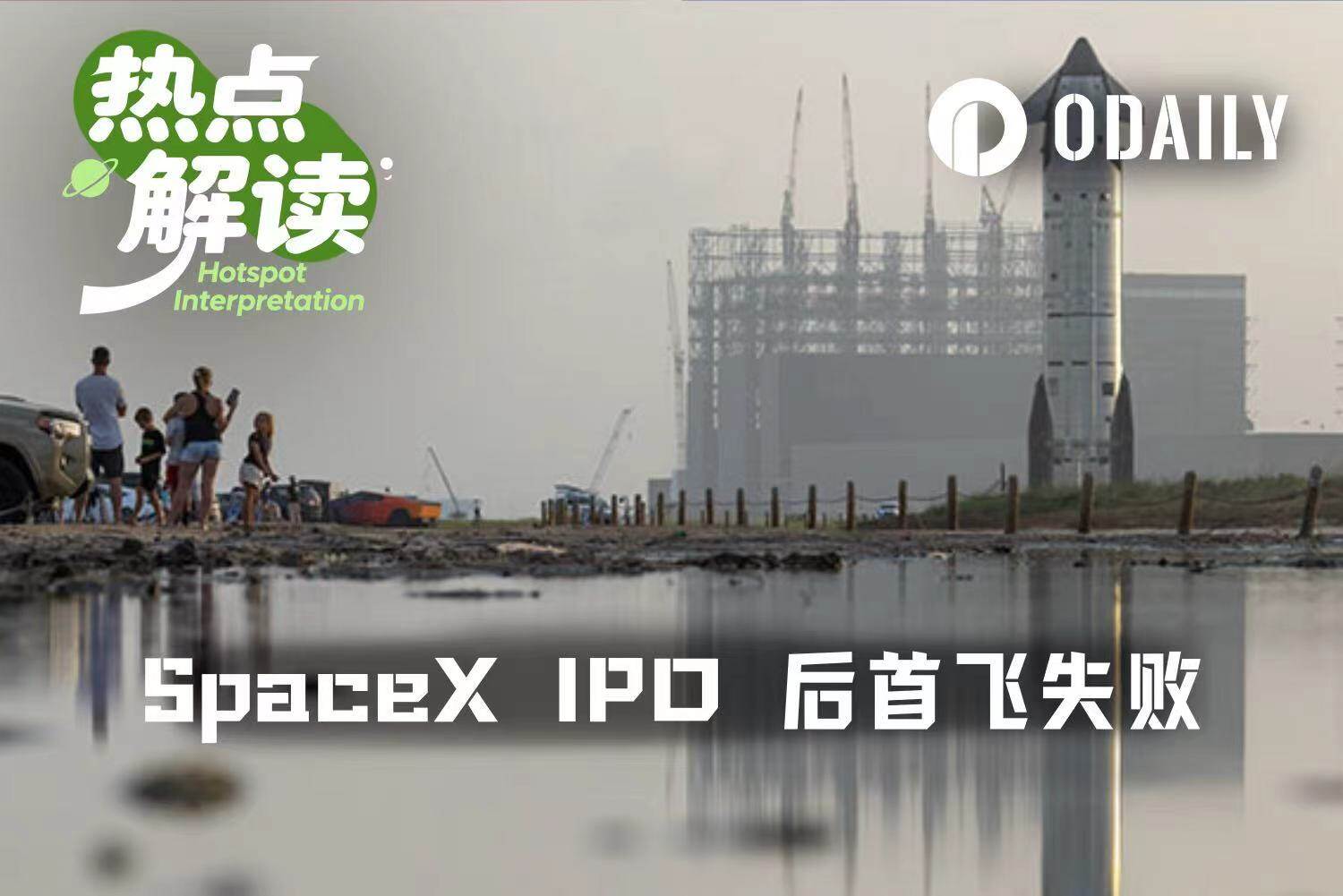
Stock Price Falls Below IPO Price, First Launch After IPO Hits a Snag, Where Will SpaceX Go From Here?

SpaceX Faces Post-IPO Pressure as Starship Launch Aborted, Stock Slumps SpaceX's highly anticipated 13th test flight of its Starship rocket was aborted during the final ignition sequence on July 17th due to issues with some Raptor engines failing to start as expected. CEO Elon Musk stated the company will replace two engines and aims for another launch attempt early next week. This setback comes at a critical time for SpaceX. Following its historic IPO last month, the company's stock (SPCX) has recently fallen below its offering price, down nearly 40% from its peak. The market had hoped a successful test would bolster the declining share price, but the abort triggered further after-hours selling. The article highlights a shift in investor perspective post-IPO. While previous Starship test failures were often viewed within SpaceX's "fail fast, iterate" Silicon Valley engineering culture as valuable data points, public market investors are now more focused on timelines, commercialization prospects, and their impact on valuation and future cash flows. Each delay or issue is now quickly factored into the stock price. While public listing provides crucial capital for ambitious projects like Starlink and Starship, it also brings increased scrutiny and pressure for predictable progress. The upcoming launch attempt is now seen as more than a technical milestone; its success or failure is likely to significantly influence market sentiment and the stock's near-term trajectory as SpaceX navigates the new realities of being a publicly traded company.

Odaily星球日报Hace 40 min(s)

Stock Price Falls Below IPO Price, First Launch After IPO Hits a Snag, Where Will SpaceX Go From Here?

Odaily星球日报Hace 40 min(s)

A Critical Review of Base Co-founder's "Letter of Self-Criticism"

Yesterday, Base co-founder Jesse Pollak published a self-critical post on X, reflecting on Base's successes and failures over the past two years. While his candor is commendable, the author argues his analysis still misses key points. Jesse admitted his primary mistake was heavily betting that onchain social platforms (like Farcaster) and creator tokens would drive mainstream crypto adoption. The author harshly criticizes this strategy, giving it a "0/100" score. They argue onchain social offers no superior user experience, and creator tokens, like Jesse's own $JESSE, fail to solve fundamental issues about value and creator adoption, unlike successful memecoins on other chains. The author is more forgiving regarding Base lagging in areas like perpetual DEXs and prediction markets, giving this an "80/100". They note strong competitors like Hyperliquid had unique advantages, and Base has found significant success in other narratives like AI and RWA. The author gives Jesse's overall reflection a "60/100" or passing grade. While Jesse now correctly sees multiple paths to adoption (stablecoins, payments, AI Agents) beyond just social, he, along with other industry leaders like Toly and Vitalik, still underestimates the powerful role of memecoins in driving mainstream awareness and adoption. The critique concludes that leaders often leverage memes for user acquisition but fail to genuinely embrace or thoughtfully develop the space, revealing a retreat from idealism and a disconnect from grassroots, viral growth mechanisms.

marsbitHace 1 hora(s)

A Critical Review of Base Co-founder's "Letter of Self-Criticism"

marsbitHace 1 hora(s)

Trading

Spot

Artículos destacados

Qué es BITCOIN

Entendiendo HarryPotterObamaSonic10Inu (ERC-20) y Su Posición en el Espacio Cripto En los últimos años, el mercado de criptomonedas ha sido testigo de un aumento en la popularidad de las monedas meme, capturando el interés no solo de los comerciantes, sino también de aquellos que buscan compromiso comunitario y valor de entretenimiento. Entre estos tokens únicos se encuentra HarryPotterObamaSonic10Inu (ERC-20), un proyecto intrigante que mezcla referencias culturales en el tejido de las criptomonedas. Este artículo profundiza en los aspectos clave de HarryPotterObamaSonic10Inu, explorando sus mecanismos, ethos impulsado por la comunidad y su relación con el paisaje cripto más amplio. ¿Qué es HarryPotterObamaSonic10Inu (ERC-20)? Como su nombre sugiere, HarryPotterObamaSonic10Inu es una moneda meme construida sobre la blockchain de Ethereum, clasificada bajo el estándar ERC-20. A diferencia de las criptomonedas tradicionales que pueden enfatizar la utilidad práctica o el potencial de inversión, este token prospera en el valor de entretenimiento y la fuerza de su comunidad. El proyecto tiene como objetivo fomentar un entorno donde los usuarios comprometidos puedan reunirse, compartir ideas y participar en actividades inspiradas por diversos fenómenos culturales. Una característica notable de HarryPotterObamaSonic10Inu es su cero impuestos en las transacciones. Este atractivo elemento tiene como objetivo incentivar el comercio y la participación comunitaria, sin cargos adicionales que puedan disuadir a los comerciantes de pequeña escala. El suministro total de la moneda está establecido en mil millones de tokens, una cifra que marca su intención de mantener una circulación sustancial dentro de la comunidad. Creador de HarryPotterObamaSonic10Inu (ERC-20) Los orígenes de HarryPotterObamaSonic10Inu están algo envueltos en misterio; los detalles sobre el creador siguen siendo desconocidos. El desarrollo de este token carece de un equipo identificable o de un plan explícito, lo cual no es inusual dentro del sector de monedas meme. En cambio, el proyecto ha surgido de manera orgánica, con su progreso muy dependiente del entusiasmo y la participación de su comunidad. Inversores de HarryPotterObamaSonic10Inu (ERC-20) En cuanto a inversiones externas y respaldo, HarryPotterObamaSonic10Inu también sigue siendo ambiguo. El token no lista ninguna fundación de inversión conocida o apoyo organizacional significativo. En cambio, la savia del proyecto es su comunidad de base, que informa su crecimiento y sostenibilidad a través de la acción colectiva y el compromiso en el espacio cripto. ¿Cómo Funciona HarryPotterObamaSonic10Inu (ERC-20)? Como una moneda meme, HarryPotterObamaSonic10Inu opera principalmente fuera de los marcos tradicionales que a menudo rigen el valor de los activos. Hay varios aspectos distintivos que definen cómo funciona el proyecto: Transacciones Sin Impuestos: Sin tarifas impositivas en las transacciones, los usuarios pueden comprar y vender el token libremente sin preocuparse por costos ocultos. Compromiso Comunitario: El proyecto prospera en la interacción comunitaria, aprovechando plataformas de redes sociales para crear entusiasmo y facilitar la participación. Las discusiones, el intercambio de contenido y el compromiso son elementos cruciales que ayudan a expandir su alcance y fomentar la lealtad entre los seguidores. Sin Utilidad Práctica: Cabe señalar que HarryPotterObamaSonic10Inu no ofrece utilidad concreta dentro del ecosistema financiero. Más bien, se clasifica como un token principalmente para actividades de entretenimiento y comunitarias. Referencia Cultural: El token incorpora astutamente elementos de la cultura popular para atraer interés, conectando con entusiastas de los memes y seguidores de las criptomonedas por igual. HarryPotterObamaSonic10Inu ejemplifica cómo las monedas meme operan de manera diferente a los proyectos de criptomonedas más tradicionales, ingresando al mercado como construcciones sociales innovadoras en lugar de activos utilitarios. Cronología de HarryPotterObamaSonic10Inu (ERC-20) La historia de HarryPotterObamaSonic10Inu está marcada por varios hitos notables: Creación: El token surgió de un meme viral, capturando la imaginación de muchos entusiastas de las criptomonedas. Las fechas específicas de creación no están disponibles, subrayando su ascenso orgánico. Listado en Exchanges: HarryPotterObamaSonic10Inu ha llegado a varios exchanges, permitiendo un acceso y comercio más fácil por parte de la comunidad. Iniciativas de Compromiso Comunitario: Actividades continuas destinadas a mejorar la interacción comunitaria, incluyendo concursos, campañas en redes sociales y generación de contenido por parte de fanáticos y defensores. Planes de Expansión Futuros: La hoja de ruta del proyecto incluye el lanzamiento de una colección de NFT, mercancía y un sitio de comercio electrónico relacionado con sus temas culturales, involucrando aún más a la comunidad e intentando añadir más dimensiones a su ecosistema. Puntos Clave Sobre HarryPotterObamaSonic10Inu (ERC-20) Naturaleza Impulsada por la Comunidad: El proyecto prioriza la participación colectiva y la creatividad, asegurando que la involucración de los usuarios esté a la vanguardia de su desarrollo. Clasificación como Moneda Meme: Representa la epítome de las criptomonedas basadas en el entretenimiento, diferenciándose de los vehículos de inversión tradicionales. Sin Afiliación Directa con Bitcoin: A pesar de la similitud en el nombre del ticker, HarryPotterObamaSonic10Inu es distinto y no tiene relación con Bitcoin u otras criptomonedas establecidas. Enfoque en la Colaboración: HarryPotterObamaSonic10Inu está diseñado para crear un espacio para la colaboración y el intercambio de historias entre sus poseedores, proporcionando una vía para la creatividad y el vínculo comunitario. Perspectivas Futuras: La ambición de expandirse más allá de su premisa inicial hacia NFTs y mercancías describe un camino para que el proyecto potencialmente ingrese a avenidas más tradicionales dentro de la cultura digital. A medida que las monedas meme continúan capturando la imaginación de la comunidad de criptomonedas, HarryPotterObamaSonic10Inu (ERC-20) se destaca debido a sus lazos culturales y su enfoque centrado en la comunidad. Si bien puede no encajar en el molde típico de un token impulsado por la utilidad, su esencia radica en la alegría y la camaradería fomentadas entre sus seguidores, destacando la naturaleza en evolución de las criptomonedas en una era cada vez más digital. A medida que el proyecto continúa desarrollándose, será importante observar cómo las dinámicas comunitarias influyen en su trayectoria en el cambiante paisaje de la tecnología blockchain.

2.0k Vistas totalesPublicado en 2024.04.01Actualizado en 2024.12.03

Qué es BITCOIN

Cómo comprar BTC

¡Bienvenido a HTX.com! Hemos hecho que comprar Bitcoin (BTC) sea simple y conveniente. Sigue nuestra guía paso a paso para iniciar tu viaje de criptos.Paso 1: crea tu cuenta HTXUtiliza tu correo electrónico o número de teléfono para registrarte y obtener una cuenta gratuita en HTX. Experimenta un proceso de registro sin complicaciones y desbloquea todas las funciones.Obtener mi cuentaPaso 2: ve a Comprar cripto y elige tu método de pagoTarjeta de crédito/débito: usa tu Visa o Mastercard para comprar Bitcoin (BTC) al instante.Saldo: utiliza fondos del saldo de tu cuenta HTX para tradear sin problemas.Terceros: hemos agregado métodos de pago populares como Google Pay y Apple Pay para mejorar la comodidad.P2P: tradear directamente con otros usuarios en HTX.Over-the-Counter (OTC): ofrecemos servicios personalizados y tipos de cambio competitivos para los traders.Paso 3: guarda tu Bitcoin (BTC)Después de comprar tu Bitcoin (BTC), guárdalo en tu cuenta HTX. Alternativamente, puedes enviarlo a otro lugar mediante transferencia blockchain o utilizarlo para tradear otras criptomonedas.Paso 4: tradear Bitcoin (BTC)Tradear fácilmente con Bitcoin (BTC) en HTX's mercado spot. Simplemente accede a tu cuenta, selecciona tu par de trading, ejecuta tus trades y monitorea en tiempo real. Ofrecemos una experiencia fácil de usar tanto para principiantes como para traders experimentados.

5.3k Vistas totalesPublicado en 2024.12.12Actualizado en 2026.06.02

Cómo comprar BTC

Qué es $BITCOIN

ORO DIGITAL ($BITCOIN): Un Análisis Integral Introducción al ORO DIGITAL ($BITCOIN) ORO DIGITAL ($BITCOIN) es un proyecto basado en blockchain que opera en la red Solana, cuyo objetivo es combinar las características de los metales preciosos tradicionales con la innovación de las tecnologías descentralizadas. Aunque comparte un nombre con Bitcoin, a menudo referido como “oro digital” debido a su percepción como un refugio de valor, ORO DIGITAL es un token separado diseñado para crear un ecosistema único dentro del paisaje Web3. Su meta es posicionarse como un activo digital alternativo viable, aunque los detalles sobre sus aplicaciones y funcionalidades aún están en desarrollo. ¿Qué es ORO DIGITAL ($BITCOIN)? ORO DIGITAL ($BITCOIN) es un token de criptomoneda diseñado explícitamente para su uso en la blockchain de Solana. A diferencia de Bitcoin, que proporciona un papel de almacenamiento de valor ampliamente reconocido, este token parece centrarse en aplicaciones y características más amplias. Aspectos notables incluyen: Infraestructura Blockchain: El token está construido sobre la blockchain de Solana, conocida por su capacidad para manejar transacciones de alta velocidad y bajo costo. Dinámicas de Suministro: ORO DIGITAL tiene un suministro máximo limitado a 100 cuatrillones de tokens (100P $BITCOIN), aunque los detalles sobre su suministro circulante no se han divulgado actualmente. Utilidad: Si bien las funcionalidades precisas no están delineadas explícitamente, hay indicios de que el token podría ser utilizado para diversas aplicaciones, potencialmente involucrando aplicaciones descentralizadas (dApps) o estrategias de tokenización de activos. ¿Quién es el Creador de ORO DIGITAL ($BITCOIN)? En la actualidad, la identidad de los creadores y el equipo de desarrollo detrás de ORO DIGITAL ($BITCOIN) sigue siendo desconocida. Esta situación es típica entre muchos proyectos innovadores dentro del espacio blockchain, particularmente aquellos alineados con las finanzas descentralizadas y fenómenos de monedas meme. Si bien tal anonimato puede fomentar una cultura impulsada por la comunidad, intensifica las preocupaciones sobre la gobernanza y la responsabilidad. ¿Quiénes son los Inversores de ORO DIGITAL ($BITCOIN)? La información disponible indica que ORO DIGITAL ($BITCOIN) no tiene patrocinadores institucionales conocidos ni inversiones destacadas de capital de riesgo. El proyecto parece operar en un modelo de peer-to-peer centrado en el apoyo y la adopción de la comunidad en lugar de rutas de financiamiento tradicionales. Su actividad y liquidez se sitúan principalmente en intercambios descentralizados (DEX), como PumpSwap, en lugar de plataformas de trading centralizadas establecidas, lo que resalta aún más su enfoque de base. Cómo Funciona ORO DIGITAL ($BITCOIN) Los mecanismos operativos de ORO DIGITAL ($BITCOIN) pueden elaborarse en función de su diseño blockchain y atributos de red: Mecanismo de Consenso: Al aprovechar el único proof-of-history (PoH) de Solana combinado con un modelo de proof-of-stake (PoS), el proyecto asegura una validación de transacciones eficiente que contribuye al alto rendimiento de la red. Tokenómica: Si bien los mecanismos deflacionarios específicos no se han detallado extensamente, el vasto suministro máximo de tokens implica que podría atender microtransacciones o casos de uso nicho que aún están por definirse. Interoperabilidad: Existe el potencial de integración con el ecosistema más amplio de Solana, incluyendo varias plataformas de finanzas descentralizadas (DeFi). Sin embargo, los detalles sobre integraciones específicas permanecen no especificados. Cronología de Eventos Clave Aquí hay una cronología que destaca hitos significativos relacionados con ORO DIGITAL ($BITCOIN): 2023: El despliegue inicial del token ocurre en la blockchain de Solana, marcado por su dirección de contrato. 2024: ORO DIGITAL gana visibilidad al estar disponible para trading en intercambios descentralizados como PumpSwap, permitiendo a los usuarios comerciar contra SOL. 2025: El proyecto presencia actividad de trading esporádica y potencial interés en compromisos liderados por la comunidad, aunque no se han documentado asociaciones notables o avances técnicos hasta el momento. Análisis Crítico Fortalezas Escalabilidad: La infraestructura subyacente de Solana soporta altos volúmenes de transacciones, lo que podría mejorar la utilidad de $BITCOIN en varios escenarios de transacción. Accesibilidad: El potencial bajo precio de trading por token podría atraer a inversores minoristas, facilitando una participación más amplia debido a oportunidades de propiedad fraccionada. Riesgos Falta de Transparencia: La ausencia de patrocinadores, desarrolladores o un proceso de auditoría conocidos públicamente puede generar escepticismo sobre la sostenibilidad y confiabilidad del proyecto. Volatilidad del Mercado: La actividad de trading depende en gran medida del comportamiento especulativo, lo que puede resultar en una volatilidad de precios significativa y en incertidumbre para los inversores. Conclusión ORO DIGITAL ($BITCOIN) surge como un proyecto intrigante pero ambiguo dentro del ecosistema de Solana en rápida evolución. Si bien intenta aprovechar la narrativa del “oro digital”, su alejamiento del papel establecido de Bitcoin como refugio de valor subraya la necesidad de una diferenciación más clara de su utilidad y estructura de gobernanza previstas. La aceptación y adopción futura dependerán probablemente de abordar la actual opacidad y de definir sus estrategias operativas y económicas de manera más explícita. Nota: Este informe abarca información sintetizada disponible hasta octubre de 2023, y pueden haber ocurrido desarrollos más allá del período de investigación.

120 Vistas totalesPublicado en 2025.05.13Actualizado en 2025.05.13

Qué es $BITCOIN

Discusiones

Bienvenido a la comunidad de HTX. Aquí puedes mantenerte informado sobre los últimos desarrollos de la plataforma y acceder a análisis profesionales del mercado. A continuación se presentan las opiniones de los usuarios sobre el precio de BTC (BTC).

活动图片