Tiger Research: Ten Major Shifts in the Cryptocurrency Market by 2026

marsbitPublicado a 2025-12-29Actualizado a 2025-12-29

Resumen

Tiger Research outlines ten major shifts expected in the cryptocurrency market by 2026. As the industry matures, institutional capital will remain concentrated in Bitcoin and Ethereum, avoiding unproven assets. Projects without real revenue generation will face淘汰, while unsustainable tokenomics will give way to models emphasizing buybacks and burns. Increased M&A activity will drive market consolidation. Emerging trends include the fusion of robotics and crypto-enabled gig economies for decentralized data collection, and media companies adopting prediction markets to boost engagement. Traditional finance will dominate real-world assets (RWA) via private chains, while ETH staking ETFs will accelerate growth in Bitcoin-based financial products (BTCFi). Fintech apps will surpass exchanges as primary entry points for new users. Finally, privacy technology will become essential institutional infrastructure to protect large-scale trading strategies.

This report is authored by Tiger Research. The cryptocurrency industry is entering the mainstream. Institutions have become key players in the market. Capital is flowing to projects that generate real yield. Short-term price fluctuations are no longer important. Sustainable business models have become crucial. Tiger Research predicts ten major shifts in the cryptocurrency market by 2026.

1. Institutional Capital Continues to Stay in Bitcoin
Source: Tiger Research

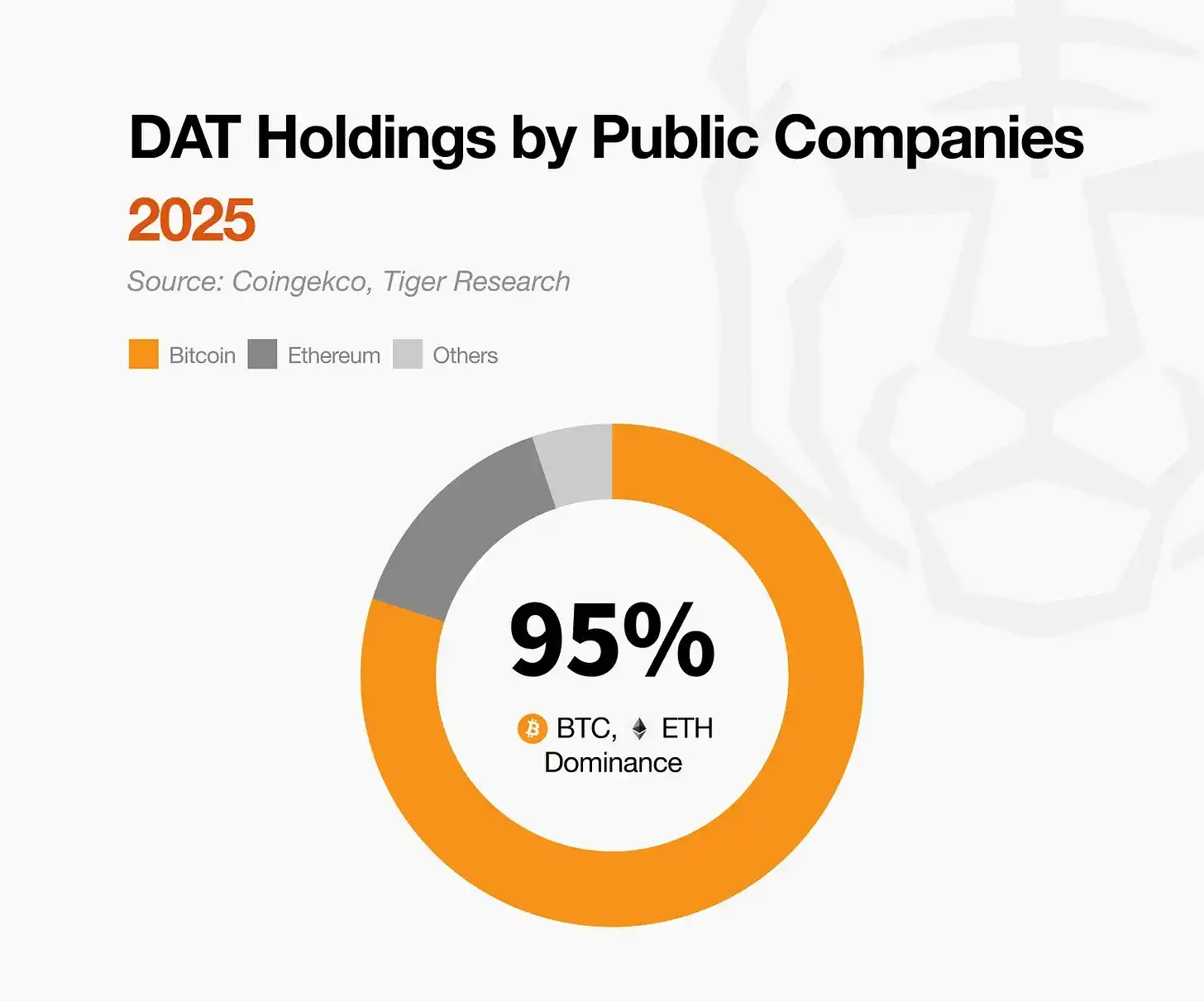
As institutions dominate the market, capital flows have become more cautious. These investors avoid unverified assets, limiting their scope to Bitcoin and Ethereum. This trend is likely to continue. Market growth will be concentrated only on assets that meet institutional standards.

2. Profitless Projects Face Market Elimination
Source: Tiger Research

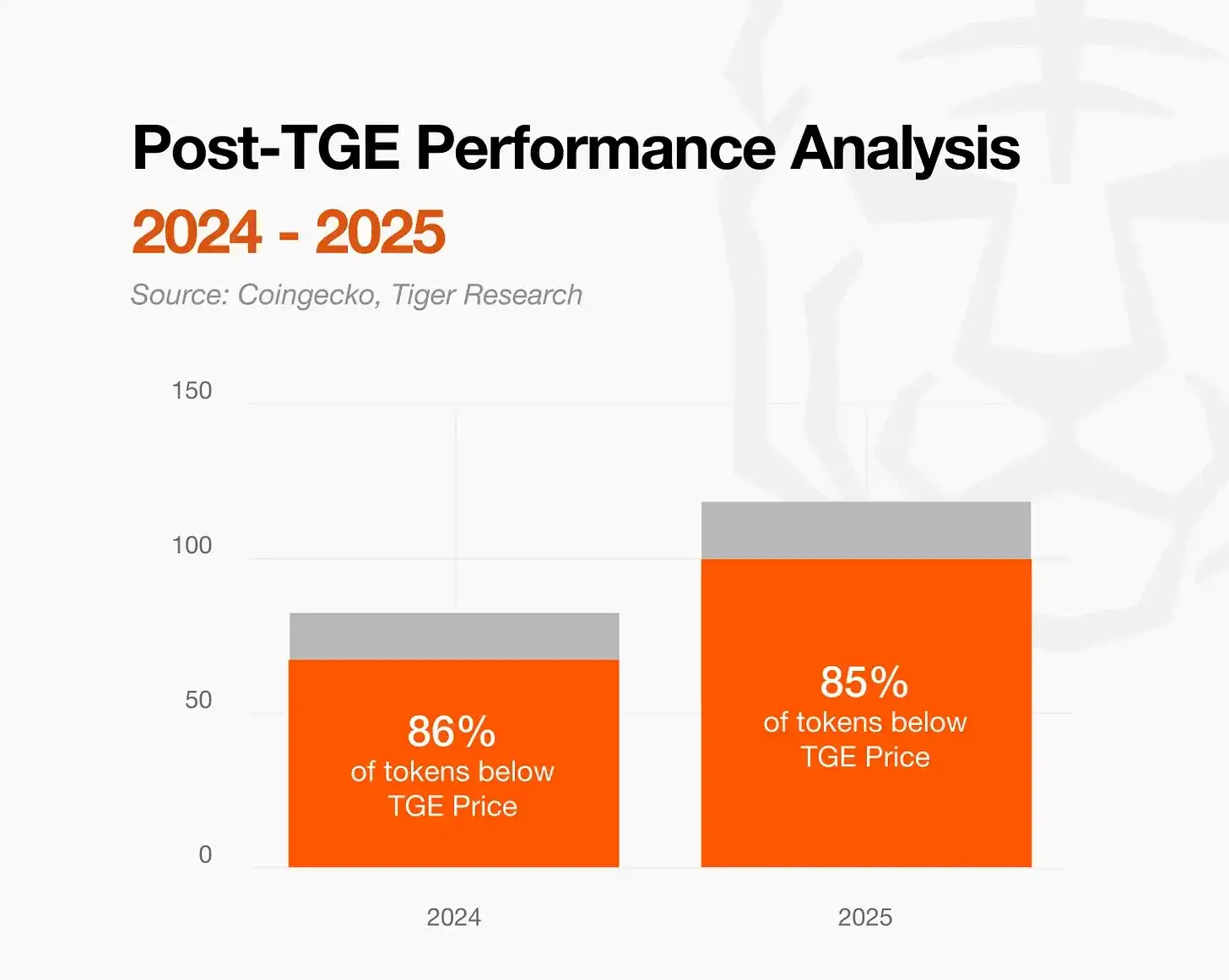
85% of new tokens decline in price after TGE, exposing the limitations of narrative-driven growth. Hype-based projects will be replaced by new trends at an increasingly rapid pace. The market will shift towards projects that generate real yield and demonstrate robust fundamentals.

3. Utility Has Failed, Buybacks Are the Only Answer
Source: Tiger Research

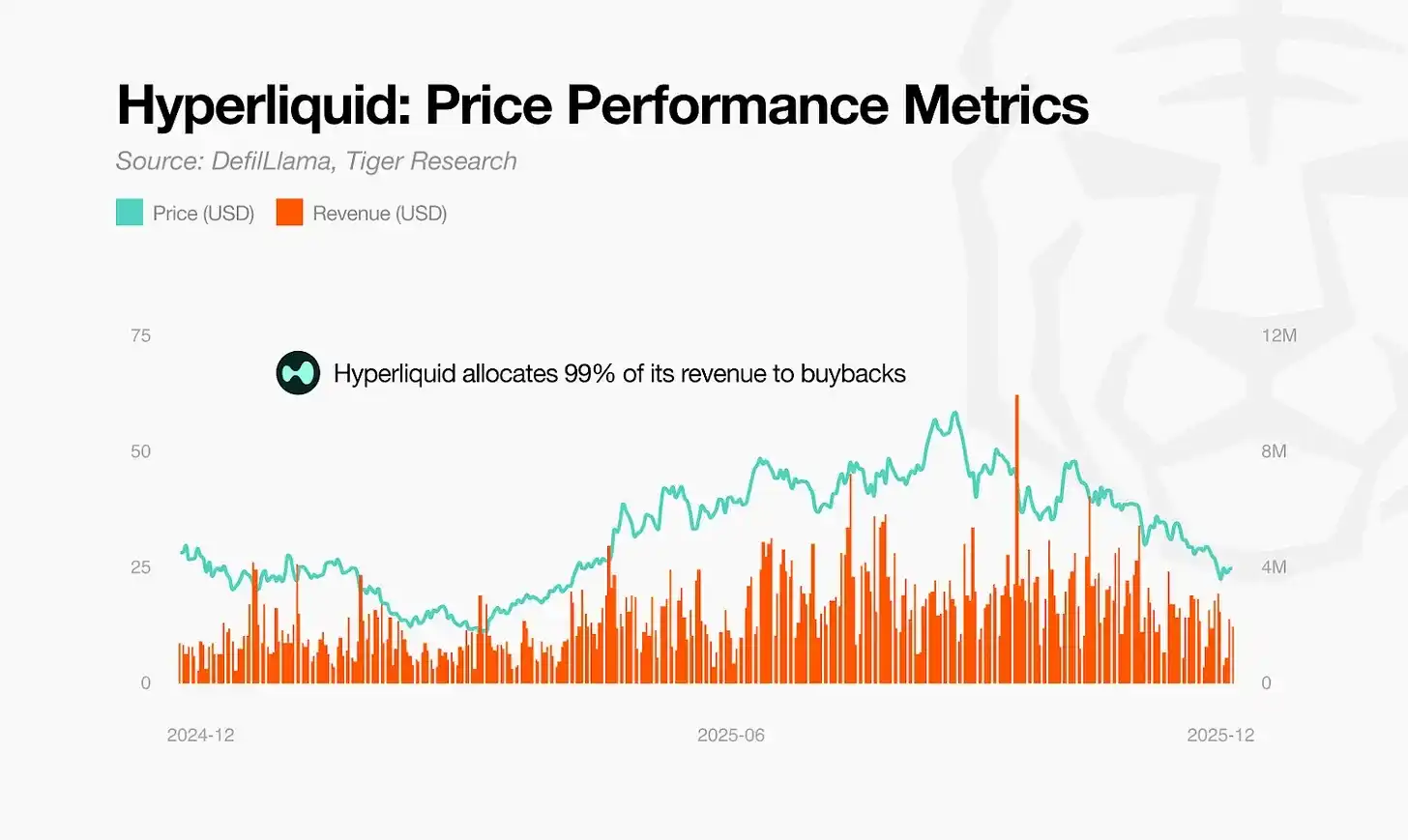
Tokenomics focused on utility have failed. Governance voting rights have failed to attract investors. Complex structures are unsustainable. The market now demands clear value returns. Models that provide direct returns through buybacks and burns will survive. Structures where protocol growth directly impacts token price will also survive. New innovative models will emerge from this shift.

4. Increased M&A Opportunities Between Projects

Source: Tiger Research

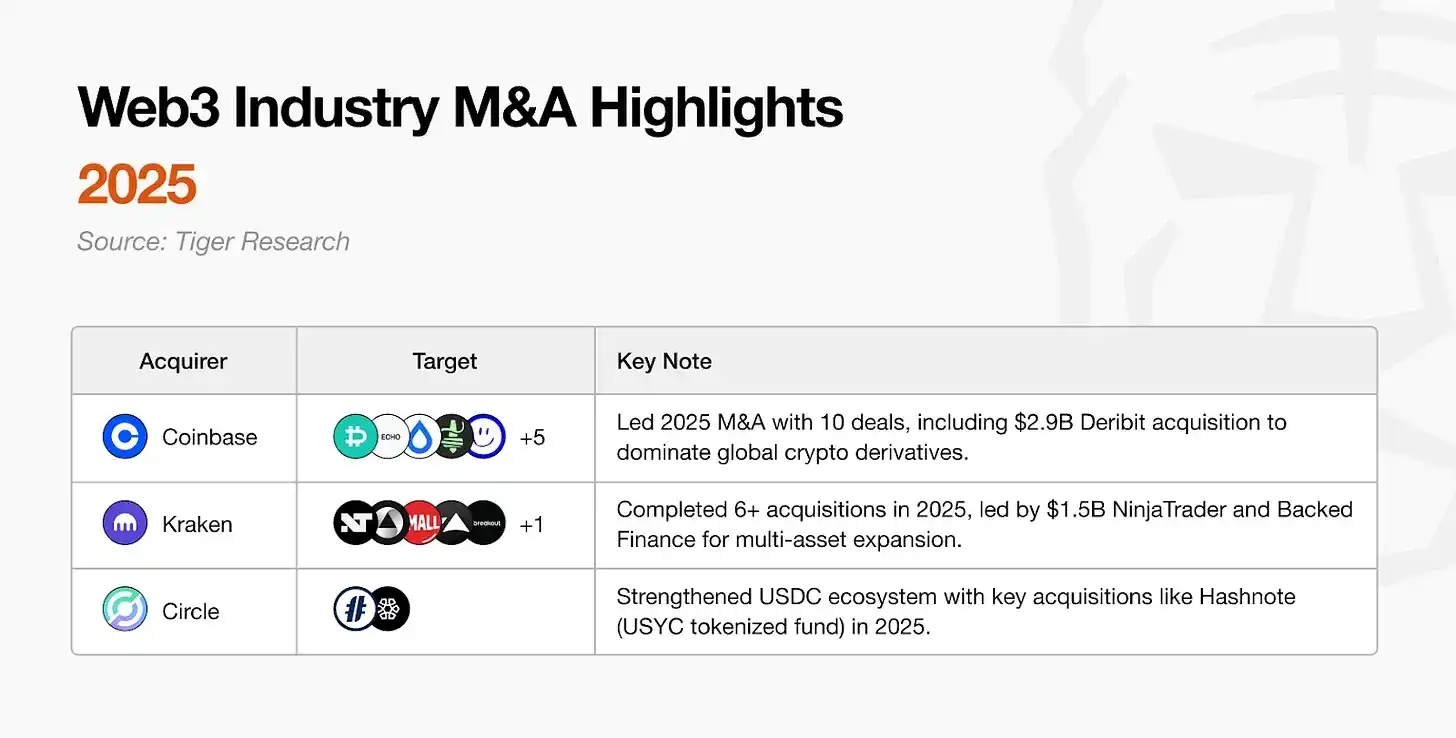
Web3 is maturing. Competition for market dominance is intensifying. Mergers and acquisitions (M&A) are now the fastest way for companies to scale and enhance competitiveness. The winners will drive aggressive M&A activity. The market will be reshaped by businesspeople who create real profits.

5. Robotics and Cryptocurrency Will Usher in a New Era of the Gig Economy
Source: figure.ai

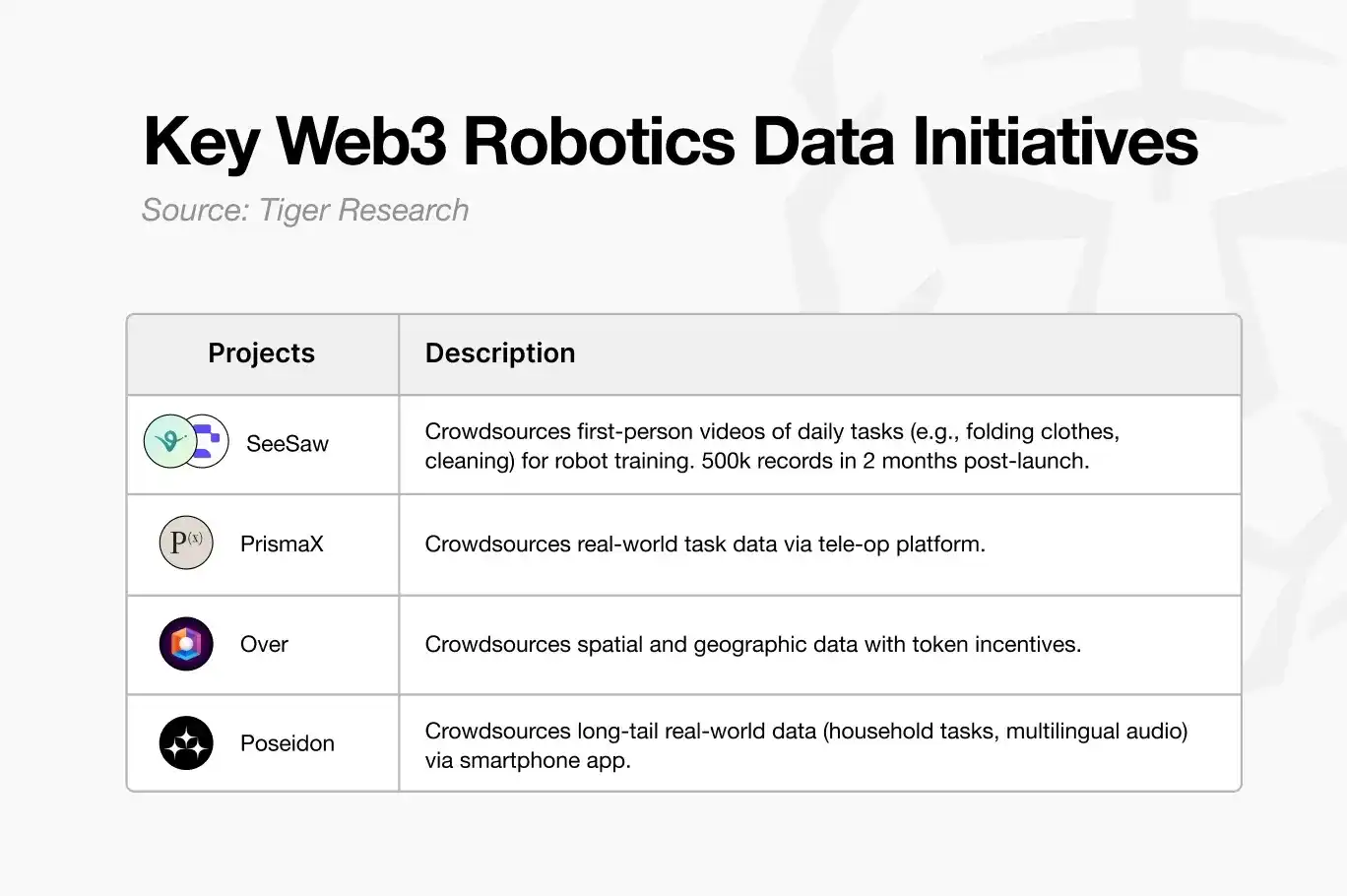
The robotics industry is growing. Real-world data for robot training has become crucial. Traditional centralized methods cannot efficiently collect massive amounts of data. Blockchain-based decentralized crowdsourcing solves this problem. It collects vast amounts of data from individuals globally and provides transparent, instant rewards. A new gig economy centered around robotics will emerge.

6. Media Companies Adopt Prediction Markets
Source: Tiger Research

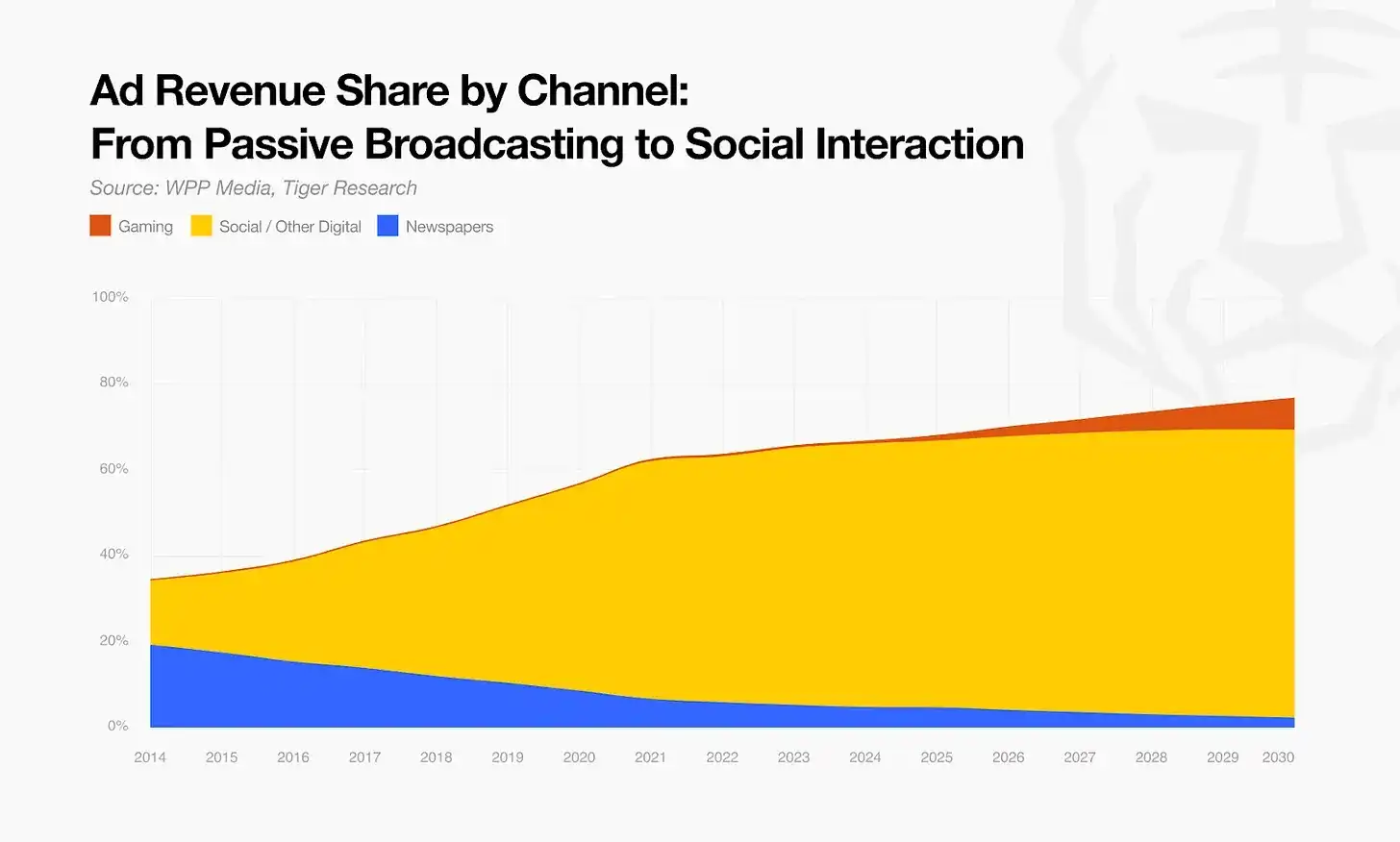
As traditional revenue models reach their limits, media companies will adopt prediction markets as a survival strategy. Readers will shift from passive consumption to active participation, placing capital bets on news outcomes. This shift will optimize revenue structures while driving deeper audience engagement.

7. Traditional Finance Dominates RWA Through Self-Built Chains
Source: Tiger Research

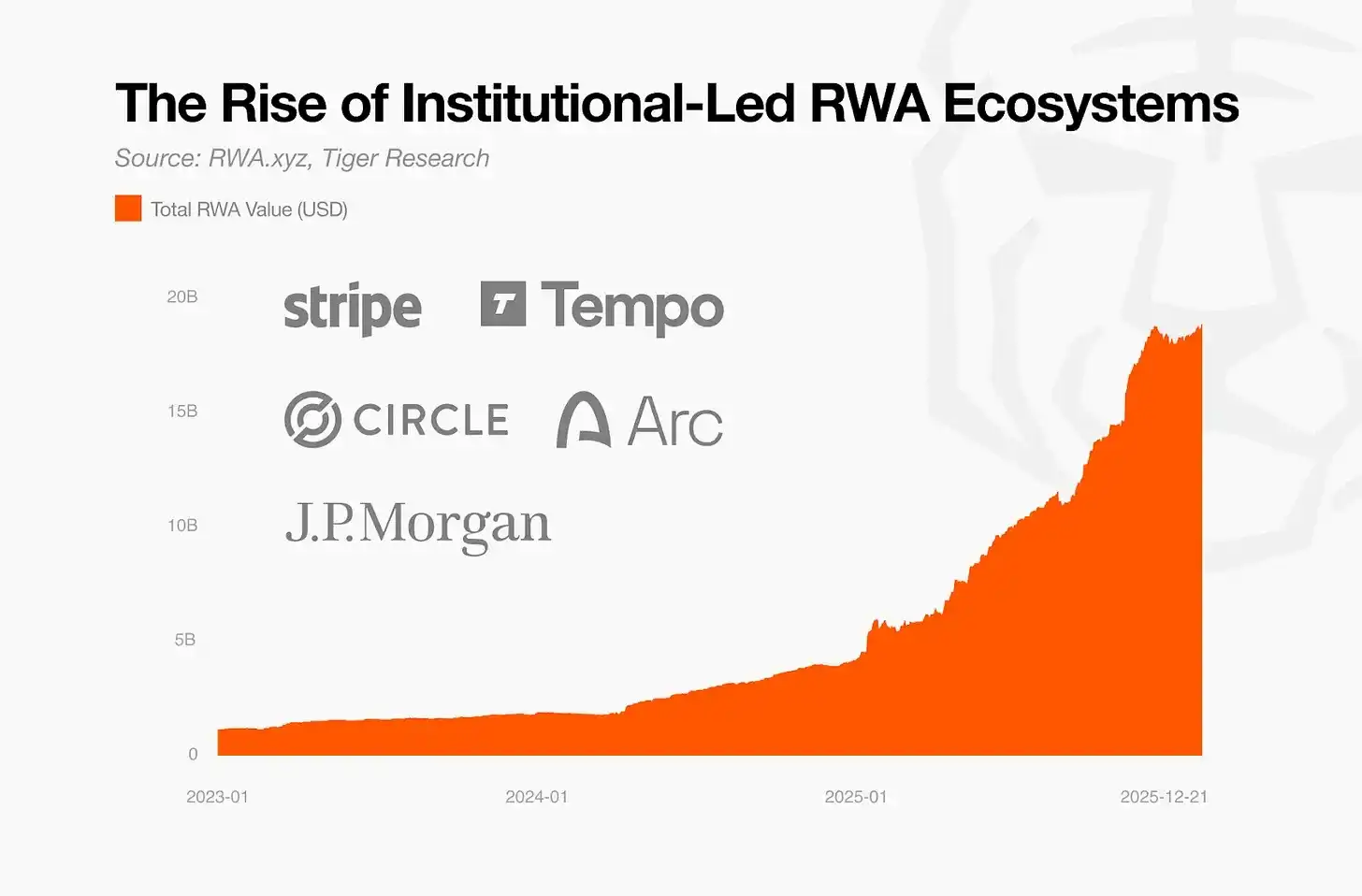
Traditional financial institutions are the main suppliers in the RWA market. Given the need for asset control and security, the benefits of using third-party platforms are minimal. These companies are likely to build their own chains to maintain market leadership. RWA projects lacking independent asset supplies will lose their competitive advantage and face elimination.

8. ETH Staking ETFs Will Drive BTCFi Growth
Source: Tiger Research

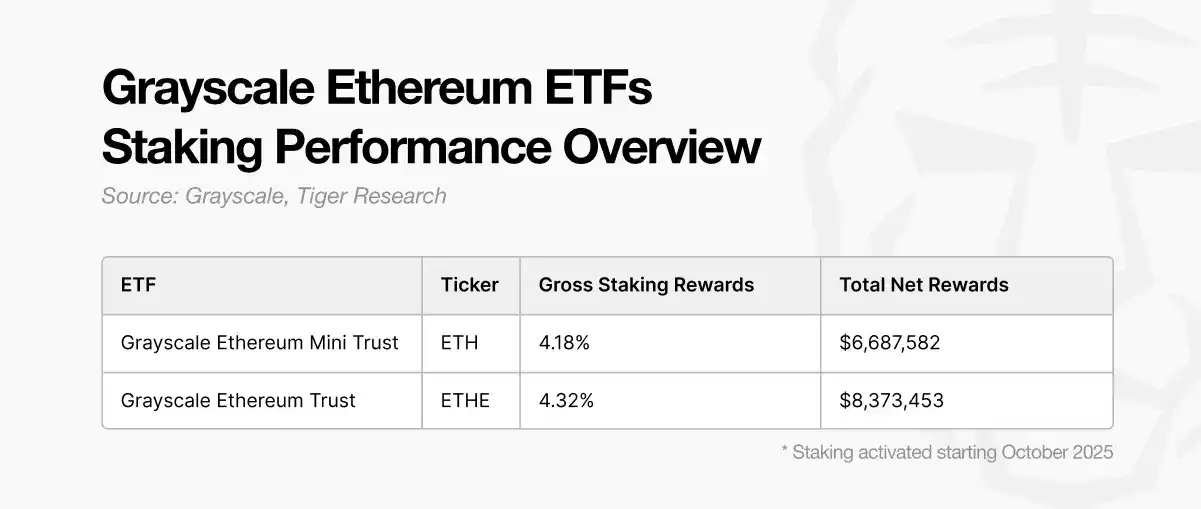
The launch of Ethereum staking ETFs will prompt Bitcoin ETF holders to seek yield. BTCFi fills this gap. As large amounts of capital enter Bitcoin, the demand for asset utility will rise. This pursuit of yield will drive the next wave of BTCFi growth.

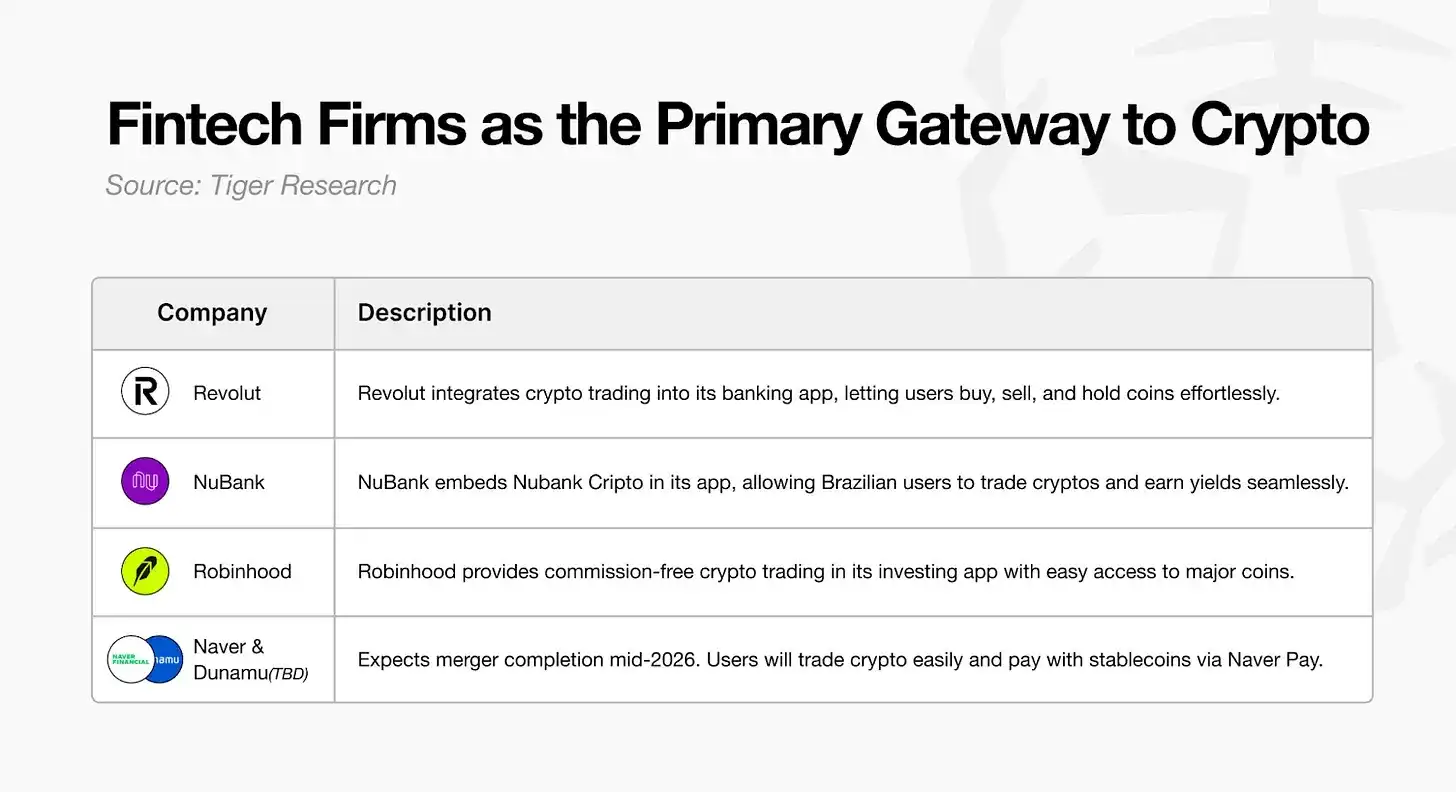
9. Fintech Will Surpass Exchanges as the Primary On-Ramp
Source: Tiger Research

As rules become clearer, fintech applications have become the preferred choice for cryptocurrency trading. New users no longer need to use cryptocurrency exchanges. They can buy and sell directly within the applications they use daily. The next wave of growth will be led by these fintech tools.

10. Privacy Technology Becomes Core Institutional Infrastructure
Source: Tiger Research

On-chain transparency exposes trading plans. This is a weakness for large institutions. High-net-worth participants must hide their movements to ensure security. Privacy technology is a key tool for these institutions to enter the market. Large-scale capital will only flow in if transaction data is secure.


Preguntas relacionadas

QWhat are the two main cryptocurrencies that institutional investors are predicted to continue focusing on by 2026, according to Tiger Research?

AInstitutional investors are predicted to continue focusing primarily on Bitcoin and Ethereum, as they are considered established and meet institutional standards.

QWhy does Tiger Research claim that utility-focused tokenomics has failed, and what model is expected to survive?

AUtility-focused tokenomics has failed because governance voting rights failed to attract investors and complex structures proved unsustainable. The model expected to survive is one that provides direct returns through buybacks and burns, or structures where protocol growth directly impacts the token price.

QHow is the convergence of robotics and cryptocurrency predicted to create a new gig economy era?

AThe convergence is predicted to create a new gig economy era by using blockchain-based decentralized crowdsourcing to efficiently collect the massive amounts of real-world data needed for robot training from individuals globally, offering transparent and instant rewards.

QWhat role are financial technology (fintech) applications expected to play in the future of cryptocurrency onboarding?

AFintech applications are expected to become the primary onboarding channel for new users, surpassing exchanges. Users will be able to buy and sell cryptocurrency directly within the everyday applications they already use.

QWhy is privacy technology considered crucial for large institutional adoption of cryptocurrency?

APrivacy technology is considered crucial because on-chain transparency exposes the trading plans of large institutions, which is a significant weakness. High-net-worth participants must hide their movements for security, making privacy tech a key tool for their market entry. Large-scale capital will only flow in if transaction data is secure.

Lecturas Relacionadas

Gensyn AI: Don't Let AI Repeat the Mistakes of the Internet

In recent months, the rapid growth of the AI industry has attracted significant talent from the crypto sector. A persistent question among researchers intersecting both fields is whether blockchain can become a foundational part of AI infrastructure. While many previous AI and Crypto projects focused on application layers (like AI Agents, on-chain reasoning, data markets, and compute rentals), few achieved viable commercial models. Gensyn differentiates itself by targeting the most critical and expensive layer of AI: model training. Gensyn aims to organize globally distributed GPU resources into an open AI training network. Developers can submit training tasks, nodes provide computational power, and the network verifies results while distributing incentives. The core issue addressed is not decentralization for its own sake, but the increasing centralization of compute power among tech giants. In the era of large models, access to GPUs (like the H100) has become a decisive bottleneck, dictating the pace of AI development. Major AI companies are heavily dependent on large cloud providers for compute resources. Gensyn's approach is significant for several reasons: 1) It operates at the core infrastructure layer (model training), the most resource-intensive and technically demanding part of the AI value chain. 2) It proposes a more open, collaborative model for compute, potentially increasing resource utilization by dynamically pooling idle GPUs, similar to early cloud computing logic. 3) Its technical moat lies in solving complex challenges like verifying training results, ensuring node honesty, and maintaining reliability in a distributed environment—making it more of a deep-tech infrastructure company. 4) It targets a validated, high-growth market with genuine demand, rather than pursuing blockchain integration without purpose. Ultimately, the boundaries between Crypto and AI are blurring. AI requires global resource coordination, incentive mechanisms, and collaborative systems—areas where crypto-native solutions excel. Gensyn represents a step toward making advanced training capabilities more accessible and collaborative, moving beyond a niche controlled by a few giants. If successful, it could evolve into a fundamental piece of AI infrastructure, where the most enduring value in the AI era is often created.

marsbitHace 10 hora(s)

Gensyn AI: Don't Let AI Repeat the Mistakes of the Internet

marsbitHace 10 hora(s)

Why is China's AI Developing So Fast? The Answer Lies Inside the Labs

A US researcher's visit to China's top AI labs reveals distinct cultural and organizational factors driving China's rapid AI development. While talent, data, and compute are similar to the West, Chinese labs excel through a pragmatic, execution-focused culture: less emphasis on individual stardom and conceptual debate, and more on teamwork, engineering optimization, and mastering the full tech stack. A key advantage is the integration of young students and researchers who approach model-building with fresh perspectives and low ego, prioritizing collective progress over personal credit. This contrasts with the US culture of self-promotion and "star scientist" narratives. Chinese labs also exhibit a strong "build, don't buy" mentality, preferring to develop core capabilities—like data pipelines and environments—in-house rather than relying on external services. The ecosystem feels more collaborative than tribal, with mutual respect among labs. While government support exists, its scale is unclear, and technical decisions appear driven by labs, not state mandates. Chinese companies across sectors, from platforms to consumer tech, are building their own foundational models to control their tech destiny, reflecting a broader cultural drive for technological sovereignty. Demand for AI is emerging, with spending patterns potentially mirroring cloud infrastructure more than traditional SaaS. Despite challenges like a less mature data industry and GPU shortages, Chinese labs are propelled by vast talent, rapid iteration, and deep integration with the open-source community. The competition is evolving beyond a pure model race into a contest of organizational execution, developer ecosystems, and industrial pragmatism.

marsbitHace 12 hora(s)

Why is China's AI Developing So Fast? The Answer Lies Inside the Labs

marsbitHace 12 hora(s)

3 Years, 5 Times: The Rebirth of a Century-Old Glass Factory

Corning, a 175-year-old glass company, is experiencing a dramatic revival as a key player in AI infrastructure, driven by surging demand for high-performance optical fiber in data centers. AI data centers require vastly more fiber than traditional ones—5 to 10 times as much per rack—to handle high-speed data transmission between GPUs. This structural demand shift, coupled with supply constraints from the lengthy expansion cycle for fiber preforms, has created a significant supply-demand gap. Nvidia has invested in Corning, along with Lumentum and Coherent, in a $4.5 billion total commitment to secure the optical supply chain for AI. Corning's competitive edge lies in its expertise in producing ultra-low-loss, high-density, and bend-resistant specialty fiber, which is critical for 800G+ and future 1.6T data rates. Its deep involvement in co-packaged optics (CPO) with partners like Nvidia further solidifies its position. While not the largest fiber manufacturer globally, Corning's revenue from enterprise/data center clients now exceeds 40% of its optical communications sales, and it has secured multi-year supply agreements with major hyperscalers including Meta and Nvidia. Financially, Corning's optical communications revenue has surged, doubling from $1.3 billion in 2023 to over $3 billion in 2025. Its stock price has risen nearly 6-fold since late 2023. Key future catalysts include the rollout of Nvidia's CPO products and the scale of undisclosed customer agreements. However, risks include high current valuations and potential disruption from next-generation technologies like hollow-core fiber. The company's long-term bet on light over electricity, maintained even through the telecom bubble crash, is now being validated by the AI boom.

marsbitHace 13 hora(s)

3 Years, 5 Times: The Rebirth of a Century-Old Glass Factory

marsbitHace 13 hora(s)

Trading

Spot
Futuros
活动图片