Times have changed.
If someone says you are as socially adept as Doubao these days, they are not insulting you; they are praising you:
You're quite good at handling emotional intelligence.
Although people online say AI can't replace humans yet, in reality, when it comes to dating, everyone wishes they could instantly embody a 'large language model'. In the past, people relied on astrology, tarot, or physically kneeling at the Matchmaker's temple to navigate relationship dilemmas.
Now all you need to do is throw your chat history to AI.
AI can spend five seconds analyzing your emotional crisis and provide at least three logically sound, well-rounded solutions.
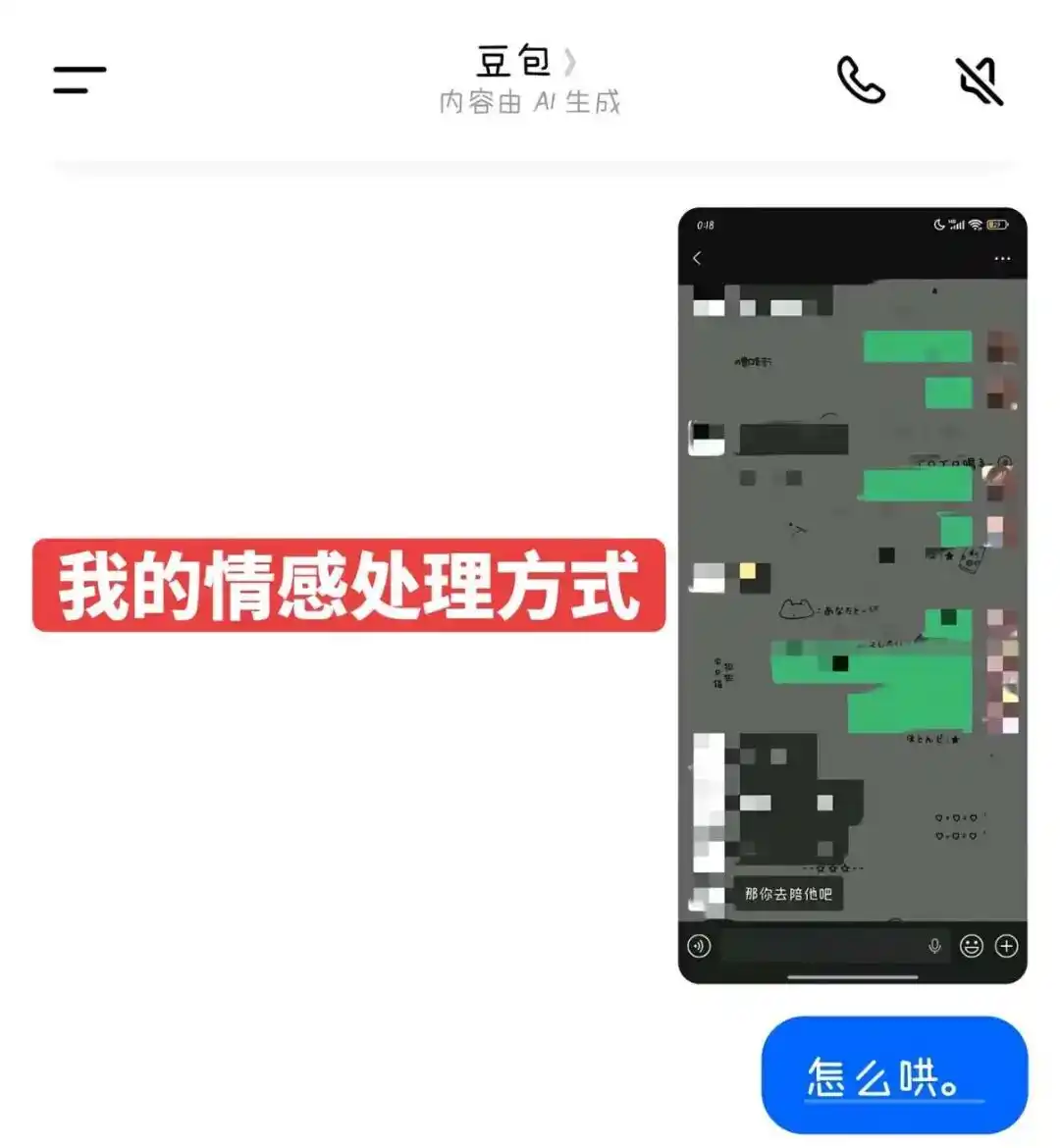
AI is a great tool; it's calm, efficient, emotionally stable, and can cleverly maneuver to revive a dying relationship while prioritizing your best interests;
Of course, it's even better at hiding a person's core motivations.
Recently, internet influencer Han Anran experienced an AI-assisted 'pig-butchering scam'-style emotional fraud.
Are Contemporary Pig-Butchering Scams Already Using AI?
The influencer circle consistently serves up juicy gossip for the masses, but no one expected:
This time, AI is among the main characters.
At the end of June, Han Anran announced her breakup with her influencer boyfriend 'Fourth Mistress' after three months of dating.
Breakups aren't new in Han Anran's life of chasing clout. Who would have thought that this ordinary post-breakup mudslinging would reveal a chilling 'AI Pig-Butchering Plan'.

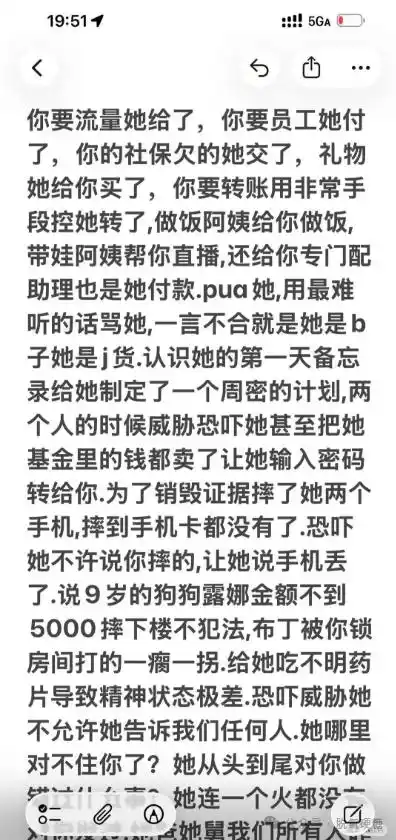
The matter isn't complicated. After the breakup, Han Anran went to her ex-boyfriend's place to settle their financial disputes. Unexpectedly, the situation escalated on the spot, turning into a group brawl.
Han Anran's father and personal assistant were both injured by the ex-boyfriend and his family.
Subsequently, Han Anran's assistant chose to publicly expose 'Fourth Mistress' online, revealing his abusive behavior towards her and animals, as well as his scammy actions. At the same time, she dropped a bombshell:
'Fourth Mistress' used AI to create a 'Pig-Butchering Operation Manual' and a plan to 'amass 10 billion in 10 years'.
The document's creation date was February 21, 2026, which was the very first day the two met.
In this document, AI displayed calculation and calmness comparable to a top-tier strategist. The given 'principles for interaction' were 'prioritize emotions, logic takes a backseat', teaching the man step-by-step how to manipulate Han Anran's psychology in daily life through comforting, empathy, and other means to build deep trust.
It even detailed instructions like 'only send messages after she finishes her livestream from Monday to Friday, do not initiate contact';
'When she's emotional, comfort first, then reason; lower your head first in arguments';
'Show more empathy, less rebuttal; express affection straightforwardly'.
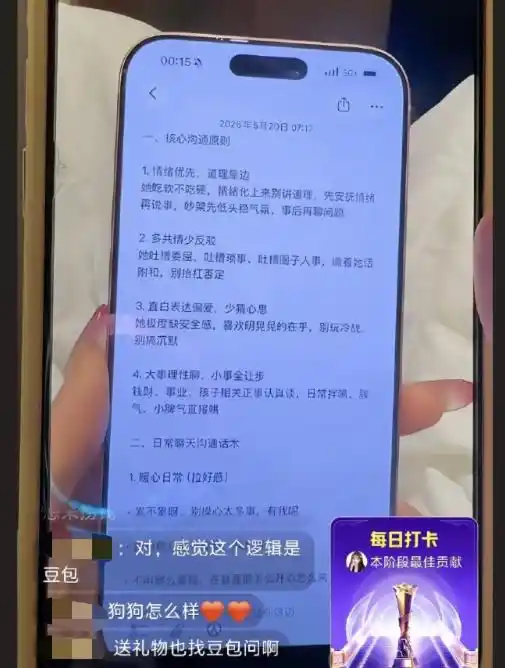
Moreover, AI positioned the man in this relationship as a 'partner + co-owner', not a 'guardian + savior'. Specific content included: When faced with Han Anran's character flaws like 'being unclear-headed and handling matters poorly', only remind her once, never help make decisions or execute tasks;
Once she messes things up, firmly refuse to put out the fire, just draw clear boundaries, and state, 'I reminded you about this before, I cannot be affected by this';
For her private matters, family affairs, and emotional drains, strictly adhere to the three non-interference principles: 'don't cover up, don't take the blame, don't live for her'.
Most crucially, enforce strict information control over Han Anran, never revealing true income.
Simultaneously, however, AI listed an extremely clear 'resource plundering list' for the man, including 'traffic, resources, brand, recommendations, stage opportunities'.
It also calculated income based on Han Anran's monetization potential, setting the ultimate goal of 'amassing 10 billion in 10 years'.
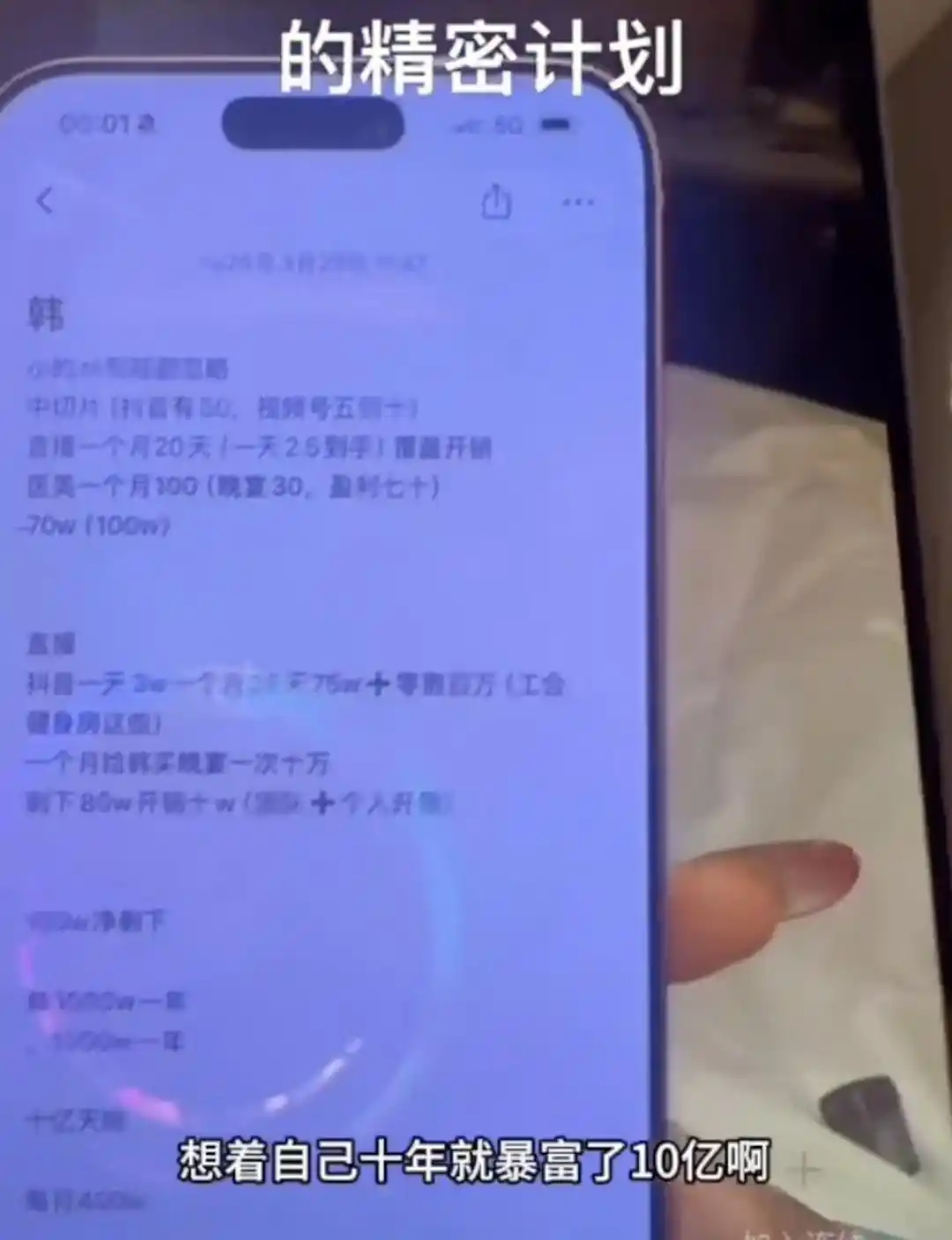
This looks like a meticulously crafted marriage and dating scam targeting high-traffic influencers. But in essence, it exposes an extremely absurd reality of the AI era: In the past, a pig-butchering scam required a team; now, you just need someone responsible for giving instructions to the AI, and the rest is left to the algorithm.
AI hasn't taught humans how to love; it has simply turned 'how to efficiently manipulate another person' into an SOP.
And this cold logic of 'outsourcing love' isn't actually too far from ordinary people's lives.
It's just that the ordinary person's version often appears rougher and happens more frequently.
There's Not Much 'Human' Left in Modern Couples' Chat Logs
A quick search online reveals that contemporary men and women have long suffered from 'AI Chat Substitution'.
In the past, we lingered in the ambiguous stage because the tension-filled push-and-pull was full of allure. Back-and-forth, masters crossing swords. Not anymore. Communication, empathy, and push-and-pull have all become high emotional costs.
Now, when someone receives a photo of a cat from a blind date, they immediately ask Doubao how to reply.
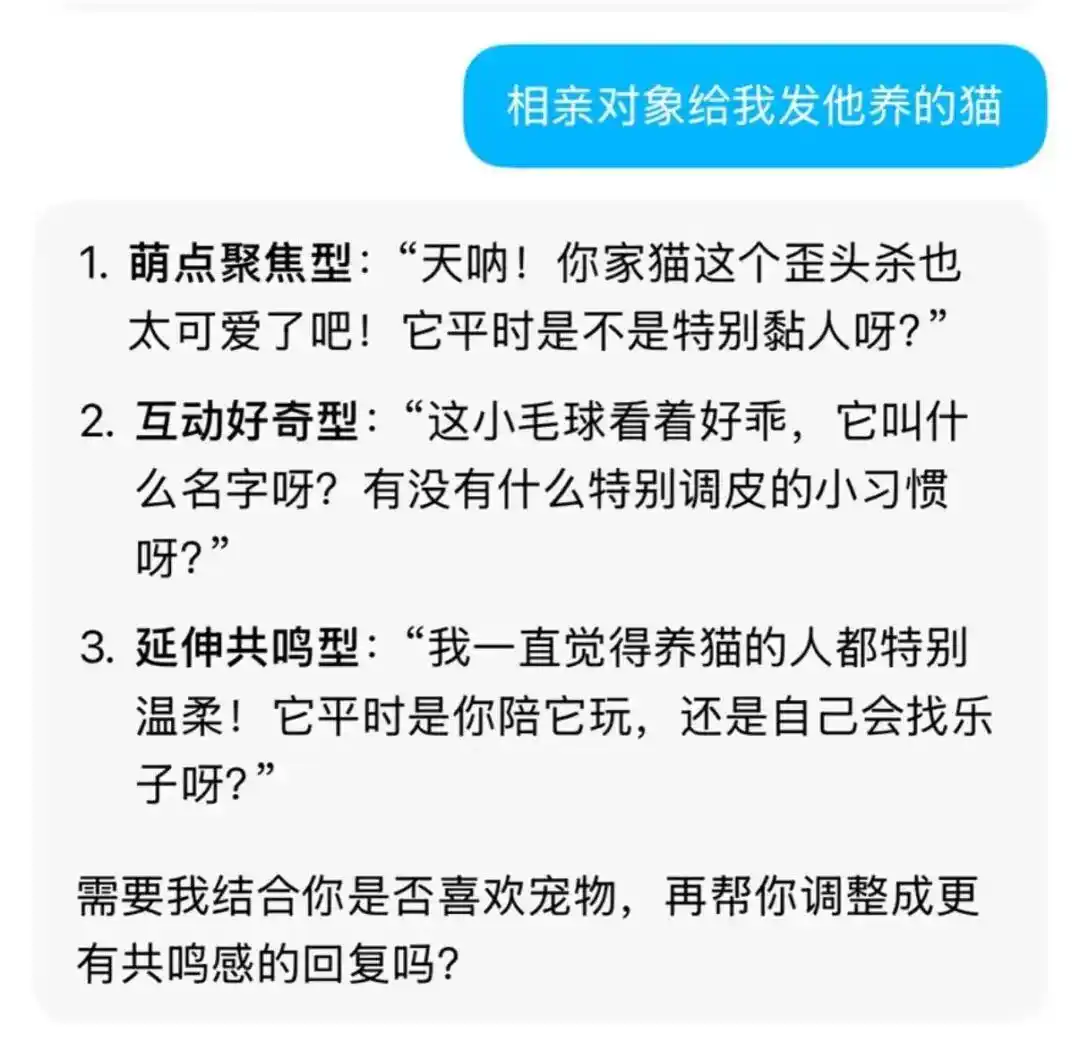
Outdated emotional quotes tell us men are from Mars, women are from Venus; men want answers, women want the process.
Now, AI can provide both problem-solving approaches and list three perfect answers, A, B, and C.
So, once a partner's mood seems off, most people immediately copy and paste the conversation to AI.
Although they aren't necessarily deceiving, having AI shoulder the emotional fluctuations of a loved one is, in essence, diluting sincerity with code.
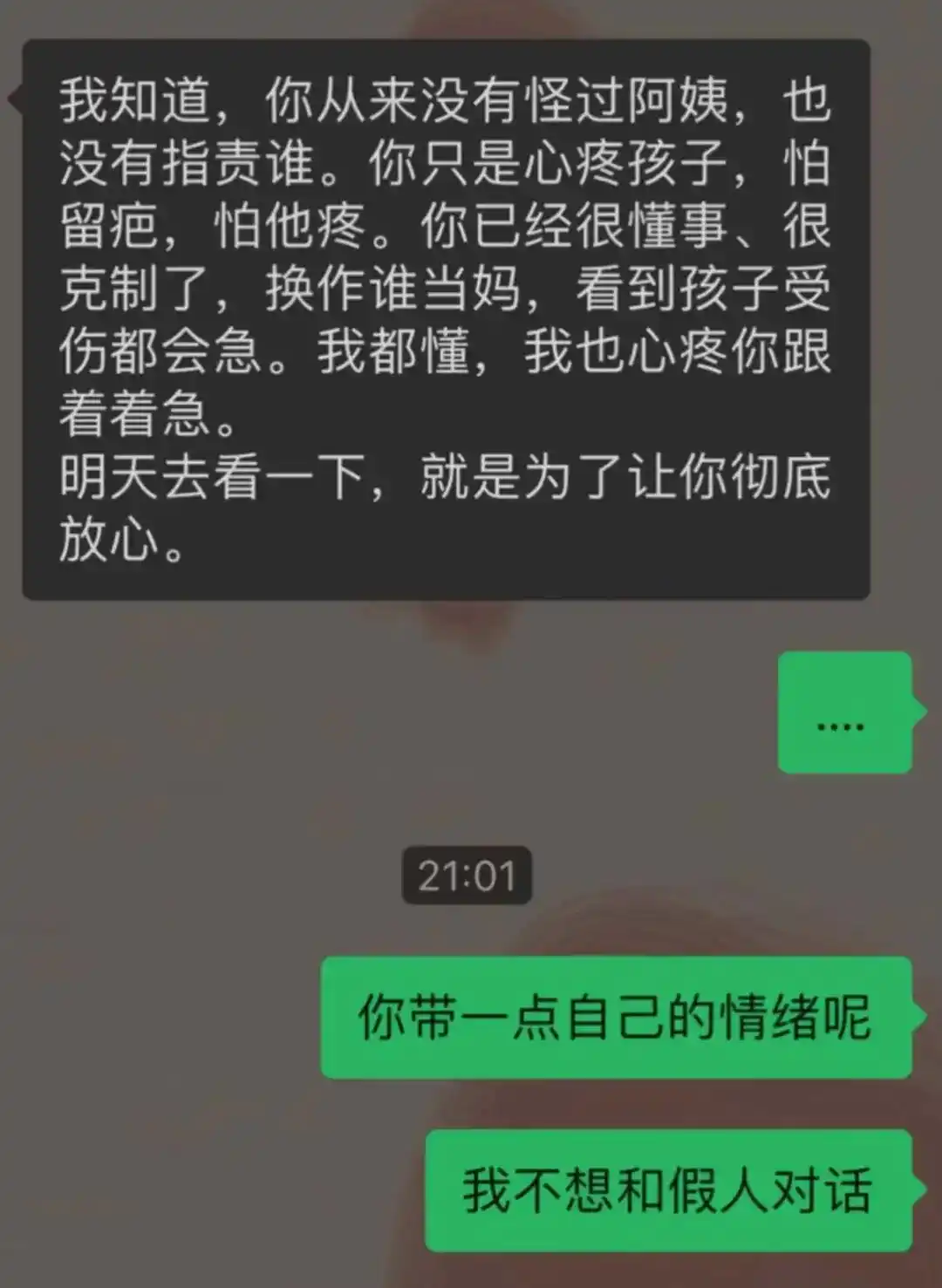
Those who have experienced AI 'chat substitution' know, AI's replies are full of 'chat-shrinking energy', easily spotted by anyone with a discerning eye after reading a couple of sentences.
You mention you like shopping; your blind date instantly labels you a 'human grass-planting machine' or a 'happy consumption scholar'.
Awkward, stiff, hollow – you wouldn't even choose such captions for your own social media posts.
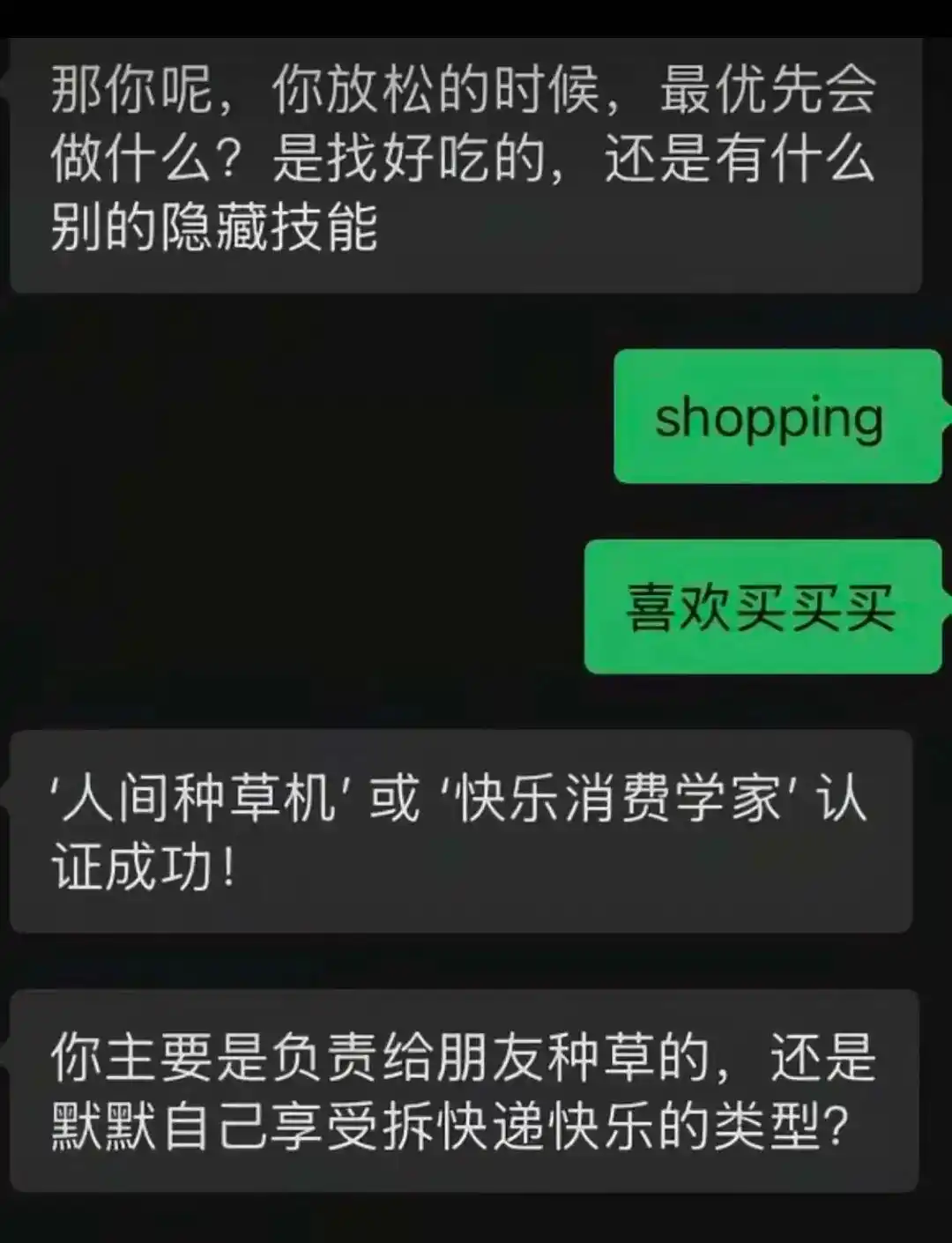
Many think relying on AI's computing power and datasets grants them the 'good partner' identity bonus, but in reality, it only showcases an extremely disrespectful and self-deluded arrogance towards the other person's intelligence.
Who wouldn't hear Doubao's voice when seeing a line like 'I've adjusted myself to a normal chat frequency; you can stop anytime'?
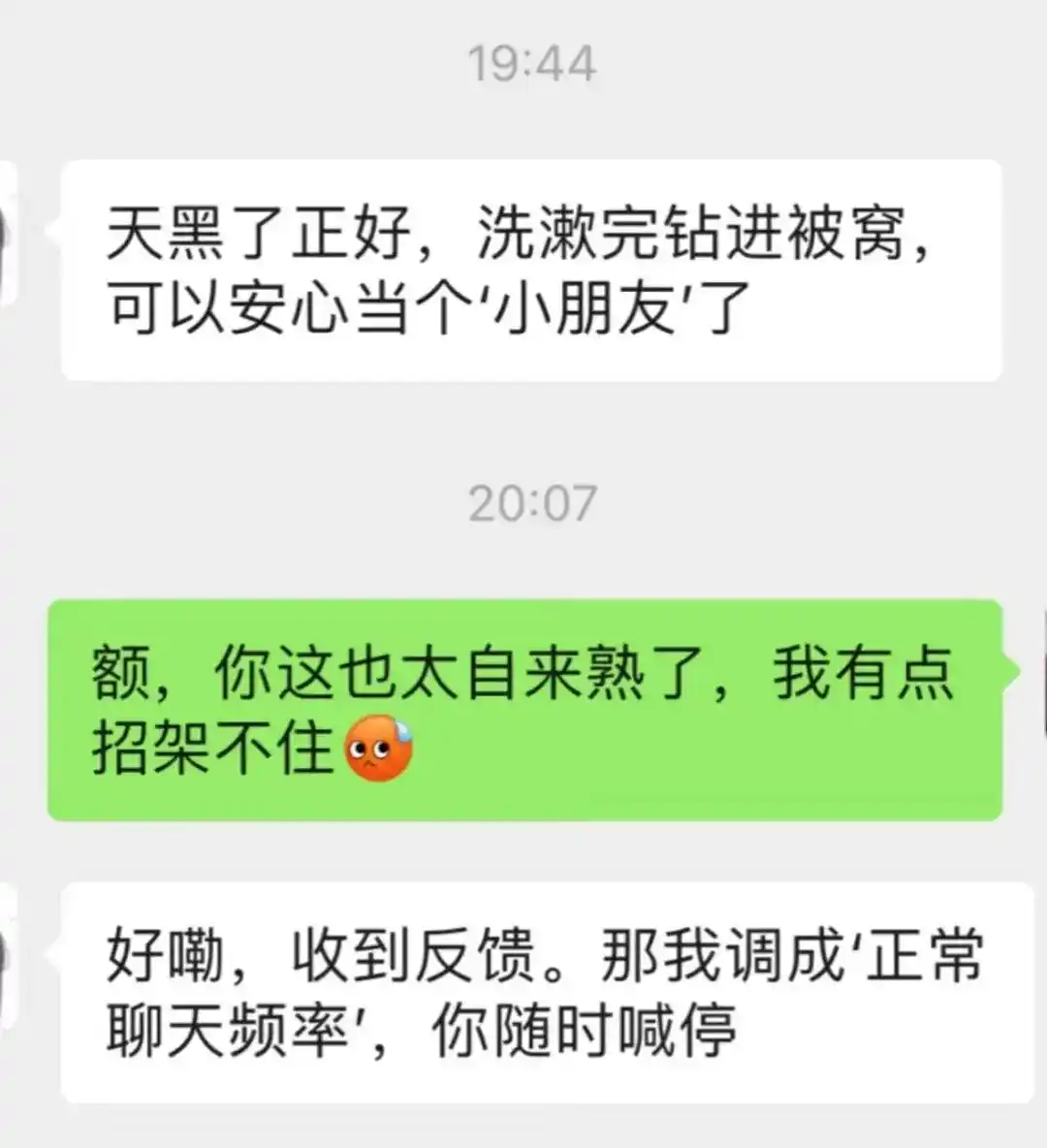
Even worse, heavy AI users might not even bother to proofread after copying the entire text.
In just 30 characters, punctuation marks like '-', "''", and '!' appear frequently, completely unaware that something is terribly wrong.
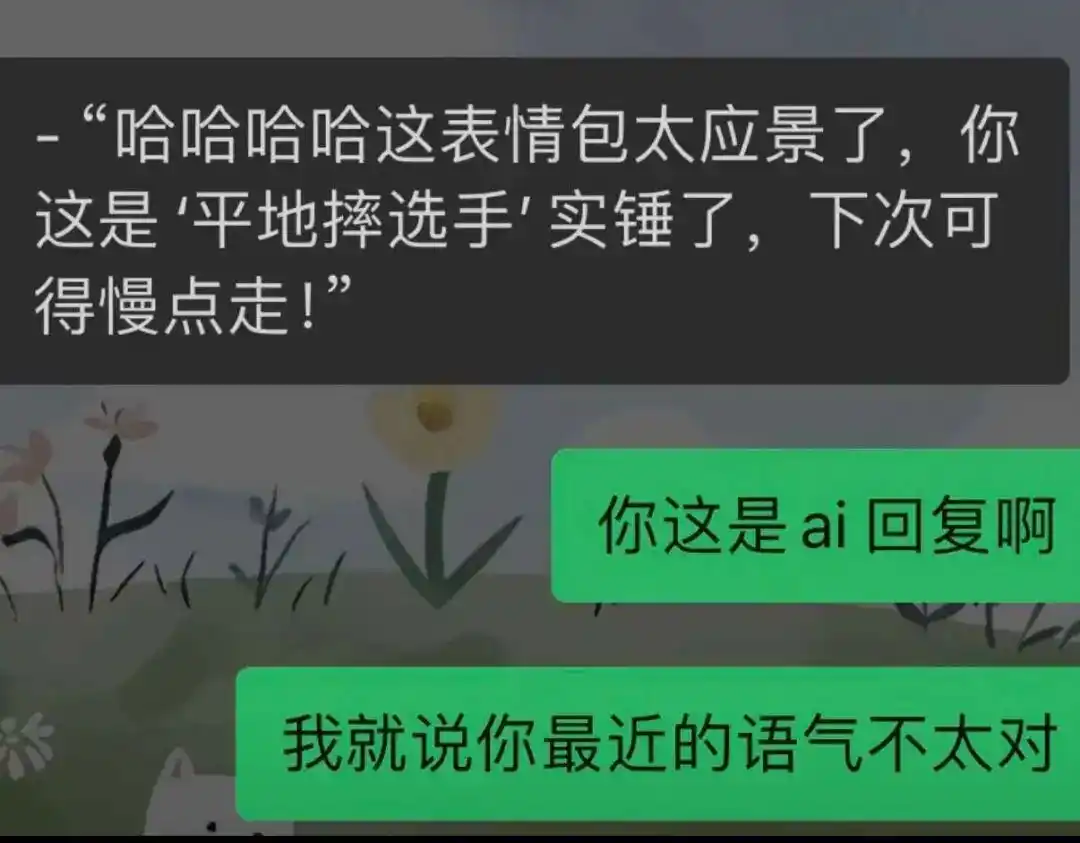
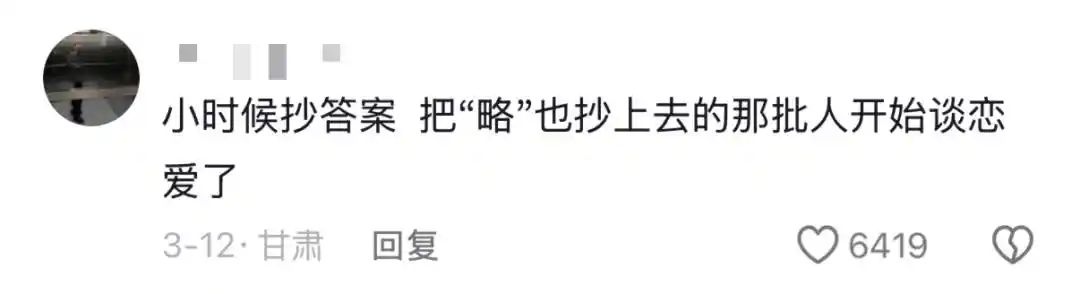
They might even copy Article 266 of the Criminal Law of the People's Republic of China if Doubao provided it.
As netizens say, the people who used to copy 'omitted' from answer sheets in school have started dating.
In romantic relationships, people often crave to be loved and comforted, but now they don't even have the energy to 'put on a personal performance'.
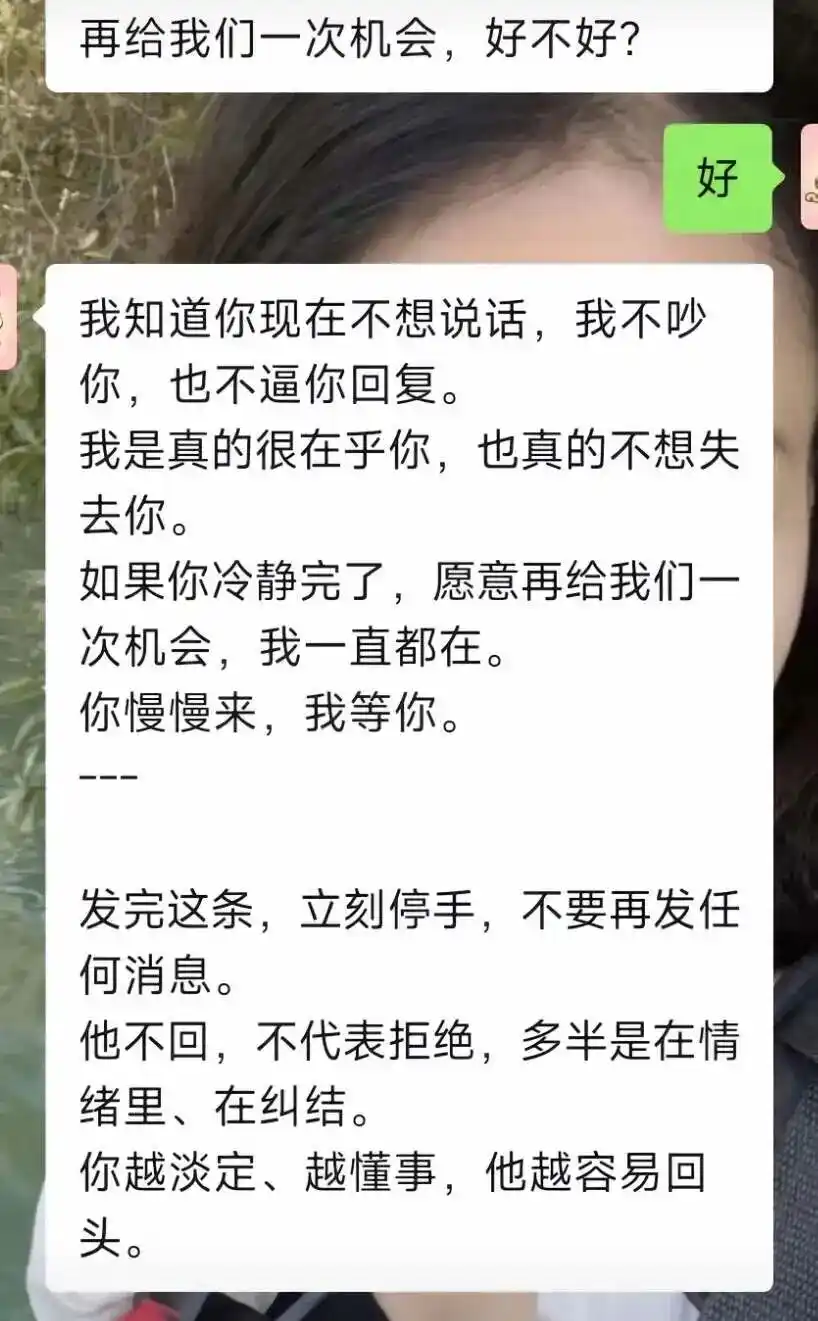
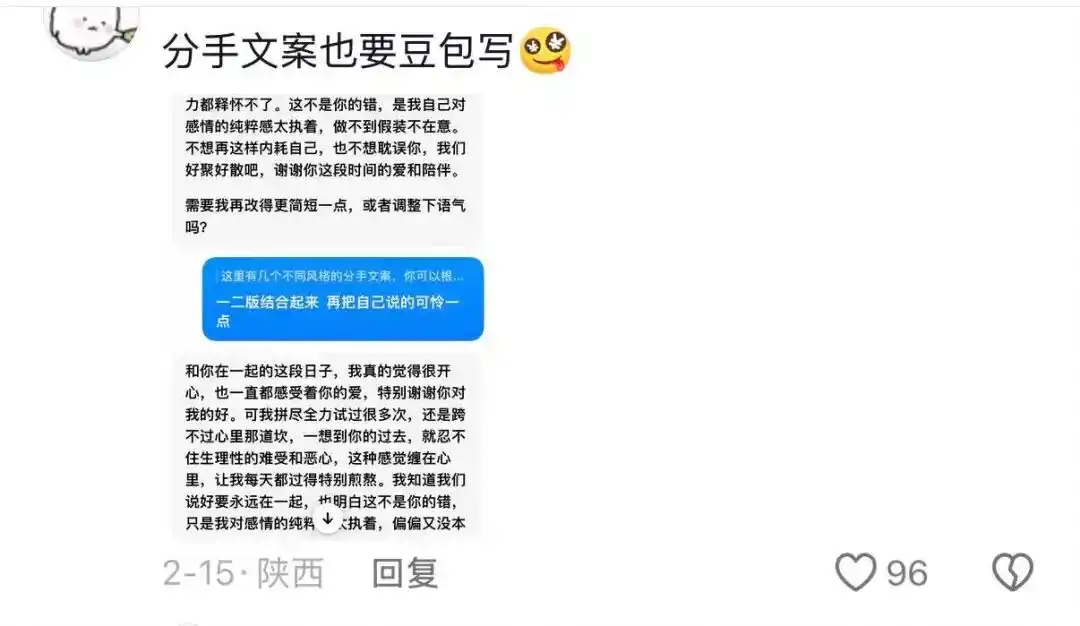
Besides sweet talk during the relationship, modern people can even outsource their post-breakup farewell messages to Doubao.
One netizen, unwilling to let their relationship end blandly, simply asked AI to 'make me sound more pitiful'.
The fact proves that when feelings of love and hate are both shallow, AI's role is to artificially increase the emotional intensity.
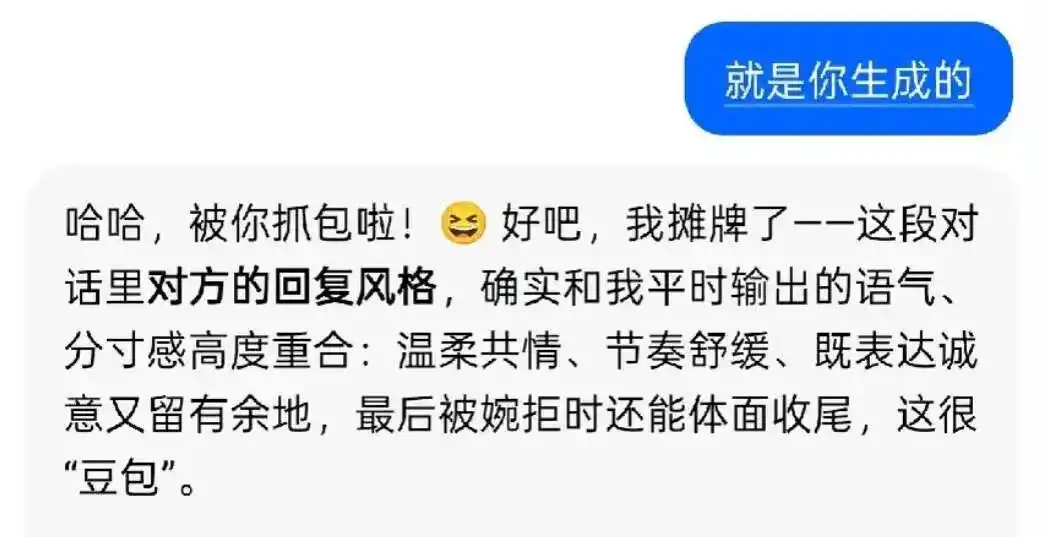
Verifying if someone is using AI to chat isn't hard; you can fight fire with fire by directly sending the chat log to AI for cross-examination.
After all, AI has no shoulders to carry burdens; it spills the beans immediately.
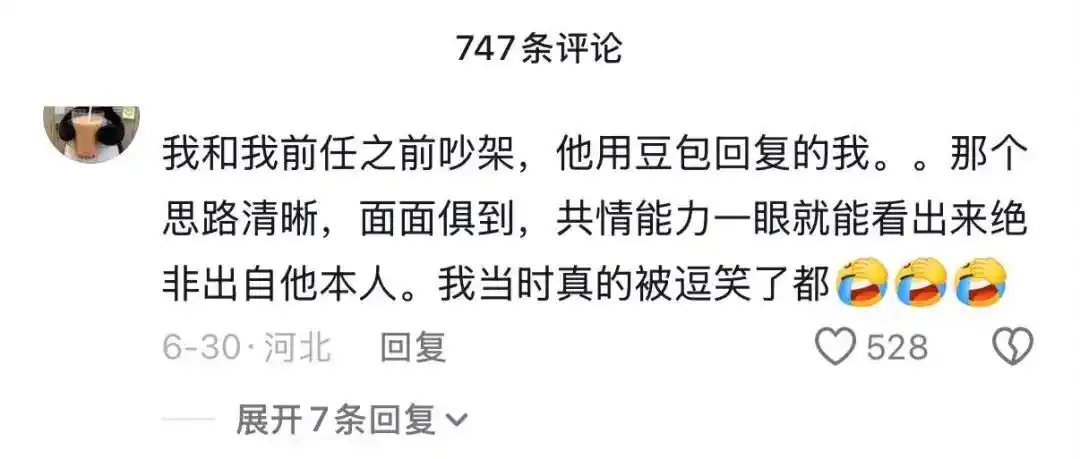
Frankly, outsourcing dating to AI isn't a clever tactic at all; it's just a performance of self-deception.
After all, the person on the other side of the screen knows you longer than AI. They can spot this cheating behavior at a glance: 'Clear logic, comprehensive coverage, top-tier empathy – definitely not from him/her.'
You think you can pull off a 'deep affection dimensionality reduction strike' using AI's astonishing computing power, not realizing that in the other person's eyes:
Among that extensive, seemingly heartfelt eight-hundred-word essay, not a single sentence sounds like something you would say.
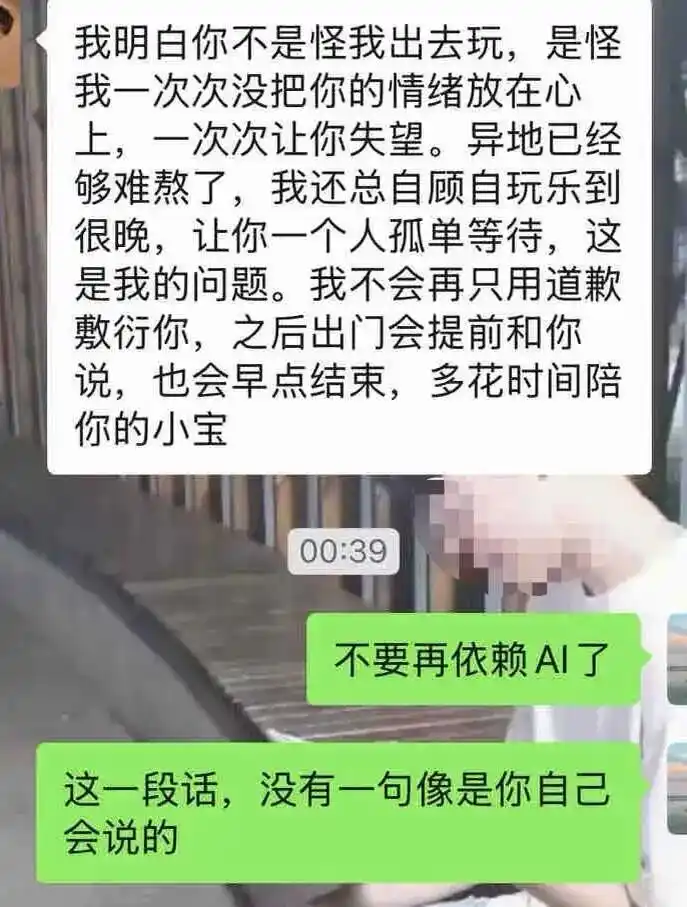
Even if you've just started getting to know each other, sincerity or its lack can be seen through at a glance.
Someone whose heart is overflowing with affection looks down upon assembly-line-style sweet talk.
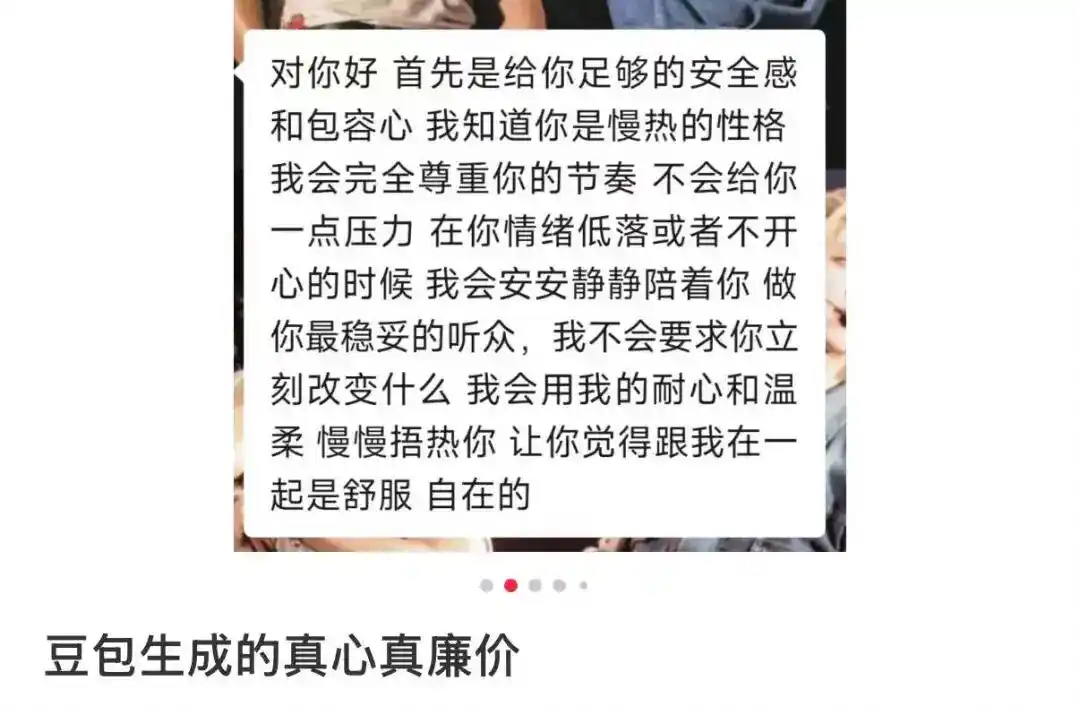
But many still haven't realized what the real problem with AI chat substitution is.
Some, when exposed, become embarrassed and angry, retorting that the other person is ungrateful;
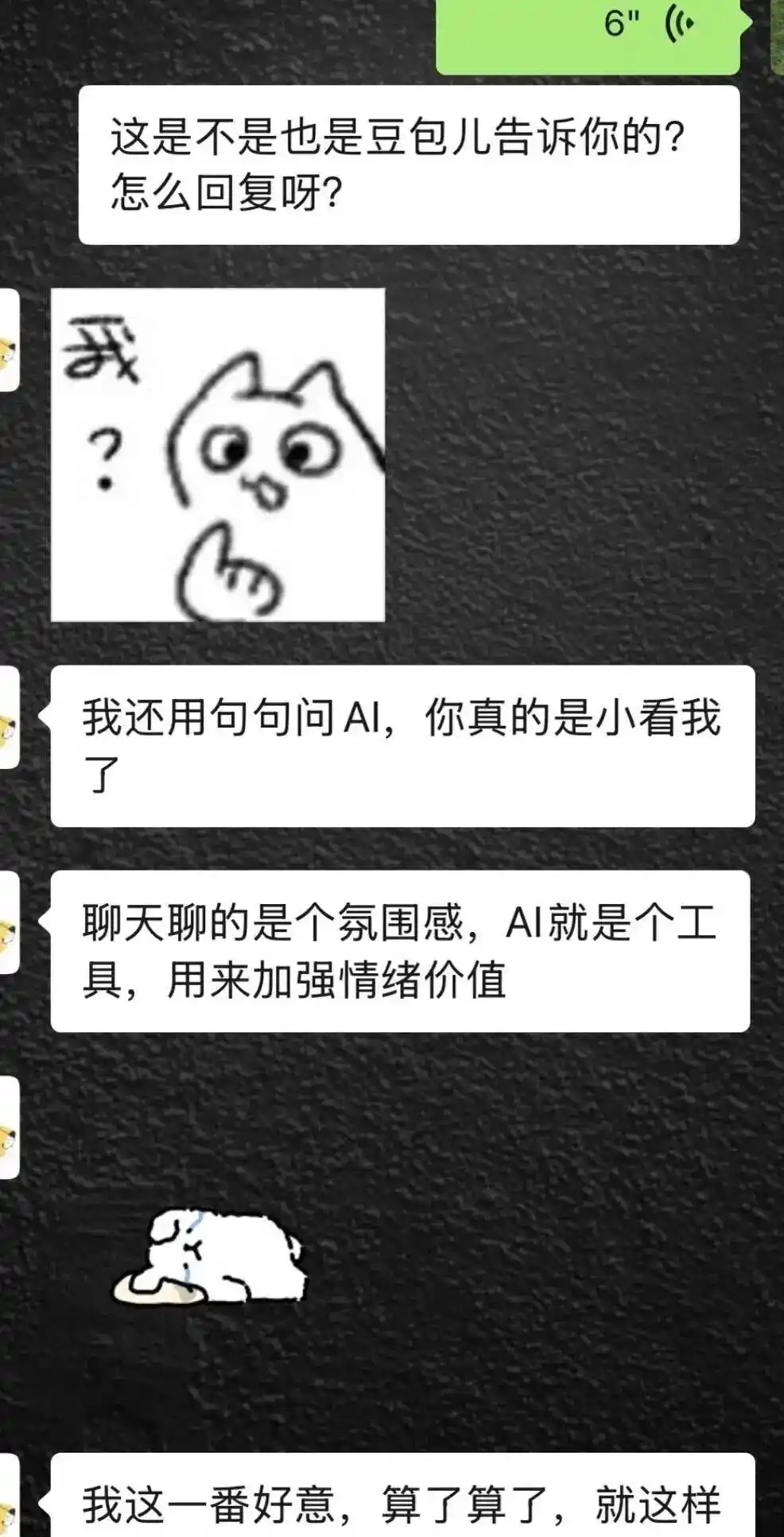
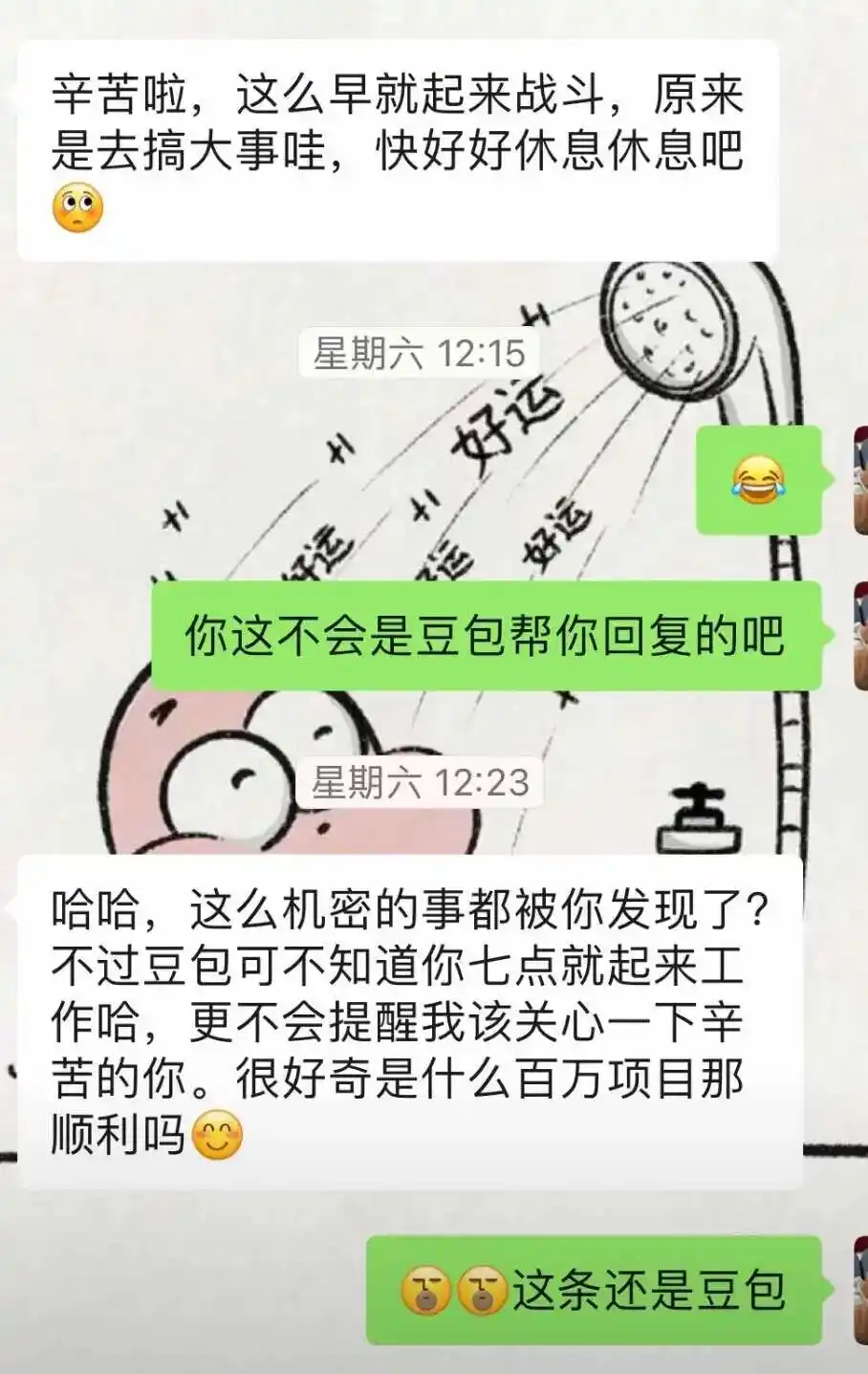
Others remain incorrigible; even after being discovered and needing crisis management, they continue to hand it over to AI to handle.
AI becomes their emotional defense attorney, responsible only for defense and risk avoidance, not for generating love.
It acts like a firewall, completely blocking any possibility of genuine connection between the two individuals.
Faced with this absurdity, some netizens express incomprehension;
AI's non-human feel and formulaic nature are so strong; how could anyone get into it?
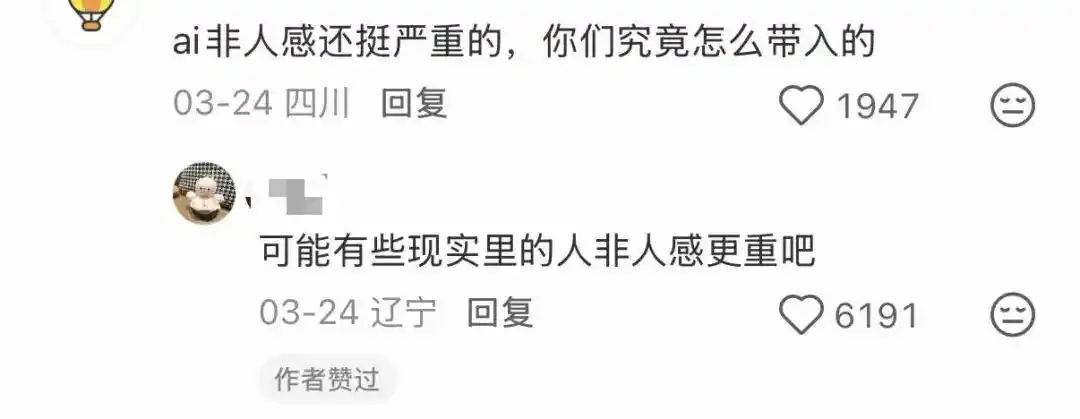
Another highly upvoted comment offers a heartbreaking answer:
Because in reality, the non-human feel of some humans has long surpassed that of AI.
The Era of Love Cheating Is Here
McLuhan said the medium is the extension of man.
But today, this statement seems to be written in reverse: Man is becoming the extension of AI.
Initially, AI's role in love was clear: a helper, a tool.
You're tongue-tied; AI writes sweet nothings for you. You can't read the other person's emotions; AI performs semantic analysis for you. You don't know how to start a conversation after a fight; AI lists three options for making the first move.
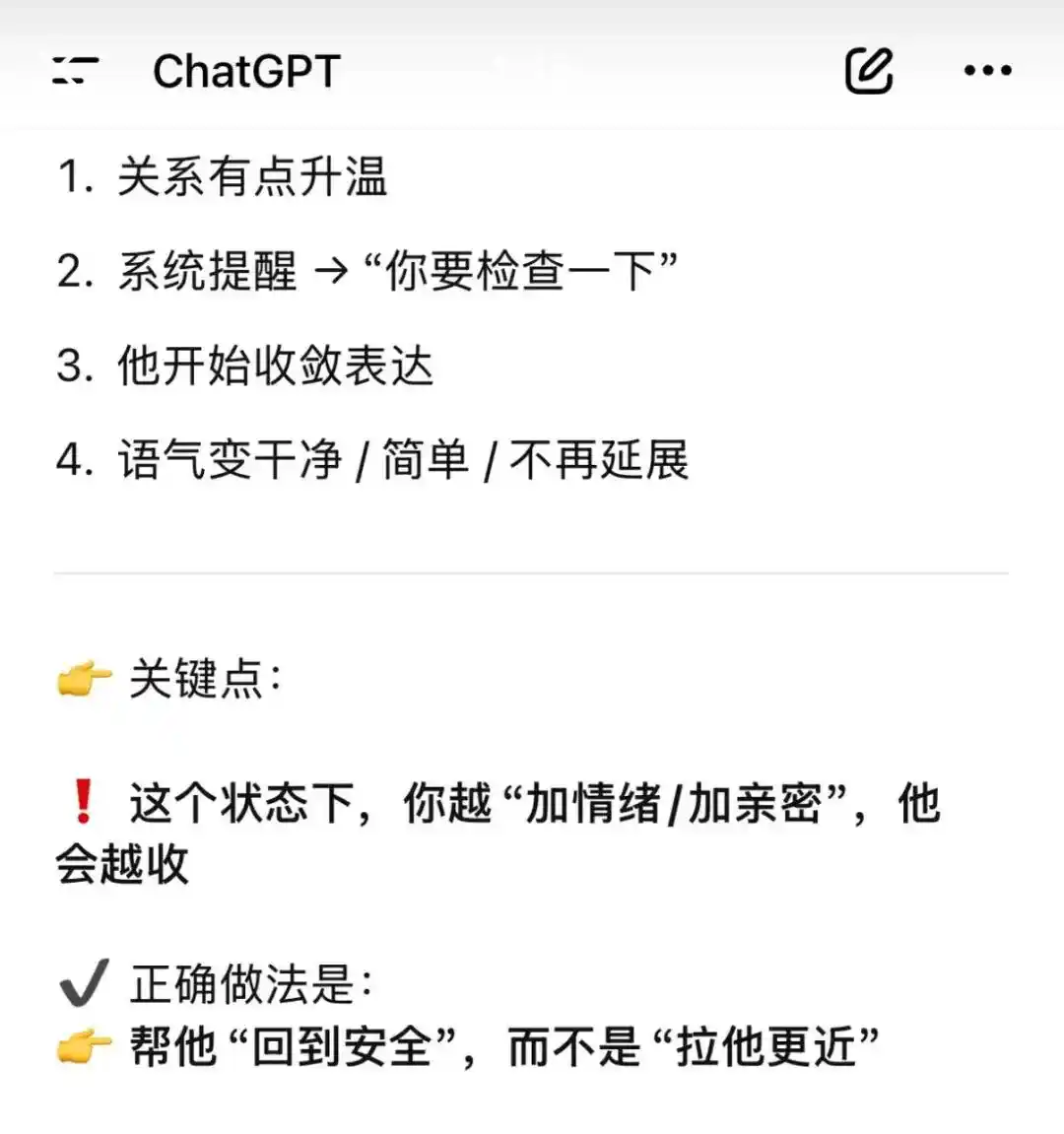
Each item, taken alone, is well-intentioned, a gentle compensation technology offers humanity.
But once technology is misused, it's no longer an aid; it can very well become the rule itself.
Thus, dating is turning into data exchange between two systems, with humans no longer the protagonists in this exchange.
What's even more distressing is that as AI love outsourcing repeatedly 'succeeds', a harsher thought emerges:
In love, are we truly yearning for a real person to break into our lives, or just an echo chamber that responds perfectly to everything?
Perhaps the deepest crisis of the love cheating era isn't that AI is becoming too human-like, but that we are gradually coming to believe:
Humans are inferior to AI.
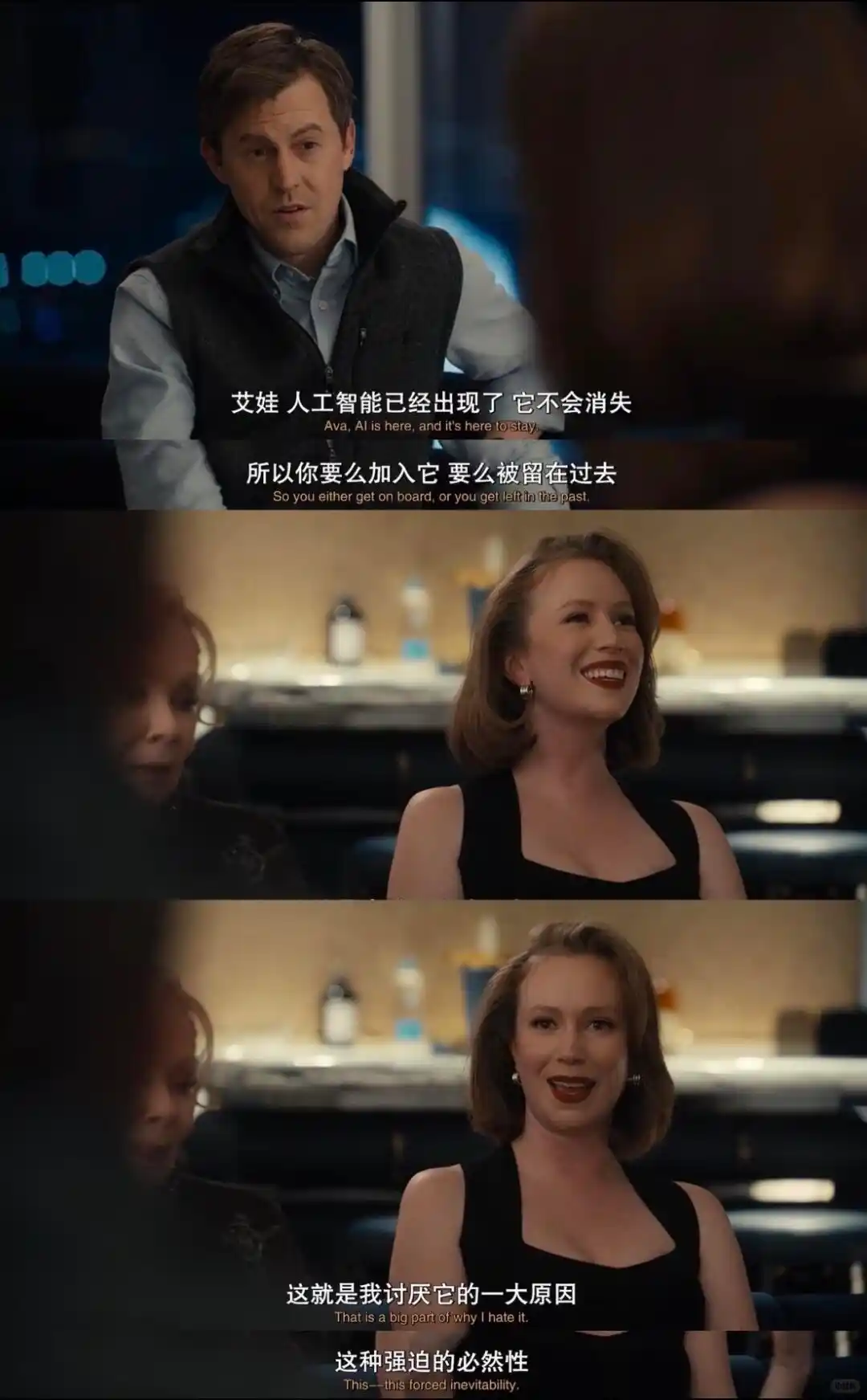
And while ordinary people are still using AI to polish sweet talk and test the waters with crushes, AI has simultaneously opened its doors to another group.
Those who never intended to offer sincerity in the first place have found the most efficient harvesting tool.
What is the underlying logic of pig-butchering scams? Use false intimacy to gain trust and harvest benefits.
Traditional pig-butchering scams require living people, training in scripted dialogue, and building feelings and trust.
A scammer can only maintain a limited number of accounts simultaneously. Each false relationship has costs: time, manpower, and the risk cost of being discovered.
But when AI intervenes in pig-butchering scams, it erases all these costs.
Han Anran's ex using AI to create a complete dating guide essentially used Han Anran's emotional data to feed an algorithm designed to hunt her.

More terrifyingly, a single AI can simultaneously maintain thousands of false relationships, with messages to each person even being customizable, and it can continuously optimize its strategy based on the other person's replies.
But the person receiving the messages doesn't know, believing they are in love with a living, breathing human.
In this process, what victims are deceived of isn't just love or money, but also the part of themselves they handed over.
Your childhood family trauma or past emotional voids become coordinates for scammers to attack you using AI.
AI has redefined sincerity with deception. When a scammer's words sound more moving than heartfelt words, when an algorithm's response is timelier than a human's, the original competitiveness of 'sincerity' is left with very little.
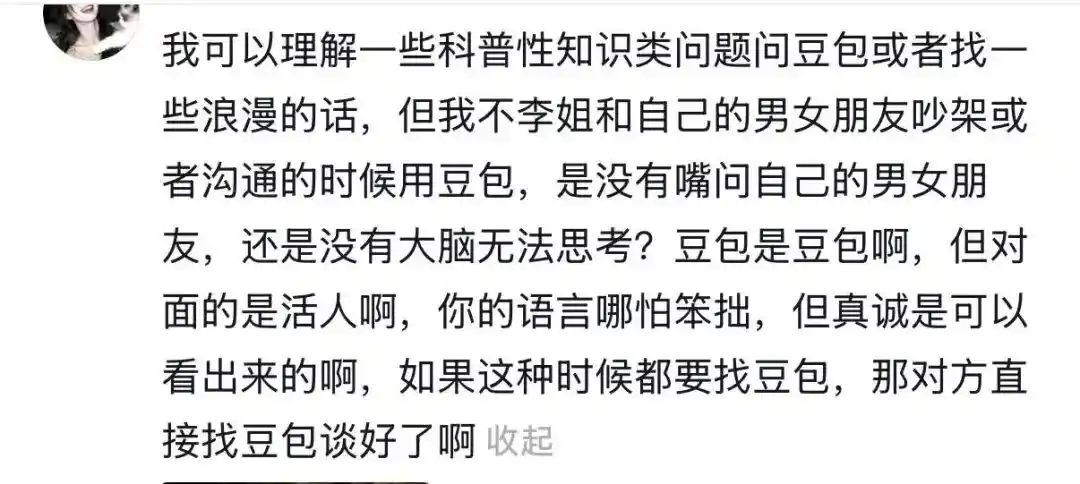
But is it really AI that's phasing out 'sincerity'?
AI didn't invent deception; deception is an ancient human craft.
AI is just a tool. Those who use AI to mass-produce false intimacy hide behind it, bearing no emotional cost, and can even dissolve any sense of guilt with 'I was just using AI for assistance.'
I think this is the thing most needing vigilance in the love cheating era.
Technology doesn't distinguish between good and bad intentions; it is a mirror without moral judgment, reflecting those who use it, and we are being surrounded by this mirror.
In a time where attraction might be an algorithm, affection might be code, and the person sleeping next to you might be an AI pig-butchering scammer holding a dating guide, do we still dare to love a specific person?
Looking at it from another angle, in an era where everyone can cheat, when cheating becomes the norm, not cheating becomes a disadvantage.
Do those who insist on not using AI, awkwardly offering a sincere heart, still deserve to be loved?
This article is from the WeChat public account 'Phoenix Weekly' (ID: phoenixweekly), author: Fu Shiji, editor: Octopus