Telegram Founder Claims French Officials Sold Crypto Data, Linked To 41 Kidnaps

bitcoinistPublicado a 2026-04-25Actualizado a 2026-04-25

Resumen

Telegram founder Pavel Durov has accused French officials of selling crypto owners’ data to criminals, linking it to a sharp rise in kidnappings. France has seen 41 crypto-related kidnappings this year, part of a growing international trend known as “wrench attacks.” Durov criticized French policies requiring identity data and access to private messages, arguing that increased data flow leads to more leaks and victims. The incidents, which began in late 2024, have escalated significantly in 2026, now accounting for over half of all organized kidnappings tracked by French intelligence. In response, the government plans a broader crackdown, including a dedicated police unit, improved international coordination, and a new prevention platform for threat alerts and security guidance.

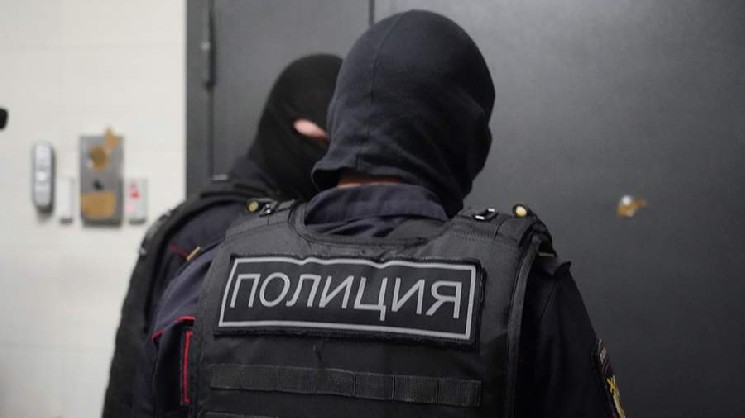
France has emerged as a focal point in a growing wave of kidnappings that, increasingly, appear tied to crypto assets. According to authorities, there have been 41 cases this year alone, reflecting a sharp escalation of a wider international trend often referred to as “wrench attacks.”

The link between the attacks and crypto exposure has also been raised publicly by Telegram founder Pavel Durov. Durov has pointed to what he says are alleged connections involving French tax officials selling crypto owners’ data to criminals, alongside claims of major tax database leaks.

Durov Accuses France Of Increasing Crypto Kidnapping Risks

In his comments made Friday on social media site X (previously Twitter), he argued that expanding the flow of data inevitably creates more opportunities for theft and misuse.

“More data means more leaks, more victims,” he said, criticizing French state efforts that would require identity information and access to private messages on social media platforms.

Reports suggest that the kidnapping pattern in France did not appear all at once. Instead, the crypto-linked incidents began as scattered cases in late 2024.

Throughout 2025, the scale remained limited compared with what followed, with around 30 reported nationwide. That changed in 2026, when the pace has accelerated noticeably. Authorities report that attacks are now happening every few days, signaling a shift from isolated incidents to a more systematic threat.

Interior Ministry data indicates that these crypto-related kidnappings now account for more than half of all organized kidnappings tracked by Sirasco, the country’s intelligence unit focused on organized crime.

State Plans Wider Crackdown

In response, the government is moving toward a more aggressive approach. At Paris Blockchain Week, officials outlined plans for a broader crackdown and introduced a new prevention platform aimed at supporting the crypto community.

The platform is intended to provide threat alerts and practical security guidance, while also offering direct communication pathways with law enforcement. Officials said additional measures are currently in development.

These steps include creating a dedicated police unit focused specifically on crypto-related crime, improving speed and coordination with international agencies, and expanding the use of blockchain analytics to trace ransom payments.

The daily chart shows the total crypto market cap at $2.57 trillion as of Friday. Source: TOTAL on TradingView.com

Featured image from OpenArt, chart from TradingView.com

Preguntas relacionadas

QWhat is the main accusation made by Telegram founder Pavel Durov regarding the crypto-related kidnappings in France?

APavel Durov accused French tax officials of selling crypto owners' data to criminals and pointed to alleged major tax database leaks as contributing to the problem.

QHow many crypto-related kidnapping cases have been reported in France this year according to the article?

AThere have been 41 crypto-related kidnapping cases reported in France this year.

QWhat term is used in the article to describe the wider international trend of these types of kidnappings?

AThe wider international trend is often referred to as 'wrench attacks'.

QWhat specific government unit's data indicates that crypto kidnappings account for over half of all organized kidnappings?

AData from Sirasco, the country's intelligence unit focused on organized crime, indicates that crypto-related kidnappings account for more than half of all organized kidnappings.

QWhat are some of the measures the French government is taking in response to the crypto kidnapping crisis?

AThe government is creating a dedicated police unit for crypto-related crime, improving international coordination, expanding blockchain analytics to trace ransom payments, and introducing a new prevention platform with threat alerts and security guidance.

Lecturas Relacionadas

Bank of Korea Reveals Results of Tokenized Deposit Testing

The Bank of Korea has announced the results of its pilot test for tokenized deposits. Involving 28 central banks and international financial organizations, the project saw participation from major South Korean banks including KB Kookmin Bank, NH NongHyup Bank, Shinhan Bank, Woori Bank, and Hana Bank. Transactions, from payment orders to final settlement, were completed in real time, averaging just 80 seconds. The test involved 30 transactions across 17 different scenarios—such as corporate and interbank transfers—and was conducted in six currencies, including the Korean won, US dollar, and euro, with a total transaction value reaching approximately $995,000. The central bank reported that the platform operated stably throughout, despite being only partially connected to the existing banking infrastructure. Settlements using tokenized deposits were executed seamlessly, quickly, and transparently. An internal transfer of 20 million won (about $13,890) between NH NongHyup Bank and Shinhan Bank was also successfully processed via the Project Agora platform, which involved connecting to the Bank of Korea's CBDC test platform, Project Hangang. Additionally, KB Kookmin Bank and Japan's MUFG Bank tested cross-border payments using these deposit tokens—digital certificates issued by commercial banks within the pilot, not directly by the central bank. The Bank of Korea plans to continue testing payments with tokenized deposits. This follows last year's pledge by South Korean authorities to tighten regulations for won-based stablecoins, which will require approval from both the central bank and the Financial Services Commission.

cryptonews.ruHace 1 hora(s)

Bank of Korea Reveals Results of Tokenized Deposit Testing

cryptonews.ruHace 1 hora(s)

Trading

Spot
活动图片