Artículos Relacionados con Tech Stocks

El Centro de Noticias de HTX ofrece los artículos más recientes y un análisis profundo sobre "Tech Stocks", cubriendo tendencias del mercado, actualizaciones de proyectos, desarrollos tecnológicos y políticas regulatorias en la industria de cripto.
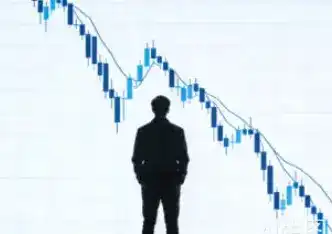

A 'Difficult Midsummer' for Stock Market Bulls: $100 Oil, AI Backlash, and Tariff Resumption

Global equities face a triple threat this summer: surging oil prices, a burgeoning AI capex crisis, and resurgent tariffs, pressuring the core pillars of the current bull market. Brent crude topped $100/barrel amid Middle East and Red Sea supply disruptions, while proposed U.S. tariffs fueled inflation fears, pushing the 10-year Treasury yield to 4.66%. Simultaneously, the tech rally faltered as Alphabet's steep AI capex hike sparked concerns over returns, dragging down mega-caps and contributing to a weekly S&P 500 decline. The "Goldilocks" narrative of resilient profits, controlled inflation, and endless AI expansion is cracking. Rising oil prices threaten to reignite persistent inflation, forcing a repricing of interest rate risks. In tech, massive debt-fueled AI investments are facing investor scrutiny as higher rates raise the required return threshold. Fears are growing that the AI spending boom may be unsustainable, especially with moves toward cheaper, open-source models. Next week brings a crucial test with key central bank meetings and earnings from major tech firms like Microsoft and Apple. Technical indicators are deteriorating, with selling pressure mounting and assets like gold and the dollar gaining on避险 sentiment. Analysts warn that elevated valuations and compressed risk premiums leave markets vulnerable, with significant potential downside if the current headwinds persist.

链捕手Hace 2 días 10:35

A 'Difficult Midsummer' for Stock Market Bulls: $100 Oil, AI Backlash, and Tariff Resumption

链捕手Hace 2 días 10:35

Is the Fastest, Deepest Tech Stock Sell-Off in History Nearing Its End?

The tech sector is experiencing its most severe and rapid momentum-driven sell-off on record. According to Morgan Stanley data, the TMT momentum factor has plunged 40% from its peak in just 17 trading days, a pullback unprecedented in both speed and magnitude, affecting everything from semiconductors to credit markets. Goldman Sachs' Mark Wilson notes this "brutal rotation" stems primarily from crowded positioning and concentrated leverage, not a fundamental deterioration in the economy or corporate profits. Despite strong underlying fundamentals—such as robust U.S. bank earnings and TSMC raising its 2026 revenue guidance—prices have disconnected, creating a core market contradiction. Market risk structures are quietly unraveling beneath low index volatility. The volatility of Goldman's high-beta momentum basket is approximately 10 times that of the S&P 500, a disparity last seen during the 2020 pandemic shock. Simultaneously, the gap between single-stock and index volatility has widened to historic extremes. While Wilson believes the momentum unwinding is "approaching an end," significant near-term catalysts for a reversal are lacking. He warns that crowded positioning remains a key risk, valuations are still elevated, and the second derivative of earnings growth will become critical. The summer period may see new market leaders emerge, but with traditional asset correlations breaking down, portfolio construction and risk management have become significantly more complex.

链捕手07/19 01:42

Is the Fastest, Deepest Tech Stock Sell-Off in History Nearing Its End?

链捕手07/19 01:42

Today, The Hong Kong Exchange Was Once Again Overwhelmed

Hong Kong's stock exchange witnessed an exceptionally busy day on July 9, with a record seven companies conducting initial public offerings (IPOs) simultaneously. The list included major firms such as Luxshare Precision, which launched the largest Hong Kong IPO of the year, and other notable names like Tri-Ring Group and Qiyunshan Food. However, the market reception was sharply divided on the first trading day. While Qiyunshan Food's shares surged over 110%, several other newcomers, including Luxshare Precision, Dingtai High-Tech, and Rigol Technologies, opened below their issue prices, with some falling nearly 20%. This event highlights a broader, bustling IPO scene in Hong Kong for 2024, with 82 Chinese companies listing in the first half alone—more than double the figure from the same period last year. A significant portion of this activity comes from dual "A+H" listings, where mainland China-listed firms seek secondary listings in Hong Kong. These larger companies have accounted for nearly 60% of total fundraising. Despite the high volume, recent trends show a cooling market sentiment for many new listings. Several IPOs in early July, including that of Tongrentang Healthcare, debuted with significant losses, indicating increased investor caution and selectivity. The market narrative is shifting, with capital increasingly concentrating on high-growth sectors like artificial intelligence, robotics, and semiconductors, while traditional manufacturing and consumer goods face greater pressure and volatility. This divergence underscores a market where success is no longer guaranteed by merely listing, but depends heavily on a company's growth prospects and sector appeal.

marsbit07/09 03:07

Today, The Hong Kong Exchange Was Once Again Overwhelmed

marsbit07/09 03:07

Chip Stocks Lead U.S. Market Decline: Is AI Trading Being Hit by Both Interest Rates and Returns?

Chip stocks led a broad decline in US markets, with the Nasdaq dropping 2.2% and the S&P 500 falling 1.4%. This selloff reflects a dual challenge for the once-high-flying AI hardware trade: rising interest rate expectations and growing investor impatience for clear returns from massive AI capital expenditures. The pressure was most acute on hardware leaders. Nvidia fell about 4%, dipping below a $5 trillion market cap, while Micron plunged 13.2% ahead of its earnings report. Declines across memory, storage, AI, and mobile chips indicated a sector-wide retreat. The selloff spread globally, with South Korea's KOSPI index dropping nearly 10% as key suppliers SK Hynix and Samsung recorded double-digit losses. Investors appeared to be taking profits from the most crowded trades first. Macro headwinds intensified as market expectations shifted toward a more aggressive Federal Reserve. Forecasts for multiple rate hikes in 2026 pressured high-valuation tech stocks, which rely on long-term growth projections that become less attractive as discount rates rise. Concurrently, investors are scrutinizing the profit potential of the immense AI spending by cloud giants like Alphabet, Amazon, and Meta. While these expenditures drive demand for chips and hardware, the market is now questioning whether AI services will generate sufficient returns to justify the ongoing costs. This adjustment is not necessarily a bubble burst but a recalibration. AI demand fundamentals remain, but the narrative of endless growth can no longer fully offset concerns over higher interest rates and a longer path to profitability. Near-term direction may hinge on Micron's upcoming earnings guidance and incoming inflation data, which will influence both the AI demand outlook and the Fed's policy path. The market is transitioning from blindly buying growth to demanding clearer visibility on returns.

marsbit06/24 04:13

Chip Stocks Lead U.S. Market Decline: Is AI Trading Being Hit by Both Interest Rates and Returns?

marsbit06/24 04:13

Global Tech Stocks Plunge: Another Stress Test for the AI Bull Market

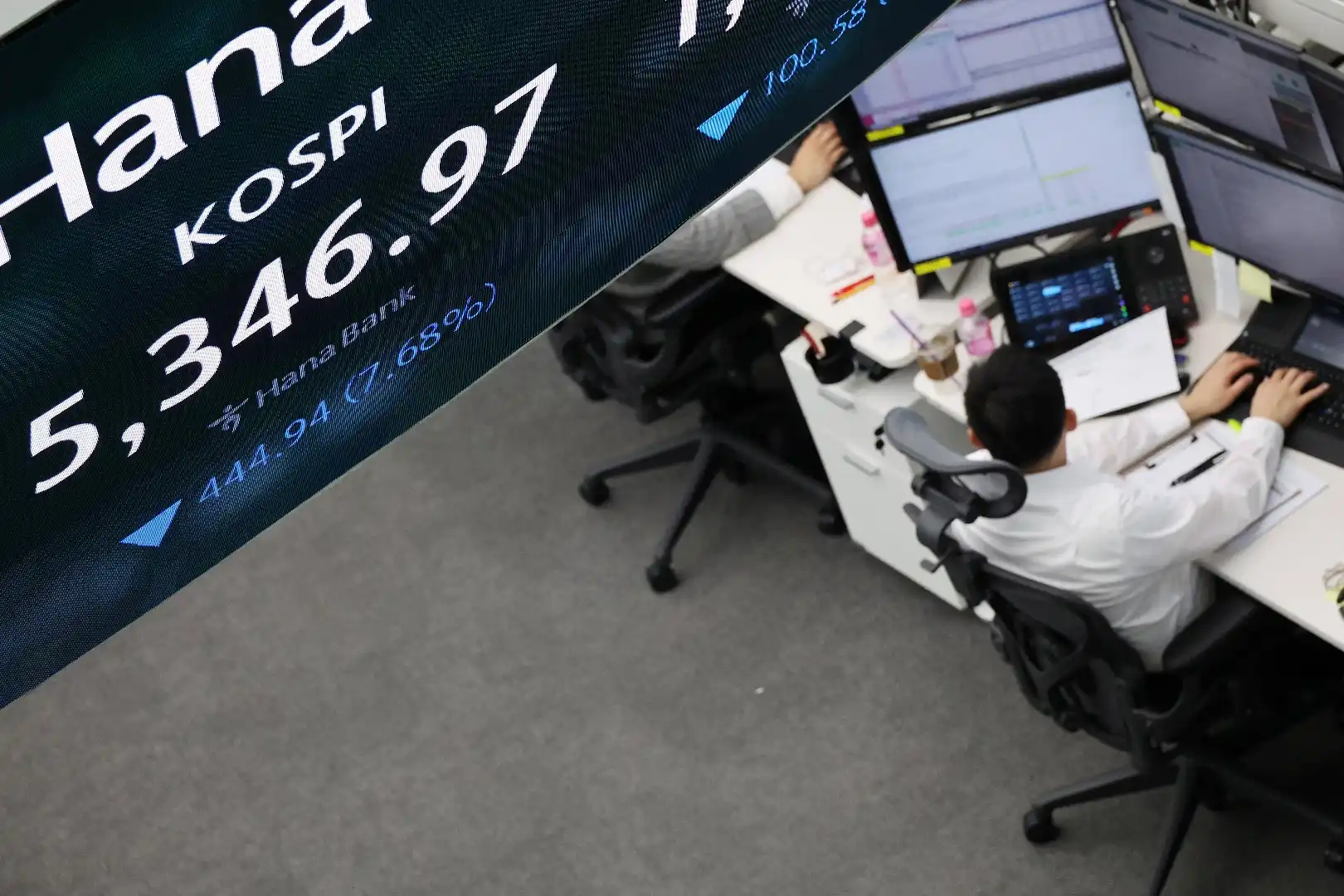
Global tech stocks plummeted in a sharp selloff on June 23, with South Korea's KOSPI index crashing nearly 10%, triggering a trading halt. The plunge was led by semiconductor giants Samsung and SK Hynix, dragging down major Asian and US tech indexes and levered ETFs. The immediate trigger was a confluence of three signals within 24 hours: 1) reports that SK Hynix was slowing HBM4 expansion, raising doubts about a key AI chip bottleneck; 2) profit-taking ahead of Micron's earnings report after its massive year-to-date rally; and 3) a warning from Korean regulators about the risks of single-stock leveraged ETFs. The selloff's severity was amplified by Korea's uniquely leveraged market structure: record-high retail margin debt, over $30 billion in volatile single-stock leveraged ETFs requiring daily rebalancing (which creates selling pressure during declines), and the surprising shift of the National Pension Service from a net buyer to a net seller. The event reignited debates about an AI bubble. Analysts differed on timing—some warned of imminent rupture, others saw a temporary liquidity-driven correction—but agreed that sky-high valuations, a shift to retail/leveraged buying, and rising rates created a fragile setup. The parallel steep drop in SpaceX's stock, alongside its massive debt raise for AI infrastructure, underscored a broader market shift from narrative-driven "infinite imagination" to a "return on investment" calculation phase. All eyes are now on Micron's upcoming earnings report, seen as a key test for the AI hardware trade's fundamental logic. A strong report could stabilize markets, while a miss could validate deeper fears. The episode serves as a stark warning: when a bull run becomes dependent on leveraged bets on a single narrative, a violent and rapid correction should not be a surprise. The core question for investors is how much drawdown they are willing to tolerate to stay invested.

marsbit06/24 03:32

Global Tech Stocks Plunge: Another Stress Test for the AI Bull Market

marsbit06/24 03:32

Market Trends in U.S. Stocks (June 23): Peak at Listing? SpaceX Loses Over $800 Billion in Three Days, Tech Stocks Experience Severe Internal Divergence

Stock Market Trends (June 23): Did SpaceX Peak at IPO? The company loses over $800 billion in market value in three days as a sharp divergence unfolds within the tech sector. SpaceX's post-IPO decline of over 20%, falling below its first-day close, reflects a swift market repricing. The catalyst is a clear shift in narrative from "AI platform potential" to concerns over rising capital costs, as its $8.57 billion IPO and subsequent $20 billion debt offering are earmarked for acquisitions and refinancing existing bridge loans rather than de-leveraging. While high-valuation tech stocks like Google, Meta, Amazon, and Microsoft faced pressure, Micron surged nearly 7% to a record high following a strategic supply deal with Anthropic for HBM and memory, highlighting robust, tangible demand in AI infrastructure. The broader market saw funds rotate into more defensive industrial and financial names. Macro factors included a dip in oil prices to a three-month low on news of a US-Iran framework deal, though logistical hurdles for resuming full Strait of Hormuz shipments remain. Key events ahead include Nvidia's shareholder meeting, Micron's earnings, and the May PCE inflation data. The latter will be crucial in determining whether the sell-off in high-valuation growth stocks, which appears to have just begun, will persist.

marsbit06/23 01:44

Market Trends in U.S. Stocks (June 23): Peak at Listing? SpaceX Loses Over $800 Billion in Three Days, Tech Stocks Experience Severe Internal Divergence

marsbit06/23 01:44

活动图片