Artículos Relacionados con Market Repricing

El Centro de Noticias de HTX ofrece los artículos más recientes y un análisis profundo sobre "Market Repricing", cubriendo tendencias del mercado, actualizaciones de proyectos, desarrollos tecnológicos y políticas regulatorias en la industria de cripto.

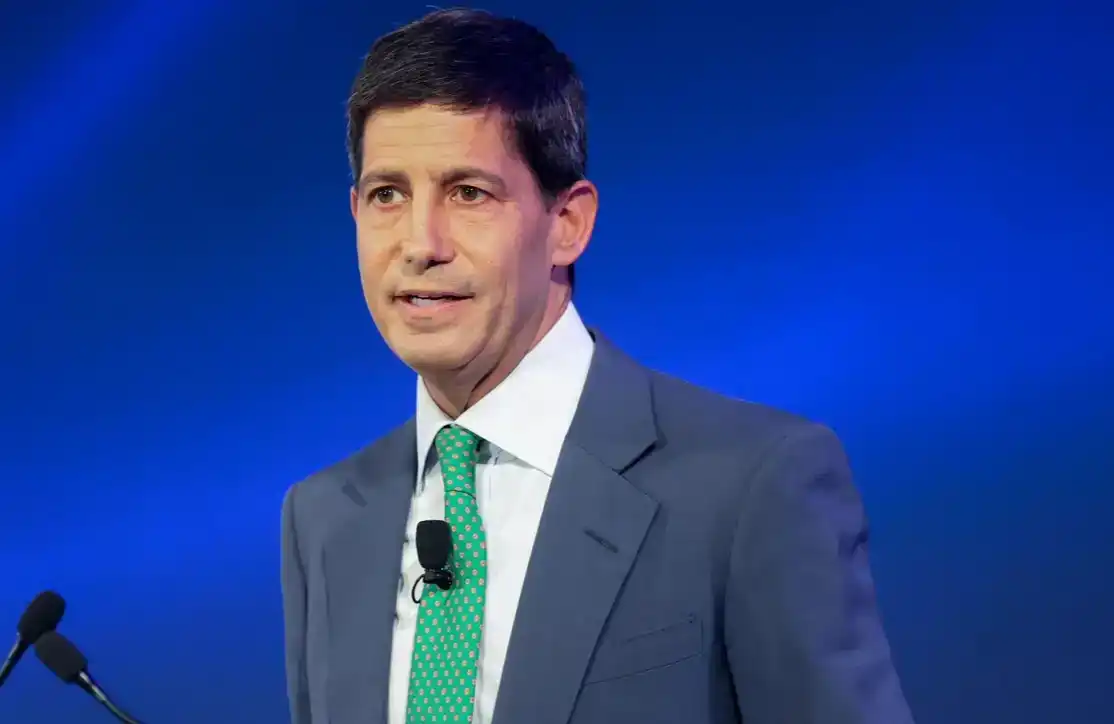
New Chair, Old Inflation, Better-Than-Expected Jobs: How Are Global Assets Repriced After Wash's Debut?

New Fed Chairman Kevin Wash's first FOMC meeting delivered a "hold" decision, keeping rates at 3.50%-3.75%. The key signal was a major shift in communication: the policy statement was shortened, and forward guidance was removed. Wash emphasized the Fed will no longer pre-commit to future actions, instead refocusing markets on economic data itself. The updated "dot plot" revealed a hawkish tilt, with the median forecast for the policy rate rising to 3.8% by year-end, suggesting a potential 25-basis-point hike in 2026. PCE inflation forecasts were also significantly raised. This reflects the Fed's current dilemma: a resilient job market (May nonfarm payrolls beat expectations) coupled with persistent inflation (PCE remains well above 2%) makes rate cuts unlikely and hikes a possibility. Wash inherits a deeply divided committee and a challenging macro environment reminiscent of 1994—strong growth with latent stagflation risks. His primary test is balancing inflation control against economic stability. Markets are repricing assets accordingly. The dollar strengthened on higher rate expectations. Treasury ETFs face pressure from potential hikes but may attract haven flows if growth fears emerge. Gold's role is more as a hedge amid conflicting forces. AI infrastructure stocks face valuation compression from higher rates, but the sector's fundamental demand logic remains intact if cloud CapEx holds. Defense stocks offer some resilience due to long-term government contracts. Looking ahead, key data points will drive market moves: the June nonfarm payrolls (July 2) and CPI (mid-July) will be critical for setting the tone of the July FOMC meeting (July 28-29), where Wash may face his first real policy decision. Political pressure from the White House for rate cuts will also be a persistent theme testing Fed independence.

marsbit06/24 06:48

New Chair, Old Inflation, Better-Than-Expected Jobs: How Are Global Assets Repriced After Wash's Debut?

marsbit06/24 06:48

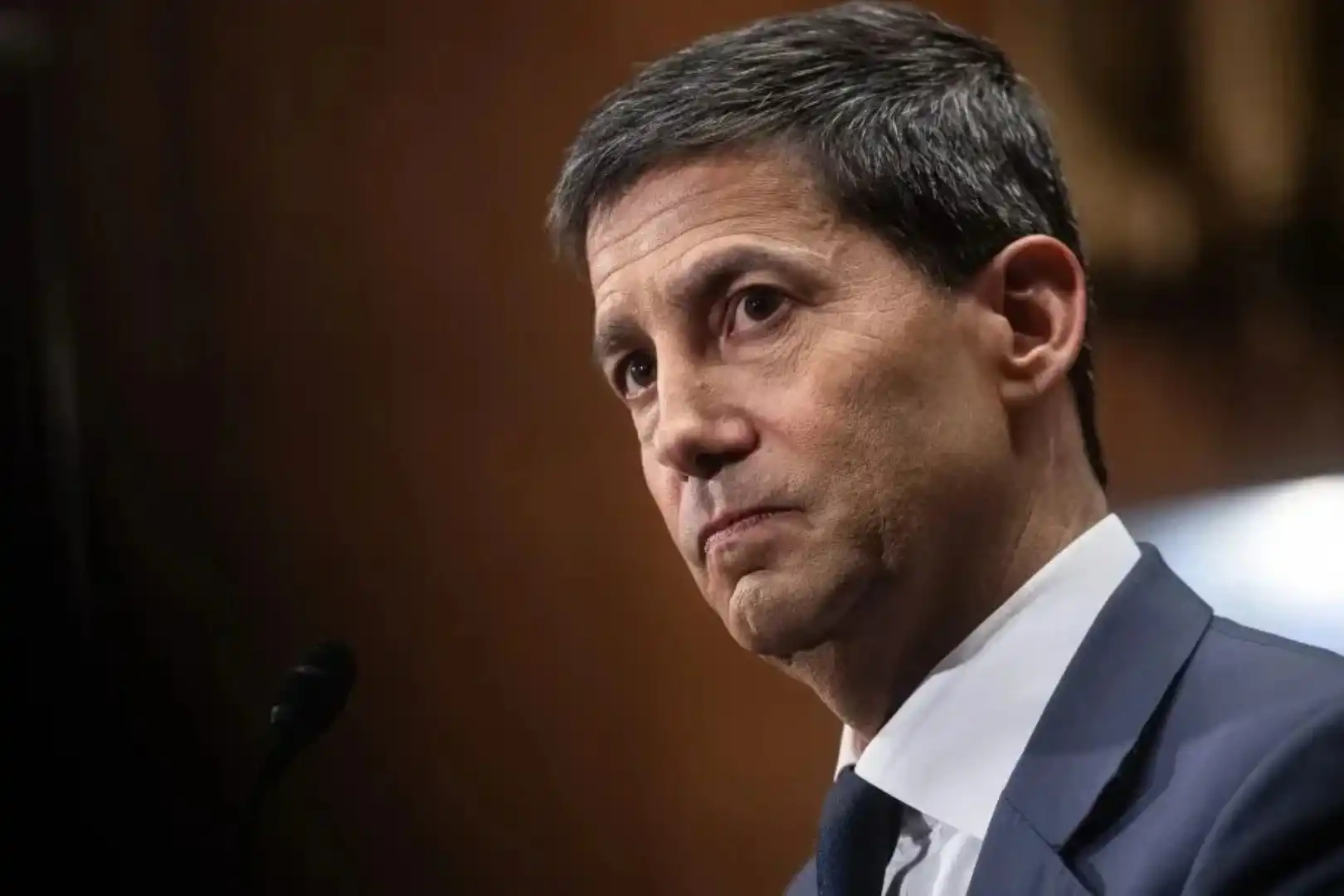
The Kevin Warsh Era Begins: Which Assets Will Rise?

The appointment of Kevin Warsh as the new Federal Reserve Chair signals a major shift in monetary policy and institutional priorities, centered on AI-driven fiscal discipline and government efficiency. Warsh views inflation not as a result of wage growth but as a consequence of fiscal excess and government waste. AI, particularly through companies like Palantir, is seen as a key tool to combat fraud, reduce inefficient spending, and boost productivity, thereby acting as a deflationary force. Palantir is already being used by federal agencies like the SBA and Fannie Mae to detect and prevent fraud, indicating a structural move towards greater transparency and accountability. This shift is expected to benefit assets tied to AI and semiconductors, banking, small-cap stocks, and cryptocurrencies like Bitcoin, which Warsh endorsed as "the new gold" for younger generation. Conversely, metals like gold and silver may face pressure due to a stronger dollar and reduced monetary easing, while renewable energy sectors could lose policy support. Globally, economies aligned with AI and tech exports (e.g., Japan, South Korea) may resilience, whereas emerging markets and China could struggle with dollar strength and tighter liquidity. The new policy mix—potential rate cuts coupled with balance sheet contraction—creates a unique environment where traditional labels like "hawkish" or "dovish" no longer apply, emphasizing instead structural changes over cyclical moves.

marsbit02/03 03:01
The Kevin Warsh Era Begins: Which Assets Will Rise?

marsbit02/03 03:01

活动图片