Artículos Relacionados con Gas Fees

El Centro de Noticias de HTX ofrece los artículos más recientes y un análisis profundo sobre "Gas Fees", cubriendo tendencias del mercado, actualizaciones de proyectos, desarrollos tecnológicos y políticas regulatorias en la industria de cripto.

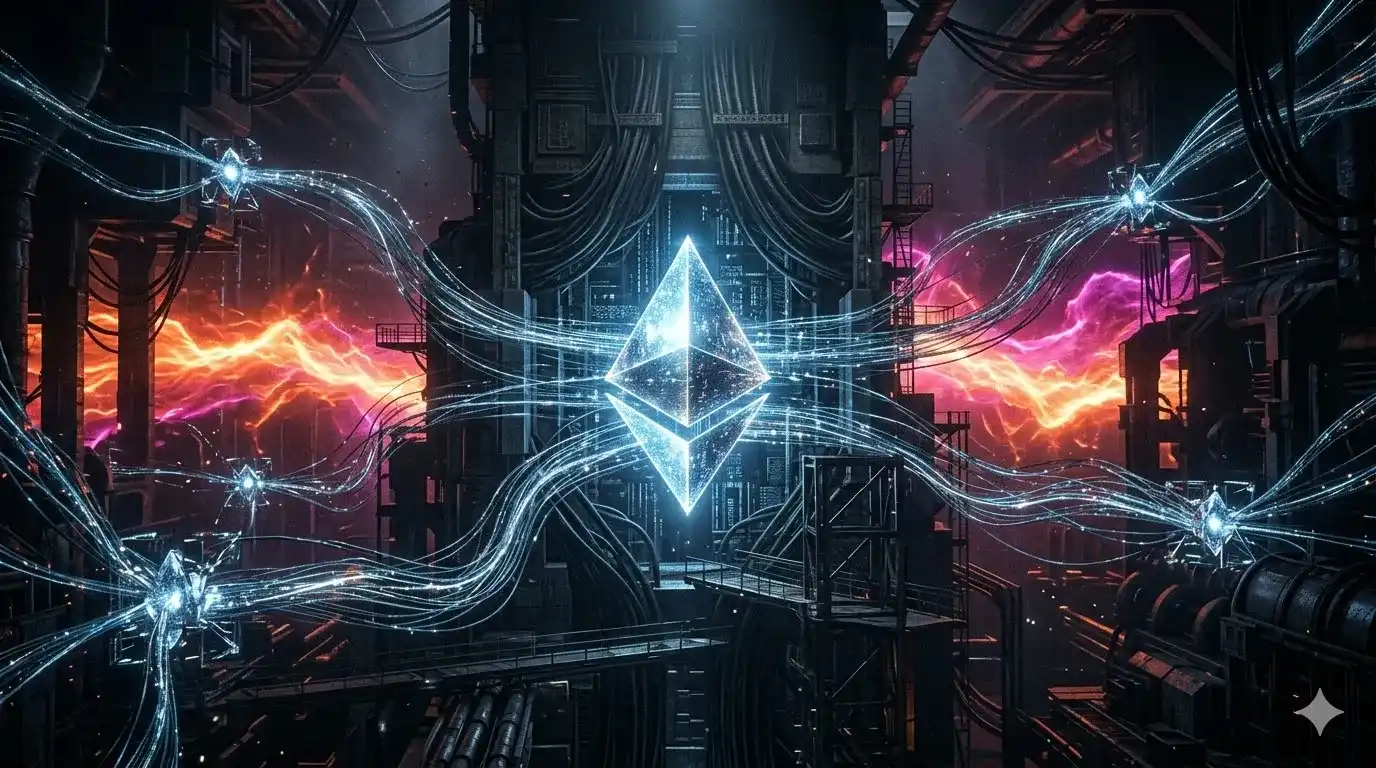
The Largest Upgrade Since The Merge? How Glamsterdam Will Affect Ethereum and Regular Users?

The upcoming Glamsterdam upgrade, scheduled for late 2026, is considered Ethereum's most significant change since The Merge. It focuses on fundamentally restructuring Ethereum's block production, transaction execution, and gas pricing to enable major scalability improvements while preserving decentralization. The upgrade centers on three key innovations: * **Enshrined PBS (ePBS)**: Moves the Proposer-Builder Separation mechanism into the protocol's core, eliminating reliance on external relays. This reorganizes the block pipeline, extending the time window for processing execution payloads, which is crucial for safely increasing block capacity. * **Block-Level Access Lists (BALs)**: Attaches a "map" to each block, declaring in advance which state data its transactions will access. This enables potential parallel transaction processing and faster node synchronization, breaking a key performance bottleneck. * **Gas Repricing**: Introduces a more accurate resource pricing model by separating computation costs from state storage costs. This discourages uncontrolled state growth by making operations that create permanent data (like new accounts) more accurately reflect their long-term network burden. Together, these changes aim to solve the core challenges of increasing Ethereum's throughput (e.g., raising the Gas Limit) without overburdening node hardware or increasing centralization risks. They prepare the infrastructure for higher capacity, targeting a credible post-upgrade capacity of up to 200 million Gas. For users, the impact will be nuanced: * General transaction fees may become lower and more stable as block space increases. * Simple transfers could see cost reductions, while state-intensive operations (like contract deployment) may become relatively more expensive due to the new gas model. * Gas fee estimations by wallets will become more accurate. * L2 networks could benefit long-term from increased data blob capacity. * Standardized logs for all ETH transfers (EIP-7708) will improve tracking for wallets and exchanges. Ultimately, Glamsterdam represents a foundational shift, not a simple block size increase. It seeks to expand Ethereum's capacity by re-engineering its underlying mechanics, maintaining its commitment to decentralization while enabling significant performance gains.

marsbit07/01 12:33

The Largest Upgrade Since The Merge? How Glamsterdam Will Affect Ethereum and Regular Users?

marsbit07/01 12:33

From Playing with Narratives to Coding: With L2 Fees Dropping Below 1 Cent, How Will Ethereum Make Money Without 'Selling Gas'?

Once the engine of Web3 narratives, Ethereum is undergoing a fundamental shift in 2026, moving from grand visions to pragmatic engineering. Its updated protocol priorities—Scale, Improve UX, and Harden the L1—signal a transition into an "engineering-driven survival" mode, pressured by intense competition. A key development is the upcoming Glamsterdam hard fork, which will drastically increase the mainnet Gas limit and introduce parallel execution. This architectural shift from a single-threaded to a multi-lane "highway" aims to boost throughput but challenges Ethereum's "full node democratization" principle, accelerating state growth and hardware demands. To counter this, the core team is pushing for ~10% of validators to adopt zero-knowledge proof validation ("SNARKing the L1"), a pivotal move towards computational efficiency. This engineering push is a direct response to external threats, notably Solana's Alpenglow upgrade, which slashes finality to under 150ms—a disruptive latency level competitive with traditional web infrastructure. Ethereum's modular architecture, while secure, struggles with the speed required for consumer-grade applications. Internally, Ethereum faces the "L2 paradox." While Layer-2 scaling solutions like Rollups have succeeded, driving transaction costs below $0.001 and vastly improving UX, they risk making the mainnet an invisible backend. This decouples users from Ethereum's core value propositions: decentralization and its validator network. Consequently, ETH's value capture model is being rewritten. The old "ultrasound money" narrative, fueled by gas fee burns, is fading as activity migrates to L2s. ETH is transforming from a retail-facing "gas seller" into a B2B "security and settlement service." Its new foundation rests on staking and restaking yields, making it resemble a digital sovereign bond—a low-yield, high-security asset backing the entire decentralized financial ecosystem. In 2026, Ethereum is proving itself not with stories, but with code. Its success hinges on this engineering pivot and ETH's ability to capture value from its new role as the foundational security layer.

marsbit03/18 05:50
From Playing with Narratives to Coding: With L2 Fees Dropping Below 1 Cent, How Will Ethereum Make Money Without 'Selling Gas'?

marsbit03/18 05:50

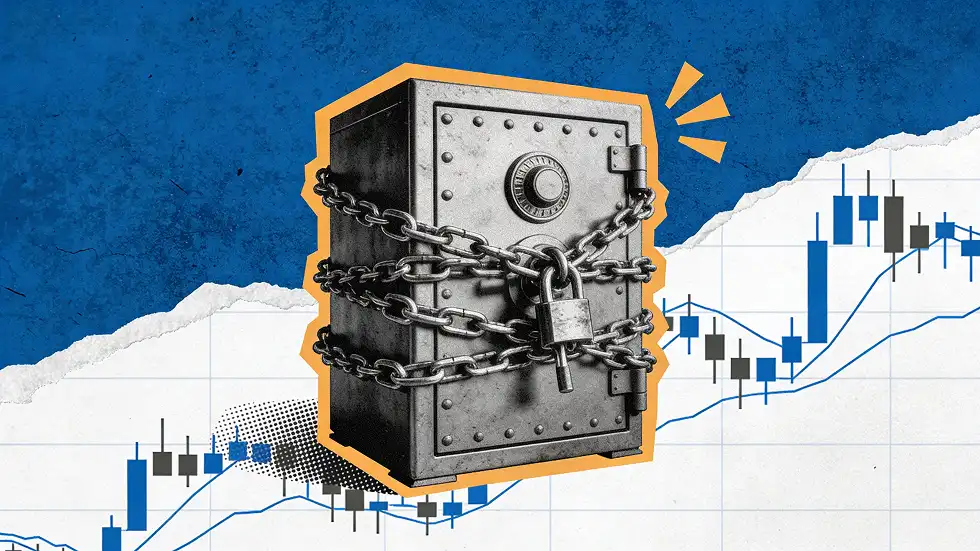
Gas Fees and Transaction Security: Avoiding Asset Drainage by Malicious Contracts

Blockchain transactions require gas fee as fuel, but malicious actors exploit this mechanism to drain assets through deceptive practices. Common traps include: 1) Unlimited token approvals, where users grant open-ended access to smart contracts, enabling unauthorized transfers; 2) Gas fee hijacking, where attackers manipulate transaction parameters or embed infinite loops to force excessive gas payments; 3) Fake approvals/transactions via phishing sites that mimic legitimate dApps to steal assets. Key preventive measures: - Apply minimal approval principles, authorizing only necessary token amounts and revoking unused permissions. - Manually set gas limits and prices using wallet advanced settings, avoiding defaults during high network congestion. - Verify contract addresses, transaction details, and DApp authenticity before confirming any transaction. - Use separate wallets for daily interactions and large holdings to isolate risks. If compromised: - Immediately freeze the wallet and revoke all suspicious approvals. - Preserve evidence (TxID, contract addresses) and report to platforms. - Seek professional assistance for large losses—avoid paying "recovery fees" (common secondary scams). Recommended tools: Approval checkers (e.g., Revoke.cash), block explorers (Etherscan), and real-time alert systems. Stay vigilant by scrutinizing every transaction and rejecting unsolicited links.

marsbit02/28 14:34

Gas Fees and Transaction Security: Avoiding Asset Drainage by Malicious Contracts

marsbit02/28 14:34

活动图片