Image source: unsplash
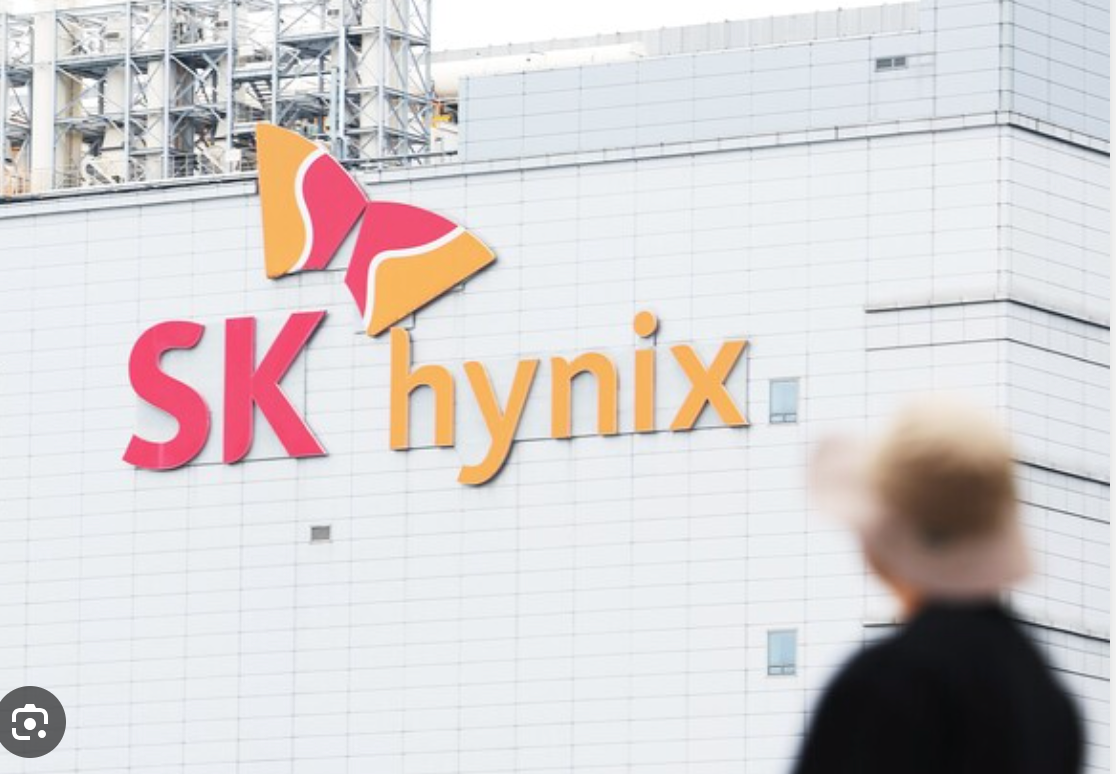
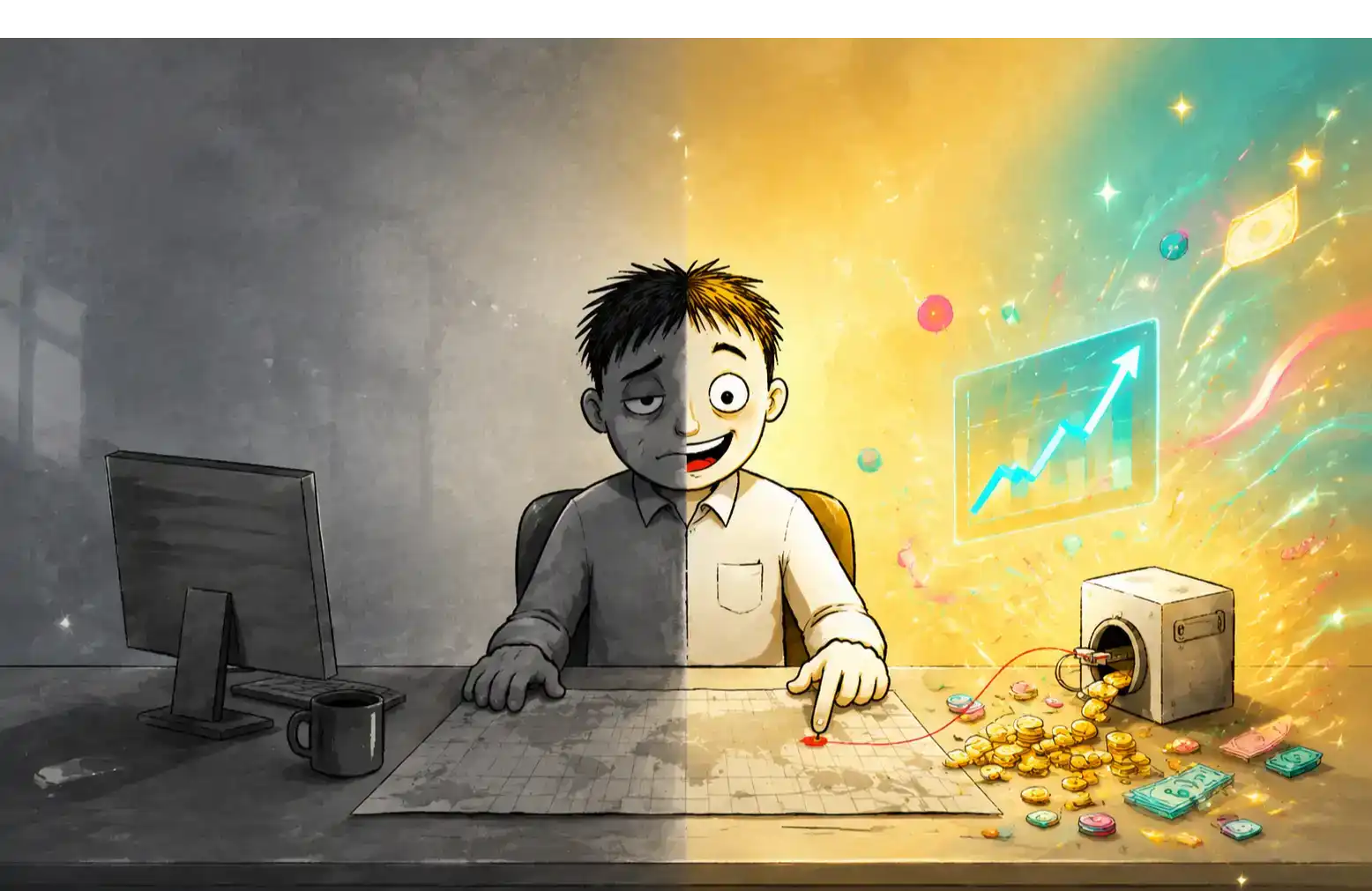
On August 19, South Korean memory giant SK Hynix announced a plan to repurchase and cancel up to 4 trillion won (approximately $28.6 billion USD) worth of its own shares over the next three months, starting the following day. This initiative became the largest-ever buyback plan by a listed company in the history of the South Korean stock market.
On August 20, the South Korean stock market rallied in response. As of 12:00 PM Beijing time, the benchmark KOSPI index surged over 6%, with SK Hynix soaring more than 12% and another memory giant, Samsung Electronics, rising over 8%.
Driven by AI computing demand, the memory sector has entered a "super boom cycle." Since 2025, leading stocks in DRAM and NAND Flash have generally seen gains of over 5 times, with SK Hynix's stock price rising nearly 10-fold and Japanese NAND giant Kioxia skyrocketing around 30 times.
However, at the beginning of the second half of this year, the memory sector encountered a sharp decline. In July alone, SK Hynix plummeted 35.5%, Samsung Electronics fell 21.5%, and Micron Technology dropped 28.7%. Companies like Kioxia and SanDisk, which saw significant gains earlier, saw their stock prices nearly halve. In fact, just before SK Hynix announced its buyback, its stock had experienced a nearly 10% plunge.
Overall, renewed concerns about an AI bubble and a peak in the memory cycle, combined with an overheated Korean market and institutional profit-taking, collectively triggered this major correction. Against this backdrop, an increasing number of memory manufacturers have begun supporting their stock prices through operations like share buybacks and enhanced shareholder returns.
In fact, besides SK Hynix, Kioxia had already launched a nearly three-month buyback plan on August 3, spending 800 billion yen to repurchase approximately 5.5% of its shares. This also marked the company's largest-ever buyback since its listing, with its shareholder return commitment far exceeding previous levels.
SanDisk, during its investor day in mid-August, pledged to use 100% of its excess free cash flow for share repurchases starting this fiscal year. It also set a long-term target of achieving an 80% gross margin for fiscal years 2028-2030. Just earlier in August when releasing its earnings report, SanDisk's board additionally authorized a new $14 billion share repurchase program, bringing its total remaining authorization to approximately $15.5 billion.
According to a recent report by MoneyToday, Samsung Electronics is expected to finalize and announce a shareholder return plan exceeding 10 trillion won after a board meeting this month, with specific measures likely focusing heavily on cash dividends. The report also stated that following this announcement, Samsung plans to continue considering additional shareholder return measures based on its cash flow and profitability. Previously, Samsung announced a shareholder return policy for 2024-2026 involving an annual regular dividend of 9.8 trillion won and returning 50% of cumulative free cash flow. A KB Securities research report predicted its potential total shareholder return rate for 2026 to be around 7%.
Judging by the immediate positive reaction in the South Korean stock market and the stock prices of related leading companies, these "money-spending" confidence-boosting operations have indeed worked quickly.
However, in the long run, for memory giants to continue writing their "growth story" in the capital markets, merely proving they have money and are willing to share profits is not enough. More importantly, they must deliver on the "breaking the cycle" narrative that bulls emphasize.
Recently, management from companies like SanDisk and Micron have also set more aggressive long-term growth and profit targets. SK Hynix management even predicted that the memory shortage could intensify further in 2027.
On the supply and demand front, the strong pattern of supply shortage persists. Most of the production capacity of mainstream memory manufacturers has already been locked in. SK Hynix management previously estimated that the memory shortage could worsen in 2027.
A sell-side analyst focusing on the memory sector recently noted that, compared to the first half of the year, the negotiation pace for Long-Term Agreements (LTAs) between memory manufacturers and downstream customers has accelerated significantly. Currently, most capacity has been secured through such agreements. Moreover, these LTAs commonly embed "take-or-pay" penalty clauses of around 30%. This means that even during weak demand or a price downturn, customers are inclined to fulfill the contract at the price floor in the worst-case scenario rather than defaulting and abandoning the order.
However, the finalization of LTAs also signifies that memory manufacturers' capacity expansion will enter an accelerated phase. This new capacity is likely to gradually come online in the second half of 2027 through 2028. China's two high-profile memory leaders, CXMT (ChangXin Memory Technologies), which set multiple A-share records upon its IPO, and YMTC (Yangtze Memory Technologies Corp.), which just completed its IPO辅导 acceptance, are also expected to enter a period of concentrated capacity release around that time.
Meanwhile, recent market rumors suggest that mass production of Hybrid Bonding HBM, seen as the next-generation technology, is expected to be delayed until after 2029 due to technical hurdles, yield issues, and customer demand factors. The aforementioned analyst believes this could intensify competition among existing mature products like HBM3 and the upcoming HBM4, potentially triggering a new round of cyclical adjustment.
In the short term, factors like major buybacks, LTA finalizations, and the progress of deleveraging in the South Korean stock market will undoubtedly provide some support for the memory sector. However, starting from the second half of next year, with concentrated capacity release coupled with delayed technology iteration, memory manufacturers might face a fierce "battle royale." Whether the memory industry can truly break the "cycle curse" might only become clear by then. (This article was first published on Titanium Media APP, written by Fei Xiang TAI Kong, author Hu Jiameng, edited by Yang Lin)