Should We Turn to the Stock Market in 2026? An Analyst's New Year Strategy

marsbitPublicado a 2026-01-04Actualizado a 2026-01-04

Resumen

In his 2026 strategy, analyst Kyle from DeFiance Capital argues that the crypto market has become a structural bear market dominated by traders, not long-term holders. He highlights that most cryptocurrencies, including major ones like Solana, are highly volatile, lack sustainable value, and are unlikely to reach previous all-time highs again. Kyle advocates for investors to shift focus towards traditional equity markets, which are becoming more "crypto-esque" due to increased retail participation and narrative-driven trading. He emphasizes the importance of being a generalist, identifying strong narratives early, and adapting to high-volatility environments. Kyle also shares his personal move to small-cap stocks, which offer asymmetric returns similar to earlier crypto opportunities. His predictions include gold reaching $5,000, a potential Bitcoin bottom around $70,000, and continued outperformance of non-US equities. The piece concludes with a review of his mixed 2025 predictions and a call for adaptability in a rapidly changing investment landscape.

Editor's Note:
As structural changes in the crypto market gradually emerge, this annual review documents a trader's mental shift from 'single-track belief' to 'cross-market adaptation.' The author, Kyle, is a research analyst at Singapore-based crypto investment fund DeFiance Capital, specializing in long-term research on DeFi, Web3 gaming, and blockchain infrastructure.

In this article, he does not attempt to provide definitive answers but rather, from the perspective of a buyside researcher and trader, reviews the gains and losses of his 2025 judgments and confronts a more realistic question: in an era dominated by retail investors, accelerated narratives, and changing return structures, how should investors review, adapt, and reshape their investment frameworks?

The original text:

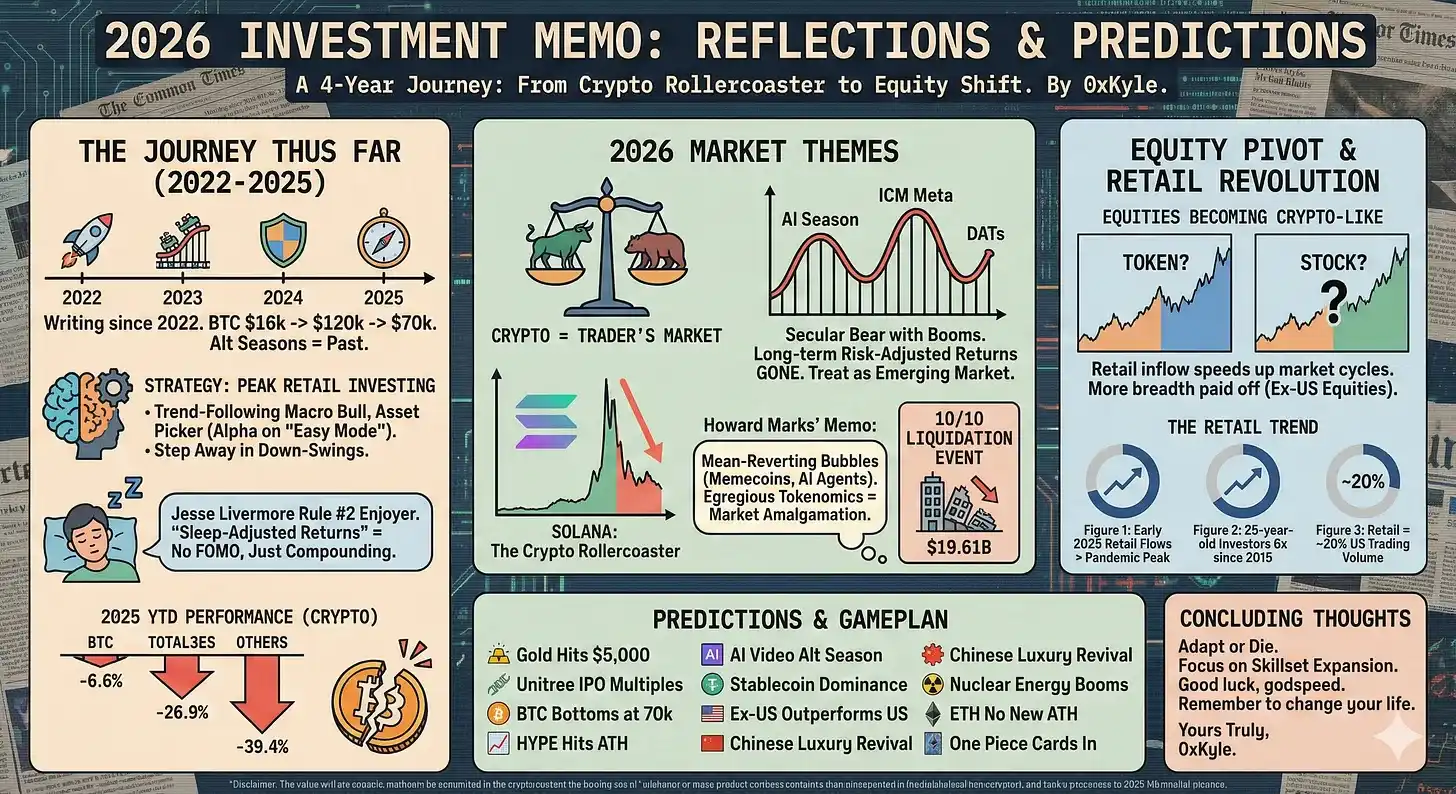
It's that time of year again. As 2025 draws to a close, I want to take this opportunity to look back on my journey. I started writing these memos back in 2022, so this will be the fourth annual review I've published. It feels like just yesterday that I started this Substack; time really flies.

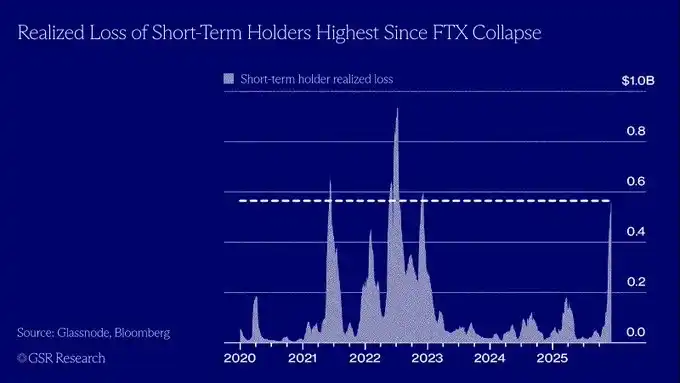
In the four years I've been writing, the cryptocurrency market has undergone earth-shaking changes. Bitcoin has risen from a low of $16,000 to a high of $120,000; the once 'altcoin season' is a thing of the past; and the entire industry has gone from being ridiculed after the FTX incident to being embraced by major global institutions.

Amidst all these changes, my money-making strategy hasn't changed much overall. I don't try to do anything complex or profound; essentially, my strategy can be broken down into two parts: first, follow the larger-scale macro bull market trend; second, obtain excess returns (alpha) through asset selection and allocate positions appropriately.

My strategy can be said to represent the 'peak form of retail investment': when I judge that the bull market is weakening and momentum is dissipating, I choose to exit; I only believe in obtaining alpha in 'easy mode' and果断 turning off this玩法 when 'hard mode' begins. In other words, I am a faithful practitioner of Jesse Livermore's second principle—except for the shorting part, I don't short.

Being able to accept 'average, or slightly above average' returns has allowed me to enjoy year-after-year compound growth without sacrificing leisure time. This is also one of the reasons why I think this strategy is very suitable for lazy retail investors like me, somewhat similar to pursuing 'sleep-adjusted returns.'

This strategy has an additional benefit—it has been especially helpful for me in this year's crypto market. Why? Because the average return itself has been quite dismal: Bitcoin is down 6.6% year-to-date (YTD), TOTAL3ES is -26.9%, and OTHERS have fallen to -39.4%. The average YTD return for the top 500 altcoins is almost certainly negative. Therefore, learning to exit in time during the downturn has allowed me to preserve a significant portion of the profits and losses that might otherwise have been 'given away for free.'

Entering 2026, I will basically continue the same strategy—next, I will expand on a few macro themes that I believe will run through 2026.

For the foreseeable future, the crypto market will be more of a trader's market

The crypto industry is in a structural bear market, interspersed with periodic booms: the AI行情 in January 2025, ICM Meta in May, and DATs from July to October. Essentially, the whole of 2025 was a process of gradually recognizing and being forced to face a simple reality—crypto assets no longer have the ability to provide long-term, risk-adjusted excess returns; structurally, the industry is closer to an 'emerging market,' due to a clear disconnect between capital formation mechanisms and shareholder value.
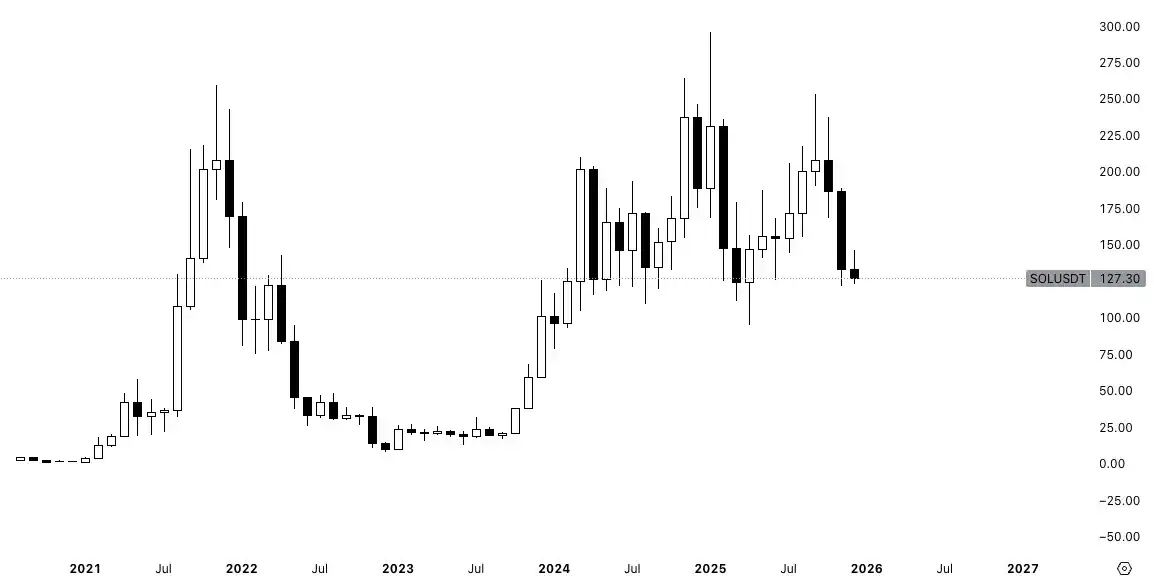
This chart of Solana, a top-ten crypto asset by market cap, almost集中体现了 all the problems faced by crypto asset investment. First, these assets are not long-term compound interest assets. They don't grow steadily year after year like the 'Magnificent 7' (Mag 7) tech stocks; their price movements are more like a 'roller coaster.' Although they have shown extremely astonishing gains—from a low of about $8 after the FTX crash to $296 a few months ago—the fact that Solana subsequently pulled back 50% from its high once again confirms a core judgment: these assets must be 'traded,' not 'held' long-term.

I still firmly believe that the crypto market will remain the only market capable of providing such astonishing returns in a relatively short period of time for the foreseeable future. But at the same time, it will also pull back just as violently. Because of this, I am highly skeptical that 99% of these assets will ever reach their all-time highs (ATH) again.

I quite agree with this mental model proposed by Howard Marks in his latest memo. The crypto market is full of such 'mean-reverting' bubbles, which are not built on any predictable basis for underlying development. Meme coins are the most typical example—these assets exist almost purely to generate returns. Essentially, what value do Fartcoin or SPX6900 bring to the world? And many other narratives in the crypto market are just meme coins with a coat of paint, trying to pretend they are 'valuable'—like so-called AI Agents.

Worse still, many tokens几乎亲手 dig their own graves,注定 making price movements a 'roller coaster': first, extremely poor tokenomics, leading to a large amount of supply being dumped on the market every month; second, the token itself has almost no value capture mechanism; third, the project doesn't even have the most basic revenue, let alone being an investable 'product.'

The current state of the market is the result of these structural problems集中爆发. All problems collapsed集中 on October 10—when the crypto market清算规模 reached $196.1 billion, becoming the largest liquidation event in history (the $99.4 billion event in April 2021 ranked second). After that, what we have seen is basically the typical scene of the 'late cycle': prices moving down again and again, constantly刷新 new lows.

Therefore, I have begun to gradually shift my focus from the crypto market to traditional equity assets like stocks. I believe that what is truly important in 2026 is not to continue深耕 a specific niche, but to become a generalist, not a specialist; to remain flexible, not bound to one market or track.

Looking back at the performance of different indices in 2025, it actually confirms this point well—this was a year where non-US markets (ex-US equities) performed prominently, and investors with a broader allocation perspective and more diversified exposure clearly obtained better returns.

Retail investment is a long-term trend that is driving changes in the traditional market structure

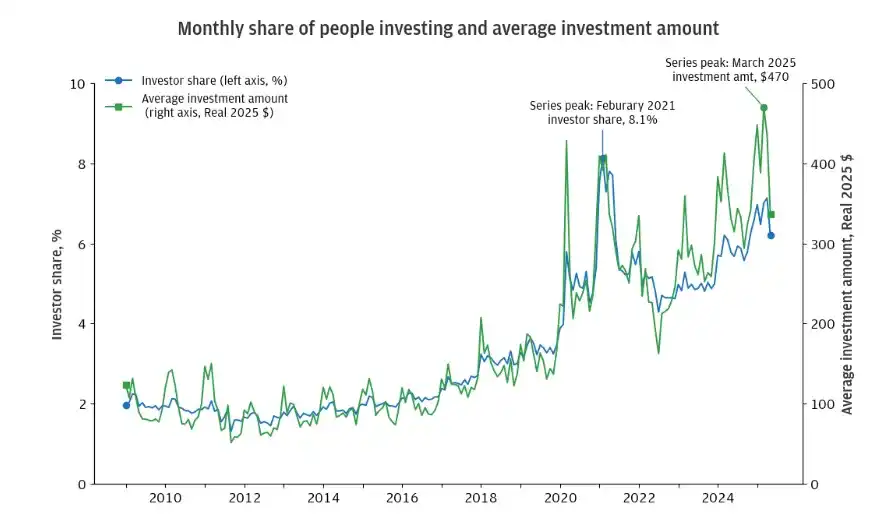
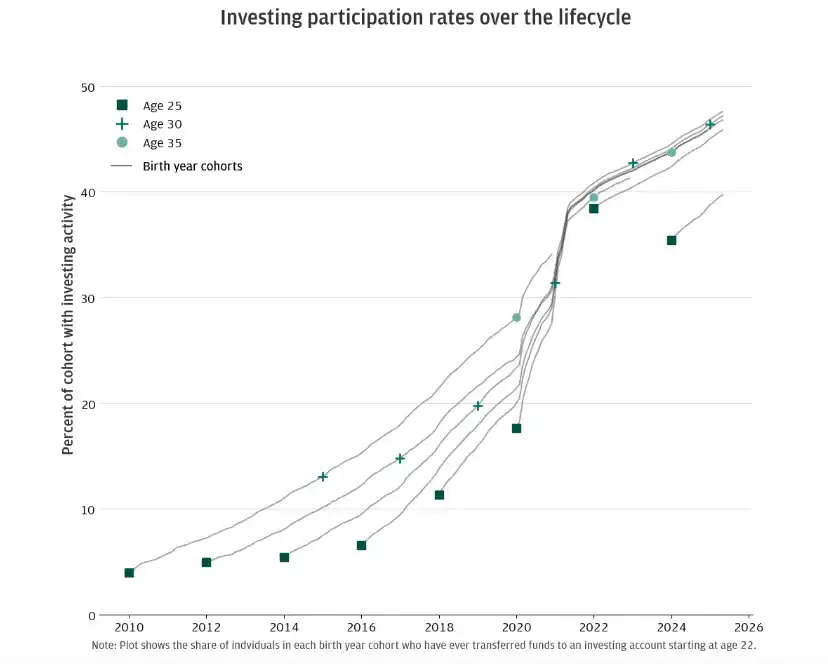
I believe that the trend of retail investment will only continue to expand. The reason is that investment has been highly 'democratized,' with retail investors from all over the world beginning to participate. The barriers to entry into this 'movement' are constantly lowering, making investable assets truly 'globalized.' Today, the tentacles of capital flow have spread to every corner of the world: an American retail investor can invest in Korean stocks based on the AI narrative; a Singaporean Grab driver can invest in Polish listed companies, and so on.

From this perspective, this is actually a bearish factor for the crypto market. For a long time, cryptocurrency has been seen as an 'Internet asset layer' that anyone, anywhere can participate in. But when investment itself has become so accessible, why would retail investors choose to invest in those digital assets with weak value support and dominated by speculation, instead of being able to buy 'almost anything'?

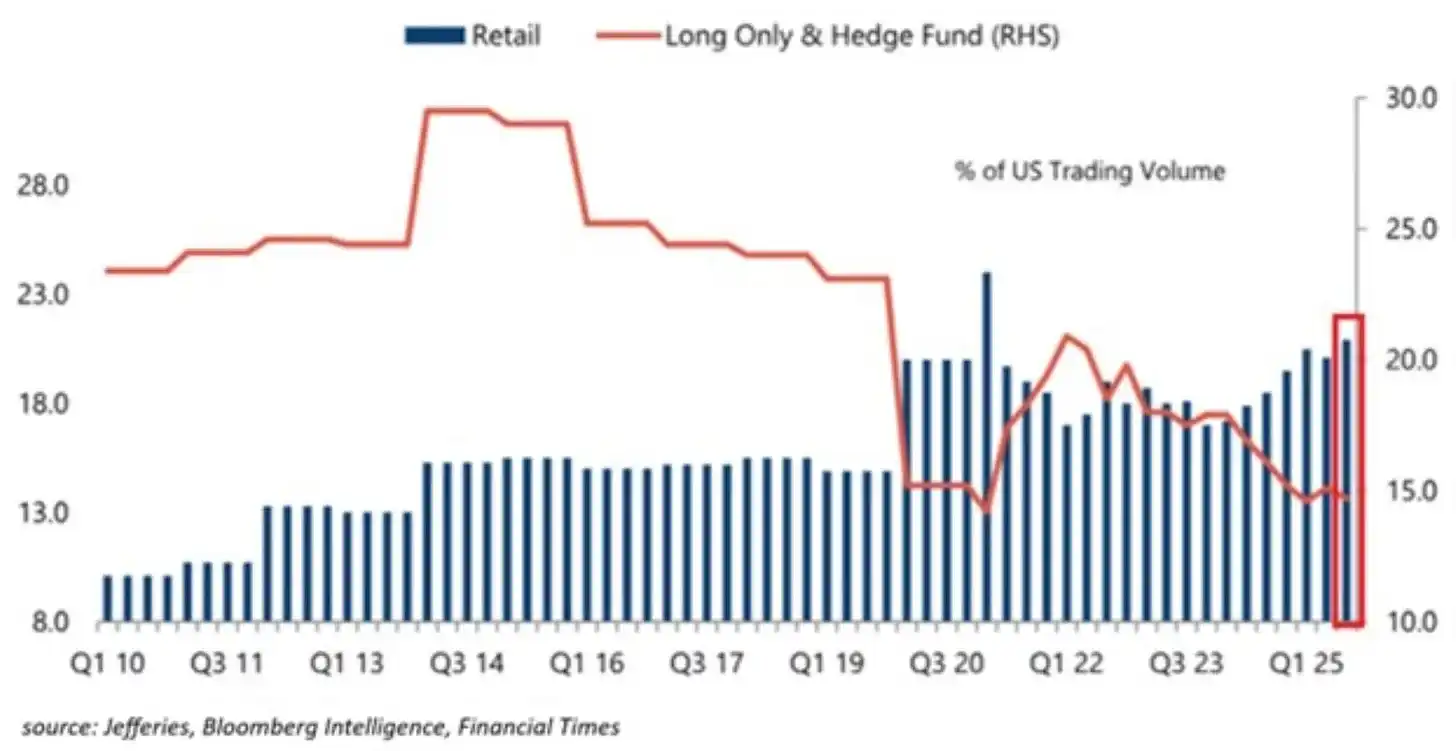
Digression over. The continued growth of retail investment is itself a fairly obvious judgment, and it is almost difficult to refute it at the data level at present. But what I really want to emphasize is the issue of 'scale.' Many people may intuitively agree that retail is entering the market on a large scale, but they underestimate the深层 impact of more retail entering the market.

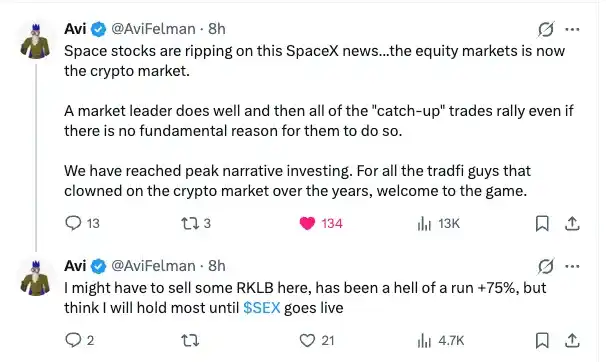
Driven by the continuous inflow of retail funds, the stock market as a whole is becoming more and more 'like the crypto market.' One thing I've always liked about the crypto market is that it can 'fast-forward' through a complete market cycle in a very short time—we often go through all stages from accumulation to distribution in just a few months, or even weeks. And now, I am seeing similar signs in the stock market.

Look at the chart below, can you tell which one is a token and which one is a stock?

That's right, they are all stocks. Although not all stocks exhibit this characteristic, it is undeniable that more and more aspects of the stock market are becoming more 'crypto-esque.'

The world of the stock market is extremely vast, and this is just a subtle but ongoing trend change that I have observed.

If you are in the crypto market, consider switching to the stock market

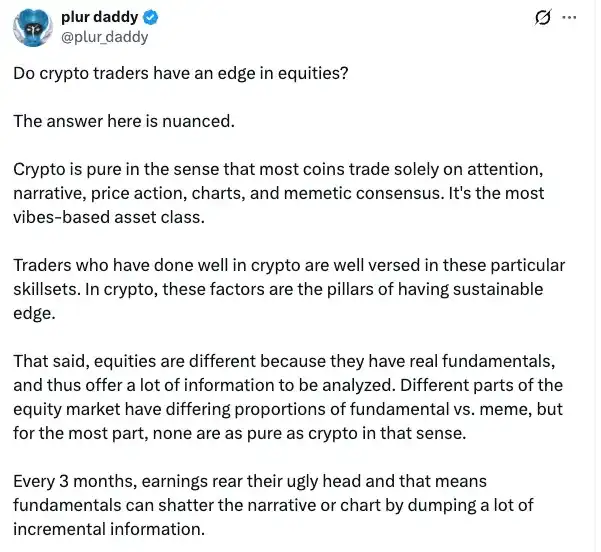
Against the backdrop of持续走低 volatility in the crypto market, many people have already started转向 the stock market; there has also been a lot of discussion on timelines, debating whether 'traders from the crypto market' have some kind of advantage in stock investing. My view is: just because you are 'from crypto' does not mean you naturally have an advantage in the stock market. Of course, some skills may indeed help with the migration—such as the ability to adapt to high-volatility environments—but ultimately, you still need to learn and adjust to truly adapt to the stock market.
<极>

I am actually in the same situation myself. I do not claim to be good at stock investing; on the contrary—writing these contents on a Substack that I know will be read by hedge fund managers with decades of traditional market experience, I actually have a strong 'imposter syndrome.'

But this is not completely meaningless. Precisely because I believe that as retail participation continues to increase, market behavior will become more emotional and more disorderly, I further judge that资深 crypto traders who have been in the crypto market for a long time, mainly博弈 with retail investors, may still find some kind of advantage. Take 'narrative trading' as an example—if you are sharp enough, it is entirely possible to capture the multiple themes that drove returns this year—such as Hyperscalers, aerospace, storage, FinTech, etc.

Besides, what other choice do I have? I don't expect the crypto market to continue to bring rich returns as it did in the past.摆在我面前的 are无非 two paths: either 'trap myself' in the 1-2 trades that can multiply several times that may not even appear in a year; or, expand and upgrade my skill boundaries.

TL;DR: either adapt, or be eliminated.


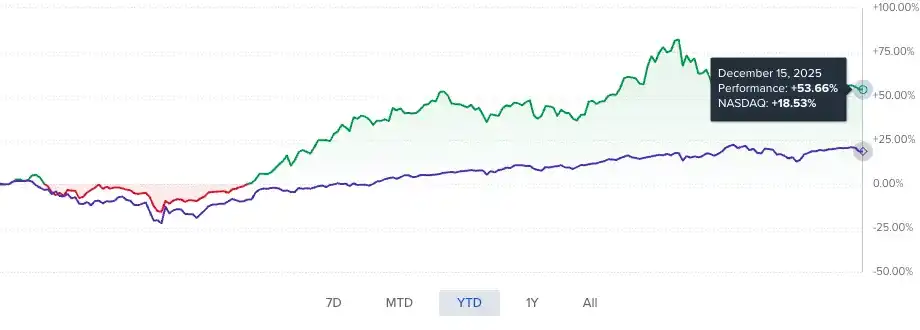
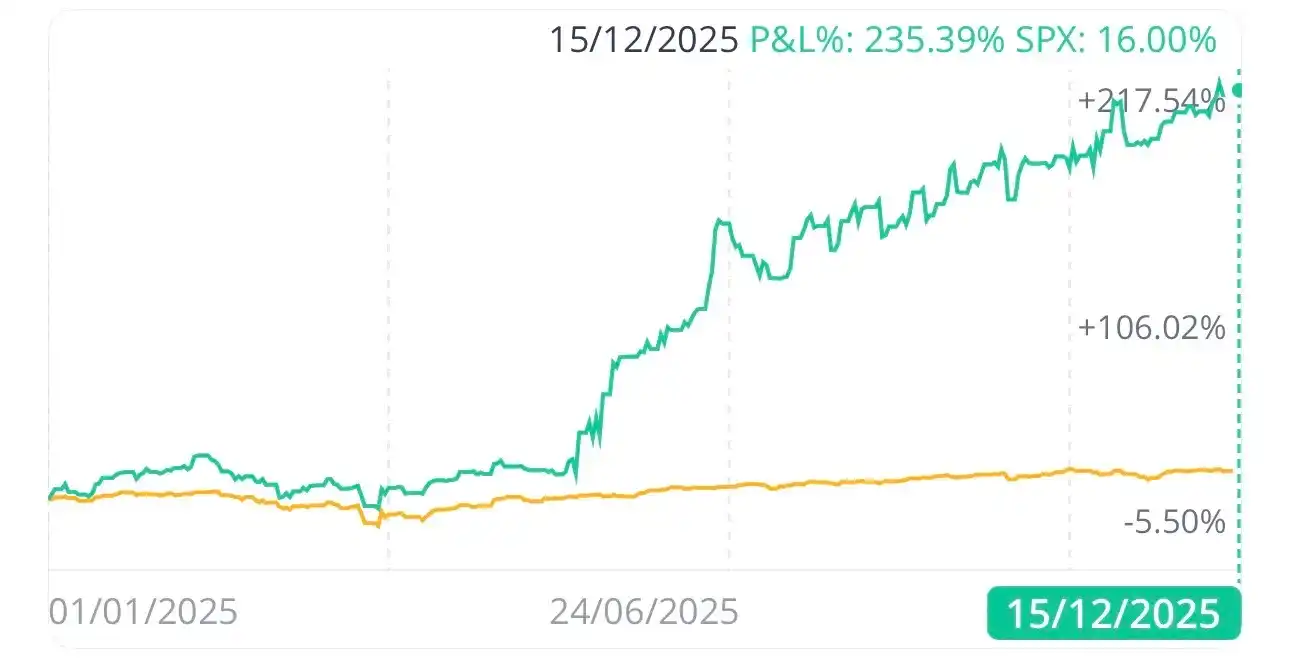
Anyway, by my own standards, the current performance is not bad. What is shown above is the year-to-date (YTD) return of my various investment portfolios. Even if it may sound a bit conceited, I still want to further explain: why I think that, as a trader from the crypto market, my current ability to achieve such performance is not accidental.

1. Catching strong narratives can greatly amplify returns

Back to the point I mentioned earlier—this is one thing I truly think 'crypto traders' are good at: identifying core narratives and building positions around these narratives. A few more examples:

Hyperscale computing power / data centers (IREN / HUT)

Aerospace (ASTS / RKLB / PL)

Financialization (HOOD / SOFI)

Storage (SNDK / SK Hynix)

Robotics (TER)

Nuclear energy (OKLO)

Quantum computing (IONQ / QBTS)

Metals (silver / gold), etc.

I am still working on improving my ability to identify themes in advance, but honestly, a large part of it is second-order thinking. Stock selection comes later, and after the emergence of AI, the advantage at the information level has been greatly leveled.加上 more and more retail investors entering the market, I believe narrative trading will once again become an important force in the market.

2. Learn 'what to trade'

I am well aware that I have no advantage in 'trading news' or 'gaming earnings reports.' But frankly, if you choose the right table in this game, there is still a lot of alpha to be captured.

In the past 10 years, the crypto market was such a table—ignored by the mainstream, thus孕育了 extremely asymmetric returns. And now, with the rise of retail dominance, similar tables are beginning to appear in the stock market: small and mid-cap companies (market cap below $10 billion).

I have started to 'get my hands dirty' here, and it's really interesting. You can see very familiar return curves, such as:

DAVE (up about 35x since 2023)

RKLB (up about 12x since September 2024)

I am still refining the process of finding such stocks, and the workflow is still in a very early stage. But for now, this might be the most suitable table for me to participate in.

3. Coping with volatility

A trait often mentioned about crypto traders has indeed been a great help here. Unlike coins, these stocks at least have fundamentals—if you can withstand a 40% drawdown on a coin that 'has not yet generated revenue,' then of course you can do the same for a company that actually has a business.

My biggest weakness so far

Ironically, what the crypto market has taught us is precisely 'not to hold long-term'—and this has also become a double-edged sword.

After experiencing TRUMP, LUNA, and countless events typical of crypto traders, I find that my biggest weakness is: selling immediately at the slightest sign of trouble. To some extent, it's like PTSD; once I feel the price is 'a bit high,' I immediately start reducing positions, expecting a market-wide pullback like the one in February this year.

This is still something I am trying to 'un-train.'

Some predictions

Don't take it too seriously, just some things I think have a not-low probability of happening.

1. Gold rises to $5000

I think gold is in a structural bull market. In recent weeks, precious metals (gold, silver, platinum) have all performed very well, and I暂时 don't see any reason for this trend to stop.

2. Unitree IPO soars on first day (2-4x)

In my opinion, robotics is one of the most disruptive applications of AI, but it is severely underestimated. The AI circle炒 new models and new applications every day, but the attention to the highly adjacent field of robotics is明显不足. Even though Figure's robot release received a lot of coverage, it is still far from the heat of general AI / sci-fi AI technology. I really think Rewkang's judgment about robotics makes sense.

3. Bitcoin bottoms around $70,000

I think it is very possible that BTC will bottom out soon—as for whether it can make new highs, that is a completely different question. From the current trading structure, the downside risk is limited, but I同样 can't see the upside catalyst.

4. HYPE makes new highs, other altcoins continue to fluctuate

For reference: my current holdings are a micro-cap project with a market cap below $10 million, and Shuffle. I no longer hold HYPE, but I am looking for opportunities to re-enter recently.

5. Hyperliquid is one of the few projects with 'quality altcoin' characteristics

No high inflation; has some value capture / interest alignment mechanism; the product grows steadily quarter by quarter, not a flash in the pan

When 99% of altcoins are uninvestable, I expect funds to flow to one of the 'cleanest' assets of this cycle.

There will be an on-chain / altcoin season, but the theme is AI video

This may sound contradictory to my previous judgment, but as I said—crypto is still the easiest place for short-term 'mean-reverting bubbles,' like the ICM in May, which was a行情 that only lasted 1-2 months. I believe such 'local outbreaks' will always exist; the key is: exit before everything collapses again.

6. Stablecoins land on a large scale, CRCL goes above $200

There is a lot of discussion about stablecoins currently, and infrastructure is advancing, but we have not yet seen the moment when large banks真正 'enter the game.' Tempo is still under construction, and large banks are preparing for it (but not fully ready yet). I believe 2026 will be a year of持续强化 stablecoin dominance.

One thing I纠结 about: Trump and the world are in a rate-cutting cycle, which is not friendly to stablecoin companies, but may increase the velocity of money.

Non-US equity indices continue to outperform US stocks, self-explanatory.

7. Some other predictions

Recovery of Chinese luxury consumer stocks (Pop Mart, Lao Feng Xiang, etc.)

AI bubble cools down, returns shift to other sectors

Nuclear energy sector continues to perform well

ETH cannot return to its historical high

Pokémon cards 'fade,' One Piece cards 'take over' (especially against the backdrop of Pokémon's 30th anniversary)

The only DATs that survive are MSTR and BMNR

More token-level mergers and acquisitions in the crypto field

Crypto tries to tokenize stocks (after realizing in 2025 that the DAT path of 'tokens becoming stocks' doesn't work)

Crypto gambling sector takes off (disclaimer: I hold Shuffle)

Crypto bear market continues into 2026

2025 Action Plan Review

As a conclusion, we will review the memo I released the previous year to see how the judgments at that time played out.

1. My macro scenario judgment

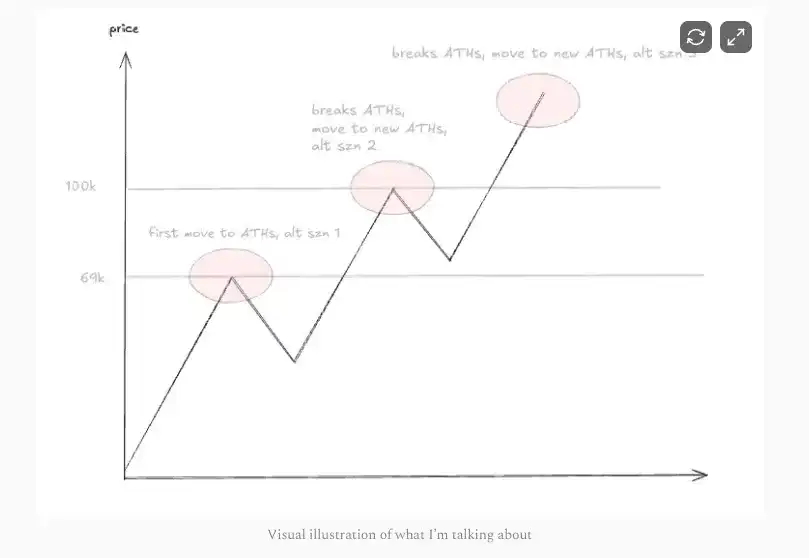
In the 2025 memo, I drew this chart and attached the following judgments:

BTC rises, and the increase will be higher than in 2024

Altcoins: offense-oriented, know when to switch to defense, but overall less defensive than in 2024

Looking back, I can only say it was partially fulfilled, but overall it was a not-so-good prediction because it did not consider 'path dependence.' We did hit new highs in September, but look at the current position. This one can only be considered勉强 passed.

2. AI

Yes, this theme still exists. But as the tweet above shows, we have experienced several rotations. If you read my analysis on AI tokens (link omitted), I still think the next wave is coming soon.

To be fair, this is more of a short-term judgment. What I said at the time did happen—before they all fell 99%. My picks ALCH / DIGIMON / AI16Z all had very bright performances,同样也是在随后 -99% 之前完成的. This one counts as passed.

3. DeFi

Core holdings: AAVE / ENA / Morpho / Euler / USUAL
Auxiliary directions: stablecoin / payment-related tokens

Can only say: mediocre. Many of these标的 never made new highs after January 25th; this portfolio as a whole was a poor choice. AAVE briefly made new highs, but for a very short time; ENA and Euler basically peaked for the year on January 25th; USUAL直接 crashed; the only winner was Morpho.
This one failed.

4. L1交易

I know this section will be criticized by many, but my judgment at the time was: L1 trading would make a strong comeback. Hype was the obvious choice, and Sui, from $1, $2, to $4, was heavily shorted by the market. I still believe that the L1 narrative itself is one of the directions ignored by the market, and Hype's 10x move is proof that such opportunities exist.

Core holdings: SUI / Hype
Auxiliary holdings: Abstract

Result: complete failure. SUI peaked around $4; as for Hype, although it did have a run, its current price is basically back to the level of January 2025. And frankly, this标的 itself is a bit 'edgy'—it is more like a Perp DEX than an L1. In hindsight, I'm not quite sure what I was thinking either.

5. NFT tokens & gaming coins

Core holdings: Pengu / Anime (Azuki)/ Spellborne / Treeverse
Auxiliary holdings: Prime / Off the Grid (if token launched)/ Overworld

The only winner here is Pengu, although it fell 90% at one point in January, it subsequently had an 8x run. More importantly, Pengu is the only NFT project that真正 gained mainstream attention.
But from the perspective of the overall portfolio, this basket still failed.

6. Other narratives

These are just directions I follow, not particularly bullish, but find interesting:

Data tokens: Kaito / Arkm

Meme: only like PEPE, the others... basically 'cooked'

DePIN: PEAQ / HNT

Ordinals

Dino alts: XRP, etc.

Old DeFi: CRV / CVX

I didn't give a clear judgment at the time, so these won't be evaluated.

7. Prediction review

Prediction: DePIN will be landed by a 'serious company' in a 'serious way,' possibly through acquisition.
Not sure if it happened. Maybe readers can add? Racking my brains, I don't really think it happened.

Prediction: Binance, as a top exchange, will lose market share, not to Hyperliquid, but to Bybit / OKX.
Did not fully materialize, but I would say Binance's reputation and market position have明显下滑ed, especially after 10/10.

Prediction: Metaverse tokens will gain new life with breakthroughs in VR.
No.

Prediction: ICOs become popular again.
This hit very漂亮. Cobie's ICO platform was acquired by Coinbase for $375 million, enough to show that ICOs have become the 'new trend' again.

Prediction: ETH on-chain season will never come.
I was correct on this point.

Prediction: Sui goes double digits (at least $10).
Haha, impossible.

Prediction: ETH ETF approved for staking rewards, thus催生 a new round of yield products and yield aggregators, similar to 2021.
This one did come true.

Prediction: A heavyweight artist will use NFTs and tokens to manage and incentivize fans.
Did not happen.

Prediction: Bitcoin to $200,000.
I wish.

Prediction: After Aptos, more L1 CEOs / founders will leave.
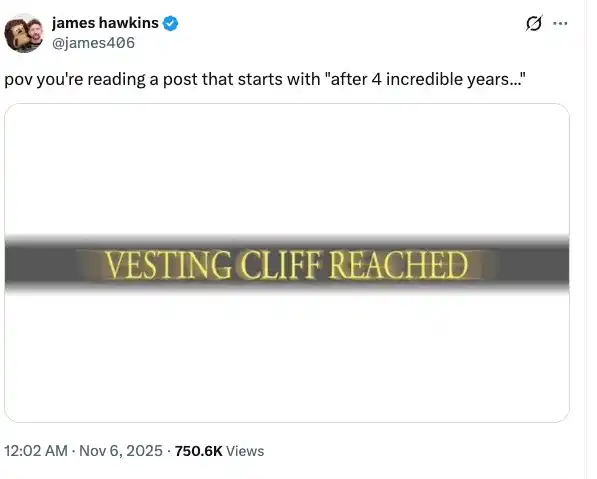
Sadly, this one did happen. Nowadays we see more and more 'departures,' often accompanied by that classic meme: 'vesting cliff is here.'

Prediction: Base loses in the on-chain competition, replaced by another L1; Solana remains领先.
As of now, I would say Base is still in a winning position alongside Solana.

Conclusion

The above basically outlines my overall layout思路 as I step into 2026. I also expect that a significant portion of these judgments will, like my 2025 action plan, undergo considerable changes over time.

Good luck to all, fair winds, and I'll see you on the other side, ladies and gentlemen.

If you make life-changing profits on this road, remember—truly change your life.

Sincerely,
0xKyle
Criptos en tendencia

ctr
CitreaCTR
wstusdt
wrapped stUSDTWSTUSDT
apr
aPrioriAPR
ctx
Cryptex FinanceCTX
audio
AudiusAUDIO
comp
CompoundCOMP
mantra
MantraMANTRA
xvs
VenusXVS
waxl
AxelarWAXL
bill
Billions NetworkBILL
pyth
PYTH (Pyth)PYTH
rune
THORChainRUNE
velodrome
Velodrome FinanceVELODROME
brev
BrevisBREV
zrx
ZRX(0X)ZRX

Preguntas relacionadas

QWhat is the author's main investment strategy for 2026, and why is he shifting his focus?

AThe author's main strategy is to continue his approach of riding macro bull trends and capturing alpha through asset selection, but he is shifting his focus from the crypto market to traditional equity markets. He believes the crypto market is in a structural bear phase with poor risk-adjusted returns, while equities offer better opportunities due to increased retail participation and market democratization.

QAccording to the author, what structural problems does the crypto market face that make it resemble an 'emerging market'?

AThe author states that crypto assets suffer from a disconnect between capital formation and shareholder value. Key problems include terrible tokenomics with constant supply dumps, a lack of value capture mechanisms, and projects having no fundamental product or revenue, making them unsuitable for long-term holding.

QHow does the author believe the skill set of a crypto trader can be an advantage in the stock market?

AThe author believes crypto traders are adept at identifying strong narratives and trading them, which is a skill that can be applied to equities. They are also accustomed to high volatility environments. However, he cautions that this doesn't guarantee an advantage and that learning and adaptation are still required.

QWhat is one of the author's key predictions for Bitcoin's price in 2026?

AThe author predicts that Bitcoin (BTC) will likely find a bottom around $70,000, though he is uncertain about any catalysts that could drive it to new all-time highs.

QWhich asset does the author predict will experience a structural bull run and reach $5,000?

AThe author predicts that Gold is in a structural bull run and will reach $5,000, noting that precious metals like gold, silver, and platinum have been performing very well with no signs of the trend stopping.

Lecturas Relacionadas

Two Legends Lost in Three Days: Is Google's AI Talent Dam Cracking?

In three days, Google lost two AI legends. On June 18, Noam Shazeer, co-author of the seminal "Attention is All You Need" paper and Gemini co-lead, left for OpenAI. Just 48 hours later, John Jumper, 2024 Nobel laureate and AlphaFold lead, departed DeepMind for Anthropic. This follows Andrej Karpathy joining Anthropic in May. These moves highlight a structural trend: top AI talent is concentrating at mission-driven, pre-IPO firms like OpenAI and Anthropic, while Google becomes a primary source. The exodus stems from a core mission mismatch. Google's ad-centric model often subordinates AI research to product and revenue goals, creating friction for pioneers like Shazeer, who returned in 2024 only to leave again. In contrast, OpenAI and Anthropic offer singular focus on pushing AI boundaries, whether towards AGI or safety-aligned models, which deeply appeals to top researchers like Jumper. Financial incentives amplify the pull. With both OpenAI and Anthropic nearing IPO, employees stand to gain immensely from equity, an upside Google's mature stock cannot match. Furthermore, the 2023 merger of Google Brain and DeepMind, intended to consolidate strength, has instead created cultural tension and slowed the path from research to product, as evidenced by Gemini's pace. This talent redistribution is reshaping the AI landscape. While Google retains vast data and compute resources, its true crisis is the quiet, continuous loss of the people who define the field's future. The real moat in AI is not infrastructure, but the concentration of brilliant minds—a battle Google is currently losing.

marsbitHace 1 hora(s)

Two Legends Lost in Three Days: Is Google's AI Talent Dam Cracking?

marsbitHace 1 hora(s)

Behind the AI Report Card, Lies a Chinese 'Exam Setter'

Beyond the familiar performance charts like MMLU-Pro and MMMU, which major AI models strive to ace, stands a key "examiner": Chinese-Canadian researcher Wenhu Chen. An assistant professor at the University of Waterloo and founder of TIGERLab, Chen addresses the crucial need for more rigorous AI evaluation. As models like GPT-4 began scoring near-perfect results on older benchmarks like MMLU, it became difficult to distinguish their true capabilities. In response, Chen introduced MMLU-Pro in 2024, featuring harder, more reasoning-focused questions with more answer choices, successfully reintroducing meaningful performance gaps. His work extends to multi-modal evaluation with MMMU and its enhanced version, MMMU-Pro. These benchmarks test a model's ability to understand and reason with complex information from images, charts, and text across diverse academic subjects, exposing the significant challenges even top models face in genuine comprehension. Chen's background in complex QA, table reasoning, and his experience at Google DeepMind on projects like Gemini inform his approach. He understands that effective benchmarks must anticipate how models might "cheat" by memorizing data or avoiding visual analysis. His lab also actively researches video understanding and generation models (e.g., UniVideo, Vamba), ensuring his evaluation work is grounded in practical model-building challenges. Now at Meta's Super Intelligence Lab, Chen continues his focus on multi-modal data and evaluation, representing the deep yet often unseen contributions of Chinese talent in shaping the fundamental tools of the AI industry.

marsbitHace 1 hora(s)

Behind the AI Report Card, Lies a Chinese 'Exam Setter'

marsbitHace 1 hora(s)

Alliance Co-founder's Letter to Entrepreneurs: Written at the Moment Cursor Sold for $600 Billion

Alliance Co-founder's Letter to Entrepreneurs: On Cursor's $60 Billion Sale Many aspiring founders see massive exits like Cursor's $60B sale and wonder why they can't achieve the same, often concluding opportunities are exhausted. But great companies aren't built in obvious, crowded spaces. Cursor, like Stripe, Figma, and Shopify before it, started with a non-consensus belief about the future. Before ChatGPT, they believed AI would transform knowledge work. They focused on a genuinely exciting domain, became their own customer, and obsessed over power users. Their journey involved years of "glass-chewing" effort before the market was ready. The pattern is consistent: identify a long-term technological shift, find a missed entry point, and execute for years before the trend becomes obvious. First-generation products (PayPal, Adobe, Amazon) prove a market exists. Second-generation winners (Stripe, Figma, Shopify) rebuild that market around new insights, technology, or changing customer behaviors. Founders must identify their phase in the cycle. Early entrants like Coinbase or Cursor focus on making new technology usable for power users. Later entrants find the "yin" to the established "yang"—the blind spots incumbents miss as they grow distant from individual users. The key is deep market immersion. Use every product in your space. Talk to users. Build an audience. Stop looking for ideas and start *seeing* them everywhere. Then, choose one. The idea must offer a 10x improvement or solve a "hair-on-fire" pain point—something severe enough that users are already crafting workarounds. When building, avoid feature bloat. Ask: why would someone switch? Great startups rarely force new behaviors; they improve familiar workflows with drastically lower friction (e.g., Cursor forked VS Code instead of creating a new editor). Distribution is the underestimated moat. Before product-market fit, achieve distribution-market fit. How do customers discover new tools? Founders like those at Airbnb, Stripe, and Cursor did unscalable, manual work to recruit early users. The final, unteachable ingredient is resilience. Cursor built for years pre-market, faced rejection, and persisted. So did Airbnb, Nvidia, and Rain (which launched post-FTX collapse). The lesson isn't that these founders were smarter, but that they stayed in the game long enough for their insights to compound. Framework: Spot technological cycles. Cultivate unique insight. Obsess over your market. Talk to customers. Find a hair-on-fire problem. Build the simplest wedge. Win your distribution channel. Above all, don't quit when it gets hard. Most people won't do these things consistently. The few who do build the next generation of great companies. Go build.

marsbitHace 1 hora(s)

Alliance Co-founder's Letter to Entrepreneurs: Written at the Moment Cursor Sold for $600 Billion

marsbitHace 1 hora(s)

Weekly Editor's Picks (0613-0619)

Weekly Editor's Picks (0613-0619): Market Insights & Analysis This weekly digest curates in-depth analysis often lost in the information flow, focusing on key insights across macro trends, investment, and technology. **Macro & Geopolitics:** With the Strait of Hormuz reopening and military conflict shifting to negotiation, markets are pivoting from "war shock" to "supply restoration." Trades include shorting crude risk premiums, longing airlines/tourism, Asian energy importers, and bond duration, while shorting inflation expectations. LNG, fertilizer, and chemical chains are also being repriced. **Investment & VC:** Ray Dalio advises against betting on concentrated AI giants dominating indices, advocating for diversified portfolios of high-quality, low-correlation assets instead. Analysis covers the 4-year crypto cycle, predicting the core surviving product by 2029 will be asset trading markets. Current BTC metrics suggest a potential bottoming zone, presenting a patient accumulation window. SpaceX's high-profile IPO at a $2.1T valuation faces scrutiny over fundamentals, with key watchpoints being its likely inclusion in the Nasdaq index and Q2 earnings. Concerns are raised about potential "gamma squeeze" and systemic risks if its narrative-driven valuation gets amplified by passive index funds. Robinhood (HOOD) is noted for breaking its high correlation with crypto, bolstered by its stock trading and new underwriting business. **Web3 & AI:** A warning highlights ~$1.8T in off-balance-sheet AI infrastructure commitments (purchase commitments, leases) as a potential systemic risk if AI monetization lags. AI models are being used for World Cup predictions, adding a new layer for betting markets. A cost breakdown of a $20 AI subscription reveals the supply chain from model companies to cloud, GPUs, and power. **Prediction Markets:** The emergence of prediction market "concept stocks" is noted, with Robinhood developing its own platform, Rothera, signaling a shift from market competition to a "channel war" for user access. **CeFi & DeFi:** The SpaceX IPO tested perpetual contract mechanisms for pre-IPO assets, highlighting challenges in handling corporate actions like stock splits on-chain. The de-pegging of STRC (Strategy's preferred share) to ~$89 reflects market concerns over MicroStrategy's capital structure and BTC-backed leverage model. BlackRock's covered-call Bitcoin ETF (BITA) offers yield but caps upside, appealing to yield-seeking institutions. **Ethereum:** An opinion piece argues Ethereum's core strength is its vast developer community and composability, solidifying its role as the default operating system for the financial internet. **Weekly Hot Topics:** Include the US-Iran deal reopening the Strait of Hormuz, Fed's hawkish hold, Anthropic restricting model access, SpaceX acquiring Cursor, and a humorous stock surge for "Liuliumei" due to its "LLM" ticker.

marsbitHace 1 hora(s)

Weekly Editor's Picks (0613-0619)

marsbitHace 1 hora(s)

Alliance's Co-Founder's Letter to Entrepreneurs: Written on the Occasion of Cursor's $60 Billion Sale

In this letter to entrepreneurs, Alliance reflects on the success of Cursor's $60 billion sale to Elon Musk, using it as a case study to counter the misconception that opportunities in crowded fields like AI or crypto are exhausted. The piece argues that great companies like Cursor, Stripe, Figma, and Shopify are not built by geniuses with perfect ideas, but by founders who start with a non-consensus belief about the future and build for years before that future becomes obvious to everyone. They identify long-term shifts, find overlooked entry points, and execute relentlessly. The framework for success involves: 1. **Identifying your place in the technology cycle**: Early-stage opportunities focus on making new tech usable for power users (e.g., Coinbase, Cursor). Later-stage opportunities involve finding the "yin" to an existing "yang"—the blind spots of first-generation players (e.g., Stripe vs. PayPal, Figma vs. Adobe). 2. **Cultivating unique insights**: Immerse yourself deeply in the market. Use every product, talk to users, and build an audience. Insights will emerge naturally from deep engagement. 3. **Finding a "hair-on-fire" problem**: Look for a 10x improvement or a severe, urgent pain point. The strongest signal is people already building clumsy workarounds. 4. **Building a focused MVP**: Don't just add features because you can. Ask why users would abandon their current tool for yours. The best startups rarely force new behaviors; they improve familiar workflows with drastically lower friction. 5. **Winning a distribution channel**: Distribution is often the moat. Before product-market fit, achieve channel-market fit. Find where your customers are and build an engine to reach them, even through unscalable, manual efforts initially. 6. **Persistence**: The final, unteachable ingredient is resilience. Success stories like Cursor, Airbnb, and Nvidia involved years of grinding, rejection, and perseverance when the path forward seemed unclear. The conclusion is that there is no secret. Most people fail to consistently execute these steps over the long term. The few who do build the companies that define the next era. The world is yours to create.

链捕手Hace 1 hora(s)

Alliance's Co-Founder's Letter to Entrepreneurs: Written on the Occasion of Cursor's $60 Billion Sale

链捕手Hace 1 hora(s)

Trading

Spot
Futuros

Artículos destacados

Qué es $S$

Entendiendo SPERO: Una Visión General Completa Introducción a SPERO A medida que el panorama de la innovación continúa evolucionando, la aparición de tecnologías web3 y proyectos de criptomonedas juega un papel fundamental en la configuración del futuro digital. Un proyecto que ha atraído la atención en este campo dinámico es SPERO, denotado como SPERO,$$s$. Este artículo tiene como objetivo reunir y presentar información detallada sobre SPERO, para ayudar a entusiastas e inversores a comprender sus fundamentos, objetivos e innovaciones dentro de los dominios web3 y cripto. ¿Qué es SPERO,$$s$? SPERO,$$s$ es un proyecto único dentro del espacio cripto que busca aprovechar los principios de descentralización y tecnología blockchain para crear un ecosistema que promueva la participación, la utilidad y la inclusión financiera. El proyecto está diseñado para facilitar interacciones de igual a igual de nuevas maneras, proporcionando a los usuarios soluciones y servicios financieros innovadores. En su esencia, SPERO,$$s$ tiene como objetivo empoderar a los individuos al proporcionar herramientas y plataformas que mejoren la experiencia del usuario en el espacio de las criptomonedas. Esto incluye habilitar métodos de transacción más flexibles, fomentar iniciativas impulsadas por la comunidad y crear caminos para oportunidades financieras a través de aplicaciones descentralizadas (dApps). La visión subyacente de SPERO,$$s$ gira en torno a la inclusividad, buscando cerrar brechas dentro de las finanzas tradicionales mientras aprovecha los beneficios de la tecnología blockchain. ¿Quién es el Creador de SPERO,$$s$? La identidad del creador de SPERO,$$s$ sigue siendo algo oscura, ya que hay recursos públicos limitados que proporcionan información de fondo detallada sobre su(s) fundador(es). Esta falta de transparencia puede derivarse del compromiso del proyecto con la descentralización, una ética que muchos proyectos web3 comparten, priorizando las contribuciones colectivas sobre el reconocimiento individual. Al centrar las discusiones en torno a la comunidad y sus objetivos colectivos, SPERO,$$s$ encarna la esencia del empoderamiento sin señalar a individuos específicos. Como tal, comprender la ética y la misión de SPERO sigue siendo más importante que identificar a un creador singular. ¿Quiénes son los Inversores de SPERO,$$s$? SPERO,$$s$ cuenta con el apoyo de una diversa gama de inversores que van desde capitalistas de riesgo hasta inversores ángeles dedicados a fomentar la innovación en el sector cripto. El enfoque de estos inversores generalmente se alinea con la misión de SPERO, priorizando proyectos que prometen avances tecnológicos sociales, inclusión financiera y gobernanza descentralizada. Estas fundaciones de inversores suelen estar interesadas en proyectos que no solo ofrecen productos innovadores, sino que también contribuyen positivamente a la comunidad blockchain y sus ecosistemas. El respaldo de estos inversores refuerza a SPERO,$$s$ como un contendiente notable en el dominio de proyectos cripto que evoluciona rápidamente. ¿Cómo Funciona SPERO,$$s$? SPERO,$$s$ emplea un marco multifacético que lo distingue de los proyectos de criptomonedas convencionales. Aquí hay algunas de las características clave que subrayan su singularidad e innovación: Gobernanza Descentralizada: SPERO,$$s$ integra modelos de gobernanza descentralizada, empoderando a los usuarios para participar activamente en los procesos de toma de decisiones sobre el futuro del proyecto. Este enfoque fomenta un sentido de propiedad y responsabilidad entre los miembros de la comunidad. Utilidad del Token: SPERO,$$s$ utiliza su propio token de criptomoneda, diseñado para servir diversas funciones dentro del ecosistema. Estos tokens permiten transacciones, recompensas y la facilitación de servicios ofrecidos en la plataforma, mejorando la participación y la utilidad general. Arquitectura en Capas: La arquitectura técnica de SPERO,$$s$ apoya la modularidad y escalabilidad, permitiendo la integración fluida de características y aplicaciones adicionales a medida que el proyecto evoluciona. Esta adaptabilidad es fundamental para mantener la relevancia en el cambiante paisaje cripto. Participación de la Comunidad: El proyecto enfatiza iniciativas impulsadas por la comunidad, empleando mecanismos que incentivan la colaboración y la retroalimentación. Al nutrir una comunidad sólida, SPERO,$$s$ puede abordar mejor las necesidades de los usuarios y adaptarse a las tendencias del mercado. Enfoque en la Inclusión: Al ofrecer tarifas de transacción bajas e interfaces amigables para el usuario, SPERO,$$s$ busca atraer a una base de usuarios diversa, incluyendo a individuos que anteriormente pueden no haber participado en el espacio cripto. Este compromiso con la inclusión se alinea con su misión general de empoderamiento a través de la accesibilidad. Cronología de SPERO,$$s$ Entender la historia de un proyecto proporciona información crucial sobre su trayectoria de desarrollo y hitos. A continuación se presenta una cronología sugerida que mapea eventos significativos en la evolución de SPERO,$$s$: Fase de Conceptualización e Ideación: Las ideas iniciales que forman la base de SPERO,$$s$ fueron concebidas, alineándose estrechamente con los principios de descentralización y enfoque comunitario dentro de la industria blockchain. Lanzamiento del Whitepaper del Proyecto: Tras la fase conceptual, se lanzó un whitepaper completo que detalla la visión, los objetivos y la infraestructura tecnológica de SPERO,$$s$ para generar interés y retroalimentación de la comunidad. Construcción de Comunidad y Primeras Interacciones: Se realizaron esfuerzos de divulgación activa para construir una comunidad de primeros adoptantes y posibles inversores, facilitando discusiones en torno a los objetivos del proyecto y obteniendo apoyo. Evento de Generación de Tokens: SPERO,$$s$ llevó a cabo un evento de generación de tokens (TGE) para distribuir sus tokens nativos a los primeros seguidores y establecer liquidez inicial dentro del ecosistema. Lanzamiento de la dApp Inicial: La primera aplicación descentralizada (dApp) asociada con SPERO,$$s$ se puso en marcha, permitiendo a los usuarios interactuar con las funcionalidades centrales de la plataforma. Desarrollo Continuo y Alianzas: Actualizaciones y mejoras continuas a las ofertas del proyecto, incluyendo alianzas estratégicas con otros actores en el espacio blockchain, han moldeado a SPERO,$$s$ en un jugador competitivo y en evolución en el mercado cripto. Conclusión SPERO,$$s$ se erige como un testimonio del potencial de web3 y las criptomonedas para revolucionar los sistemas financieros y empoderar a los individuos. Con un compromiso con la gobernanza descentralizada, la participación comunitaria y funcionalidades diseñadas de manera innovadora, allana el camino hacia un paisaje financiero más inclusivo. Como con cualquier inversión en el espacio cripto que evoluciona rápidamente, se anima a los posibles inversores y usuarios a investigar a fondo y participar de manera reflexiva con los desarrollos en curso dentro de SPERO,$$s$. El proyecto muestra el espíritu innovador de la industria cripto, invitando a una mayor exploración de sus innumerables posibilidades. Mientras el viaje de SPERO,$$s$ aún se desarrolla, sus principios fundamentales pueden, de hecho, influir en el futuro de cómo interactuamos con la tecnología, las finanzas y entre nosotros en ecosistemas digitales interconectados.

84 Vistas totalesPublicado en 2024.12.17Actualizado en 2024.12.17

Qué es $S$

Qué es AGENT S

Agent S: El Futuro de la Interacción Autónoma en Web3 Introducción En el paisaje en constante evolución de Web3 y las criptomonedas, las innovaciones están redefiniendo constantemente cómo los individuos interactúan con las plataformas digitales. Uno de estos proyectos pioneros, Agent S, promete revolucionar la interacción humano-computadora a través de su marco agente abierto. Al allanar el camino para interacciones autónomas, Agent S busca simplificar tareas complejas, ofreciendo aplicaciones transformadoras en inteligencia artificial (IA). Esta exploración detallada profundizará en las complejidades del proyecto, sus características únicas y las implicaciones para el dominio de las criptomonedas. ¿Qué es Agent S? Agent S se presenta como un marco agente abierto innovador, diseñado específicamente para abordar tres desafíos fundamentales en la automatización de tareas informáticas: Adquisición de Conocimiento Específico del Dominio: El marco aprende inteligentemente de diversas fuentes de conocimiento externas y experiencias internas. Este enfoque dual le permite construir un rico repositorio de conocimiento específico del dominio, mejorando su rendimiento en la ejecución de tareas. Planificación a Largo Plazo de Tareas: Agent S emplea planificación jerárquica aumentada por la experiencia, un enfoque estratégico que facilita la descomposición y ejecución eficiente de tareas complejas. Esta característica mejora significativamente su capacidad para gestionar múltiples subtareas de manera eficiente y efectiva. Manejo de Interfaces Dinámicas y No Uniformes: El proyecto introduce la Interfaz Agente-Computadora (ACI), una solución innovadora que mejora la interacción entre agentes y usuarios. Utilizando Modelos de Lenguaje Multimodal de Gran Escala (MLLMs), Agent S puede navegar y manipular diversas interfaces gráficas de usuario sin problemas. A través de estas características pioneras, Agent S proporciona un marco robusto que aborda las complejidades involucradas en la automatización de la interacción humana con las máquinas, preparando el terreno para una multitud de aplicaciones en IA y más allá. ¿Quién es el Creador de Agent S? Si bien el concepto de Agent S es fundamentalmente innovador, la información específica sobre su creador sigue siendo elusiva. El creador es actualmente desconocido, lo que resalta ya sea la etapa incipiente del proyecto o la elección estratégica de mantener a los miembros fundadores en el anonimato. Independientemente de la anonimidad, el enfoque sigue siendo en las capacidades y el potencial del marco. ¿Quiénes son los Inversores de Agent S? Dado que Agent S es relativamente nuevo en el ecosistema criptográfico, la información detallada sobre sus inversores y patrocinadores financieros no está documentada explícitamente. La falta de información disponible públicamente sobre las bases de inversión u organizaciones que apoyan el proyecto plantea preguntas sobre su estructura de financiamiento y hoja de ruta de desarrollo. Comprender el respaldo es crucial para evaluar la sostenibilidad del proyecto y su posible impacto en el mercado. ¿Cómo Funciona Agent S? En el núcleo de Agent S se encuentra una tecnología de vanguardia que le permite funcionar de manera efectiva en diversos entornos. Su modelo operativo se basa en varias características clave: Interacción Humano-Computadora Similar a la Humana: El marco ofrece planificación avanzada de IA, esforzándose por hacer que las interacciones con las computadoras sean más intuitivas. Al imitar el comportamiento humano en la ejecución de tareas, promete elevar las experiencias de los usuarios. Memoria Narrativa: Empleada para aprovechar experiencias de alto nivel, Agent S utiliza memoria narrativa para hacer un seguimiento de las historias de tareas, mejorando así sus procesos de toma de decisiones. Memoria Episódica: Esta característica proporciona a los usuarios una guía paso a paso, permitiendo que el marco ofrezca apoyo contextual a medida que se desarrollan las tareas. Soporte para OpenACI: Con la capacidad de ejecutarse localmente, Agent S permite a los usuarios mantener el control sobre sus interacciones y flujos de trabajo, alineándose con la ética descentralizada de Web3. Fácil Integración con APIs Externas: Su versatilidad y compatibilidad con varias plataformas de IA aseguran que Agent S pueda encajar sin problemas en ecosistemas tecnológicos existentes, convirtiéndolo en una opción atractiva para desarrolladores y organizaciones. Estas funcionalidades contribuyen colectivamente a la posición única de Agent S dentro del espacio cripto, ya que automatiza tareas complejas y de múltiples pasos con una intervención humana mínima. A medida que el proyecto evoluciona, sus posibles aplicaciones en Web3 podrían redefinir cómo se desarrollan las interacciones digitales. Cronología de Agent S El desarrollo y los hitos de Agent S pueden encapsularse en una cronología que resalta sus eventos significativos: 27 de septiembre de 2024: El concepto de Agent S fue lanzado en un documento de investigación integral titulado “Un Marco Agente Abierto que Usa Computadoras Como un Humano”, mostrando las bases del proyecto. 10 de octubre de 2024: El documento de investigación fue puesto a disposición del público en arXiv, ofreciendo una exploración profunda del marco y su evaluación de rendimiento basada en el benchmark OSWorld. 12 de octubre de 2024: Se lanzó una presentación en video, proporcionando una visión visual de las capacidades y características de Agent S, involucrando aún más a posibles usuarios e inversores. Estos marcadores en la cronología no solo ilustran el progreso de Agent S, sino que también indican su compromiso con la transparencia y la participación comunitaria. Puntos Clave Sobre Agent S A medida que el marco Agent S continúa evolucionando, varios atributos clave destacan, subrayando su naturaleza innovadora y potencial: Marco Innovador: Diseñado para proporcionar un uso intuitivo de las computadoras similar a la interacción humana, Agent S aporta un enfoque novedoso a la automatización de tareas. Interacción Autónoma: La capacidad de interactuar de manera autónoma con las computadoras a través de GUI significa un salto hacia soluciones informáticas más inteligentes y eficientes. Automatización de Tareas Complejas: Con su metodología robusta, puede automatizar tareas complejas y de múltiples pasos, haciendo que los procesos sean más rápidos y menos propensos a errores. Mejora Continua: Los mecanismos de aprendizaje permiten a Agent S mejorar a partir de experiencias pasadas, mejorando continuamente su rendimiento y eficacia. Versatilidad: Su adaptabilidad en diferentes entornos operativos como OSWorld y WindowsAgentArena asegura que pueda servir a una amplia gama de aplicaciones. A medida que Agent S se posiciona en el paisaje de Web3 y criptomonedas, su potencial para mejorar las capacidades de interacción y automatizar procesos significa un avance significativo en las tecnologías de IA. A través de su marco innovador, Agent S ejemplifica el futuro de las interacciones digitales, prometiendo una experiencia más fluida y eficiente para los usuarios en diversas industrias. Conclusión Agent S representa un audaz avance en la unión de la IA y Web3, con la capacidad de redefinir cómo interactuamos con la tecnología. Aunque aún se encuentra en sus primeras etapas, las posibilidades para su aplicación son vastas y atractivas. A través de su marco integral que aborda desafíos críticos, Agent S busca llevar las interacciones autónomas al primer plano de la experiencia digital. A medida que nos adentramos más en los reinos de las criptomonedas y la descentralización, proyectos como Agent S sin duda desempeñarán un papel crucial en la configuración del futuro de la tecnología y la colaboración humano-computadora.

492 Vistas totalesPublicado en 2025.01.14Actualizado en 2025.01.14

Qué es AGENT S

Cómo comprar S

¡Bienvenido a HTX.com! Hemos hecho que comprar Sonic (S) sea simple y conveniente. Sigue nuestra guía paso a paso para iniciar tu viaje de criptos.Paso 1: crea tu cuenta HTXUtiliza tu correo electrónico o número de teléfono para registrarte y obtener una cuenta gratuita en HTX. Experimenta un proceso de registro sin complicaciones y desbloquea todas las funciones.Obtener mi cuentaPaso 2: ve a Comprar cripto y elige tu método de pagoTarjeta de crédito/débito: usa tu Visa o Mastercard para comprar Sonic (S) al instante.Saldo: utiliza fondos del saldo de tu cuenta HTX para tradear sin problemas.Terceros: hemos agregado métodos de pago populares como Google Pay y Apple Pay para mejorar la comodidad.P2P: tradear directamente con otros usuarios en HTX.Over-the-Counter (OTC): ofrecemos servicios personalizados y tipos de cambio competitivos para los traders.Paso 3: guarda tu Sonic (S)Después de comprar tu Sonic (S), guárdalo en tu cuenta HTX. Alternativamente, puedes enviarlo a otro lugar mediante transferencia blockchain o utilizarlo para tradear otras criptomonedas.Paso 4: tradear Sonic (S)Tradear fácilmente con Sonic (S) en HTX's mercado spot. Simplemente accede a tu cuenta, selecciona tu par de trading, ejecuta tus trades y monitorea en tiempo real. Ofrecemos una experiencia fácil de usar tanto para principiantes como para traders experimentados.

1.0k Vistas totalesPublicado en 2025.01.15Actualizado en 2026.06.02

Cómo comprar S

Discusiones

Bienvenido a la comunidad de HTX. Aquí puedes mantenerte informado sobre los últimos desarrollos de la plataforma y acceder a análisis profesionales del mercado. A continuación se presentan las opiniones de los usuarios sobre el precio de S (S).

活动图片