Mysterious "Whale" Sells $576 Million Worth of Bitcoin Amid BTC Price Approach to $80,000

cryptonews.ruPublicado a 2026-08-22Actualizado a 2026-08-22

Resumen

An unidentified crypto "whale" sold 2,700 BTC (worth approximately $211.8 million) in a single transaction, bringing its total sales over three days to 7,700 BTC for roughly $576.6 million. This selling pressure occurs as Bitcoin trades near the $80,000 mark, having recently retreated from nearly reaching that level. While large holders often sell to realize profits during sharp rallies, on-chain data only confirms the movement of coins, not the motive. So far, these sales have had little impact on Bitcoin's upward momentum, with the asset posting double-digit gains recently and its strongest weekly increase since 2024. The rally was fueled by a U.S. Treasury Department announcement to at least double its long-term bond buyback operations starting September 9th, which lowered bond yields and pushed investors toward riskier assets like Bitcoin. This week's selling marks a reversal from a recent accumulation trend, where large holders had added about 43,000 BTC (worth ~$2.75B) over a 60-day period ending in mid-August, helping set the stage for the current price surge. As Bitcoin hovers around $80,000, traders are watching key factors: whether other major holders will follow suit and sell into strength, and if renewed institutional demand from ETFs can absorb the selling pressure. The outcome will likely determine Bitcoin's next major price move.

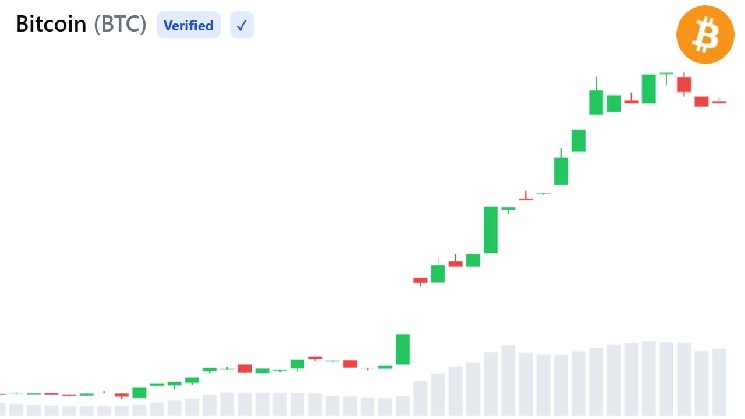
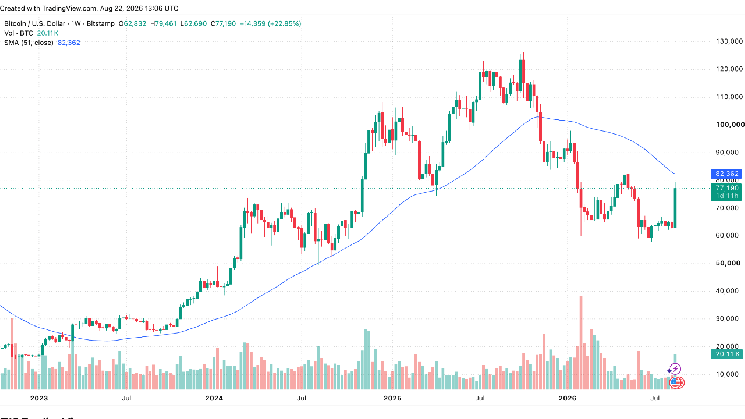
An unknown wallet several hours ago sold 2,700 $BTC in a single transaction for approximately $211.8 million at current prices, bringing this participant's total sales volume over three days to 7,700 $BTC worth about $576.6 million. This selling spree is occurring as Bitcoin trades near the $80,000 mark—a level the asset nearly reached overnight before pulling back to around $77,000.

Large holders often use sharp rallies to lock in profits, although on-chain data alone cannot confirm if this is precisely the case here. It can only show that coins have moved and, in many instances, where they ended up.

Nevertheless, the "whale's" sales have so far had little impact on Bitcoin's rally: over the past couple of days, the asset has surged by double digits, completing its strongest weekly gain since 2024. Prices rose to the $79,500 level during the week before retreating to current levels.

The rally was triggered by a statement from the U.S. Treasury Department that starting September 9th, it would at least double the volume of long-term bond buyback operations—from $2 billion to $4 billion per operation. This move led to a decline in long-term Treasury yields and pushed investors towards risk assets, including Bitcoin, as the yield on safer fixed-income instruments became less attractive in comparison.

Reversal After Weeks of Accumulation

The selling this week marks a shift from a trend observed just a few days earlier, when Bitcoin.com News reported that large holders had added roughly 43,000 $BTC worth about $2.75 billion over a 60-day period ending in mid-August (a buying wave that ended months of steady selling by "whales" and coincided with Bitcoin's decline towards the $60,000 level). This accumulation, concentrated among both "mega-whales" and mid-sized holders often called "dolphins," helped set the stage for the current rally.

Furthermore, it's worth mentioning that a separate large holder sold 7,513 $BTC worth approximately $486.9 million over a three-week period ending August 9th, serving as a reminder that selling by large holders continues in sporadic bursts, even as Bitcoin's overall trend has turned bullish.

Now, with Bitcoin hovering around $80,000 and the Treasury's expanded buyback program only taking effect on September 9th, traders are likely to focus on two specific catalysts for further developments, namely:

  • Whether other large holders will follow this "whale's" lead and sell into price strength
  • Whether renewed institutional demand from ETFs and other market participants will be sufficient to absorb this supply
  • The outcome of this standoff is likely to determine Bitcoin's next move.
end-content

Preguntas relacionadas

QWhat is the total value of Bitcoin sold by the unknown 'whale' wallet over the three-day period, and how many BTC were sold?

AThe unknown whale wallet sold a total of 7,700 BTC, worth approximately $576.6 million, over the three-day period.

QWhat key US government policy announcement contributed to the recent Bitcoin price rally mentioned in the article?

AThe US Treasury Department announced that starting September 9th, it will at least double the size of its long-term bond buyback operations, from $2 billion to $4 billion per operation. This lowered long-term Treasury yields, making riskier assets like Bitcoin more attractive.

QWhat shift in whale behavior preceded the recent selling, according to the article?

APrior to the recent selling wave, large holders had been accumulating Bitcoin. Over a 60-day period ending in mid-August, they added roughly 43,000 BTC worth about $2.75 billion, which ended months of steady sales and helped set the stage for the rally.

QWhat two specific catalysts are traders likely to watch that could determine Bitcoin's next price move, as per the article?

ATraders are likely watching: 1) whether other large holders follow the whale's example and sell into price strength, and 2) whether renewed institutional demand from ETFs and other market players will be sufficient to absorb that selling supply.

QWhat price level is Bitcoin trading near, and what was its recent peak mentioned in the article?

ABitcoin is trading near the $80,000 level. It nearly reached the $80,000 mark overnight before pulling back to around $77,000.

Lecturas Relacionadas

Illinois' 0.2% Cryptocurrency Tax Sparks Major Legal Battle

Blockchain Association and Crypto Council for Innovation filed a lawsuit on August 21 in an Illinois district court against state officials, seeking to declare the state's Digital Asset Tax Act unlawful and block its implementation. The lawsuit centers on Illinois' plan to impose a 0.2% tax on the value of a digital asset for certain transactions through a digital asset broker, effective January 1. Plaintiffs argue the tax applies even to non-sales activities like transferring assets between wallets or paying for custody services, which is unlike the treatment of traditional assets like stocks or gold. They contend this discriminates against digital assets, taxing the mechanism of storage or transfer rather than an economic gain. The complaint highlights multiple ambiguities: a single crypto purchase involving exchange, deposit, and custody could trigger multiple taxable events; the law doesn't define how to value the asset or determine a customer's residency for tax purposes, leaving brokers guessing. Businesses face potential civil and criminal penalties for non-compliance, possibly leading them to avoid Illinois customers. The groups also challenge the legislative process, noting the tax was added as a small part of a massive 1,624-page bill passed hastily, violating constitutional requirements. They claim the tax violates federal laws like the Internet Tax Freedom Act and the dormant Commerce Clause. The immediate goal is to obtain an injunction before the January 1 enforcement date, testing whether a state can single out digital asset transactions for such a tax.

cryptonews.ruHace 46 min(s)

Illinois' 0.2% Cryptocurrency Tax Sparks Major Legal Battle

cryptonews.ruHace 46 min(s)

Musk Awaits $50 Trillion: Is There a Limit to the U.S. National Debt and What Comes Next?

Elon Musk reacted to a projection of US national debt reaching $50 trillion by 2030, labeling it a "precise timeline" with a laughing emoji. The debt has recently passed the $40 trillion mark. Skeptics note that specific debt thresholds have been breached before without immediate collapse. However, analysts warn the focus should shift from the nominal debt amount to its affordability. A key metric is when the average interest rate on the debt exceeds the economy's growth rate, a point the US Congressional Budget Office projects for 2031. Once this "debt spiral" begins, interest costs grow self-reinforcing. Currently, interest payments have already surpassed defense spending, exceeding $1 trillion annually. Ray Dalio warns a debt crisis could occur within "three years, plus or minus two," advising portfolio diversification into gold and some Bitcoin. Potential outcomes if debt becomes unmanageable include: 1) Financial repression and monetization (the "Japanese path" of controlled yields and inflation), seen as the most likely; 2) Severe austerity (the "Greek path" of spending cuts/tax hikes), considered politically unlikely; or 3) Technical default/restructuring, which would cause global financial shock. The most probable path is a hybrid of moderate financial repression and gradual inflation, leading not to a sudden crash but to long-term economic stagnation and a declining standard of living. By 2056, debt could reach 175% of GDP. Ultimately, the limit for US debt is not a fixed number but a function of market confidence in the dollar.

cryptonews.ruHace 2 hora(s)

Musk Awaits $50 Trillion: Is There a Limit to the U.S. National Debt and What Comes Next?

cryptonews.ruHace 2 hora(s)

Trading

Spot
活动图片