Jupiter Launches Mobile V3 With Native Pro Trading Tools

TheNewsCryptoPublicado a 2026-01-02Actualizado a 2026-01-02

Resumen

Jupiter has launched Mobile V3, a major upgrade to its mobile application, transforming smartphones into independent onchain trading terminals. The update eliminates the need for browser-based dApps or external web views, allowing users to trade directly within the app. This reduces friction, lowers costs—up to 10 times cheaper than competitors—and improves execution speed. Key features include a redesigned trading interface, enhanced token analytics, and improved discovery tools. The app supports various activities like token swaps, portfolio management, and high-speed "trenching" trades. This release aligns with Jupiter’s broader superapp strategy, expanding beyond its origins as a Solana DEX aggregator to include lending, perpetuals, and stablecoin products. Despite market slowdowns, Jupiter maintains dominance with over 93% of Solana DEX aggregation and strong financial metrics.

Jupiter has rolled out a major upgrade to its mobile application, launching Mobile V3 on Jan. 1 as it pushes to make advanced onchain trading fully native on smartphones. With this release, Jupiter aims to turn mobile devices into independent trading terminals rather than lightweight companions to desktop platforms.

Mobile V3 removes the need for browser-based decentralized applications and external web views. Instead, users can trade directly inside the app, a shift Jupiter says reduces friction, improves execution quality, and lowers trading costs. The update is aimed at both laymen and traders who require speeds, in-depth analysis, and flexibility.

A native trading terminal built for mobile

Jupiter has designed its Mobile V3 to serve as a full trading terminal. The upgrade comes with a new Trading Page UX, enhanced token analytics, and an optimized discovery experience to enable users to discover new opportunities more easily. Unlike earlier mobile DeFi experiences, users no longer rely on embedded browsers or third-party dApps to execute trades.

According to Jupiter, swaps on Mobile V3 cost up to 10 times less than those on competing mobile trading apps. Lower fees, faster routing, and smoother navigation remove common pain points such as slow execution and high in-app costs.

Nevertheless, the app also facilitates a broad range of activities. One can perform basic token swaps, make use of portfolios, or take part in what is called “trenching” actions the latter involving very fast trading procedures. The service makes all actions native in order to provide reliability even with heavy network usage.

Over the next three weeks, Jupiter plans to release detailed feature breakdowns and live demonstrations to show how the new terminal performs under real trading conditions.

Mobile V3 fits a broader superapp strategy

Mobile V3 builds on Jupiter’s rapid product expansion throughout 2025. The release follows Mobile V2, which arrived in September and added profit-and-loss tracking, multi-tab support, and workflow improvements. Together, these upgrades reflect Jupiter’s long-term strategy to unify trading, analytics, and execution in a single interface.

Beyond mobile, Jupiter has expanded well past its origins as a Solana DEX aggregator. The platform now offers lending, perpetuals, and stablecoin products, along with Ultra V3, a high-speed routing engine designed to reduce slippage and minimize MEV exposure.

Jupiter has also strengthened its organizational footprint. Late last year, the company hired new executives and completed acquisitions such as RainFi, moves that supported its push into a broader DeFi product suite.

Dominance on Solana remains intact

Jupiter is still at the heart of the Solana network. The platform currently dominates over 93% of Solana DEX aggregation and handles the large majority of weekly trading activity on the network. Additionally, large platforms have incorporated Jupiter’s infrastructure via APIs. This expands its use beyond its own users.

Despite a broader market slowdown, Jupiter has maintained strong fundamentals. Total value locked has stayed above $2.5 billion, while annualized revenue reached approximately $500 million, according to DeFiLlama.

With Mobile V3, Jupiter signals its intent to define what professional onchain trading looks like on mobile. By eliminating browsers and embedding advanced tools directly into the app, the platform moves closer to its goal of becoming a true Solana DeFi superapp.

Highlighted Crypto News:

Korbit Receives $1.88 Million Fine Over Anti-Money Laundering Failures

TagsCryptoDeFiJupiterSolanatrading

Preguntas relacionadas

QWhat is the main goal of Jupiter's Mobile V3 upgrade?

AThe main goal of Jupiter's Mobile V3 upgrade is to turn mobile devices into independent trading terminals with fully native onchain trading tools, eliminating the need for browser-based dApps and external web views.

QWhat are some key improvements in Mobile V3 regarding user experience and cost?

AMobile V3 features a new Trading Page UX, enhanced token analytics, and an optimized discovery experience. It reduces trading friction, improves execution quality, and lowers costs, with swaps costing up to 10 times less than on competing mobile apps.

QHow does Mobile V3 fit into Jupiter's broader product strategy?

AMobile V3 is part of Jupiter's superapp strategy to unify trading, analytics, and execution in a single interface. This follows other expansions like lending, perpetuals, stablecoin products, and the Ultra V3 routing engine.

QWhat is Jupiter's current market position on the Solana network?

AJupiter dominates over 93% of Solana DEX aggregation and handles the majority of weekly trading activity on the network. It also has a strong financial position with total value locked above $2.5 billion and annualized revenue of approximately $500 million.

QWhat types of trading activities can users perform on the new Mobile V3 app?

AUsers can perform basic token swaps, manage portfolios, and engage in 'trenching' actions, which involve very fast trading procedures. All actions are native to the app for reliability, even during heavy network usage.

Lecturas Relacionadas

Anthropic Cries Wolf: Is the AGI Threat Real, or Just an IPO Story?

Anthropic has published an article titled "When AI builds itself," discussing the emerging concept of "recursive self-improvement," where AI begins to actively participate in designing, training, testing, and optimizing its own subsequent versions. The company presents internal data showing that by May 2026, over 80% of code merged into its codebase was written by Claude, its AI model. Claude's capabilities have expanded to handling complex, open-ended engineering tasks, achieving a 76% success rate in such areas, and even contributing to research processes, such as optimizing code performance and conducting AI safety experiments. Anthropic outlines an evolution from human-driven development to AI-assisted workflows, culminating in the current stage where AI agents can autonomously write, run, and delegate code. The company cautions that the path toward a "closed loop," where AI continuously improves itself, is becoming visible. It calls for coordinated global mechanisms to potentially slow or pause frontier AI development to allow safety research and societal structures to catch up. However, the timing of this warning coincides with Anthropic's preparations for an IPO, framing the narrative not just as a safety concern but also as a demonstration of Claude's advanced capabilities and its integral role in accelerating Anthropic's own R&D—creating a potential "flywheel" effect for competitive advantage. This contrasts with OpenAI's recent, more policy-oriented discussion of the same risks, highlighting the competitive dynamics in the AI industry as companies position themselves in both the technological and regulatory landscape.

marsbitHace 12 min(s)

Anthropic Cries Wolf: Is the AGI Threat Real, or Just an IPO Story?

marsbitHace 12 min(s)

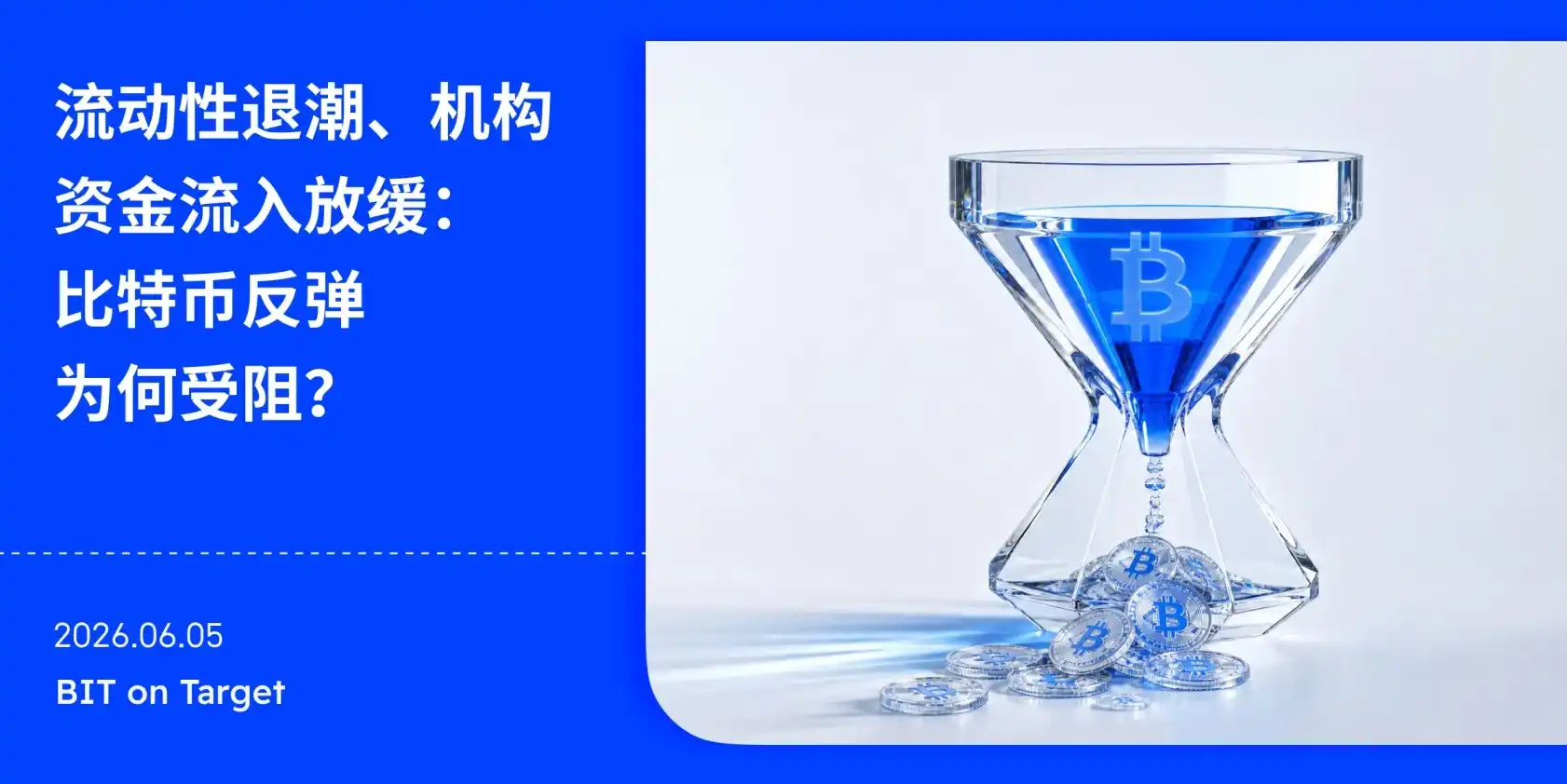
BIT Research: ETF Purchases Have Slowed, Strategy (MicroStrategy) Has Slowed, What Else Can Drive Bitcoin's Rise?

Market Refocus on Inflation and Rate Expectations Weighs on Bitcoin Currently, the market is in a phase of macro-repricing dominated by inflation and interest rate expectations. Bitcoin, which previously benefited from easy liquidity and low inflation, is seeing its core bullish drivers weaken. These drivers were market expectations for interest rate cuts and strong inflows from Bitcoin ETFs and institutions like MicroStrategy (referred to as "Strategy" in the text). The logic has shifted. Recent high inflation data (e.g., CPI hitting 3.8% in a May 2026 report) has caused the market to sharply reduce its rate cut expectations for 2025 and even price in potential hikes. This is a key constraint for Bitcoin, as it lacks cash flows and is highly sensitive to rate expectations. Concurrently, institutional capital flows have slowed significantly. Following the hot CPI data, Bitcoin ETFs saw accelerated outflows, with around $4.3 billion leaving over a period. MicroStrategy's ability to keep adding substantial Bitcoin to its balance sheet is also diminishing. Together, ETF and MicroStrategy holdings total roughly $110 billion, but their momentum as growth engines is cooling. In summary, Bitcoin's current pressure stems not from its own fundamentals but from a changing macro environment. As long as inflation stays elevated, Bitcoin is likely to remain in a consolidating phase. However, historically, inflation eventually peaks. Once it recedes and rate cut expectations rebuild, institutional capital could return, potentially fueling a new and more robust recovery phase for Bitcoin.

marsbitHace 20 min(s)

BIT Research: ETF Purchases Have Slowed, Strategy (MicroStrategy) Has Slowed, What Else Can Drive Bitcoin's Rise?

marsbitHace 20 min(s)

Earning 1000 Trillion in Half a Year, 'Pocketing' 20 Million per Capita: This Round of Wealth Creation in the Korean Stock Market is Unprecedented in Scale

The South Korean stock market is experiencing an unprecedented wealth surge in 2026, with household equity and fund asset values soaring by over 1,000 trillion KRW (~$730bn) year-to-date. This translates to an average per capita wealth increase of roughly 20 million KRW, fueled by a historic 109% rally in the KOSPI index. The boom is driven by three converging forces: an AI-driven semiconductor supercycle boosting giants like Samsung and SK Hynix; the government's "Value-Up" market reforms addressing long-standing corporate governance issues; and aggressive real estate regulations that have locked capital within financial markets, preventing profits from flowing back into property. This has triggered a wealth effect, boosting high-end consumption significantly. However, the gains are highly concentrated. The two semiconductor behemoths account for over half the index's value, but retail investors own relatively low stakes in them, systematically missing the biggest rallies. Wealth and consumption benefits are skewed towards luxury goods and imported cars, bypassing mainstream retail. Further risks stem from excessive leverage, with high trading volume in leveraged ETFs, and a market sentiment heavily reliant on the AI sector's fortunes and speculative rumors. While this cycle marks a potential shift from real estate to equities as a primary wealth generator for Koreans, its sustainability, amid structural imbalances and leverage, remains a critical test.

marsbitHace 25 min(s)

Earning 1000 Trillion in Half a Year, 'Pocketing' 20 Million per Capita: This Round of Wealth Creation in the Korean Stock Market is Unprecedented in Scale

marsbitHace 25 min(s)

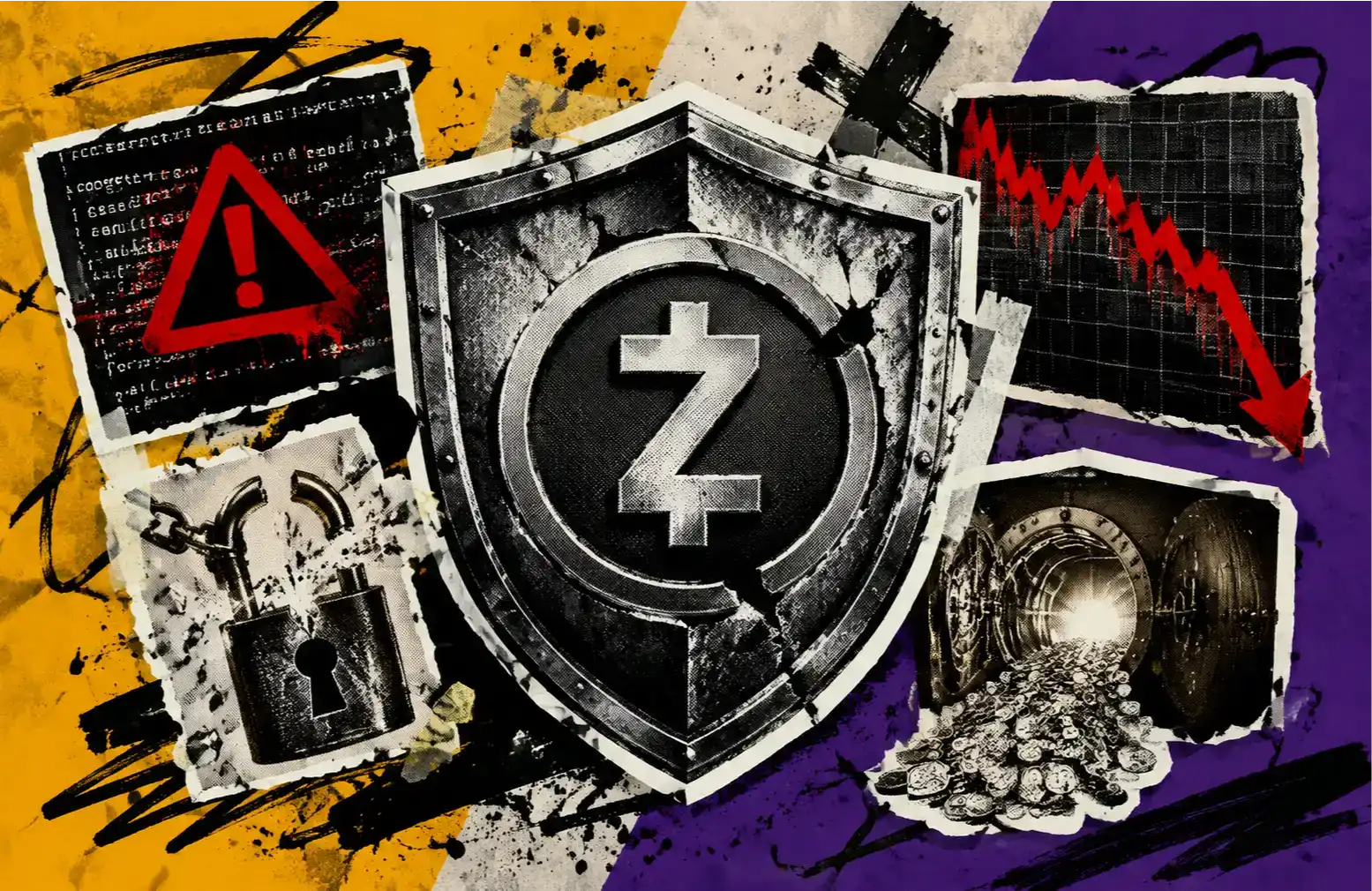
Behind ZEC's Over 30% Plunge: An 'Unlimited Minting' Vulnerability with No Way to Prove if It Was Ever Exploited

A critical vulnerability was discovered in Zcash's Orchard privacy pool, allowing for the theoretical creation of undetectable counterfeit ZEC. Researcher Taylor Hornby found the flaw on May 29th, 2024, within the Orchard circuit's cryptographic constraints, which could let an attacker bypass asset conservation rules. Although a rapid emergency fix was deployed within days via a coordinated soft and hard fork, a core uncertainty remains: due to Orchard's privacy features, it is impossible to cryptographically prove whether this "unlimited mint" flaw was exploited in the nearly four years since the pool's 2022 launch. This uncertainty, rather than the patched flaw itself, triggered a market panic, causing ZEC's price to drop over 30%. While the Zcash Foundation stated no evidence of exploitation was found, independent entity Shielded Labs emphasized the impossibility of definitively proving no counterfeit ZEC was ever created. The incident highlights the unique trust challenge in privacy systems. To address this, developers are proposing a new network upgrade with enhanced auditing to allow verifiable proof of supply integrity. Notably, the researcher utilized the newly released AI model Claude Opus 4.8 as a tool during the security review, signaling the growing role of advanced AI in uncovering complex cryptographic vulnerabilities.

marsbitHace 27 min(s)

Behind ZEC's Over 30% Plunge: An 'Unlimited Minting' Vulnerability with No Way to Prove if It Was Ever Exploited

marsbitHace 27 min(s)

Trading

Spot
Futuros

Artículos destacados

Cómo comprar BILL

¡Bienvenido a HTX.com! Hemos hecho que comprar Billions Network (BILL) sea simple y conveniente. Sigue nuestra guía paso a paso para iniciar tu viaje de criptos.Paso 1: crea tu cuenta HTXUtiliza tu correo electrónico o número de teléfono para registrarte y obtener una cuenta gratuita en HTX. Experimenta un proceso de registro sin complicaciones y desbloquea todas las funciones.Obtener mi cuentaPaso 2: ve a Comprar cripto y elige tu método de pagoTarjeta de crédito/débito: usa tu Visa o Mastercard para comprar Billions Network (BILL) al instante.Saldo: utiliza fondos del saldo de tu cuenta HTX para tradear sin problemas.Terceros: hemos agregado métodos de pago populares como Google Pay y Apple Pay para mejorar la comodidad.P2P: tradear directamente con otros usuarios en HTX.Over-the-Counter (OTC): ofrecemos servicios personalizados y tipos de cambio competitivos para los traders.Paso 3: guarda tu Billions Network (BILL)Después de comprar tu Billions Network (BILL), guárdalo en tu cuenta HTX. Alternativamente, puedes enviarlo a otro lugar mediante transferencia blockchain o utilizarlo para tradear otras criptomonedas.Paso 4: tradear Billions Network (BILL)Tradear fácilmente con Billions Network (BILL) en HTX's mercado spot. Simplemente accede a tu cuenta, selecciona tu par de trading, ejecuta tus trades y monitorea en tiempo real. Ofrecemos una experiencia fácil de usar tanto para principiantes como para traders experimentados.

233 Vistas totalesPublicado en 2026.05.07Actualizado en 2026.06.02

Cómo comprar BILL

Qué es ATWO

I. Introducción al ProyectoArena Two es una plataforma interactiva descentralizada que permite a los fanáticos jugar un papel activo y tokenizado en los resultados de eventos en tiempo real. A diferencia de los modelos de transmisión tradicionales que reducen a los fanáticos a espectadores pasivos, Arena Two aprovecha la tecnología blockchain para permitir que los fanáticos voten directamente en tiempo real e influyan en los resultados en el campo.II. Información del TokenNombre del token: ATWO (Arena Two)III. Enlaces RelacionadosSitio web: https://arenatwo.com/Exploradores: https://basescan.org/token/0x499D35eBE6cEe9B2Ac35Fd003fcBbeeB9CFc7B32Twitter: https://x.com/arenatwoXNota: La introducción del proyecto proviene de los materiales publicados o proporcionados por el equipo oficial del proyecto, que es solo para referencia y no constituye asesoramiento de inversión. HTX no se hace responsable de ninguna pérdida directa o indirecta resultante.

142 Vistas totalesPublicado en 2026.05.18Actualizado en 2026.06.02

Qué es ATWO

Cómo comprar ATWO

¡Bienvenido a HTX.com! Hemos hecho que comprar Arena Two (ATWO) sea simple y conveniente. Sigue nuestra guía paso a paso para iniciar tu viaje de criptos.Paso 1: crea tu cuenta HTXUtiliza tu correo electrónico o número de teléfono para registrarte y obtener una cuenta gratuita en HTX. Experimenta un proceso de registro sin complicaciones y desbloquea todas las funciones.Obtener mi cuentaPaso 2: ve a Comprar cripto y elige tu método de pagoTarjeta de crédito/débito: usa tu Visa o Mastercard para comprar Arena Two (ATWO) al instante.Saldo: utiliza fondos del saldo de tu cuenta HTX para tradear sin problemas.Terceros: hemos agregado métodos de pago populares como Google Pay y Apple Pay para mejorar la comodidad.P2P: tradear directamente con otros usuarios en HTX.Over-the-Counter (OTC): ofrecemos servicios personalizados y tipos de cambio competitivos para los traders.Paso 3: guarda tu Arena Two (ATWO)Después de comprar tu Arena Two (ATWO), guárdalo en tu cuenta HTX. Alternativamente, puedes enviarlo a otro lugar mediante transferencia blockchain o utilizarlo para tradear otras criptomonedas.Paso 4: tradear Arena Two (ATWO)Tradear fácilmente con Arena Two (ATWO) en HTX's mercado spot. Simplemente accede a tu cuenta, selecciona tu par de trading, ejecuta tus trades y monitorea en tiempo real. Ofrecemos una experiencia fácil de usar tanto para principiantes como para traders experimentados.

186 Vistas totalesPublicado en 2026.05.18Actualizado en 2026.06.02

Cómo comprar ATWO

Discusiones

Bienvenido a la comunidad de HTX. Aquí puedes mantenerte informado sobre los últimos desarrollos de la plataforma y acceder a análisis profesionales del mercado. A continuación se presentan las opiniones de los usuarios sobre el precio de A (A).

活动图片