Grayscale Withdraws Cardano, Hedera And Polkadot Trust ETF Registrations

bitcoinistPublicado a 2026-08-12Actualizado a 2026-08-12

Resumen

Grayscale has voluntarily withdrawn its registration statements for Cardano, Hedera, and Polkadot Trust products, halting another set of altcoin ETF ambitions. The withdrawals, filed on Form RW, represent Grayscale's decision not to proceed rather than an SEC rejection. This distinction is crucial; a withdrawal may reflect strategic timing or market conditions, not necessarily regulatory opposition. While this resets near-term expectations for these specific products, it does not eliminate the possibility of future ETF filings by Grayscale or other issuers for these assets. The development underscores the nuanced, multi-stage nature of the ETF approval process and serves as a reminder that filings can move backward, requiring disciplined market speculation.

Grayscale has voluntarily withdrawn registration statements for its Cardano, Hedera, and Polkadot Trust products, pausing another set of altcoin ETF ambitions before they reached market.

The withdrawals were filed on Form RW on August 7, 2026. Grayscale said it does not intend to proceed with the planned distributions.

That wording matters.

This is not the SEC rejecting the products. It is Grayscale choosing to withdraw them. It also does not mean Cardano, Hedera, or Polkadot ETFs are approved, imminent, or permanently dead. It simply means these specific registration statements are no longer moving forward.

For altcoin ETF watchers, it is another reminder that product filings can move backward as well as forward.

For more details, visit the official Sec platform.

TL;DR

  • Grayscale withdrew Cardano, Hedera, and Polkadot Trust registration statements.
  • The withdrawals were voluntary and filed on Form RW.
  • This should not be framed as SEC rejection or ETF approval.

Why The Withdrawals Matter

Altcoin ETF speculation has become one of the biggest narratives outside Bitcoin and Ethereum.

Every filing, withdrawal, amendment, delay, or rule change can move sentiment because investors are trying to work out which assets may get regulated ETF access next.

Cardano, Hedera, and Polkadot all have large communities and long histories. A Grayscale trust-to-ETF path would have been a meaningful development for each asset.

But withdrawal changes the near-term picture.

It suggests Grayscale is no longer pursuing those specific distributions under the filed registration statements.

Voluntary Withdrawal Is Different From Rejection

This distinction is important.

If the SEC rejects a product, that says one thing about regulatory appetite. If an issuer withdraws a filing, that may reflect strategic timing, exchange-listing issues, changing standards, cost, market demand, or a decision to wait.

The filing itself says Grayscale does not intend to proceed with the planned distributions.

That is a direct issuer decision, not an SEC denial.

Crypto markets often collapse these categories into a single “ETF failed” headline. The real picture is more nuanced.

Cardano ETF Hopes Are Not Erased

For ADA holders, the withdrawal is disappointing, but it does not eliminate the possibility of a future Cardano ETF.

A different issuer could file. Grayscale could revisit the product later. Market conditions could improve. Listing standards could change. Regulators could become more comfortable with additional altcoin products.

But none of that is guaranteed.

The current fact is narrower: this registration path has been withdrawn.

That means the market should reduce near-term expectations around these specific Grayscale products.

Hedera And Polkadot Face The Same Reset

The withdrawals also matter for HBAR and DOT.

Both assets have institutional-style narratives: Hedera around enterprise networks and governance council history, Polkadot around interoperability and parachain architecture. ETF access would have given those narratives a regulated investment wrapper.

For now, that wrapper is not moving forward through these Grayscale filings.

That does not stop the underlying networks. It does, however, reduce immediate ETF momentum.

ETF Speculation Needs Discipline

The broader lesson is that altcoin ETF speculation can get ahead of the filing reality.

A filing is not an approval. A trust is not an ETF. A registration statement is not a listing. A withdrawal is not always a rejection. The process has multiple stages, and each stage matters.

For Cardano, Hedera, and Polkadot, Grayscale’s withdrawals reset the near-term conversation.

There may be future filings. There may be new issuers. There may be renewed momentum. But this round has stopped.

The market should treat that as a real development, not a final verdict on the assets themselves.

This article is based on Grayscale’s August 2026 Form RW withdrawals.

This article was written by the News Desk and edited by Samuel Rae.

This report is based on information released by Sec. at Sec

Criptos en tendencia

Preguntas relacionadas

QWhich Grayscale trust products had their registration statements voluntarily withdrawn?

AGrayscale voluntarily withdrew registration statements for its Cardano, Hedera, and Polkadot Trust products.

QWhat specific form was used for the withdrawal filings, and on what date?

AThe withdrawals were filed on Form RW on August 7, 2026.

QAccording to the article, what is the key distinction between a voluntary withdrawal and an SEC rejection?

AA voluntary withdrawal is an issuer's strategic decision (based on timing, cost, demand, etc.), while an SEC rejection indicates a lack of regulatory appetite for the product.

QDoes the withdrawal of these Grayscale registration statements permanently eliminate the possibility of ETFs for Cardano, Hedera, and Polkadot?

ANo, the withdrawal does not permanently eliminate the possibility. A different issuer could file in the future, Grayscale could revisit the products, or market and regulatory conditions could change.

QWhat broader lesson does the article suggest for altcoin ETF speculation following these withdrawals?

AThe broader lesson is that ETF speculation needs discipline. A filing is not an approval, a withdrawal is not always a rejection, and the process has multiple stages where developments can move backward as well as forward.

Lecturas Relacionadas

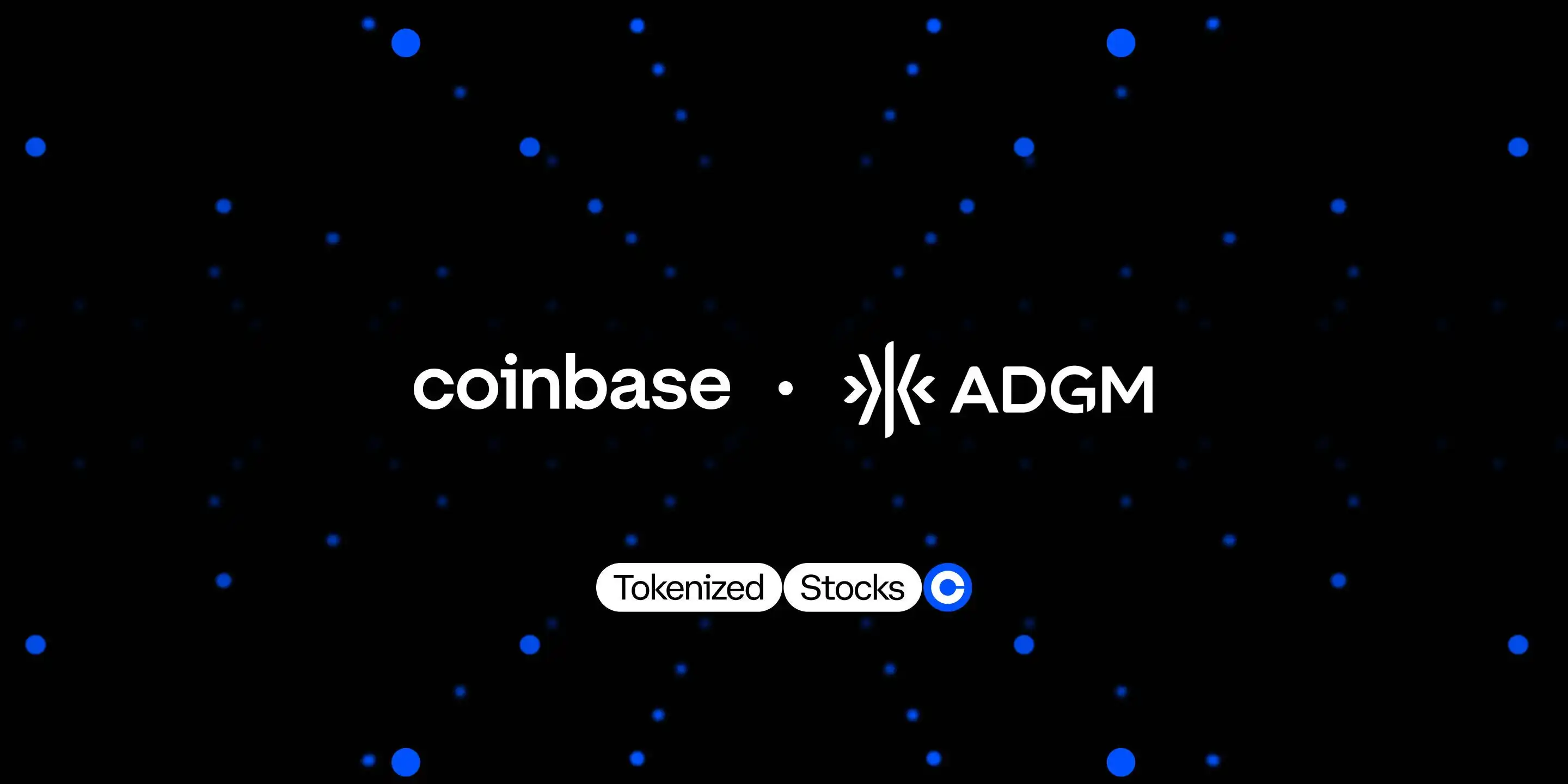
Coinbase Secures Key License in Abu Dhabi as the Middle East Becomes a New Hub for Tokenized Assets

Coinbase has secured a key Financial Services Permission (FSP) from Abu Dhabi's Financial Services Regulatory Authority (FSRA), enabling it to establish an International Tokenization Hub within the Abu Dhabi Global Market (ADGM). This license permits Coinbase to conduct investment trading arrangements and offer custody services, with the core aim of launching tokenized securities. This move is positioned as a significant step toward building a more open and accessible global financial system, particularly for the estimated 4 billion individuals currently excluded from traditional capital markets. Tokenized securities issued on this platform will be fully backed by underlying stocks and regulated by the FSRA. Verified token holders will possess full shareholder rights, including dividends and voting rights, requiring only a digital wallet for participation—eliminating the need for traditional securities accounts. The framework incorporates ongoing sanctions screening and allows for asset freezing at the wallet level, aiming to reconcile DeFi functionalities with regulatory compliance. Coinbase executives and ADGM officials highlighted the pioneering nature of ADGM's virtual asset regulatory framework, established in 2018, which treats tokenized assets simultaneously as securities, blockchain-native tokens, and composable DeFi assets. This development in Abu Dhabi, alongside Coinbase's investments in Dubai, underscores the company's commitment to establishing the UAE as a hub for next-generation financial infrastructure, specifically for tokenized securities and on-chain capital markets.

marsbitHace 19 min(s)

Coinbase Secures Key License in Abu Dhabi as the Middle East Becomes a New Hub for Tokenized Assets

marsbitHace 19 min(s)

Trading

Spot

Artículos destacados

Cómo comprar ADA

¡Bienvenido a HTX.com! Hemos hecho que comprar Cardano (ADA) sea simple y conveniente. Sigue nuestra guía paso a paso para iniciar tu viaje de criptos.Paso 1: crea tu cuenta HTXUtiliza tu correo electrónico o número de teléfono para registrarte y obtener una cuenta gratuita en HTX. Experimenta un proceso de registro sin complicaciones y desbloquea todas las funciones.Obtener mi cuentaPaso 2: ve a Comprar cripto y elige tu método de pagoTarjeta de crédito/débito: usa tu Visa o Mastercard para comprar Cardano (ADA) al instante.Saldo: utiliza fondos del saldo de tu cuenta HTX para tradear sin problemas.Terceros: hemos agregado métodos de pago populares como Google Pay y Apple Pay para mejorar la comodidad.P2P: tradear directamente con otros usuarios en HTX.Over-the-Counter (OTC): ofrecemos servicios personalizados y tipos de cambio competitivos para los traders.Paso 3: guarda tu Cardano (ADA)Después de comprar tu Cardano (ADA), guárdalo en tu cuenta HTX. Alternativamente, puedes enviarlo a otro lugar mediante transferencia blockchain o utilizarlo para tradear otras criptomonedas.Paso 4: tradear Cardano (ADA)Tradear fácilmente con Cardano (ADA) en HTX's mercado spot. Simplemente accede a tu cuenta, selecciona tu par de trading, ejecuta tus trades y monitorea en tiempo real. Ofrecemos una experiencia fácil de usar tanto para principiantes como para traders experimentados.

1.6k Vistas totalesPublicado en 2024.12.10Actualizado en 2026.06.02

Cómo comprar ADA

Discusiones

Bienvenido a la comunidad de HTX. Aquí puedes mantenerte informado sobre los últimos desarrollos de la plataforma y acceder a análisis profesionales del mercado. A continuación se presentan las opiniones de los usuarios sobre el precio de ADA (ADA).

活动图片