Dialogue with Pantera Founder: Bitcoin Has Reached Escape Velocity, Leaving Traditional Assets Behind

marsbitPublicado a 2026-04-02Actualizado a 2026-04-02

Resumen

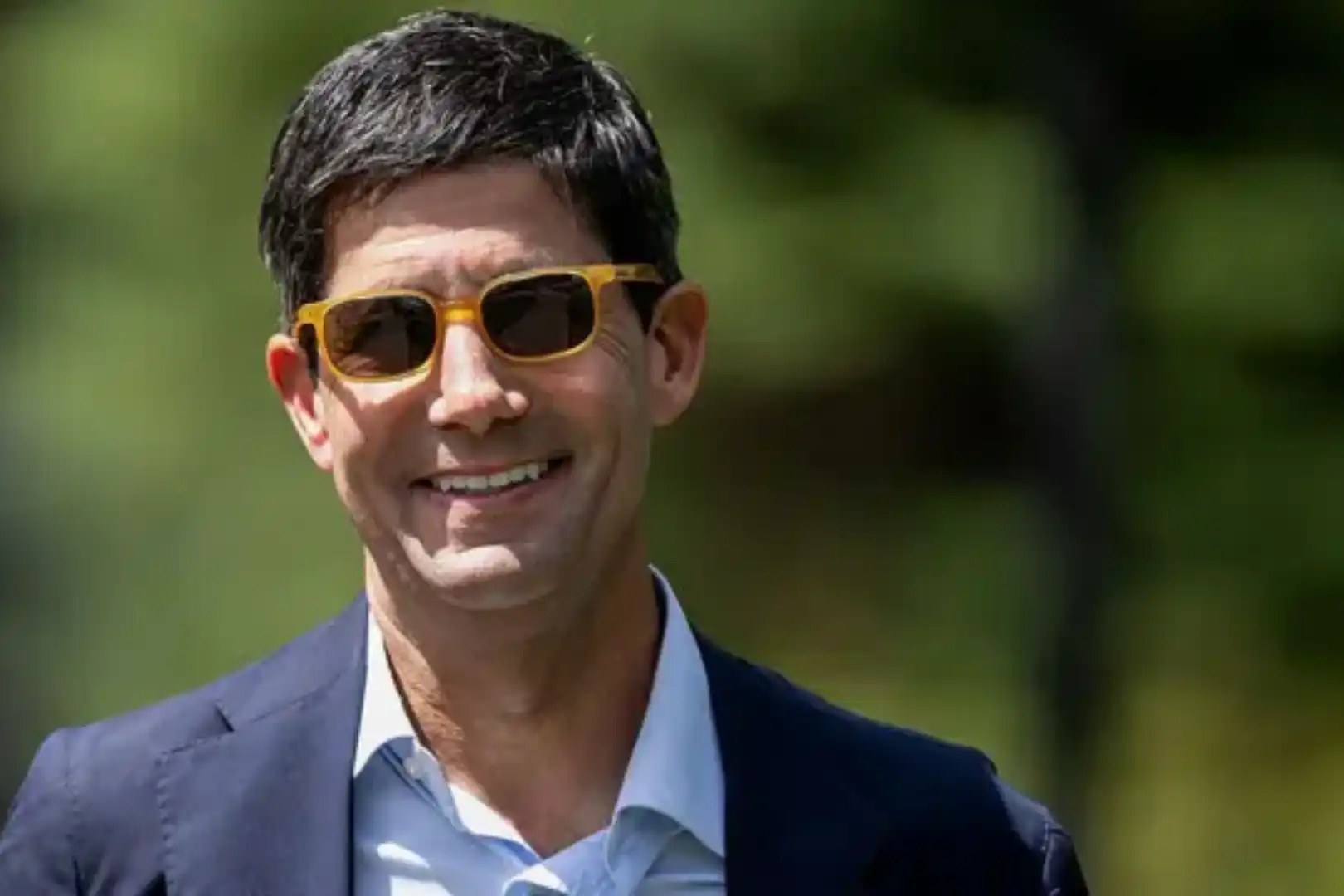
Dialogue with Pantera Capital founder Dan Morehead on Bitcoin's trajectory and the shifting financial landscape. Morehead, who first bought Bitcoin at $65, remains confident it is the "most asymmetric trade" in history due to its vast upside potential versus minimal downside risk for global portfolios, as most institutional allocations remain near zero. He observes that Bitcoin market continues to follow predictable four-year cycles. The recent 50% drawdown from its peak is seen as a normal correction within this cycle—less severe than previous crashes—and likely near a bottoming zone, with a potential 6-8 month consolidation period. Morehead argues that Bitcoin’s role as a 24/7 globally-traded asset makes it the first to be sold during geopolitical stress, creating short-term correlation spikes, though its long-term correlation with traditional assets like the S&P 500 remains low (~0.1-0.2). He reframes the narrative around gold’s rise: it’s not that gold is hitting new highs, but that fiat currencies are hitting historic lows due to persistent devaluation. He highlights a generational shift: younger populations, priced out of traditional assets like housing, are turning to crypto as a rational alternative. Geopolitical fragmentation is accelerating the "separation of money and state," increasing demand for neutral, non-sovereign stores of value. Notably, he points out that this may be the first major trade where "smart money" is late: retail and tech-savvy users lead, w...

Original Author: The Master Investor Podcast with Wilfred Frost

Original Compilation: Plain Talk Blockchain

In this interview, Wilfred Frost engages in a second in-depth conversation with Dan Morehead, founder of Pantera Capital. They explore the positioning of Bitcoin in its cycle after a 50% retracement from its high; how fiat currency devaluation creates intergenerational wealth conflict; and why the "smart money" is actually the last to enter this round.

Highlights

  • Most institutional investors still have a 0.0% allocation to blockchain, literally zero.
  • It's not that gold hit a new high, it's that paper currency hit a new historical low.
  • This might be the first trade in history where the "smart money" is the last to enter.
  • The average age of first-time homebuyers in the US has already been delayed from 28 to 40 years old.
  • We are facing a generational inflection point of the separation of money and state.
  • Stablecoins are highly likely to take half of bank deposits within a decade.
  • Bitcoin has reached escape velocity; I can't find any factor that could derail this process.
  • If you have no exposure to blockchain, to some extent, you are already shorting this trend.

01. "Still the Most Asymmetric Trade in History"

Host: Last time you were here, we delved deep into the macro logic of cryptocurrency. The price at which you first bought Bitcoin was astonishingly low, what was it again?

Dan Morehead:$65.

Host: $65, compared to our price today of around $66,000, it's like two different worlds. In that episode, you described Bitcoin as "the most asymmetric trade in history." Do you still hold that view today?

Dan Morehead: Yes, I am still convinced of that. Throughout my career, I have always looked for asymmetric opportunities where the upside potential far outweighs the downside risk. Bitcoin, and the broader crypto space, is the most asymmetric trade I have ever seen.

In the early days, I would tell people: You could very well lose all your principal, so don't invest more than you can afford to lose. But at the same time, you have the potential for 5x, 10x, or even thousand-fold returns.

I remain optimistic because we are still in the very early stages. Most institutional investors still have a 0.0% allocation to blockchain and cryptocurrency. Literally zero. As long as the downside risk is negligible relative to the vast size of global financial assets, and the upside is redefining the entire monetary system, this asymmetry will not disappear.

02. The Four-Year Cycle Holds True Again

Host: Our last recording was on October 12th, the timing was interesting. Around October 6th, cryptocurrency reached a阶段性 high, followed by a pullback. Since then, Bitcoin has fallen about 50%. As someone who has experienced multiple cycles, how do you interpret this decline?

Dan Morehead: Anything trying to change the world comes with a lot of hype and volatility. At highs, optimism is rampant; at lows, pessimism prevails. Pantera has been deeply involved in this industry for 13 years and has experienced four full four-year cycles. These cycles are actually very regular, even predictable.

When we met in October, we were恰好 at the high point we predicted two or three years ago. Based on the model of the previous three cycles, we estimated that Bitcoin would reach a阶段性 high around August 2025. Although we hoped this time would be different, for example, new government policies could break the cycle,事后看来, the cycle规律 has once again asserted itself. The market corrected by 50%. It sounds like a lot, but compared to the 85% declines in previous cycles, this is actually much milder. The market may still need about a year to bottom out, consistent with past patterns.

Host: You didn't bearish at the time. Do you think this cycle will ultimately fall 75% to 80% like before?

Dan Morehead: This is a key question. I truly did not predict such a large drop at the time because there were many positive factors. But the market has its own rhythm. I want to point out that in previous highs, the price deviated far from the long-term logarithmic trend line, showing疯狂 parabolic movements. For example, in 2013, the price increased 10-fold in the four months before the high. This time, the price did not show that kind of extreme overheating; it merely returned roughly to the 2021 level.

So I think the current price level is probably near the bottom range. Although it may take another six to eight months to bottom out, if you have a four to five year investment horizon, now is a very attractive entry point.

Host: The current price is around $66,000. Many technical analysts say $60,000 is a key support level; if it breaks, it could fall all the way to $25,000. Do you agree?

Dan Morehead: I'm not very good at that kind of technical analysis. We never try to do ultra-short-term timing. Our approach to managing funds is more like venture capital, with a perspective of 5, 10, or even 20 years. From that angle, the current price is already quite cheap.

03. Why is Bitcoin Always the First to Be Sold Off?

Host: Why is Bitcoin always the "punching bag" among risk assets? When the Nasdaq and S&P 500 peak, cryptocurrency is often the first to be sold. Will this continue forever?

Dan Morehead: This is a very astute observation. Think about it, if a major shock occurs outside of Monday to Friday trading hours, you can't sell stocks. Cryptocurrency is the only globally available, highly liquid market with a scale of $2 trillion that operates 24/7, 365 days a year.

When a geopolitical crisis breaks out, institutions want to reduce risk exposure immediately, and Bitcoin becomes the only asset they can liquidate in real-time. This causes it to bear excessive selling pressure in the short term. But please note, although correlation spikes during "flash crash" moments, over the long term, the correlation between Bitcoin and the S&P 500 is actually very low, around 0.1 to 0.2. Over a span of several years, cryptocurrency moves independently upward, while traditional assets may just be treading water.

04. It's Not Gold Hitting New Highs, It's Paper Currency Hitting Historical Lows

Host: Let's talk about gold. Gold is up 55% in the past 12 months, while Bitcoin is basically flat. Does this shake the "digital gold" narrative for Bitcoin?

Dan Morehead:Gold is an interesting "old-school" asset. It periodically comes into the public eye. Before 2025, gold ETFs actually experienced net outflows for many years, with funds flowing into Bitcoin ETFs. But in 2025, people suddenly realized the US dollar was depreciating加速, and this sense of urgency drove funds back into gold.

But I think about this issue differently: It's not that gold or real estate is hitting new highs, it's that paper currency is hitting historical lows. As the printing presses keep running, the number of paper notes required to buy a fixed amount of assets必然 keeps rising. The word "pound" originally meant one pound of pure silver; now you need to shell out hundreds of paper bills to buy the same weight of silver. Governments can print money indefinitely, and this is the core of the devaluation trade.

Host: Aren't we currently in a staggering devaluation cycle?

Dan Morehead: Absolutely. The Fed defines "price stability" as 2% annual depreciation, which is本身 absurd. Stability should be zero. Even with only 2% annual depreciation, a person's lifetime purchasing power shrinks by nearly 90%. (Editor's note: Calculated with compound interest, at a 2% annual depreciation rate, purchasing power shrinks by about 80% after 80 years.) I think people are waking up to the realization that they must hold hard assets with fixed quantities, whether stocks, gold, or cryptocurrency.

This devaluation trade also has a clear generational characteristic. Massive money printing pushes up prices, which benefits the older generation who already own property and stocks, but squeezes the upward mobility of young people. The average age of first-time homebuyers in the US has already been delayed from 28 to 40 years old. Since they cannot accumulate wealth through traditional paths, it is a very rational choice for the younger generation to turn to cryptocurrency. If you look at the wage growth and house price growth curves since 1990, you'll find this剪刀差 has reached an outrageous level.

05. The Separation of Money and State

Host: How do geopolitical conflicts change the logic of cryptocurrency?

Dan Morehead: War always brings lasting inflation. But more importantly, we are witnessing the "separation of money and state." In ancient times, money was gold, naturally independent of government. Later, governments monopolized the right to print money, but事实证明 they haven't managed it well.

In the next decade, people will gradually realize that money does not need state endorsement. Geopolitical conflicts make this trend clearer—the world is阵营化. If you are a country not aligned with the US camp, or you worry that your assets might be sanctioned or frozen, you will want an asset not controlled by any single country. China once invested a large amount of foreign exchange reserves into US Treasury bonds, which poses increasing risks in the current international landscape. Bitcoin, as an asset independent of the banking system and制裁体系, sees its value反而 highlighted in conflicts.

06. The "Smart Money" is Actually the Last to Enter

Host: How many people actually hold cryptocurrency currently? Globally, are there truly large institutional positions?

Dan Morehead: Still very few. Although 300-400 million people globally hold cryptocurrency, most are small, "dabbling" positions. However, I believe that within a decade, due to the proliferation of smartphones (4 billion global users), most people will use cryptocurrency. Its cross-border transfers are fast, almost free, and require no one's permission.

This might be the first trade in history where the "smart money" is the last to enter. In all the investment opportunities I've seen over the past 40 years, typically Wall Street eats the meat first, and retail investors get the scraps last. This time it's completely the opposite; individual investors are at the forefront. I've been on stage with many alternative investment大佬 managing hundreds of billions of dollars, and many of them know nothing about Bitcoin.

This is why I'm so optimistic—this smart, wealthy institutional capital will enter someday. Currently, Coinbase has been included in the S&P 500 index. If you have no exposure to blockchain, to some extent, you are already shorting this trend.

07. Policy: From Hostility to Tailwind

Host: The attitude shift of the new administration is an important variable this cycle. How do you assess the current policy environment?

Dan Morehead: This is a huge tailwind. The previous administration took a hostile stance towards blockchain, pursuing Coinbase and cracking down on Ripple. The current government is willing to build this industry. Although the speed of legislative progress is always frustrating, frankly, the fact that the US Congress spends time discussing topics like "stablecoin market structure" itself indicates a qualitative change in the industry's status.

Regarding stablecoins, this is a revolution unfolding in phases. Currently, stablecoins may not yet pay interest comprehensively, but that's only a matter of time. Stablecoins are蚕食 bank deposit markets. The current scale of stablecoins is approximately $400 billion, while bank deposits are $17 trillion. (Editor's note: As of March 2026, the total market capitalization of stablecoins is approximately $300-320 billion, sources: DefiLlama, CoinDesk, and other data platforms.) In the next decade, stablecoins are highly likely to take half of bank deposits because they are available 24/7 on mobile phones, with an experience far superior to traditional banks.

08. Will Strategic Bitcoin Reserves Come?

Host: You also follow digital asset treasury companies, like MicroStrategy. Do you think governments will establish strategic Bitcoin reserves in the future?

Dan Morehead: I think this is highly likely to happen. The US already has a certain scale of digital asset reserves, mostly from law enforcement seizures. And now they are no longer selling these assets and may even start accumulating. Countries allied with the US will follow suit for strategic reasons, and countries opposing the US will also buy for defensive purposes. It takes time to advance through the political machine, but the trend is irreversible.

09. Why Solana?

Host: In the Layer 1 competition, why are you particularly optimistic about Solana?

Dan Morehead: We hold Bitcoin long-term, but Bitcoin focuses on store of value; it cannot handle tens of thousands of high-frequency transactions per second. Solana was designed for high performance from the outset—cheaper, faster, suitable for complex application scenarios like gaming and high-frequency trading. The internet has Google and Facebook; the blockchain field will also have several core Layer 1s. Bitcoin is gold, and Solana could be the digital highway.

10. Nasdaq Down 12%, Bitcoin Down 50%, Is This Reasonable?

Host: The Nasdaq is down 12.5% from its high, while Bitcoin is down 50%. Is this disconnect reasonable?

Dan Morehead: I think it's very unreasonable. Current stock valuations are at historical highs, risk premiums are extremely low, and interest rates are still high, meaning stocks are very expensive relative to bonds.

The AI field is also showing signs of overheating, with valuations of many AI companies far exceeding the trend line.

In contrast, cryptocurrency is 50% below its long-term trend line. From an asset allocation perspective, cryptocurrency is now in an extremely attractive oversold zone. Even if the Nasdaq continues to fall in the future, I believe cryptocurrency will perform better over a two-year span.

11. "I Can't Find Any Factor That Could Derail This Process"

Host: How is your mindset now different from during the 2014 or 2018 bear markets?

Dan Morehead: Completely different. In the early days, I did have moments of cold sweats, worrying that this entire experiment could be completely destroyed by a hack or regulatory crackdown. But after experiencing the Mt. Gox collapse, multiple 85% drawdowns, and rounds of regulatory crackdowns, the industry not only didn't fall but grew stronger. It has reached escape velocity.

Host: Is there any event that would make you completely abandon your bullish view?

Dan Morehead: A few years ago, I had a long list of risks, including custody security, hacking attacks, and regulatory uncertainty. But looking back now, most of these risks have been resolved. Although no one can guarantee that an accident won't happen tomorrow, logically, I can't find any factor that could彻底 derail this process. A smartphone-based, global monetary system is an inevitable direction for human society. There are 4 billion mobile phone users globally, and the financial普惠性 brought by blockchain is far more important than sharing photos on social media.


Preguntas relacionadas

QAccording to Dan Morehead, why is the cryptocurrency market still considered the most asymmetric trade?

ABecause most institutional investors still have a 0.0% allocation to blockchain and crypto, meaning the downside risk is minimal relative to the massive global financial asset base, while the upside potential is the redefinition of the entire monetary system.

QWhat is Dan Morehead's perspective on the recent 50% price correction in Bitcoin?

AHe views it as a normal part of the predictable four-year market cycles. While significant, it is milder than previous 85% drawdowns. He believes the current price level is likely the bottoming area and presents an attractive entry point for investors with a 4-5 year horizon.

QHow does Dan Morehead explain the phenomenon of Bitcoin being the first asset sold off during market stress?

AHe attributes it to Bitcoin being the only highly liquid, multi-trillion dollar market that is open 24/7. When geopolitical crises occur outside traditional market hours, institutions use it as the only available asset to quickly reduce risk exposure, leading to disproportionate selling pressure.

QWhat does the term 'escape velocity' mean in the context of Dan Morehead's comments on Bitcoin?

AIt means that Bitcoin and the broader crypto industry have become so resilient and established that he can no longer identify any single factor that could derail its long-term trajectory towards becoming a global, smartphone-based monetary system.

QWhy does Dan Morehead believe that 'smart money' is entering the crypto trade last, contrary to historical patterns?

AHistorically, Wall Street and sophisticated investors get in early on new opportunities, with retail investors following. In crypto, individual investors and early adopters led the way, while many large, traditional asset managers with trillions under management are only now beginning to understand and allocate to the space.

Lecturas Relacionadas

Why Do You Always Lose Money on Polymarket? Because You're Betting on News, While the Pros Read the Rules

Why do you always lose money on Polymarket? Because you bet on news, while the pros study the rules. This article explains how top traders ("che tou") profit by meticulously analyzing market rules, not just predicting events. Polymarket, a prediction market platform, often sees disputes over event outcomes due to ambiguous rule wording. For instance, a market asking "Who will be the leader of Venezuela by the end of 2026?" was misinterpreted by many who bet on Delcy Rodríguez, assuming she held power. However, the rules specified "officially holds" as the formally appointed, sworn-in individual. Since Nicolás Maduro was still recognized as president officially, he won the market—even being in prison. To resolve such disputes, Polymarket uses a decentralized arbitration system via UMA protocol. The process involves: 1. Proposal: Anyone can propose a market outcome by staking 750 USDC, earning 5 USDC if unchallenged. 2. Dispute: A 2-hour window allows challenges with a 750 USDC stake; successful challengers earn 250 USDC. 3. Discussion: A 48-hour period on UMA Discord for evidence and debate. 4. Voting: UMA token holders vote in two 24-hour phases (blind then public). Outcomes require >65% consensus and 5M tokens voted; otherwise, four re-votes occur before Polymarket intervention. 5. Settlement: Results are final and automatic. Unlike traditional courts, Polymarket’s system lacks separation between arbitrators and stakeholders—voters often hold market positions, creating conflicts of interest. This leads to herd mentality in discussions and non-transparent outcomes without explanatory rulings, preventing precedent formation. Thus, success on Polymarket hinges on deep rule interpretation, not just event prediction, exploiting gaps between reality and contractual wording.

marsbitHace 36 min(s)

Why Do You Always Lose Money on Polymarket? Because You're Betting on News, While the Pros Read the Rules

marsbitHace 36 min(s)

DeepSeek Funding: Liang Wenfeng's 'Realist' Pivot

DeepSeek, a leading Chinese AI company, has initiated its first external funding round, aiming to raise at least $300 million at a valuation of no less than $10 billion. This move marks a significant shift from its founder Liang Wenfeng’s previous idealistic stance of rejecting external capital to maintain independence. Despite strong financial backing from its parent company, quantitative trading firm幻方量化 (Huanfang Quant), which provided an estimated $700 million in revenue in 2025 alone, DeepSeek faces mounting challenges. Key issues include a 15-month gap in major model updates, delays in its flagship V4 release, and the loss of several core researchers to competitors offering significantly higher compensation. The company is also undergoing a strategic pivot by migrating its infrastructure from NVIDIA’s CUDA to Huawei’s Ascend platform, a move aligned with China’s push for technological self-reliance amid U.S. export controls. However, DeepSeek lags behind rivals like智谱AI and MiniMax—both now publicly listed—in areas such as product ecosystem, multimodal capabilities, and commercialization. The funding round, though relatively small in scale, is seen as a way to establish a market-validated valuation anchor, making employee stock options more competitive and facilitating talent retention. It also signals DeepSeek’s transition from a pure research-oriented organization to a commercially-driven player in the global AI ecosystem.

marsbitHace 1 hora(s)

DeepSeek Funding: Liang Wenfeng's 'Realist' Pivot

marsbitHace 1 hora(s)

Trading

Spot
Futuros

Artículos destacados

Qué es BITCOIN

Entendiendo HarryPotterObamaSonic10Inu (ERC-20) y Su Posición en el Espacio Cripto En los últimos años, el mercado de criptomonedas ha sido testigo de un aumento en la popularidad de las monedas meme, capturando el interés no solo de los comerciantes, sino también de aquellos que buscan compromiso comunitario y valor de entretenimiento. Entre estos tokens únicos se encuentra HarryPotterObamaSonic10Inu (ERC-20), un proyecto intrigante que mezcla referencias culturales en el tejido de las criptomonedas. Este artículo profundiza en los aspectos clave de HarryPotterObamaSonic10Inu, explorando sus mecanismos, ethos impulsado por la comunidad y su relación con el paisaje cripto más amplio. ¿Qué es HarryPotterObamaSonic10Inu (ERC-20)? Como su nombre sugiere, HarryPotterObamaSonic10Inu es una moneda meme construida sobre la blockchain de Ethereum, clasificada bajo el estándar ERC-20. A diferencia de las criptomonedas tradicionales que pueden enfatizar la utilidad práctica o el potencial de inversión, este token prospera en el valor de entretenimiento y la fuerza de su comunidad. El proyecto tiene como objetivo fomentar un entorno donde los usuarios comprometidos puedan reunirse, compartir ideas y participar en actividades inspiradas por diversos fenómenos culturales. Una característica notable de HarryPotterObamaSonic10Inu es su cero impuestos en las transacciones. Este atractivo elemento tiene como objetivo incentivar el comercio y la participación comunitaria, sin cargos adicionales que puedan disuadir a los comerciantes de pequeña escala. El suministro total de la moneda está establecido en mil millones de tokens, una cifra que marca su intención de mantener una circulación sustancial dentro de la comunidad. Creador de HarryPotterObamaSonic10Inu (ERC-20) Los orígenes de HarryPotterObamaSonic10Inu están algo envueltos en misterio; los detalles sobre el creador siguen siendo desconocidos. El desarrollo de este token carece de un equipo identificable o de un plan explícito, lo cual no es inusual dentro del sector de monedas meme. En cambio, el proyecto ha surgido de manera orgánica, con su progreso muy dependiente del entusiasmo y la participación de su comunidad. Inversores de HarryPotterObamaSonic10Inu (ERC-20) En cuanto a inversiones externas y respaldo, HarryPotterObamaSonic10Inu también sigue siendo ambiguo. El token no lista ninguna fundación de inversión conocida o apoyo organizacional significativo. En cambio, la savia del proyecto es su comunidad de base, que informa su crecimiento y sostenibilidad a través de la acción colectiva y el compromiso en el espacio cripto. ¿Cómo Funciona HarryPotterObamaSonic10Inu (ERC-20)? Como una moneda meme, HarryPotterObamaSonic10Inu opera principalmente fuera de los marcos tradicionales que a menudo rigen el valor de los activos. Hay varios aspectos distintivos que definen cómo funciona el proyecto: Transacciones Sin Impuestos: Sin tarifas impositivas en las transacciones, los usuarios pueden comprar y vender el token libremente sin preocuparse por costos ocultos. Compromiso Comunitario: El proyecto prospera en la interacción comunitaria, aprovechando plataformas de redes sociales para crear entusiasmo y facilitar la participación. Las discusiones, el intercambio de contenido y el compromiso son elementos cruciales que ayudan a expandir su alcance y fomentar la lealtad entre los seguidores. Sin Utilidad Práctica: Cabe señalar que HarryPotterObamaSonic10Inu no ofrece utilidad concreta dentro del ecosistema financiero. Más bien, se clasifica como un token principalmente para actividades de entretenimiento y comunitarias. Referencia Cultural: El token incorpora astutamente elementos de la cultura popular para atraer interés, conectando con entusiastas de los memes y seguidores de las criptomonedas por igual. HarryPotterObamaSonic10Inu ejemplifica cómo las monedas meme operan de manera diferente a los proyectos de criptomonedas más tradicionales, ingresando al mercado como construcciones sociales innovadoras en lugar de activos utilitarios. Cronología de HarryPotterObamaSonic10Inu (ERC-20) La historia de HarryPotterObamaSonic10Inu está marcada por varios hitos notables: Creación: El token surgió de un meme viral, capturando la imaginación de muchos entusiastas de las criptomonedas. Las fechas específicas de creación no están disponibles, subrayando su ascenso orgánico. Listado en Exchanges: HarryPotterObamaSonic10Inu ha llegado a varios exchanges, permitiendo un acceso y comercio más fácil por parte de la comunidad. Iniciativas de Compromiso Comunitario: Actividades continuas destinadas a mejorar la interacción comunitaria, incluyendo concursos, campañas en redes sociales y generación de contenido por parte de fanáticos y defensores. Planes de Expansión Futuros: La hoja de ruta del proyecto incluye el lanzamiento de una colección de NFT, mercancía y un sitio de comercio electrónico relacionado con sus temas culturales, involucrando aún más a la comunidad e intentando añadir más dimensiones a su ecosistema. Puntos Clave Sobre HarryPotterObamaSonic10Inu (ERC-20) Naturaleza Impulsada por la Comunidad: El proyecto prioriza la participación colectiva y la creatividad, asegurando que la involucración de los usuarios esté a la vanguardia de su desarrollo. Clasificación como Moneda Meme: Representa la epítome de las criptomonedas basadas en el entretenimiento, diferenciándose de los vehículos de inversión tradicionales. Sin Afiliación Directa con Bitcoin: A pesar de la similitud en el nombre del ticker, HarryPotterObamaSonic10Inu es distinto y no tiene relación con Bitcoin u otras criptomonedas establecidas. Enfoque en la Colaboración: HarryPotterObamaSonic10Inu está diseñado para crear un espacio para la colaboración y el intercambio de historias entre sus poseedores, proporcionando una vía para la creatividad y el vínculo comunitario. Perspectivas Futuras: La ambición de expandirse más allá de su premisa inicial hacia NFTs y mercancías describe un camino para que el proyecto potencialmente ingrese a avenidas más tradicionales dentro de la cultura digital. A medida que las monedas meme continúan capturando la imaginación de la comunidad de criptomonedas, HarryPotterObamaSonic10Inu (ERC-20) se destaca debido a sus lazos culturales y su enfoque centrado en la comunidad. Si bien puede no encajar en el molde típico de un token impulsado por la utilidad, su esencia radica en la alegría y la camaradería fomentadas entre sus seguidores, destacando la naturaleza en evolución de las criptomonedas en una era cada vez más digital. A medida que el proyecto continúa desarrollándose, será importante observar cómo las dinámicas comunitarias influyen en su trayectoria en el cambiante paisaje de la tecnología blockchain.

1.2k Vistas totalesPublicado en 2024.04.01Actualizado en 2024.12.03

Qué es BITCOIN

Cómo comprar BTC

¡Bienvenido a HTX.com! Hemos hecho que comprar Bitcoin (BTC) sea simple y conveniente. Sigue nuestra guía paso a paso para iniciar tu viaje de criptos.Paso 1: crea tu cuenta HTXUtiliza tu correo electrónico o número de teléfono para registrarte y obtener una cuenta gratuita en HTX. Experimenta un proceso de registro sin complicaciones y desbloquea todas las funciones.Obtener mi cuentaPaso 2: ve a Comprar cripto y elige tu método de pagoTarjeta de crédito/débito: usa tu Visa o Mastercard para comprar Bitcoin (BTC) al instante.Saldo: utiliza fondos del saldo de tu cuenta HTX para tradear sin problemas.Terceros: hemos agregado métodos de pago populares como Google Pay y Apple Pay para mejorar la comodidad.P2P: tradear directamente con otros usuarios en HTX.Over-the-Counter (OTC): ofrecemos servicios personalizados y tipos de cambio competitivos para los traders.Paso 3: guarda tu Bitcoin (BTC)Después de comprar tu Bitcoin (BTC), guárdalo en tu cuenta HTX. Alternativamente, puedes enviarlo a otro lugar mediante transferencia blockchain o utilizarlo para tradear otras criptomonedas.Paso 4: tradear Bitcoin (BTC)Tradear fácilmente con Bitcoin (BTC) en HTX's mercado spot. Simplemente accede a tu cuenta, selecciona tu par de trading, ejecuta tus trades y monitorea en tiempo real. Ofrecemos una experiencia fácil de usar tanto para principiantes como para traders experimentados.

4.6k Vistas totalesPublicado en 2024.12.12Actualizado en 2025.03.21

Cómo comprar BTC

Qué es $BITCOIN

ORO DIGITAL ($BITCOIN): Un Análisis Integral Introducción al ORO DIGITAL ($BITCOIN) ORO DIGITAL ($BITCOIN) es un proyecto basado en blockchain que opera en la red Solana, cuyo objetivo es combinar las características de los metales preciosos tradicionales con la innovación de las tecnologías descentralizadas. Aunque comparte un nombre con Bitcoin, a menudo referido como “oro digital” debido a su percepción como un refugio de valor, ORO DIGITAL es un token separado diseñado para crear un ecosistema único dentro del paisaje Web3. Su meta es posicionarse como un activo digital alternativo viable, aunque los detalles sobre sus aplicaciones y funcionalidades aún están en desarrollo. ¿Qué es ORO DIGITAL ($BITCOIN)? ORO DIGITAL ($BITCOIN) es un token de criptomoneda diseñado explícitamente para su uso en la blockchain de Solana. A diferencia de Bitcoin, que proporciona un papel de almacenamiento de valor ampliamente reconocido, este token parece centrarse en aplicaciones y características más amplias. Aspectos notables incluyen: Infraestructura Blockchain: El token está construido sobre la blockchain de Solana, conocida por su capacidad para manejar transacciones de alta velocidad y bajo costo. Dinámicas de Suministro: ORO DIGITAL tiene un suministro máximo limitado a 100 cuatrillones de tokens (100P $BITCOIN), aunque los detalles sobre su suministro circulante no se han divulgado actualmente. Utilidad: Si bien las funcionalidades precisas no están delineadas explícitamente, hay indicios de que el token podría ser utilizado para diversas aplicaciones, potencialmente involucrando aplicaciones descentralizadas (dApps) o estrategias de tokenización de activos. ¿Quién es el Creador de ORO DIGITAL ($BITCOIN)? En la actualidad, la identidad de los creadores y el equipo de desarrollo detrás de ORO DIGITAL ($BITCOIN) sigue siendo desconocida. Esta situación es típica entre muchos proyectos innovadores dentro del espacio blockchain, particularmente aquellos alineados con las finanzas descentralizadas y fenómenos de monedas meme. Si bien tal anonimato puede fomentar una cultura impulsada por la comunidad, intensifica las preocupaciones sobre la gobernanza y la responsabilidad. ¿Quiénes son los Inversores de ORO DIGITAL ($BITCOIN)? La información disponible indica que ORO DIGITAL ($BITCOIN) no tiene patrocinadores institucionales conocidos ni inversiones destacadas de capital de riesgo. El proyecto parece operar en un modelo de peer-to-peer centrado en el apoyo y la adopción de la comunidad en lugar de rutas de financiamiento tradicionales. Su actividad y liquidez se sitúan principalmente en intercambios descentralizados (DEX), como PumpSwap, en lugar de plataformas de trading centralizadas establecidas, lo que resalta aún más su enfoque de base. Cómo Funciona ORO DIGITAL ($BITCOIN) Los mecanismos operativos de ORO DIGITAL ($BITCOIN) pueden elaborarse en función de su diseño blockchain y atributos de red: Mecanismo de Consenso: Al aprovechar el único proof-of-history (PoH) de Solana combinado con un modelo de proof-of-stake (PoS), el proyecto asegura una validación de transacciones eficiente que contribuye al alto rendimiento de la red. Tokenómica: Si bien los mecanismos deflacionarios específicos no se han detallado extensamente, el vasto suministro máximo de tokens implica que podría atender microtransacciones o casos de uso nicho que aún están por definirse. Interoperabilidad: Existe el potencial de integración con el ecosistema más amplio de Solana, incluyendo varias plataformas de finanzas descentralizadas (DeFi). Sin embargo, los detalles sobre integraciones específicas permanecen no especificados. Cronología de Eventos Clave Aquí hay una cronología que destaca hitos significativos relacionados con ORO DIGITAL ($BITCOIN): 2023: El despliegue inicial del token ocurre en la blockchain de Solana, marcado por su dirección de contrato. 2024: ORO DIGITAL gana visibilidad al estar disponible para trading en intercambios descentralizados como PumpSwap, permitiendo a los usuarios comerciar contra SOL. 2025: El proyecto presencia actividad de trading esporádica y potencial interés en compromisos liderados por la comunidad, aunque no se han documentado asociaciones notables o avances técnicos hasta el momento. Análisis Crítico Fortalezas Escalabilidad: La infraestructura subyacente de Solana soporta altos volúmenes de transacciones, lo que podría mejorar la utilidad de $BITCOIN en varios escenarios de transacción. Accesibilidad: El potencial bajo precio de trading por token podría atraer a inversores minoristas, facilitando una participación más amplia debido a oportunidades de propiedad fraccionada. Riesgos Falta de Transparencia: La ausencia de patrocinadores, desarrolladores o un proceso de auditoría conocidos públicamente puede generar escepticismo sobre la sostenibilidad y confiabilidad del proyecto. Volatilidad del Mercado: La actividad de trading depende en gran medida del comportamiento especulativo, lo que puede resultar en una volatilidad de precios significativa y en incertidumbre para los inversores. Conclusión ORO DIGITAL ($BITCOIN) surge como un proyecto intrigante pero ambiguo dentro del ecosistema de Solana en rápida evolución. Si bien intenta aprovechar la narrativa del “oro digital”, su alejamiento del papel establecido de Bitcoin como refugio de valor subraya la necesidad de una diferenciación más clara de su utilidad y estructura de gobernanza previstas. La aceptación y adopción futura dependerán probablemente de abordar la actual opacidad y de definir sus estrategias operativas y económicas de manera más explícita. Nota: Este informe abarca información sintetizada disponible hasta octubre de 2023, y pueden haber ocurrido desarrollos más allá del período de investigación.

83 Vistas totalesPublicado en 2025.05.13Actualizado en 2025.05.13

Qué es $BITCOIN

Discusiones

Bienvenido a la comunidad de HTX. Aquí puedes mantenerte informado sobre los últimos desarrollos de la plataforma y acceder a análisis profesionales del mercado. A continuación se presentan las opiniones de los usuarios sobre el precio de BTC (BTC).

活动图片