Crypto's First Reverse Equity Stake in Hong Kong Stock: The New Capital Model Experiment Behind Pharos' $1 Billion Valuation

marsbitPublicado a 2026-03-19Actualizado a 2026-03-19

Resumen

Crypto Project Pharos Pioneers Reverse Equity Deal with Hong Kong-Listed Company GCLNE at $1 Billion Valuation In a landmark move, the crypto project Pharos has entered a novel capital partnership with Hong Kong-listed GCL New Energy (0451.HK), valuing Pharos at nearly $1 billion. The deal represents a significant innovation in crypto financing, structured as a conditional, performance-based agreement rather than a simple investment. The core of the deal is a two-way, conditional capital injection. GCLNE will invest in Pharos tokens, but the investment is contingent on the performance of the Pharos token post-listing. Simultaneously, Pharos will acquire a stake in GCLNE at a discount. The capital exchanges occur in tranches, with each tranche for both the equity and token portions unlocking only when specific performance milestones for the Pharos token are met. This creates a tightly coupled model where both sides win or lose together based on the token's market success. This structure provides GCLNE, a major Asian solar energy operator, with a risk-controlled entry into the crypto and RWA (Real World Assets) space, offering potential new avenues for capitalizing its physical assets. For Pharos, an institutional-focused Layer 1 blockchain, it delivers a major trust endorsement, a public confidence signal, and a pioneering status as the first crypto project to strategically hold equity in a traditional listed company. The partnership is seen as a natural alignment. GCLNE s...

Author: Deep Tide TechFlow

The long-sluggish Crypto market has welcomed another $1 billion valuation project, but this time the biggest highlight isn't the valuation itself.

On March 14, 2026, Pharos, an institutional-grade high-performance parallel Layer 1 public chain built for real finance, announced a comprehensive upgrade in capital cooperation with the Hong Kong Stock Exchange-listed company GCL New Energy (0451.HK), quickly becoming a market focus.

The market was initially drawn by the valuation: According to the latest agreement signed by both parties, GCL New Energy will complete the investment subscription in Pharos at a valuation of nearly $1 billion. The figure $1 billion was enough to ignite community discussion.

But soon, everyone discovered something even more interesting than the valuation:

According to the disclosure documents, this investment subscription is not a simple "sign and it's effective" one-time investment but is attached with multiple preconditions and tranched closing clauses. If any key condition fails, the cooperation instantly becomes a worthless piece of paper.

Simply put, signing the cooperation ≠ money actually received; everything depends on the listing price performance of the Pharos Token.

All this makes this investment subscription look less like a typical Crypto deal and more like a capital game with distinct gamble characteristics between the traditional market and Crypto: both parties aim for win-win cooperation, but with safeguards in the form of前置条件 (preconditions).

As Crypto financing, accustomed to "unconditional funding," is pulled onto the negotiating table by traditional capital, what should we expect for the subsequent market?
New Crypto Financing Play: Token-Equity Binding, Tranched Unlocking

Many compare this investment subscription to a Crypto version of a "gamble agreement" (对赌 - duì dǔ, valuation adjustment mechanism - VAM) because it captures the risk control logic of such plays well.

In traditional capital markets, VAMs are investors' favorite risk control tool: investors offer a high valuation, and entrepreneurs make a pledge (军令状 - jūn lìng zhuàng). If future KPIs are met, everyone is happy; but if things go wrong, the founder needs to buy back the shares out of their own pocket.

Traditional investment banks often focus on future revenue and profit, while Crypto focuses on a highly Web3-specific metric: token listing performance.

But if you only focus on the VAM concept, you might easily overlook the model innovation led by this transaction.

How can equity, representing traditional capital, and tokens, symbolizing Crypto capital, better integrate? Pharos and GCL New Energy have jointly provided a demonstration first: a sophisticated new capital model of mutual investment, simultaneous effectiveness, and tranched unlocking through isomorphic binding.

The first step in this structural innovation is Pharos's upfront subscription to GCL New Energy shares.

Pharos will act as a pre-investor, subscribing to new shares of GCL New Energy at HK$1.05 per share, with a maximum subscription quota of 183,480,000 shares (equivalent to about 10% of GCL New Energy's shares). Compared to GCL New Energy's stock price of about HK$1.23, this subscription gives Pharos a discount of about 15%.

But at the capital table, there are no free chips.

To truly pocket these discounted shares, Pharos must, within an 18-month validity period, meet the "five-step" closing conditions proposed by GCL New Energy, each step closely watching the future market performance of the Pharos Token.
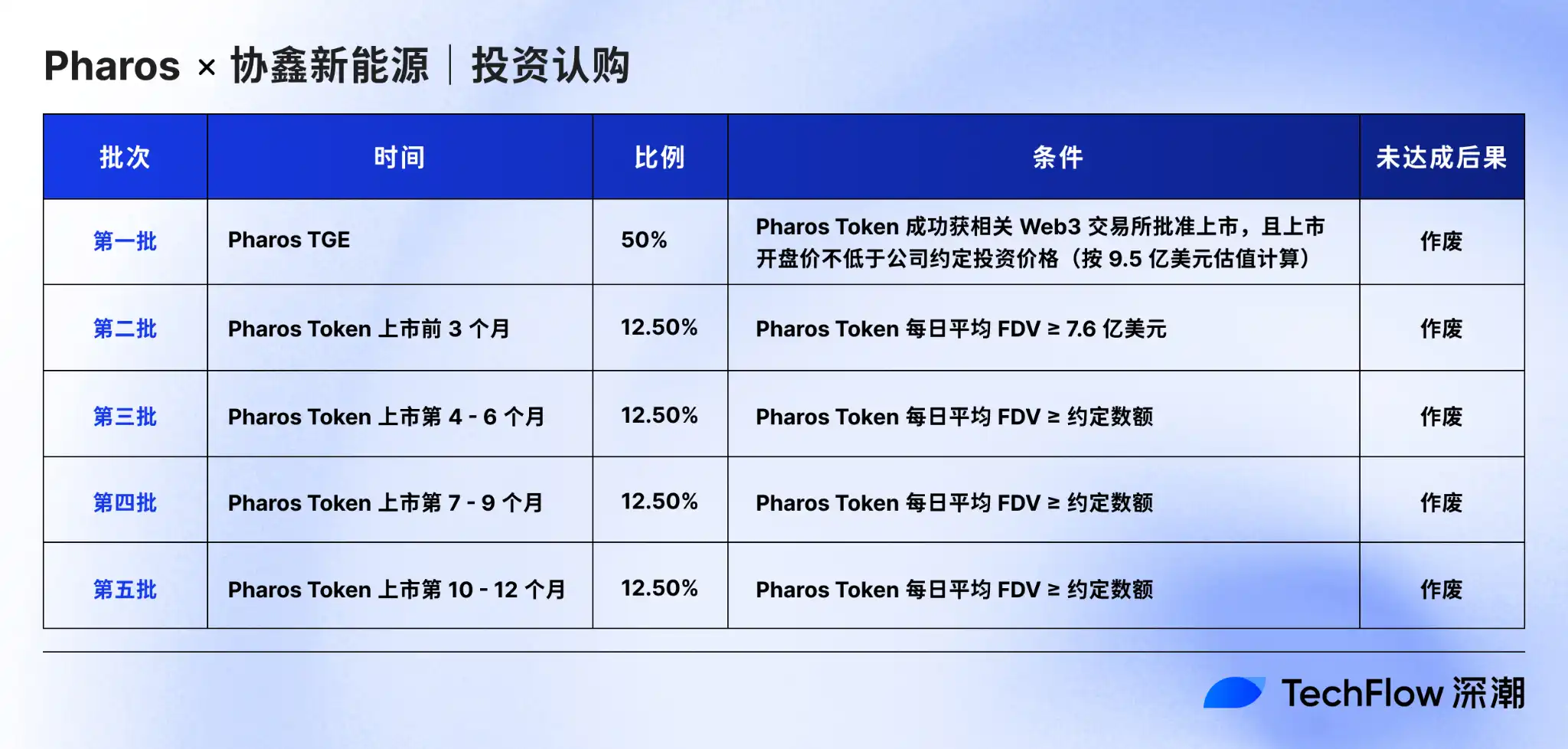
And once the Pharos Token meets the closing conditions, Pharos's share subscription in GCL New Energy will take effect accordingly, and simultaneously, GCL New Energy's subscription for Pharos Token will also take effect, with the same unlocking ratio.

Under this two-way binding:

  • If the Pharos Token performance meets the standard, both equity and tokens are delivered together;
  • If the Pharos Token performance falls short of expectations, both equity and tokens stall together.

Taking the most critical first tranche as an example, after the successful listing of the Pharos Token and its opening price meeting the target, Pharos will immediately deliver 50% of the share subscription to GCL New Energy, while GCL New Energy will acquire Pharos Tokens worth approximately HK$96.73 million at a valuation of $950 million.

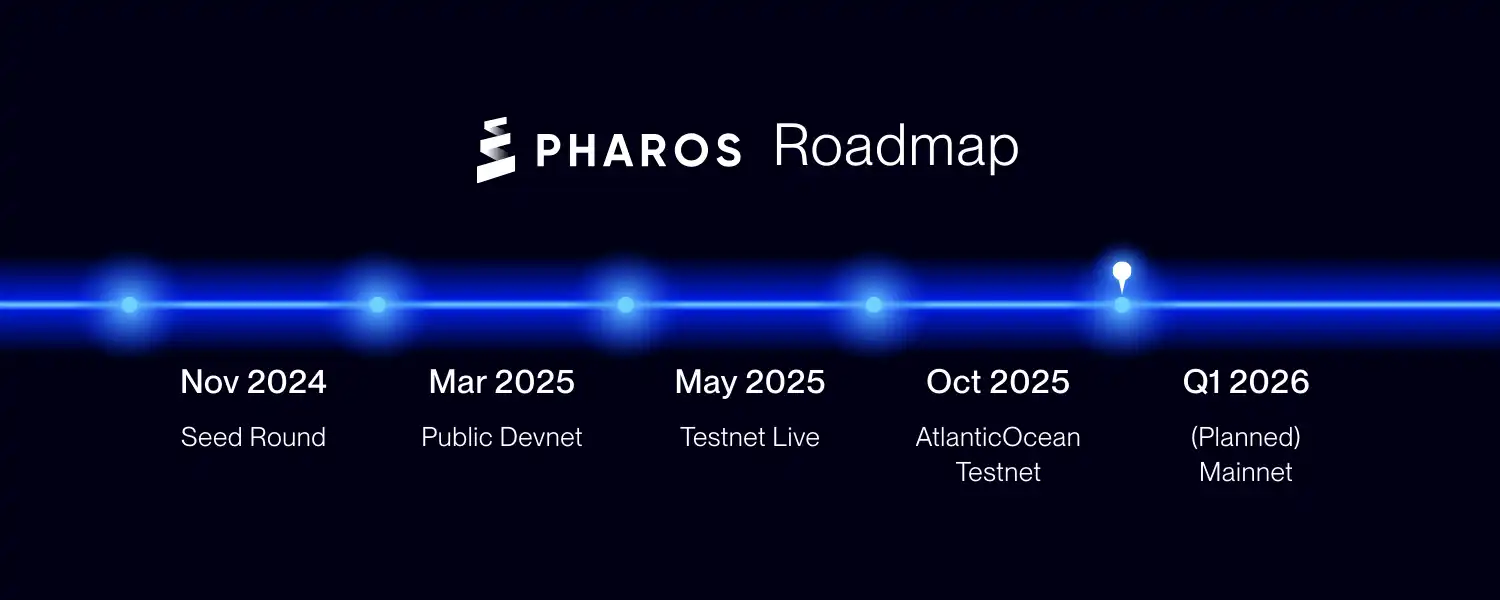
Under such an investment subscription agreement, coupled with Pharos's previous announcement that Anchorage Digital will provide regulated minting, distribution, and custody services for the Pharos TGE, Pharos may now be in the countdown phase, infinitely close to its TGE.
Mutual Benefit: One Agreement, Two Ways to Win

This special investment subscription transaction happens at a微妙 (subtle/delicate) point in time.

Past experience has taught us that the old financing logic of Crypto using whitepapers to tell stories and liquidity imagination to support valuations has失效 (become ineffective). The market has seen too many bubbles and too many crashes. What we need now is a vivid demonstration that simultaneously possesses real assets, a compliance framework, and on-chain imagination.

And the deal between Pharos and GCL New Energy is恰好 (exactly) that demonstration.

Behind the complex terms lies the interest game where both parties try to lock what they care about most into the contract:

For GCL New Energy, this is an excellent model that allows them to attack and defend effectively (进可攻、退可守).

Investing in Pharos is an active bet on the on-chain narrative, while introducing the VAM form effectively controls risk. If Pharos underperforms, GCL can withdraw in time. But if Pharos performs excellently, GCL can not only receive real capital injection but also acquire tokens with high appreciation potential at the initial valuation.

For Pharos, the value of this transaction is far more than just adding a partner.

The first gain is trust endorsement. A Hong Kong-listed company is willing to bind its shares with Tokens, which in itself is the most significant public recognition for Pharos.

The second gain is a confidence proof. Pharos's agreement to this series of strict closing conditions largely signals to the market the project's confidence in its future development. This posture is more convincing than any technical whitepaper.

The third gain is the historical position as an "industry first." Over the past year, we have seen too many DAT model cases where traditional listed companies purchase crypto assets. This time, the direction is reversed: Through this subscription, Pharos directly enters the shareholder ranks of GCL New Energy, becoming the first Crypto project to strategically hold shares in a traditional Hong Kong-listed company in reverse.

In a significant sense, this represents the first time a quality Crypto project from the加密世界 (crypto world) has obtained a real negotiating seat and pricing power in the traditional capital market. Meanwhile, this transaction has also received support through an HKEX announcement, demonstrating Hong Kong's foresight in embracing compliant Crypto innovation and injecting a strong compliance background into this deal.
One contract, two ways to win.

In striving for a win-win and avoiding a lose-lose situation, it also makes more people curious about the two leading protagonists behind this model innovation.

After all, Hong Kong-listed companies are known for strict risk control and conservative作风 (style). Why did Pharos dare to write future price performance into the contract, and why did GCL New Energy dare to bind the listed company's shares with a token that hasn't yet completed market validation?

A closer look reveals that behind this seemingly bold attempt at a cross-border联姻 (alliance/marriage), lies the inevitability of a双向奔赴 (two-way rush / mutual attraction).

Mirror Complementarity: The Inevitable Rendezvous of Pharos and GCL

On one end of the table in this model innovation is GCL New Energy.

As a leading Asian photovoltaic company, its core business focuses on the development, construction, operation, and management of solar power stations (photovoltaic power stations),同时涉及 (also involving) electricity sales and solar-related services. Although it holds the highest quality green assets, it also suffers from the common problems of traditional assets: long construction cycles, slow return realization, and increasingly fierce financing competition.

What GCL needs more is not another power station, but a financial tool that can reorganize, recirculate, and revalue these off-chain assets.

On the other end of the table is Pharos.

As a parallel L1 focused on institutional-grade scenarios, Pharos was clear from its birth: not to build another higher-performance public chain, but to致力于 (dedicate itself to)承接 (undertaking/ hosting) more real things, including stablecoin settlement, institutional-grade DeFi, regulation-friendly payment networks, and the on-chain circulation of RWA, especially energy, commodity, and infrastructure assets. Simply put, Pharos aims to become the infrastructure that can truly support the real finance narrative.

Performance is the premise supporting the "RealFi infrastructure" vision. Pharos, based on a modular + deep parallel execution engine design, boasts advantages like sub-second finality, high throughput, and low fees,能够更好的支撑 (can better support) the on-chaining, circulation, and real-time settlement of assets.

Facing the compliance issues that institutions care deeply about when going on-chain, the Pharos protocol layer has built-in ZK-KYC/AML, digital identity, supports regulation-friendly features, while remaining open.

Even before the cooperation with GCL New Energy, Pharos had already won the favor of capital and institutions:

According to public information, Pharos completed two rounds of financing in November 2024 and September 2025, receiving support from知名 VC (well-known VCs) like Hack VC and Lightspeed Faction.

Regarding institutional cooperation, Pharos previously announced a partnership with the decentralized financial platform Centrifuge. By combining Centrifuge's institutional-grade tokenization infrastructure and asset standards with Pharos's "inclusive and execution-first" Layer 1, they aim to further achieve the规模化分发与运营 (large-scale distribution and operation) of a series of institutional-grade assets on-chain, including tokenized U.S. Treasury bonds (JTRSY) and AAA-rated structured credit products (JAAA).
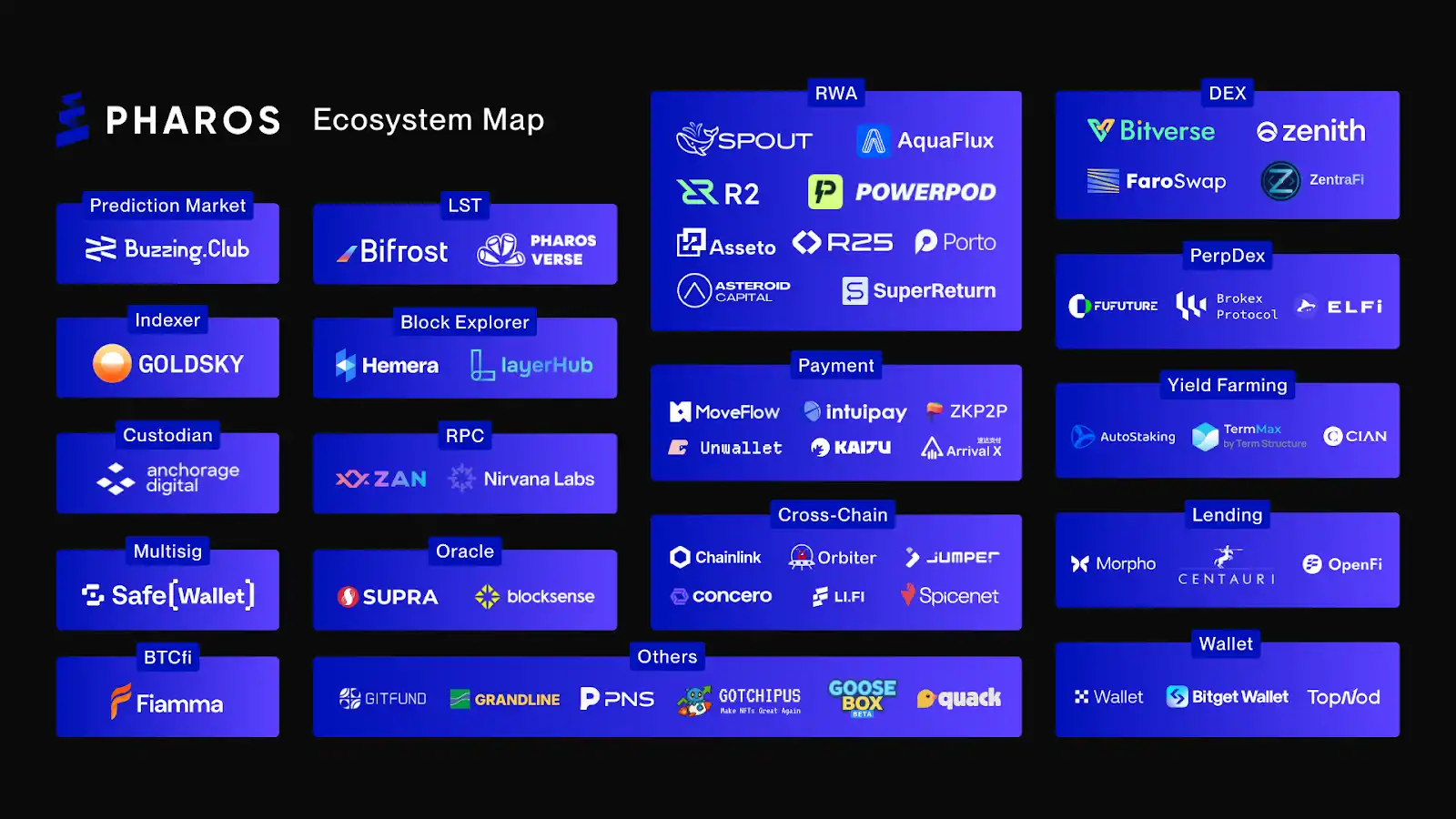
Putting the two counterparties together, one finds an镜像般的互补 (almost mirror-like complementarity) between GCL New Energy and Pharos.

For GCL New Energy, it wants to find a Crypto vehicle that can open up Web3, RWA, and market revaluation space, transforming offline heavy assets into new capital forms on-chain;

For Pharos, it needs a traditional capital entry point that can承接 (accommodate) high valuation, compliance narrative, and real asset imagination, grounding the on-chain story in real assets.

Therefore, from this perspective, this investment subscription is less of a cooperation and more of an inevitable rendezvous.有趣的是, (Interestingly,) Ant Group, with whom both parties have交集 (intersections/connections), is jokingly called by many netizens the隐形桥梁 (invisible bridge) for this rendezvous.

As early as December 2024, GCL Energy Technology (affiliate) cooperated with Ant Digital Technologies to complete China's first RWA cooperation for photovoltaic green assets exceeding RMB 200 million. In June 2025, the two even established a joint venture, "Ant Xin Neng," to further explore scenarios like Energy AI + RWA.

Meanwhile, we know that Pharos's co-founder and several members come from Ant Group. Ant Group's AntChain has extensive ToB landing experience in the enterprise blockchain field. This might further bring Pharos more solid technical implementation capabilities and richer institutional resource integration capabilities when solving institutional RWA needs, also indirectly foreshadowing the cooperation between Pharos and GCL.

But if this transaction is only understood as a capital binding, its potential might be underestimated. As the cooperation is signed, the subsequent cooperation structure, asset on-chain path, and more innovative cooperation directions are the bigger story.

According to the types of on-chain locked assets announced by Pharos, we can see that currently, among all Pharos's locked assets: 51% come from new energy assets of distributed photovoltaic operators and centralized power station operators; 49% come from financial assets of fund management companies and credit asset issuers.
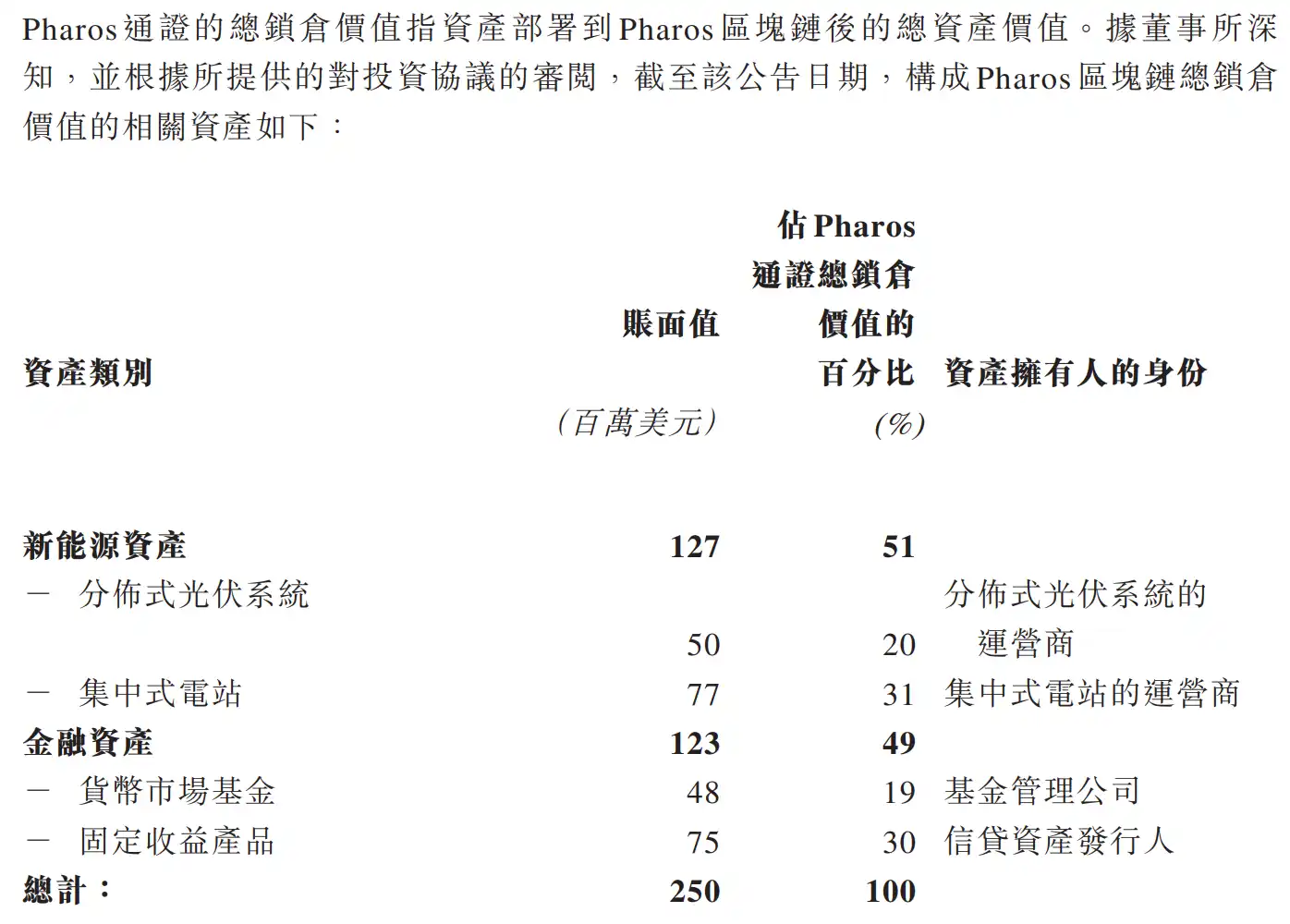
This largely indicates that the assets owned by GCL, such as photovoltaics and new energy power stations, will almost certainly be put on-chain through Pharos in the future.

This means that in the future, high-quality green energy assets in Asia, represented by GCL New Energy, will be able to break through geographical restrictions and connect with the global market more efficiently on-chain. Simultaneously, Pharos will also strive to introduce high-quality RWA assets from Europe and America to Asia, enhancing the global asset allocation capabilities of Asian investors.

Whether pushing out or bringing in, this binding model built on equity, Token, and asset synergy may release growth momentum far exceeding that of a mere subscription itself.

Conclusion

Of course, everything is at a very early stage.

In the present,高度不确定 (highly uncertain) about the future, it is perfectly normal to have voices of concern and doubt.

Some community members believe that, according to the document disclosure, Pharos's nearly $1 billion valuation is calculated based on the current total value of locked assets of $250 million disclosed unilaterally by the project party, lacking real market endorsement.

Others worry that the conditional tranched delivery model will create excessive pressure on the secondary market for the Pharos Token. While the mainnet is not yet launched and the token is not released, we can regard this as a confidence bet, but it is also uncertain whether this will become a提前透支 (pre-overdraft) of confidence in the future.

But different voices恰好证明 (precisely prove) the community's attention to the subsequent development of the event itself. At the same time, none of this prevents us from seeing the model innovation through this token-equity cooperation:

In the past, Crypto financing was more accustomed to first getting money with a good story, then using that money to prove itself;

Now, the cooperation between Pharos and GCL New Energy, by leading innovation, sends a strong signal: the next phase of Crypto might compete on who dares to write the story into a contract, hand the narrative to the market, and turn promises into reality that must be fulfilled.

In the bubble era, the most expensive thing was imagination; in the revaluation era, the most expensive thing is the ability to deliver (兑现力 - duì xiàn lì).

And this, perhaps, is the real value this investment subscription leaves for the industry.

Preguntas relacionadas

QWhat is the key innovation in the capital model between Pharos and GCL New Energy as described in the article?

AThe key innovation is a novel capital model featuring a two-way, conditional, and batch-unlock binding between a cryptocurrency (Pharos Token) and traditional equity (GCL New Energy's stock). The investment and share purchases are contingent on the performance of the Pharos Token, creating a mutually dependent and risk-managed structure.

QWhat is the primary condition that must be met for the capital cooperation between Pharos and GCL New Energy to proceed?

AThe primary condition is the successful listing and market performance of the Pharos Token. The investment and share purchases are executed in batches only if the token's price meets specific targets upon its public listing.

QWhat are the main strategic benefits for GCL New Energy in this deal with Pharos?

AFor GCL New Energy, the deal offers a strategic entry into Web3 and RWA narratives with built-in risk control. It provides potential capital injection, access to appreciating crypto assets at an initial valuation, and a pathway to tokenize its real-world green energy assets for greater liquidity and global market access.

QHow does the article describe the complementary nature of the two companies, Pharos and GCL New Energy?

AThe relationship is described as mirror-like and complementary. GCL New Energy possesses substantial real-world green energy assets but needs financial tools for liquidity and revaluation. Pharos provides the blockchain infrastructure designed for institutional RealFi, aiming to tokenize and facilitate the circulation of such real-world assets.

QWhat broader significance does the article attribute to this deal for the crypto industry?

AThe article posits that the deal signifies a shift in crypto financing from a model based on promises and narratives to one emphasizing verifiable execution and兑现力 (ability to deliver). It represents Crypto projects gaining negotiation power in traditional capital markets and establishes a new precedent for conditional, performance-based capital models.

Lecturas Relacionadas

How Many Tokens Away Is Yang Zhilin from the 'Moon Chasing the Light'?

The article explores the intense competition between two leading Chinese AI companies, DeepSeek and Kimi (Moon Dark Side), and the mounting pressure on Yang Zhilin, the founder of Kimi. While DeepSeek re-emerged after 15 months of silence with its powerful V4 model—boasting 1.6 trillion parameters and low-cost, long-context capabilities—Kimi has been focusing on long-context processing and multi-agent systems with its K2.6 model. Yang faces a threefold challenge: technological rivalry, commercialization pressure, and investor expectations. Despite Kimi’s high valuation (reaching $18 billion), its revenue heavily relies on a single product with low paid conversion rates, while DeepSeek’s strategic silence and open-source influence have strengthened its market position and valuation prospects, now targeting over $20 billion. Both companies reflect broader trends in China’s AI ecosystem: Kimi aims for global influence through open-source contributions and agent-based advancements, while DeepSeek prioritizes foundational innovation and hardware independence, notably shifting to Huawei’s chips. Their competition is seen as vital for China’s AI progress, with the gap between top Chinese and U.S. models narrowing to just 2.7% on the Elo rating scale. Ultimately, the article argues that this rivalry, though anxiety-inducing for leaders like Zhilin, is essential for driving innovation and solidifying China’s role in the global AI landscape.

marsbitHace 8 hora(s)

How Many Tokens Away Is Yang Zhilin from the 'Moon Chasing the Light'?

marsbitHace 8 hora(s)

Trading

Spot
Futuros

Artículos destacados

Qué es $S$

Entendiendo SPERO: Una Visión General Completa Introducción a SPERO A medida que el panorama de la innovación continúa evolucionando, la aparición de tecnologías web3 y proyectos de criptomonedas juega un papel fundamental en la configuración del futuro digital. Un proyecto que ha atraído la atención en este campo dinámico es SPERO, denotado como SPERO,$$s$. Este artículo tiene como objetivo reunir y presentar información detallada sobre SPERO, para ayudar a entusiastas e inversores a comprender sus fundamentos, objetivos e innovaciones dentro de los dominios web3 y cripto. ¿Qué es SPERO,$$s$? SPERO,$$s$ es un proyecto único dentro del espacio cripto que busca aprovechar los principios de descentralización y tecnología blockchain para crear un ecosistema que promueva la participación, la utilidad y la inclusión financiera. El proyecto está diseñado para facilitar interacciones de igual a igual de nuevas maneras, proporcionando a los usuarios soluciones y servicios financieros innovadores. En su esencia, SPERO,$$s$ tiene como objetivo empoderar a los individuos al proporcionar herramientas y plataformas que mejoren la experiencia del usuario en el espacio de las criptomonedas. Esto incluye habilitar métodos de transacción más flexibles, fomentar iniciativas impulsadas por la comunidad y crear caminos para oportunidades financieras a través de aplicaciones descentralizadas (dApps). La visión subyacente de SPERO,$$s$ gira en torno a la inclusividad, buscando cerrar brechas dentro de las finanzas tradicionales mientras aprovecha los beneficios de la tecnología blockchain. ¿Quién es el Creador de SPERO,$$s$? La identidad del creador de SPERO,$$s$ sigue siendo algo oscura, ya que hay recursos públicos limitados que proporcionan información de fondo detallada sobre su(s) fundador(es). Esta falta de transparencia puede derivarse del compromiso del proyecto con la descentralización, una ética que muchos proyectos web3 comparten, priorizando las contribuciones colectivas sobre el reconocimiento individual. Al centrar las discusiones en torno a la comunidad y sus objetivos colectivos, SPERO,$$s$ encarna la esencia del empoderamiento sin señalar a individuos específicos. Como tal, comprender la ética y la misión de SPERO sigue siendo más importante que identificar a un creador singular. ¿Quiénes son los Inversores de SPERO,$$s$? SPERO,$$s$ cuenta con el apoyo de una diversa gama de inversores que van desde capitalistas de riesgo hasta inversores ángeles dedicados a fomentar la innovación en el sector cripto. El enfoque de estos inversores generalmente se alinea con la misión de SPERO, priorizando proyectos que prometen avances tecnológicos sociales, inclusión financiera y gobernanza descentralizada. Estas fundaciones de inversores suelen estar interesadas en proyectos que no solo ofrecen productos innovadores, sino que también contribuyen positivamente a la comunidad blockchain y sus ecosistemas. El respaldo de estos inversores refuerza a SPERO,$$s$ como un contendiente notable en el dominio de proyectos cripto que evoluciona rápidamente. ¿Cómo Funciona SPERO,$$s$? SPERO,$$s$ emplea un marco multifacético que lo distingue de los proyectos de criptomonedas convencionales. Aquí hay algunas de las características clave que subrayan su singularidad e innovación: Gobernanza Descentralizada: SPERO,$$s$ integra modelos de gobernanza descentralizada, empoderando a los usuarios para participar activamente en los procesos de toma de decisiones sobre el futuro del proyecto. Este enfoque fomenta un sentido de propiedad y responsabilidad entre los miembros de la comunidad. Utilidad del Token: SPERO,$$s$ utiliza su propio token de criptomoneda, diseñado para servir diversas funciones dentro del ecosistema. Estos tokens permiten transacciones, recompensas y la facilitación de servicios ofrecidos en la plataforma, mejorando la participación y la utilidad general. Arquitectura en Capas: La arquitectura técnica de SPERO,$$s$ apoya la modularidad y escalabilidad, permitiendo la integración fluida de características y aplicaciones adicionales a medida que el proyecto evoluciona. Esta adaptabilidad es fundamental para mantener la relevancia en el cambiante paisaje cripto. Participación de la Comunidad: El proyecto enfatiza iniciativas impulsadas por la comunidad, empleando mecanismos que incentivan la colaboración y la retroalimentación. Al nutrir una comunidad sólida, SPERO,$$s$ puede abordar mejor las necesidades de los usuarios y adaptarse a las tendencias del mercado. Enfoque en la Inclusión: Al ofrecer tarifas de transacción bajas e interfaces amigables para el usuario, SPERO,$$s$ busca atraer a una base de usuarios diversa, incluyendo a individuos que anteriormente pueden no haber participado en el espacio cripto. Este compromiso con la inclusión se alinea con su misión general de empoderamiento a través de la accesibilidad. Cronología de SPERO,$$s$ Entender la historia de un proyecto proporciona información crucial sobre su trayectoria de desarrollo y hitos. A continuación se presenta una cronología sugerida que mapea eventos significativos en la evolución de SPERO,$$s$: Fase de Conceptualización e Ideación: Las ideas iniciales que forman la base de SPERO,$$s$ fueron concebidas, alineándose estrechamente con los principios de descentralización y enfoque comunitario dentro de la industria blockchain. Lanzamiento del Whitepaper del Proyecto: Tras la fase conceptual, se lanzó un whitepaper completo que detalla la visión, los objetivos y la infraestructura tecnológica de SPERO,$$s$ para generar interés y retroalimentación de la comunidad. Construcción de Comunidad y Primeras Interacciones: Se realizaron esfuerzos de divulgación activa para construir una comunidad de primeros adoptantes y posibles inversores, facilitando discusiones en torno a los objetivos del proyecto y obteniendo apoyo. Evento de Generación de Tokens: SPERO,$$s$ llevó a cabo un evento de generación de tokens (TGE) para distribuir sus tokens nativos a los primeros seguidores y establecer liquidez inicial dentro del ecosistema. Lanzamiento de la dApp Inicial: La primera aplicación descentralizada (dApp) asociada con SPERO,$$s$ se puso en marcha, permitiendo a los usuarios interactuar con las funcionalidades centrales de la plataforma. Desarrollo Continuo y Alianzas: Actualizaciones y mejoras continuas a las ofertas del proyecto, incluyendo alianzas estratégicas con otros actores en el espacio blockchain, han moldeado a SPERO,$$s$ en un jugador competitivo y en evolución en el mercado cripto. Conclusión SPERO,$$s$ se erige como un testimonio del potencial de web3 y las criptomonedas para revolucionar los sistemas financieros y empoderar a los individuos. Con un compromiso con la gobernanza descentralizada, la participación comunitaria y funcionalidades diseñadas de manera innovadora, allana el camino hacia un paisaje financiero más inclusivo. Como con cualquier inversión en el espacio cripto que evoluciona rápidamente, se anima a los posibles inversores y usuarios a investigar a fondo y participar de manera reflexiva con los desarrollos en curso dentro de SPERO,$$s$. El proyecto muestra el espíritu innovador de la industria cripto, invitando a una mayor exploración de sus innumerables posibilidades. Mientras el viaje de SPERO,$$s$ aún se desarrolla, sus principios fundamentales pueden, de hecho, influir en el futuro de cómo interactuamos con la tecnología, las finanzas y entre nosotros en ecosistemas digitales interconectados.

72 Vistas totalesPublicado en 2024.12.17Actualizado en 2024.12.17

Qué es $S$

Qué es AGENT S

Agent S: El Futuro de la Interacción Autónoma en Web3 Introducción En el paisaje en constante evolución de Web3 y las criptomonedas, las innovaciones están redefiniendo constantemente cómo los individuos interactúan con las plataformas digitales. Uno de estos proyectos pioneros, Agent S, promete revolucionar la interacción humano-computadora a través de su marco agente abierto. Al allanar el camino para interacciones autónomas, Agent S busca simplificar tareas complejas, ofreciendo aplicaciones transformadoras en inteligencia artificial (IA). Esta exploración detallada profundizará en las complejidades del proyecto, sus características únicas y las implicaciones para el dominio de las criptomonedas. ¿Qué es Agent S? Agent S se presenta como un marco agente abierto innovador, diseñado específicamente para abordar tres desafíos fundamentales en la automatización de tareas informáticas: Adquisición de Conocimiento Específico del Dominio: El marco aprende inteligentemente de diversas fuentes de conocimiento externas y experiencias internas. Este enfoque dual le permite construir un rico repositorio de conocimiento específico del dominio, mejorando su rendimiento en la ejecución de tareas. Planificación a Largo Plazo de Tareas: Agent S emplea planificación jerárquica aumentada por la experiencia, un enfoque estratégico que facilita la descomposición y ejecución eficiente de tareas complejas. Esta característica mejora significativamente su capacidad para gestionar múltiples subtareas de manera eficiente y efectiva. Manejo de Interfaces Dinámicas y No Uniformes: El proyecto introduce la Interfaz Agente-Computadora (ACI), una solución innovadora que mejora la interacción entre agentes y usuarios. Utilizando Modelos de Lenguaje Multimodal de Gran Escala (MLLMs), Agent S puede navegar y manipular diversas interfaces gráficas de usuario sin problemas. A través de estas características pioneras, Agent S proporciona un marco robusto que aborda las complejidades involucradas en la automatización de la interacción humana con las máquinas, preparando el terreno para una multitud de aplicaciones en IA y más allá. ¿Quién es el Creador de Agent S? Si bien el concepto de Agent S es fundamentalmente innovador, la información específica sobre su creador sigue siendo elusiva. El creador es actualmente desconocido, lo que resalta ya sea la etapa incipiente del proyecto o la elección estratégica de mantener a los miembros fundadores en el anonimato. Independientemente de la anonimidad, el enfoque sigue siendo en las capacidades y el potencial del marco. ¿Quiénes son los Inversores de Agent S? Dado que Agent S es relativamente nuevo en el ecosistema criptográfico, la información detallada sobre sus inversores y patrocinadores financieros no está documentada explícitamente. La falta de información disponible públicamente sobre las bases de inversión u organizaciones que apoyan el proyecto plantea preguntas sobre su estructura de financiamiento y hoja de ruta de desarrollo. Comprender el respaldo es crucial para evaluar la sostenibilidad del proyecto y su posible impacto en el mercado. ¿Cómo Funciona Agent S? En el núcleo de Agent S se encuentra una tecnología de vanguardia que le permite funcionar de manera efectiva en diversos entornos. Su modelo operativo se basa en varias características clave: Interacción Humano-Computadora Similar a la Humana: El marco ofrece planificación avanzada de IA, esforzándose por hacer que las interacciones con las computadoras sean más intuitivas. Al imitar el comportamiento humano en la ejecución de tareas, promete elevar las experiencias de los usuarios. Memoria Narrativa: Empleada para aprovechar experiencias de alto nivel, Agent S utiliza memoria narrativa para hacer un seguimiento de las historias de tareas, mejorando así sus procesos de toma de decisiones. Memoria Episódica: Esta característica proporciona a los usuarios una guía paso a paso, permitiendo que el marco ofrezca apoyo contextual a medida que se desarrollan las tareas. Soporte para OpenACI: Con la capacidad de ejecutarse localmente, Agent S permite a los usuarios mantener el control sobre sus interacciones y flujos de trabajo, alineándose con la ética descentralizada de Web3. Fácil Integración con APIs Externas: Su versatilidad y compatibilidad con varias plataformas de IA aseguran que Agent S pueda encajar sin problemas en ecosistemas tecnológicos existentes, convirtiéndolo en una opción atractiva para desarrolladores y organizaciones. Estas funcionalidades contribuyen colectivamente a la posición única de Agent S dentro del espacio cripto, ya que automatiza tareas complejas y de múltiples pasos con una intervención humana mínima. A medida que el proyecto evoluciona, sus posibles aplicaciones en Web3 podrían redefinir cómo se desarrollan las interacciones digitales. Cronología de Agent S El desarrollo y los hitos de Agent S pueden encapsularse en una cronología que resalta sus eventos significativos: 27 de septiembre de 2024: El concepto de Agent S fue lanzado en un documento de investigación integral titulado “Un Marco Agente Abierto que Usa Computadoras Como un Humano”, mostrando las bases del proyecto. 10 de octubre de 2024: El documento de investigación fue puesto a disposición del público en arXiv, ofreciendo una exploración profunda del marco y su evaluación de rendimiento basada en el benchmark OSWorld. 12 de octubre de 2024: Se lanzó una presentación en video, proporcionando una visión visual de las capacidades y características de Agent S, involucrando aún más a posibles usuarios e inversores. Estos marcadores en la cronología no solo ilustran el progreso de Agent S, sino que también indican su compromiso con la transparencia y la participación comunitaria. Puntos Clave Sobre Agent S A medida que el marco Agent S continúa evolucionando, varios atributos clave destacan, subrayando su naturaleza innovadora y potencial: Marco Innovador: Diseñado para proporcionar un uso intuitivo de las computadoras similar a la interacción humana, Agent S aporta un enfoque novedoso a la automatización de tareas. Interacción Autónoma: La capacidad de interactuar de manera autónoma con las computadoras a través de GUI significa un salto hacia soluciones informáticas más inteligentes y eficientes. Automatización de Tareas Complejas: Con su metodología robusta, puede automatizar tareas complejas y de múltiples pasos, haciendo que los procesos sean más rápidos y menos propensos a errores. Mejora Continua: Los mecanismos de aprendizaje permiten a Agent S mejorar a partir de experiencias pasadas, mejorando continuamente su rendimiento y eficacia. Versatilidad: Su adaptabilidad en diferentes entornos operativos como OSWorld y WindowsAgentArena asegura que pueda servir a una amplia gama de aplicaciones. A medida que Agent S se posiciona en el paisaje de Web3 y criptomonedas, su potencial para mejorar las capacidades de interacción y automatizar procesos significa un avance significativo en las tecnologías de IA. A través de su marco innovador, Agent S ejemplifica el futuro de las interacciones digitales, prometiendo una experiencia más fluida y eficiente para los usuarios en diversas industrias. Conclusión Agent S representa un audaz avance en la unión de la IA y Web3, con la capacidad de redefinir cómo interactuamos con la tecnología. Aunque aún se encuentra en sus primeras etapas, las posibilidades para su aplicación son vastas y atractivas. A través de su marco integral que aborda desafíos críticos, Agent S busca llevar las interacciones autónomas al primer plano de la experiencia digital. A medida que nos adentramos más en los reinos de las criptomonedas y la descentralización, proyectos como Agent S sin duda desempeñarán un papel crucial en la configuración del futuro de la tecnología y la colaboración humano-computadora.

354 Vistas totalesPublicado en 2025.01.14Actualizado en 2025.01.14

Qué es AGENT S

Cómo comprar S

¡Bienvenido a HTX.com! Hemos hecho que comprar Sonic (S) sea simple y conveniente. Sigue nuestra guía paso a paso para iniciar tu viaje de criptos.Paso 1: crea tu cuenta HTXUtiliza tu correo electrónico o número de teléfono para registrarte y obtener una cuenta gratuita en HTX. Experimenta un proceso de registro sin complicaciones y desbloquea todas las funciones.Obtener mi cuentaPaso 2: ve a Comprar cripto y elige tu método de pagoTarjeta de crédito/débito: usa tu Visa o Mastercard para comprar Sonic (S) al instante.Saldo: utiliza fondos del saldo de tu cuenta HTX para tradear sin problemas.Terceros: hemos agregado métodos de pago populares como Google Pay y Apple Pay para mejorar la comodidad.P2P: tradear directamente con otros usuarios en HTX.Over-the-Counter (OTC): ofrecemos servicios personalizados y tipos de cambio competitivos para los traders.Paso 3: guarda tu Sonic (S)Después de comprar tu Sonic (S), guárdalo en tu cuenta HTX. Alternativamente, puedes enviarlo a otro lugar mediante transferencia blockchain o utilizarlo para tradear otras criptomonedas.Paso 4: tradear Sonic (S)Tradear fácilmente con Sonic (S) en HTX's mercado spot. Simplemente accede a tu cuenta, selecciona tu par de trading, ejecuta tus trades y monitorea en tiempo real. Ofrecemos una experiencia fácil de usar tanto para principiantes como para traders experimentados.

716 Vistas totalesPublicado en 2025.01.15Actualizado en 2025.03.21

Cómo comprar S

Discusiones

Bienvenido a la comunidad de HTX. Aquí puedes mantenerte informado sobre los últimos desarrollos de la plataforma y acceder a análisis profesionales del mercado. A continuación se presentan las opiniones de los usuarios sobre el precio de S (S).

活动图片














