Crypto Money Printer Wants to Buy Juventus: The Battle Between Europe's Old and New Money

marsbitPublicado a 2025-12-15Actualizado a 2025-12-15

Resumen

Tether, the world's largest stablecoin issuer, has launched a bold bid to acquire Italian football giant Juventus, offering a 20.74% premium for the 65.4% stake held by Exor, the holding company of the Agnelli family. The all-cash offer includes an additional €1 billion investment pledge. However, Exor swiftly rejected the proposal, stating there are "no negotiations" for a sale. The move is led by Tether’s CEO Paolo Ardoino, an Italian native and lifelong Juventus fan. His attempt to buy his childhood club follows months of tension. After becoming the club’s second-largest shareholder earlier in 2025, Ardoino was excluded from a capital increase and faced resistance when seeking board representation. Exor instead backed club legend Giorgio Chiellini in a symbolic move to defend tradition. The Agnellis, who have controlled Juventus for over a century, view the club as a family legacy and symbol of Italian industrial heritage. Despite the club’s financial struggles—including massive losses, accounting scandals, and exclusion from Champions League revenue—Exor has repeatedly injected funds to maintain control. The family perceives crypto-based wealth as speculative and unstable, in contrast to their industrial-rooted fortune. The clash represents a broader cultural conflict between “old money” and “new money.” While European football clubs increasingly partner with crypto firms, traditional dynasties like the Agnellis remain resistant. Ardoino’s determination, however, signa...

Tether, the world's largest stablecoin giant, is preparing to buy Italy's most iconic football powerhouse, Juventus.

On December 12, Tether submitted a takeover offer to the Italian stock exchange, proposing to acquire the 65.4% stake in Juventus held by the Exor Group at a price of €2.66 per share, a 20.74% premium over the market price. If the deal is successful, Tether will also inject an additional €1 billion into the club.

This is an all-cash offer. No bets, no conditions, just a simple exchange of 'cash for goods'. In the world of capital, this is the most brutal form of sincerity, and Tether has given the Exor Group only a mere 10 days to consider it.

However, the Exor Group, controlled by the Agnelli family, quickly issued a statement: 'There are currently no negotiations regarding the sale of Juventus shares.'

The implication is clear: Not for sale.

In less than 24 hours, renowned Italian journalist Eleonora Trotta reported that Tether was preparing to double its offer, directly valuing Juventus at €2 billion.

At the center of the storm is a man named Paolo Ardoino.

In 1984, Paolo was born in an ordinary small town in Italy. His parents were civil servants, and his grandparents tended a traditional olive grove. It was a typical Italian childhood; the black and white striped jersey, the cheers at the Allianz Stadium in Turin, and the glory of the Agnelli family together formed the spiritual totem of his growing memories.
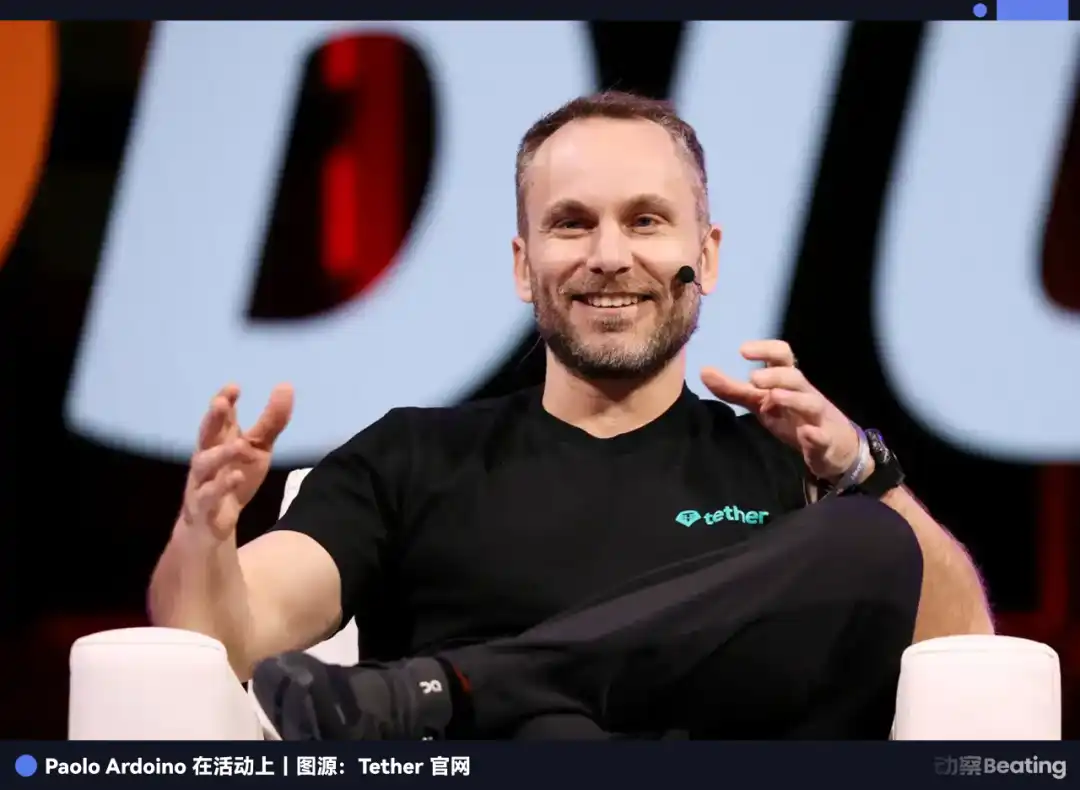
Thirty-two years later, the boy under the olive trees grew into the Caesar of the cryptocurrency world, presiding over Tether, a super money printer with annual profits of $13 billion. Now, returning home in glory, he attempts to buy the dream of his childhood, to give back to that black and white faith flowing in his blood.

But reality taught sentimentality a lesson.

When Paolo enthusiastically knocked on the door of Juventus, he was met not with flowers or applause. What awaited him was a nine-month-long ordeal of exclusion and humiliation from the old world.

The 9 Months of Exclusion

The honeymoon period began in a way that was almost unrequited.

In February 2025, Tether announced it had acquired an 8.2% stake in Juventus, becoming the second-largest shareholder after the Exor Group. In the official statement, Paolo shed his businessman's shrewdness and rarely showed his soft side: 'For me, Juventus has always been a part of my life.'

Paolo thought it was a business deal where everyone got what they needed: I have money, you need money, it's a perfect match. However, in Italy, some doors aren't opened just with money.

Two months later, Juventus announced a capital increase plan of up to €110 million. At this critical moment needing a cash infusion, Paolo, as the second-largest shareholder, was deliberately 'forgotten'. No phone call, no email, not a single explanation. The Exor Group couldn't even be bothered to send him a polite rejection.

Paolo typed out a message full of grievance on social media: 'We hoped to increase our stake in Juventus through a possible capital increase by the club, but this wish was ignored.'

Paolo had probably never been so humiliated in his life. A financial titan managing $13 billion in annual profits could only use social media to 'remind' Juventus: I want to participate in the capital increase, I want to invest more, but I'm being ignored.

Some sympathized with Paolo, seeing him as a genuine Juventus fan; others questioned his motives, believing he just wanted to use Juventus to whitewash Tether's image.

Whether外界 was sympathy or doubt, in the eyes of the Agnelli family, Paolo was still an 'outsider'. The relationship from the start was not cooperation but 'defense'.

Since sentiment couldn't buy respect, he would use money.

From April to October, Tether increased its shareholding from 8.2% to 10.7% through the open market. According to Italian law, a stake exceeding 10% grants the right to nominate a board member.

November 7, Turin, Juventus Annual General Meeting. The atmosphere became tense and unpredictable due to Tether's disruption.
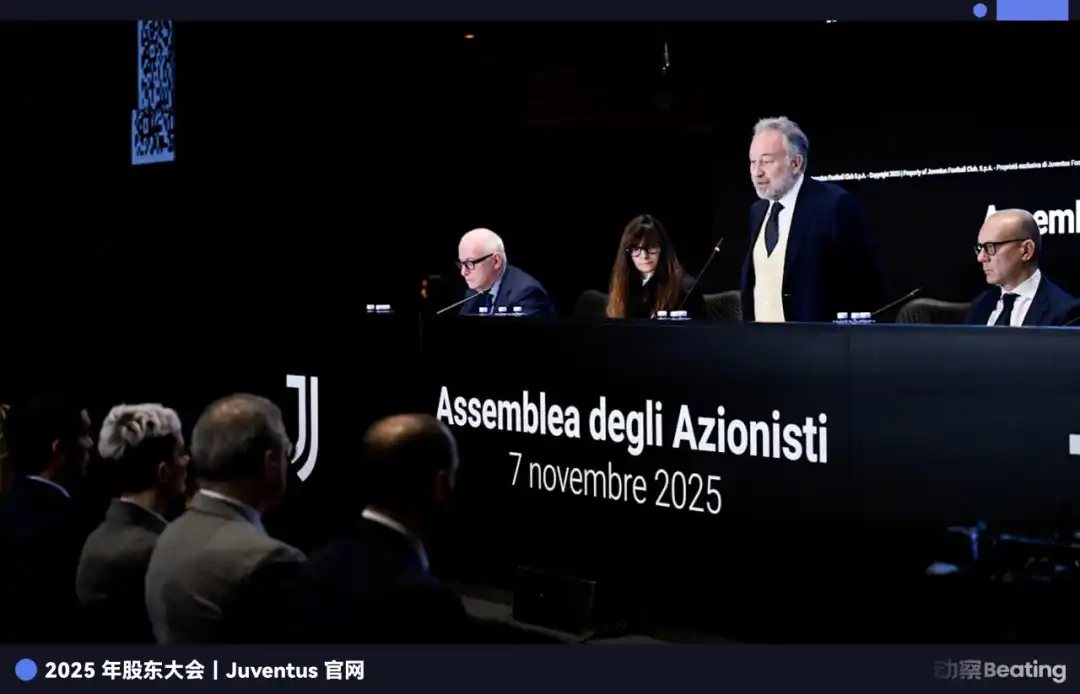
Tether nominated Francesco Garino as a board candidate, a renowned local Turin doctor and lifelong Juventus fan. Paolo tried to tell everyone: We are not barbarians, we are sons of Turin, bound by blood.

The shrewd Exor Group countered with a trump card: Giorgio Chiellini. This legendary captain, who served Juventus for 17 years and lifted 9 Serie A trophies, was pushed to the forefront.

This was Exor's strategy: use a club legend against capital, use sentiment against money.

In the end, Tether barely won a seat on the board. But in a boardroom where the Agnelli family holds absolute control, one seat means you can listen, you can suggest, but you cannot touch the steering wheel.

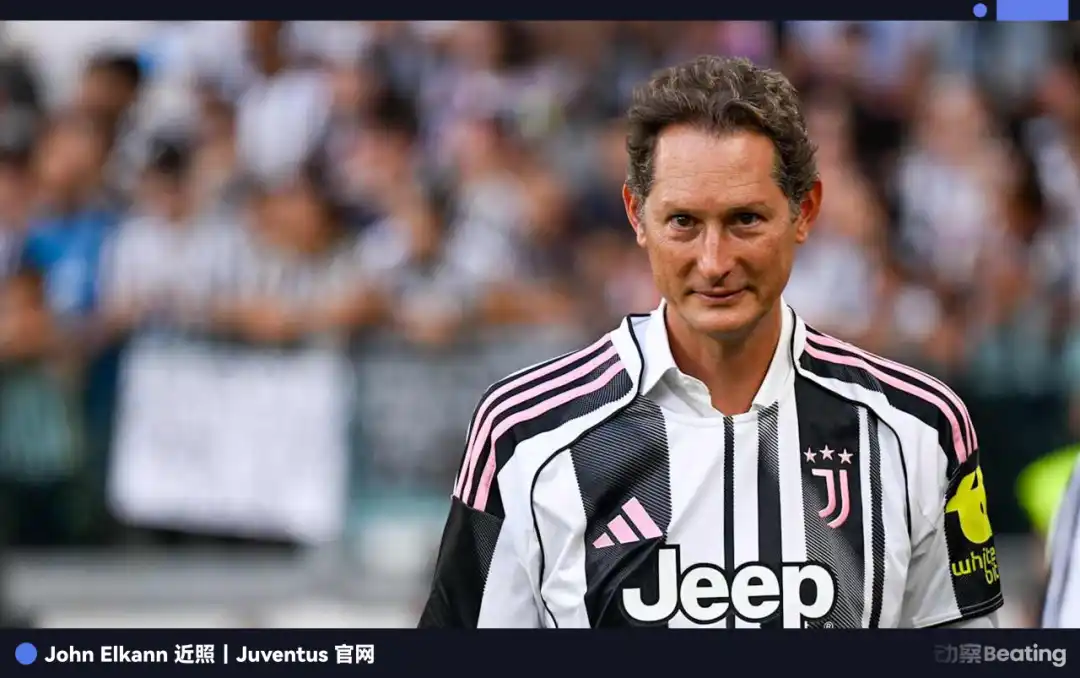
The concluding remarks from John Elkann, the fifth-generation leader of the Agnelli family: 'We are proud to have been shareholders of Juventus for over a century. We have no intention of selling our shares, but we are open to constructive ideas from all stakeholders.'

To translate this more bluntly: This is not just business; this is our family's territory. You can come in for tea, but don't expect to be the master here.

The Arrogance and Prejudice of Old Money

John's words carry the weight of 102 years of a family's glory and pride.

On July 24, 1923, 31-year-old Edoardo Agnelli took up the mantle of President of Juventus. From that day on, the fate of the Agnelli family and Juventus were tightly bound. The family's Fiat auto empire was, for most of the 20th century, Italy's largest private enterprise, employing countless workers and supporting millions of families.

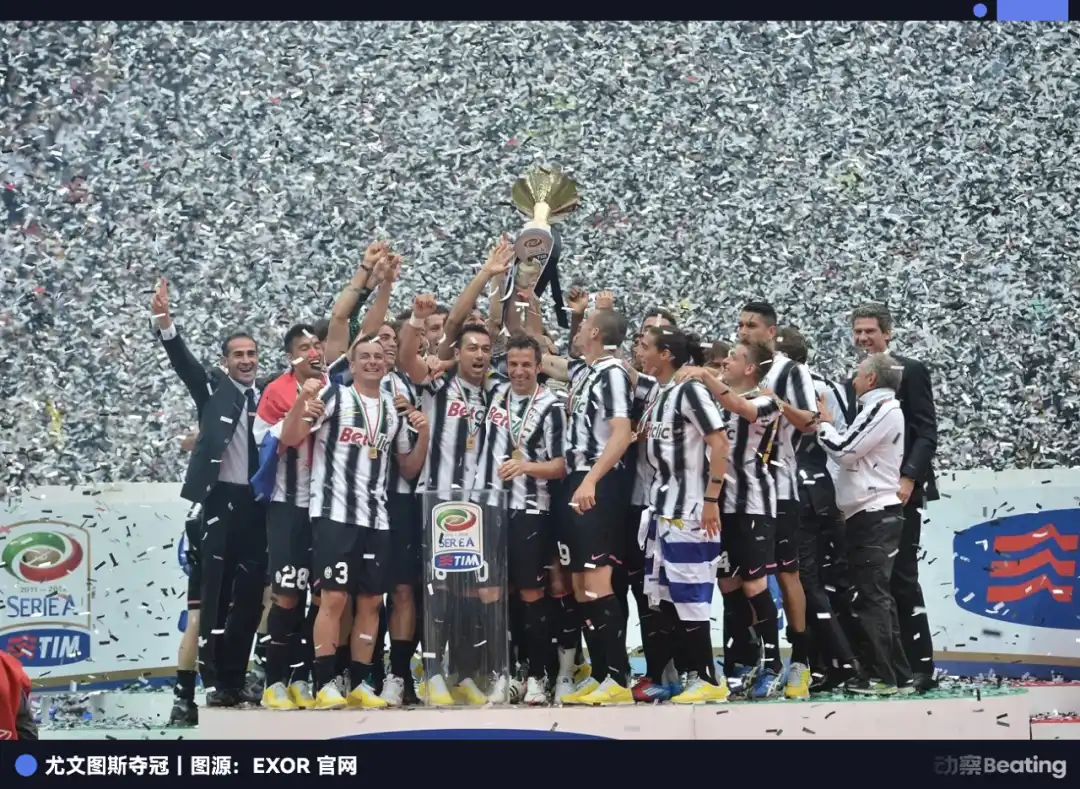
And Juventus is another symbol of this family's power. 36 Serie A titles, 2 Champions League titles, 14 Coppa Italia trophies. Juventus is the most successful club in Italian football history and a source of national pride for Italians.
However, the Agnelli family's history of succession is written with blood and fractures.

In 2000, the Agnelli family heir, Edoardo Agnelli, jumped from a viaduct, ending his battle with depression. Three years later, the family patriarch, Gianni Agnelli, passed away. The baton of power had to be passed to his grandson, John Elkann.

John was born in New York and grew up in Paris. He speaks English, French, and Italian, but his Italian carries a noticeable foreign accent. In the eyes of many old-school Italians, he is merely a proxy who gained power through bloodline.

It took John a full 20 years to prove himself worthy of the Agnelli name.

He restructured Fiat, swallowed up Chrysler, and created Stellantis, the world's fourth-largest automotive group; he took Ferrari to the capital markets, doubling its市值; he bought The Economist, extending the Agnelli family's influence from Italy to the globe.

Unfortunately, the cracks within the family are becoming public. In September 2025, John Elkann's mother, Margherita, submitted a 'will' from 1998 to a Turin court, claiming that the inheritance left to her by her father Gianni had been misappropriated by John. Mother and son facing off in court is a huge scandal in Italy, where family honor is paramount.
In this context, selling Juventus would be equivalent to admitting the end of the family's glory, admitting inferiority to their ancestors.

To hold onto Juventus, John is frantically selling off other family assets.

Just days before Tether made its offer, the Exor Group was busy selling its GEDI media group to the Greek media group Antenna Group for €140 million. GEDI owns the influential newspapers La Repubblica and La Stampa. The status of these two papers in Italy is no less than that of Juventus in Italian football.

The news caused an uproar in Italy. The Italian government even invoked the 'Golden Power' law, requiring Exor to protect jobs and editorial independence during the sale.

Newspapers losing money? They are a liability, cut them. Juventus losing money? It is a totem, keep it.

This choice exposes the窘迫 of the old aristocracy. They can no longer maintain their former empire and can only strive to retain the one that best represents the family's glory.

Therefore, even though Paolo's offer came with a hefty 20% market premium, John Elkann still sees it as a threat.

In the value system of European old money, the quality of wealth has a hierarchy.

Every penny of the Agnelli family's fortune is steeped in the smell of engine oil. It is an industrial monument forged from steel, rubber, the roar of engines, and the sweat of millions of workers. This kind of wealth is tangible, it represents order, control, and a social contract spanning a century.

Paolo's money, however, comes from cryptocurrency, from an industry that has grown wildly and controversially over the past decade.

Precedents are still fresh.

Just a few years ago, the blockchain company DigitalBits signed €85 million sponsorship deals with Inter Milan and AS Roma, two Serie A giants. But DigitalBits failed to pay the sponsorship fees due to a broken capital chain, forcing both clubs to terminate the contracts, leaving a mess behind.

Not to mention the chain of collapses in the cryptocurrency industry in 2022. Back then, Luna's logo was plastered on the Washington Nationals' stadium, and FTX's name adorned the Miami Heat's arena. In the eyes of the Agnelli family, the cryptocurrency industry is full of speculation and bubbles.

In the Agnelli family's eyes, Paolo will always be an 'outsider'. Not because of his origin, but because of his money.

A Totem in Need of Saving

But the problem is, Juventus really needs money.

Today's Juventus is deeply mired in trouble, all stemming from that day, July 10, 2018, when Juventus announced the signing of 33-year-old Cristiano Ronaldo. €100 million transfer fee, €30 million net annual salary, for 4 years.
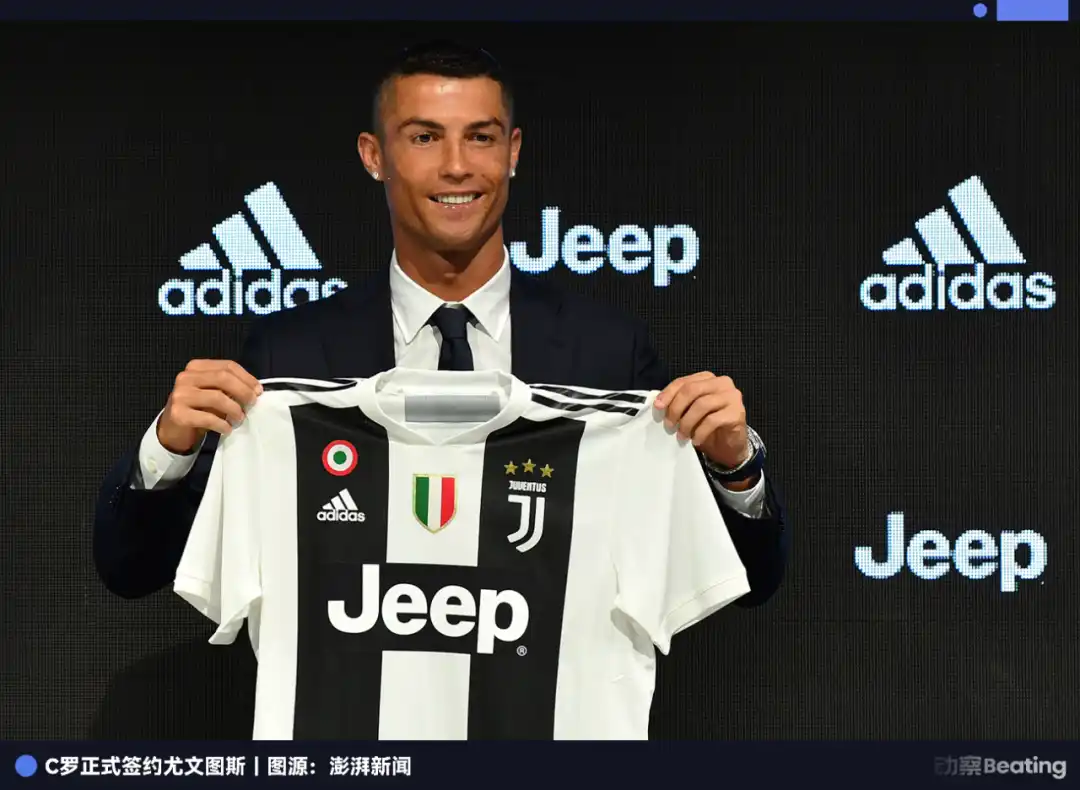
This was the biggest transfer in Serie A history and the highest wage in Serie A history. The then Juventus president, Andrea Agnelli, the fourth-generation leader of the Agnelli family, said excitedly at the shareholders' meeting: 'This is the most important signing in Juventus history. We will win the Champions League with Ronaldo.'

The city of Turin沸腾了. Fans flocked to the Juventus store, snapping up jerseys with Ronaldo's name. In just the first 24 hours after the announcement, the club sold over 520,000 jerseys, setting a record in football history. Everyone believed Ronaldo would lead Juventus to the top of Europe.

But Juventus did not win the Champions League. In 2019, knocked out by Ajax; in 2020, eliminated by Lyon; in 2021, defeated by Porto. In August 2021, Ronaldo suddenly left the team, moving to Manchester United. Juventus not only failed to recoup its investment but sank into deeper financial trouble.

Accountants later calculated the total cost: including the transfer fee, salary, and taxes, the total cost of signing Ronaldo reached a staggering €340 million. In his three years at Juve, he scored 101 goals, averaging €2.8 million per goal.

For a club the size of Juventus, the Champions League is less about honor and more about a cash flow switch: broadcast shares, matchday revenue, bonus clauses in sponsorships—many are tied to the Champions League. Once you lose the Champions League, the books immediately thin, and the team is forced to use accounting手段 to plug the hole.

Juventus sold Miralem Pjanić to Spanish giants Barcelona for €60 million, while simultaneously buying Arthur from Barcelona for €72 million. Both transactions were officially claimed to be unrelated, but everyone knew it was a carefully designed swap. Juventus实际上 only needed to pay a €12 million cash difference but could record tens of millions of euros in 'capital gains' on its books.

This kind of accounting is not uncommon in football circles, but Juventus overdid it.

Prosecutors found that over three years, the club had inflated profits by €282 million through 42 similar suspicious transactions. After the scandal was exposed, the entire board, including President Andrea Agnelli, resigned en masse.

Punishment for the team followed: deducted league points, exclusion from the Champions League, long-term bans for executives. This led to an even more terrible vicious cycle: poor team performance led to sharp revenue decline, revenue decline led to inability to sign players, inability to sign players led to worse performance.

Starting from a loss of €39.6 million in the 2018-19 season, Juventus's financial situation deteriorated. By the 2022-23 season, the loss had reached €123.7 million. From the peak of nine consecutive Serie A titles to years of huge losses, in November 2025, the Exor Group had to inject nearly €100 million into Juventus again.

This was already the third time the Exor Group had to bail out Juventus in two years. The Exor Group also owns assets like Ferrari, Stellantis automotive group, and The Economist magazine. Juventus's continuous losses are eroding the group's overall profits. In the 2024 financial report, Exor Group's net profit fell by 12%. Analysts pointed out that Juventus has become a drag on the group's performance.

John Elkann is in a dilemma, unsure how to decide.

And Paolo, holding $13 billion in annual profits, is knocking on the door. He has plenty of money, he has patience, he has love for Juventus.

This should have been a perfect deal, if not for that mountain called 'class' standing in between.

The Dream Under the Olive Trees

Paolo's knocks received no response, so he made his choice.

On December 12, Paolo bypassed all private roundtable meetings and made the offer public directly through the Italian stock exchange. Paolo backed John Elkann into a corner, forcing him to answer this question in front of all of Italy: Do you want money, or do you want the family's face?

The news sent Juventus's stock price soaring, as the market expressed its desire for 'new money'. Both Gazzetta dello Sport and Tuttosport reported it on their front pages. The entire Apennine Peninsula awaited the Agnelli family's decision.

The Agnelli family's refusal was expected, yet unreasonable.

Expected, because the family's pride does not allow them to bow to new money. Unreasonable, because given their current financial situation, rejecting such a huge sum requires an almost tragic stubbornness.

For Paolo, he wants to use the money he earned to save the idol of his childhood. Companies ultimately have a nationality. Although Tether is a digitally nomadic business with a global reach, its CEO is Italian, its heart is in Italy.

From the Agnelli family's perspective, they are guarding not just a club, but 102 years of family glory and a symbol of Italy's industrial age.

This is no longer a博弈 of business logic; it is a collision of two faiths.

In John Elkann's eyes, that bronze gate must remain shut because outside stands a speculator trying to whitewash his identity. But in Paolo's eyes, that gate should open because outside stands a child of Italian blood who can save this team.

However, the times are not on the side of the old aristocracy.
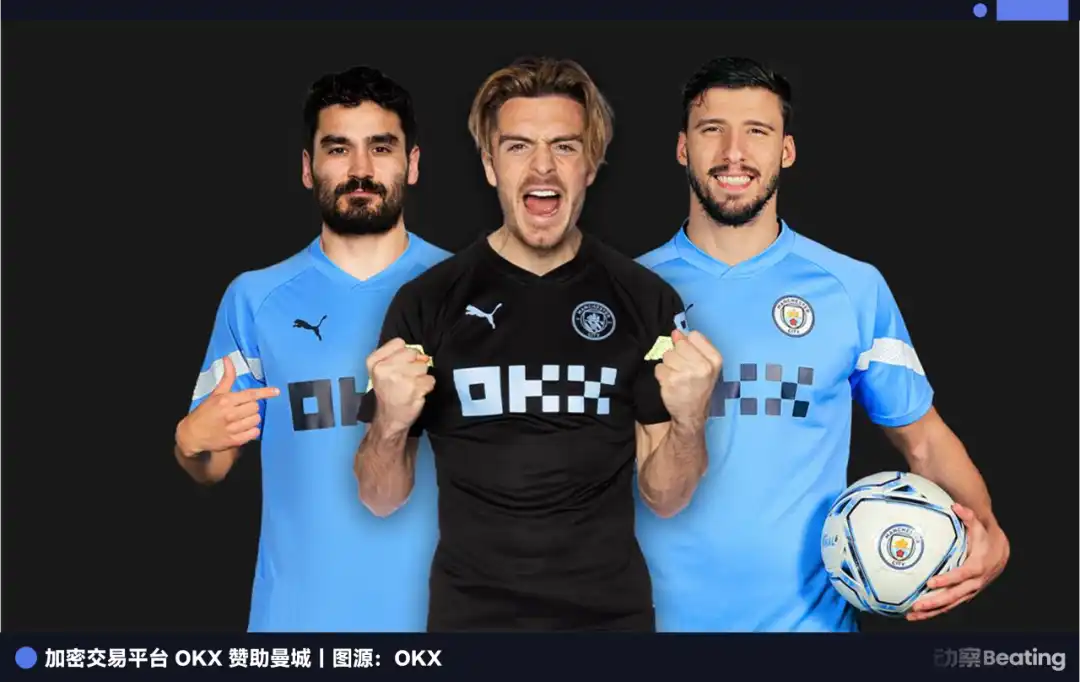
In the same week that Exor rejected Tether, Premier League champions Manchester City announced a renewal of their partnership with the crypto exchange OKX, with the chest sponsorship worth over €100 million. European giants like Paris Saint-Germain, Barcelona, and AC Milan have already established deep cooperation with crypto companies. In Asia, South Korea's K League and Japan's J League have also begun accepting cryptocurrency sponsorships.

New money entering traditional industries controlled by old money is no longer a question of 'if' but 'how'. Football is just one battlefield. In the art auction field, Sotheby's and Christie's have begun accepting cryptocurrency payments; in real estate, luxury home transactions in cities like Dubai and Miami can already be completed with Bitcoin. The same conflicts are playing out globally.

Paolo's charge, whether successful or not, is testing the boundaries of this era: When a generation creates enormous wealth in new ways, do they deserve a seat at the old world's table controlled by old money?

At the end of the story, the画面定格在那片郊外的橄榄园.

Thirty-two years ago, a dark-haired boy sat there, accompanied by the sounds of his grandparents working, cheering at the black and white figures on the TV. He would never have imagined that one day he would stand outside that gate, waiting for an answer.

That tightly shut bronze gate remains cold and威严. Behind it lies a century of Agnelli family glory, the last afterglow of the old industrial era.

It did not open for new money this time, but the person knocking will not retreat. Because he knows that pushing this door open is only a matter of time.


Preguntas relacionadas

QWhat is the main reason Tether's attempt to acquire Juventus is being resisted by the Exor Group?

AThe Exor Group, controlled by the Agnelli family, views Tether's cryptocurrency-based wealth as 'new money' with a controversial and speculative background, contrasting with their century-old industrial legacy. Selling Juventus stake would symbolize a loss of family honor and control over a cultural icon.

QHow did the Agnelli family's internal conflicts impact their stance on the Juventus sale?

AInternal family strife, including a public legal battle between John Elkann and his mother over inheritance, heightened the need to preserve Juventus as a symbol of family unity and legacy, making them more resistant to selling.

QWhat financial missteps led to Juventus's current crisis, making external investment necessary?

AJuventus's financial decline began with the costly signing of Cristiano Ronaldo (total cost €340 million), followed by accounting scandals involving €282 million in inflated profits from player swaps, resulting in point deductions, Champions League exclusion, and annual losses exceeding €120 million.

QHow did Tether initially try to increase its influence in Juventus before the public takeover bid?

ATether first acquired an 8.2% stake in February 2025, later raising it to 10.7% through open market purchases to gain board nomination rights. They nominated a local Turin doctor as director but were countered by Exor's appointment of club legend Giorgio Chiellini, limiting Tether's influence.

QWhat broader trend does Tether's bid for Juventus represent in global sports and high-value assets?

AIt reflects a global trend of 'new money' from crypto and tech industries challenging old-guard elites in traditional sectors like sports (e.g., crypto sponsorships in Premier League), art (crypto payments at auctions), and real estate (Bitcoin transactions for luxury properties), testing the boundaries of wealth legitimacy and access.

Lecturas Relacionadas

Trading

Spot
Futuros

Artículos destacados

Qué es $S$

Entendiendo SPERO: Una Visión General Completa Introducción a SPERO A medida que el panorama de la innovación continúa evolucionando, la aparición de tecnologías web3 y proyectos de criptomonedas juega un papel fundamental en la configuración del futuro digital. Un proyecto que ha atraído la atención en este campo dinámico es SPERO, denotado como SPERO,$$s$. Este artículo tiene como objetivo reunir y presentar información detallada sobre SPERO, para ayudar a entusiastas e inversores a comprender sus fundamentos, objetivos e innovaciones dentro de los dominios web3 y cripto. ¿Qué es SPERO,$$s$? SPERO,$$s$ es un proyecto único dentro del espacio cripto que busca aprovechar los principios de descentralización y tecnología blockchain para crear un ecosistema que promueva la participación, la utilidad y la inclusión financiera. El proyecto está diseñado para facilitar interacciones de igual a igual de nuevas maneras, proporcionando a los usuarios soluciones y servicios financieros innovadores. En su esencia, SPERO,$$s$ tiene como objetivo empoderar a los individuos al proporcionar herramientas y plataformas que mejoren la experiencia del usuario en el espacio de las criptomonedas. Esto incluye habilitar métodos de transacción más flexibles, fomentar iniciativas impulsadas por la comunidad y crear caminos para oportunidades financieras a través de aplicaciones descentralizadas (dApps). La visión subyacente de SPERO,$$s$ gira en torno a la inclusividad, buscando cerrar brechas dentro de las finanzas tradicionales mientras aprovecha los beneficios de la tecnología blockchain. ¿Quién es el Creador de SPERO,$$s$? La identidad del creador de SPERO,$$s$ sigue siendo algo oscura, ya que hay recursos públicos limitados que proporcionan información de fondo detallada sobre su(s) fundador(es). Esta falta de transparencia puede derivarse del compromiso del proyecto con la descentralización, una ética que muchos proyectos web3 comparten, priorizando las contribuciones colectivas sobre el reconocimiento individual. Al centrar las discusiones en torno a la comunidad y sus objetivos colectivos, SPERO,$$s$ encarna la esencia del empoderamiento sin señalar a individuos específicos. Como tal, comprender la ética y la misión de SPERO sigue siendo más importante que identificar a un creador singular. ¿Quiénes son los Inversores de SPERO,$$s$? SPERO,$$s$ cuenta con el apoyo de una diversa gama de inversores que van desde capitalistas de riesgo hasta inversores ángeles dedicados a fomentar la innovación en el sector cripto. El enfoque de estos inversores generalmente se alinea con la misión de SPERO, priorizando proyectos que prometen avances tecnológicos sociales, inclusión financiera y gobernanza descentralizada. Estas fundaciones de inversores suelen estar interesadas en proyectos que no solo ofrecen productos innovadores, sino que también contribuyen positivamente a la comunidad blockchain y sus ecosistemas. El respaldo de estos inversores refuerza a SPERO,$$s$ como un contendiente notable en el dominio de proyectos cripto que evoluciona rápidamente. ¿Cómo Funciona SPERO,$$s$? SPERO,$$s$ emplea un marco multifacético que lo distingue de los proyectos de criptomonedas convencionales. Aquí hay algunas de las características clave que subrayan su singularidad e innovación: Gobernanza Descentralizada: SPERO,$$s$ integra modelos de gobernanza descentralizada, empoderando a los usuarios para participar activamente en los procesos de toma de decisiones sobre el futuro del proyecto. Este enfoque fomenta un sentido de propiedad y responsabilidad entre los miembros de la comunidad. Utilidad del Token: SPERO,$$s$ utiliza su propio token de criptomoneda, diseñado para servir diversas funciones dentro del ecosistema. Estos tokens permiten transacciones, recompensas y la facilitación de servicios ofrecidos en la plataforma, mejorando la participación y la utilidad general. Arquitectura en Capas: La arquitectura técnica de SPERO,$$s$ apoya la modularidad y escalabilidad, permitiendo la integración fluida de características y aplicaciones adicionales a medida que el proyecto evoluciona. Esta adaptabilidad es fundamental para mantener la relevancia en el cambiante paisaje cripto. Participación de la Comunidad: El proyecto enfatiza iniciativas impulsadas por la comunidad, empleando mecanismos que incentivan la colaboración y la retroalimentación. Al nutrir una comunidad sólida, SPERO,$$s$ puede abordar mejor las necesidades de los usuarios y adaptarse a las tendencias del mercado. Enfoque en la Inclusión: Al ofrecer tarifas de transacción bajas e interfaces amigables para el usuario, SPERO,$$s$ busca atraer a una base de usuarios diversa, incluyendo a individuos que anteriormente pueden no haber participado en el espacio cripto. Este compromiso con la inclusión se alinea con su misión general de empoderamiento a través de la accesibilidad. Cronología de SPERO,$$s$ Entender la historia de un proyecto proporciona información crucial sobre su trayectoria de desarrollo y hitos. A continuación se presenta una cronología sugerida que mapea eventos significativos en la evolución de SPERO,$$s$: Fase de Conceptualización e Ideación: Las ideas iniciales que forman la base de SPERO,$$s$ fueron concebidas, alineándose estrechamente con los principios de descentralización y enfoque comunitario dentro de la industria blockchain. Lanzamiento del Whitepaper del Proyecto: Tras la fase conceptual, se lanzó un whitepaper completo que detalla la visión, los objetivos y la infraestructura tecnológica de SPERO,$$s$ para generar interés y retroalimentación de la comunidad. Construcción de Comunidad y Primeras Interacciones: Se realizaron esfuerzos de divulgación activa para construir una comunidad de primeros adoptantes y posibles inversores, facilitando discusiones en torno a los objetivos del proyecto y obteniendo apoyo. Evento de Generación de Tokens: SPERO,$$s$ llevó a cabo un evento de generación de tokens (TGE) para distribuir sus tokens nativos a los primeros seguidores y establecer liquidez inicial dentro del ecosistema. Lanzamiento de la dApp Inicial: La primera aplicación descentralizada (dApp) asociada con SPERO,$$s$ se puso en marcha, permitiendo a los usuarios interactuar con las funcionalidades centrales de la plataforma. Desarrollo Continuo y Alianzas: Actualizaciones y mejoras continuas a las ofertas del proyecto, incluyendo alianzas estratégicas con otros actores en el espacio blockchain, han moldeado a SPERO,$$s$ en un jugador competitivo y en evolución en el mercado cripto. Conclusión SPERO,$$s$ se erige como un testimonio del potencial de web3 y las criptomonedas para revolucionar los sistemas financieros y empoderar a los individuos. Con un compromiso con la gobernanza descentralizada, la participación comunitaria y funcionalidades diseñadas de manera innovadora, allana el camino hacia un paisaje financiero más inclusivo. Como con cualquier inversión en el espacio cripto que evoluciona rápidamente, se anima a los posibles inversores y usuarios a investigar a fondo y participar de manera reflexiva con los desarrollos en curso dentro de SPERO,$$s$. El proyecto muestra el espíritu innovador de la industria cripto, invitando a una mayor exploración de sus innumerables posibilidades. Mientras el viaje de SPERO,$$s$ aún se desarrolla, sus principios fundamentales pueden, de hecho, influir en el futuro de cómo interactuamos con la tecnología, las finanzas y entre nosotros en ecosistemas digitales interconectados.

72 Vistas totalesPublicado en 2024.12.17Actualizado en 2024.12.17

Qué es $S$

Qué es AGENT S

Agent S: El Futuro de la Interacción Autónoma en Web3 Introducción En el paisaje en constante evolución de Web3 y las criptomonedas, las innovaciones están redefiniendo constantemente cómo los individuos interactúan con las plataformas digitales. Uno de estos proyectos pioneros, Agent S, promete revolucionar la interacción humano-computadora a través de su marco agente abierto. Al allanar el camino para interacciones autónomas, Agent S busca simplificar tareas complejas, ofreciendo aplicaciones transformadoras en inteligencia artificial (IA). Esta exploración detallada profundizará en las complejidades del proyecto, sus características únicas y las implicaciones para el dominio de las criptomonedas. ¿Qué es Agent S? Agent S se presenta como un marco agente abierto innovador, diseñado específicamente para abordar tres desafíos fundamentales en la automatización de tareas informáticas: Adquisición de Conocimiento Específico del Dominio: El marco aprende inteligentemente de diversas fuentes de conocimiento externas y experiencias internas. Este enfoque dual le permite construir un rico repositorio de conocimiento específico del dominio, mejorando su rendimiento en la ejecución de tareas. Planificación a Largo Plazo de Tareas: Agent S emplea planificación jerárquica aumentada por la experiencia, un enfoque estratégico que facilita la descomposición y ejecución eficiente de tareas complejas. Esta característica mejora significativamente su capacidad para gestionar múltiples subtareas de manera eficiente y efectiva. Manejo de Interfaces Dinámicas y No Uniformes: El proyecto introduce la Interfaz Agente-Computadora (ACI), una solución innovadora que mejora la interacción entre agentes y usuarios. Utilizando Modelos de Lenguaje Multimodal de Gran Escala (MLLMs), Agent S puede navegar y manipular diversas interfaces gráficas de usuario sin problemas. A través de estas características pioneras, Agent S proporciona un marco robusto que aborda las complejidades involucradas en la automatización de la interacción humana con las máquinas, preparando el terreno para una multitud de aplicaciones en IA y más allá. ¿Quién es el Creador de Agent S? Si bien el concepto de Agent S es fundamentalmente innovador, la información específica sobre su creador sigue siendo elusiva. El creador es actualmente desconocido, lo que resalta ya sea la etapa incipiente del proyecto o la elección estratégica de mantener a los miembros fundadores en el anonimato. Independientemente de la anonimidad, el enfoque sigue siendo en las capacidades y el potencial del marco. ¿Quiénes son los Inversores de Agent S? Dado que Agent S es relativamente nuevo en el ecosistema criptográfico, la información detallada sobre sus inversores y patrocinadores financieros no está documentada explícitamente. La falta de información disponible públicamente sobre las bases de inversión u organizaciones que apoyan el proyecto plantea preguntas sobre su estructura de financiamiento y hoja de ruta de desarrollo. Comprender el respaldo es crucial para evaluar la sostenibilidad del proyecto y su posible impacto en el mercado. ¿Cómo Funciona Agent S? En el núcleo de Agent S se encuentra una tecnología de vanguardia que le permite funcionar de manera efectiva en diversos entornos. Su modelo operativo se basa en varias características clave: Interacción Humano-Computadora Similar a la Humana: El marco ofrece planificación avanzada de IA, esforzándose por hacer que las interacciones con las computadoras sean más intuitivas. Al imitar el comportamiento humano en la ejecución de tareas, promete elevar las experiencias de los usuarios. Memoria Narrativa: Empleada para aprovechar experiencias de alto nivel, Agent S utiliza memoria narrativa para hacer un seguimiento de las historias de tareas, mejorando así sus procesos de toma de decisiones. Memoria Episódica: Esta característica proporciona a los usuarios una guía paso a paso, permitiendo que el marco ofrezca apoyo contextual a medida que se desarrollan las tareas. Soporte para OpenACI: Con la capacidad de ejecutarse localmente, Agent S permite a los usuarios mantener el control sobre sus interacciones y flujos de trabajo, alineándose con la ética descentralizada de Web3. Fácil Integración con APIs Externas: Su versatilidad y compatibilidad con varias plataformas de IA aseguran que Agent S pueda encajar sin problemas en ecosistemas tecnológicos existentes, convirtiéndolo en una opción atractiva para desarrolladores y organizaciones. Estas funcionalidades contribuyen colectivamente a la posición única de Agent S dentro del espacio cripto, ya que automatiza tareas complejas y de múltiples pasos con una intervención humana mínima. A medida que el proyecto evoluciona, sus posibles aplicaciones en Web3 podrían redefinir cómo se desarrollan las interacciones digitales. Cronología de Agent S El desarrollo y los hitos de Agent S pueden encapsularse en una cronología que resalta sus eventos significativos: 27 de septiembre de 2024: El concepto de Agent S fue lanzado en un documento de investigación integral titulado “Un Marco Agente Abierto que Usa Computadoras Como un Humano”, mostrando las bases del proyecto. 10 de octubre de 2024: El documento de investigación fue puesto a disposición del público en arXiv, ofreciendo una exploración profunda del marco y su evaluación de rendimiento basada en el benchmark OSWorld. 12 de octubre de 2024: Se lanzó una presentación en video, proporcionando una visión visual de las capacidades y características de Agent S, involucrando aún más a posibles usuarios e inversores. Estos marcadores en la cronología no solo ilustran el progreso de Agent S, sino que también indican su compromiso con la transparencia y la participación comunitaria. Puntos Clave Sobre Agent S A medida que el marco Agent S continúa evolucionando, varios atributos clave destacan, subrayando su naturaleza innovadora y potencial: Marco Innovador: Diseñado para proporcionar un uso intuitivo de las computadoras similar a la interacción humana, Agent S aporta un enfoque novedoso a la automatización de tareas. Interacción Autónoma: La capacidad de interactuar de manera autónoma con las computadoras a través de GUI significa un salto hacia soluciones informáticas más inteligentes y eficientes. Automatización de Tareas Complejas: Con su metodología robusta, puede automatizar tareas complejas y de múltiples pasos, haciendo que los procesos sean más rápidos y menos propensos a errores. Mejora Continua: Los mecanismos de aprendizaje permiten a Agent S mejorar a partir de experiencias pasadas, mejorando continuamente su rendimiento y eficacia. Versatilidad: Su adaptabilidad en diferentes entornos operativos como OSWorld y WindowsAgentArena asegura que pueda servir a una amplia gama de aplicaciones. A medida que Agent S se posiciona en el paisaje de Web3 y criptomonedas, su potencial para mejorar las capacidades de interacción y automatizar procesos significa un avance significativo en las tecnologías de IA. A través de su marco innovador, Agent S ejemplifica el futuro de las interacciones digitales, prometiendo una experiencia más fluida y eficiente para los usuarios en diversas industrias. Conclusión Agent S representa un audaz avance en la unión de la IA y Web3, con la capacidad de redefinir cómo interactuamos con la tecnología. Aunque aún se encuentra en sus primeras etapas, las posibilidades para su aplicación son vastas y atractivas. A través de su marco integral que aborda desafíos críticos, Agent S busca llevar las interacciones autónomas al primer plano de la experiencia digital. A medida que nos adentramos más en los reinos de las criptomonedas y la descentralización, proyectos como Agent S sin duda desempeñarán un papel crucial en la configuración del futuro de la tecnología y la colaboración humano-computadora.

367 Vistas totalesPublicado en 2025.01.14Actualizado en 2025.01.14

Qué es AGENT S

Cómo comprar S

¡Bienvenido a HTX.com! Hemos hecho que comprar Sonic (S) sea simple y conveniente. Sigue nuestra guía paso a paso para iniciar tu viaje de criptos.Paso 1: crea tu cuenta HTXUtiliza tu correo electrónico o número de teléfono para registrarte y obtener una cuenta gratuita en HTX. Experimenta un proceso de registro sin complicaciones y desbloquea todas las funciones.Obtener mi cuentaPaso 2: ve a Comprar cripto y elige tu método de pagoTarjeta de crédito/débito: usa tu Visa o Mastercard para comprar Sonic (S) al instante.Saldo: utiliza fondos del saldo de tu cuenta HTX para tradear sin problemas.Terceros: hemos agregado métodos de pago populares como Google Pay y Apple Pay para mejorar la comodidad.P2P: tradear directamente con otros usuarios en HTX.Over-the-Counter (OTC): ofrecemos servicios personalizados y tipos de cambio competitivos para los traders.Paso 3: guarda tu Sonic (S)Después de comprar tu Sonic (S), guárdalo en tu cuenta HTX. Alternativamente, puedes enviarlo a otro lugar mediante transferencia blockchain o utilizarlo para tradear otras criptomonedas.Paso 4: tradear Sonic (S)Tradear fácilmente con Sonic (S) en HTX's mercado spot. Simplemente accede a tu cuenta, selecciona tu par de trading, ejecuta tus trades y monitorea en tiempo real. Ofrecemos una experiencia fácil de usar tanto para principiantes como para traders experimentados.

783 Vistas totalesPublicado en 2025.01.15Actualizado en 2025.03.21

Cómo comprar S

Discusiones

Bienvenido a la comunidad de HTX. Aquí puedes mantenerte informado sobre los últimos desarrollos de la plataforma y acceder a análisis profesionales del mercado. A continuación se presentan las opiniones de los usuarios sobre el precio de S (S).

活动图片