Chainstack Adds Support for Robinhood Chain for Managed and Self-Hosted Nodes

cryptonews.ruPublicado a 2026-08-05Actualizado a 2026-08-05

Resumen

Chainstack, a Web3 infrastructure platform supporting over 100,000 developers across 70+ blockchain networks, has added support for Robinhood Chain across its three deployment models: Global Nodes, Dedicated Nodes, and Chainstack Self-Hosted. The support is available for both the mainnet (chain ID 4663) and testnet (chain ID 46630). Robinhood Chain is an Ethereum L2 network built on Arbitrum Orbit with Nitro, optimized for financial and tokenized real-world asset transactions. It offers 100-millisecond block times and uses ETH for gas. A key feature is its first-come, first-served transaction ordering based on endpoint latency, making node placement a matter of execution rather than fee strategy. Chainstack's three models provide different levels of control and infrastructure: scalable Global Nodes for dApps and wallets, high-performance Dedicated Nodes with unlimited requests for marketplaces and protocols, and Self-Hosted Nodes for clients requiring full control over data sovereignty and deployment in their own environment. The Self-Hosted option is highlighted as critical for regulated issuers and brokers who cannot use third-party infrastructure due to compliance. The platform offers a unified management plane, billing, and monitoring for RWA workflows across multiple blockchains. Access is available immediately, with testnet tokens provided via a faucet and a free tier for evaluation.

Singapore, August 5, 2026 — Chainstack, a Web3 infrastructure platform serving over 100,000 developers across more than 70 blockchain networks, has added Robinhood Chain for three deployment models: global nodes, dedicated nodes, and Chainstack Self-Hosted. The Robinhood Chain mainnet launched on July 1, 2026. Chainstack endpoints are now available for the mainnet (chain ID 4663) and testnet (chain ID 46630).

What is Robinhood Chain?

Robinhood Chain is a decentralized, EVM-compatible Ethereum Layer 2 network built on Arbitrum Orbit using the Nitro stack, specifically designed for financial transactions and tokenized real-world assets. It generates blocks every 100 milliseconds with sub-second confirmation, uses Ether (ETH) as the gas token, and posts data to Ethereum using blobs. Full Ethereum finality occurs approximately 13 minutes after a batch of data is posted to Layer 1. The network provides a standard Ethereum JSON-RPC, so Foundry, Hardhat, ethers.js, viem, and web3.py work unchanged, and Solidity contracts deploy unmodified.

For trading operations, one detail is important: the sequencer orders transactions on a first-come, first-served basis according to arrival time, so a higher priority fee does not move a transaction forward in the queue. Endpoint latency, not a fee bidding strategy, determines ordering outcomes—thus, node placement becomes a matter of execution, not cost.

Three Deployment Paths, One Management Plane

Global Nodes Dedicated Nodes Chainstack Self-Hosted
Infrastructure Elastic, load-balanced Isolated node instance Client's own cloud, on-premise, or dedicated hardware
Requests Counted against requested units Unlimited Unlimited
Control Standard Full node configuration Full stack
Data Location Chainstack-managed regions Chainstack-managed regions Customer-controlled
Best Suited For Wallets, dApps, production scaling Exchanges, indexers, high-throughput RWA protocols Regulated issuers, sovereignty requirements

Global Nodes are auto-scaling, load-balanced RPC endpoints; Dedicated Nodes are isolated, high-performance instances with unlimited requests. Chainstack Self-Hosted is a Kubernetes-native dashboard for running nodes in the client's own environment, handling deployment, monitoring, updates, and recovery, with one-click deployment, self-healing, and snapshotting that allows new nodes to spin up without a full sync from genesis. Chainstack is one of the first infrastructure providers to offer a self-hosted option for Robinhood Chain.

Why the Third Path Matters

Infrastructure for tokenized stocks falls into three categories. A proprietary trading firm needs latency guarantees. A wallet integrating tokenized stocks needs predictably priced throughput. A regulated issuer or licensed broker-dealer often cannot host client-linked transaction data on third-party infrastructure at all, regardless of the provider's certifications.

"Teams working on RWAs can get the token model and compliance system right but still hit roadblocks from infrastructure policy," said Eugene Aseev, CTO and Co-founder of Chainstack.

"For a regulated issuer, node location can determine whether a product launches at all. With managed and self-hosted deployments on the same management plane, teams can integrate infrastructure into their own environment without rebuilding the stack."

Availability

Robinhood Chain joins over 70 networks supported by Chainstack, including Ethereum, Solana, Base, Arbitrum, Polygon, and Hyperliquid—a single platform, single billing, and a single monitoring layer for RWA workflows across different blockchains. Chainstack also runs a Model Context Protocol (MCP) server, enabling developers to query on-chain data and deploy nodes from Claude, Cursor, and ChatGPT.

Endpoint access is now open. Create a Chainstack account, deploy a node on the mainnet or testnet, and use the HTTPS or WSS endpoint with chain ID 4663 or 46630. Testnet tokens are available via the Chainstack faucet, and free access is available for teams evaluating the network.


About Chainstack

Chainstack is a Web3 infrastructure platform serving over 100,000 developers across more than 70 blockchain networks and holds SOC 2 Type II and ISO 27001 certifications. Chainstack provides low-latency RPC access, dedicated node deployment, and self-hosted node infrastructure for teams building trading, DeFi, fintech, and RWA applications worldwide.

Criptos en tendencia

Preguntas relacionadas

QWhat is Robinhood Chain, and what makes it unique for financial applications?

ARobinhood Chain is an Ethereum Layer 2 network built on Arbitrum Orbit using the Nitro stack, specifically designed for financial transactions and tokenized real-world assets (RWA). Its uniqueness lies in its ordering mechanism. It sequences transactions based on a 'first-come, first-served' principle dependent on arrival time, meaning a higher priority fee does not move a transaction ahead in the queue. Execution results are determined by endpoint latency rather than fee strategy, making node placement a critical factor for performance.

QWhat are the three deployment models for Robinhood Chain offered by Chainstack?

AChainstack offers three deployment models for Robinhood Chain: 1) Global Nodes: Elastic, load-balanced RPC endpoints with usage-based pricing. 2) Dedicated Nodes: Isolated, high-performance node instances with unlimited requests and full node configuration control. 3) Chainstack Self-Hosted: A Kubernetes-based management plane to run nodes in a customer's own cloud, on-premises environment, or dedicated hardware, providing full-stack control and customer-controlled data residency.

QWhy is the Self-Hosted deployment model particularly important for certain users like regulated issuers?

AThe Self-Hosted model is crucial for regulated entities like licensed broker-dealers or issuers because they often have strict data residency and sovereignty requirements. They may be legally prohibited from hosting sensitive customer transaction data on third-party infrastructure, regardless of the provider's certifications. This model allows them to integrate the node infrastructure into their own controlled environment while using Chainstack's unified management plane for deployment and monitoring.

QWhat key performance characteristics does Robinhood Chain offer according to the article?

AAccording to the article, Robinhood Chain generates blocks every 100 milliseconds with sub-second confirmation. It uses Ether (ETH) as its gas token, posts data to Ethereum via blobs, and achieves full Ethereum finality approximately 13 minutes after a batch is submitted to the base layer. It provides a standard Ethereum JSON-RPC interface, ensuring compatibility with popular development tools like Foundry, Hardhat, ethers.js, viem, and web3.py.

QHow does Chainstack facilitate developer access to blockchain data and node deployment through AI tools?

AChainstack manages a server for the Model Context Protocol (MCP), which enables developers to query on-chain data and deploy nodes directly from popular AI-assisted development environments and chat interfaces such as Claude, Cursor, and ChatGPT.

Lecturas Relacionadas

New Changes in the Clarity Information Act: Eleanor Terrett Shares Her Thoughts!

The U.S. Senate is at a critical juncture in its legislative work on cryptocurrency. At the Rare Evo conference, journalist Eleanor Terrett discussed the latest developments for the long-awaited "CLARITY Act" and its chances of passage this year. Facing the August recess, the bill's fate hangs in the balance, requiring 60 votes to proceed. With 53 Republican senators, support from at least seven Democrats is needed. Terrett suggested a push by Senate leadership could force compromise and even delay the recess to finish the bill. A major hurdle is ethics. Democrats argue the current provisions are insufficient to prevent former President Donald Trump from profiting from his crypto projects and want to empower state attorneys general to sue the DOJ for potential ethics violations, a move opposed by Republicans and the White House. The draft also includes a provision, effective until 2029, banning officials and members of Congress from issuing digital assets while in office. Another key dispute involves provisions from Representative Tom Emmer's Blockchain Regulatory Certainty Act (BRCA), which would grant criminal immunity to programmers whose code is misused by third parties. The crypto sector sees this as necessary, but prosecutors and law enforcement oppose it. While prediction markets estimate roughly a 30% chance of the CLARITY Act passing by the end of 2026, Terrett stated she sees a higher probability of it becoming law this year.

cryptonews.ruHace 4 min(s)

New Changes in the Clarity Information Act: Eleanor Terrett Shares Her Thoughts!

cryptonews.ruHace 4 min(s)

Democrats Take Steps to Block the CLARITY Act Due to Protracted Ethics Negotiations

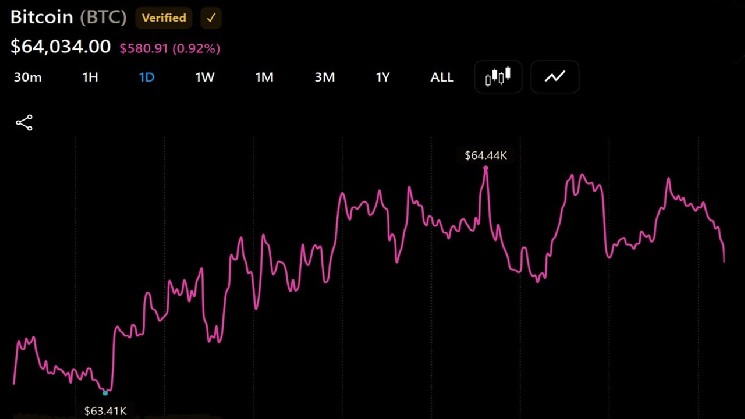
Democratic senators are planning to block a procedural vote to advance the CLARITY Act, a major digital asset bill, due to stalled negotiations on a bipartisan ethics agreement. The Democrats had made this ethics deal a condition for their support. They submitted the agreement text to the White House but have received no response, leading them to withhold the votes needed to proceed. The ethics dispute centers on proposed restrictions for federal officials profiting from digital assets while in office, a measure seen as targeting former President Trump's family crypto ventures. Democrats have rejected the current bill's provisions as insufficient. With time running out before a Friday recess, Senate Majority Leader John Thune insists on holding the vote. However, rules require a one-day delay after filing a cloture motion, making passage this week unlikely without immediate Democratic support. Republicans hold 53 seats and need about seven Democratic votes to reach the 60-vote threshold, which they currently lack. Industry supporters have flooded Congress with over 1 million calls backing the bill. Crypto markets are already reacting; prediction market odds for the CLARITY Act being signed in 2026 have fallen to 23%, and Bitcoin has remained stagnant around $64,000. If the vote fails or is delayed, the bill will be pushed back to at least September, reigniting the ethics fight ahead of the midterm elections.

cryptonews.ruHace 7 min(s)

Democrats Take Steps to Block the CLARITY Act Due to Protracted Ethics Negotiations

cryptonews.ruHace 7 min(s)

Bitcoin Price Fluctuates Around $64,000 as Coldcard Losses Exceed $116 Million

Bitcoin's price is holding around $64,000 despite significant negative pressure. Losses from a vulnerability in Coldcard hardware wallets have surpassed $116 million, with thefts continuing in waves. Michael Saylor's MicroStrategy sold another 1,638 BTC (its third sale this year), and wallets linked to the firm moved a further 1,030 BTC, raising fears of a fourth sale. In Washington, the "Clarity Act" bill faces likely failure after Democratic senators blocked negotiations. The Coldcard flaw, stemming from a March 2021 firmware bug, caused some devices to generate seeds with only ~40 bits of entropy instead of 128, exposing long-term holders to brute-force attacks. Developer James O'Beirn launched a public dashboard tracking the ongoing thefts in real-time; a test wallet with no added entropy was drained within an hour. Coinkite has halted shipments and urged affected users to move funds immediately, as firmware updates alone cannot eliminate the risk. For bulls, a potential floor is seen around Bitcoin's production cost, currently estimated at $54,000 (with an energy cost component of ~$40k). Historically, prices have bottomed below this cost in previous cycles. Meanwhile, exchange inflows have spiked as worried Coldcard users transfer coins, and with MicroStrategy still holding $5 billion in approved sales, alongside the potential collapse of the Clarity Act, further downward pressure looms.

cryptonews.ruHace 8 min(s)

Bitcoin Price Fluctuates Around $64,000 as Coldcard Losses Exceed $116 Million

cryptonews.ruHace 8 min(s)

Trading

Spot

Artículos destacados

Qué es ₿O₿

Bitcoin Bob ($₿o₿): Pionero en DeFi Centrado en Bitcoin a Través de la Innovación Híbrida de Capa 2 En una era donde la economía digital está evolucionando rápidamente, Bitcoin Bob ($₿o₿) surge como un proyecto revolucionario que busca mejorar la utilidad de Bitcoin en el sector de las finanzas descentralizadas (DeFi). Lanzado oficialmente en mayo de 2024, Bitcoin Bob, también conocido como Build on Bitcoin (BOB), representa una solución híbrida de blockchain de Capa 2 que combina la reconocida seguridad e inmutabilidad de Bitcoin con la programabilidad de Ethereum. Esta iniciativa busca llenar un vacío crucial en el ecosistema de Bitcoin al facilitar la integración de contratos inteligentes y aplicaciones descentralizadas, manteniendo al mismo tiempo los principios fundamentales de confianza y seguridad inherentes a Bitcoin. Con un respaldo significativo de destacados capitalistas de riesgo, Bitcoin Bob está posicionado para redefinir el papel de Bitcoin en el paisaje DeFi, convirtiéndolo en una piedra angular de las operaciones financieras descentralizadas a nivel global. ¿Qué es Bitcoin Bob, $₿o₿? En su esencia, Bitcoin Bob es una solución de blockchain híbrida diseñada para mejorar la funcionalidad de Bitcoin. El objetivo principal del proyecto es habilitar las finanzas descentralizadas en Bitcoin, facilitando transacciones rápidas y sin problemas mientras se asegura altos niveles de seguridad. Bitcoin Bob emplea tecnología avanzada, específicamente una arquitectura híbrida de capa 2 que combina los atributos de seguridad de Bitcoin con la programabilidad y flexibilidad de la Máquina Virtual de Ethereum (EVM). Este enfoque pragmático permite que el proyecto opere de manera efectiva sin comprometer los valores fundamentales de Bitcoin, convirtiéndolo en un paso monumental para cerrar la brecha entre los tenedores tradicionales de Bitcoin y el emergente ecosistema DeFi. Una de las características destacadas de Bitcoin Bob es su papel en proporcionar un entorno minimizado en confianza a través de mecanismos innovadores, como los rollups optimistas que inicialmente dependen de Ethereum, y que eventualmente transicionan a una integración completa con Bitcoin. Este sistema híbrido está diseñado para asegurar que la vasta liquidez presente en Bitcoin no solo se preserve, sino que también se utilice de manera efectiva en varios protocolos DeFi. ¿Quién es el Creador de Bitcoin Bob, $₿o₿? La fuerza creativa detrás de Bitcoin Bob es el cofundador y CEO Alexei Zamyatin, quien aporta una gran experiencia y conocimiento de su extensa trayectoria en el espacio de las criptomonedas. Zamyatin tiene un doctorado en Ciencias de la Computación y ha estado involucrado activamente en el desarrollo de Bitcoin desde 2015. Su profundo entendimiento de los ecosistemas de Bitcoin y Ethereum juega un papel crucial en la formación de la visión y los fundamentos tecnológicos de Bitcoin Bob. Junto a Zamyatin está el cofundador Dominik Harz, quien se desempeña como Director de Tecnología (CTO). Juntos, el dúo ha cultivado un equipo de individuos talentosos con una pasión compartida por empujar los límites de la tecnología blockchain, asegurando el estatus innovador de Bitcoin Bob en el mercado. ¿Quiénes son los Inversores de Bitcoin Bob, $₿o₿? Bitcoin Bob ha logrado obtener apoyo de una variedad de inversores prominentes y firmas de capital de riesgo que reconocen su potencial para transformar el paisaje de Bitcoin. En marzo de 2024, el proyecto completó una robusta ronda de financiamiento inicial de $10 millones, liderada por Castle Island Ventures, con la notable participación de firmas como Coinbase Ventures y Bankless Ventures. Poco después, en julio de 2024, Bitcoin Bob aseguró un adicional de $1.6 millones en financiamiento estratégico. Esta ronda fue co-liderada por Ledger Ventures y contó con ángeles de varias firmas prominentes como BlackRock, Aave y Curve. El fuerte respaldo financiero refleja un reconocimiento en toda la industria del enfoque innovador de Bitcoin Bob para desbloquear el potencial de Bitcoin en el espacio DeFi. Este financiamiento es crucial no solo para el desarrollo continuo del proyecto, sino también para establecer un incubador que fomente aplicaciones descentralizadas (dApps) nativas de Bitcoin, dirigidas específicamente a satisfacer las necesidades de una base de usuarios en crecimiento. ¿Cómo Funciona Bitcoin Bob, $₿o₿? La mecánica operativa de Bitcoin Bob se basa en su arquitectura de rollup híbrido, que está diseñada para combinar los beneficios de la seguridad de Bitcoin con la versatilidad de la EVM de Ethereum. El proyecto emplea un modelo de seguridad por fases que describe su interacción con usuarios y desarrolladores de la siguiente manera: Fase 1 – La fase inicial opera como un rollup optimista en Ethereum, donde las transacciones se procesan con una expectativa prometedora de validez, allanando el camino para futuros desarrollos en Bitcoin. Fase 2 – A medida que el proyecto transiciona, integrará la finalización de Bitcoin a través de Staking de Bitcoin, aprovechando la Red Babylon para mejorar la seguridad. Este mecanismo requiere que los validadores bloqueen Bitcoin, verificando así las transacciones de BOB, lo que no solo mejora la seguridad, sino que también crea perspectivas de rendimiento para los participantes. Fase 3 – La visión a futuro para Bitcoin Bob es integrarse completamente con Bitcoin, utilizando tecnologías innovadoras como BitVM y pruebas de conocimiento cero para facilitar la computación fuera de la cadena mientras se mantiene la integridad de seguridad de Bitcoin. Innovaciones clave como BitVM2, un protocolo de puente minimizado en confianza co-autorado por Zamyatin, son críticas para la funcionalidad del proyecto, permitiendo depósitos y retiros de Bitcoin sin necesidad de una extensa dependencia de la red. Esto permite que el ecosistema se conecte de manera eficiente con Ethereum y otras cadenas compatibles, creando un modelo de interacción fluido y efectivo para usuarios y desarrolladores. Cronología de Bitcoin Bob, $₿o₿ Entender la evolución de Bitcoin Bob implica rastrear sus hitos importantes: 2019: Alexei Zamyatin y Dominik Harz establecen una firma de investigación enfocada en soluciones blockchain, sentando las bases para futuros proyectos. Marzo 2024: Bitcoin Bob recauda exitosamente $10 millones en una ronda de financiamiento inicial, marcando su entrada en el competitivo paisaje de blockchain. 1 de mayo de 2024: Ocurre el lanzamiento oficial de la mainnet, mostrando las capacidades del proyecto con una adopción significativa de usuarios y valor total bloqueado (TVL). Julio 2024: El proyecto atrae un adicional de $1.6 millones en financiamiento estratégico para establecer su incubadora, destinada a fomentar innovaciones impulsadas por Bitcoin. Octubre 2024: Bitcoin Bob publica un “Documento de Visión”, detallando su diseño de capa 2 híbrida y estrategias a futuro. 2025: Se espera el lanzamiento de las características de la Fase 2, enfocándose en la finalización de Bitcoin y puentes BitVM destinados a mejorar la funcionalidad general. Conclusión: Redefiniendo el Papel de Bitcoin en las Finanzas Descentralizadas Bitcoin Bob ($₿o₿) no es solo otro proyecto de blockchain; representa un cambio de paradigma en la forma en que Bitcoin puede interactuar con aplicaciones financieras más amplias. Al combinar meticulosamente la seguridad de Bitcoin con la flexibilidad de Ethereum, Bitcoin Bob busca remodelar el paisaje DeFi, cerrando la brecha entre la moneda digital y las aplicaciones descentralizadas. Con un robusto marco tecnológico, un liderazgo fuerte y financiamiento estratégico, Bitcoin Bob está bien posicionado para establecerse como un jugador fundamental en el ecosistema de criptomonedas, desbloqueando nuevas dimensiones de liquidez y utilidad para Bitcoin. A medida que el proyecto continúa evolucionando y expandiéndose, promete inaugurar una nueva era de innovación, demostrando que el potencial de Bitcoin se extiende mucho más allá de ser un mero almacén de valor, sino más bien como una piedra angular del futuro paisaje financiero. A medida que el proyecto avanza a través de sus fases anticipadas, todas las miradas estarán puestas en Bitcoin Bob, particularmente en lo que respecta a su compromiso de incorporar principios descentralizados y asegurar que los usuarios puedan disfrutar de todos los beneficios de DeFi anclados en Bitcoin.

79 Vistas totalesPublicado en 2025.06.30Actualizado en 2025.06.30

Qué es ₿O₿

Cómo comprar O

¡Bienvenido a HTX.com! Hemos hecho que comprar O1 exchange (O) sea simple y conveniente. Sigue nuestra guía paso a paso para iniciar tu viaje de criptos.Paso 1: crea tu cuenta HTXUtiliza tu correo electrónico o número de teléfono para registrarte y obtener una cuenta gratuita en HTX. Experimenta un proceso de registro sin complicaciones y desbloquea todas las funciones.Obtener mi cuentaPaso 2: ve a Comprar cripto y elige tu método de pagoTarjeta de crédito/débito: usa tu Visa o Mastercard para comprar O1 exchange (O) al instante.Saldo: utiliza fondos del saldo de tu cuenta HTX para tradear sin problemas.Terceros: hemos agregado métodos de pago populares como Google Pay y Apple Pay para mejorar la comodidad.P2P: tradear directamente con otros usuarios en HTX.Over-the-Counter (OTC): ofrecemos servicios personalizados y tipos de cambio competitivos para los traders.Paso 3: guarda tu O1 exchange (O)Después de comprar tu O1 exchange (O), guárdalo en tu cuenta HTX. Alternativamente, puedes enviarlo a otro lugar mediante transferencia blockchain o utilizarlo para tradear otras criptomonedas.Paso 4: tradear O1 exchange (O)Tradear fácilmente con O1 exchange (O) en HTX's mercado spot. Simplemente accede a tu cuenta, selecciona tu par de trading, ejecuta tus trades y monitorea en tiempo real. Ofrecemos una experiencia fácil de usar tanto para principiantes como para traders experimentados.

541 Vistas totalesPublicado en 2026.06.19Actualizado en 2026.06.29

Cómo comprar O

Discusiones

Bienvenido a la comunidad de HTX. Aquí puedes mantenerte informado sobre los últimos desarrollos de la plataforma y acceder a análisis profesionales del mercado. A continuación se presentan las opiniones de los usuarios sobre el precio de O (O).

活动图片