Author: Vaidik Mandloi
Compiled: Block unicorn
Preface
Today, most people buy Bitcoin and then do nothing with it.
They hold Bitcoin, call it digital gold, and proudly declare that they are "in it for the long term." And that's perfectly fine; Bitcoin has certainly earned that reputation.
But such massive holdings have created one of the largest pools of idle capital in the current crypto ecosystem. Approximately 61% of Bitcoin hasn't moved in over a year, and nearly 14% hasn't moved in over a decade. Despite a market capitalization exceeding $2 trillion, only 0.8% of Bitcoin is currently participating in any form of decentralized finance (DeFi) activity.
In other words, Bitcoin is the most valuable asset in cryptocurrency, but also the least utilized.
Now, let's compare this to other aspects of the cryptocurrency space:
-
Stablecoins settle payments on a massive scale globally.
-
Ethereum powers smart contracts, decentralized autonomous organizations (DAOs), wallets, and entire economies.
-
Layer 2 networks (L2s) run complete ecosystems encompassing lending, trading, gaming, and thousands of applications.
Meanwhile, Bitcoin, the largest, most secure, and most widely held asset, cannot do any of these things.
In contrast, it sits on trillions of dollars in value, lying idle, generating no yield, creating no liquidity, and contributing nothing to the overall economy beyond security and price appreciation.
When people have tried to solve this problem, the solutions introduced new issues. Wrapped BTC (WBTC) was popular for a time but required trusting a custodian. Cross-chain bridges allow you to another chain but introduce security risks. Bitcoin holders want to use their Bitcoin, but the infrastructure has never provided a secure, native way to do so.
But this is finally changing. Over the past few years, a whole new ecosystem is forming around Bitcoin, attempting to unlock all this "dormant capital" without forcing people to wrap their Bitcoin, trust intermediaries, or move it into someone else's custody.
How Bitcoin Got Here
Bitcoin becoming a passive asset was no accident. Its entire architecture steered it in this direction. Long before DeFi existed, Bitcoin made a clear trade-off: prioritize security above all else. This decision shaped its culture, developer environment, and ultimately, the type of economic activity that flourished around it.
The result is an extremely immutable blockchain, great for moving value but severely limiting for innovation. Most people only see the surface symptoms: low liquidity, high dormancy rates, and the dominance of wrapped Bitcoin, but the root cause goes much deeper.
The first limitation is Bitcoin's scripting model. It deliberately avoids complexity, keeping the base layer predictable and hard to exploit. This means no general computation, no native financial logic, no on-chain automation. Ethereum, Solana, and all modern L1s were built on the assumption that developers *would* build. Bitcoin was built on the assumption that developers *shouldn't*.
The second limitation is Bitcoin's upgrade path. Any change, even a minor feature, requires coordination across the entire ecosystem. Hard forks are socially nearly impossible, and soft forks take years. So, while other cryptocurrencies iterated through entire design paradigms (e.g., AMMs, account abstraction, L2s, modular blockchains), Bitcoin remained largely stagnant. It became a settlement layer but never truly an execution layer.
The third limitation is cultural. Bitcoin's developer ecosystem is inherently conservative. This conservatism protects the network but also stifles experimentation. Any proposal that introduces complexity is met with skepticism. This mindset protects the base layer but ensures new financial primitives don't emerge on Bitcoin like they do elsewhere.
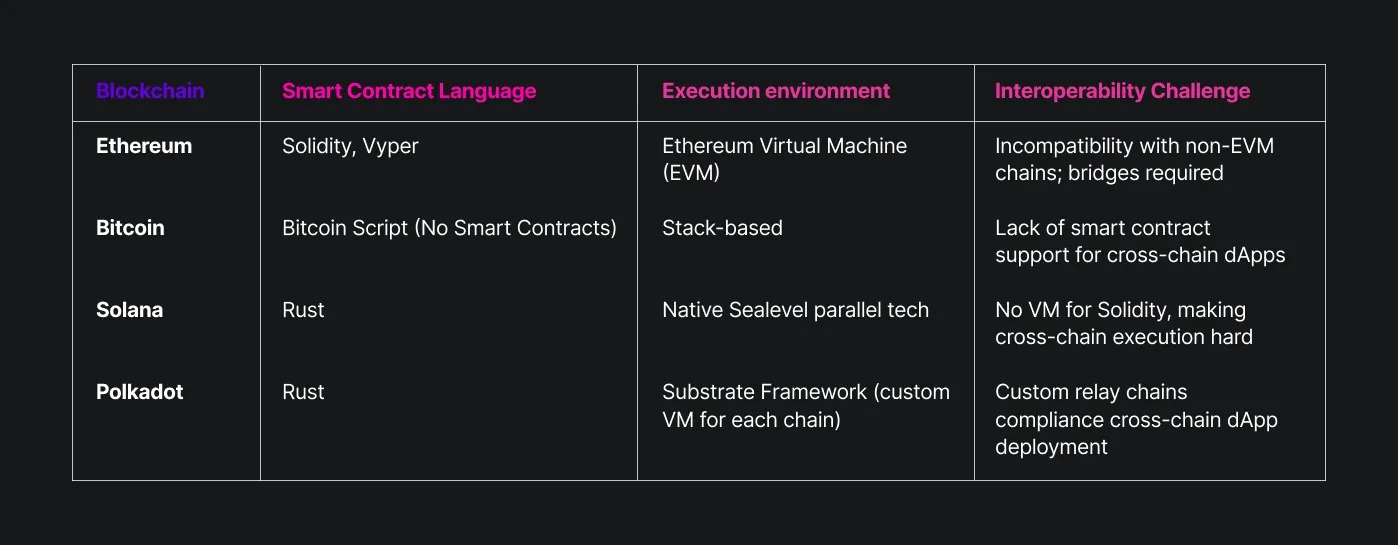
Furthermore, there's a structural limitation: Bitcoin's value grew faster than its utility infrastructure. Ethereum had smart contracts from the start; Solana had high throughput from the start. Bitcoin's value ballooned into an asset class *before* its "usable surface area" could expand. Consequently, the entire ecosystem ended up with a paradox: you have trillions in capital with almost nowhere to deploy it.
The final limitation is interoperability. Bitcoin is uniquely isolated; it doesn't interoperate with other blockchains and has no native bridges. Until recently, there was no way to connect Bitcoin to external execution environments with minimal trust. Thus, any attempt to make Bitcoin usable required completely abandoning Bitcoin's security model—wrapping, bridging, custodial minting, multisigs, federations. For an asset built on distrust of intermediaries, this could never scale.
The First Workarounds: Wrappers, Sidechains, and Bridges
When it became clear that the Bitcoin base layer couldn't support meaningful activity, the industry did what it always does: it developed workarounds. Initially, these seemed like progress, enabling Bitcoin to enter realms where DeFi activity thrived. But upon closer inspection, they all shared a common flaw: using them required surrendering part of Bitcoin's trust model.
The most prominent example is Wrapped Bitcoin (WBTC). It became the default bridge between Bitcoin and Ethereum, and for a while, this model seemed to work. It unlocked liquidity, allowing Bitcoin to be used as collateral, traded in AMMs, lent out, looped, restaked—essentially everything Bitcoin itself couldn't do. But the cost was that WBTC existed only if the real Bitcoin was held by someone else. This meant custody, reliance on external entities, operational risk, and a guarantee system divorced from Bitcoin's base security.
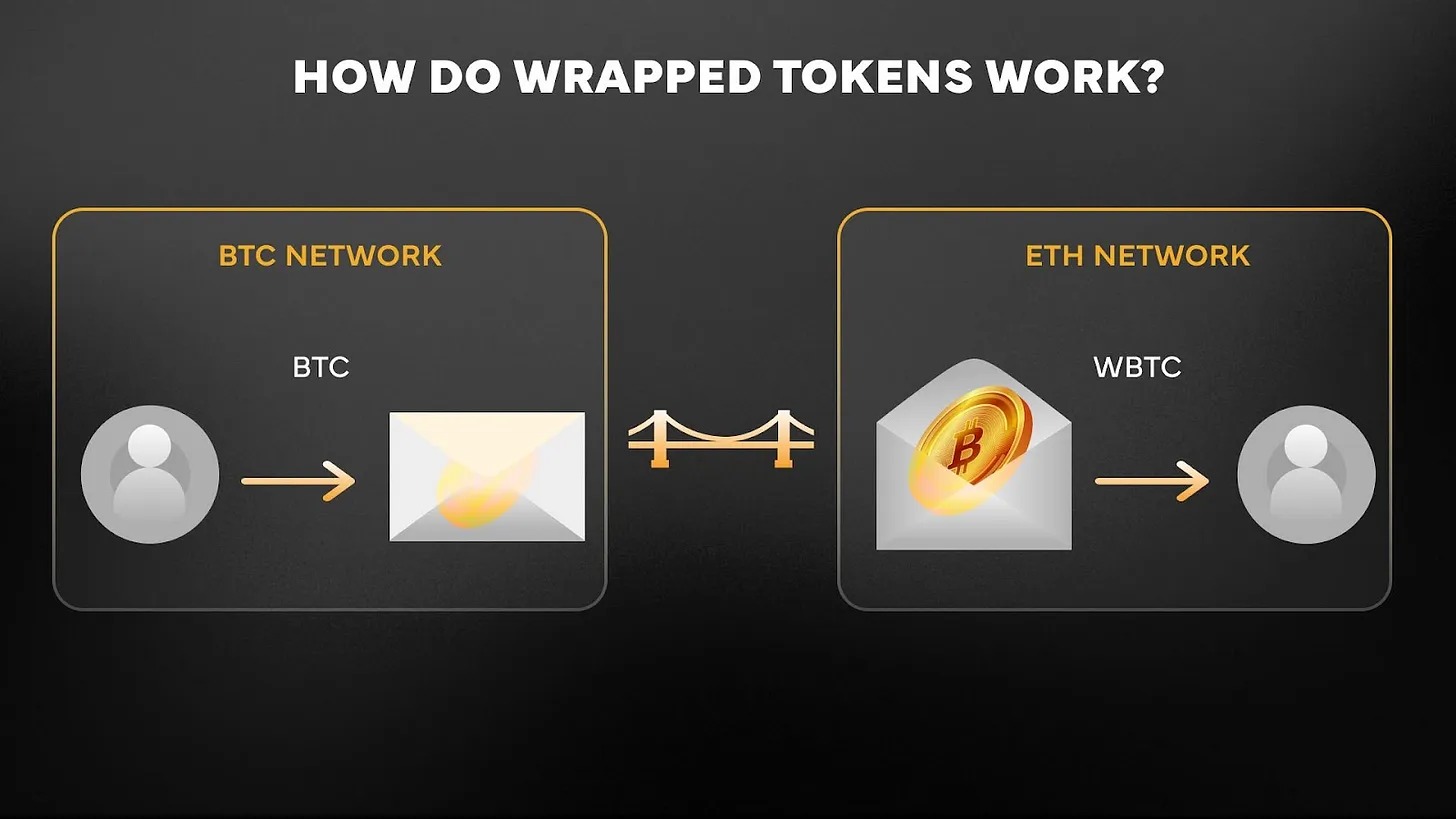
Federated systems attempted to mitigate this trust burden by dispersing control among multiple entities. Instead of a single custodian, a group collectively holds the Bitcoin backing the wrapped asset. This was an improvement but far from trustless. Users still relied on a coordinated set of operators, and the strength of the peg was only as good as their incentives and honesty. For a community that prefers trust-minimized systems, this wasn't ideal.
Bridge technology introduced a new set of problems. Instead of relying on custody, users relied on an external set of validators whose security was often weaker than the chain they were leaving. Bridge tech enabled moving Bitcoin across chains but also became one of the largest security holes in crypto. Multiple analyses point to bridge exploits as one of the biggest sources of fund loss in the space.
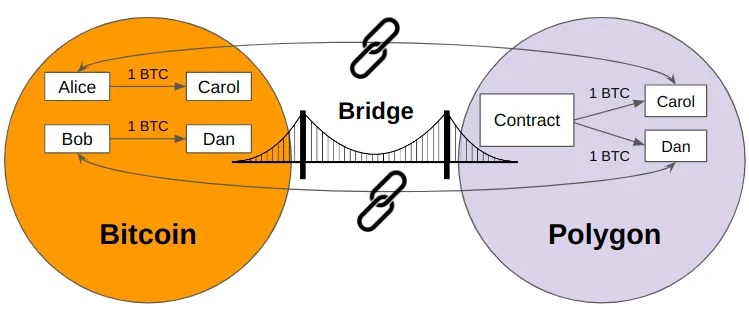
Sidechains added further complexity. They are chains independent of Bitcoin, connected via various peg mechanisms. Some use multisig control, others use Simplified Payment Verification (SPV) proofs. But none inherit Bitcoin's security. They run their own consensus, their own validator sets, their own risk assessments. The "Bitcoin sidechain" label was often more marketing than reality. Liquidity moved, but security guarantees did not.
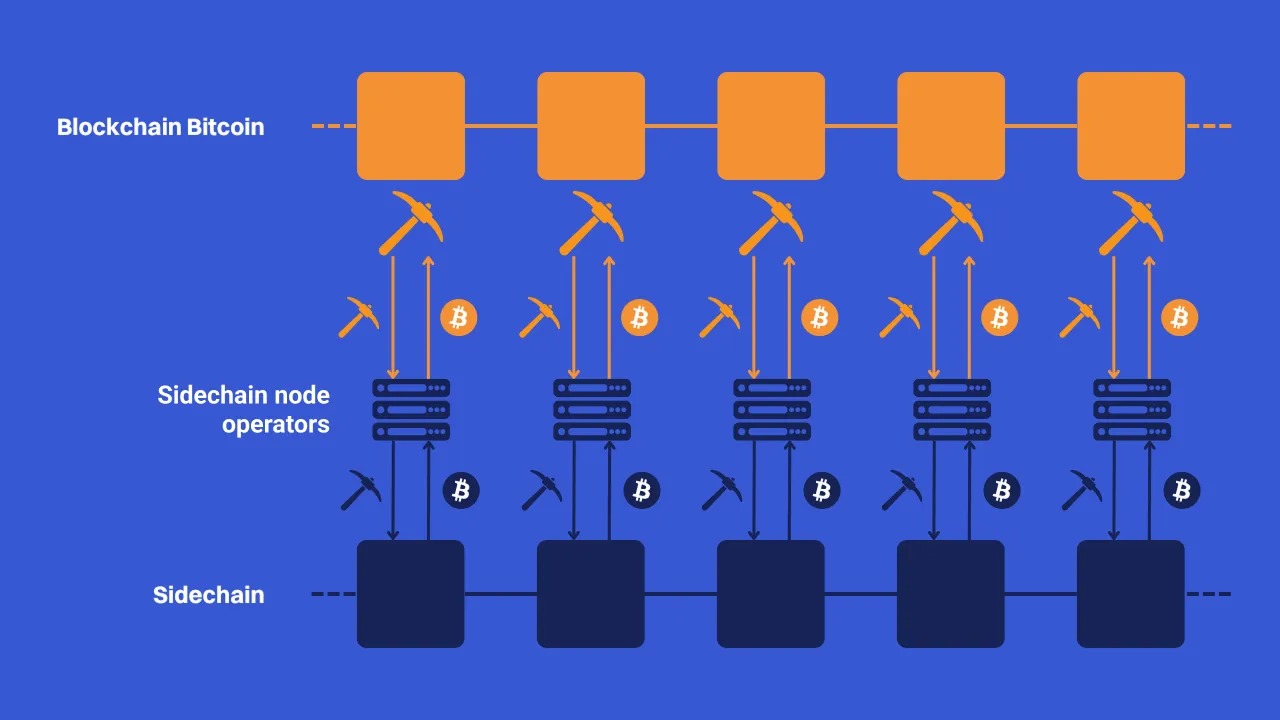
What all these approaches had in common was that they pushed Bitcoin *outside*, off its base layer, into environments where others enforced the rules. This solved the availability problem in the short term but created a larger one: Bitcoin was suddenly operating under the very trust models it was designed to avoid.
The flaws were evident:
-
Wrapped BTC (WBTC) grew large only because people tolerated custodians as a temporary fix.
-
Sidechains existed but remained niche because they failed to inherit Bitcoin's security.
-
Bridges connected Bitcoin to other chains but introduced entirely new attack vectors.
Every workaround solved one problem but created another.
The Breakthrough: Bitcoin Finally Gets New Primitives
For a long time, Bitcoin's limitations were seen as irreversible. The base layer wouldn't change, upgrades were slow, and any proposal aimed at increasing its expressiveness was dismissed as unnecessary risk.
But over the past few years, that assumption began to crack.
1. Bitcoin gained a "verify, don't execute" capability: The most important breakthrough was the emergence of a new class of verification models that allow Bitcoin to check computations done elsewhere without running them itself.
This is the breakthrough that made BitVM, and later BitVM-like systems, possible. These systems don't change Bitcoin's functionality; they leverage Bitcoin's ability to enforce outcomes via fraud proofs.
This means you can build logic, applications, even full execution environments *outside* of Bitcoin, and Bitcoin can still ensure their correctness. This is fundamentally different from Ethereum's "execute everything on L1" approach. Bitcoin can now act as a judge. This is what finally opened the door to:
-
Bitcoin-backed rollups
-
Trust-minimized bridges
-
Programmable vaults
-
Off-chain computation, on-chain verification
2. Upgrades like Taproot quietly expanded Bitcoin's scope: Taproot wasn't initially promoted as a DeFi upgrade, but it provided the cryptographic foundation BTCFi needed: cheaper multisigs, more flexible key path spending, and better privacy. More importantly, it enabled architectures like Taproot Assets (for stablecoins) and more advanced vault systems.
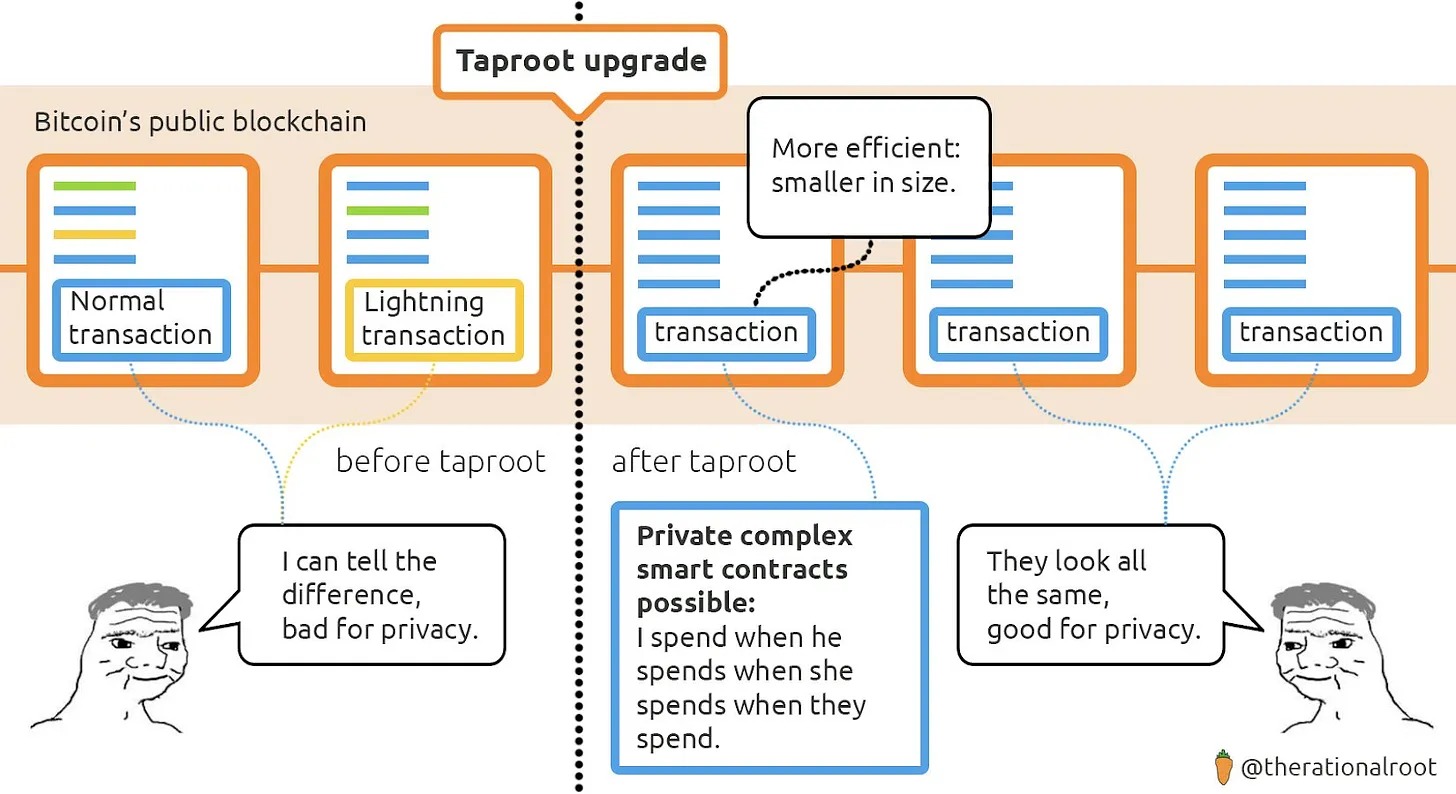
3. The emergence of Bitcoin-native assets: With Taproot and newer proof systems, projects began launching assets that are either on Bitcoin or derive security from Bitcoin, without requiring BTC to be wrapped.
Combining Taproot, Schnorr signatures, and new off-chain verification techniques, developers can now build assets *on* Bitcoin itself, or assets that directly inherit Bitcoin's security.
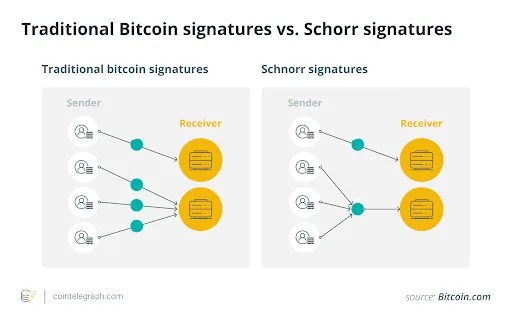
This includes:
-
Taproot Assets (Tether minting USDT directly on the Bitcoin/Lightning stack)
-
Bitcoin-native stablecoins that don't rely on Ethereum, Solana, or Cosmos
-
BTC-backed synthetic assets that don't rely on custodial pegs
-
Programmable vaults and multisig structures that were previously impossible
For the first time, assets issued on Bitcoin can be used without leaving Bitcoin. And assets backed by Bitcoin can exist without taking Bitcoin out of self-custody.
4. Bitcoin yield became possible: Bitcoin itself never had yield. Historically, the only way to "earn" yield with Bitcoin was to wrap it, send it to a custodian, lend it on a centralized platform, or bridge it to another blockchain. All of these carried risk and completely departed from its security model.
BTCFi introduces a completely new way for Bitcoin to earn yield. How? By creating systems where Bitcoin contributes to the security of networks. This leads to three types:
Bitcoin staking (for other networks): BTC can now secure PoS networks or appchains without leaving the Bitcoin chain.
Bitcoin restaking: Similar to how Ethereum can secure multiple protocols via shared security, Bitcoin can now be used as collateral to back external chains, oracles, DA layers, etc.
Lightning-based yield systems: Protocols like Stroom allow BTC used in Lightning channels to earn yield by providing liquidity, again without wrapping or relying on custodial bridges.
None of this was possible before BTCFi.
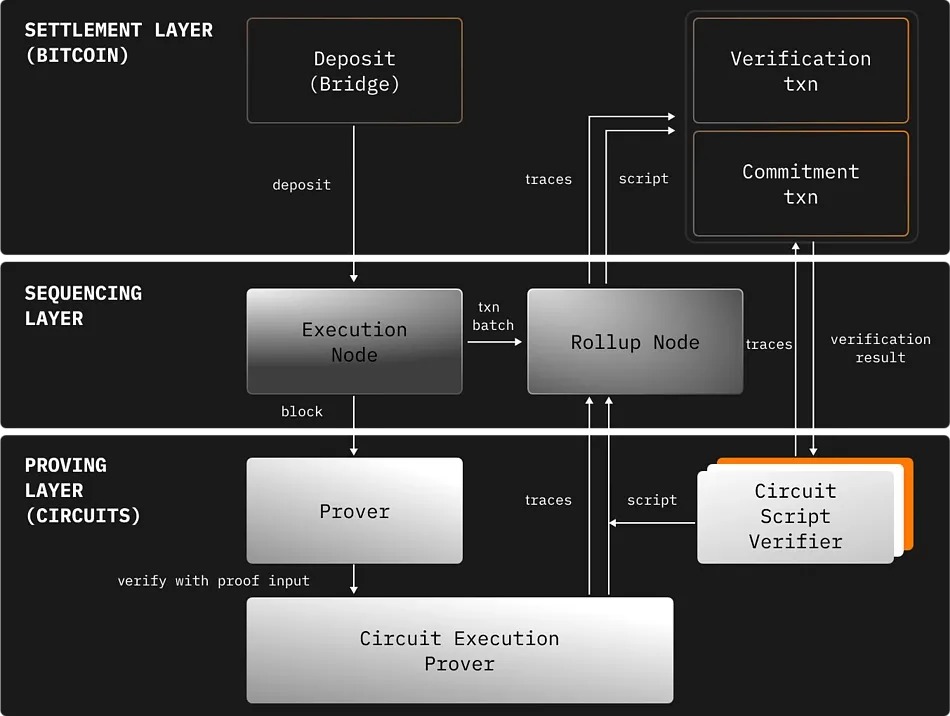
5. Bitcoin finally got an execution layer: Recent advances in off-chain verification allow Bitcoin to enforce the outcome of computations it doesn't perform itself. This lets developers build rollups, bridges, and contract systems *around* Bitcoin that rely on Bitcoin for verification, not computation. The base layer remains unchanged, but external layers can now run logic and prove their correctness to Bitcoin when needed.
This gives Bitcoin a capability it never had before: the ability to support applications, contract-like behavior, and new financial primitives without moving Bitcoin into custodial systems or rewriting the protocol. This isn't "smart contracts on Bitcoin" but a verification model that preserves Bitcoin's simplicity while allowing more complex systems to exist around it.
BTCFi Overview: What's Actually Being Built
As the underlying verification and portability tooling matured, the Bitcoin ecosystem finally began to expand in ways that no longer rely on custodians or wrapped assets. What's emerging today isn't a single product or category but a series of interconnected layers that, for the first time, give Bitcoin a functional economy. The easiest way to understand this is to see how these components complement each other.
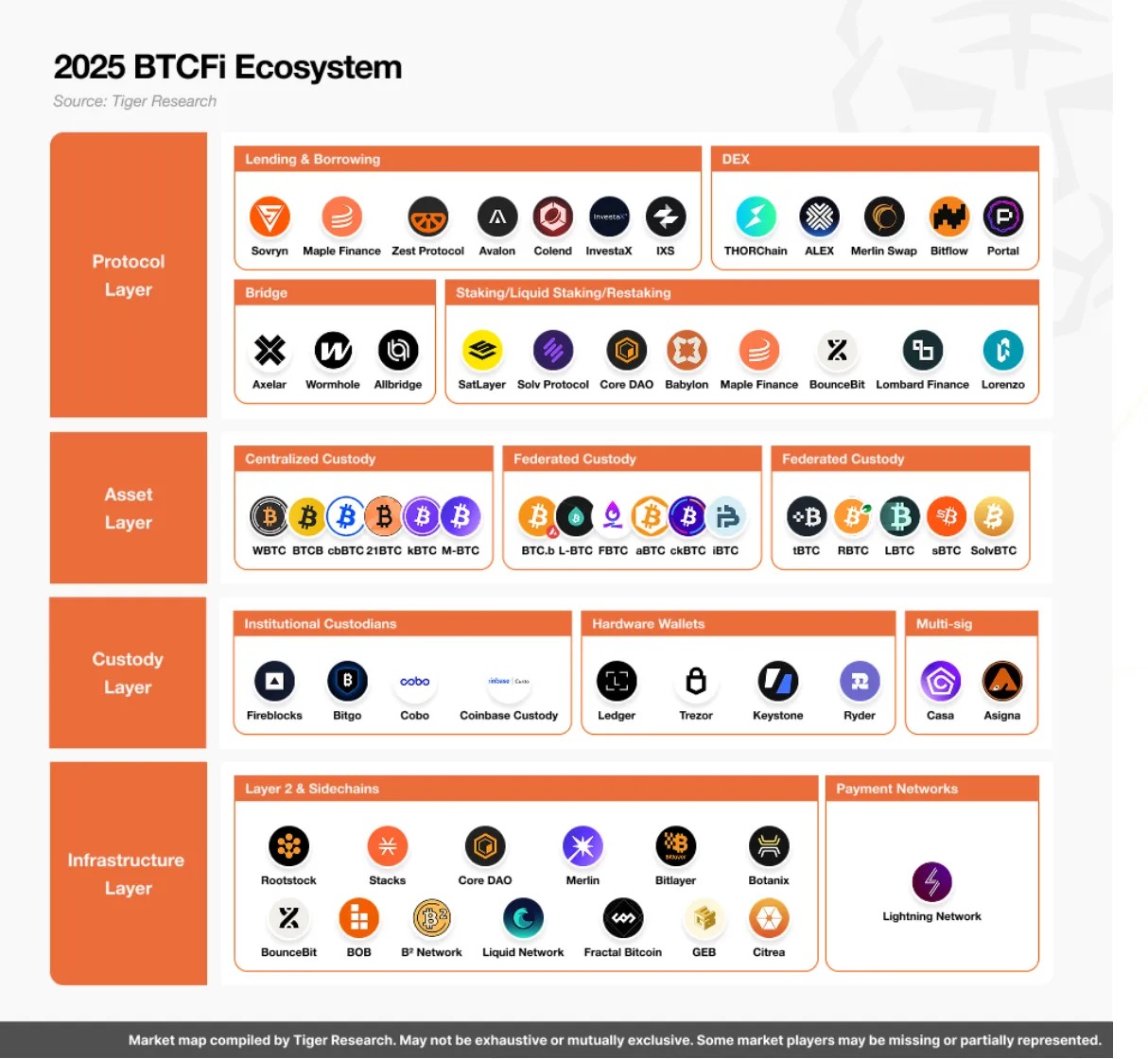
Infrastructure Layer: The first significant change is the emergence of Bitcoin-secured execution environments. These are not L1 competitors trying to turn Bitcoin into a smart contract platform. They are external systems that handle computation, relying on Bitcoin *only* for verification. This separation is crucial. It creates a space where lending, trading, collateral management, and even more complex primitives can exist without requiring any changes to Bitcoin's base layer. It also avoids the pitfalls of the old model, where using Bitcoin meant handing it to a custodian or trusting a multisig. Now, Bitcoin itself remains unchanged; the computation happens *around* it.
Assets & Custody Layer: Simultaneously, a new generation of Bitcoin bridges is forming. These are no longer the custodial, high-trust bridges of the last cycle but bridges built around verifiable outcomes. Instead of requiring users to trust a set of operators, these systems use challenge mechanisms and fraud proofs to automatically reject incorrect state transitions. The result is a safer way to move Bitcoin to external environments without relying on the fragile trust assumptions of previous designs. More importantly, this type of bridge aligns with the inherent Bitcoin holder mindset: minimal trust, minimal dependency.
Protocol Layer: As asset movement becomes safer, the next wave of innovation focuses on what Bitcoin can *do* in these environments. This is where yield markets and security markets emerge. For most of Bitcoin's history, earning any yield with Bitcoin required sending it to an exchange or wrapping it onto another blockchain. Now, staking and restaking models allow Bitcoin to contribute to the security of external networks without leaving its own custody. The yield doesn't come from credit risk or rehypothecation but from the economic value of maintaining consensus or verifying computation results.
At the same time, Bitcoin-native assets are emerging. Instead of wrapping Bitcoin or moving it to Ethereum, developers are starting to use Taproot, Schnorr signatures, and off-chain verification to issue assets *on* Bitcoin or pegged to Bitcoin's security. This includes stablecoins minted directly on Bitcoin infrastructure, synthetic assets that don't rely on custodians, and vault structures that allow for more flexible spending conditions. All of this expands Bitcoin's utility without introducing it to a different trust model.
These developments are interesting individually. Together, they mark the birth of the first coherent Bitcoin financial system. Computation can happen off-chain and be enforced on Bitcoin. Bitcoin can be moved securely without custody. It can earn yield without leaving self-custody. Assets can exist natively without relying on another ecosystem's security. Each development solves a different part of the liquidity trap that has plagued Bitcoin for over a decade.
My Take?
I think the simplest way to view BTCFi is this: Bitcoin is finally getting an ecosystem that matches its scale. For years, people tried to build a Bitcoin ecosystem with tools that were never meant to handle trillion-dollar liquidity. No serious Bitcoin holder would stake their Bitcoin on a custodial peg, an unverified bridge, or a jury-rigged sidechain—and they didn't.
This wave is different because it meets Bitcoin on its own terms. The security model remains intact, self-custody remains intact, and the surrounding systems are finally robust enough to carry meaningful capital. If even a small fraction of dormant BTC starts moving because the infrastructure is finally worthy of it, the impact will be profound.
This new wave is different because it approaches the challenge Bitcoin's way. The security model stays the same, self-custody remains whole, and the systems around Bitcoin are finally strong enough to handle significant capital flow. Even if only a small portion of dormant Bitcoin starts moving because the infrastructure has finally matured, the impact will be significant.