Author: Claude, Shenchao TechFlow
Shenchao TechFlow Insight: Bitcoin prices surged over 24% this week, breaking through $78,000, marking the best single-week performance since March 2024. The rally accelerated following a series of crypto-friendly signals from Washington and was further fueled by forced short liquidations. CoinGlass data shows that approximately $2.74 billion worth of crypto short positions were liquidated within 24 hours, the largest short squeeze event recorded by the platform since it began tracking in 2021. The SEC's token issuance exemption proposal, progress on the CLARITY Act, Trump naming Hyperliquid, and the Treasury expanding long-term bond buybacks together formed the drivers for this round.

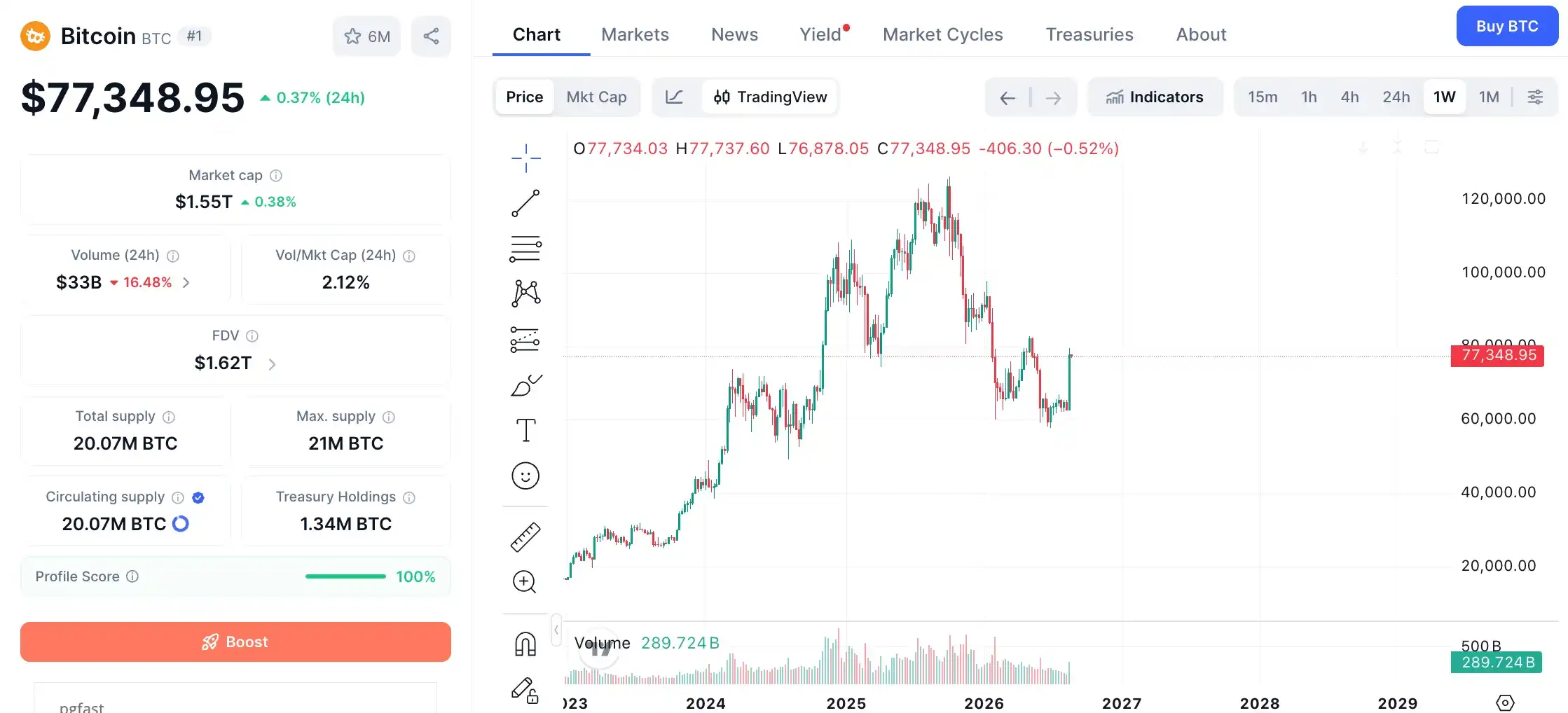
This week, Bitcoin started from around the $63,000 range, hitting a high near $79,500, and closed the weekly candle above $77,000, with a weekly gain exceeding 24%. Multiple data sources confirm this is the best-performing week since March 2024, and by some measures, one of the largest weekly gains in absolute terms in recent years.
Over 24% Weekly Gain, Best Performance in Recent Years
The rally was not an isolated technical rebound. The market had been consolidating around $60,000 for several weeks, with volatility compressed to multi-year lows, and a high density of short liquidation levels accumulated above. Once the price broke through, forced buybacks from liquidations rapidly amplified the gains.
In the same week, the U.S. Treasury Department announced it would at least double the liquidity support buyback size for 10-20 year and 20-30 year Treasury bonds, increasing from a maximum of $2 billion per operation to at least $4 billion, effective from September 9. This helped pull long-term U.S. bond yields down from near 19-year highs, improving liquidity expectations for risk assets and served as one of the macro backdrops for the rally's initiation.
$2.7 Billion Short Squeeze Sets CoinGlass Record
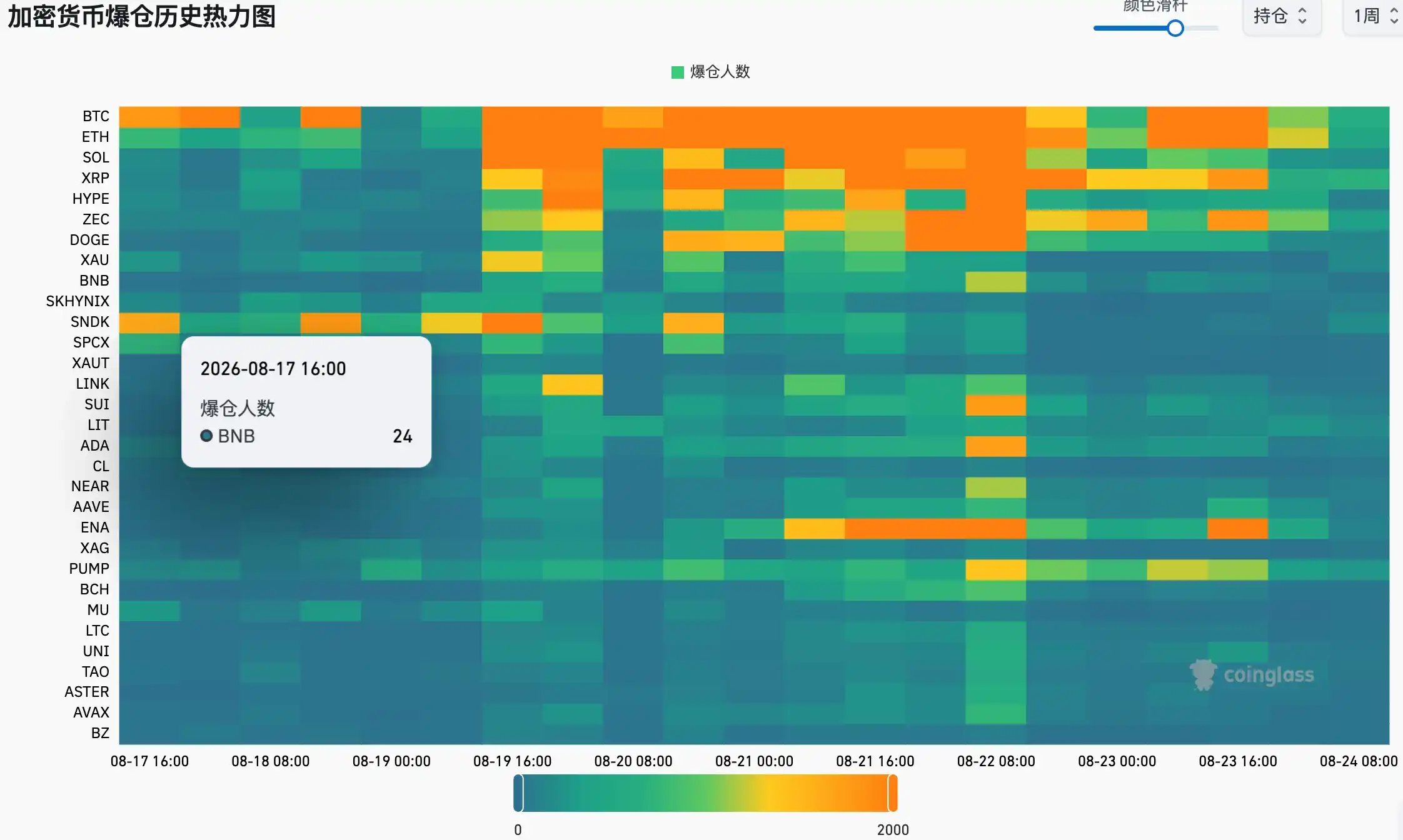
What truly accelerated the uptrend was the short squeeze. CoinGlass data shows that during the rapid price ascent, approximately $2.74 billion worth of crypto short positions were forcibly liquidated within 24 hours, marking the largest short liquidation event recorded by the platform since it began tracking in 2021. The total liquidation size approached $3 billion, with shorts accounting for about 92%, while long liquidations were only about $257 million, a ratio exceeding 10:1.
Of this, Bitcoin short liquidations were around $1.4 - $1.7 billion, and Ethereum about $1.13 billion. The largest single liquidation was a roughly $48.8 million Bitcoin short on Hyperliquid. In the initial phase of the rally, over $1 billion in Bitcoin shorts were liquidated in about an hour.
The market had broadly anticipated price declines, leading to a build-up of leveraged short positions. After the policy signals and macro liquidity expectations shifted, shorts were forced to buy back, creating a self-reinforcing upward cycle.
SEC Proposes Token Issuance Exemptions
On August 18, the U.S. Securities and Exchange Commission (SEC) proposed a new framework, "Regulation Crypto Assets," aiming to simplify the process for crypto projects to sell tokens to the public.
The proposal includes two exemptions: a startup exemption allowing fundraising of up to $5 million over four years; and a funding exemption allowing fundraising of up to $75 million annually (in two tiers), subject to principle-based disclosure and financial reporting requirements. It also establishes a conditional safe harbor, allowing certain tokens to no longer be considered investment contracts once the issuer ceases critical managerial efforts, thereby exiting the scope of securities regulation.
The public has a 60-day comment period. The market widely interpreted this as Washington lowering the threshold for crypto businesses to operate legally in the U.S.
CLARITY Act Stalls, CFTC Chair Vows to Move Forward Independently
A broader framework remains stuck in Congress. The CLARITY Act attempts to clarify which parts of crypto assets are regulated as securities and which as commodities: securities and crypto financing would be primarily overseen by the SEC, digital commodity trading would grant the CFTC broader jurisdiction, and establish a legal framework for U.S. crypto exchange operations.
The bill stalled before the Senate's August recess, with procedural votes potentially delayed until mid-September. On August 20, CFTC Chairman Michael Selig stated that if Congress continues to delay due to Democratic obstruction, the CFTC will use its existing authority to "promptly" establish rules for the crypto asset market, "We will heed President Trump's call to build a digital asset market structure that cannot be easily overturned by crypto opponents."
Trump Names Hyperliquid for "Compliant Entry into the U.S."
The day before, during a meeting with crypto executives at the White House, Trump stated that CFTC Chairman Selig is working to bring the crypto trading platform Hyperliquid, which currently blocks U.S. users, into the U.S. in a "fully compliant and legal manner." Following the news, Hyperliquid's native token HYPE saw a surge of over 20%-30%.
Combined with the SEC proposal, investors perceive that Washington is taking steps to make it easier for crypto businesses and markets to operate legally in the United States. These signals appeared precisely when the market had anticipated a downturn, directly becoming the catalyst for the short squeeze.
At the time of writing, Bitcoin continues to fluctuate at high levels. Whether the policy expectations can translate into sustained capital inflows and the rebuilding of positions post-short liquidation will be key focal points for observation going forward.