Lao G, the famous A-share stock trader and gamer in the office, is experiencing the worst summer of his life.
As a veteran "wait-and-see" player, his stock trading philosophy is to buy low and sell high, and he never buys games without discounts. This "frugal-gaming" strategy worked well for years, but this year, everything changed.
The stocks he couldn't bear to sell keep hitting new lows;
The gaming console he couldn't bear to buy is becoming increasingly unaffordable.
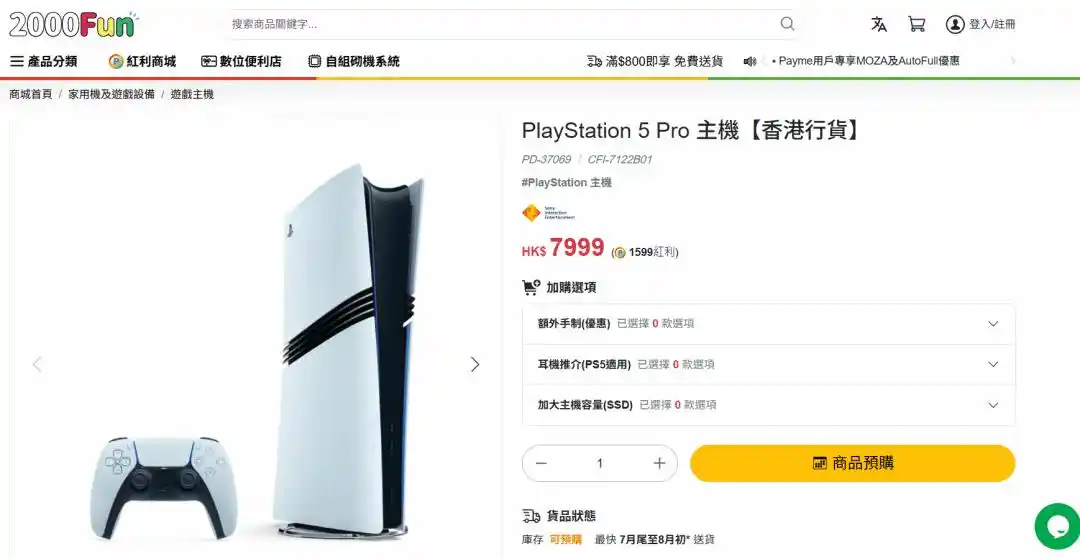
The PS5 Pro, which launched at 5600 yuan, now costs over 7000; the Switch 2 he had been eyeing for a long time has also joined the price hike brigade; and the much-anticipated Steam Machine turned out to be a complete disappointment.
Even the monthly fees for PS Plus and Xbox Game Pass have been raised repeatedly.
The world has changed.
The trajectory of the A-share market has become unpredictable, and the rule in the gaming world of "buy early to enjoy early, buy late to get discounts" seems to have vanished overnight.
The Gaming Console, the Annual Financial Product
At the end of "The Count of Monte Cristo," Alexandre Dumas wrote:
All human wisdom is summed up in these two words: Wait and Hope.
For gamers, both are now gone.
"Waiters shall never be slaves" is the ancestral teaching of the gaming circle. For the past twenty or thirty years, waiting was a guaranteed profitable endeavor.
Every generation of consoles followed roughly the same script: launch at a relatively high price, paid for by core players with deep pockets. Then, as sales grew and production ramped up, unit costs were gradually reduced, and manufacturers were happy to cut prices to capture market share.
Thus, the price curve for each console generation resembled a gentle downward slope. The PS4 saw a price cut within a year and a half of launch, and the Xbox One developed a muscle memory for price reductions.
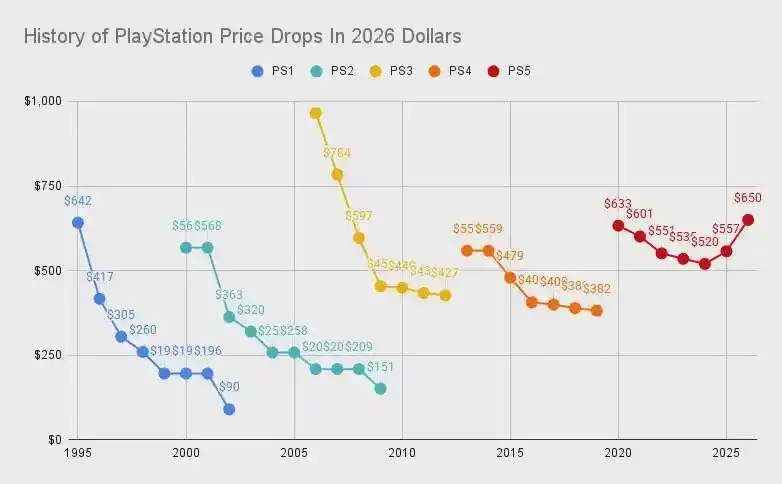
Price changes of previous PS consoles
No one understands waiting better than console players: it was the path to happiness.
But this rule is now outdated.
The PS5 Disc Edition launched at 3899 yuan and increased by 400 yuan the following year.
Many players, adhering to the ancestral teaching of "buying late for discounts," continued to wait, finally receiving their "reward" this year: in March, Sony announced another global price increase, with the Chinese digital version surging by 500 yuan. The PS5 Pro, not yet warmed up, immediately increased by 700 yuan, now "friendship priced" at 6299 yuan.
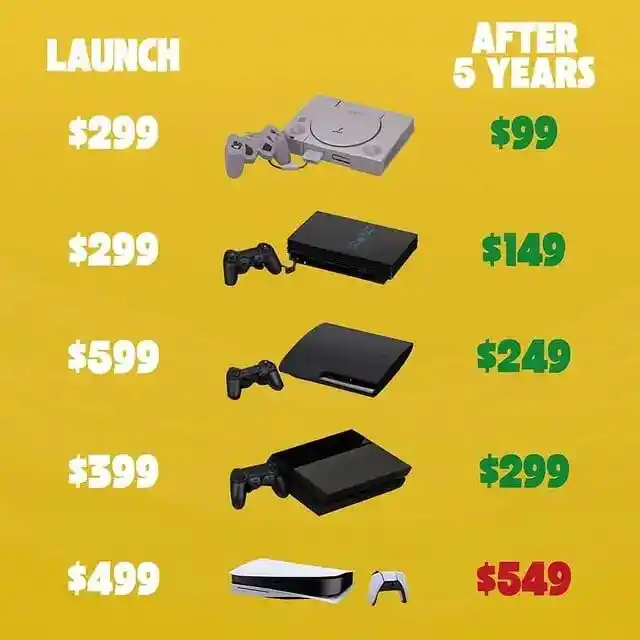
If you buy a PS5 Digital Edition today, you'll spend one-third more than the launch price (3099 yuan - 3999 yuan), while the PS5 Pro costs more than twice as much as its predecessor, the PS4 Pro.
And that's the ideal scenario, because you might not even get it in stock. Ask any reseller, and in-stock units are all 7000+.
Don't even be picky—look around, where can you find in-stock consoles nowadays? These are all "greenhouse-grown" gaming machines; you think they're expensive? I think they're expensive too.

Even Nintendo, known for being "affordable," couldn't hold out.
In May this year, less than a year after its launch, the Switch 2 announced a global price increase, with the Hong Kong version confirming a follow-up in September. It didn't even survive to the age where price cuts traditionally happen; it raised prices preemptively.
Even the nine-year-old original Switch lineup collectively increased in price. A 2017 machine became more expensive in 2026, solidifying its status as a financial product.
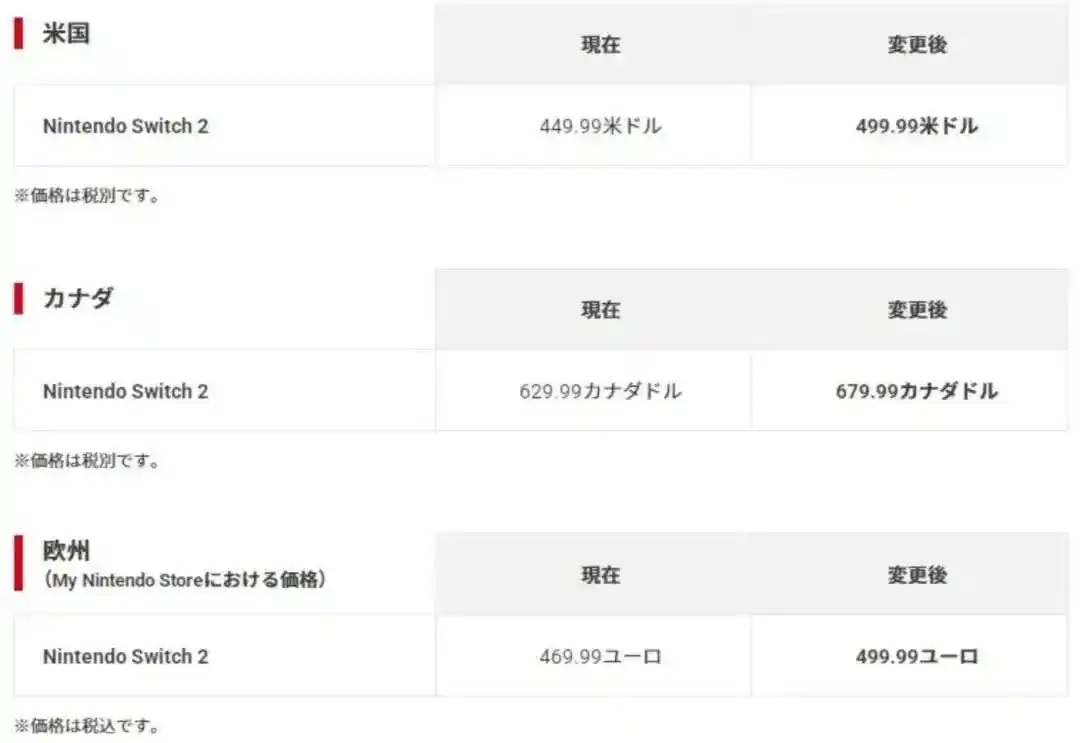
But that's not all. If you keep an eye on this industry, you'll find that all that was solid is melting into air.
It's not just consoles that are getting more expensive; the games themselves are too.
Last month, GTA6, the game everyone was waiting for, finally revealed its first suspense: the standard edition is $79.99, and the deluxe edition is $99.99 (568 HKD and 708 HKD respectively for the Hong Kong version).
The gaming industry spent over a decade, hesitantly paving the way to raise prices from $60 to $70, with players complaining for rounds before reluctantly accepting it. This time, before the $70 seat was even warm, $80 has arrived.
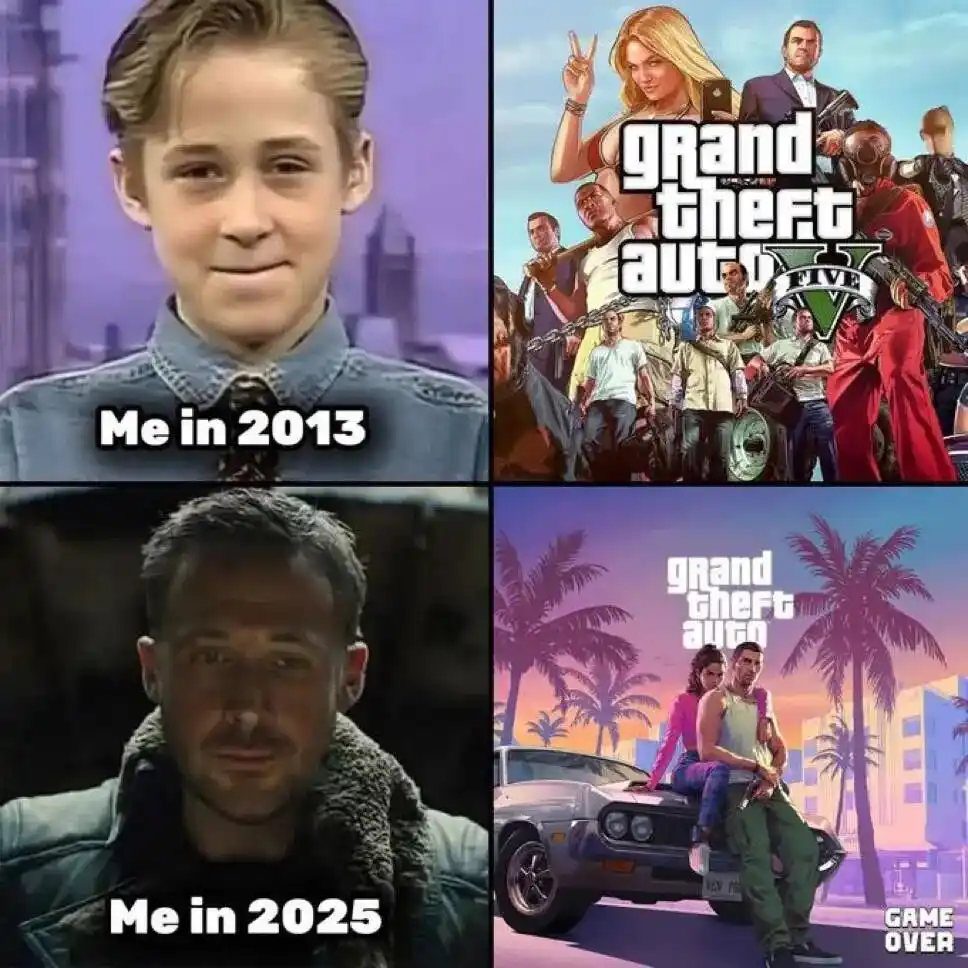
The more generous part from Rockstar is that they still offer some low-region pricing for domestic players.
But a sugar-coated date can't offset a slap in the face. Rockstar also announced that the physical launch version will ditch discs; the box will only contain a redemption code, effectively blocking the second-hand market.
In the past, physical discs were the poor gamer's Noah's Ark: buy a disc at full price on launch, finish the game, then sell it second-hand to recoup most of the cost.
For the wealthy, collecting beautifully crafted steelbook editions was also a joy.

But soon, all this will become old news.
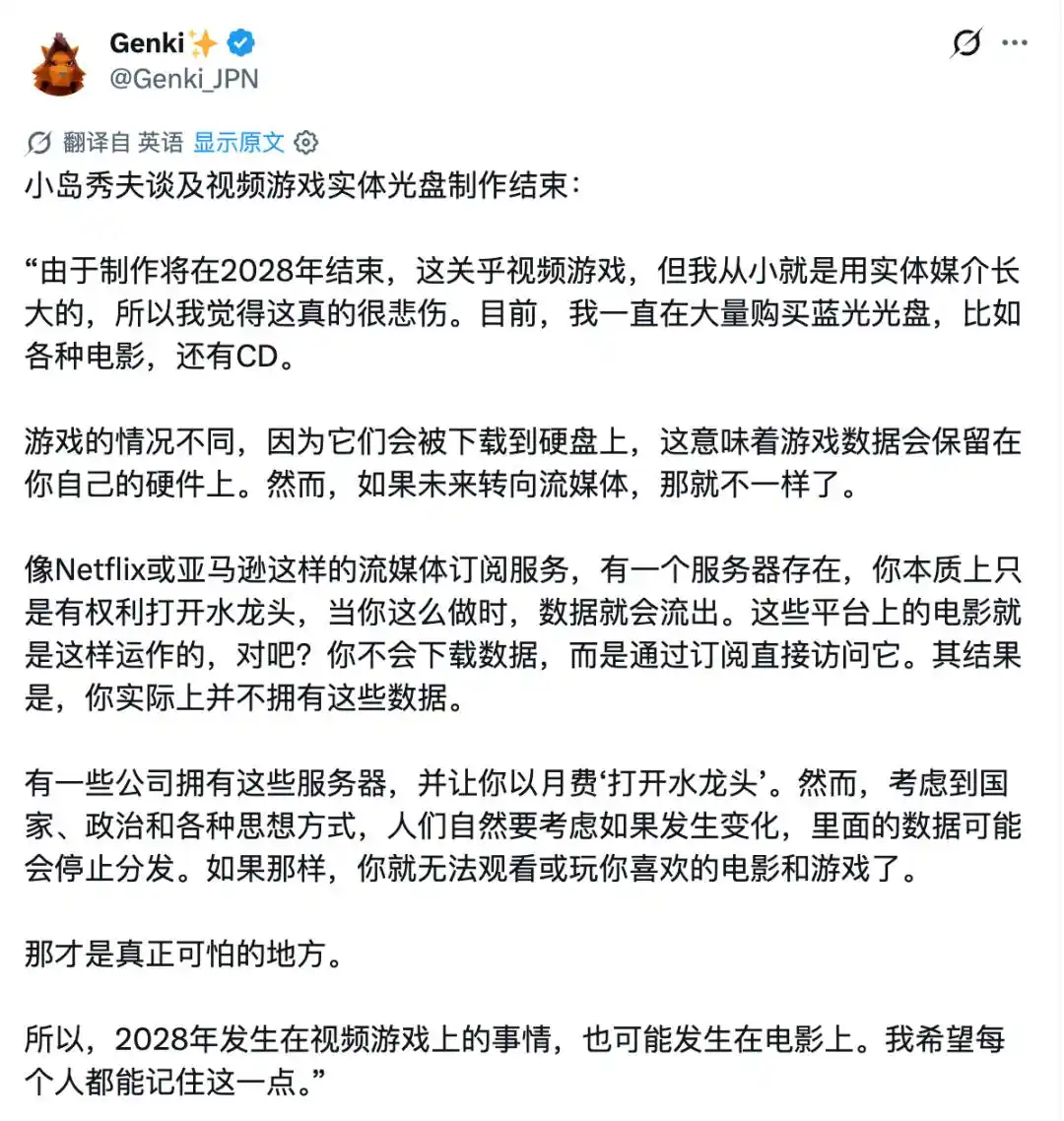
Because Sony just announced they will completely eliminate PS physical discs by 2028.
For players, you can never truly own a game anymore; you're merely renting it.
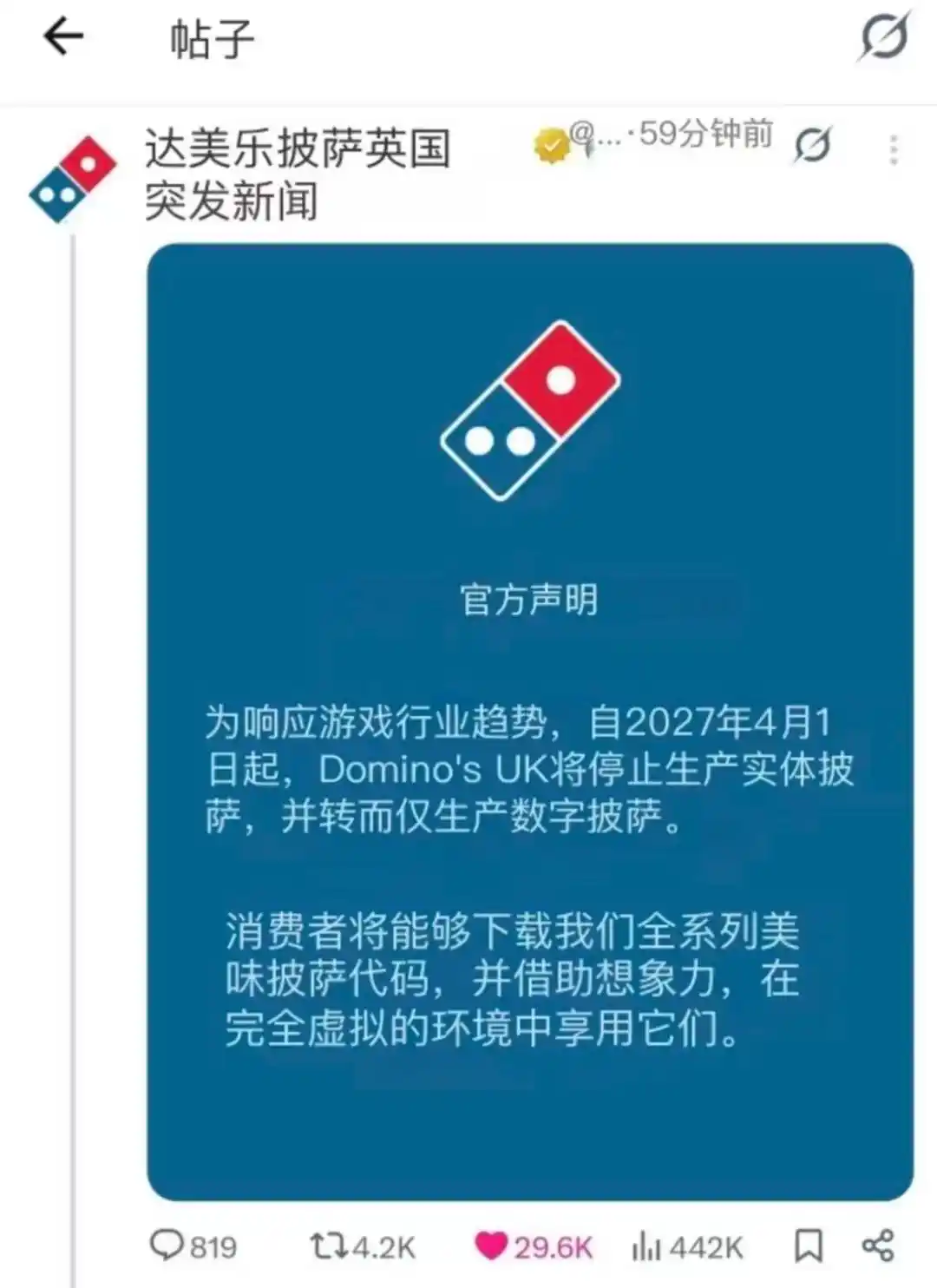
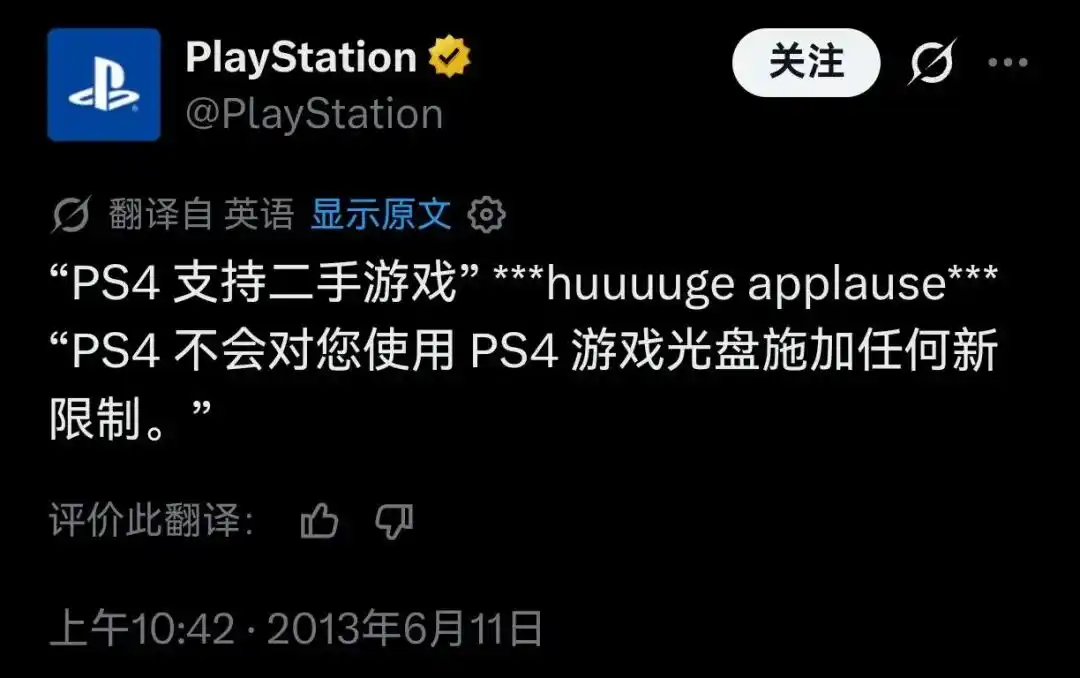
The internet has a memory. Players quickly dug up Sony's history from 13 years ago. Back then, at E3, Microsoft announced plans to restrict players from reselling used games. Sony immediately took the stage and announced:
Players, we will never do such a thing.
After this string of bad news, players pinned their last hope on Valve.
They believed this player-first company would kick those capitalists' butts. Their upcoming Steam Machine would "end the console wars."
Then, a table was indeed flipped—just not the capitalists'.
After the official reveal, players found the Steam Machine's value-for-money ratio shockingly low: 16+512GB memory, GPU performance equivalent to a GTX 3060, recommended resolution 1080p, playing "Black Myth: Wukong" at under 30 fps.
Even more shocking than the performance was the price: $1079, without a controller. With the same budget, you could assemble a PC from a forum guide that would crush it.
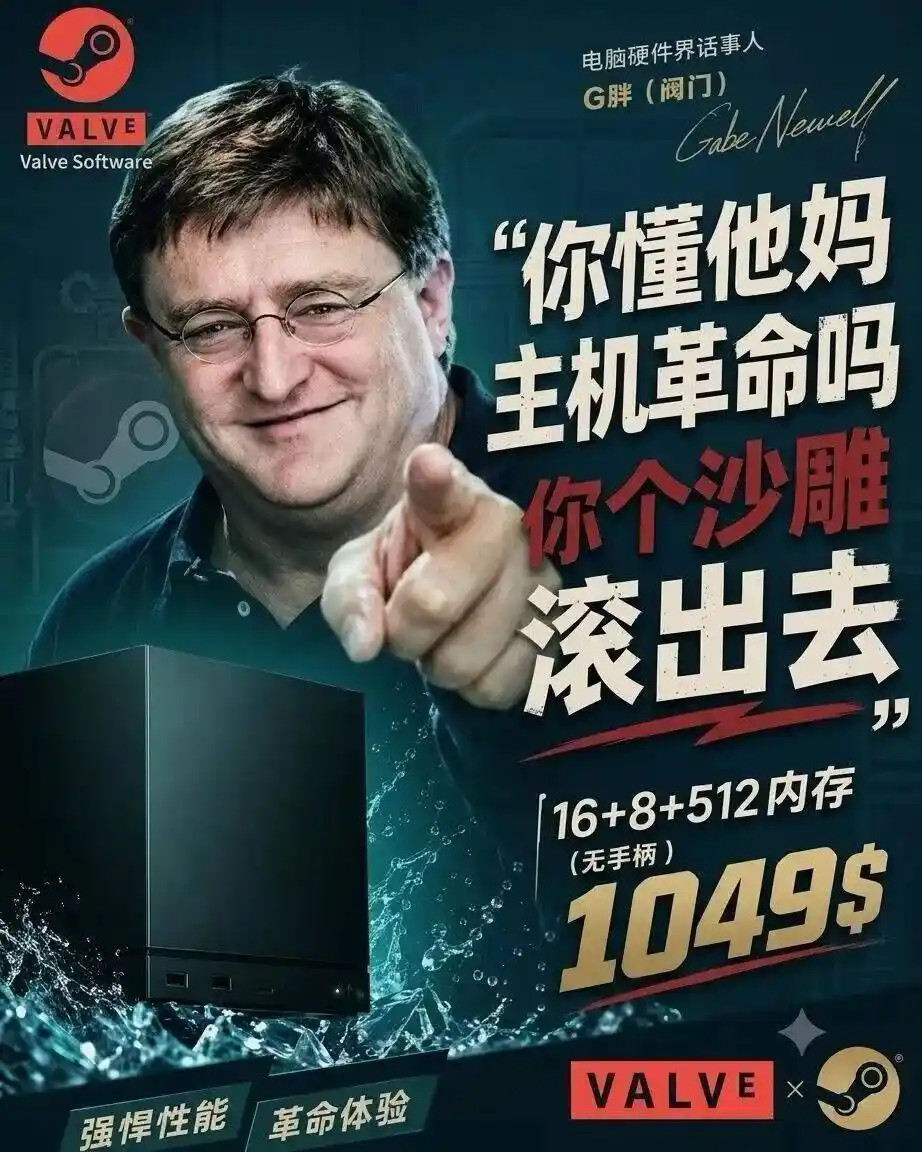
At this point, players looked around and found there was nowhere left to escape:
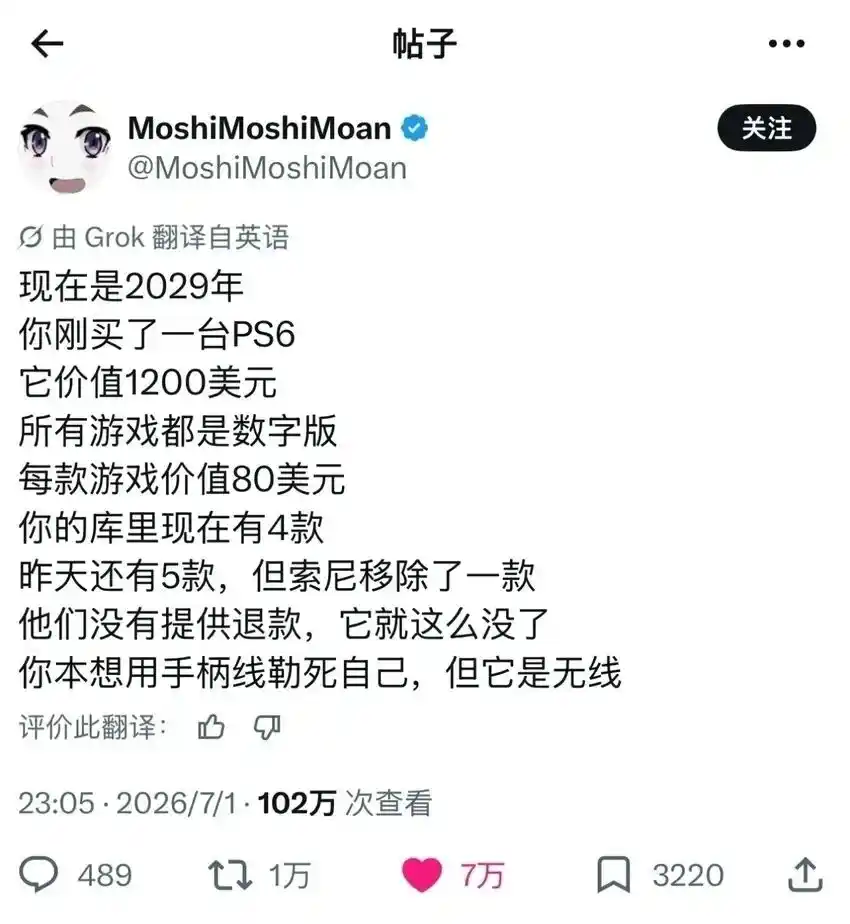
Consoles are rising, games are rising, storage is rising, even the ancestral cost-saving paths of "waiting for price drops" and "selling second-hand" have been blocked.
Thus, players have become tops, whipped by the entire gaming industry.

In the Name of AI, Welcoming the Era of Price Hikes
Faced with player skepticism, the explanations from various companies were actually quite similar.
In multiple price increase announcements, Sony attributed the reasons to "a challenging global economic environment," high inflation, exchange rate fluctuations, and rising supply chain costs;
Microsoft stated that hardware manufacturing costs continue to rise, and game consoles themselves have slim profit margins, making it difficult to maintain original prices.
It's all the same old lines.
Among all the manufacturers, Valve might be the most honest. Recently, a Valve engineer gave an interview, describing their experience procuring memory:
"They (the memory manufacturers) give us a quote every month and tell us, 'You can buy this much.' You only have two choices—buy or don't buy. If we say no, they never reply again."
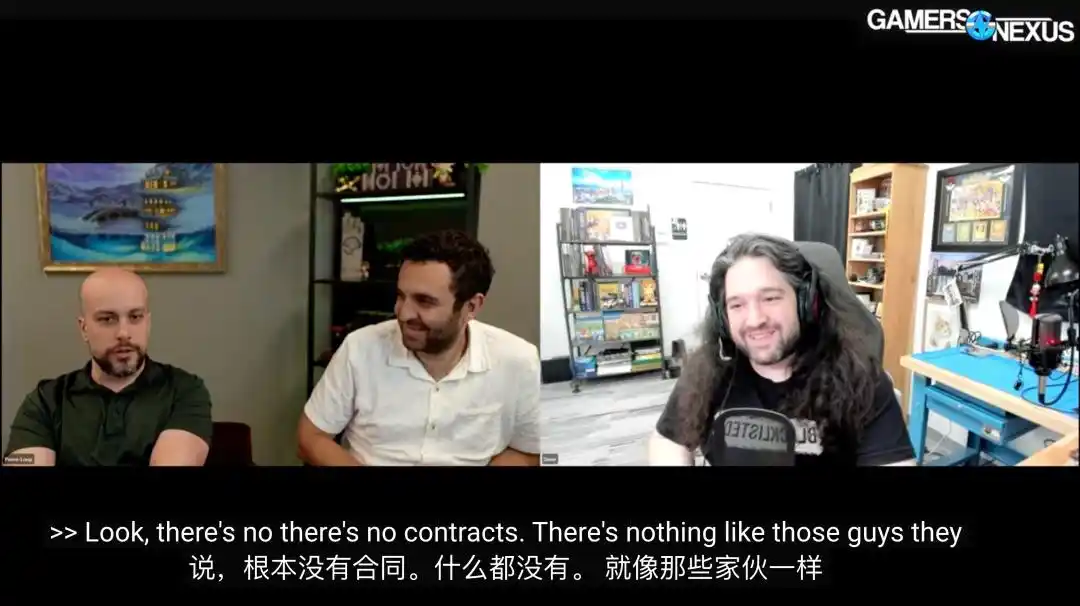
To players, Valve is a giant in the gaming industry, but within the entire semiconductor sector, its bargaining power isn't as great as imagined.
To upstream memory manufacturers, Valve is about as significant as a melon seller in Huaqiangbei: 15 jin for 30 yuan, take it or leave it.
Not just Valve—the entire gaming industry has to take a back seat in the AI era.
For many years, consumer electronics was one of the biggest clients for chip and memory manufacturers. Gaming consoles, PCs, phones, laptops... these products collectively consumed the vast majority of the world's chips, memory, and flash storage.
But AI has changed all that.
What's most profitable today is no longer gaming consoles, but data centers.

A single high-end GPU can sell for tens of thousands or even hundreds of thousands of yuan. An AI server rack requires several terabytes of high-bandwidth memory, enterprise-grade SSDs, and a massive number of advanced chips. In comparison, a gaming console costing a few thousand yuan offers negligible profit.
Thus, more and more production capacity is flowing toward AI. Manufacturers wave checks, scrambling for limited resources. Chips, memory, hard drives... everything is rising.

Gamers used to sit at the main or secondary table; now they don't even qualify to sit, only able to pick up the leftovers from the large models.
Micron has already stopped playing in the consumer market. SanDisk is kinder; they recently launched a PS5-specific solid-state drive, with the 8TB version priced around 20,000 yuan—enough to buy three PS5 Pros.
Hardware is just the first cost. What really gives manufacturers headaches is the games themselves.
Twenty years ago, a game could be completed by a few dozen people developing for two or three years. Today, a top-tier AAA game often has a development cycle of five or six years, with team sizes reaching hundreds or even thousands. Art, motion capture, voice acting, open-world design—everything is constantly being upgraded.
Players expect games to be more realistic, so manufacturers must continuously increase investment. Games are becoming more like movies, even more expensive than movies.
Rumors suggest GTA6's development cost is around $1-1.5 billion. The previous game's $265 million was astronomical at the time, but now it's just a fraction of GTA6's budget.
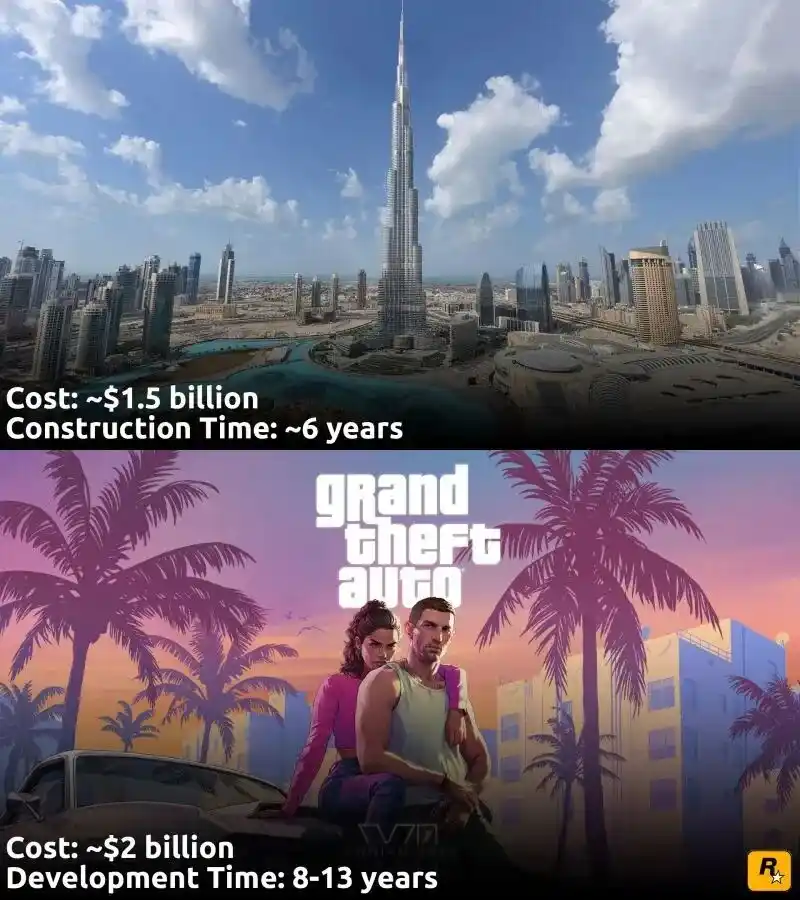
According to the most aggressive estimates, GTA 6's cost has surpassed that of the Burj Khalifa.
A movie ends upon release, but most AAA games today require ongoing operation for years, continuously releasing new content, maintaining servers, and updating versions.
Costs keep accumulating, making it increasingly difficult for traditional one-time purchases to cover all expenses.
This is why, in recent years, almost every platform has been pushing for the same things: digital editions replacing physical ones, subscription models replacing single purchases, long-term operation replacing one-off deals.
From the manufacturers' perspective, these changes bring more stable revenue and help cover rising development costs.
But from the players' perspective, when they're being harvested batch after batch, it's hard not to feel like a cash crop.
It's just that the AI era has altered the entire cost structure of the gaming industry. And ultimately, these costs are being passed down, layer by layer, onto players' wallets.
The Era of Increasingly Expensive Entertainment
Manufacturers can present a thousand and one reasons for price increases, but players only need one sentence to counter them all:
Your increasingly expensive games... aren't even that fun.

GPU performance has multiplied, yet new releases are increasingly poorly optimized, treating launch players like paid beta testers;
Maps get bigger, models get more detailed, but the gameplay feels more and more like assembly-line products, starting with clearing question marks, essentially working a second shift after work;
More and more "live service" games launch as half-finished products, then package the remaining content as DLC to harvest players again, following the base game with season passes and battle passes.

If price hikes brought better experiences, players might complain but eventually grit their teeth and accept it. The problem is they're not only getting more expensive but also worse.
And what hasn't gotten more expensive in recent years?
Video streaming memberships have become increasingly complex, with regular memberships topped by early access and VIP, SVIP, VVIP tiers;
Music platforms have fully entered the subscription era, with a few desired songs always grayed out;
Once freely available cloud storage is now locking down capacity;
AI chat, AI art, AI video generation—one after another turned into monthly subscription services.

Gaming is just the earliest and most easily perceived industry.
For a long time, it was recognized as "the cheapest entertainment for the poor." A console could serve for several years, a single game could offer dozens or hundreds of hours. Steam Summer Sales, indie games, free-to-play online games firmly nailed electronic gaming to the throne of "king of cost-effectiveness."
Compared to a movie ticket, a concert, or a trip, gaming was almost the cheapest form of joy per unit of time. The cost of a two-hour movie ticket could allow a player to live an entire life in a game.

Precisely because of this, when games started getting more expensive, the player reaction was so intense.
What people truly fear isn't spending a few dozen extra yuan, but that the era of "happiness getting cheaper and cheaper" seems to be ending.
If the greatest characteristic of the internet over the past two decades was continuously lowering the barrier to entertainment, then the AI era is the era where that barrier is rising higher and higher.
To train a smarter large model requires tens of thousands of GPUs, massive amounts of high-bandwidth memory, and storage devices. To enable AI to generate video, images, and music requires continuous investment in computing power, electricity, and data centers.

Nvidia's latest AI platform has a single rack power consumption of 200kW.
Resources that once flowed to consumer electronics are increasingly flowing to AI infrastructure. Low-cost internet services once built on capital subsidies are now seeking business models to cover costs.
Thus, while people enjoy the conveniences AI brings, they also bear its costs.
From chips and semiconductors to hardware devices, to software subscriptions, price increases are being transmitted step by step.
More and more things that were once one-time purchases are becoming monthly subscription services—including your games, your music, even the photos on your hard drive.
Objectively speaking, the emergence of AI isn't the sole cause of all this. But AI has undoubtedly stepped on the accelerator. It has redistributed upstream resources like chips and memory and redefined monetization methods in the software industry.
AI promises to liberate human productivity, making life more efficient and relaxed. Perhaps that promise will be fulfilled one day. But in the foreseeable future, it's bringing about the opposite change.
That era of relying on the internet and technological progress to continuously make happiness cheaper is slowly passing.
Perhaps in the future, we will indeed play more realistic games, use smarter AI, and have far richer digital entertainment experiences than today.
It's just that, before reaching that future, we still have to keep paying for it in advance.
This article is from the WeChat public account "Phoenix Weekly" (ID: phoenixweekly), author: Wang Dong, editor: Yan Ruyi